A Journey of Your Own: Nanjing, Suzhou, Shanghai, and Wuzhen — A Solo Traveler's Southern China Adventure
Meta Description: Discover the ultimate solo travel itinerary for southern China. Explore Nanjing, Suzhou, Shanghai, and Wuzhen in 15 days. Expert tips on budget, packing, and must-see attractions for independent travelers.
Introduction: Why Solo Travel in Southern China Will Change You
Have you ever felt the pull to travel far away, only to be held back by a dozen excuses? Work is too busy. The budget is tight. You can't find a travel companion. The weather isn't right. These excuses form an invisible net, trapping us in the familiar routines of daily life.
In May 2018, I stood at a crossroads in life and finally made up my mind. I packed my bag and set off alone on a journey through southern China. My destinations: Nanjing, Suzhou, Shanghai, and Wuzhen. Fifteen days, just me, one backpack, one carry-on bag.
When we're young, we have energy and time but no money. In middle age, we have energy and money but no time. In old age, we have money and time but no longer the energy to go anywhere. I didn't want to wait until my hair turned white, only to regret not having taken a few more steps when I was younger. So seize the moment — while you can still move, go see the world.
[Link: Benefits of solo travel in Asia]
Preparation: Simple but Thorough Solo Travel Packing List
My gear was minimal: one backpack and one lightweight hard-shell carry-on bag. Inside: two sets of clothes, toiletries, personal care items (nail clippers, razor, etc.), common medicines, a power bank, phone, iPad, ID card, and cash.
A week before departure, I spent days on Mafengwo, studying guides, routes, and weather forecasts. Planning ahead is the key to travel — going in blind only wastes time.
Essential Solo Travel Tips for Southern China
| Category | Recommendations |
|---|---|
| Transportation | Trains, high-speed rail, bike-sharing, subway, and buses. Download Gaode Maps, Mobike, and Hellobike in advance. |
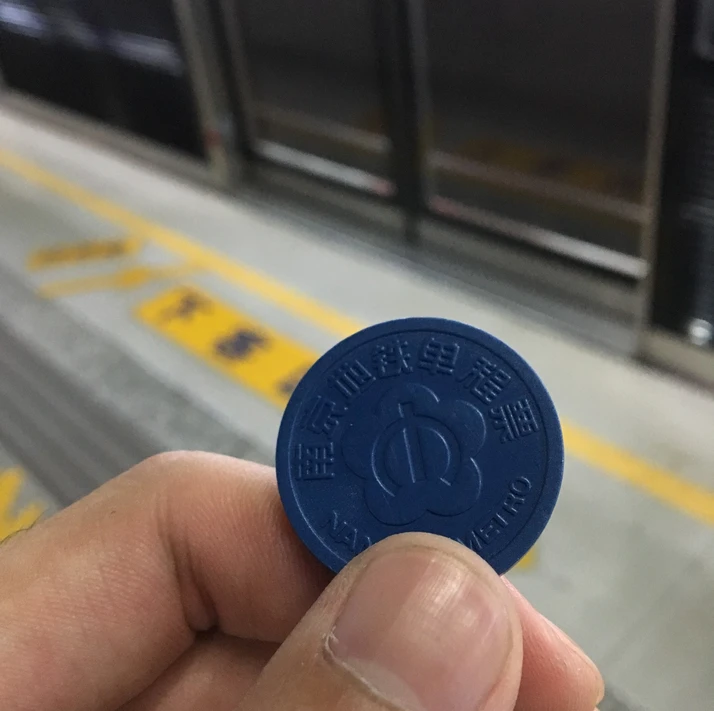
| Small change | Prepare 25 yuan in one-yuan bills and coins. About half coins, half paper money — mainly for subway and bus fares. |
| Umbrella | Southern weather changes on a dime. Essential for sudden downpours. |
| Clothing | Bring a long-sleeve shirt. The temperature difference between day and night is significant. |
| Accommodation | Book at least a month in advance. Youth hostels with free cancellation are ideal. |
| Tickets | Train tickets must be booked early. Flight tickets booked in advance come with discounts. |
| Best season | April and May are ideal. Avoid June-August heat. |
[Link: Best time to visit China for solo travel]
Overall Route: Nanjing → Suzhou → Shanghai → Wuzhen
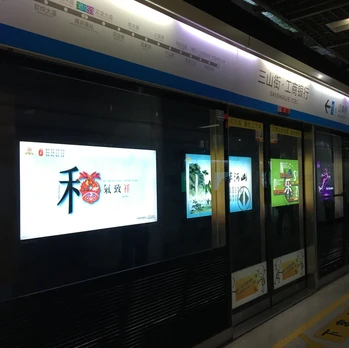
Fifteen days, four cities. Each place left its own unique memories. This southern China itinerary is designed for solo travelers seeking culture, history, and authentic experiences.
First Stop: Nanjing — A City That Makes You Slow Down
Nanjing, historically known as Jinling and Jiankang, is one of China's four great ancient capitals. It lacks the hustle and bustle of Beijing, Shanghai, or Guangzhou, but possesses a quiet strength that naturally makes you slow your pace.
Accommodation and Transportation in Nanjing
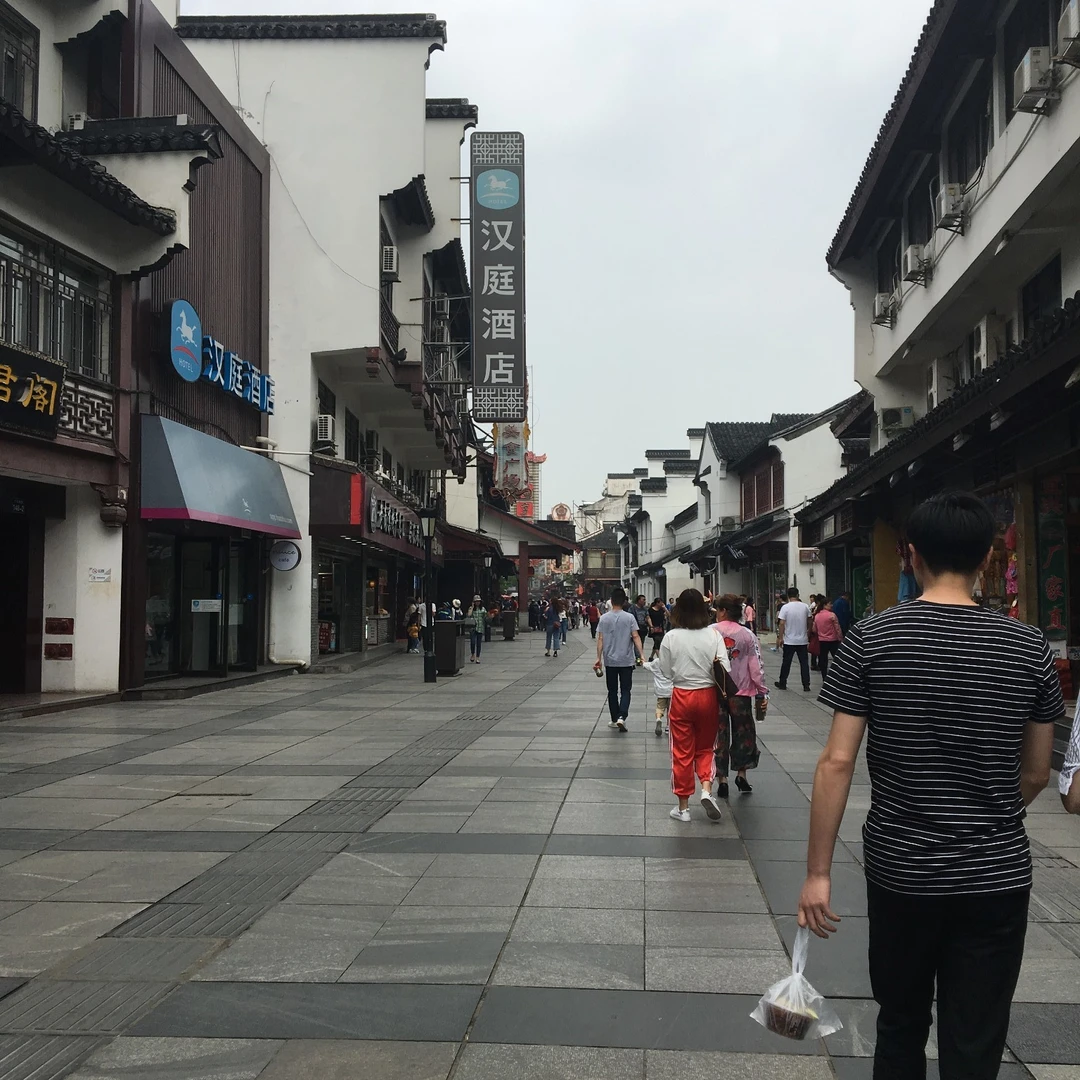
I stayed at the Nanjing Zhan Yuan International Youth Hostel, located within the Qinhuai River scenic area — an unbeatable location. The subway and Hellobike bike-sharing were my main modes of transport. From the subway exit, I'd ride a little blue bike for ten minutes and arrive at the hostel.
The hostel had real character — classic Chinese style with old-world charm. After enjoying the Qinhuai River night views, I could walk back to my room in just a few minutes.
Day 1: Confucius Temple–Qinhuai River Scenic Belt → Zhan Yuan Garden → Nanjing Pai Dang → Night Cruise on Qinhuai River
Confucius Temple–Qinhuai River Scenic Belt
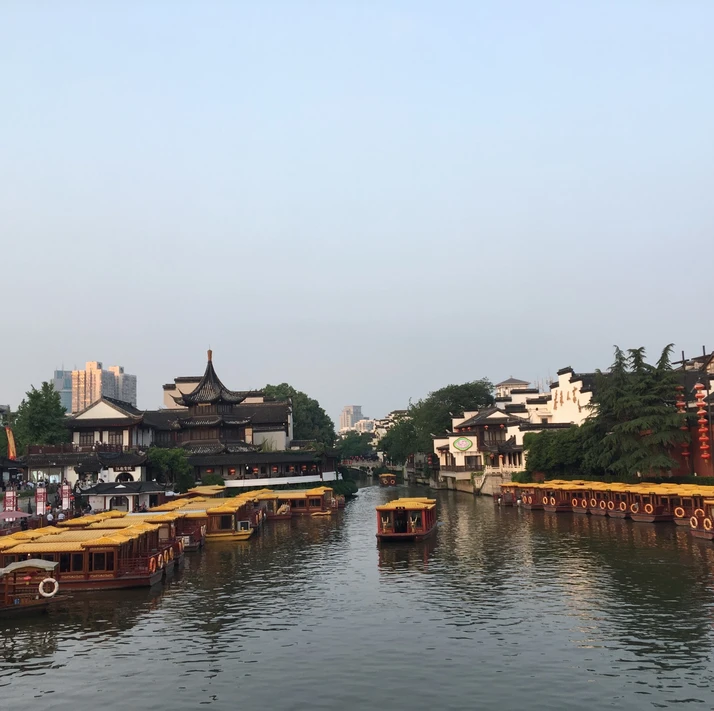
Arriving in Nanjing, I couldn't wait to soak in the city. My hostel was right next to the Qinhuai River. The weather was a bit overcast that day, but pleasantly cool, and I was in high spirits. Walking along the river, the ancient buildings on both banks reflected in the water — it felt like stepping back in time.
Zhan Yuan Garden: The Finest Garden in Jinling
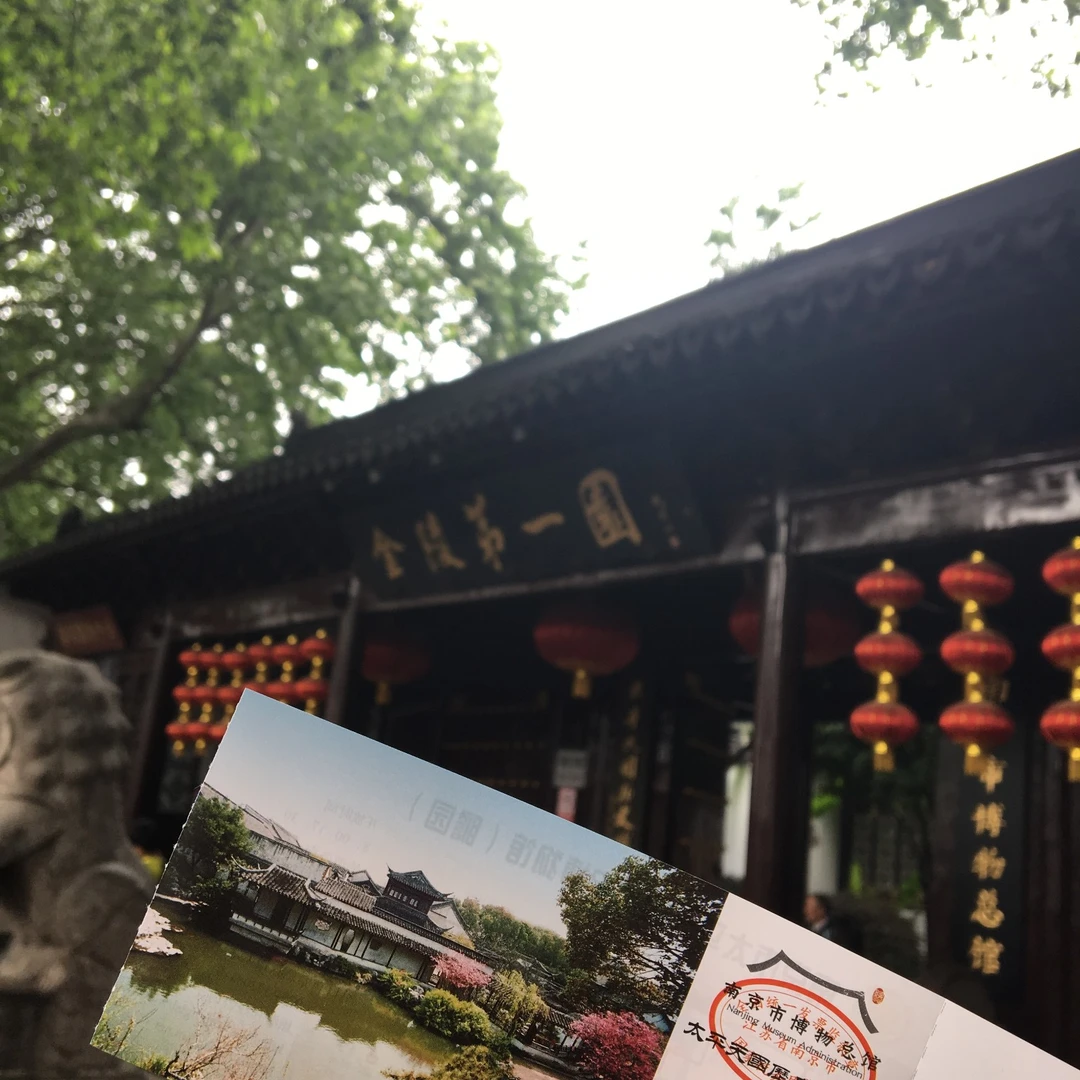
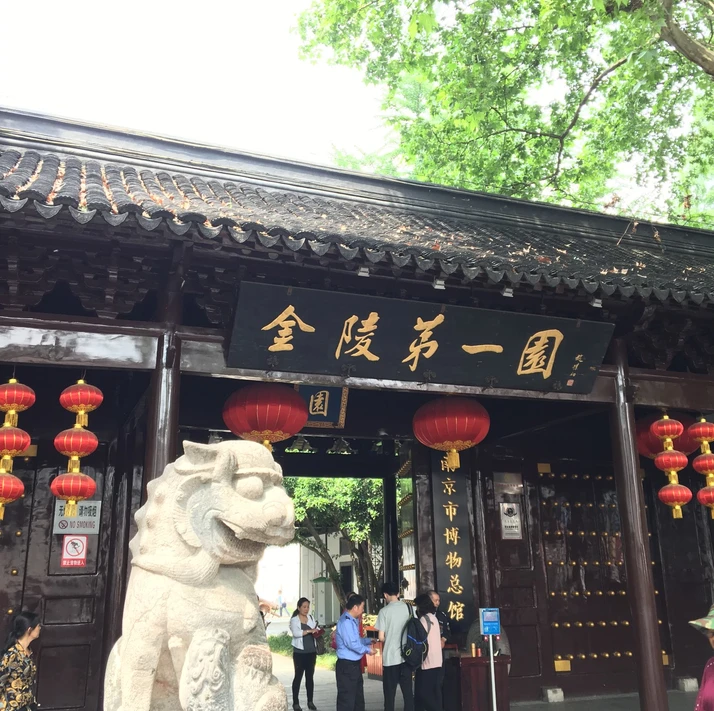
Zhan Yuan is the oldest surviving garden in Nanjing, first built during the Jiajing reign of the Ming Dynasty (1522–1566). Admission is 30 yuan. I wouldn't recommend hiring a guide — the garden isn't large, though the paths can be a bit winding, and there's a route map on the back of your ticket. One to two hours is enough to explore.
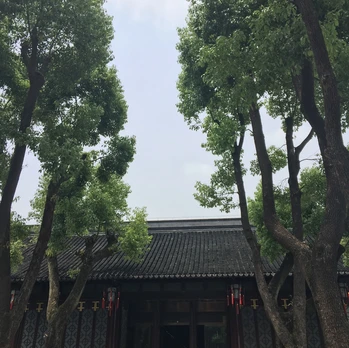
At the entrance, two rows of towering trees line the path, creating an imposing atmosphere. Rockeries, waterside pavilions, and terraces are scattered throughout the garden. The most eye-catching sights were the young women dressed in Republic-era (1912–1949) clothing, posing for photos — there are many costume rental shops in Nanjing. If you're a woman, renting a set of these outfits will yield absolutely stunning photos.
There's one perfect photo spot in the garden where water cascades down to form a small waterfall grotto. Unfortunately, I didn't have a DSLR camera, and my zoomed-in shots came out blurry. So don't complain about the weight of a DSLR — it's worth it for the photos.
Nanjing Pai Dang (Deji Plaza Branch)
Around 4 PM, I took the subway to Xinjiekou, with one goal in mind: Nanjing Pai Dang. This Republic-era themed restaurant is full of character — Eight Immortals tables, wooden number plates, waitstaff in ancient costume — it felt like stepping into a teahouse or tavern from the late Qing or early Republic era.
Eating alone, I only ordered three dishes: 民国美龄粥 (Meiling Congee, a sweet rice congee named after Soong Mei-ling), 古法糖芋苗 (traditional sweet taro shoots in syrup), and 桂花拉糕 (osmanthus sticky rice cake). The congee came in an enormous bowl — I could barely walk out after finishing it. The taro shoots were sweet, fragrant, and soft; the osmanthus cake was refreshing and light. Total cost: about 30 yuan per person. Great value.
Night Cruise on Qinhuai River
After eating, I returned to the Qinhuai River and photographed it from dusk until night. The river is even more enchanting at night than during the day. Brilliant lights, painted pleasure boats, and crowds of people. Black Clothes Lane (Wuyi Xiang), the World Literary Pivot Archway (Tianxia Wenshu), the Jiangnan Examination Hall — every spot was worth lingering over.
The most breathtaking moment came at dusk: music suddenly played over the river, where two dragons played with a pearl, and dancers on the boats began to move gracefully. Though I couldn't make out their faces from a distance, the atmosphere was so beautiful it made my heart ache.
Day 2: Duck Blood Vermicelli Soup → Sun Yat-sen Mausoleum → Ming Xiaoling Mausoleum → Yuhuatai → Pioneer Bookstore → Yilu Road → Xuanwu Lake
Duck Blood Vermicelli Soup at Yadebao
The Qinhuai River was especially peaceful in the early morning — only a sanitation worker and me. After taking photos, I went to try Nanjing's famous snack: 鸭血粉丝汤 (duck blood vermicelli soup). Yadebao and Huiwei are the two most famous brands. I ordered the deluxe version, which included duck intestines and duck liver. The broth was rich and savory — a must-try when in Nanjing.
Sun Yat-sen Mausoleum: Symbol of the City of Fraternity
The mausoleum is free to enter, but you need to take a sightseeing car to the entrance (10 yuan one way). Walking from the base to the site takes half an hour, all uphill — I recommend taking the car.
At the entrance, you can rent an audio guide (10 yuan), which I strongly recommend. It provides commentary throughout, helping you understand the history and culture. The mausoleum complex is built with classical Chinese architectural elements and sits majestically on the hillside.
[Link: Nanjing travel guide for solo travelers]
Second Stop: Suzhou — Classical Gardens and Silk Culture
Suzhou, known as the "Venice of the East," is famous for its classical gardens, silk industry, and canal networks. This city offers a peaceful contrast to the bustling energy of Shanghai.
Top Attractions in Suzhou
- Humble Administrator's Garden – UNESCO World Heritage site and one of China's four most famous gardens
- Pingjiang Road – Ancient street with canals, tea houses, and local crafts
- Tiger Hill – Historical site with the famous Leaning Tower of Tiger Hill
- Suzhou Museum – Designed by I.M. Pei, blending modern and traditional architecture
[Link: Suzhou garden travel tips]
Third Stop: Shanghai — Modern Metropolis with Historic Charm
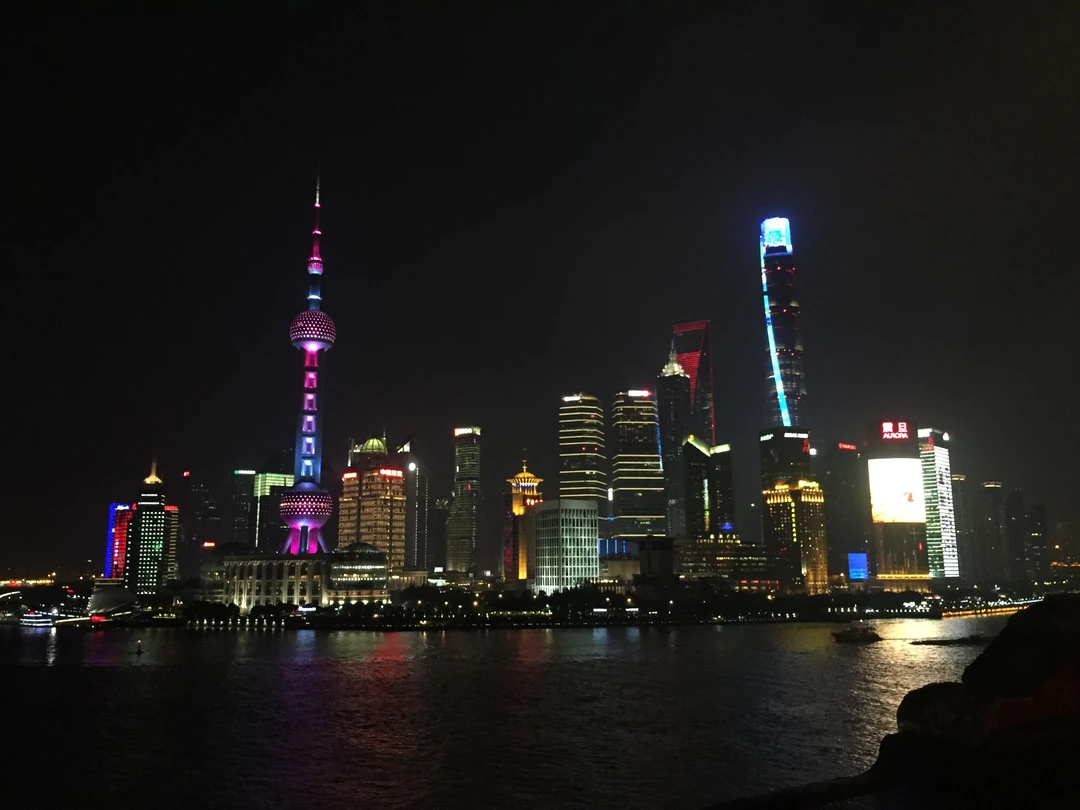
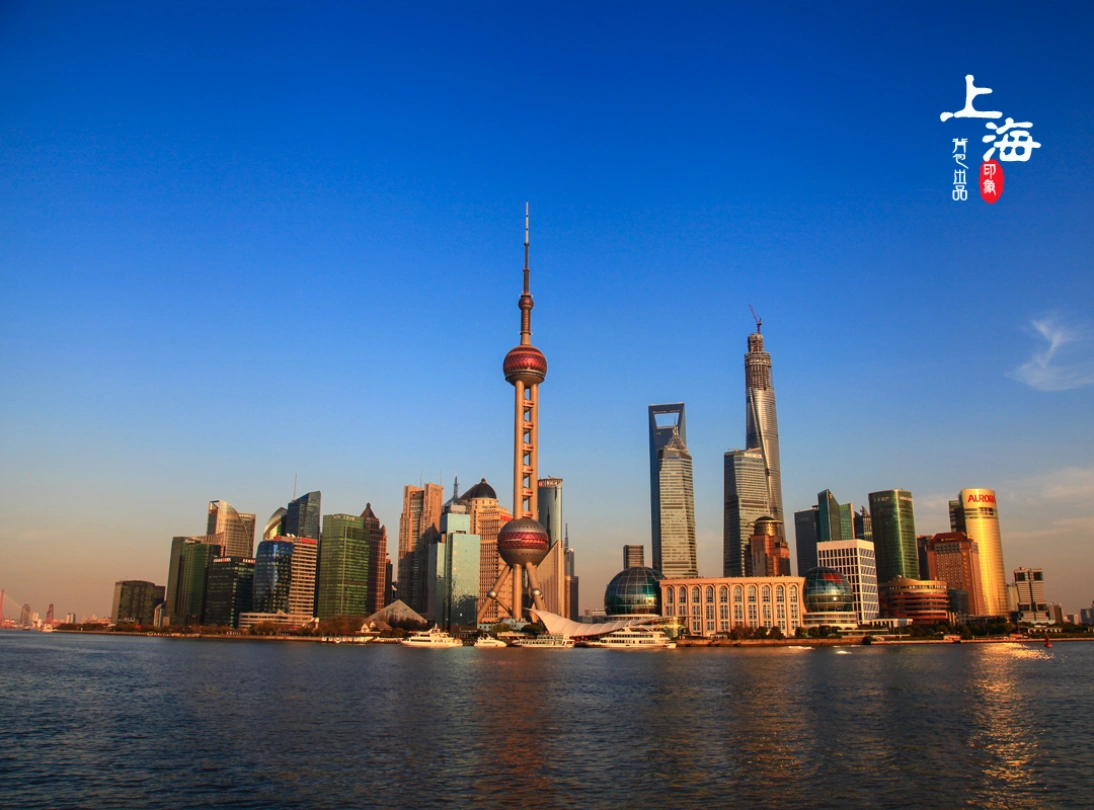
Shanghai needs no introduction. From the futuristic skyline of Pudong to the colonial architecture of the Bund, this city offers endless exploration opportunities.
Must-Visit Spots in Shanghai
- The Bund – Iconic waterfront promenade with stunning skyline views
- Yu Garden – Classical Chinese garden in the heart of the old city
- Nanjing Road – One of the world's busiest shopping streets
- Oriental Pearl Tower – Iconic TV tower with observation decks
- French Concession – Tree-lined streets with European-style architecture
[Link: Shanghai solo travel itinerary]
Fourth Stop: Wuzhen — A Water Town Frozen in Time
Wuzhen is one of China's most beautiful ancient water towns, with canals, stone bridges, and traditional wooden houses dating back over 1,000 years.
Why Wuzhen is Perfect for Solo Travelers
- Peaceful atmosphere – Fewer crowds than other water towns
- Photography paradise – Every corner offers a picture-perfect scene
- Local experiences – Stay in a traditional guesthouse, take a boat ride, try local snacks
- Easy to navigate – Small enough to explore on foot in one day
[Link: Wuzhen water town travel guide]
FAQ: Solo Travel in Southern China
1. Is it safe for solo female travelers in China?
Yes, China is generally very safe for solo female travelers. Cities like Nanjing, Suzhou, and Shanghai have low crime rates. However, always practice common sense — avoid walking alone late at night, keep valuables secure, and stay in reputable accommodations.
2. How much does a 15-day solo trip to southern China cost?
 A budget solo trip (hostels, local food, public transport) costs approximately $800-$1,200 USD. Mid-range options (3-star hotels, some taxis, nicer restaurants) run $1,500-$2,000 USD. Prices vary by season and city.
3. Do I need to speak Chinese to travel solo in China?
 Basic Mandarin phrases help, but many tourist areas have English signage. Download translation apps like Google Translate or Pleco. In major cities, younger people often speak some English.
4. What's the best time of year for solo travel in southern China?
April, May, September, and October offer the most pleasant weather. Avoid June-August (heat and humidity) and Chinese New Year (crowded and expensive).
5. How do I get between these four cities?
High-speed rail is the best option. Nanjing to Suzhou: 1 hour. Suzhou to Shanghai: 30 minutes. Shanghai to Wuzhen: 1.5 hours by bus or private transfer. Book tickets via Ctrip or 12306.cn.
Final Thoughts: Your Solo Journey Awaits
Fifteen days in southern China taught me more about myself than any classroom ever could. The quiet strength of Nanjing, the classical beauty of Suzhou, the electric energy of Shanghai, and the timeless charm of Wuzhen — each city left its mark on my soul.
Ready to start your own journey? Here's your action plan:
- Book your flights to Shanghai or Nanjing
- Reserve accommodations at least a month in advance
- Download essential apps (Gaode Maps, Pleco, Ctrip)
- Pack light but smart
- Embrace the unknown – the best memories come from unexpected moments
Your solo adventure in southern China is waiting. Don't let another excuse hold you back. Pack your bag, step out the door, and discover the version of yourself that only travel can reveal.
[Link: Book your China solo travel package]
You may also like