A Journey of Remembrance: 15-Day Self-Drive from Xinjiang to Qinghai – Kanas to Chaka, the Ultimate Homecoming Road Trip
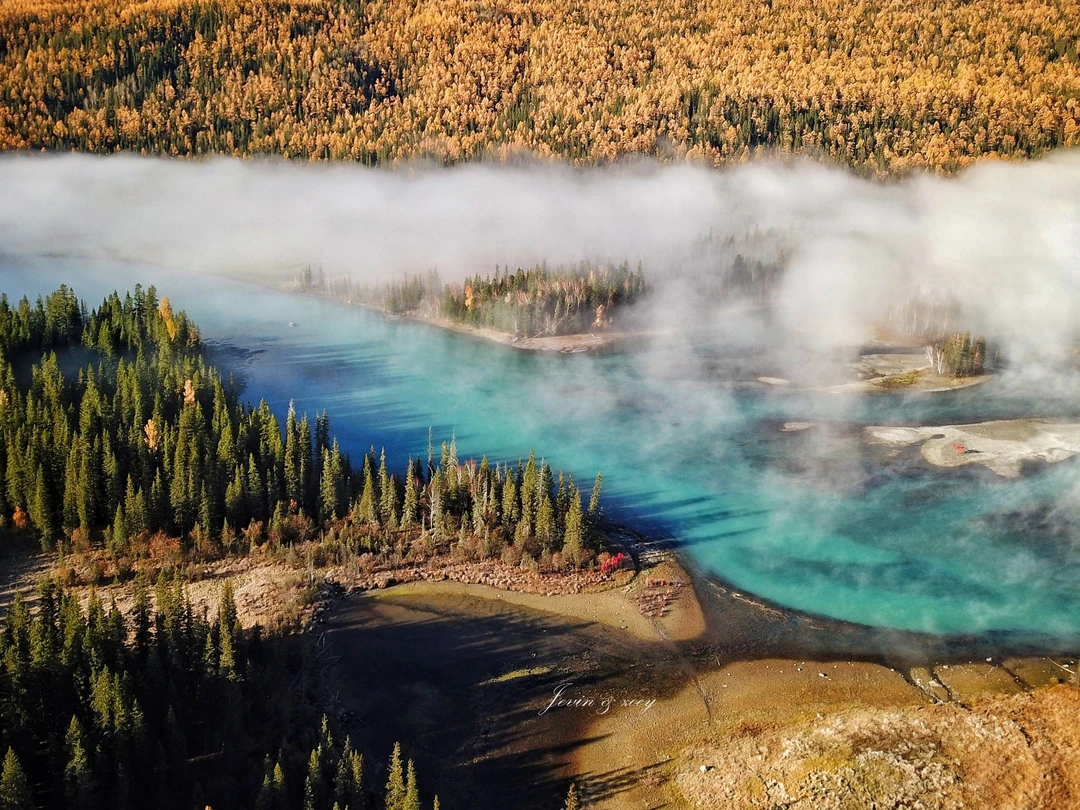
Meta Description: Plan your epic 15-day self-drive from Xinjiang to Qinghai, covering Kanas, Duku Highway, and Chaka Salt Lake. Expert tips on routes, costs, and autumn photography. 8,156 km of paradise road awaits.
Introduction: Why This 15-Day Xinjiang to Qinghai Road Trip Is a Bucket List Journey
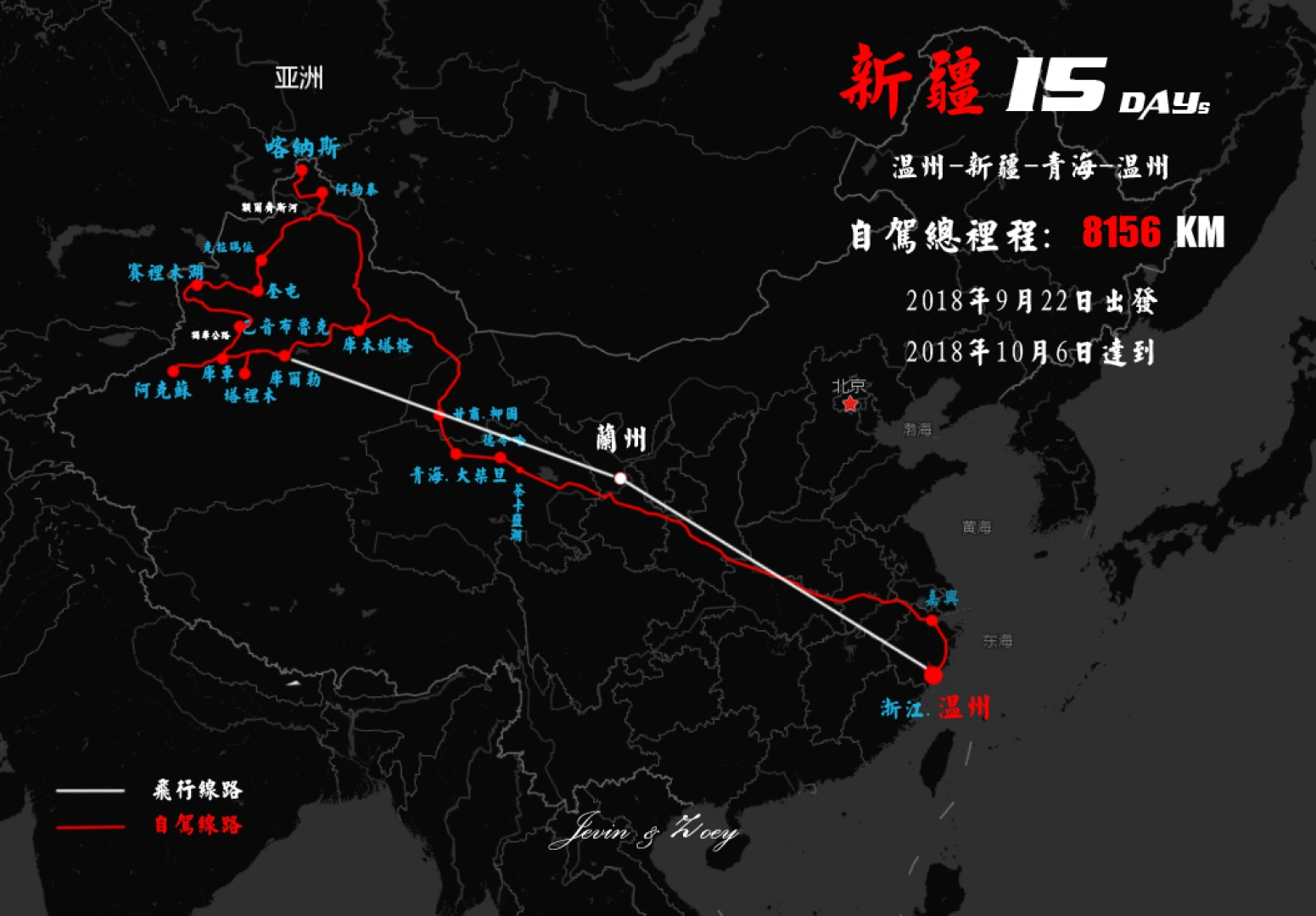
There are road trips, and then there are homecoming journeys that stitch together memories, landscapes, and raw emotion. This 15-day self-drive from Xinjiang to Qinghai is exactly that—a pilgrimage from the golden autumn of Kanas to the mirror-like salt flats of Chaka, traversing 8,156 kilometers of China's most breathtaking terrain.
Born in Xinjiang but raised in Zhejiang, I returned after sixteen years with my family, tracing a route that many dream of but few execute perfectly. From the Duku Highway's snow-capped passes to the Tarim Poplar Forest's desert resilience, this itinerary balances iconic stops with hidden gems. Whether you're a seasoned self-driver or a first-time explorer of China's northwest, this guide delivers actionable insights for an unforgettable journey.
[Link: Best time to visit Xinjiang]
Why September? – The Golden Window for Kanas Autumn Colors

Many travelers flock to Xinjiang in July and August for lush grasslands and ripe fruit. But September—specifically mid-September to National Day—unlocks Kanas's peak autumn splendor. The leaves transform into a riot of gold, orange, and crimson, but timing is everything. Arrive too early, and the foliage remains patchy green-yellow; one day too late, and a strong wind can strip the trees bare.
Xinjiang's Seasonal Highlights at a Glance
| Month | Best Destinations | What to Expect |
|---|---|---|
| March | Turpan, Yili | Apricot blossoms, early spring oil painting |
| April | Kumtag Desert | Avoid peak heat, enjoy desert solitude |
| May | Kashgar, Pamir Plateau, Barkol Grassland | Cultural immersion, wildflower meadows |
| June | Yili grasslands, lavender fields | Blooming meadows, romantic purple rows |
| July–August | All Xinjiang | Ripe fruits, lush grasslands, peak tourism |
| September | Kanas, Baihaba, Koktokay | Autumn color explosion |
| October | Golden poplar forests | Desert life celebration |
| November–March | Hemu, ski resorts | Fairy-tale snowscapes, world-class skiing |
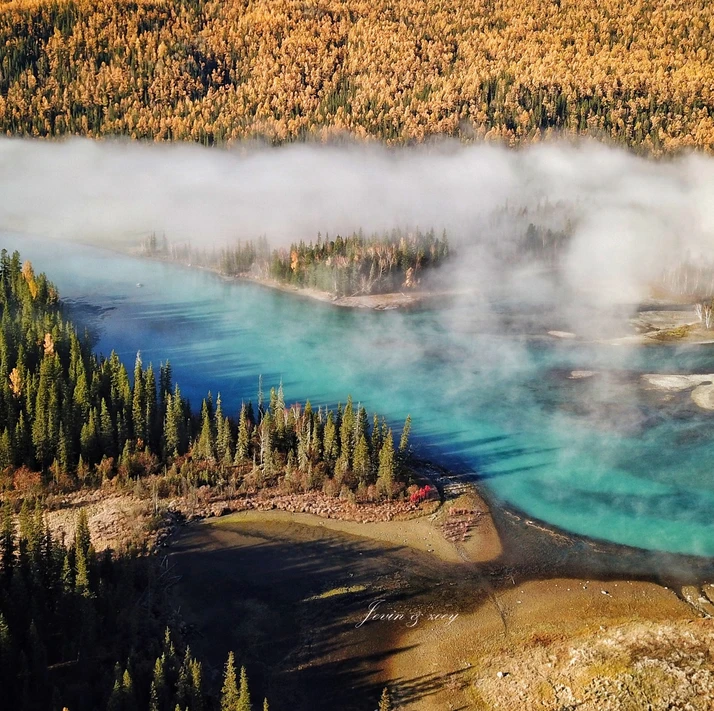
Key Insight: For Kanas, book accommodation inside the scenic area as early as possible—rooms vanish weeks before National Day. If you miss the window, consider staying in Jiadengyu (the gateway town) and entering the park at dawn.
[Link: Kanas travel tips 2024]
Pre-Trip Preparation: Essential Details That Make or Break Your Journey
Transportation: Book Flights Early, Avoid Budget Airlines
Flights from Zhejiang to Xinjiang during peak season rarely see deep discounts. If your schedule is flexible, connecting flights via Xi'an or Chengdu can save money. Warning: Budget carriers like West Air may cancel flights without notice—ours was canceled two days before departure, forcing a one-day delay. Book refundable tickets or choose full-service airlines for peace of mind.
Self-Drive vs. Hiring a Driver: - Self-drive: Cheaper but exhausting. Xinjiang has numerous speed-check zones, and unfamiliar roads can lead to fines. Rental costs: ~300–500 yuan/day for a standard SUV. - Hired driver: 1,200–1,500 yuan/day (vehicle + driver). Ideal for groups of 4–6, as costs split well. Drivers know local roads and can suggest off-grid stops.
What to Pack: Temperature Swings Will Surprise You
Xinjiang's September temperature difference between day and night can exceed 20°C (36°F). Pack layers: - Daytime: Light long sleeves, sun hat, sunglasses - Evening: Windbreaker or down jacket (essential for Kanas and Sayram Lake) - Photography tip: Ladies, bring a red dress—it's a cliché for a reason. Against Kanas's golden leaves or Chaka's white salt flats, red pops brilliantly.
Food: Forget Your Diet – Xinjiang Cuisine Demands Indulgence
Lamb skewers (yangrou chuan), whole roasted lamb (kao quanyang), baked lamb buns (kao baozi), big plate chicken (dapan ji), spicy chicken (lazi ji), Sichuan pepper chicken (jiao ma ji), pulled noodles (ban mian), and naan bread (nang)—the list is endless. Plus, fruits like Korla pears, Hami melons, fresh figs, and pomegranates are sweet to the core.
Must-try in Korla: Red willow lamb skewers (hongliu kaorou) and "tiger dish" (laohu cai)—a refreshing mix of onion, tomato, and chili that cuts through the richness of lamb.
Accommodation: Book Kanas Rooms 2–3 Months in Advance
As National Day approaches, rooms inside Kanas Scenic Area become scarce. We found last-minute options by luck, but don't rely on chance. Alternatives: - Yurts (zhanfang): Distinctive Xinjiang experience, reasonably priced (~150–300 yuan/night), great for groups. - Jiadengyu hotels: More availability but require early morning entry into the park. - Bayinbuluke inns: Basic rooms for 100 yuan/night; better options at 200–300 yuan.
[Link: Xinjiang self-drive accommodation guide]
Itinerary Overview: 8,156 Kilometers of Paradise and Madness
This route spends 7 days in Xinjiang before crossing into Qinghai. Unlike the traditional Urumqi–Kanas loop, we started from Korla (my birthplace) and headed north, adding a unique southern Xinjiang flavor.
| Day | Route | Highlights |
|---|---|---|
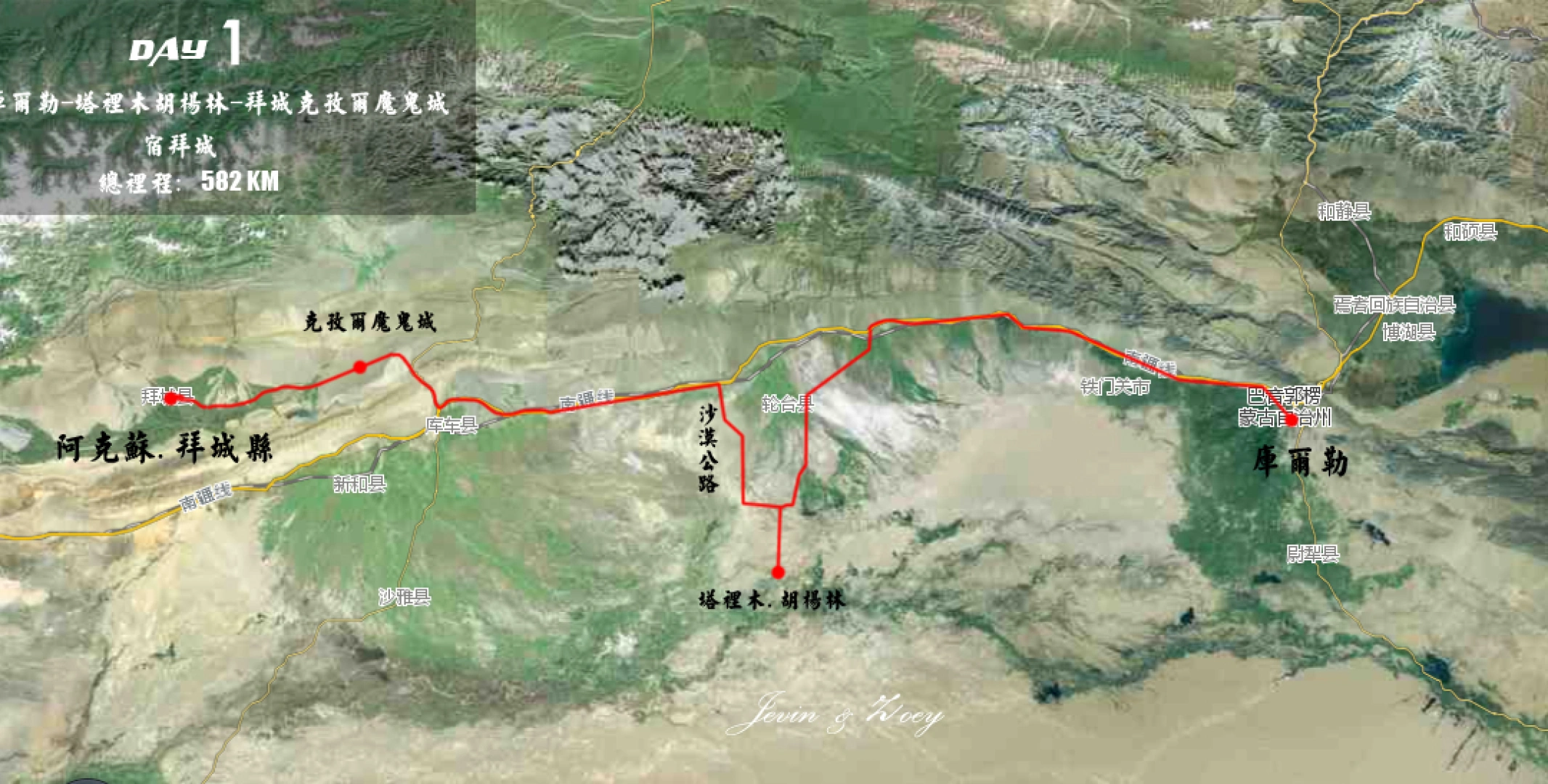
| 1 | Korla → Tarim Poplar Forest → Baicheng Kizil Devil City | Poplar forest, sandstorm adventure, free Devil City |
| 2 | Baicheng → Kucha Grand Canyon → Duku Highway → Bayinbuluke | Canyon hike, four-season highway, snow surprise |
| 3 | Bayinbuluke → Nalati → Sayram Lake → Kuytun | Snowy grasslands, rain at Sayram, tight schedule |
| 4 | Kuytun → Irtysh River → Kanas (Jiadengyu) | River views, arrival at autumn paradise |
| 5 | Fairy Bay → Moon Bay → Crouching Dragon Bay → Fish Viewing Terrace | Kanas highlights, full-day exploration |
| 6 | Hemu Village → Qinghe County | Fairy-tale village, border county charm |
| 7 | Qinghe County → Kumtag Desert → Hami → Liuyuan, Gansu | Desert crossing, entry into Gansu |
| 8 | Liuyuan, Gansu → Nanbaxian → Water Yadan → Delingha, Qinghai | Yadan landforms, Qinghai arrival |
| 9–11 | Delingha → Chaka Salt Lake → Jiaxing → Wenzhou, Zhejiang | Salt flat reflections, return to coastal home |
Day 1: Poplar Forest and Devil City in a Sandstorm
Korla, the pear city, was our emotional starting point. During rest time, we feasted on local specialties: red willow lamb skewers, whole roasted lamb (the skin was unbeatable after a 3-hour wait), roasted lamb kidneys, hand-grabbed lamb (shouba rou) with no gamey taste, and fresh fruits like winter jujubes, goji berries, and figs.
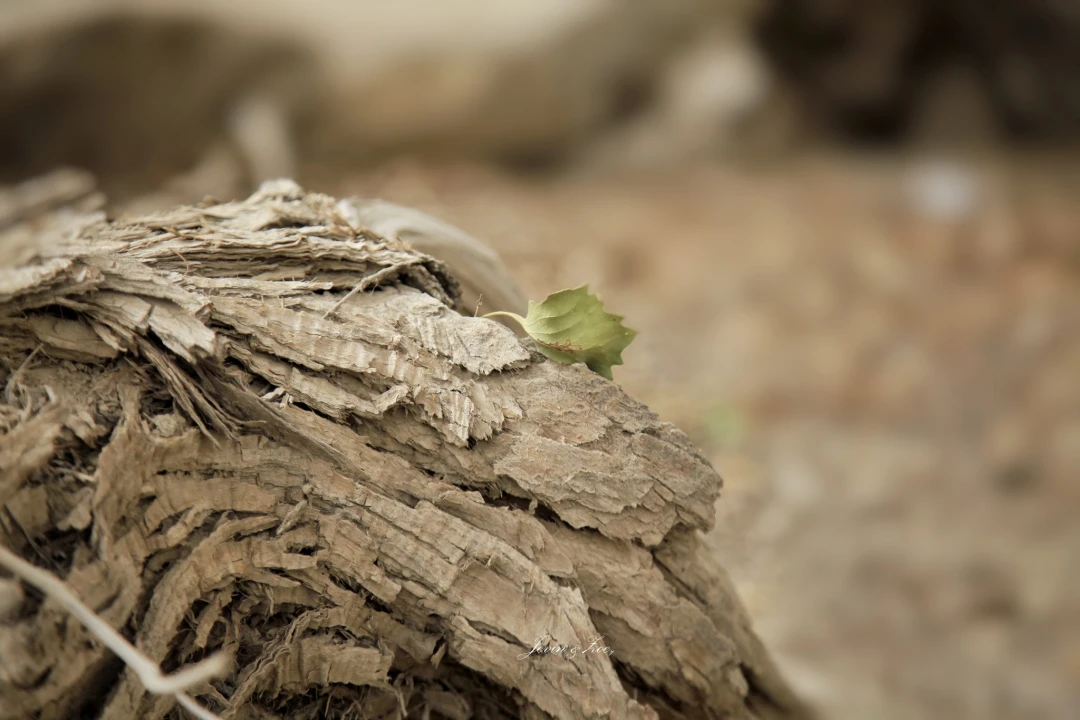
But nature had other plans. A sandstorm hit with visibility under 5 meters. By the time we reached Tarim Poplar Forest Park at 5 PM, the poplars were still patchy green-yellow—not the golden spectacle we hoped for. The desert highway plan was scrapped.
Lesson: Late September is too early for peak poplar colors. Aim for mid-to-late October for golden foliage.
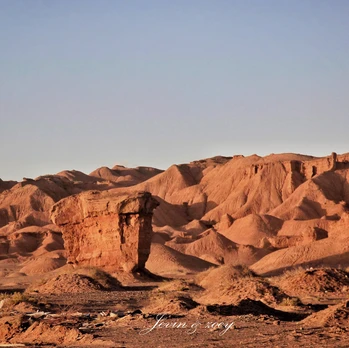
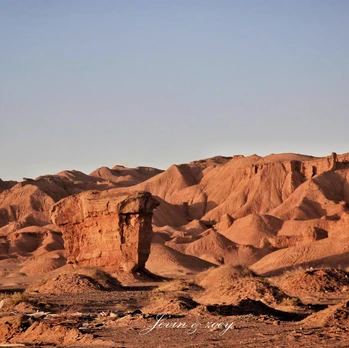
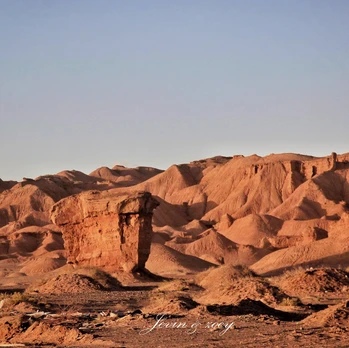
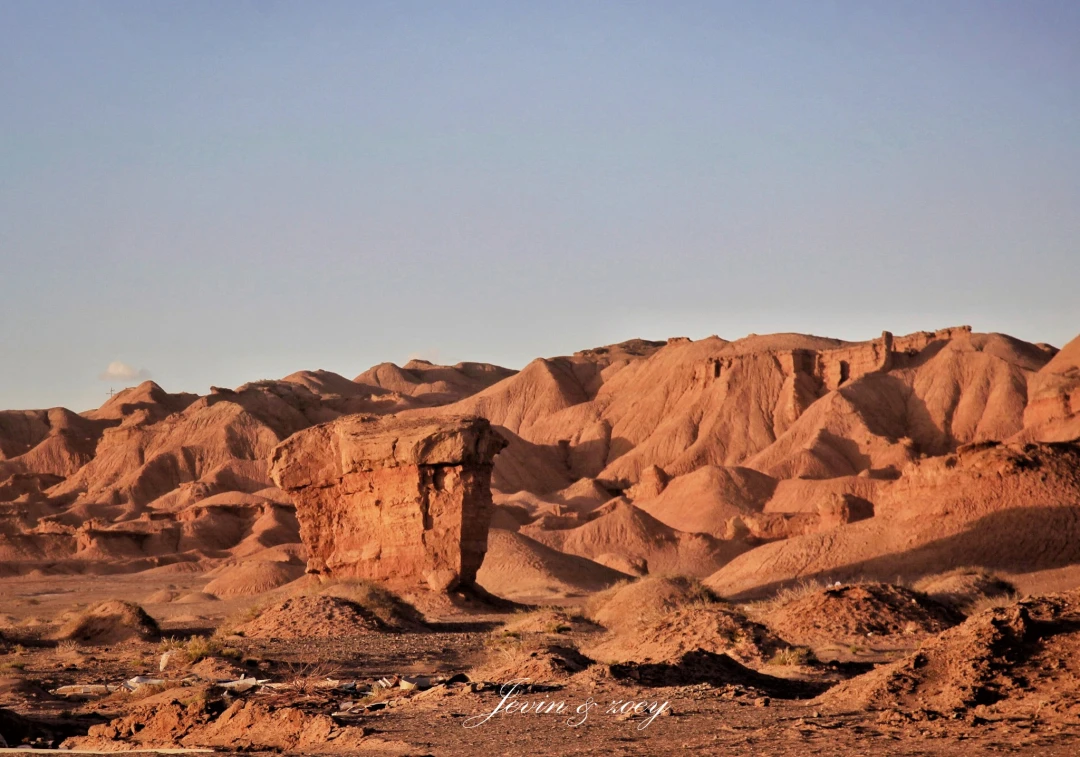
By evening, we reached Baicheng Kizil Devil City. Once a paid attraction, it's now free due to management issues. As darkness fell, the eroded rock formations took on an eerie beauty—perfect for silhouette photography.
[Link: Tarim Poplar Forest best time]
Day 2: Duku Highway – A Snow Miracle on the Road of Heroes
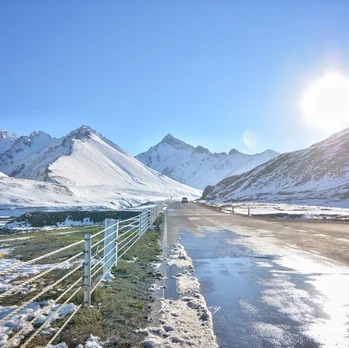
The Duku Highway (G217) stretches 561 kilometers from Dushanzi to Kucha, connecting northern and southern Xinjiang. It's a monument to engineering sacrifice—tens of thousands of soldiers worked for 10 years, and 168 gave their lives. Open only from June to October, it's a bucket-list drive for any road trip enthusiast.
Our crisis: The night we arrived in Baicheng, it snowed, and the Duku Highway closed. We faced a 1,000-kilometer detour or a gamble. After calling my dad's friends and local authorities, we learned the road would reopen after 2 PM that day.
Kucha Grand Canyon: Entrance fee 41 yuan (half price for students). Spend about 1.5 hours hiking the canyon. Bring a jacket—the wind can be biting.
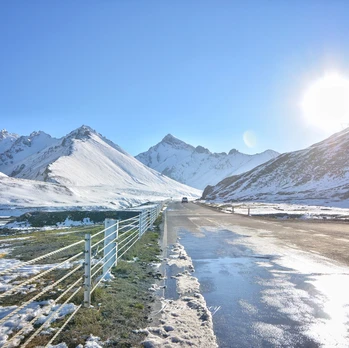
The drive: With few cars on the road, we experienced all four seasons in one day. Before a tunnel, it was summer; after exiting, winter. The Tianshan Mountains, bathed in sunset, turned pink—breathtaking.
Arrival: Bayinbuluke at dark. Hotels near the scenic area are affordable: 100 yuan for basic inns, 200–300 yuan for better options.
Ticket info: Bayinbuluke entrance fee 65 yuan; shuttle bus 90 yuan. Note: Drones are prohibited in the scenic area (I was halfway through flying mine when called back).
[Link: Duku Highway driving tips]
Day 3: Snow at Bayinbuluke and Rain at Sayram Lake
Day three was the tightest. Every time point felt awkward, and we had to push to Kuytun overnight. If you have flexibility, stay one night at Sayram Lake—the sunrise over the lake is worth the detour.
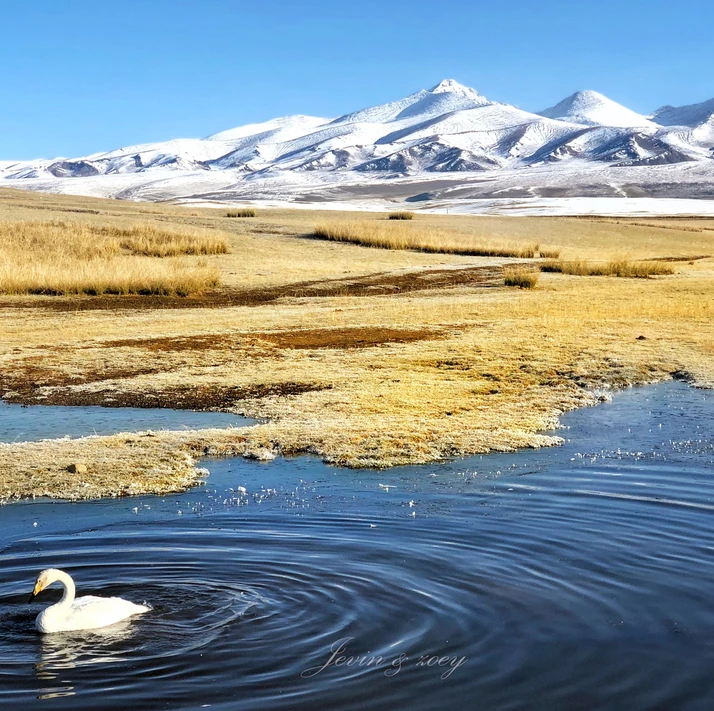
Bayinbuluke's best season is July–August for green grasslands. But September brought a snowfall that blanketed the landscape in white—a pleasant surprise. The famous Nine-Bend, Eighteen-Curve River sunset is iconic, but I mistakenly thought sunrise would be equally beautiful. It wasn't—the sun rose behind the hills, leaving the river in shadow.
Sayram Lake: We arrived in rain, so the lake was shrouded in mist. Even so, the turquoise water against gray clouds had a moody beauty. If you're lucky with weather, the lake reflects the Tianshan peaks like a mirror.
[Link: Sayram Lake photography guide]
Days 4–7: Kanas, Hemu, and the Desert Crossing
Kanas Scenic Area is the crown jewel of this trip. Spend a full day exploring Fairy Bay, Moon Bay, Crouching Dragon Bay, and the Fish Viewing Terrace. The shuttle bus system is efficient, but arrive early to avoid crowds.
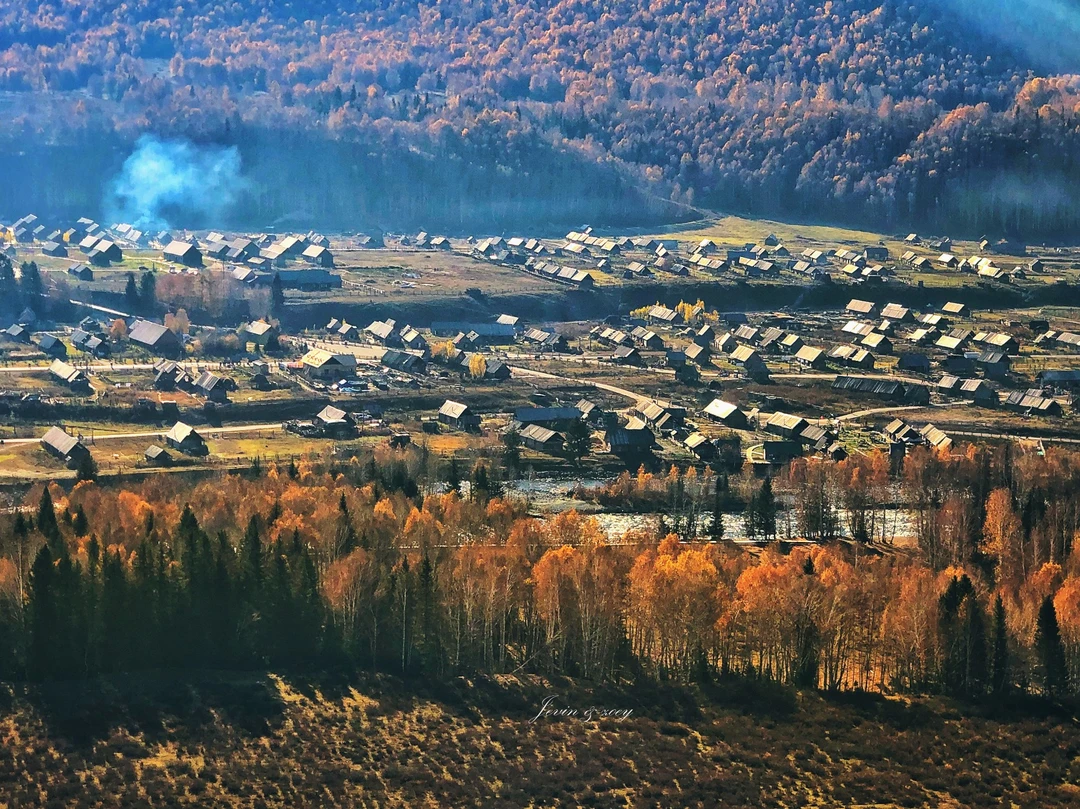
Hemu Village offers fairy-tale wooden houses and autumn foliage. It's less crowded than Kanas but equally photogenic.
Kumtag Desert near Hami provides a stark contrast to the lush north. The sand dunes stretch endlessly—perfect for camel rides and sunset photos.
Crossing into Gansu: From Hami to Liuyuan, the landscape shifts from desert to the rugged Gobi. This is the transition point to Qinghai.
[Link: Kanas vs Hemu which is better]
Days 8–11: Water Yadan, Chaka Salt Lake, and the Return Home
Water Yadan near Nanbaxian is a surreal landscape of eroded rock formations rising from turquoise water. It's less famous than Dunhuang's Yadan but equally impressive.
Chaka Salt Lake is the grand finale. The "Mirror of the Sky" offers perfect reflections on calm days. Arrive early morning or late afternoon for the best light. Wear waterproof shoes—the salt water can damage footwear.
Return: From Delingha, we drove to Jiaxing and then Wenzhou, Zhejiang—a 2,000-kilometer final stretch. The contrast between Xinjiang's vastness and Zhejiang's green hills was poignant.
[Link: Chaka Salt Lake best time to visit]
FAQ: Your Top Questions Answered
1. Is September really the best time for Kanas?
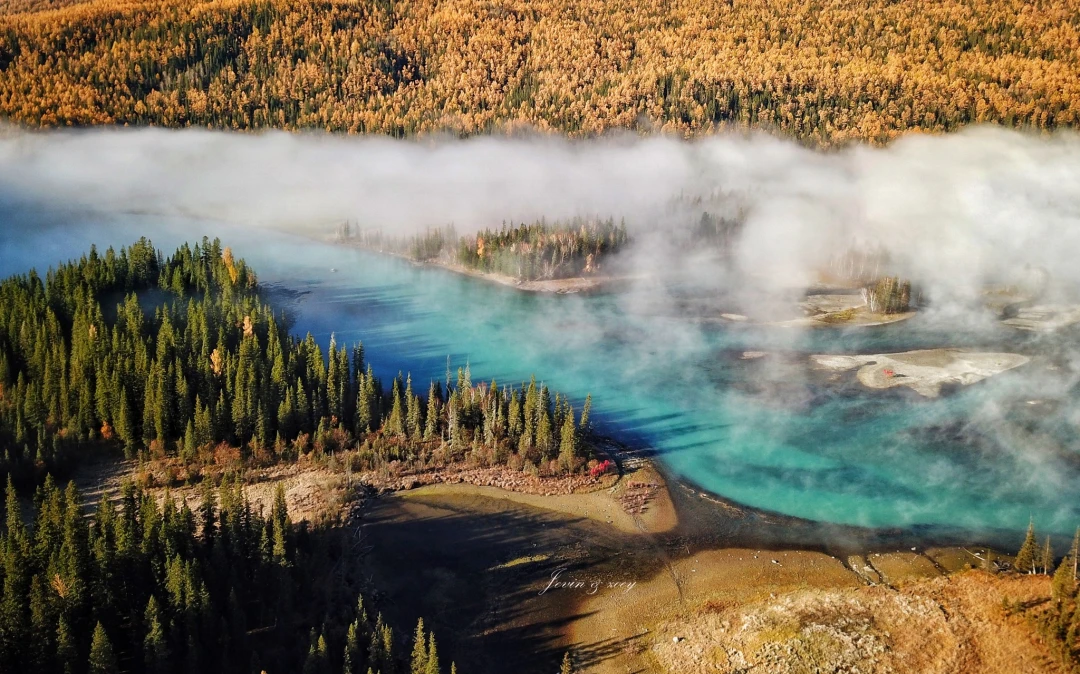 Yes, but with caveats. Mid-September to National Day offers peak autumn colors. However, weather is unpredictable—snow can close roads, and wind can strip leaves. For guaranteed foliage, aim for the third week of September.
2. How much does a 15-day self-drive from Xinjiang to Qinghai cost?
 For a family of 4: - Rental car + fuel: 8,000–12,000 yuan - Accommodation: 3,000–5,000 yuan (mix of budget inns and yurts) - Food: 4,000–6,000 yuan - Entrance fees: 1,500–2,000 yuan - Total: 16,500–25,000 yuan (excluding flights)
3. Can I do this trip with a regular sedan?
 Technically yes, but an SUV is strongly recommended. The Duku Highway has unpaved sections, and desert roads near Kumtag can be sandy. A 4WD gives peace of mind.
4. Do I need a special permit for the Duku Highway?
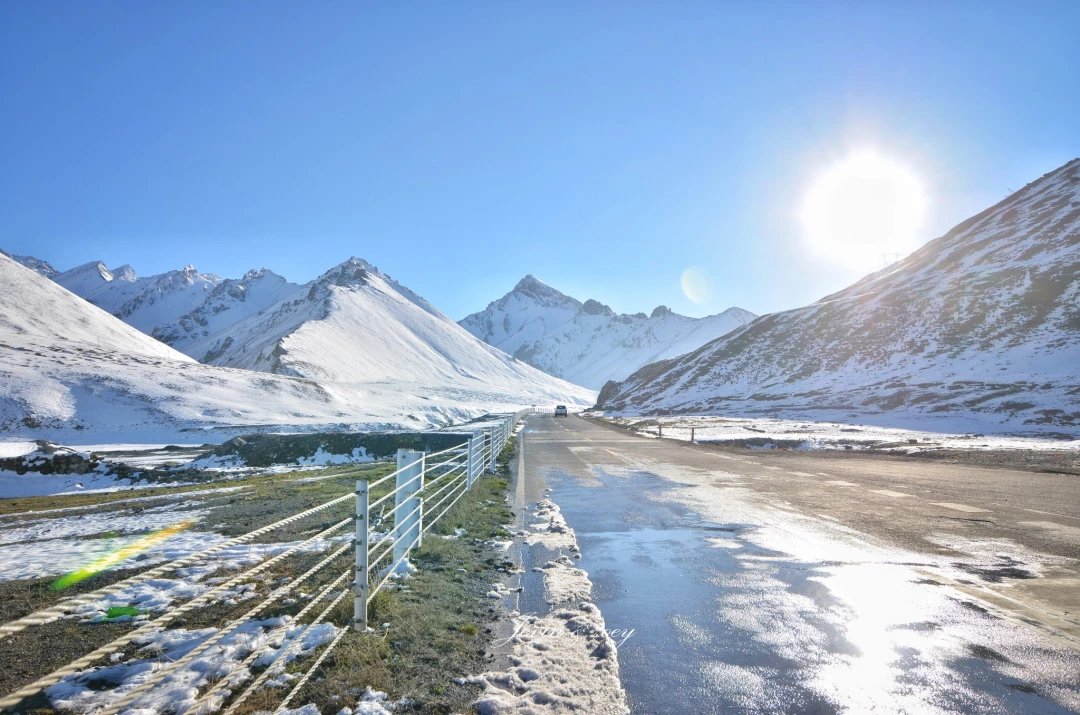 No permit is required, but the road is only open June–October. Check real-time conditions via local WeChat groups or the Xinjiang Traffic Bureau before departure.
5. What's the biggest mistake travelers make on this route?
Underestimating distances. Xinjiang is vast—driving 400–500 km per day is common. Plan for 8–10 hours of driving on long days, and always have a backup plan for road closures.
Final Thoughts: Your Homecoming Road Awaits
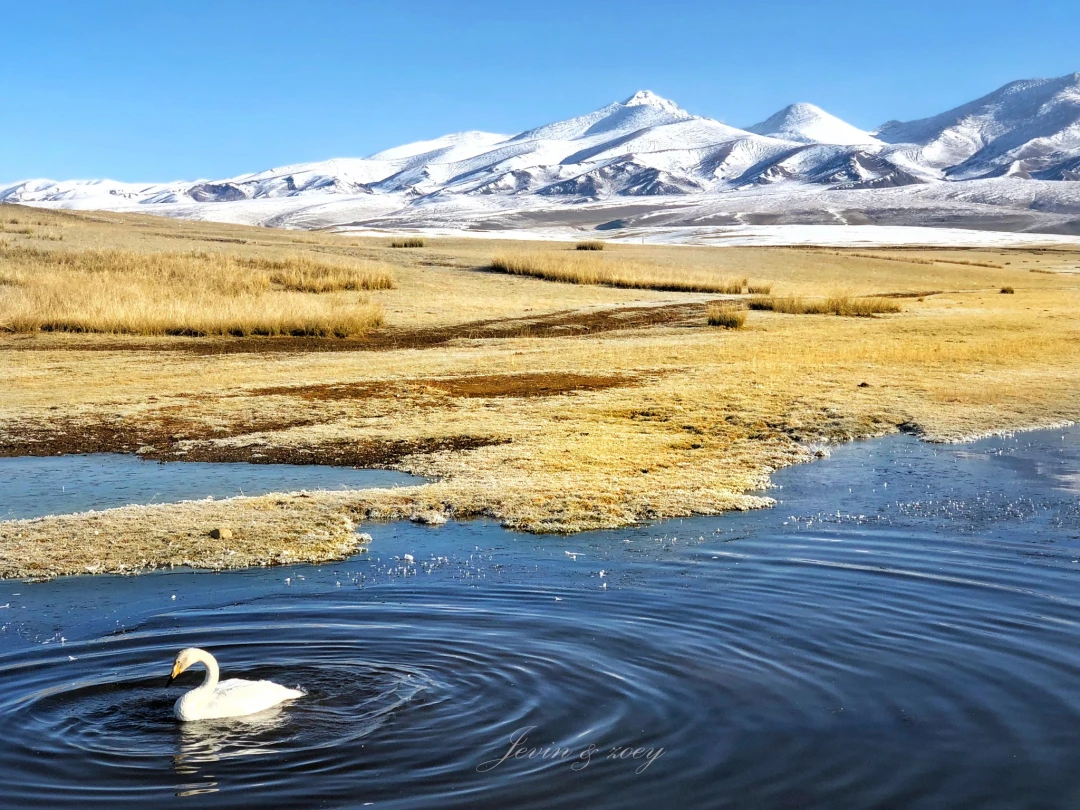
This 15-day journey from Xinjiang to Qinghai isn't just a road trip—it's a pilgrimage through memory, landscape, and raw beauty. From the golden autumn of Kanas to the salt mirrors of Chaka, every kilometer writes a story.
Ready to plan your own adventure? Start by booking flights and Kanas accommodation at least 2–3 months in advance. Download offline maps (cell service is patchy), pack layers, and prepare for the unexpected—a sandstorm, a snow closure, or a chance encounter with a herdsman's yurt.
Your turn: Have you driven the Duku Highway or visited Kanas in autumn? Share your tips in the comments below. If you're planning this route, bookmark this guide—it's your roadmap to an unforgettable homecoming.
[Link: Best road trips in China]