A Date with Dali: Between Storms and Rainbows, Encountering a Life in the Fast Lane

Meta Description: Discover Dali travel tips, from navigating stormy weather to cycling Erhai Lake. This SEO-optimized guide covers ancient city highlights, Bai culture, and how to embrace "soul indulgence" in Yunnan's gem.
Introduction: Why Dali Calls to the Soul-Weary Traveler
Sometimes, the meaning of travel isn't about how far you go, but whether you can find your own rhythm amid uncertainty. For many, Dali is that rhythm—a city that shines as brightly on the Yunnan landscape as Osaka does in Japan. After a long period of confusion, I picked up the bread of life again and embraced love after a long time. So I chose Dali—not for a "soul redemption," but for a "soul indulgence."
This Dali travel guide captures the raw, unpolished beauty of the city through the lens of an unpredictable October journey. From flight delays and sudden downpours to unexpected rainbows and breathtaking Erhai Lake views, here's how to make the most of a Dali trip—even when the weather doesn't cooperate.
Departure: Anxiety and Surprise in the Storm

Navigating National Day Golden Week in Dali

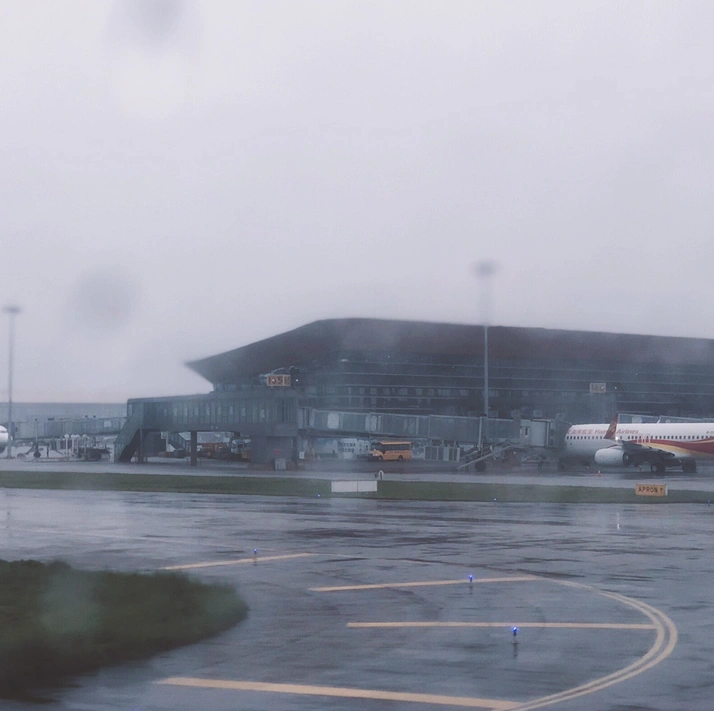
The weather in October was unpredictable, coinciding with the National Day Golden Week. Flight delays had long been the norm for my companion Xiao Weng and me, but this time, a flight with only a 57.2% on-time rate took off punctually—it seemed like a good omen.
The plane made a stop at Anqing Tianzhushan Airport in Anhui Province, a place often described as "mysterious and full of tricks." When we arrived at Kunming Changshui Airport, we were greeted by a sudden drop in temperature and a heavy downpour. The journey had to continue, and we had to smile through the hardship.
Pro tip for Dali travel during Golden Week: Despite the crowds, Yunnan wasn't as packed as we expected. We managed to buy tickets for the airport shuttle and rushed to the train station without a moment's pause.
From Kunming to Dali: A Rainy Night Journey
The rain outside dampened our spirits—last year's trip to Japan had also been marred by bad weather. Would history repeat itself? The dining options at the train station were pitifully limited, with only two choices: Jianyuan Xinquan Bridge Rice Noodles and Dicos. After filling our stomachs, we boarded the last train to Dali at 9:45 PM.
The rainy weather in Kunming had prompted many to switch to thick coats, and even down jackets didn't seem out of place. Meanwhile, we shivered on the platform, underdressed for the cold.
Two hours later, we finally set foot on Dali's soil. At the exit, a crowd of private car drivers were soliciting passengers. A warm-hearted man gathered four of us and sped toward the ancient city. Suddenly, the rain poured down, and a journey of just a few hundred meters took nearly twenty minutes.
Surprisingly, the ancient city was still bustling at midnight, with the smoky aroma of outdoor barbecue rising in the rain. When we found our accommodation, the staff was about to go to bed, tossing us a set of keys and telling us to go upstairs on our own. The room was worse than expected—no desire to take photos. We quickly washed up and collapsed into bed.
Wandering the Ancient City: An Unpredictable Adventure
Yu'er Garden: A Bai Architectural Masterpiece
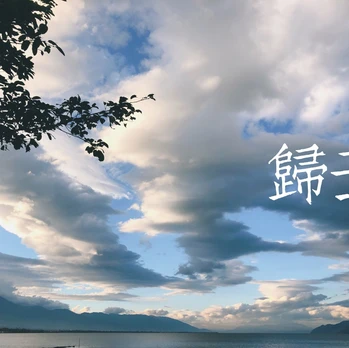
We had planned to climb Cangshan Mountain today, but pulling back the curtains revealed thick clouds and a gloomy sky: it was time to give up. Once we accepted that, today's itinerary naturally shifted to exploring the ancient city.

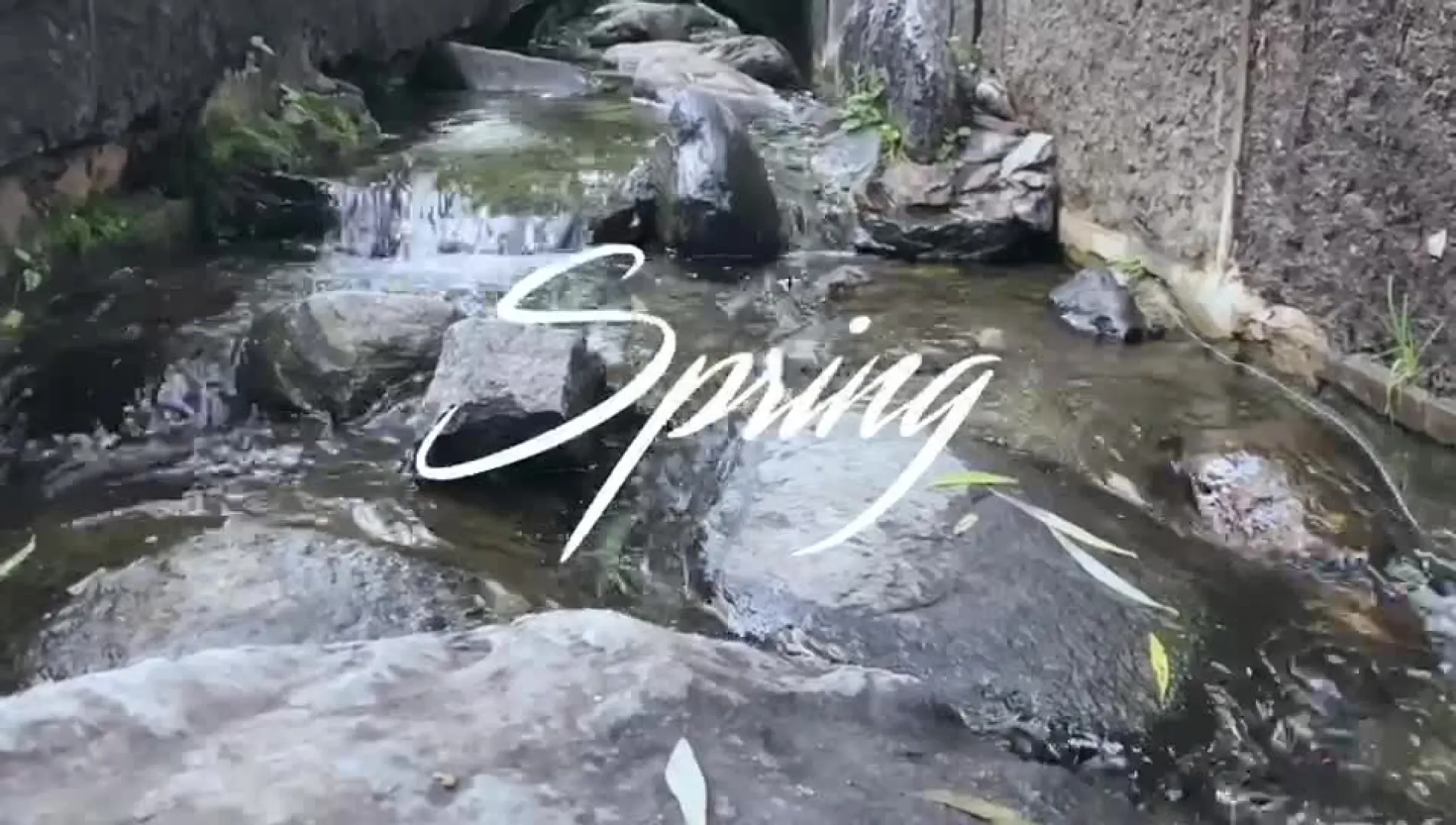
At 9 AM, the ancient city was nearly deserted, making us wonder if it was really the National Day holiday. The sound of roadside streams broke the city's stillness. I recorded a short video, listening to the voice of nature.
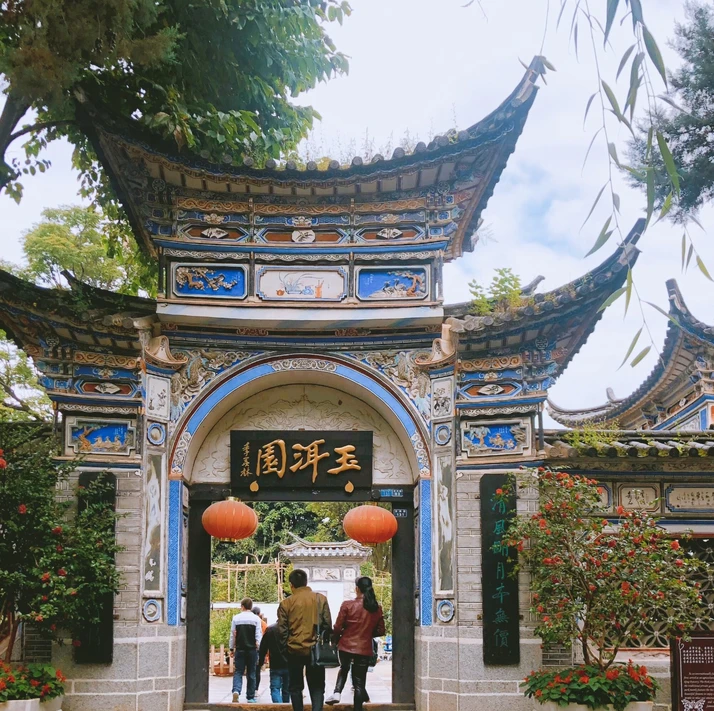
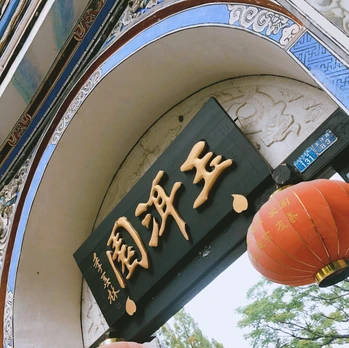
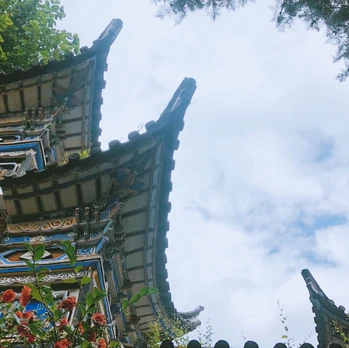
Looking up, a Bai-style garden caught my eye—Yu'er Garden. With its ornate flying eaves, colorful paintings, and neatly arranged bricks and tiles, it formed a classic Bai gatehouse. This garden, a must-see in Dali's ancient city, embodies the essence of Bai architecture. Inside, small groups of locals were already exercising, dancing to music, completely unfazed by the passing tourists.
Along the stone-paved paths, stone bridges, ponds, pavilions, and towers appeared one after another, evoking the charm of Suzhou-style gardens. Xiao Weng had a sudden idea, using the camera's built-in feature to create a winter-like effect. We also found a rest area with a door sporting a very "Instagram-style" color scheme, and we launched into a "10-level filter" session of exaggerated poses.
[Link: Best Instagram spots in Dali ancient city]
Cangshan Gate and the Fleeting Blue Sky
The gloomy sky seemed to show signs of clearing. Leaving Yu'er Garden, we walked straight ahead and soon spotted the "Cangshan Gate." Stepping through it, Cangshan Mountain was right before us—but the thick fog completely obscured it. Just as we were congratulating ourselves on not scheduling a Cangshan trip today, we turned around to see a patch of blue sky breaking through the clouds.
We arrived at a trendy restaurant but abandoned it due to the long queue, opting for a nearby Western-style eatery. With no physical menu or pictures, we observed other diners' tables and nervously ordered three dishes. To our surprise, the food was excellent and generously portioned—a very satisfying lunch.
The clouds gradually thinned, and Cangshan finally revealed its face. People grabbed their cameras to capture this fleeting beauty. A middle school hidden deep in the ancient city, with its Bai-style entrance, became one of the most distinctive schools around. There was also a stall blending world classical and pop music—a great "treasure hunt" spot for music lovers.
Feng Shui Trees and Dali Catholic Church
Passing two ancient trees, locals called them "feng shui trees." In Bai culture, when assessing feng shui, two such trees are planted first. If they thrive, it indicates a blessed location. A beautiful legend surrounds these trees—a tale of a wealthy family's daughter and a poor boy who found their happily ever after.
Dali Catholic Church sits in a quiet alley—a Holy Trinity Church blending Yunnan Bai, Han, and Western architectural styles. With nearly a century of history, it has become a cultural treasure of the ethnic group. The church's flying eaves, carved beams, and painted rafters are a masterpiece of East-West cultural fusion.
[Link: Dali's architectural heritage and cultural fusion]
Wuhua Tower: Rain and Reflection
When we reached Wuhua Tower, a sudden downpour hit. We took shelter in a nearby pavilion. The rain brought the scent of earth and a freshness like spring. The small pavilion was packed with tourists seeking cover. We put on our hoods, shared an umbrella, and strolled in the rain—an experience eerily similar to last year's Japan trip.
The rain fell sporadically, but the streets grew more crowded. Immersed in the slow-paced atmosphere of the ancient city, my heart calmed down unconsciously. Passing through buildings, I was drawn to a display of tie-dye lanterns. The 600-year-old Wumiao Screen Wall, a symbol of Bai wisdom, stood proudly. Many noteworthy buildings lined the streets, but I only gave them a quick glance.
As night fell, we didn't linger at the night market. We returned to the inn to rest, saving our energy for tomorrow's circle tour.
Cycling Around Erhai Lake: The Highlight of a Life in the Fast Lane

Renting an Electric Scooter in Dali
During the National Day holiday, prices skyrocketed. We rented an electric scooter, advertised as "capable of circling Erhai Lake without recharging," at double the usual price. Since I couldn't ride it, the responsibility fell to Xiao Weng, who had only learned a few days earlier. A bumpy journey began.
Dali travel tip: If you're not confident on two wheels, consider renting a bicycle or joining an Erhai Lake tour group. Safety first, especially during peak season.
Erhai Lake Scenery and the Corridor Bridge
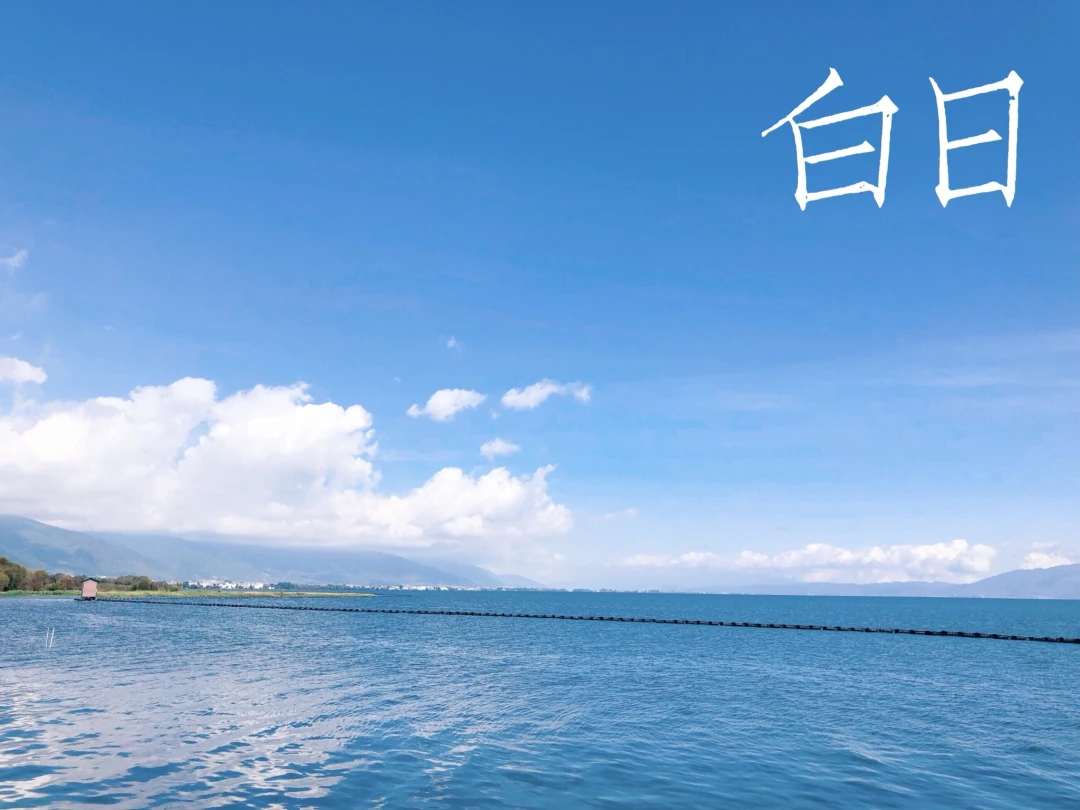
Passing through a farmland path, we saw a couple taking wedding photos. Erhai's beauty lies in how sunlight reflects off it, revealing different colors from every angle. As we rode along, the autumn wind carried the sea's unique "fishy smell." I thought that perhaps due to environmental damage in recent years, the lake water had lost its former clarity, with various moss floating along the shore—Erhai seemed less vibrant than before.
At the expected time, we reached the Corridor Bridge. A "causeway" leading into Erhai had become a photo hotspot, but it was already crowded with tourists. The photos turned out well, but the experience was poor—on the narrow, high causeway, tourists jostled each other, and one misstep could be dangerous. So, shoot responsibly; safety first.
[Link: Best photo spots around Erhai Lake]
Sun Protection and the Scorching Plateau Sun
The midday sun in Dali was scorching. The plateau's ultraviolet rays were no joke. We hadn't taken proper sun protection, which set the stage for what came next.
Essential Dali travel tip: Always bring sunscreen, sunglasses, and a hat—even on cloudy days. The plateau sun can burn your skin in minutes.
Xizhou Ancient Town: A Pristine Bai Village
After more than three hours of riding, we arrived at Xizhou Ancient Town. Xizhou felt more like a traditional old town; commercialization hadn't fully overtaken this pristine spot. The narrow streets were paved with stone, and the Bai-style houses stood in their original glory.
[Link: Xizhou Ancient Town guide and Bai culture]
FAQ: Your Dali Travel Questions Answered
1. Is Dali worth visiting during National Day Golden Week?
Yes, but be prepared for higher prices and larger crowds. However, as our experience shows, even during peak season, Dali's ancient city can feel surprisingly tranquil in the early morning. Book accommodation and transportation well in advance.
2. What's the best way to get around Dali?
For the ancient city, walking is best. For Erhai Lake, renting an electric scooter or bicycle is popular. Alternatively, join a guided tour or hire a private driver for a more comfortable experience.
3. What should I pack for a Dali trip in October?
Layers are essential. The weather can shift from rain to sun within hours. Bring a waterproof jacket, comfortable walking shoes, sunscreen, sunglasses, and a hat. A down jacket might be useful for chilly evenings.
4. How long should I spend in Dali?
A minimum of 3 days is recommended: one day for the ancient city, one day for Erhai Lake cycling, and one day for Cangshan Mountain or surrounding villages like Xizhou.
5. Is it safe to cycle around Erhai Lake?

Yes, but be cautious. The road can be narrow and crowded, especially near popular photo spots. Wear a helmet, follow traffic rules, and avoid cycling at night.
Conclusion: Embrace the Storms, Chase the Rainbows
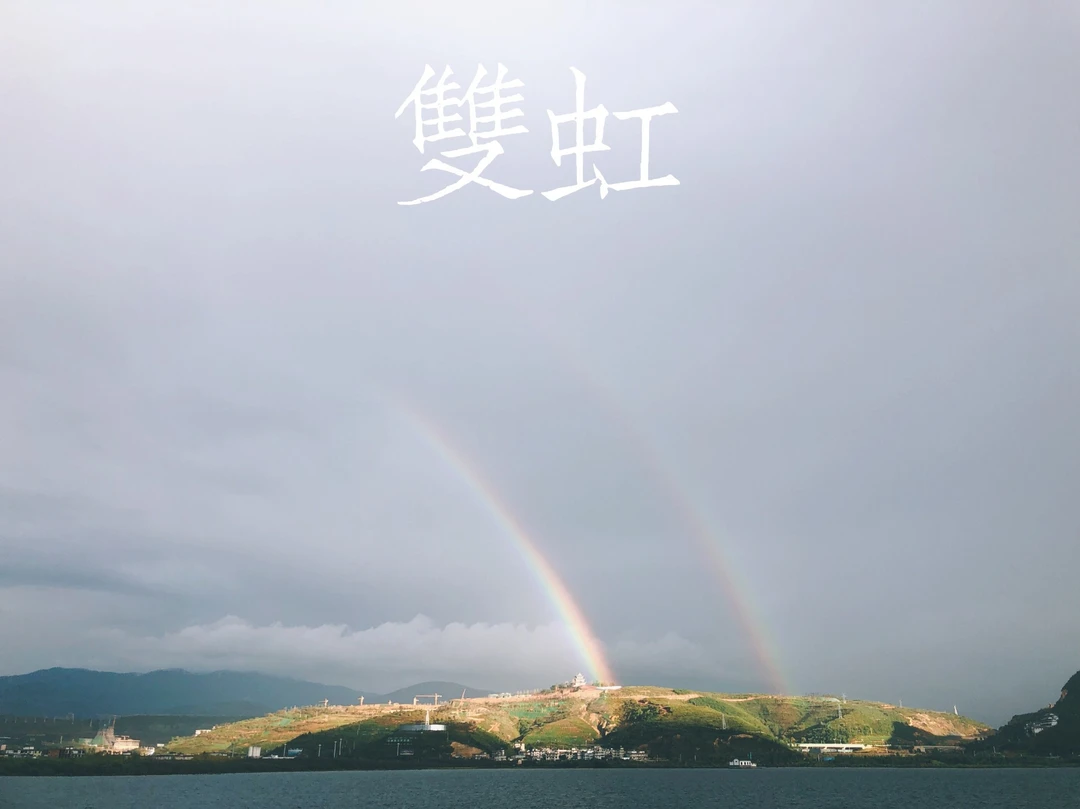
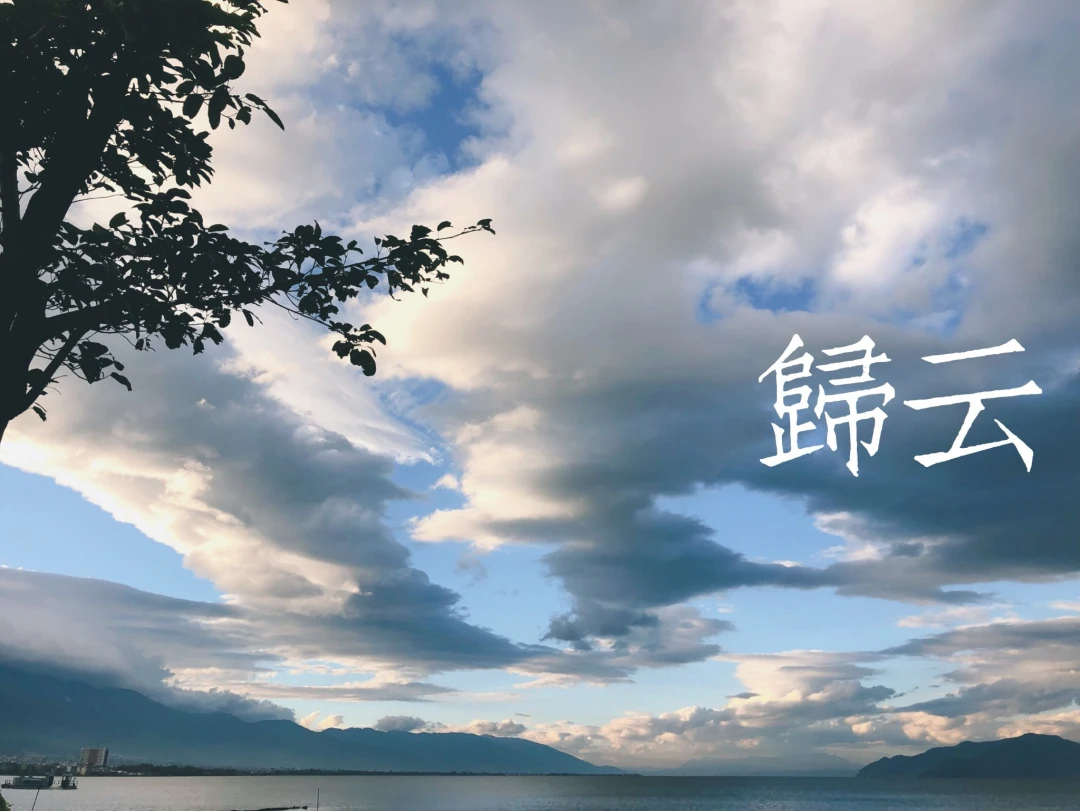
Dali is a city that doesn't follow a script. One moment you're shivering in the rain, the next you're basking in golden sunlight over Erhai Lake. The storms and rainbows are part of the journey—just like life in the fast lane.
Whether you're seeking "soul redemption" or "soul indulgence," Dali offers a rhythm that resonates. So pack your bags, embrace the uncertainty, and let Dali write your story.
Ready for your own Dali adventure? Start planning your trip today. Book your accommodation, check the weather forecast, and prepare for an unforgettable journey between storms and rainbows.
[Link: Best Dali accommodation options] [Link: Dali travel itinerary for 3-5 days] [Link: Yunnan travel tips and packing list]
Have you visited Dali? Share your experience in the comments below—we'd love to hear your stories of storms, rainbows, and everything in between.
You may also like