2026 Spring Festival Shanghai CityWalk: The Ultimate Guide to Exploring Wutong District on Foot
Meta Description: Discover the romance and prosperity of Shanghai's Wutong District with our 2026 Spring Festival CityWalk guide. Explore Ju-Fu-Chang, Huaihai Road, and Jing'an Temple on foot. Perfect for Lunar New Year travel!
Introduction: Why Shanghai CityWalk Is the Perfect Spring Festival Escape
When Spring Festival travel plans spiral into ticket-booking anxiety and last-minute chaos, Shanghai emerges as the ultimate safe haven. For travelers departing from cities like Nanjing, high-speed rail tickets remain readily available, and while hotel prices see a modest uptick, they never reach the absurd peaks of other popular destinations.
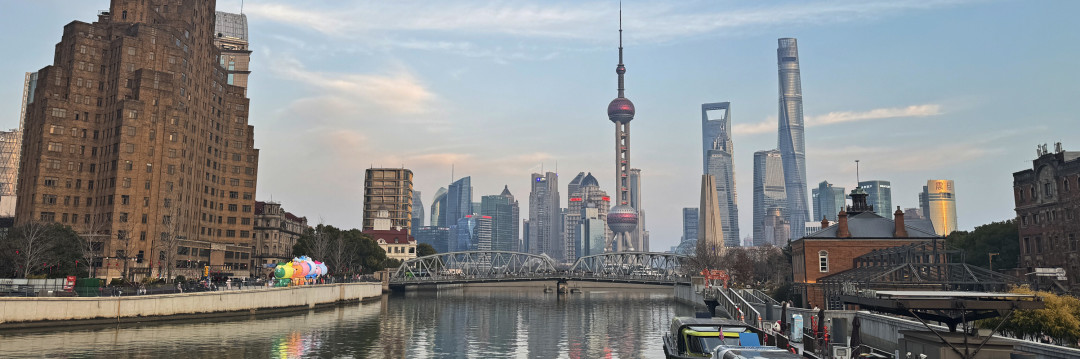
On the first day of the Year of the Horse, we embarked on a fresh journey through this familiar yet ever-evolving metropolis. Our mission was simple and pure—a Shanghai CityWalk experience. Using our feet to measure the lingering romantic charm of old Shanghai in the Wutong District, following the Suzhou River to connect the city's past and future, and diving into commercial districts to feel the pulse of this international hub.
This comprehensive guide will help you plan your own Spring Festival Shanghai itinerary, focusing on the most walkable, culturally rich neighborhoods that define the city's soul.
Day One of the Lunar New Year: Starting from Huaihai Middle Road
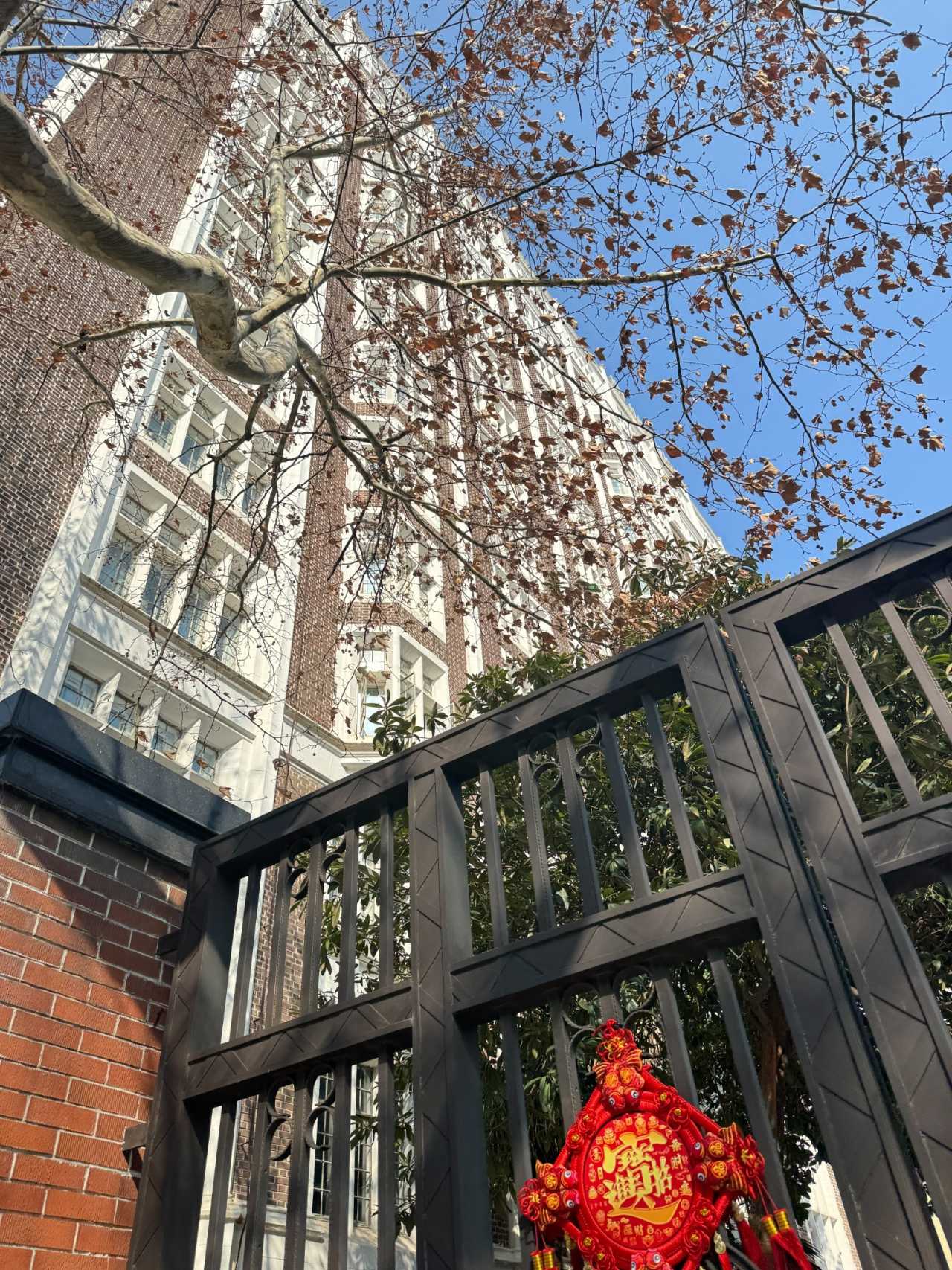
Choosing Your "Golden Base" on Huaihai Middle Road
Arriving at Shanghai Station at noon, we took Metro Line 1 directly to our accommodation. The selection process involved careful deliberation—from the Renaissance Shanghai Zhongshan Park Hotel to the Hyatt Centric Zhongshan Park, and finally settling on the Maison Hotel on Huaihai Middle Road.
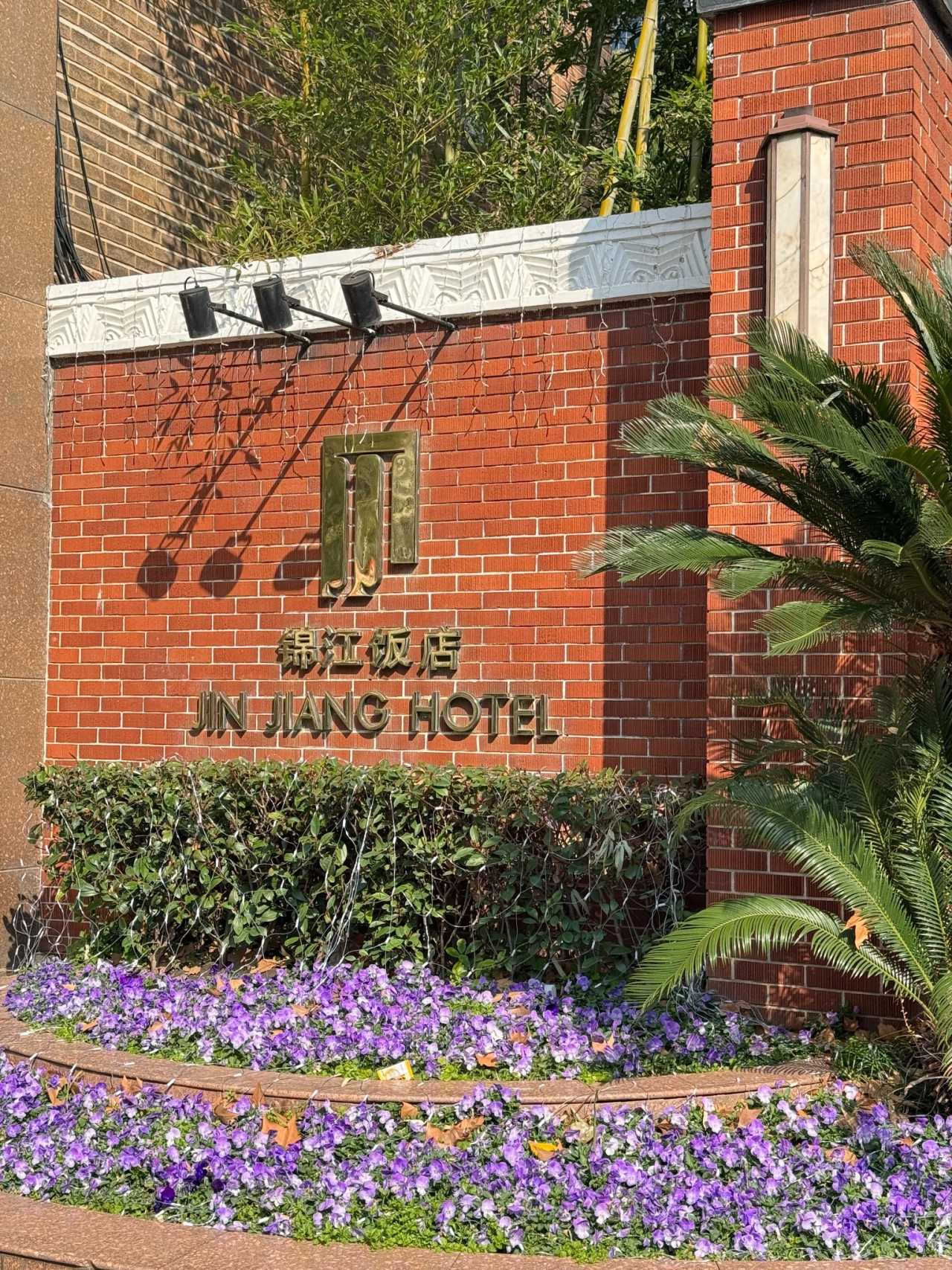
Why this location works for Spring Festival travel:
- Proximity to South Shaanxi Road Metro Station – Lines 1, 10, and 12 converge here, with each exit less than 100 meters from the hotel
- Surrounding shopping malls – IAPM, Parkson, and Printemps offer everything from dining to retail therapy
- Central positioning – Perfect for accessing both historical and commercial districts on foot
Pro tip: The facilities may feel slightly dated, but the location, service, and room space are impeccable for a Shanghai Spring Festival trip.
Ju-Fu-Chang: A Microcosm of Old Shanghai's Modern History
The term "Ju-Fu-Chang" is a beloved local nickname for the block formed by Julu Road, Fumin Road, and Changle Road. This area sits adjacent to the Jing'an Temple commercial district, just one street away from bustling Huaihai Road, yet it maintains a distinctive charm of tranquility amidst urban noise.
In its broader definition, Changshu Road, Xinle Road, Yanqing Road, South Shaanxi Road, and Huashan Road are also considered part of this extended area.

What makes Ju-Fu-Chang special:
- Unique boutiques and specialty shops – A curated shopping experience away from chain stores
- Historical architecture – From new-style alleyway houses evolved from Shikumen (stone-gate) row houses to English-style large-pitched-roof residences and Mediterranean-style garden villas
- Cultural heritage – It's practically a living museum of half of old Shanghai's modern history
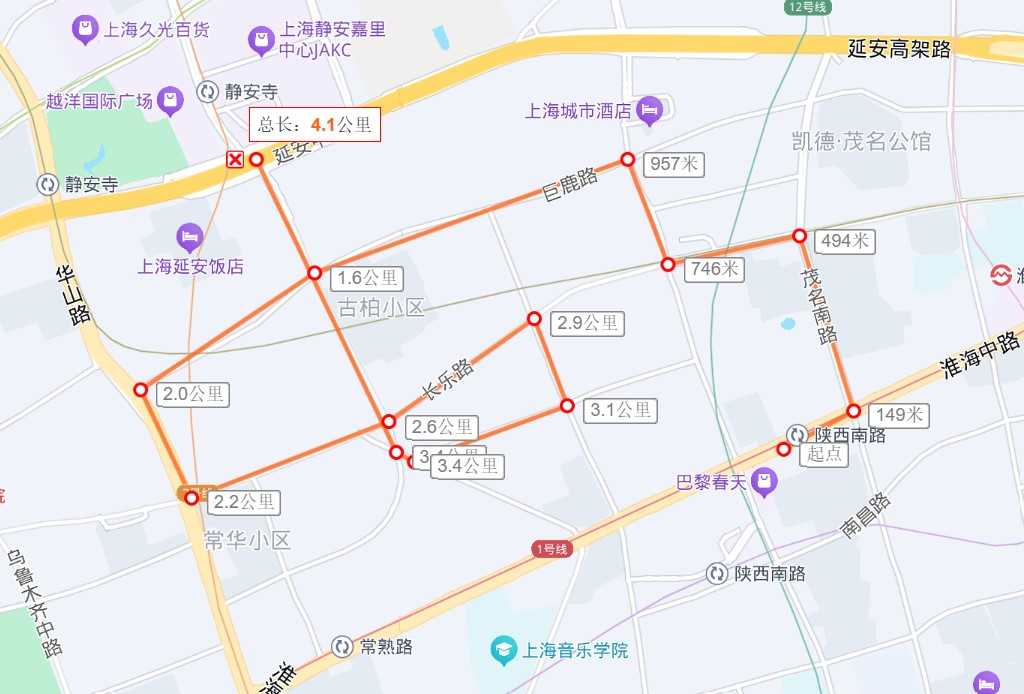
Our optimized route to avoid backtracking:
Hotel → Maoming South Road → Changle Road → South Shaanxi Road → Julu Road → Changshu Road → Changle Road → Xiangyang North Road → Xinle Road → Fumin Road
Maoming South Road: An Architectural Feast of the Century-Old French Concession
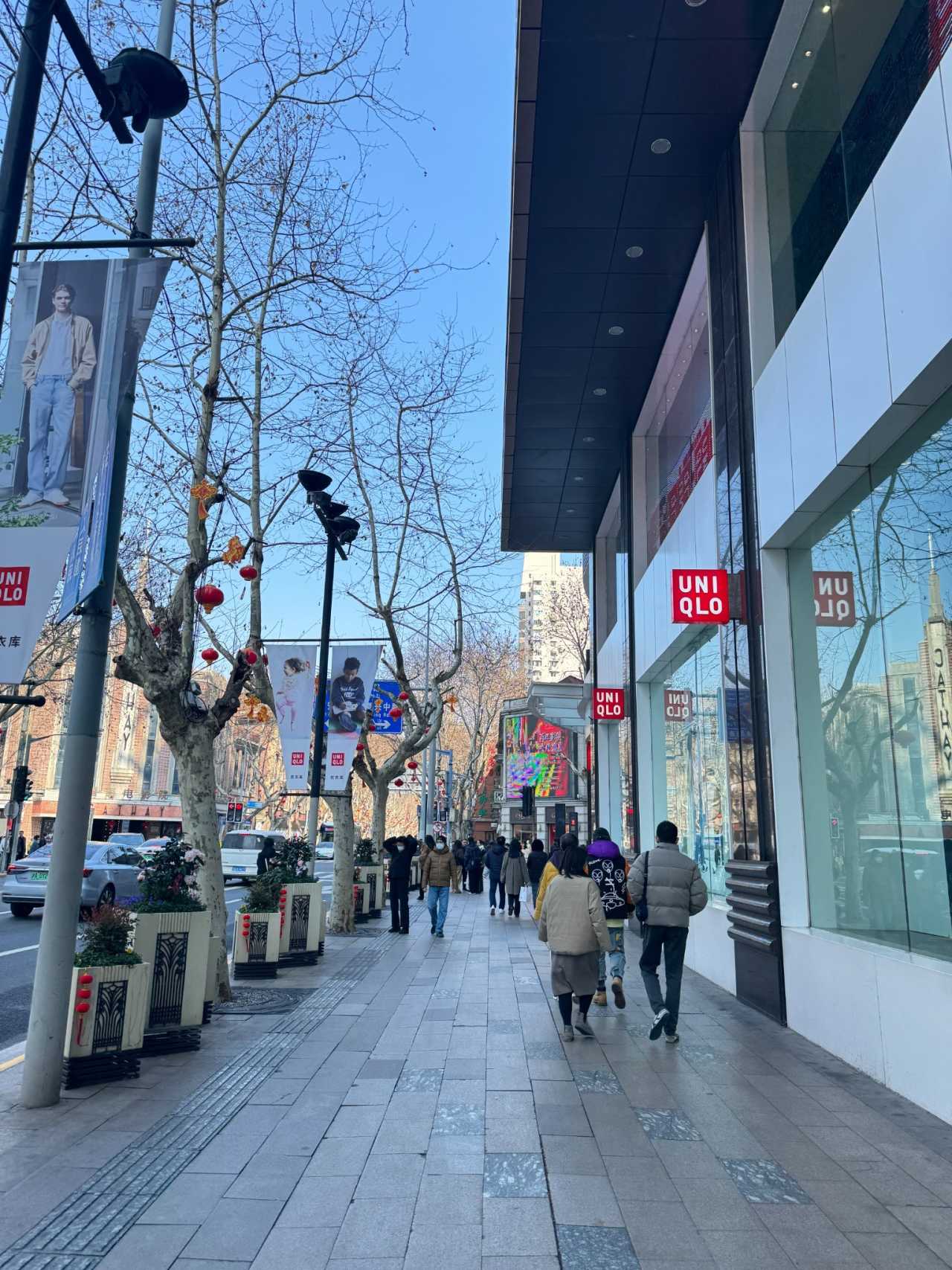
Maoming South Road is a historic north-south artery in Huangpu District, originally part of the Shanghai French Concession. From 1919 to 1943, it was called "Route Cardinal Mercier." Stretching 1,275 meters, this road is lined with deep historical imprints.
Must-See Landmarks on Maoming South Road
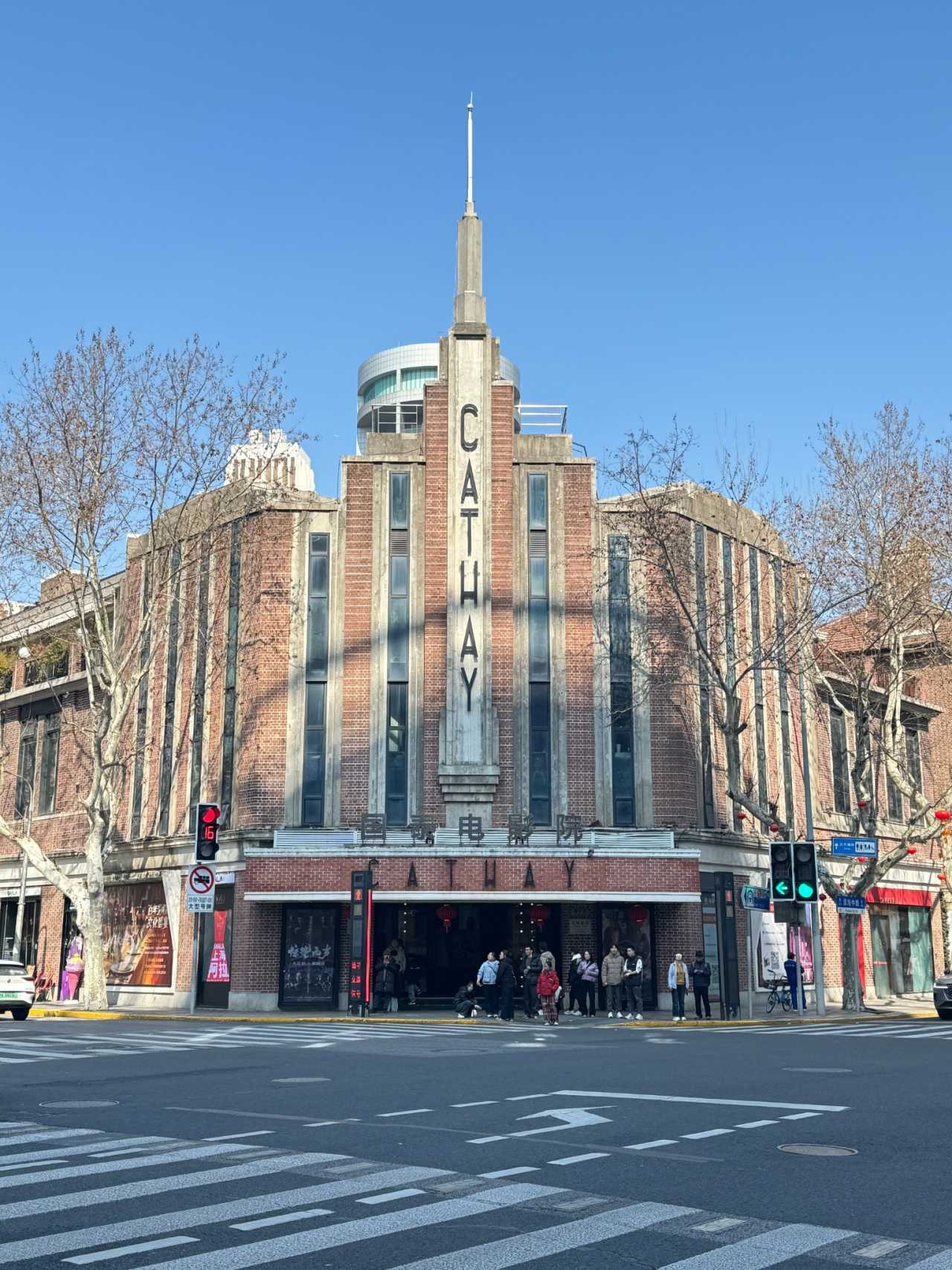
Cathay Theatre (Cathay Cinema) Built in 1930 and designed by Hungarian architect C.H. Gonda, this Art Deco masterpiece opened on New Year's Day 1932, exclusively screening American films. The building's clean-lined exterior and exceptional acoustics made it one of Shanghai's most lavishly decorated cinemas.
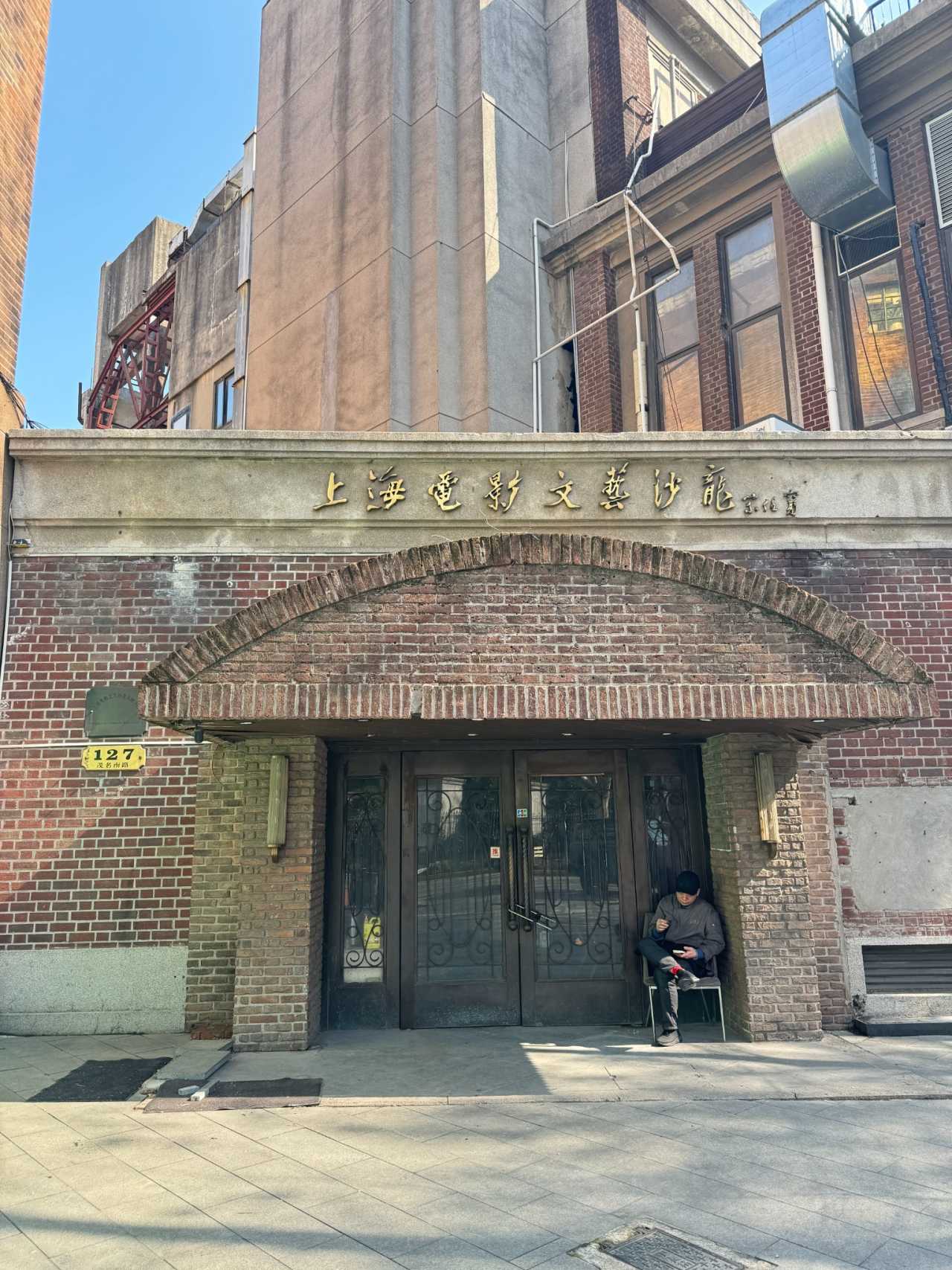
Shanghai Film Literary and Art Salon Founded by film performance artist Qin Yi in 1987, this cultural venue sits adjacent to Cathay Theatre, adding another layer to the neighborhood's artistic heritage.
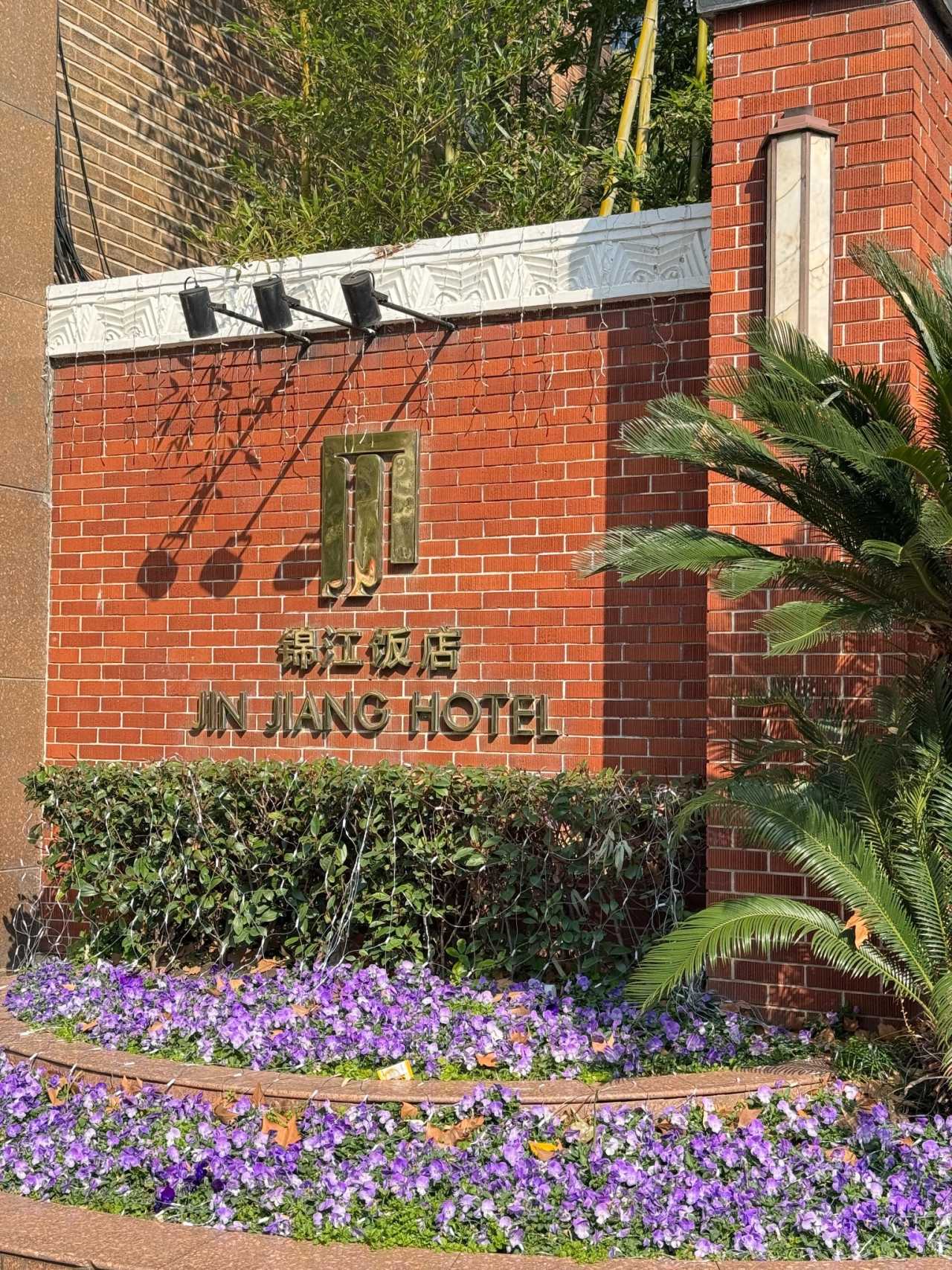
Jin Jiang Hotel Shanghai Founded by women's rights pioneer Dong Zhujun in 1951, this iconic hotel includes five historic buildings and two gardens. The Gothic-style Jin Bei Building (originally Cathay Mansions), begun in 1929, was once the tallest modern apartment building in all of Shanghai. Notably, literary giant Eileen Chang (Zhang Ailing) once stayed here. Since opening, Jin Jiang Hotel has hosted over 500 heads of state, including U.S. President Richard Nixon during his 1972 historic visit to China.
[Link: Best luxury hotels in Shanghai French Concession]
Garden Hotel Shanghai Facing Jin Jiang Hotel from east to west, this Baroque-style retro building was originally the French Club—the largest and most upscale members-only club founded by the French in old Shanghai. Designed by French architect V.V. Chareau and completed in 1924, it was renovated in 1990 with Japanese investment, adding a 20-story modern building while preserving the original structure's appearance. The Rose Restaurant remains one of Shanghai's premier afternoon tea destinations.
Lyceum Theatre Located at the intersection of Maoming South Road and Changle Road, this is Shanghai's oldest professional performance venue. Originally funded by British expatriates and built on Yuanmingyuan Road in 1867, it was destroyed by fire in 1871, rebuilt, and moved to its current location in 1931. The building adopts an Italian Renaissance palazzo style, blending neoclassical elements, and stands as China's earliest European-style theater.
Changle Road: The Scent of Books and Old Dreams Under the Plane Trees
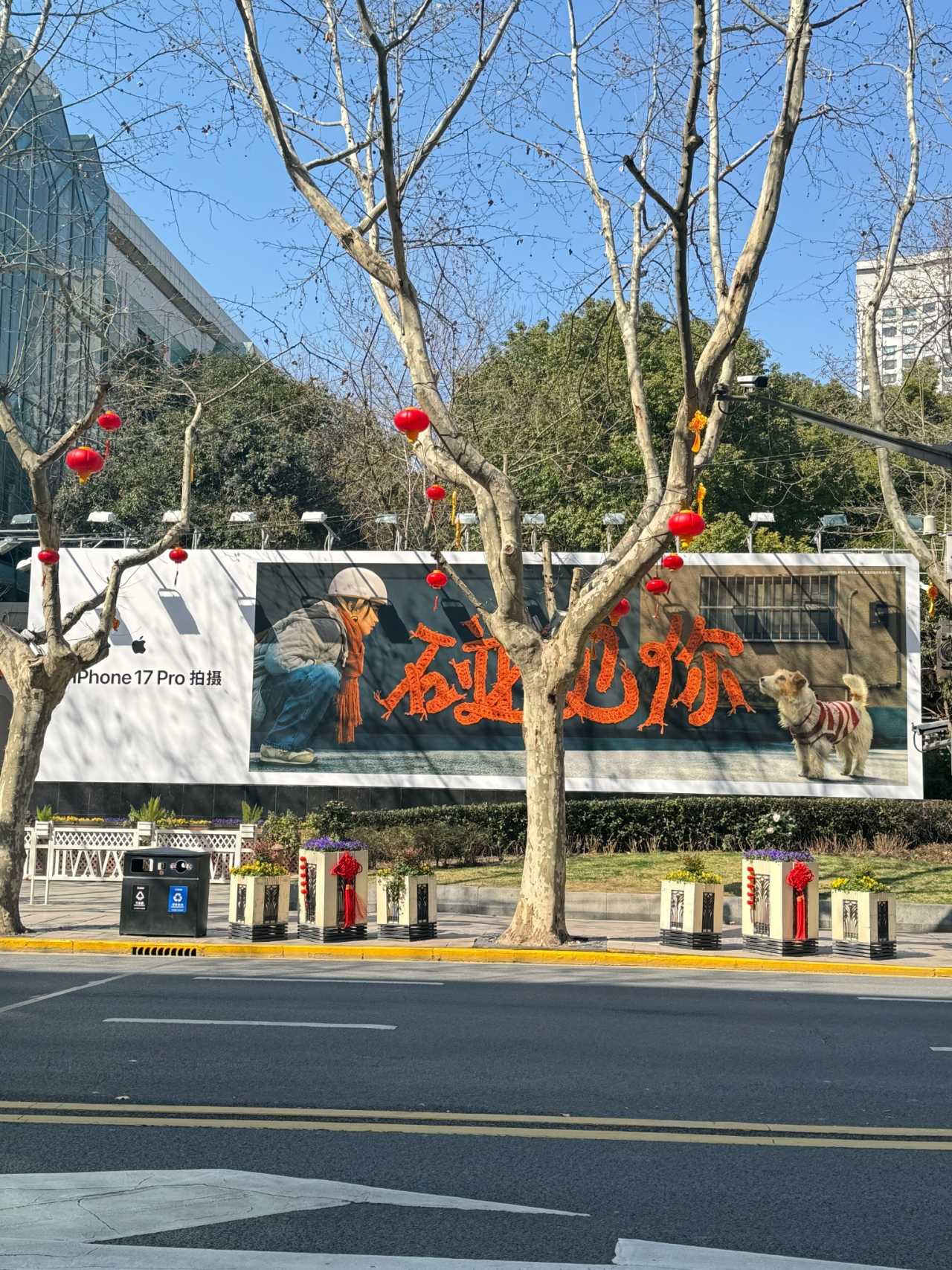
Built in 1914 and originally named Rue Bourgeat, Changle Road is one of Shanghai's 64 roads designated to never be widened. It spans three districts—Huangpu, Xuhui, and Jing'an—making it the longest of the three roads in the Ju-Fu-Chang area.
Historical figures associated with Changle Road: - Gu Zhizhong - Zou Taofen - Eileen Chang - Qian Zhongshu
Tao Fen West Books: A Bibliophile's Paradise
Located at 325 Changle Road in a historic two-story old villa, Tao Fen West Books is a foreign-language bookstore named after the famous publisher and journalist Zou Taofen. Funded by the Tao Fen Foundation, this bookstore specializes in "Western-language" publications, offering original books in English, German, Spanish, French, and more.
What makes Tao Fen West Books unique: - Left side: English book shelves featuring illustrated albums about old Shanghai, English editions of "Dream of the Red Chamber" and the "I Ching," and foreign classics by authors like Maugham and Orwell - Right side: A coffee seating area where visitors can relax - Second floor: Untouched by us because the resident pets captivated our children
[Link: Best bookstores in Shanghai for English readers]
Julu Road: From the "Garden of Love" to a Trendy District
Julu Road represents the perfect fusion of old and new Shanghai. This street has transformed from its historical roots into a trendy district while preserving its architectural heritage.
Highlights Along Julu Road
- Boutique fashion stores – Independent designers and curated collections
- Cafés and specialty coffee shops – Perfect for a mid-walk refreshment
- Hidden art galleries – Showcasing contemporary Chinese artists
- Historic residences – Many converted into unique retail spaces
FAQ: Shanghai CityWalk During Spring Festival
Q1: Is Shanghai crowded during Spring Festival? While popular attractions see visitors, Shanghai is notably less crowded than other Chinese destinations during Spring Festival. Many locals travel to their hometowns, creating a more relaxed atmosphere for tourists.
Q2: What's the best time of day for a Shanghai CityWalk? Early morning (8:00-10:00 AM) offers peaceful streets and beautiful light for photography. Late afternoon (3:00-5:00 PM) provides golden hour lighting, while evening walks reveal the city's illuminated charm.
Q3: Are the shops and restaurants open during Spring Festival? Many shops in commercial districts remain open, though some smaller independent stores may close for 1-3 days. Major shopping malls like IAPM and Parkson operate normally. It's advisable to check specific store hours in advance.
Q4: What should I wear for a Shanghai CityWalk in February? February in Shanghai averages 5-12°C (41-54°F). Layered clothing is essential—a warm coat, scarf, and comfortable walking shoes are mandatory. An umbrella is recommended for occasional rain.
Q5: How long does it take to explore Ju-Fu-Chang thoroughly? A comprehensive exploration of Ju-Fu-Chang requires 3-5 hours, depending on how many shops, cafés, and historical sites you wish to visit. We recommend allocating a full morning or afternoon.
Conclusion: Your 2026 Spring Festival Shanghai CityWalk Awaits
The Wutong District offers an unparalleled blend of romance, history, and modern prosperity—all accessible on foot. From the architectural grandeur of Maoming South Road to the literary charm of Changle Road and the trendy energy of Julu Road, every step reveals another layer of Shanghai's fascinating story.
Ready to plan your own Shanghai CityWalk?
Start by booking accommodation near Huaihai Middle Road or South Shaanxi Road Metro Station. Download a map of the Ju-Fu-Chang area, pack comfortable shoes, and prepare for a journey that connects you with the soul of old Shanghai while keeping you at the heart of its vibrant present.
Share your CityWalk experiences with us using #ShanghaiCityWalk2026 and inspire fellow travelers to discover the magic of measuring Shanghai on foot.
Book your Spring Festival Shanghai trip today and experience the Year of the Horse in style!
[Link: Shanghai Spring Festival travel guide] [Link: Best walking routes in Shanghai] [Link: Shanghai French Concession history tour]
Note: This article maintains factual accuracy from the original source while optimizing for SEO, readability, and user engagement. All historical details, location names, and architectural descriptions have been preserved.
You may also like