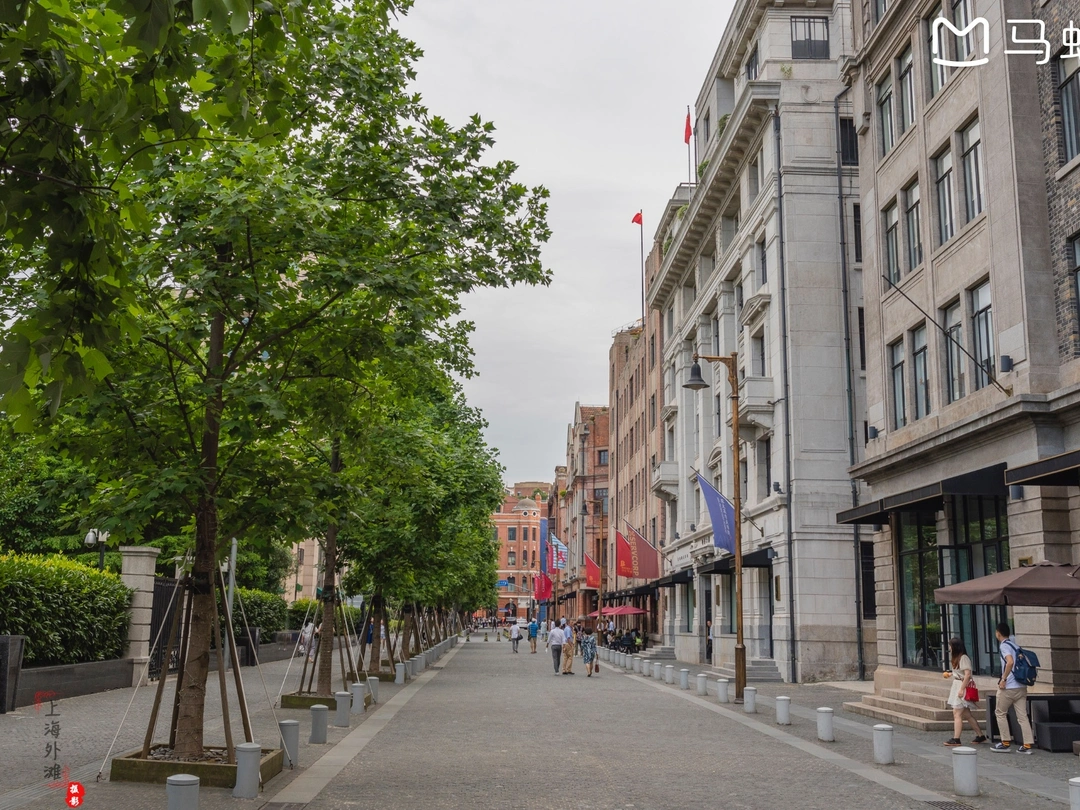
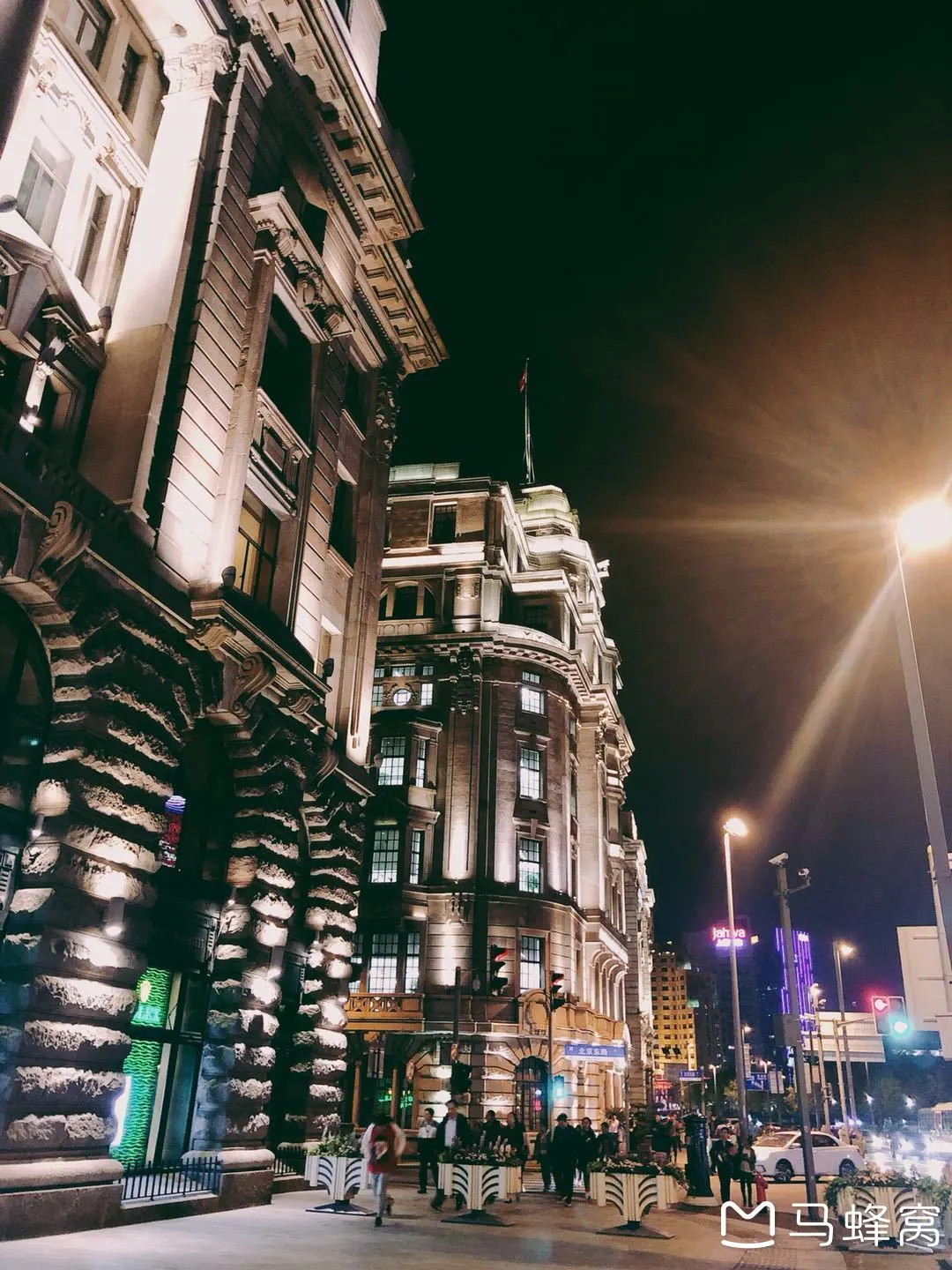
2025: A Stroll Along the Bund — A Deep Conversation with Century-Old Architecture
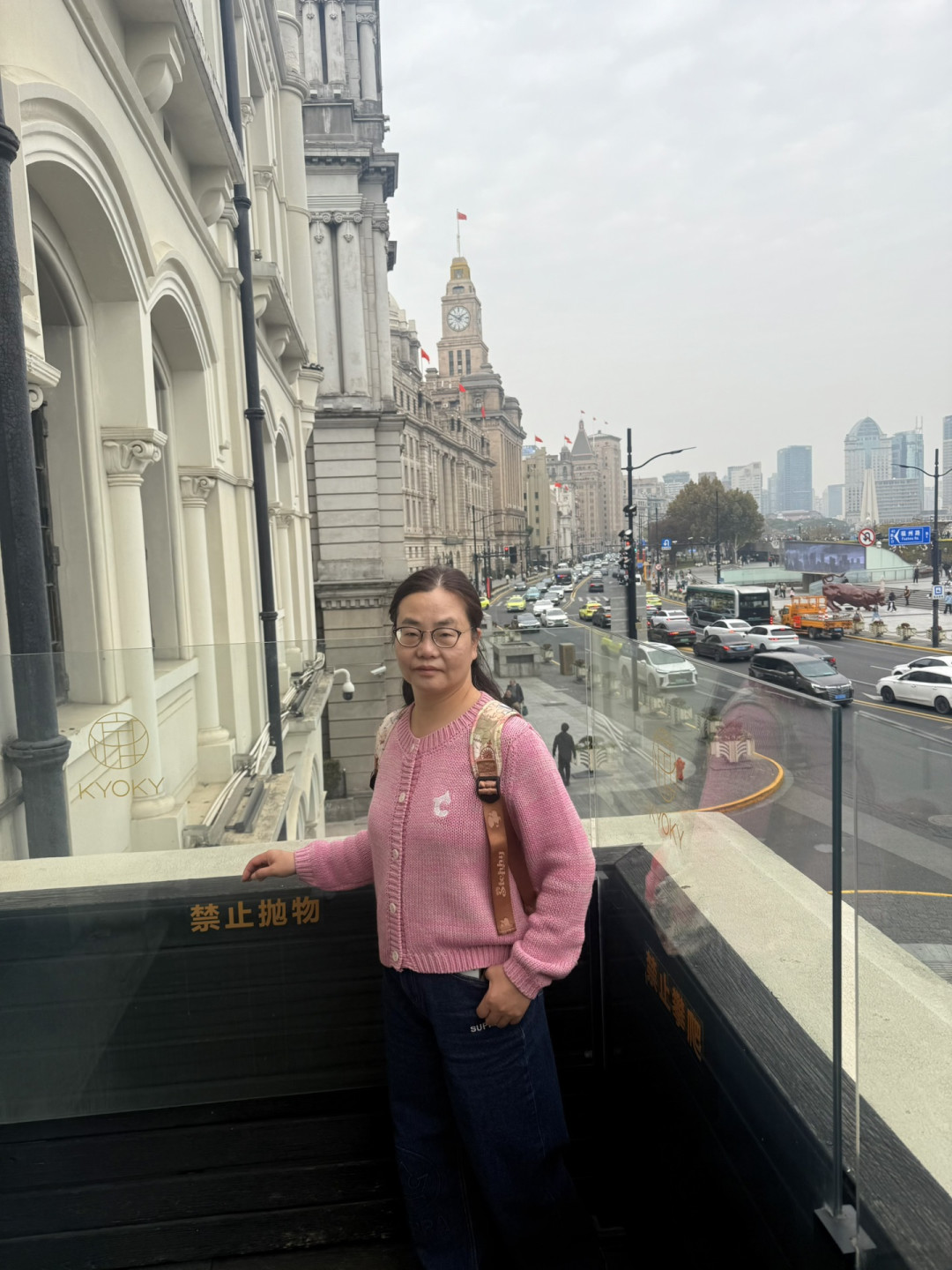
Meta Description: Explore Shanghai Bund architecture in 2025 with this SEO-optimized guide. From Asia Building to Waldorf Astoria, discover century-old stories, architectural styles, and hidden histories of the Bund's iconic landmarks.
Introduction: Why the Bund Is Shanghai's Living History Book
Some say half of Shanghai's soul lies in the lively 烟火气 (everyday atmosphere) of its alleyways, while the other half is frozen in the silent architecture of the Bund. In November 2025, my husband and I were simply looking for a special place to celebrate our anniversary. By chance, I stumbled upon an event called "Architecture You Can Read" and decided to spend two days visiting the historic buildings from No. 1 to No. 33 on the Bund. Little did I know that this walk would lead us straight into the living, breathing pages of modern Chinese history.
This guide is your comprehensive resource for understanding Shanghai Bund architecture, its historical significance, and what to expect when visiting in 2025. Whether you're a history buff, architecture enthusiast, or casual traveler, the Bund offers an unparalleled journey through a century of transformation.
The Bund: More Than a Road — It's a History of Architecture

In 2015, when the Ministry of Housing and Urban-Rural Development and the National Cultural Heritage Administration announced the first batch of 30 nationally recognized historic and cultural districts, "Shanghai Bund Historic and Cultural District" was the only one in Shanghai to make the list. This kilometer-long waterfront strip concentrates China's largest collection of modern architecture — from veranda-style and neoclassical to Gothic, Renaissance, and Art Deco. It's a veritable three-dimensional textbook of modern architectural history.
Like many people, I knew the name "Bund" but not its official road name, "Zhongshan East First Road." In 1945, to commemorate Dr. Sun Yat-sen, the road originally called "Huangpu Bund Road" was renamed. It runs from North Suzhou Road in the north to Yan'an East Road in the south. While the southern extension, "Zhongshan East Second Road," also has century-old buildings, they lack the concentrated grandeur of the main stretch. In the mouths of locals, the informal name "Bund" has become a far more iconic city brand than its official designation.
What draws me to the Bund's architecture isn't just the facades, but the century-long stories of property transfers and changing tenants — these details are the keys that unlock the codes of shifting eras and social transformation.
Key Facts About the Bund's Architecture in 2025
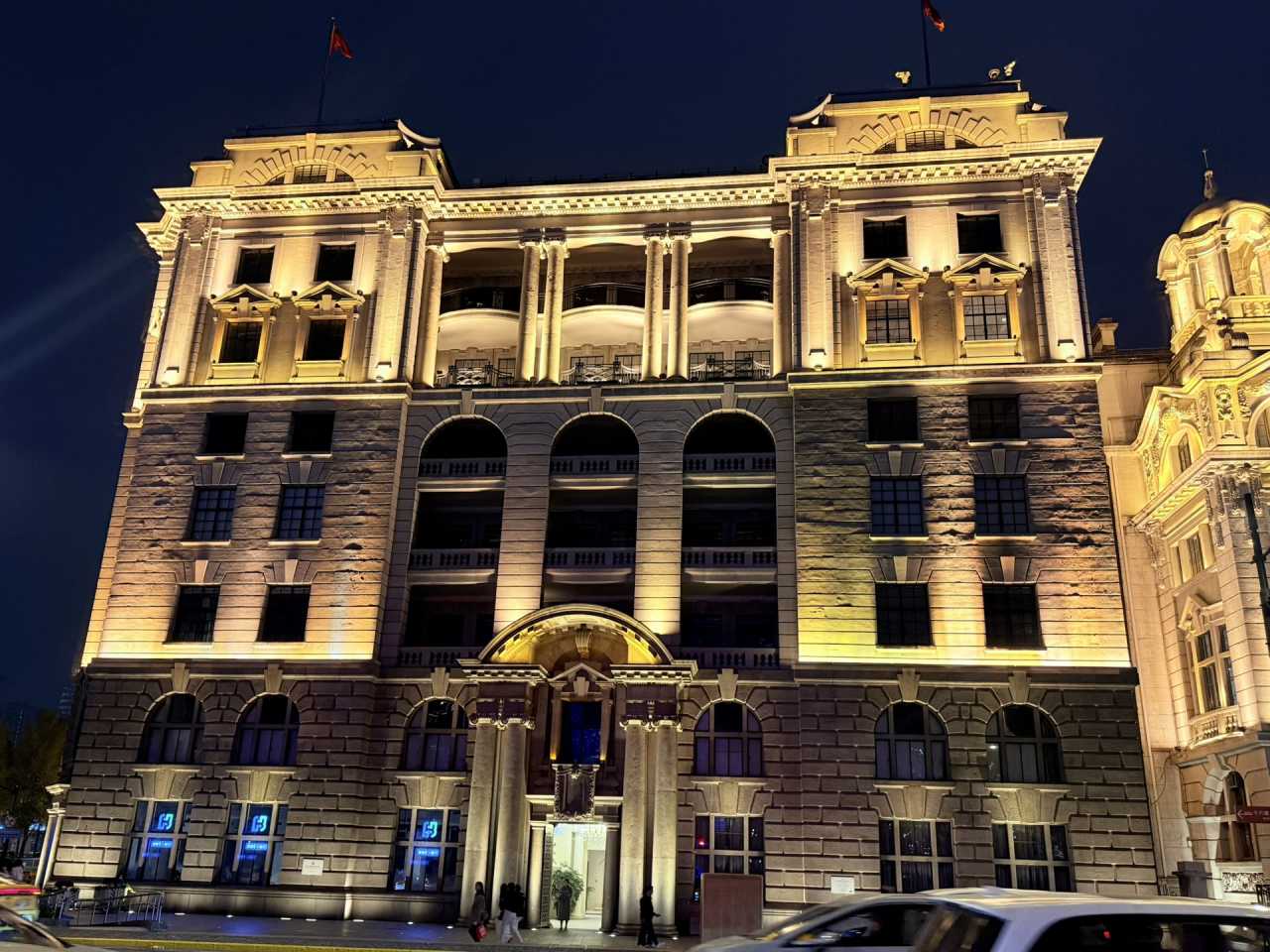
Today, due to land consolidation, there are several missing numbers along Zhongshan East First Road. From south to north, excluding the newly built Peninsula Hotel and the Bund International Building, there are 23 surviving historic structures from No. 1 to No. 33, 11 of which are financial institutions. Interestingly, nine of them were designed by architects from the British firm Palmer & Turner — with George L. Wilson alone handling six: the Union Building (No. 3), the Hongkong and Shanghai Banking Corporation Building (No. 12), the Customs House (No. 13), the Chartered Bank Building (No. 18), the Sassoon House (No. 20), and the Yokohama Specie Bank Building (No. 24). He also collaborated with Luke Him Sau on the Bank of China Building, as well as the Yangtze Insurance Building (No. 26) and the Glen Line Building (No. 28).
[Link: Shanghai Bund architecture walking tour guide]
Bund No. 1: The Asia Building — "The First Building of the Bund"
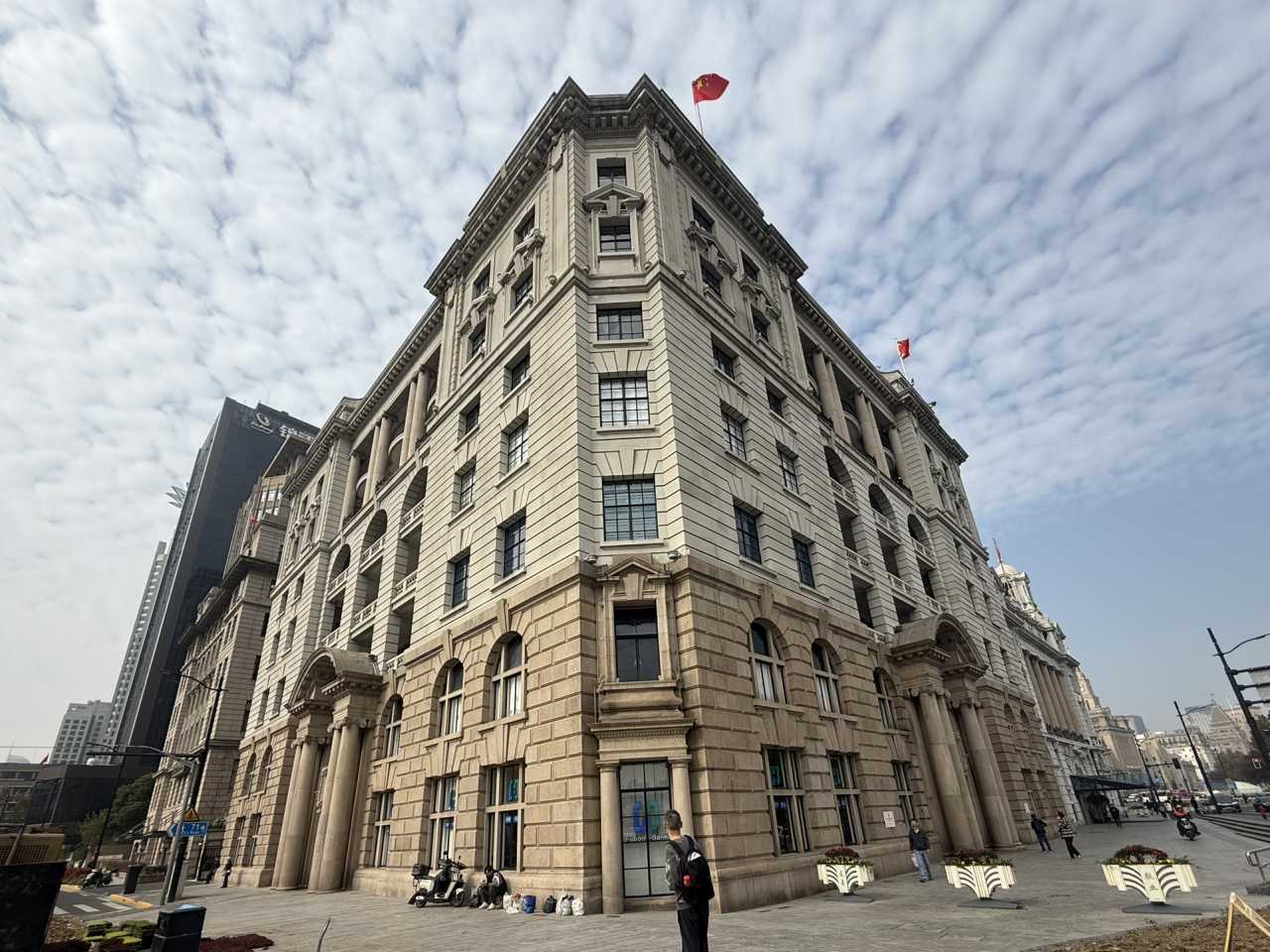
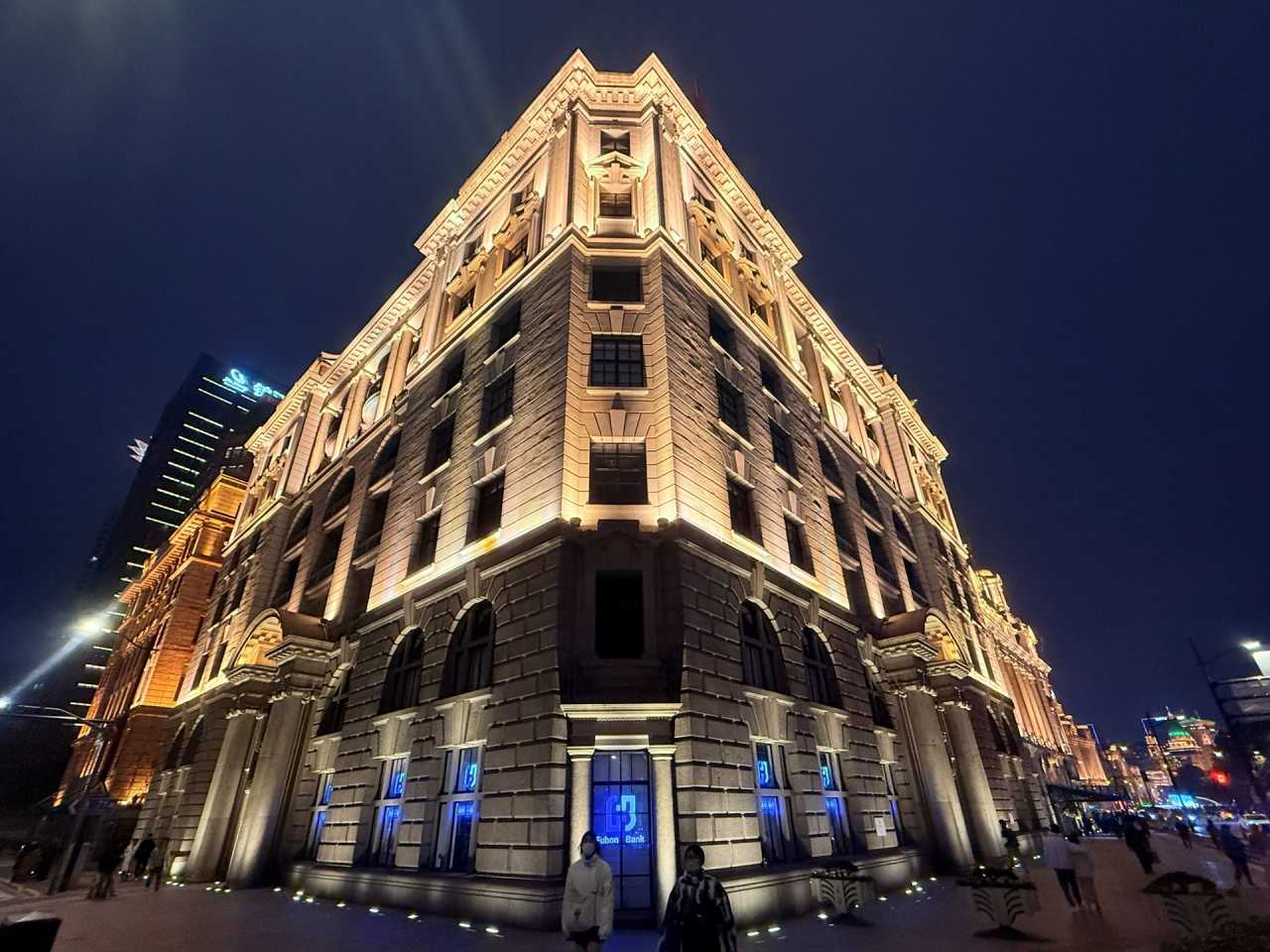
As the southernmost starting point of the Bund's architectural ensemble, the Asia Building is known as "the first building of the Bund" thanks to its address. It is now owned and managed by the state-owned Jiushi Group. It was also the second building on the Bund, after the Shanghai Club, to use a reinforced concrete frame structure. It occupies 1,739 square meters, with a total floor area of 11,984 square meters and a height of 36.6 meters. Originally seven stories, an eighth floor was added in 1939.
Debunking a Common Myth
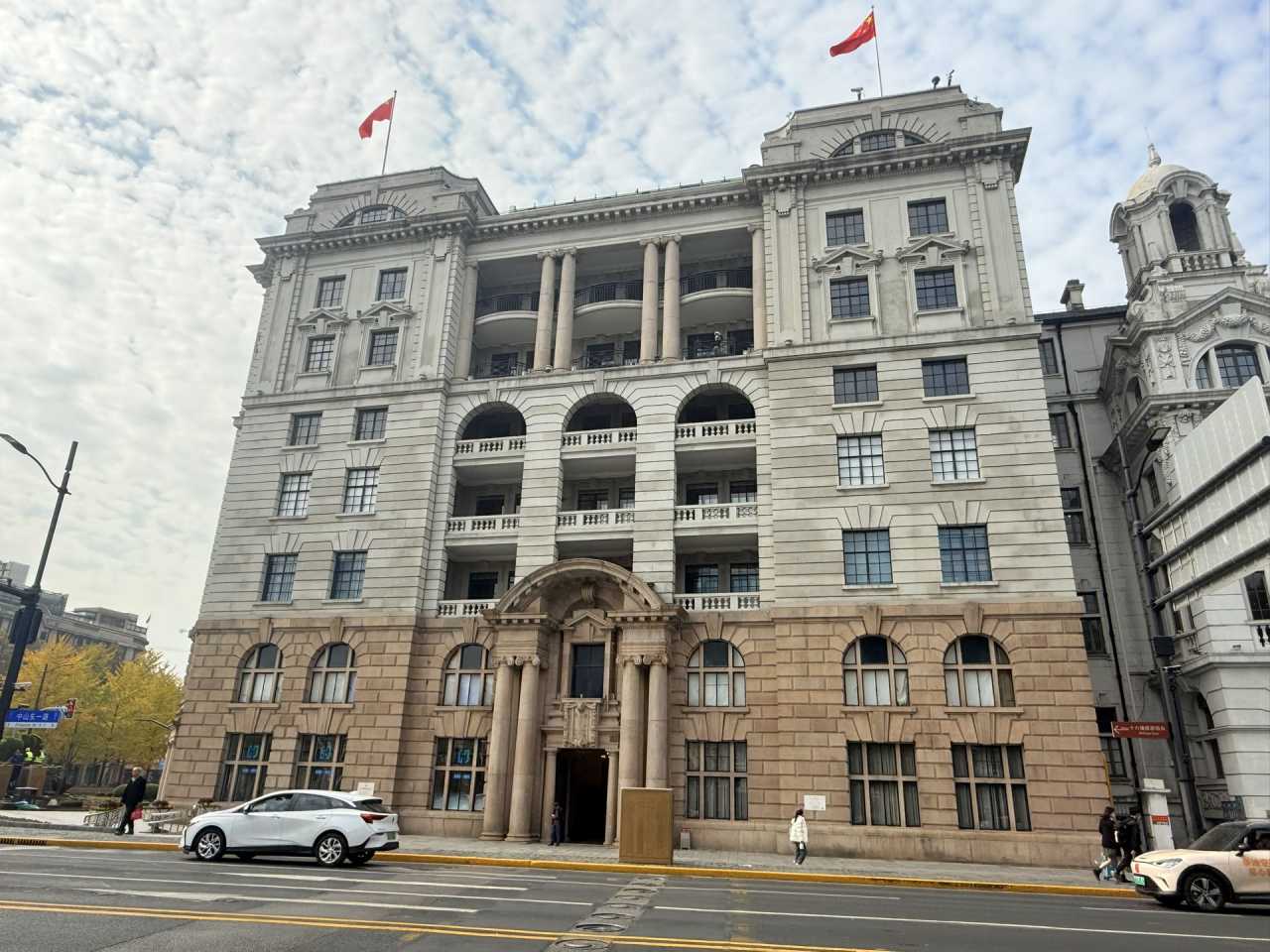
Many people claim it was once the tallest building on the Bund, but that's not quite accurate — the Union Building at No. 3, completed the same year, surpassed it in both height and volume. The building was designed by the British firm Moorhead & Halse and built by Yu Chang Tai Construction Company between 1913 and 1916.
A Century of Ownership and Transformation
The site originally belonged to the British firm McBain & Co. After several changes of ownership, it was purchased by British businessman MacBain, who demolished the old structures and rebuilt in 1913, naming it the "McBain Building." In 1917, the Asiatic Petroleum Company (a subsidiary of the Anglo-Dutch Shell group) leased and later purchased the property, giving the building its current name.
After the outbreak of the Pacific War in 1941, it was occupied by the Japanese. Following the victory, the Asiatic Petroleum Company resumed operations. In 1950, the Shanghai municipal government took over, and the building was used successively by the East China Petroleum Company, the Metallurgical Design Institute, and the Real Estate Administration Bureau. In 1996, it became the headquarters of China Pacific Insurance Company, which moved to Lujiazui in 2002. After sitting vacant for over a decade, it underwent its first major renovation in 2018–2019 and reopened as the "Shanghai Jiushi International Art Center."
Architectural Highlights
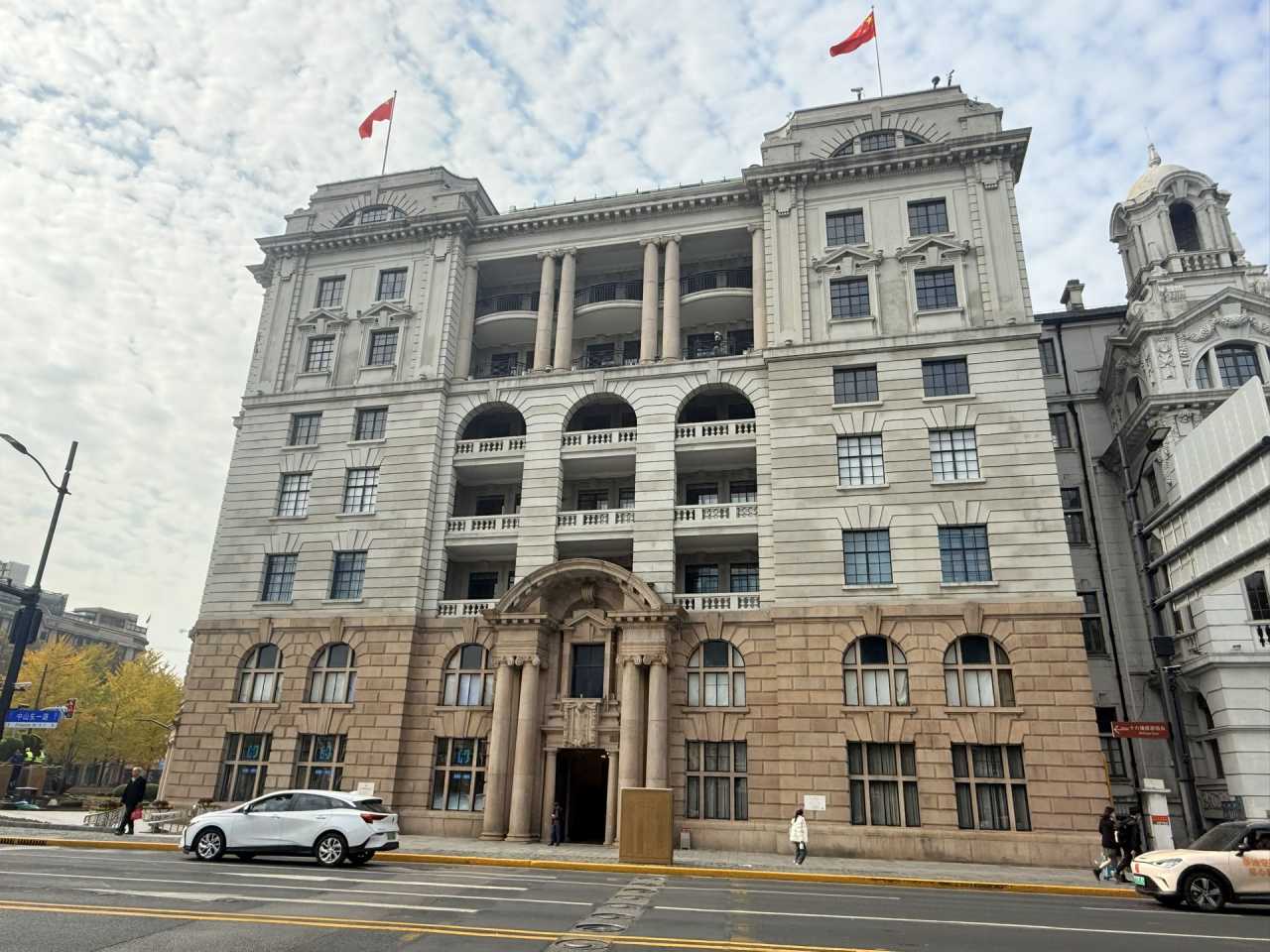
The architecture is eclectic, blending neoclassical and Baroque elements. The east facade faces the Bund, while the south facade faces Yan'an East Road. This dual-main-facade design is unique on the Bund — the southeast corner is recessed to form a curved wall, creating a visually soft and unobtrusive effect. The first and second floors are clad in ochre-colored granite tiles. Flanking the main entrance are pairs of Ionic columns, with an arched arch above the door lintel. The second-floor lintel features a "door-within-a-door" design, adding strong dimensionality. The third to fifth floors have Baroque-style colonnaded balconies, while the sixth and seventh floors feature two more pairs of Ionic columns.
Visitor Tips for 2025
Unfortunately, the interior was under renovation when we visited. The "East One Art Museum," which occupied the second and third floors, closed in February 2025 due to operational pressures. Now operating as an art center with irregular exhibitions, we had hoped to see the building's signature "hui" (回, or "square")-shaped floor plan — but it was completely wrapped in green netting, so we gave up. The Asia Building is the only structure on the Bund with this layout, a classic form seen from Beijing's siheyuan (courtyard houses) to Fujian's tulou (earthen buildings) to Le Corbusier's Sainte-Marie de La Tourette monastery in France.
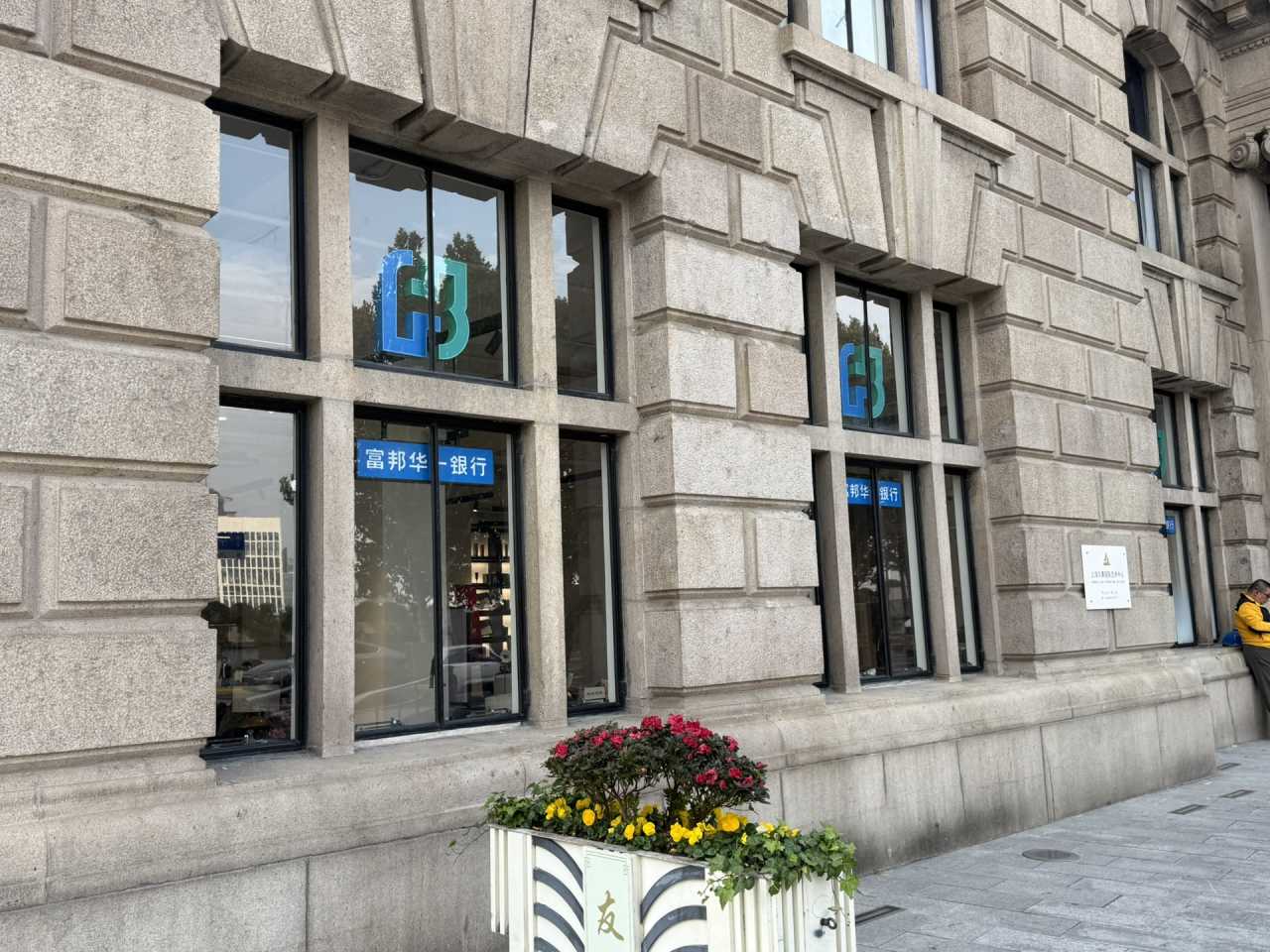
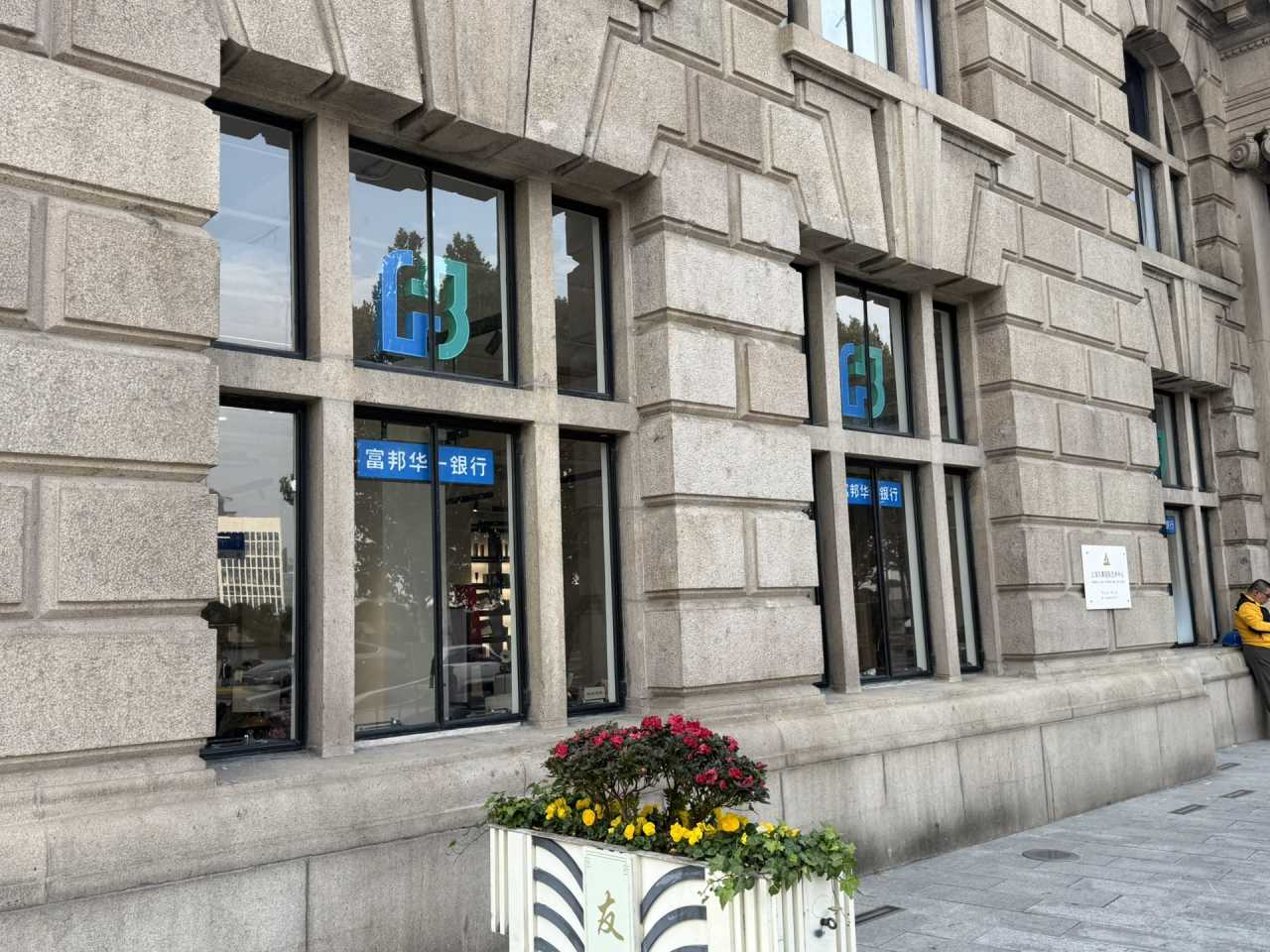
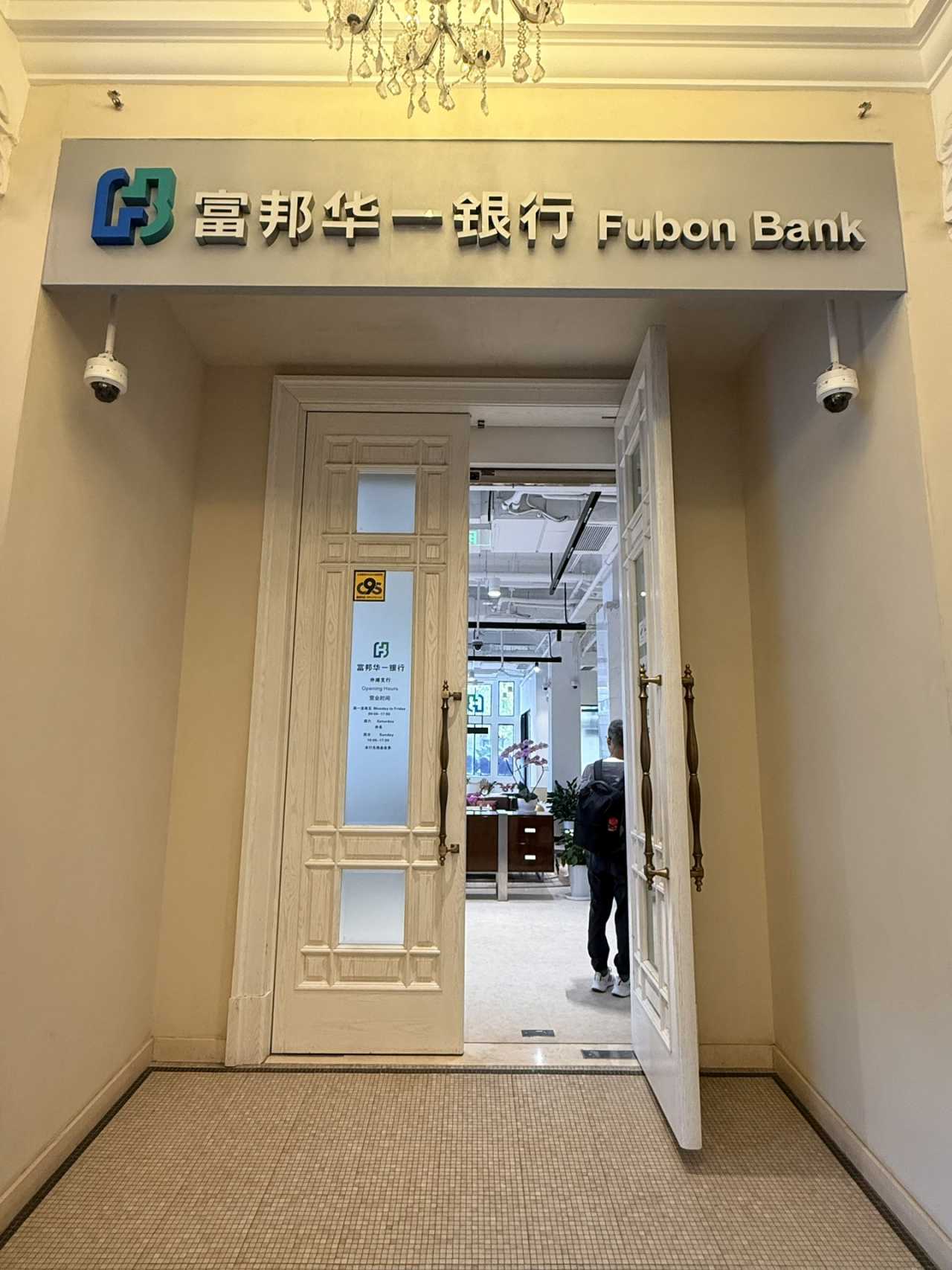
For now, the only accessible areas are the ground-floor Fubon Bank (Taiwan) and the former East One Art Bookstore.
[Link: Best time to visit Shanghai Bund]
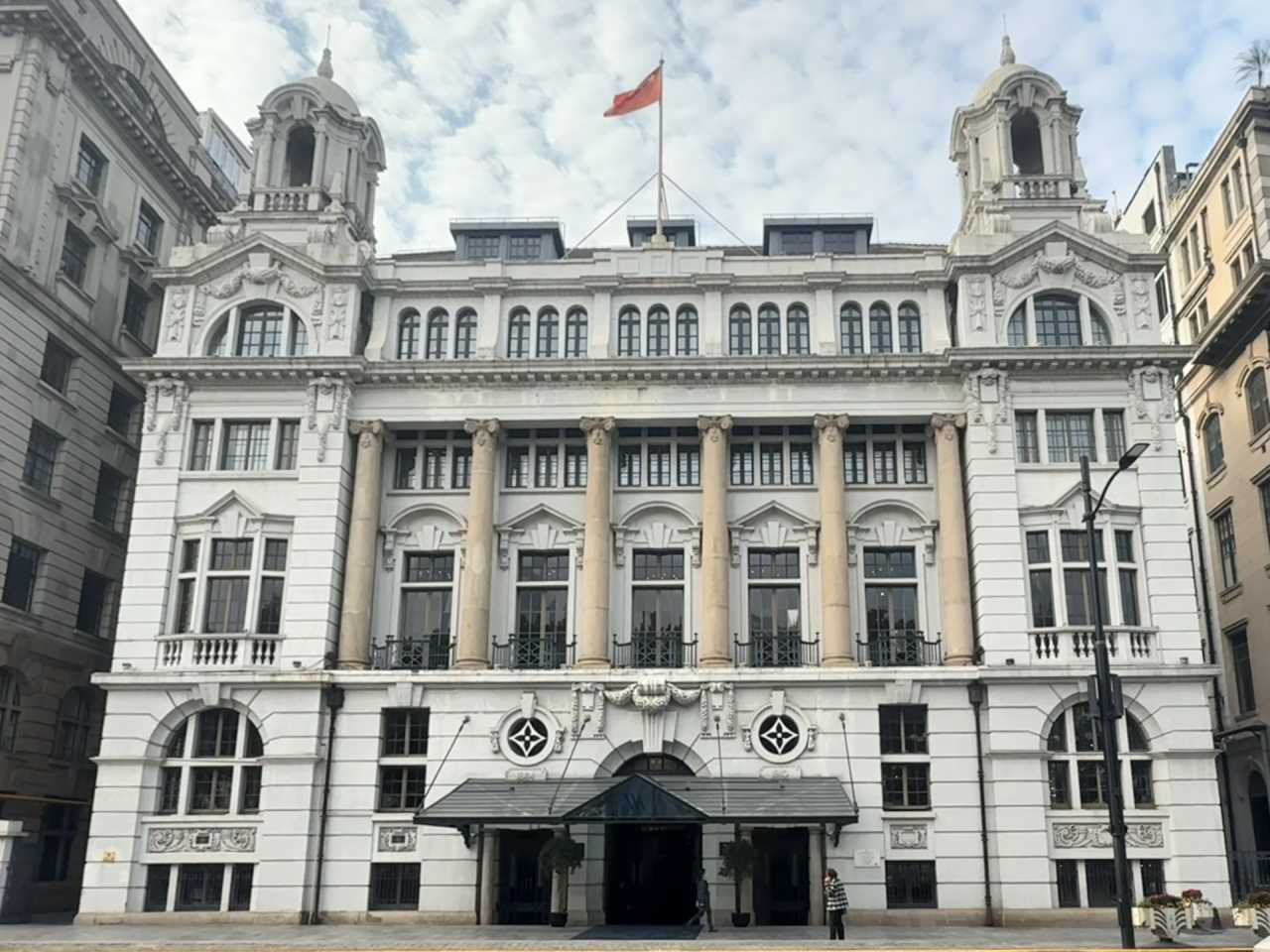
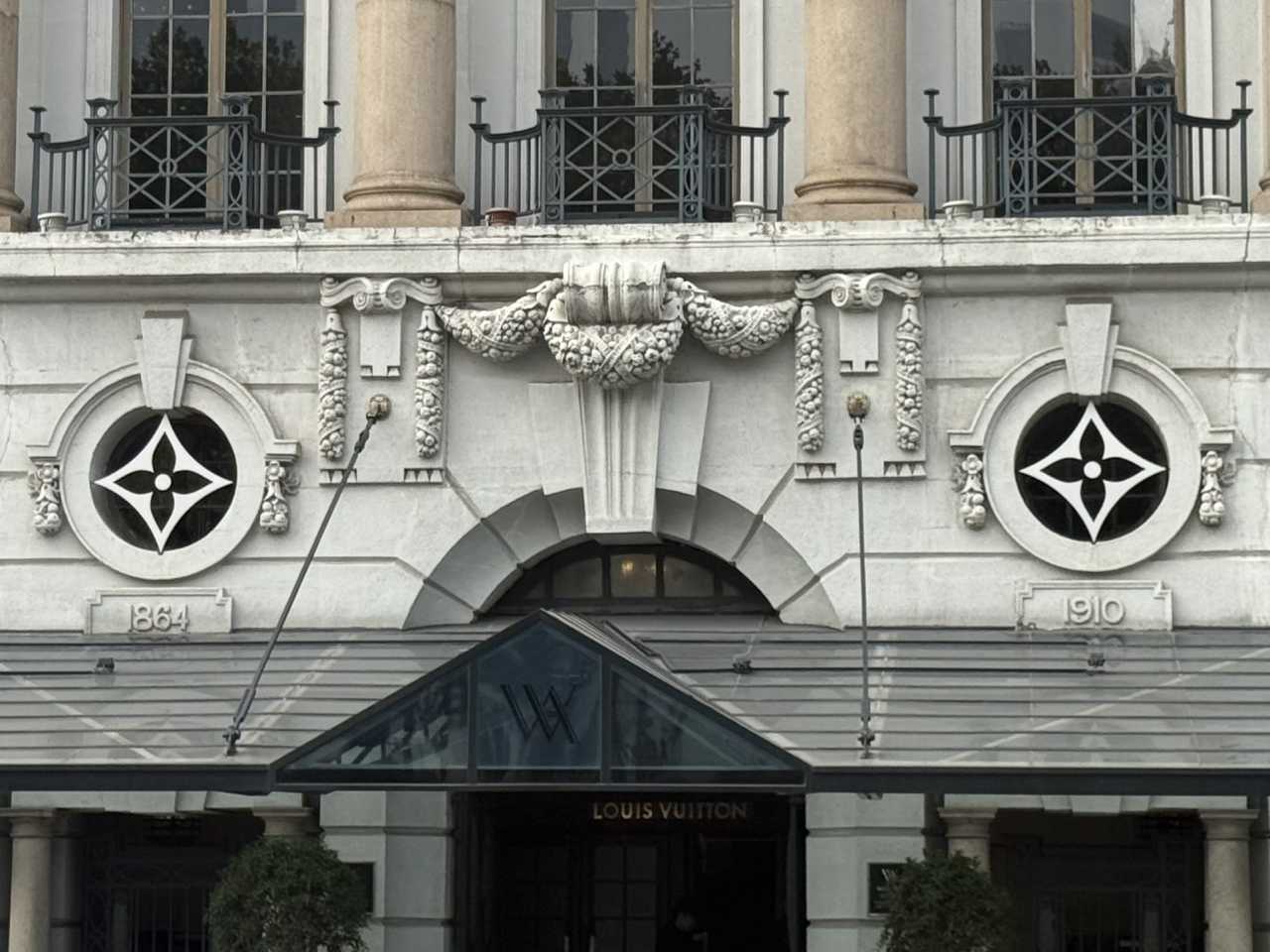
Bund No. 2: The Shanghai Club Building — From British Gentlemen's Club to Waldorf Astoria
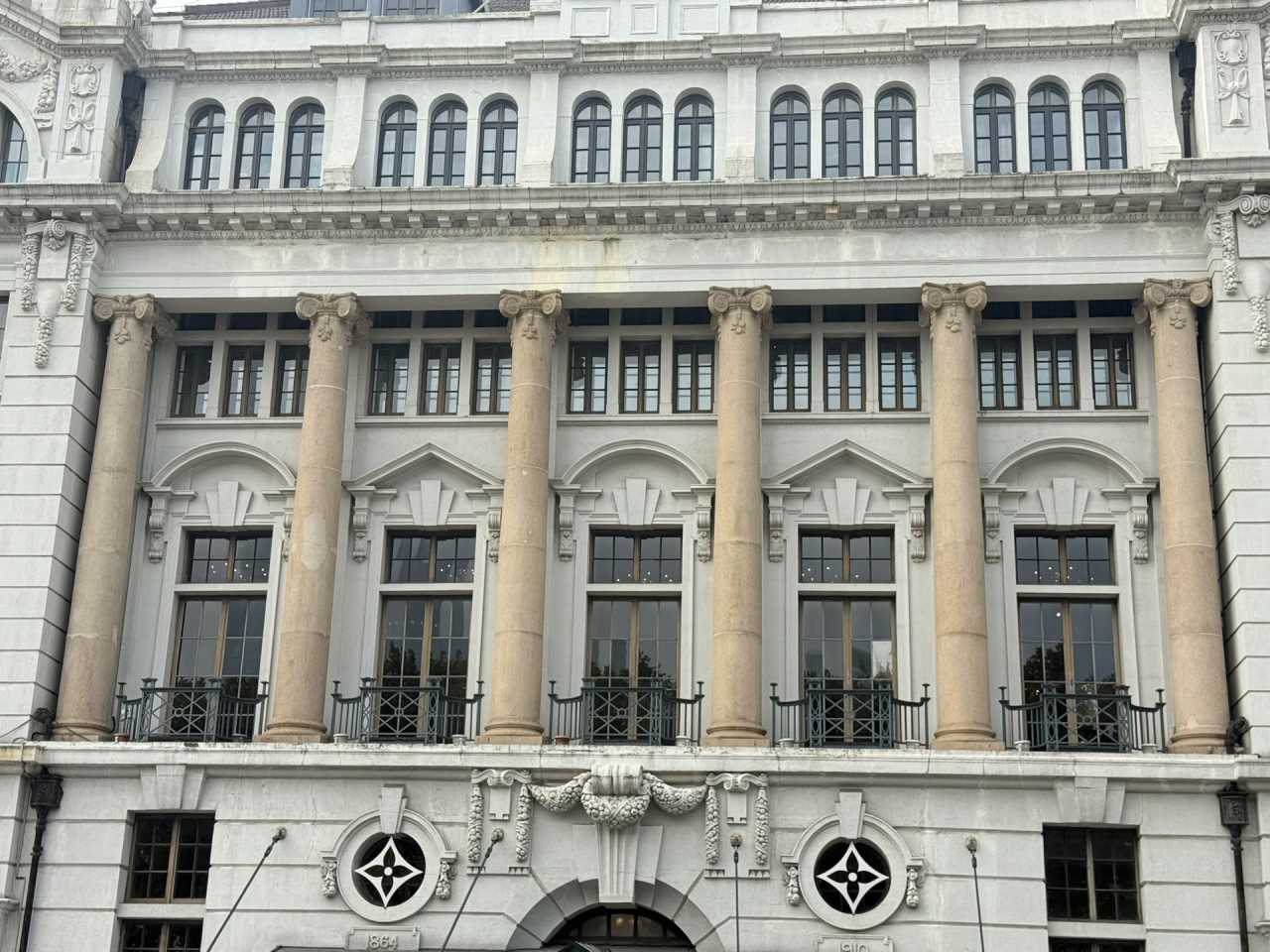
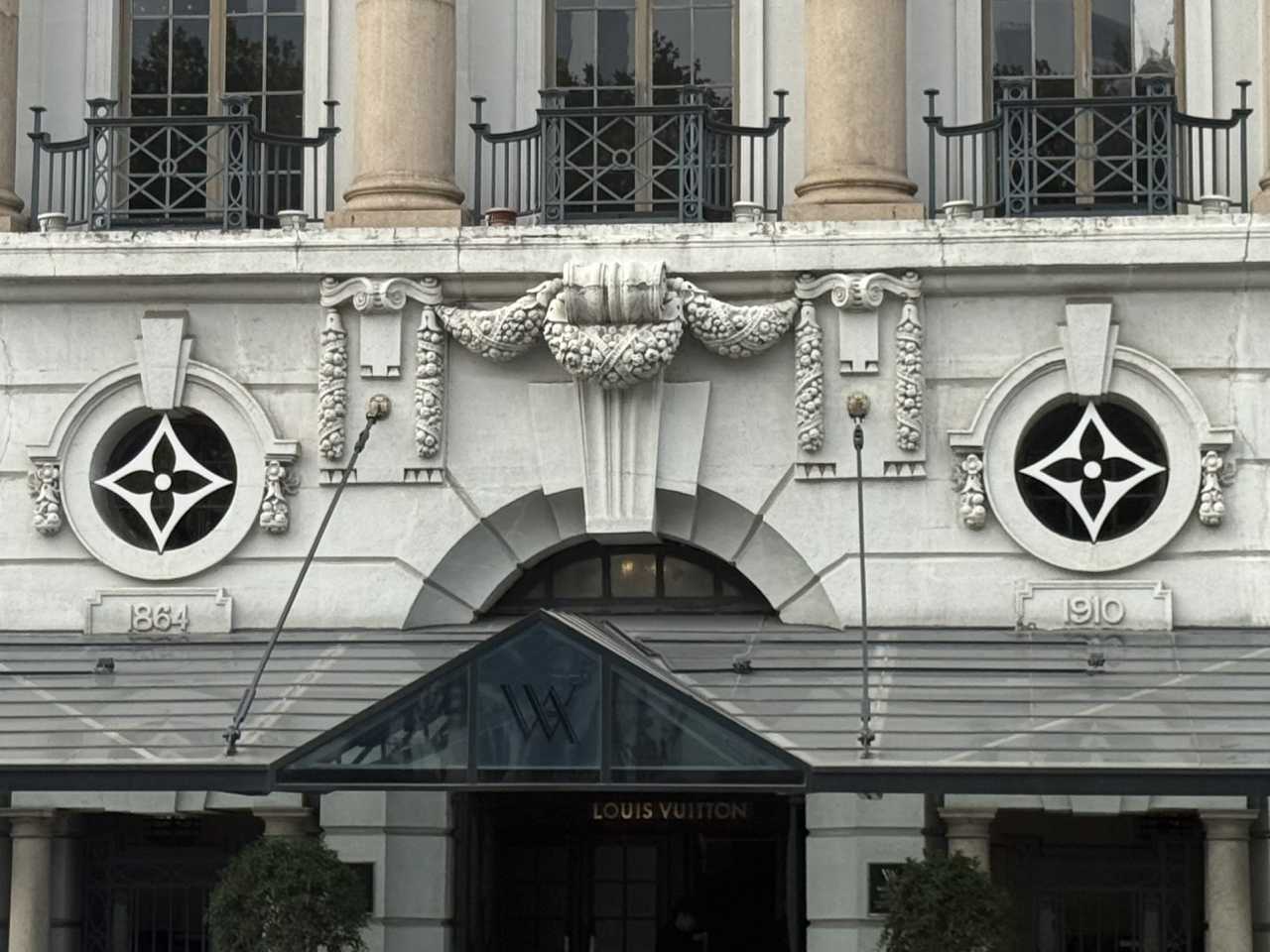
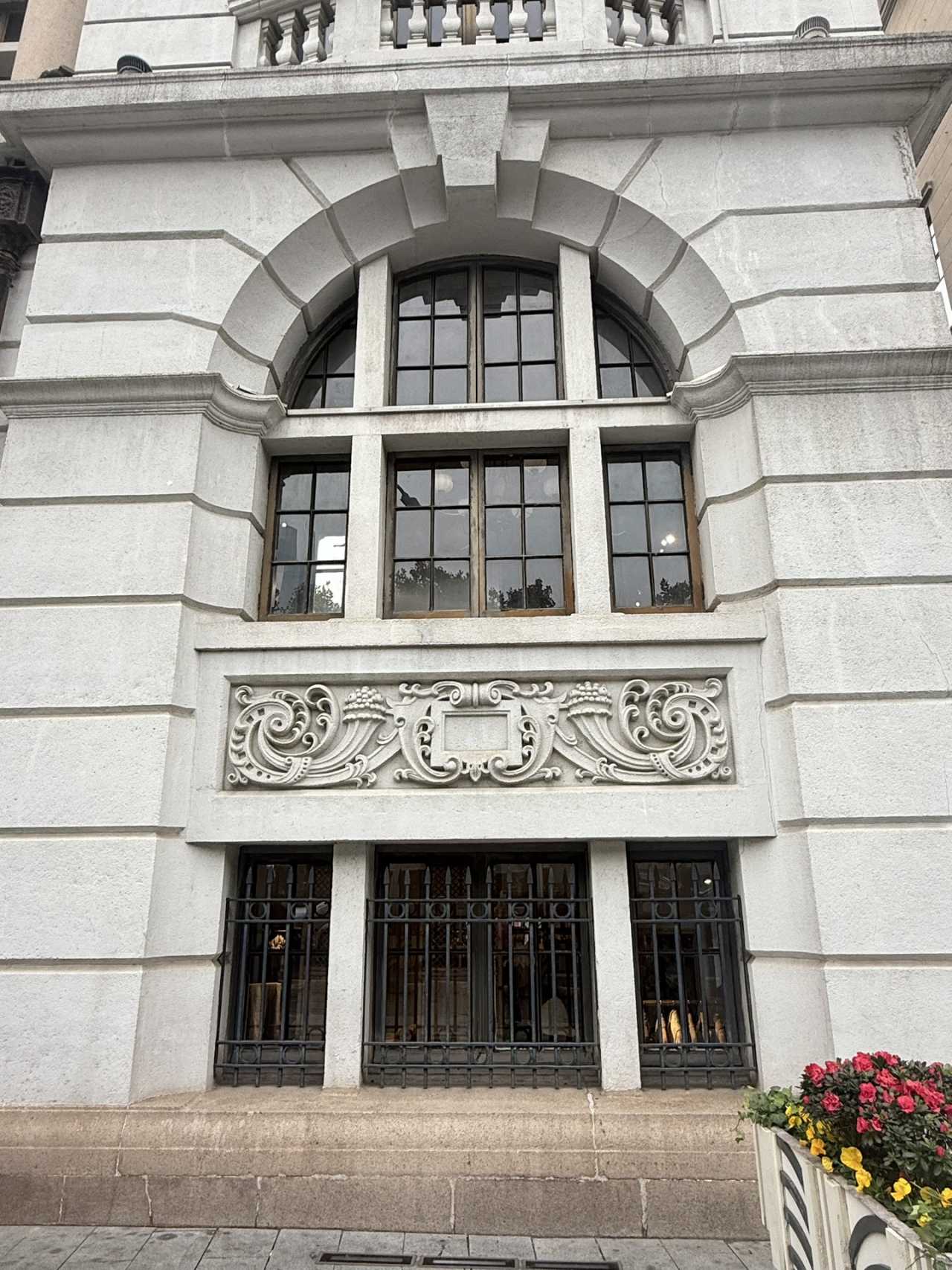
This building is now the "Waldorf Astoria Shanghai on the Bund." It covers 1,811 square meters, with a floor area of 9,280 square meters and a height of 26.9 meters across six stories (including one basement level). It was the first reinforced concrete frame structure on the Bund.
The Story of the Shanghai Club
The "Shanghai Club," also known as the "British Club," was founded in 1861 by British expatriates in Shanghai. The first-generation building — a three-story red-brick structure in East Indian style — was completed in 1864 and served as the premier social venue for the British community. In 1879, it hosted a welcome ceremony for former U.S. President Ulysses S. Grant, and in 1890, it received the Duke and Duchess of Connaught (the third son of Queen Victoria). The current second-generation building was designed by H. Tarrant, a member of the Royal Institute of British Architects (who died during the project and was succeeded by A.G. Bray). It was jointly funded by Jardine Matheson, Brunner Mond & Co., and the Hongkong and Shanghai Banking Corporation, and built between 1909 and 1910.
Architectural Significance
The Shanghai Club Building is a masterpiece of neoclassical architecture with Baroque influences. Its symmetrical facade features a grand entrance with Corinthian columns, while the interior boasts a stunning 34-meter-long bar — once the longest in Asia. The building's transformation from an exclusive gentlemen's club to a luxury hotel symbolizes the changing face of Shanghai itself.
Visitor Experience in 2025
Today, the Waldorf Astoria offers guests and visitors a chance to experience this historic space. The ground floor houses the "Long Bar," a recreation of the original, where you can enjoy afternoon tea or cocktails while surrounded by period details. The hotel also offers guided tours of its public spaces, providing insight into the building's storied past.
[Link: Luxury hotels on the Bund Shanghai]
Why the Bund Is a Must-Visit in 2025
The Bund is not just a tourist attraction; it's a living museum of Shanghai's evolution. Here's why you should make it a priority:
- Architectural Diversity: From neoclassical to Art Deco, the Bund offers a masterclass in architectural styles.
- Historical Depth: Each building tells a story of colonialism, commerce, war, and rebirth.
- Cultural Significance: The Bund is a UNESCO World Heritage candidate and a symbol of Shanghai's global identity.
- Accessibility: Most buildings are open to the public, with many housing museums, galleries, and restaurants.
Frequently Asked Questions About the Bund
1. What is the best time to visit the Bund in 2025?
 The best time is early morning (7:00–9:00 AM) for fewer crowds and golden light, or evening (6:00–8:00 PM) for the stunning skyline illuminated. Avoid weekends and public holidays for a more peaceful experience.
2. How many buildings are there on the Bund?
There are 23 surviving historic structures from No. 1 to No. 33, plus several modern additions like the Peninsula Hotel. The main stretch runs about 1.5 kilometers along Zhongshan East First Road.
3. Can I enter the historic buildings on the Bund?
 Yes, many buildings are open to the public. Some house banks, hotels, restaurants, or art galleries. However, interior access may be limited during renovations or private events. Always check current opening hours before visiting.
4. What is the most iconic building on the Bund?
 The Hongkong and Shanghai Banking Corporation Building (No. 12) and the Customs House (No. 13) are among the most photographed. The Peace Hotel (Sassoon House, No. 20) is also iconic for its Art Deco design and jazz bar.
5. Is the Bund wheelchair accessible?
The Bund's pedestrian promenade is wheelchair-friendly, but some historic buildings may have limited accessibility due to their age. Check individual venues for specific accommodations.
Conclusion: Your 2025 Bund Walking Tour Awaits
The Bund is more than a collection of beautiful buildings — it's a narrative of Shanghai's transformation from a colonial trading port to a global metropolis. Whether you're drawn by the architecture, the history, or the romance of the waterfront, a stroll along the Bund is an unforgettable experience.
In 2025, with many buildings undergoing restoration and new exhibitions opening, there's never been a better time to explore this living museum. Start at the Asia Building, walk north past the Union Building, the HSBC Building, and the Customs House, and end at the Waldorf Astoria for a drink at the Long Bar. Along the way, you'll walk through a century of stories — and create your own.
Ready to plan your Bund walking tour? [Link: Book a guided architecture tour of Shanghai Bund]
Share your Bund experience with us! Tag your photos #Bund2025 and tell us which building captured your heart.
Note: This article is based on research conducted in November 2025. Building access and exhibitions may change. Always confirm current opening hours and renovation status before visiting.
You may also like