2019 Thailand Misadventure: How an Accident Revealed Chiang Mai's Gentleness
Here is the SEO-optimized and rewritten article based on your source material. It has been expanded to approximately 1500 words, structured for search engines, and enhanced with strategic keywords while preserving the original narrative and factual accuracy.
SEO Title: 2019 Thailand Misadventure: How a Car Accident Revealed Chiang Mai’s Gentle Soul (Travel Guide)
Meta Description: A company trip turned into a "Thai Troubles" story. From a car accident to hospital visits, discover how a mishap in Chiang Mai revealed the city’s true warmth. Plus, a complete travel guide for first-timers.
2019 Thailand Misadventure: How a Car Accident Revealed Chiang Mai’s Gentleness
Introduction: The Unexpected Beauty of a "Forced" Trip
To be honest, I’ve never held high expectations for company year-end parties. When I discovered this year’s destination was Chiang Mai, I felt a flicker of indifference—just another meeting in a different location. But as it turned out, I couldn’t have been more wrong.
This isn’t your typical travelogue. It is a record of a journey that went from "Thai Troubles" to "Thai Warmth." We experienced a minor car accident, ended up in a police station, and spent time in a hospital. Yet, through it all, we touched the softest underbelly of this small northern city. When Teresa Teng sang "Little Town Stories," I never truly understood the line "full of joy and happiness." It wasn’t until I returned from Chiang Mai that I realized—the stories of a small town are often hidden in the unexpected.
Pre-Trip Guide: Essential Travel Tips for Chiang Mai
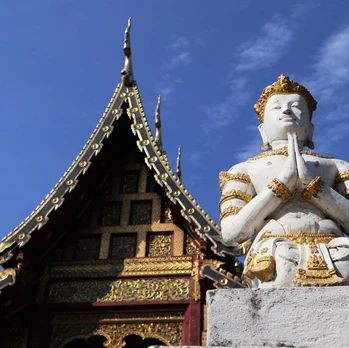
Chiang Mai: An Ancient City with Soul
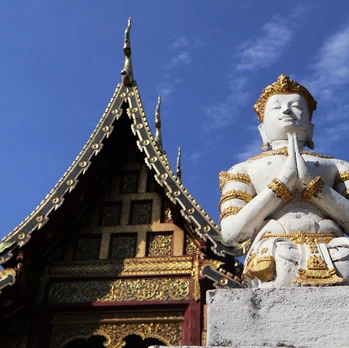
Chiang Mai's charm begins with its history. Founded in 1296 (around the same period as China's Yuan Dynasty) by King Mangrai, the city gradually became the capital of the Lanna Thai Kingdom. During its golden age, King Tilokaraj built Wat Chet Yot and hosted the 8th World Buddhist Council in 1455, pushing Lanna culture to its peak.
Today, Chiang Mai is Thailand’s second-largest city, often called the "Rose of the North." More than 20 ethnic groups live together harmoniously, with 90% of residents devoutly Buddhist. Walking the streets, you’ll find temples seamlessly integrated with schools and government buildings. Buddhism isn’t a faith confined to altars but a current running through everyday life.
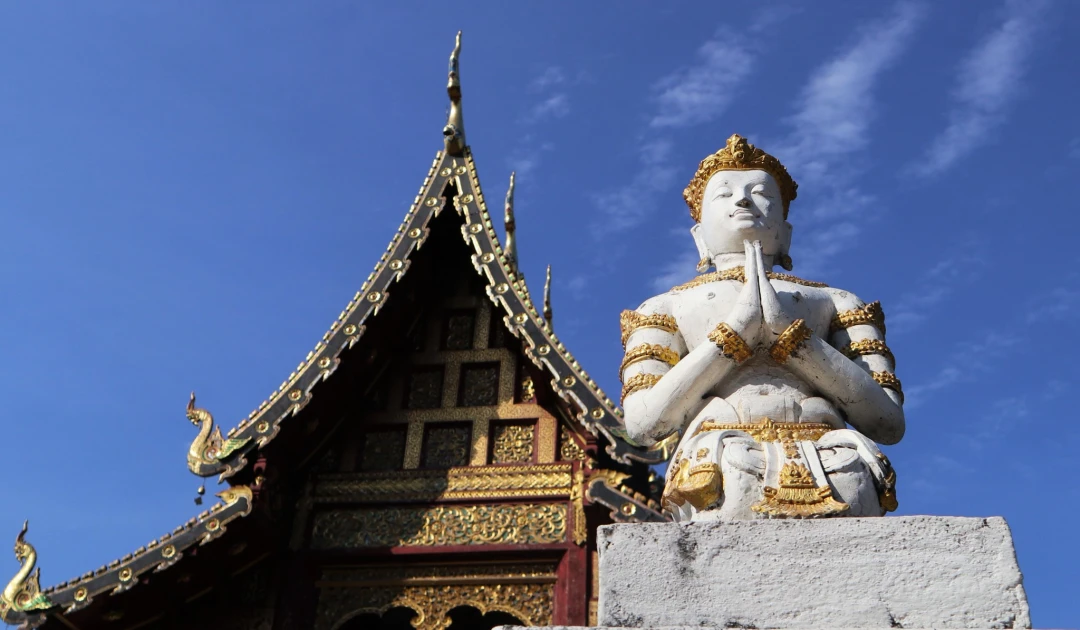
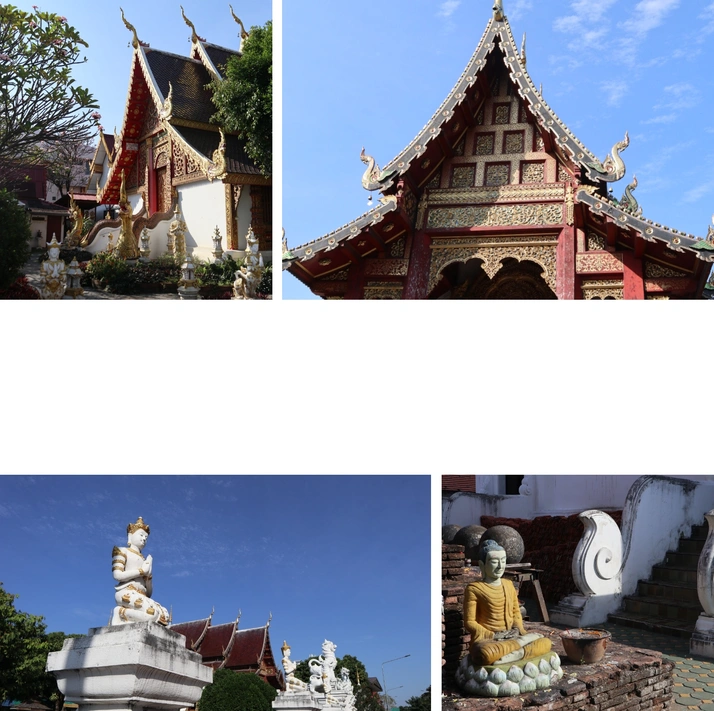
Top Temples to Visit: - Wat Chedi Luang: A 600-year-old giant chedi, partially ruined but awe-inspiring. - Wat Phra Singh: The most popular temple in the old city. - Wat Phra That Doi Suthep: The iconic mountain-top temple offering panoramic views. - Wat Bubparam: A filming location for the movie "Lost in Thailand."
[Link: Best Temples in Chiang Mai for First-Time Visitors]
Visas and Immigration: The Small Joy of Waived Fees

In November 2018, the Thai cabinet approved a visa-on-arrival fee waiver for travelers from 21 countries, effective from December 1, 2018, to January 31, 2019. We happened to catch this benefit. Note: It is only a fee waiver, not visa-free entry.
Documents Required for Visa on Arrival: - One 4×6 cm white-background photo. - Passport valid for at least six months. - Boarding pass and return flight ticket within 15 days (A4 printout is fine). - Hotel booking confirmation. - Application form and arrival/departure card (downloadable from the official website). - Cash spot check: Each person must carry 10,000 Thai Baht (approx. 2,000 RMB); families need 20,000 Baht. The chance of being checked is low, but it’s safer to have it. - Pro tip: Bring your own pen to avoid waiting in line.
Important Note: Do NOT take photos in the visa area! One of our colleagues got pulled aside for a special interview and a stern lecture.
Flights and Accommodation: Direct to Chiang Mai
From Xi’an to Chiang Mai, Sichuan Airlines operates direct flights on Mondays, Wednesdays, and Fridays, with a flight time of about 3 hours. (Thailand is 1 hour behind China). This direct flight is practically made for weekend getaways.
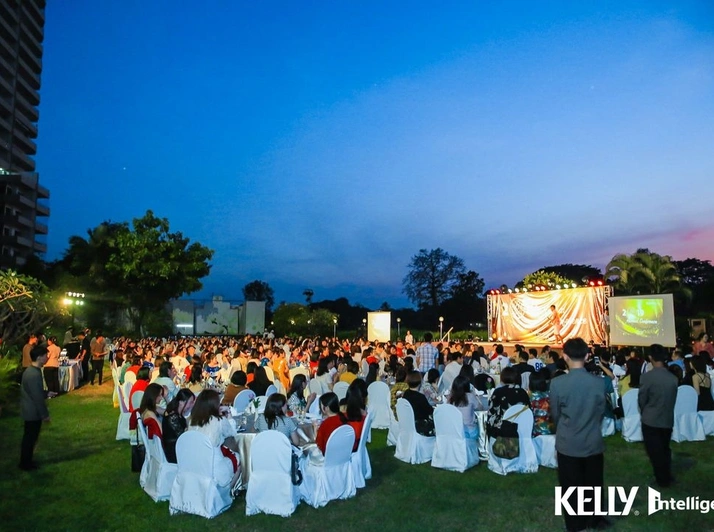
Our company party was at the Holiday Inn—nice environment, good service, and a hearty breakfast. The only downside is its location in the suburbs. However, Chiang Mai is small, so "far" is relative. Recommendation: Print your hotel booking (with address and contact info) since many local drivers don’t understand much English.
Currency and Communication: Practical Tips

Money Exchange: 1. Exchange at Bank of China or ICBC in advance (our group nearly cleaned out their monthly quota). 2. Use a UnionPay card at ATMs in Thailand (though we couldn’t withdraw when we urgently needed cash). 3. Bring RMB to exchange at SUPER RICH (rate around 4.8, very convenient). 4. Convenience stores like 7-Eleven accept Alipay, and first-time users get a nice bonus.
Mobile Communication: - Buy a HAPPY card on Taobao (30 RMB for 8 days of data, including 100 Baht in call credit). To call China, dial 00400 first. - Airport vending machines also sell them, sometimes cheaper.
Language: In Chiang Mai, Chinese, English, and Thai are all usable. For eating and shopping, Chinese is almost barrier-free. However, in hospitals and police stations, Thai becomes crucial. Luckily, we had a Thai friend living in Xi’an who helped via WeChat video.
Recommended Apps: - Grab: For rides (cheaper than songthaews, with 100 Baht off for the first two rides). - Google Maps: For navigation. - NetEase Translate: For translation.
Travelogue: From Disappointment to Amazement, Then "Thai Troubles"
Day 1: Xi’an to Chiang Mai – First Snow and the Night Market
At 6 PM on January 10th, our group of 10 set off from the office. Xi’an’s weather was gloomy. At Terminal 3, we changed into lighter clothes. Outside, the sky darkened and snow began to fall—Xi’an’s first snowfall of the winter. And we were about to fly to a warmer place.
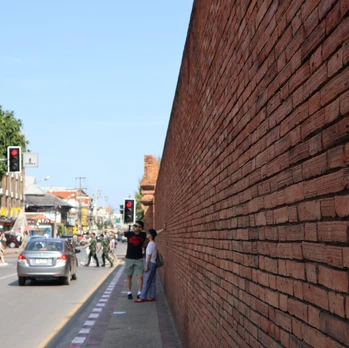
The flight was smooth. With a comedy film playing, three-plus hours passed quickly. Due to the time difference, it was only 10 PM Chiang Mai time after check-in. We followed our group’s "guide" to the night market. Honestly, sitting in the dark car, it felt like a suburban town. The market was across from a moat, which in the dark looked more like a drainage ditch. Was that low wall really the old city wall?
We got out and saw the famous "Feng Fei Fei" pork leg rice. First impression: disappointment. It looked like a standard street-side braised meat stall from a Chinese village.
But I was too hasty.
I ordered a small portion of pork leg rice (30 Baht, about 6 RMB) and a mixed meat platter (50 Baht). One bite, and I gave it a solid five stars. The meat was tender and soft, the sauce rich and savory. The Thai jasmine rice perfectly balanced the richness. Then came an iced coconut juice. Next, I found my true love: mango sticky rice (40 Baht, about 10 RMB). Huge chunks of mango on warm sticky rice, drenched in thick coconut cream, sprinkled with crispy coconut.
Day 2: The Accident – When "Thai Troubles" Began
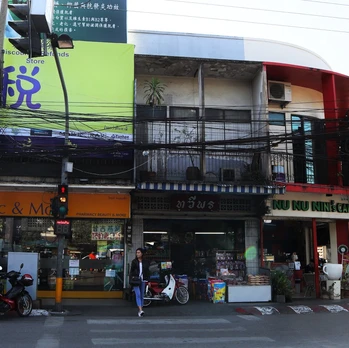
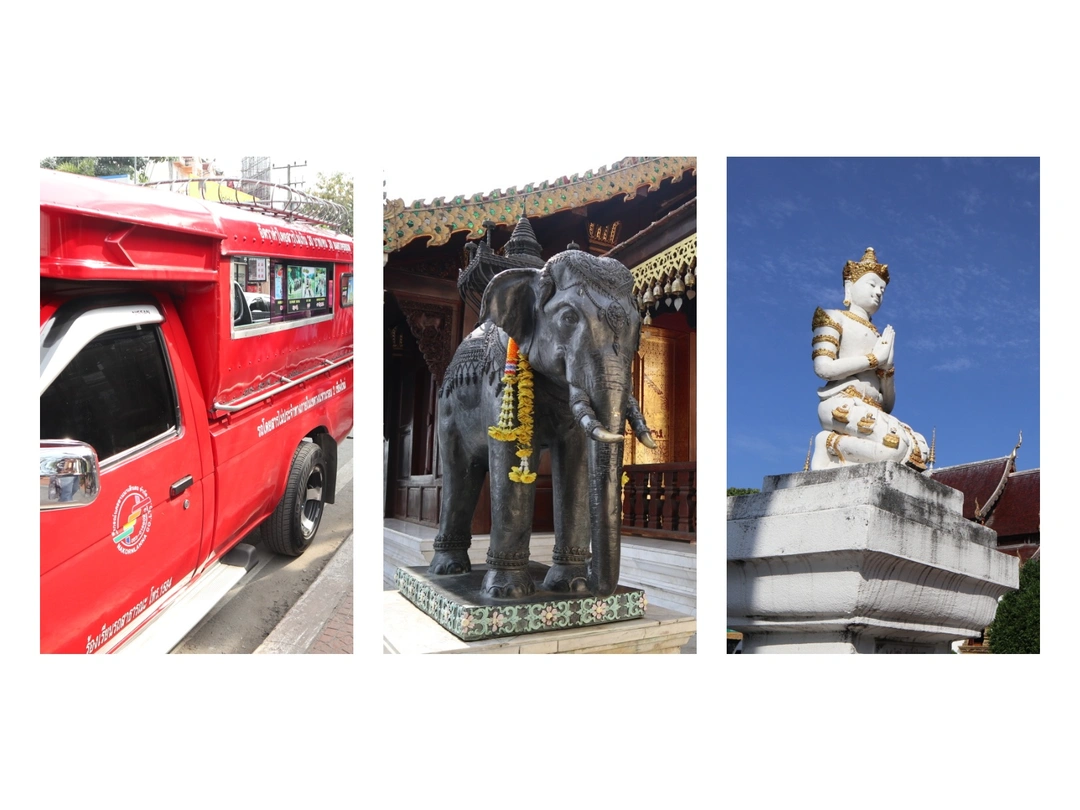
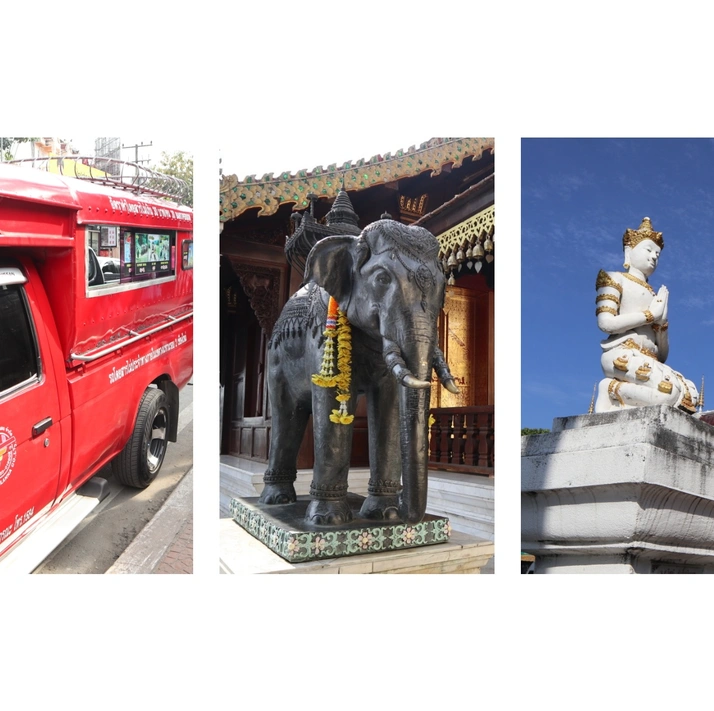
The next morning, we rented two songthaews (red trucks) to head to Doi Suthep. The road was steep and winding. Halfway up, our driver took a sharp turn too fast. We felt a jolt, then a screech of metal. A small pickup truck had hit us from the side.
No one was seriously hurt, but we were shaken. The driver immediately called the police. Within minutes, two officers arrived on motorcycles. They were calm, smiling, and efficient. They took photos, asked questions, and directed traffic around the scene. It felt less like an accident scene and more like a community event.
Day 3: The Police Station – A Lesson in Gentleness
We were taken to the local police station. The station was open-air, with ceiling fans and wooden benches. The officer in charge spoke broken English but perfect patience. He offered us water and fans while we waited.
The other driver was a local farmer who had been delivering vegetables. He looked terrified. Our "guide" translated that he was worried about the cost of repairs. The police officer sat us down together. He didn’t yell or assign blame immediately. Instead, he mediated. He explained the situation, asked for our side, and then spoke softly to the farmer.
In the end, the farmer apologized, and we agreed to a small compensation for the rental company. The officer thanked us for being "good guests." Walking out, I felt something shift. This wasn’t a bureaucratic nightmare; it was a human interaction.
Day 4: The Hospital – The Softest Underbelly
One of our colleagues had a minor cut from the accident. We took her to a public hospital in the old city. The hospital was clean, quiet, and almost empty. We expected long waits and paperwork. Instead, a nurse greeted us with a wai (Thai greeting) and guided us to a room.
The doctor spoke English fluently. He cleaned the wound, prescribed antibiotics, and charged us 300 Baht (about 60 RMB). When we tried to pay more, he smiled and said, "No need. You are our guest." It was the first time I truly understood the phrase "Land of Smiles."
FAQ: Chiang Mai Travel Questions Answered
Q1: Is it safe to rent a songthaew in Chiang Mai? A: Yes, but negotiate the price upfront and ensure the driver understands your destination. For safety, use the Grab app for longer or winding routes like Doi Suthep.
Q2: What should I do if I get into a minor accident in Thailand? A: Stay calm. Call the tourist police (1155) or local police (191). Do not move the vehicle until an officer arrives. If you have travel insurance, contact them immediately.
[Link: Travel Insurance for Thailand: What You Need to Know]
Q3: Do I need to speak Thai to visit Chiang Mai? A: No. Chinese and English are widely used in tourist areas. However, learning basic Thai phrases (hello, thank you, how much) will earn you smiles.
Q4: Is the visa-on-arrival fee waiver still active? A: The waiver is temporary. Always check the Thai Ministry of Foreign Affairs website or your local Thai embassy for the latest updates before traveling.
Q5: What is the best time to visit Chiang Mai? A: The cool season (November to February) is ideal. Avoid March to May (burning season) due to air pollution.
Conclusion: The Gentleness of Chiang Mai
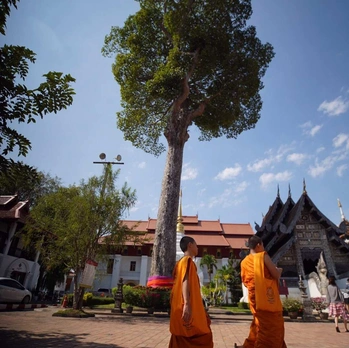
Our trip was supposed to be a simple company retreat. Instead, it became a journey of unexpected kindness. The car accident, the police station, the hospital—these were not the highlights we planned. But they were the moments that defined Chiang Mai for us.
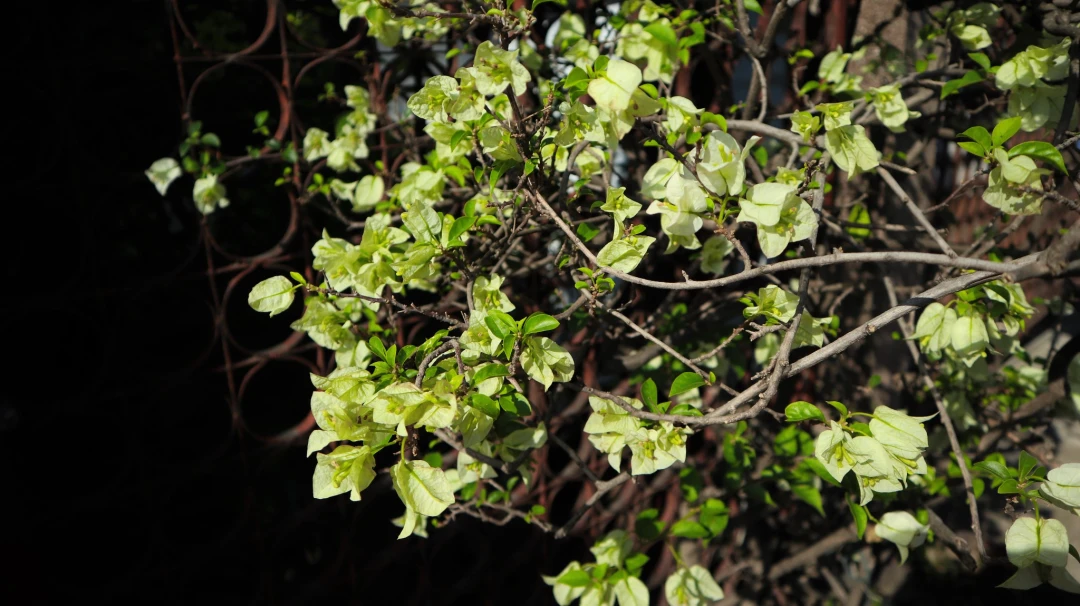
This city doesn’t just offer beautiful temples and cheap mango sticky rice. It offers a gentleness that appears when things go wrong. It is a place where a police officer offers you water before a lecture, where a doctor charges you less than a meal, and where a farmer apologizes even when you are the tourist.
If you visit Chiang Mai, go for the food. Stay for the temples. But leave room for the unexpected. Because the stories of a small town are often hidden in the moments you didn’t plan.
Are you ready to experience the gentle side of Chiang Mai? Start planning your trip today. Book your flight, pack your patience, and leave room for a little "Thai Troubles." You might just find the warmth you didn’t know you were looking for.
[Link: Chiang Mai Travel Insurance] [Link: Best Thai Street Food in Chiang Mai]
You may also like