17 Days Solo in Vietnam: An Unexpected Southeast Asian Adventure
Here is the SEO-optimized, rewritten article based on your source material. It is structured for readability, keyword density, and user engagement, targeting approximately 1500 words.
SEO Title: 17 Days Solo in Vietnam: The Ultimate Budget Travel Guide for First-Timers
Meta Description: Discover the ultimate 17-day solo Vietnam itinerary. From Hanoi street food to motorbike adventures, this budget travel guide covers visas, costs, and hidden gems.
17 Days Solo in Vietnam: An Unexpected Southeast Asian Adventure
Some trips are meticulously planned; others are born from a single moment of impulse. My 17-day solo journey through Vietnam was the latter—a spontaneous decision sparked by a friend’s recommendation and a cheap train ticket.
I was volunteering on Weizhou Island when I heard the siren call: "Vietnam is incredible!" "The train from Nanning to Hanoi costs less than 200 yuan!" I’m the type who can’t resist that kind of peer pressure. Half skeptical, half intrigued, I set off southward without a plane ticket or a single hotel booking.
Before I left, I had no idea this would be my first time traveling abroad alone. Even less did I expect that the trip would begin with a "pig-face" swelling from insect bites and end with my heart completely and utterly won over.
This is my complete guide to surviving—and thriving—on a solo Vietnam trip.
Practical Tips Before You Go: Solo Vietnam Travel Essentials
Visas and Documents for Vietnam
Applying for a Vietnam visa is surprisingly simple. I used Taobao, choosing the best-selling vendor. No need to mail your passport—just send a photo. The visa was issued the next day, costing 239 yuan. It arrives as a separate piece of paper, valid for one month.
Important reminder: Make photocopies of your passport and visa and keep them separate from the originals. Losing your documents abroad is a nightmare you don’t want to deal with.
Currency and Money-Saving Tips for Vietnam
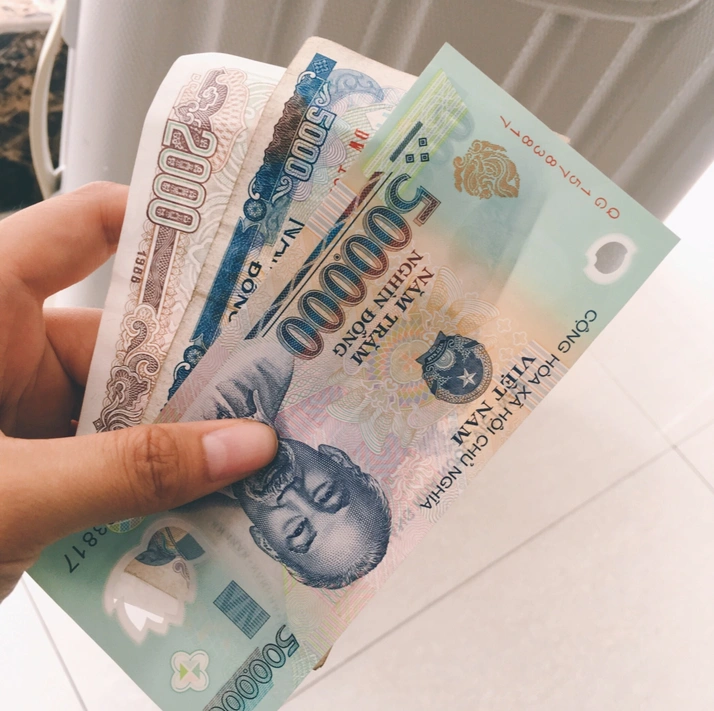
The Vietnamese dong has such large denominations it can be dizzying. Here is a quick cheat sheet:

- 10,000 VND ≈ 3 RMB
- 1 RMB ≈ 3,000 VND
- Exchange rates typically range between 3,450 and 3,600.
My strategy: 1. Exchange a small amount at the border (I exchanged 507,000 VND, about 145 RMB). 2. Use a UnionPay card at BIDV Bank ATMs in the city. They have Chinese-language interfaces and charge no local fee. I withdrew 3,000,000 VND (about 815 RMB) for a 15 RMB fee, with a rate as high as 3,600.
Pro tip: Download the iCurrency app for instant conversions. Avoid exchanging RMB to USD to VND—you lose money on the double conversion.
Best SIM Card for Travel in Vietnam
You only need a data-only SIM card. It offers unlimited data, can receive calls and texts, and costs no more than 50 yuan.
- Vinaphone: Reliable, though signal drops in mountains.
- Mobifone: Stronger signal in rural areas.
I bought mine on Taobao from a store called Xiaoyu Huiyou. They also sell bus tickets—great service and easy rescheduling.
Transportation Guide: Getting Around Vietnam
Entering Vietnam: - By Air: Fly into Ho Chi Minh City, Hanoi, Da Nang, or Nha Trang. - By Train/Bus: Only reaches Hanoi. Both cost under 200 yuan. The train departs at night and arrives in the morning; the bus leaves in the morning and arrives in the afternoon.
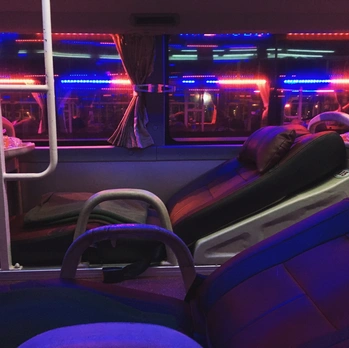
Intercity Travel: The most common option is buses. The top three companies are: - Futa Bus: Best service, vehicle condition, and hotel pickup/drop-off. - Hanh Cafe: Older buses but reliable. - Sinh Tourist: Most Chinese passengers, no pickup service.
Local Transport: - Motorbike Rental: Costs about 100,000 VND per day. Leave your ID card instead of your passport as a deposit. - Grab App: Vietnam’s version of Didi. Use it for taxis or motorbikes. Transparent pricing. - Google Maps: Essential for navigation.
[Link: Best Grab alternatives in Southeast Asia]
Hanoi: A Capital First Impression Starting with a "Pig Face"
First Impressions: A Sea of Motorbikes
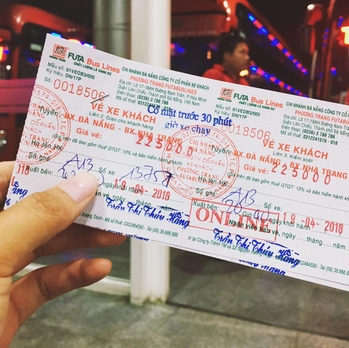
I couldn’t get a train ticket, so I took a bus from Nanning to Hanoi. Departing in the morning, I arrived at 3 PM.
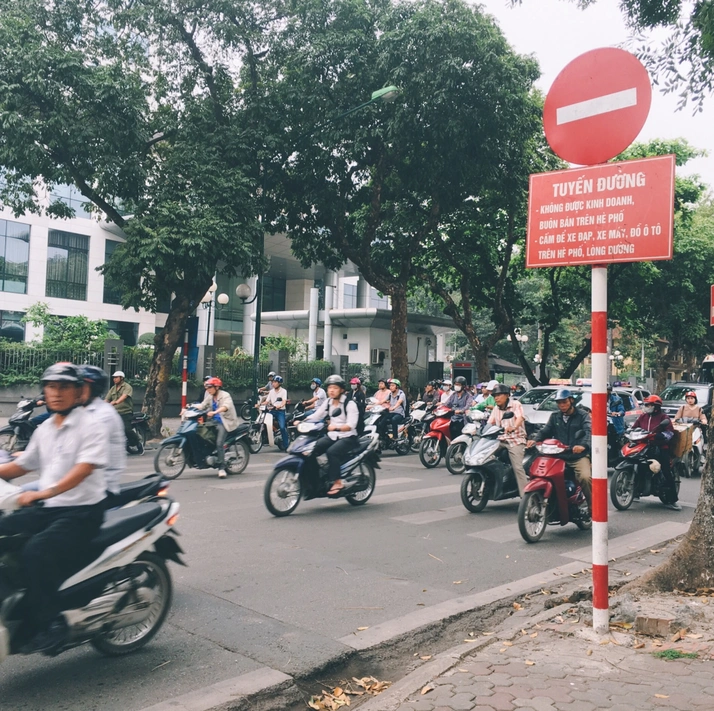
Hanoi is Vietnam’s capital and second-largest city. The moment I arrived, I was stunned by the streets full of motorbikes. Narrow streets, packed yet orderly parking, and the constant roar of engines. I didn’t even dare pull out my phone while walking—afraid of it being snatched by a drive-by thief.
The Pig Face Incident and the Warmth of the Embassy
After checking in, I noticed a rash on my face. Thinking it was an allergic reaction, I bought allergy medicine. Bold move? Yes. Smart? No.
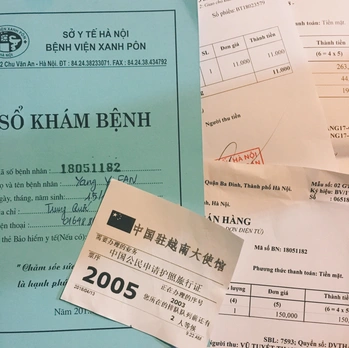
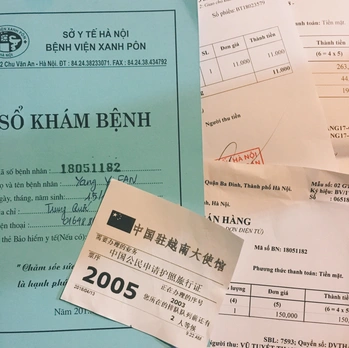
The next day, my face swelled up like a pig’s. I went straight to the Chinese Embassy in Vietnam. The staff arranged for a kind Vietnamese lady to accompany me to the hospital, translate, and buy medicine. Turns out it was insect bites. The medical bill was only about 100 RMB, and I was fine after three days.
Thank you, Motherland.
Because of my face, I stayed three nights in Hanoi instead of two, waiting until I recovered.
The Real Hanoi
After two days, I found the rhythm. Small cafes line the streets, with low tables and chairs outside. Locals sit drinking coffee, cracking sunflower seeds, and chatting. This is the real Hanoi.
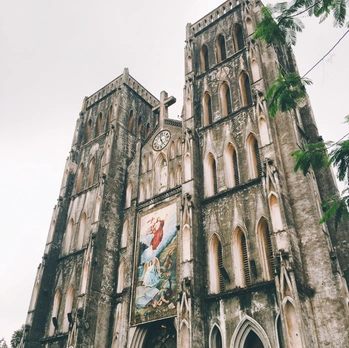
Must-See Spots: - Hanoi Cathedral (St. Joseph’s Cathedral): Built in imitation of Notre Dame. Visit during mass for the full experience. - Hoan Kiem Lake: Hanoi’s landmark and a popular leisure spot. On weekends, the roads close, and locals play shuttlecock kicking. - Hang Gai Street (36 Streets): The liveliest commercial area for food, drinks, and souvenirs. - Ba Dinh Square & Ho Chi Minh Mausoleum: Walkable from the lake.
Hanoi Food Guide
Hanoi is a food lover’s paradise. You don’t need fancy restaurants—the best meals come from street stalls.
- Pho Bo (Beef Noodle Soup): The national dish. Try it at a local stall for under 30,000 VND.
- Bun Cha: Grilled pork with vermicelli noodles and herbs. A favorite of Barack Obama.
- Egg Coffee (Ca Phe Trung): A Hanoi specialty—thick, creamy, and sweet.
- Banh Mi: The Vietnamese baguette sandwich. Perfect for a quick, cheap meal.
[Link: Best street food in Hanoi Old Quarter]
Da Nang: The Coastal Gem You Can’t Miss
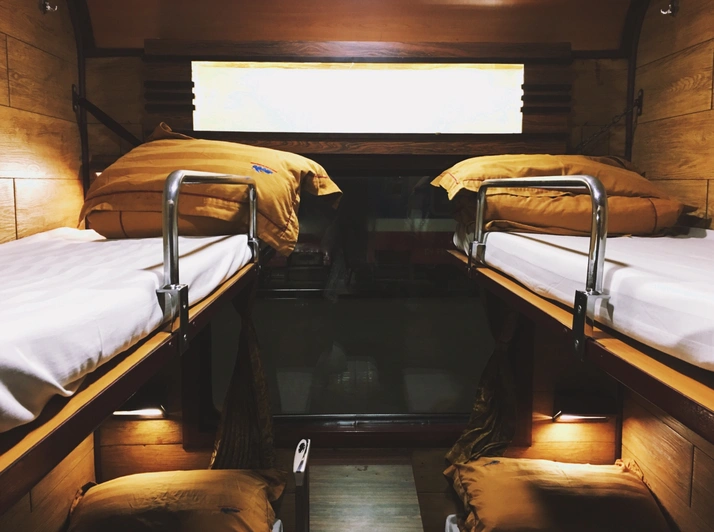
The Train Ride: Where My Love for Vietnam Began
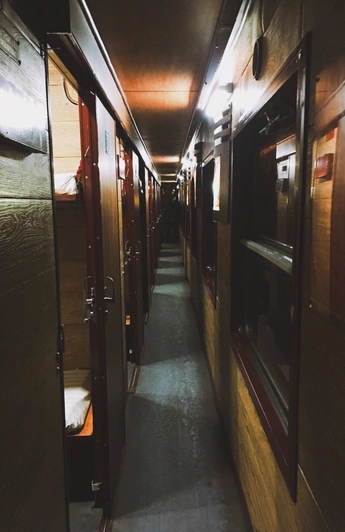
From Hanoi to Da Nang, I deliberately chose the train. I was the only Chinese passenger in the entire carriage. The compartments were clean and vintage, like scenes from an old movie. I fell in love the moment I boarded.
What to Do in Da Nang
Da Nang is a coastal city with a perfect blend of beaches and culture.
- My Khe Beach: Known for its soft sand and gentle waves. Perfect for swimming.
- Marble Mountains: A cluster of five marble and limestone hills with caves and temples.
- Son Tra Peninsula: Home to the famous Linh Ung Pagoda and a giant statue of Lady Buddha.
- Ba Na Hills: A hill station with a French village, cable cars, and the famous Golden Bridge.
Da Nang Food
- Mi Quang: A turmeric-colored noodle dish with shrimp, pork, and peanuts.
- Banh Xeo: Crispy Vietnamese pancakes filled with shrimp, bean sprouts, and herbs.
- Seafood: Head to the beachfront restaurants for fresh, affordable seafood.
[Link: Da Nang to Hoi An day trip guide]
Hoi An: The Ancient Town That Stole My Heart
The Lantern Festival and Old Town Charm
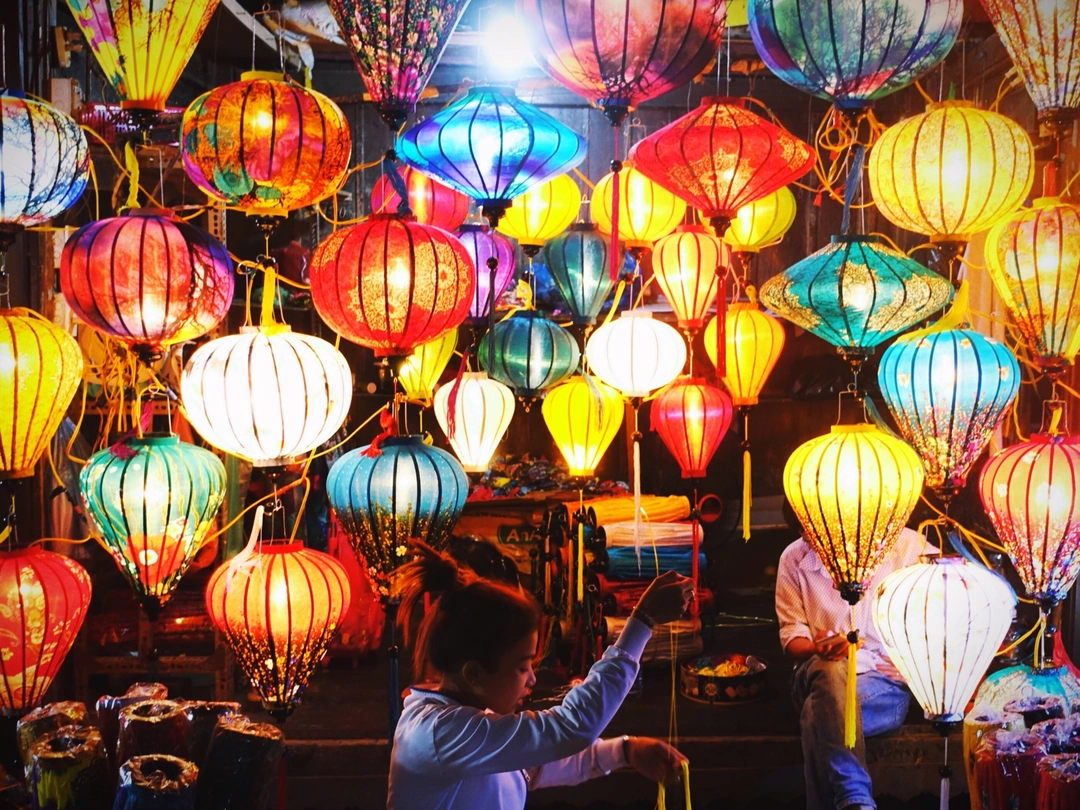
Hoi An is a UNESCO World Heritage site. The ancient town is beautifully preserved, with yellow-walled buildings, wooden shops, and colorful lanterns.
Best Experience: Visit during the Full Moon Lantern Festival (14th day of every lunar month). The town turns off electric lights and relies on lantern light. It’s magical.
What to Do in Hoi An
- Old Town Walking Tour: Visit the Japanese Covered Bridge, Tan Ky House, and the Assembly Halls.
- Tailor Shopping: Hoi An is famous for custom-made clothing. Get a suit, dress, or ao dai made in 24 hours.
- Cooking Class: Learn to make spring rolls, pho, and banh xeo.
- Cycling to the Beach: An Bang Beach is a short bike ride from the old town.
Hoi An Food
- Cao Lau: A noodle dish unique to Hoi An, with thick noodles, pork, and greens.
- White Rose Dumplings: Shrimp dumplings shaped like roses.
- Banh Mi Phuong: Anthony Bourdain’s favorite banh mi shop.
[Link: Hoi An tailor shops review]
Ho Chi Minh City (Saigon): The Final Frontier
The Energy of Saigon
Ho Chi Minh City is the polar opposite of Hanoi. It’s faster, louder, and more chaotic. The motorbikes are even more aggressive, and the skyscrapers dominate the skyline.
Must-See Spots: - Ben Thanh Market: The city’s iconic market. Great for souvenirs, but haggle hard. - War Remnants Museum: A sobering but important visit to understand the Vietnam War. - Cu Chi Tunnels: A network of underground tunnels used by Viet Cong soldiers. - Notre-Dame Cathedral & Central Post Office: French colonial architecture at its finest.
Saigon Food
- Com Tam (Broken Rice): A Saigon staple with grilled pork, egg, and vegetables.
- Hu Tieu: A noodle soup similar to pho but with a clearer broth.
- Banh Trang Nuong: Vietnamese pizza—a rice paper base with toppings.
[Link: Ho Chi Minh City to Mekong Delta day trip]
FAQ: Solo Travel in Vietnam
1. Is Vietnam safe for solo female travelers?
Yes, Vietnam is generally very safe. Street harassment is rare, but be cautious of bag snatching in busy areas. Use Grab for transport and avoid walking alone late at night in dark alleys.
2. How much money do I need for 17 days in Vietnam?
A budget of $500–$700 USD (excluding flights) is comfortable. This covers accommodation, food, transport, and activities. Street food costs $1–$3 per meal.
3. Do I need to speak Vietnamese?
No. English is spoken in tourist areas, and many signs have English translations. Download Google Translate for offline use.
4. What is the best time to visit Vietnam?
The best time is March to May (spring) or September to November (autumn). Avoid the rainy season (June–August) and the Tet holiday (late January/early February) when everything is crowded.
5. Can I use credit cards in Vietnam?
Cash is king. Most street stalls, small shops, and local buses only accept cash. Use ATMs to withdraw dong. Credit cards work in hotels and upscale restaurants.
Final Thoughts: Why You Should Go Solo
This 17-day solo trip to Vietnam was the best impulsive decision I ever made. I started with a swollen face and ended with a full heart. The kindness of strangers, the chaos of the streets, and the simplicity of a bowl of pho taught me more than any guidebook could.
If you're on the fence about going solo—stop hesitating. Vietnam is waiting.
Ready to book your trip? Start with a cheap bus ticket from Nanning to Hanoi, and let the adventure unfold.
Have questions? Drop them in the comments below!
Internal Linking Suggestions: - [Link: Best time to visit Vietnam by region] - [Link: How to get a Vietnam visa online] - [Link: Top 10 street foods in Vietnam you must try] - [Link: Solo travel safety tips for Southeast Asia]
You may also like