Zhujiajiao Water Town: Shanghai's Hidden Jiangnan Gem of Ancient Bridges and Timeless Beauty
Meta Description: Discover Zhujiajiao, a thousand-year-old water town near Shanghai with Ming-Qing architecture, 36 stone bridges, and authentic Jiangnan charm. Your complete travel guide to this "forgotten" treasure.
Introduction: Beyond Shanghai's Skyscrapers Lies a Forgotten Water Town
Living long in Shanghai's forest of steel and concrete, have you ever felt an indescribable weariness? Those cookie-cutter man-made attractions, tickets costing hundreds of yuan, influencer-packed photo spots—they all seem to replicate the same formula, yet they can no longer stir our longing for "somewhere far away."
Less than an hour's drive from downtown Shanghai lies a genuine thousand-year-old ancient town. It has no pretentious replica architecture, no deliberately crafted "ancient ambiance." What it offers is an authentic Ming and Qing dynasty old street, quietly flowing rivers, and stone pathways polished smooth by time. This is Zhujiajiao—a place that moved a Tongji University professor to exclaim, "It's not just a treasure of Shanghai, but a national gem."
If you think this is just another over-commercialized water town, you couldn't be more wrong. Zhujiajiao's beauty is a surprise "unknown even to the most exhaustive maps." It doesn't flaunt itself, doesn't shout, but it can make everyone who approaches it, at some corner, some stone bridge, some hidden alley, unexpectedly encounter the true Jiangnan.
Where is Zhujiajiao? Geography and Accessibility of Shanghai's Water Town
A Geographically Advantageous Location in the Yangtze River Delta

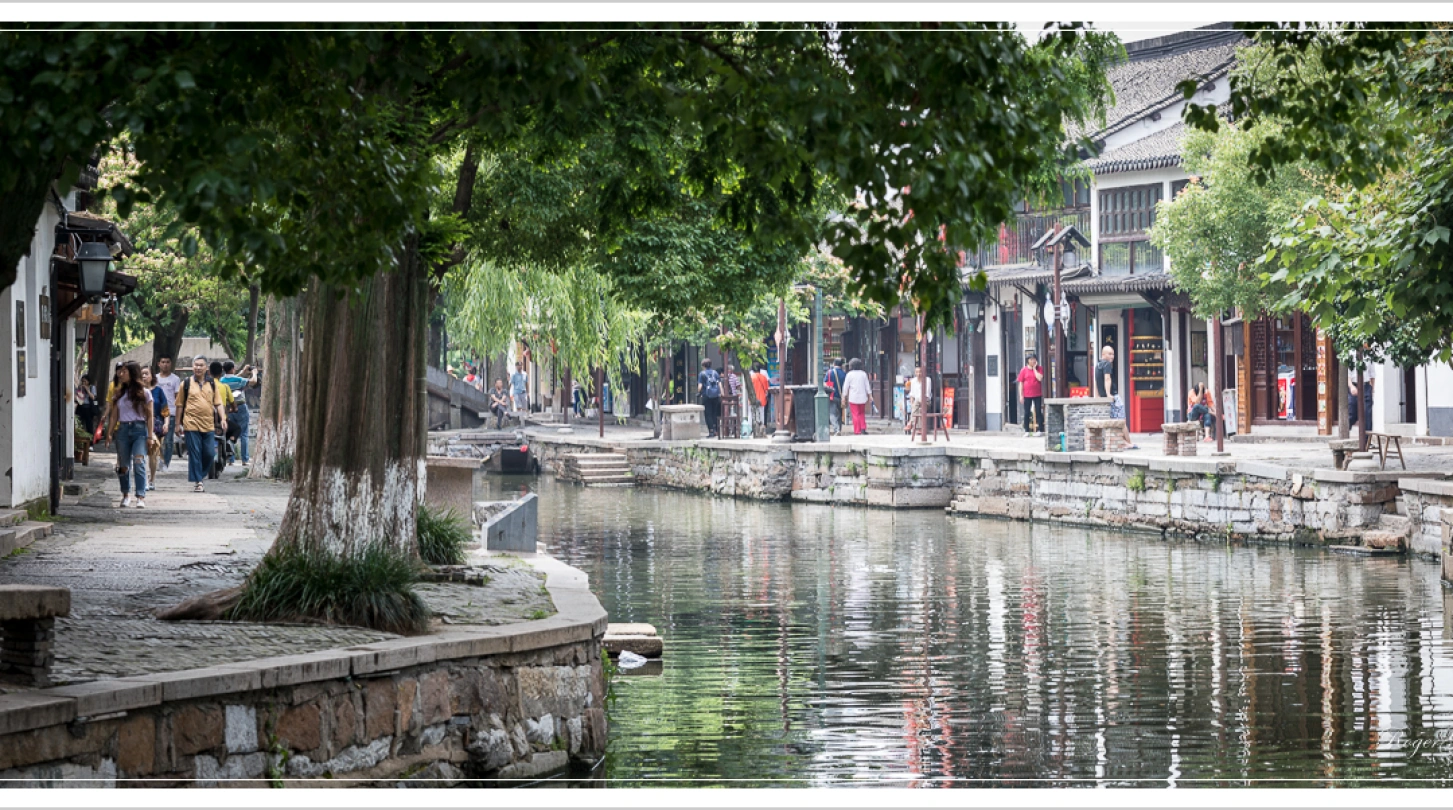
Zhujiajiao sits at the crossroads of Jiangsu, Zhejiang, and Shanghai. To its east lies Hongqiao International Airport, to the north Kunshan, to the south Jiaxing, and to the west Pingwang. In ancient times, this location meant a convergence of merchants; in modern times, it means easy accessibility. Even more remarkable is the Caogang River, a golden waterway from the lower reaches of Dianshan Lake, which flows straight through the town, infusing it with endless vitality.
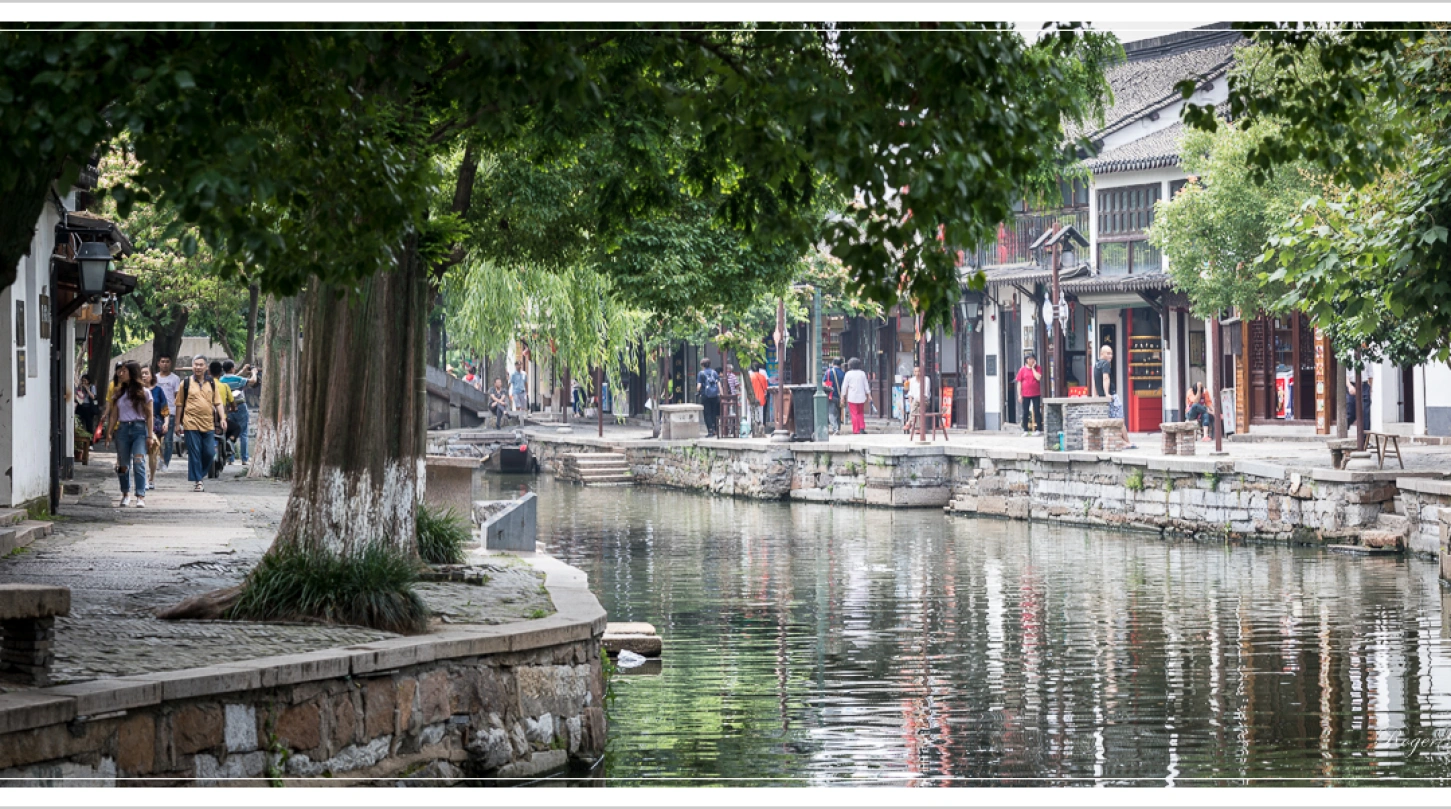
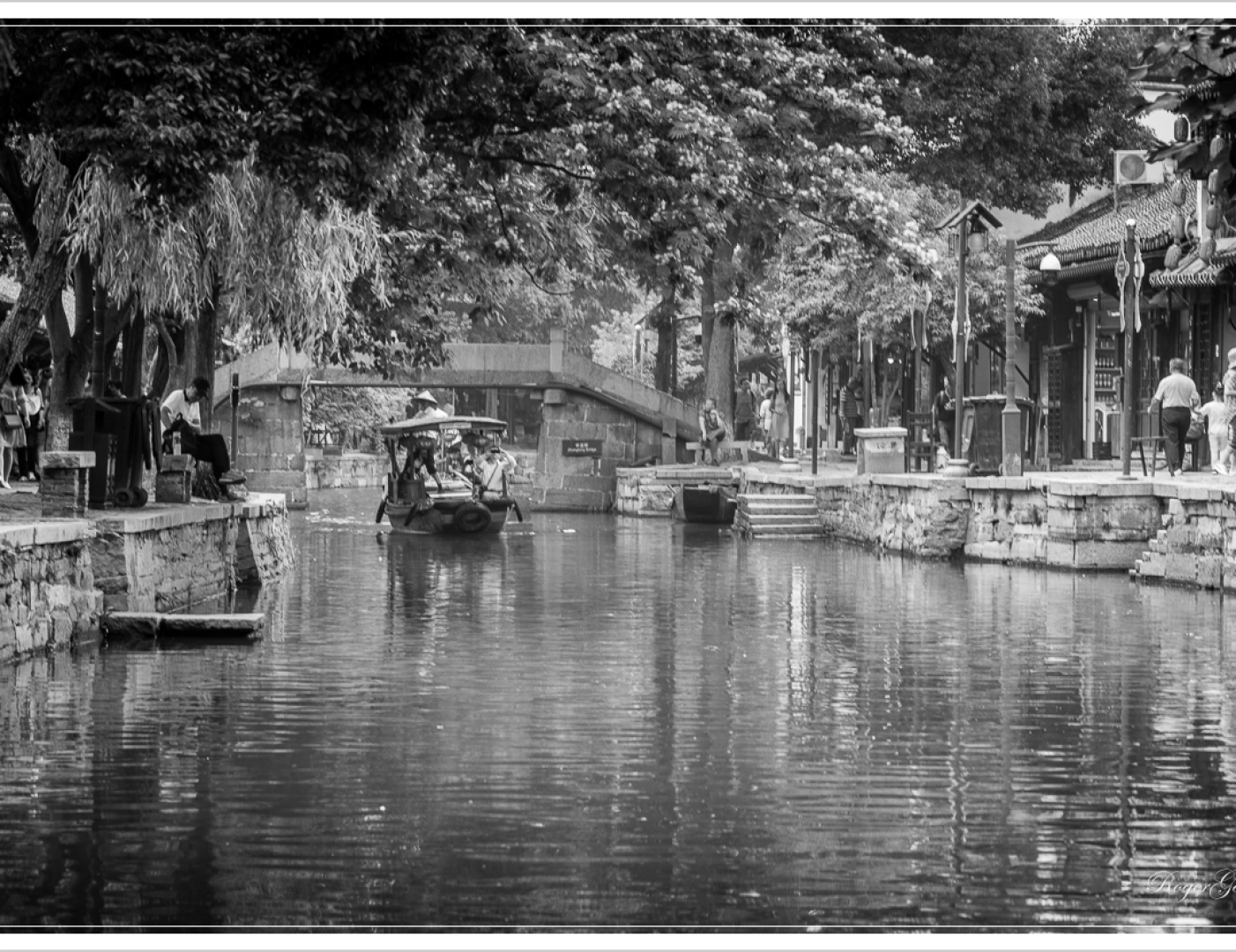
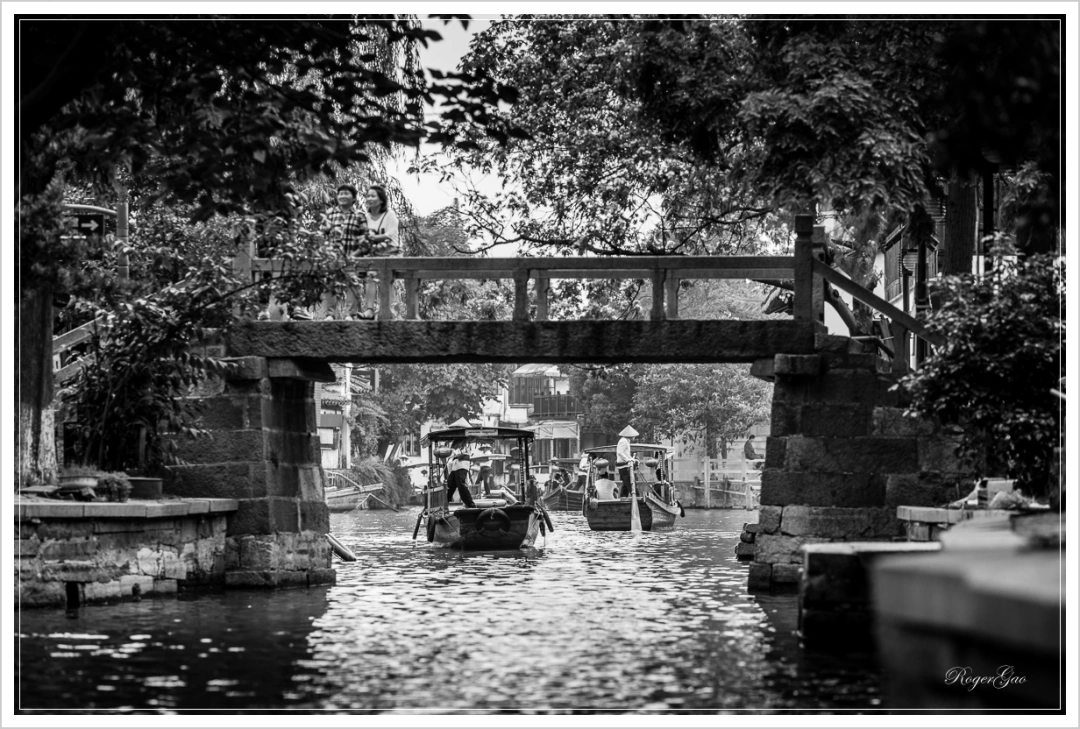
Within the town, rivers and harbors crisscross. Nine long streets extend along the waterways, over a thousand Ming and Qing buildings stand by the water, and 36 stone bridges retain their ancient charm. In 1991, Zhujiajiao was designated by the Shanghai government as one of the first four major cultural towns—a title it truly deserves. [Link: How to get from Shanghai to Zhujiajiao by metro and bus]
From the Neolithic Age to Ming and Qing Prosperity
Zhujiajiao's history is far older than we might imagine. In 1958, locals drained the northern Dadian Lake to smelt steel and unexpectedly discovered a large number of Neolithic artifacts. These relics were later confirmed to belong to the Majiabang Culture, Songze Culture, Liangzhu Culture, and cultural remains from the Western Zhou to the Spring and Autumn and Warring States periods. In other words, humans lived and thrived here thousands of years ago.
During the late Ming and early Qing dynasties, Zhujiajiao's rice industry surged, driving a boom in all trades. At the time, the saying "A three-mile long street with a thousand shops" was common. Goods from north and south were available in abundance, and merchants' footprints extended over a hundred miles into Jiangsu and Zhejiang provinces. Folk even said, "The three Jing towns (Zhujing, Fengjing, Sijing) are no match for one Jiao (Zhujiajiao)," a testament to its former prosperity.
By the Republican era, Zhujiajiao's rice industry reached its peak. The locally produced "Qingjiao Thin Rice" dominated Shanghai's rice market and was exported to the capital and overseas. During the harvest season, the daily peak could reach 20,000 to 30,000 dan (approximately 1,500 to 2,250 tons), with 600 tons of rapeseed collected daily. At that time, along North Street and Daxin Street, large and small shops lined both sides. The town had over a thousand seated merchants, and the night market was so brightly lit it rivaled the daytime. During festivals, outside vendors flocked in, taverns and tea houses operated day and night, and the Caogang River was even blocked by too many grain boats—a scene almost unimaginable today.
Natural Scenery of Zhujiajiao: One Mountain, One Lake, True Landscapes
Dianshan Mountain: Low in Height, Great in Fame
Zhujiajiao's natural scenery can be summed up as "one mountain, one lake." The mountain is Dianshan, which, though not high in elevation, is famous. It is a branch of the Tianmu Mountains in western Zhejiang. From this mountain, the landscape scroll painting of Jiangnan begins to unfold. Climbing to the summit, you can witness the breathtaking "Dianfeng Evening Glow"—as the sun sets, its rays spill across the lake, creating a tranquility and grandeur that can dissolve any worry. [Link: Best photography spots in Zhujiajiao for sunrise and sunset]
Dianshan Lake: A Natural Freshwater Lake 11 Times the Size of West Lake
Dianshan Lake covers an area of 62 square kilometers, with most of its eastern section lying within Zhujiajiao's borders—equivalent to 11 West Lakes in Hangzhou. Taking a boat across the lake, you see an endless expanse of water merging with the sky. Reeds sway gently in the breeze, startling wild ducks and waterfowl. In that moment, you feel far from the hustle and bustle, your heart at ease. This experience of "true mountains and true waters" is something no man-made attraction can ever replicate.
Cultural Landmarks: One Bridge, One Street, One Temple, One Shrine—Stories Everywhere
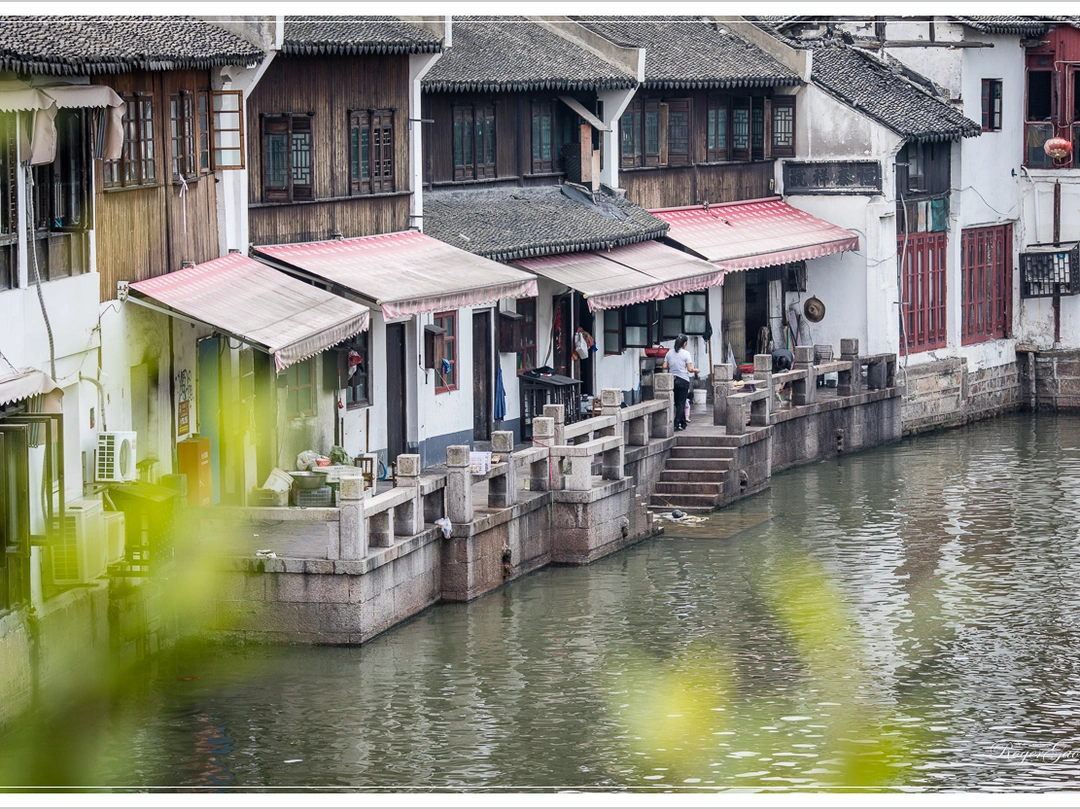
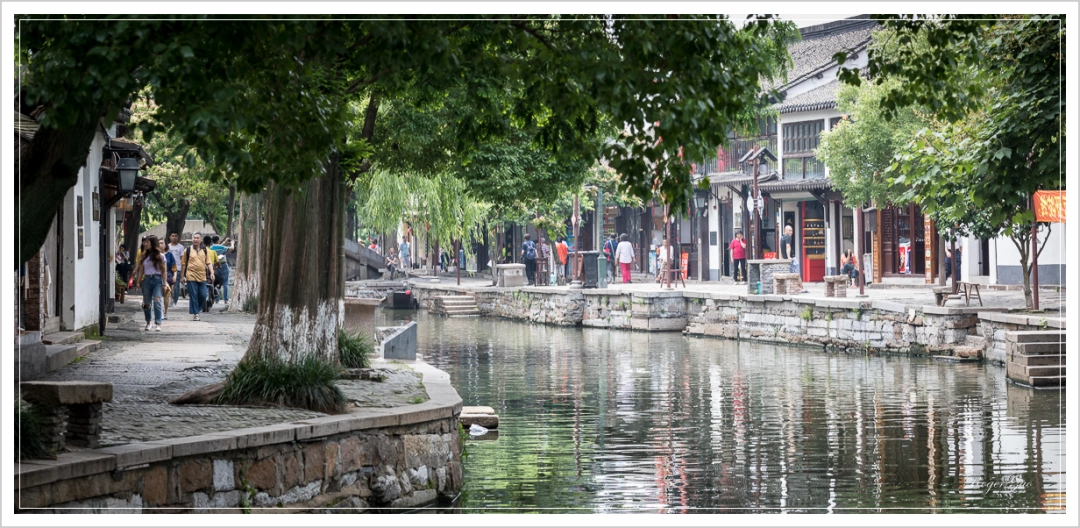
If nine-hundred-year-old Zhouzhuang is a delicate "little beauty of a small family," then the millennium-old town of Zhujiajiao is a majestic "great lady of a noble house." The ancient town covers 1.5 square kilometers, divided in two by the Caogang River—the north bank is Jingting Port, the south bank is North Street. Both sides are lined with winding alleys, streets paved with granite slabs, Ming and Qing buildings of black bricks and gray tiles, and numerous historical sites, all of which form the soul of this ancient town.
The Largest Stone Arch Bridge in Shanghai: Fangsheng Bridge (Life-Releasing Bridge)
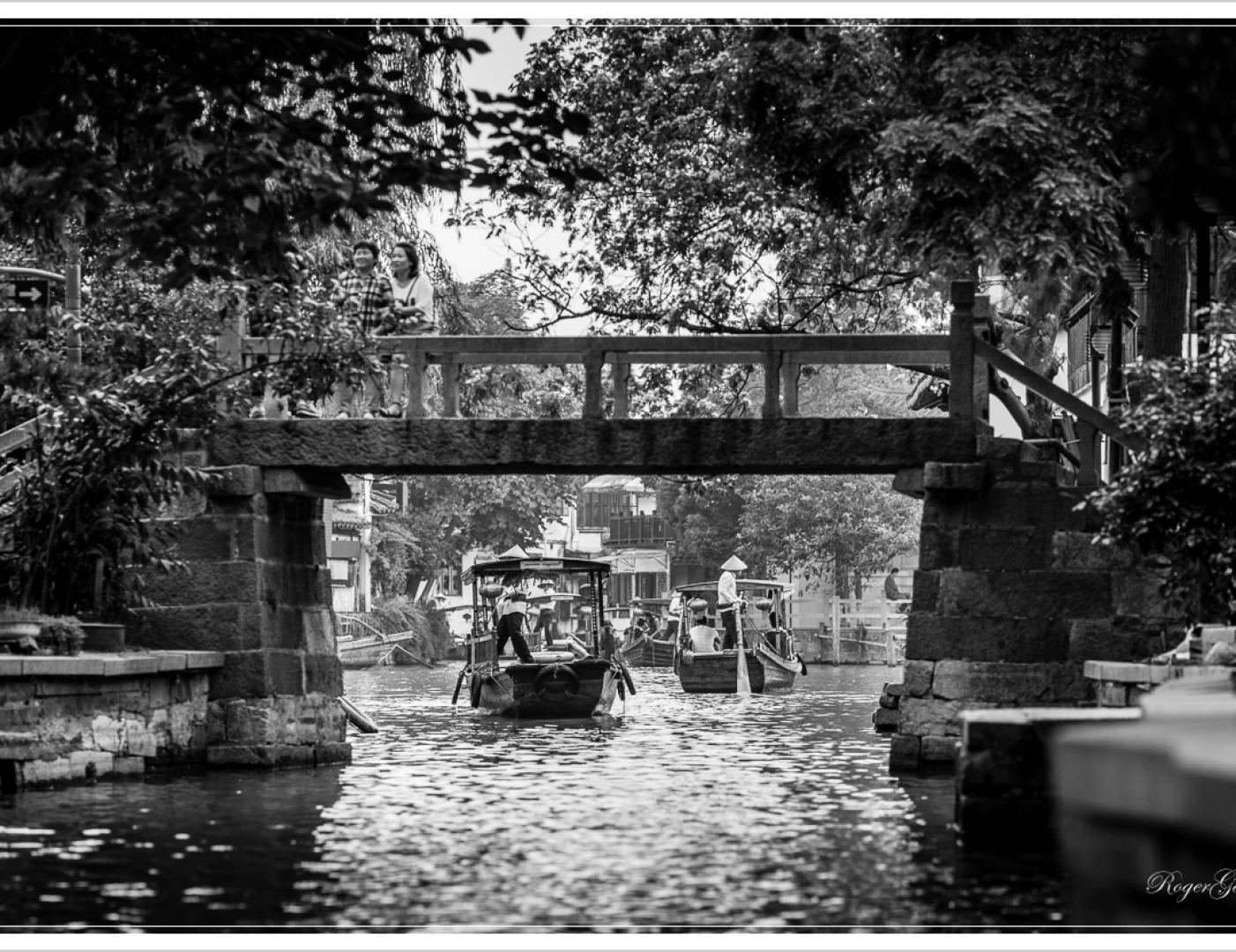
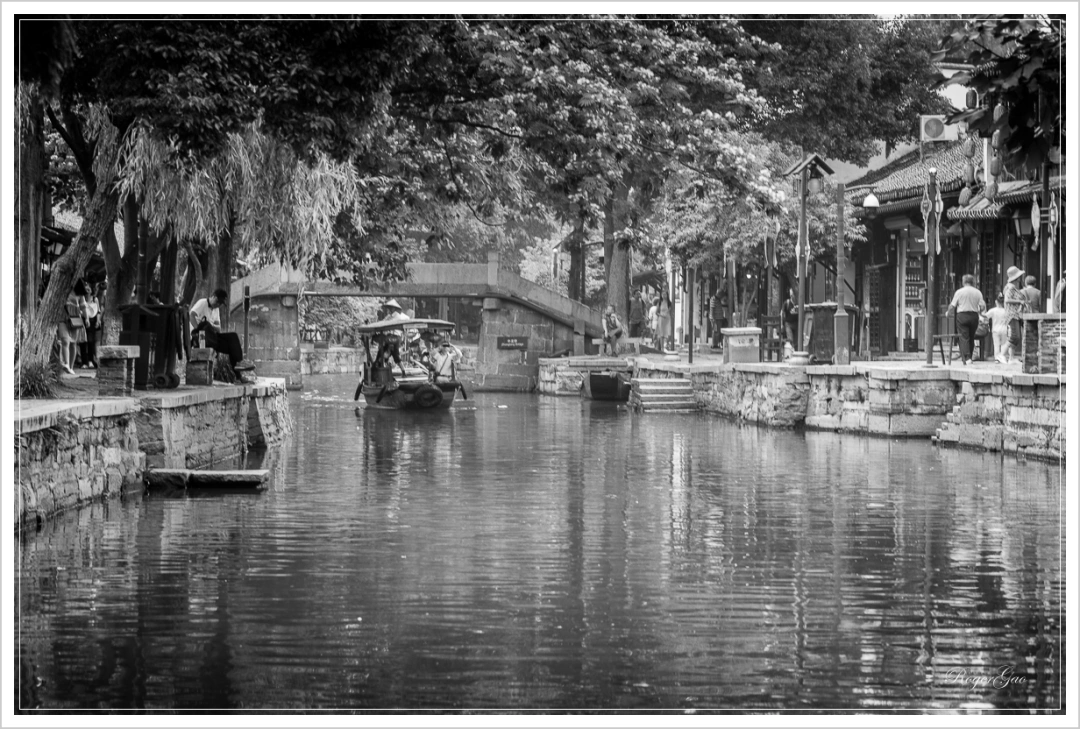
Fangsheng Bridge is the largest five-arch stone bridge in the Shanghai area and one of the largest stone arch bridges in Jiangnan. Standing at the top of the bridge, overlooking the Caogang River, it's the perfect spot to watch the "Fast Boat Race" on the 27th day of the seventh lunar month. Compared to bridges in other ancient towns, Zhujiajiao's bridges are not only numerous (36) but also each has its own character: the "High-Low Bridge" just three steps apart, the miniature-like "Kezhi Bridge," the "Qijia Bridge" that creaks underfoot, and the "Yongfeng Bridge" commemorating national humiliation... Each bridge has its own story. [Link: Self-guided walking tour of Zhujiajiao's 36 bridges]
The Most Famous Ming and Qing Street in Shanghai: North Street
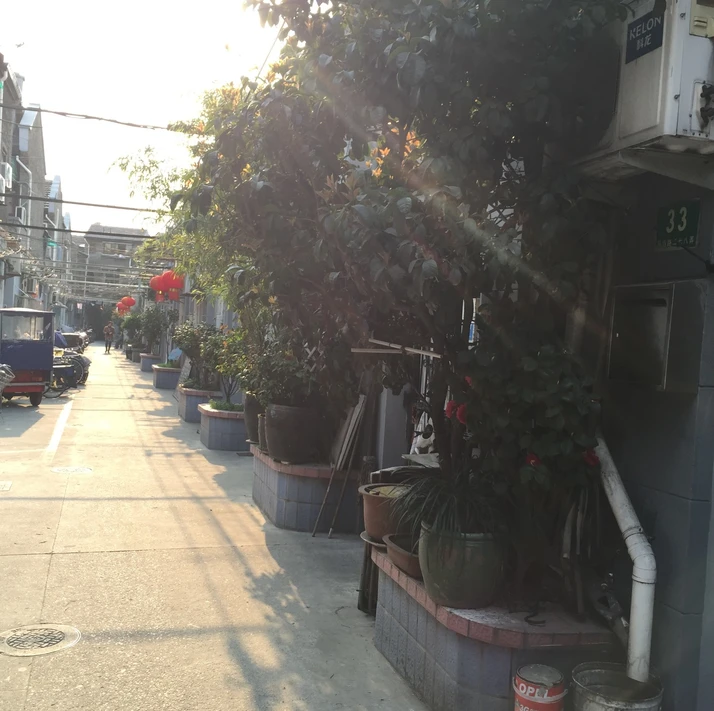
North Street has long been known as "A three-mile long street with a thousand shops." This old street, weathered by time, still retains its authentic Ming and Qing character. Most striking is its unique "Thread of Sky" structure—the street is so narrow that the eaves of buildings on both sides almost touch, leaving only a sliver of sky visible overhead. Old-fashioned shop signs stand in rows, red lanterns hang high, and the lively atmosphere here is unmatched by other Jiangnan towns.
Baoguo Temple and Chenghuang Temple (City God Temple): Sanctuaries of Faith
Baoguo Temple is a subsidiary temple of Shanghai's Jade Buddha Temple. It houses three "treasures": a Sakyamuni jade Buddha carved from Burmese white jade, the first white jade Guanyin (Goddess of Mercy) statue donated by Singapore, and a thousand-year-old ginkgo tree.
Chenghuang Temple has a history of over 200 years. With its black tiles and yellow walls, flying eaves and curling ridges, it presents an ancient, solemn, and magnificent sight. The temple also has three "treasures": a dougong (interlocking bracket) stage, a carved wooden beam, and a central hall scroll painting (now lost). In front of the temple stand a pair of unique stone lions—they have less majesty and more spirit and charm. These lions were donated in the Xianfeng era of the Qing dynasty by five local business leaders and are considered rare examples of folk art.
Zhujiajiao Travel Tips: When to Visit, What to Eat, and How to Explore
Best Time to Visit Zhujiajiao
Spring (March–May) and autumn (September–November) offer the most pleasant weather for exploring Zhujiajiao. The town is especially magical during the Qingming Festival and the Dragon Boat Festival, when traditional celebrations take place. Avoid Chinese national holidays (especially Golden Week in October) if you prefer a quieter experience.
What to Eat in Zhujiajiao
- Zhujiajiao zongzi (glutinous rice dumplings) – a local specialty wrapped in bamboo leaves
- Steamed white silk fish from Dianshan Lake
- Pan-fried river shrimp with green tea
- Zhujiajiao stinky tofu – a must-try street food
- Fermented rice wine (mijiu) – sweet and low-alcohol
How to Get to Zhujiajiao from Shanghai
- By metro: Take Line 17 to Zhujiajiao Station, then a 10-minute bus or taxi ride
- By bus: Direct buses from Shanghai Stadium or People's Square (about 1 hour)
- By car: 45–60 minutes via G50 Expressway, exit at Zhujiajiao
Frequently Asked Questions About Zhujiajiao
1. Is Zhujiajiao better than Zhouzhuang or Wuzhen?
Zhujiajiao is less commercialized than Zhouzhuang and Wuzhen, offering a more authentic experience. While Zhouzhuang is famous for its canals and Wuzhen for its restored elegance, Zhujiajiao retains a genuine, lived-in character with fewer crowds. It's ideal for travelers seeking a quiet, unhurried Jiangnan water town experience.
2. How much time do I need to explore Zhujiajiao?
A half-day (4–5 hours) is enough to see the main attractions: North Street, Fangsheng Bridge, Baoguo Temple, and a boat ride. For a more relaxed experience including Dianshan Lake and the mountain, plan a full day. Many visitors combine Zhujiajiao with a visit to Dianshan Lake.
3. Is Zhujiajiao free to enter?
The main ancient town area is free to enter. However, some attractions within the town (like Baoguo Temple, Chenghuang Temple, and the Kezhi Garden) charge separate admission fees. A combined ticket (around 60–80 RMB) covers most major sites.
4. What is the best way to experience Zhujiajiao?
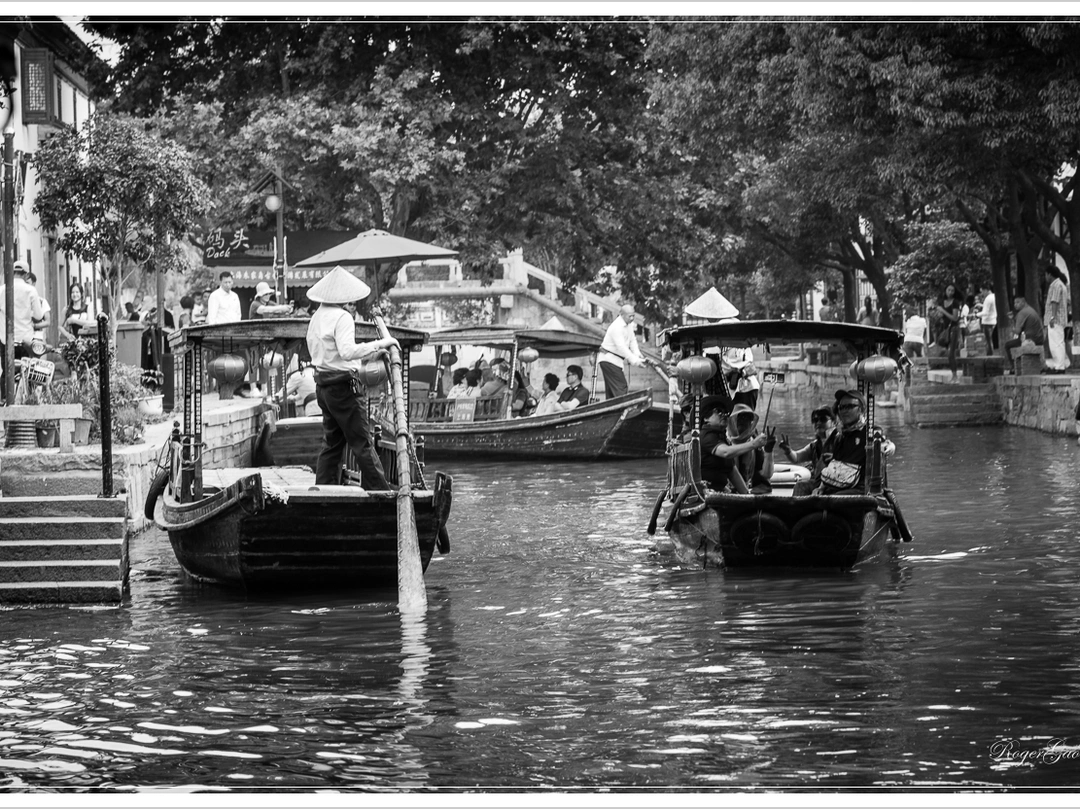
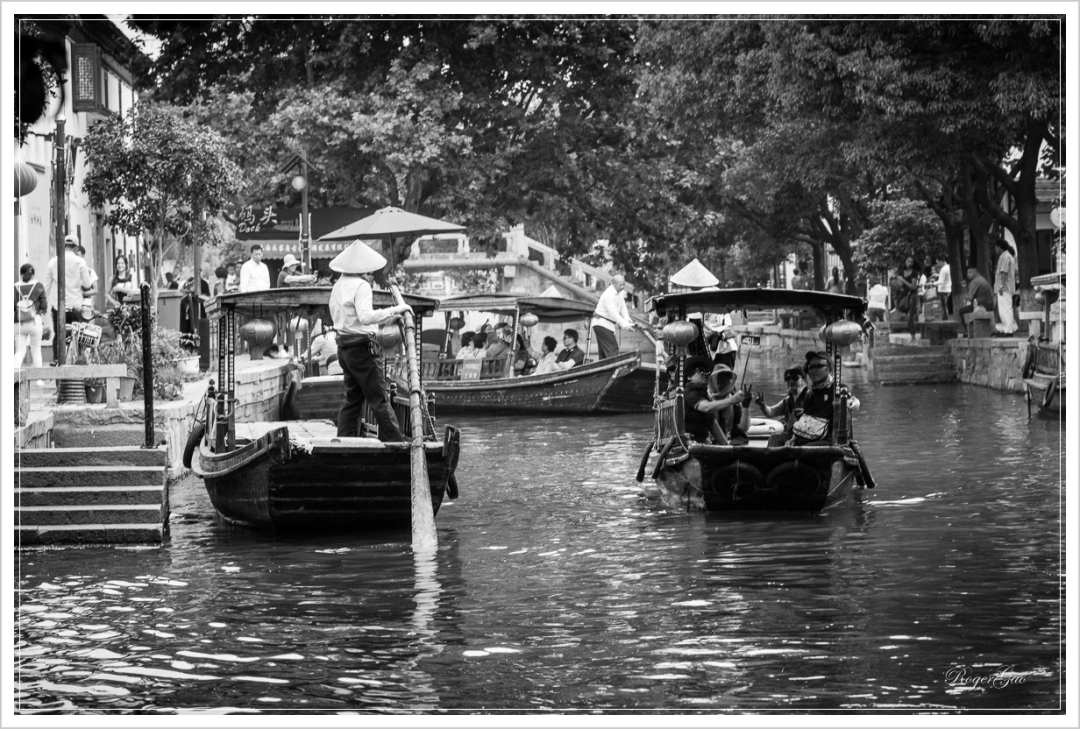
The best way is to wander aimlessly—get lost in the narrow alleyways, cross the 36 bridges, and stop for tea at a canal-side teahouse. A boat ride on the Caogang River (30–40 minutes) offers a different perspective. Visit early morning (before 9 AM) to avoid crowds and capture the misty, atmospheric beauty.
5. Can I stay overnight in Zhujiajiao?
Yes, there are several boutique guesthouses and hotels within the ancient town. Staying overnight allows you to experience the town after day-trippers leave—when the lanterns light up and the canals reflect the stars. Many guesthouses are converted Ming-Qing buildings with traditional architecture.
Conclusion: Why Zhujiajiao Should Be on Your Shanghai Travel Itinerary
Zhujiajiao is not just another water town—it's a living museum of Ming and Qing culture, a sanctuary of natural beauty, and a testament to Shanghai's rich heritage. From the majestic Fangsheng Bridge to the bustling North Street, from the tranquil Dianshan Lake to the ancient Baoguo Temple, every corner tells a story.
If you're tired of cookie-cutter tourist traps and yearn for an authentic Jiangnan experience, pack your camera, put on comfortable walking shoes, and head to Zhujiajiao. This "forgotten" water town is waiting to reveal its timeless beauty to you—one stone bridge, one hidden alley, one peaceful moment at a time.
Ready to explore Zhujiajiao? Book your Shanghai day trip today and discover why locals call it "Shanghai's best-kept secret." Share your favorite Zhujiajiao photos with us on social media using #ZhujiajiaoWaterTown—we'd love to see your journey!
For more Shanghai travel guides and hidden gems, check out our [Shanghai off-the-beaten-path guide] and [Best day trips from Shanghai].
You may also like