Yubeng Trek: The Ultimate Wild & Thrilling Yunnan Hiking Adventure
Meta Description:
Discover the ultimate Yubeng trek guide—a wild, thrilling wilderness adventure in Yunnan. From Nilong cliffs to divine waterfalls, get expert tips, gear lists, and route insights for an unforgettable Yubeng hiking experience.
Introduction: Why Yubeng Trek Is the Adventure of a Lifetime
I still remember that moment—standing on the edge of a cliff, a bottomless gorge far below, a heavy pack on my back weighing dozens of pounds, and an endless mountain trail stretching ahead. Before this, I had never attempted a proper hike. But a friend’s silver tongue and my own restless curiosity convinced me to embark on this journey to Yubeng. Looking back, I can only describe it in two words: absolutely thrilling.
If you're an outdoor enthusiast—or even just someone hesitating about whether to take a spontaneous trekking trip—Yubeng is absolutely worth every drop of sweat, every ounce of fatigue, and even every moment of fear. The scenery here proves that every effort is worthwhile.
This Yubeng trek guide covers everything you need to know: how to get there, what to pack, which routes to take, and what to expect on this wild Yunnan hiking adventure.
Arriving in Shangri-La: A Hostel Full of Stories
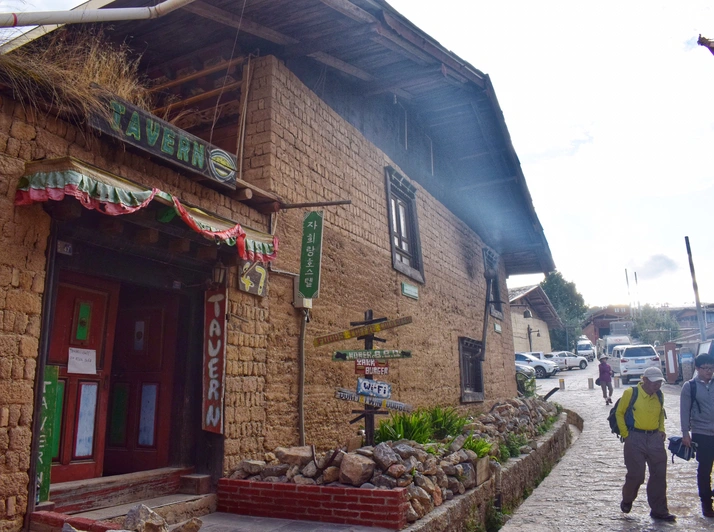
Because our schedules differed, my friend Pi Xiang arrived in Shangri-La a day before me. I flew in the next morning to meet him. He had found an unassuming international youth hostel—though calling it a "youth hostel" doesn't quite do it justice. It felt more like an old house hiding countless secrets. Getting a room was pure luck; the place was nearly fully booked every single day.

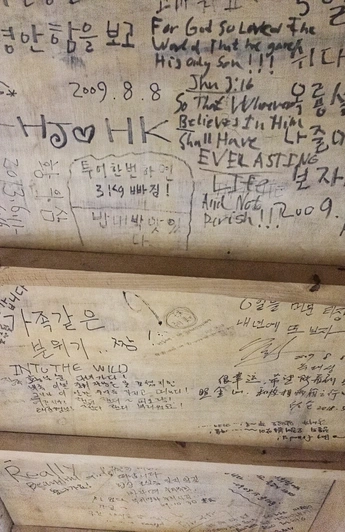
That night, I noticed the bed boards were covered in 密密麻麻 writing—in every language imaginable: English, French, Japanese, Korean. Behind each line was a traveler's story. This hostel clearly had a rich history.
What surprised me even more was that among the guests, we were the only two Chinese people. After breakfast, we started wandering around, buying supplies and gear for the trek.
Yubeng Trek Gear Checklist: Essential Items That Saved My Life
[Link: Best hiking gear for Yunnan]
Let me share a checklist based on hard-earned lessons. It might not be perfectly organized, but it's all practical advice that could save your trip.
Essential Clothing for Yubeng Hiking
- Quick-dry tops and bottoms: Bring two sets. After sweating on the trail, quick-dry fabric is a lifesaver.
- Waterproof jacket: Absolutely essential! Windproof and waterproof—mountain weather changes in an instant.
- Hiking boots: Don't wear sneakers. You'll regret it.
- Trekking poles: Five-star importance. They'll save your knees on the descents.
- Rain poncho: Rain can hit at any time during the wet season. Don't rely solely on your waterproof jacket.
Medications for High-Altitude Trekking

- Altitude sickness medication: We brought it but didn't need it. Better safe than sorry.
- Vitamins and digestive aids: Handy when your diet goes off track.
Camping Gear for Yubeng Wilderness Camping
- Tent, sleeping bag, thermal underwear
- Solid fuel tablets (for starting fires)
- Medical alcohol from the pharmacy (which we lost on the first day when it fell into the gorge—still hurts to think about)
- Camping lantern
Food Supplies for the Yubeng Trail
- Yak jerky, chocolate, energy bars, sausages
- Instant noodles, canned ham, self-heating rice meals (canned food is heavy and terrible—don't buy it, it's dead weight)
- Candy, pickled vegetables (a great appetite booster)
- Cash: Absolutely essential! Some places in the mountains only accept cash.
- Water: The most important item! There are supply stations along the way, but the prices are outrageous.
Songzanlin Monastery: One Last Stroll Before Departure
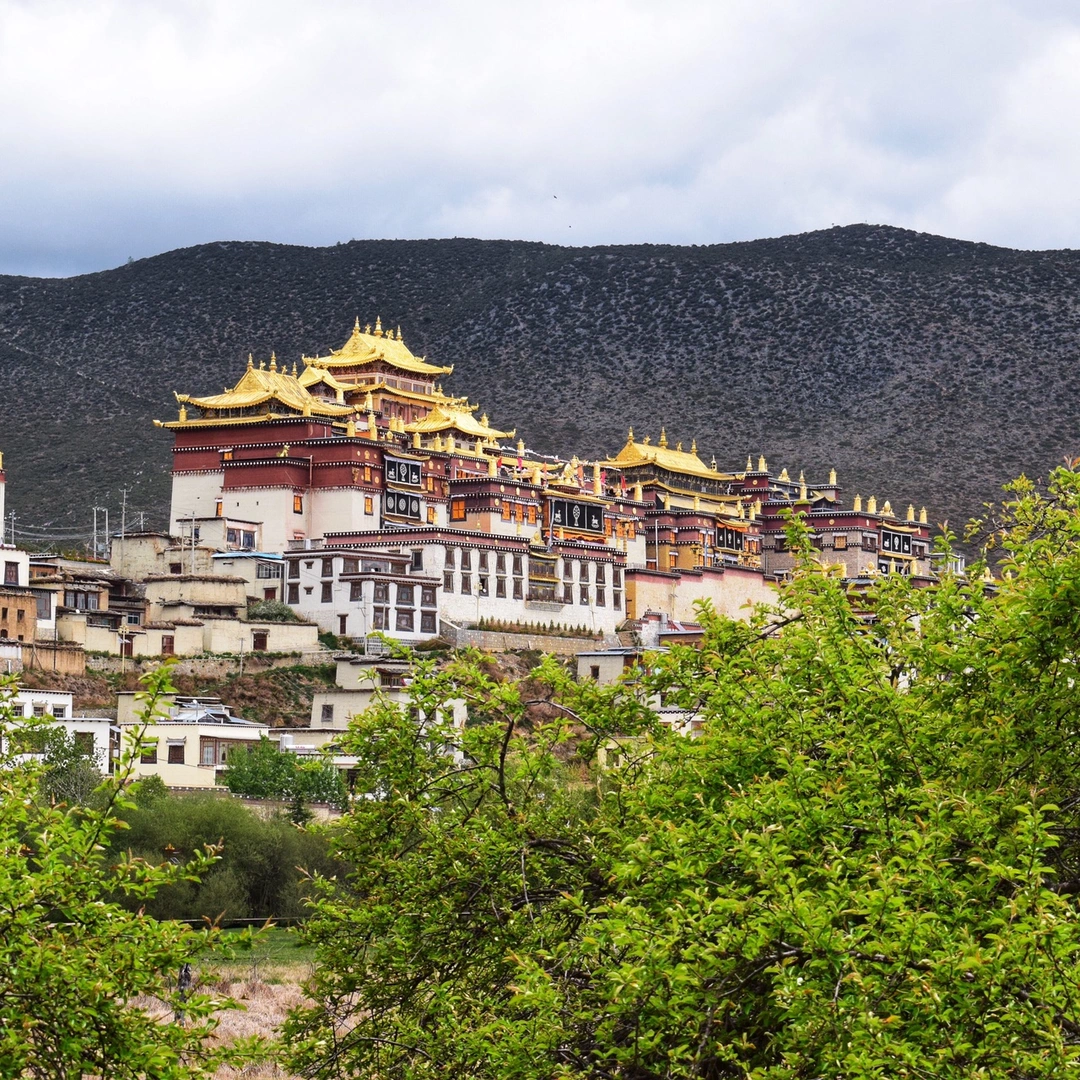
After shopping, we still had daylight left, so we wandered over to Songzanlin Monastery. Honestly, we just went to take photos. But I have to say, the monastery is stunning—its golden rooftops glittering in the sunlight, prayer flags fluttering in the wind in the distance. It instantly gave me that feeling of "entering Tibet."
[Link: Top attractions in Shangri-La]
Entering Yubeng via Nilong: The Start of an Unconventional Route
We left the hostel at eight the next morning and made it to the bus station just in time to catch the bus to Deqin. Four hours later, we met a middle-aged man on the bus—he had hiked different routes in Yubeng six times already. After a quick chat, we hit it off and decided to enter Yubeng via Nilong. From the start, we wanted to take the road less traveled.
There weren't many tourists heading from Deqin to Nilong, so carpooling was difficult. A private car would cost 150 yuan. We tried Didi (ride-hailing app) and somehow managed to get the only car shown on the map—it cost us just 80 yuan.
The drive to Nilong took about an hour. After asking for directions, we set off. The guidebooks said this route wasn't easy, with many forks in the road, but the locals told us there were markers along the way, so we started confidently.
Day One of the Yubeng Trek: Cliffs, Mules, and Endless Hope
The trail got our hearts racing from the very beginning. On one side was a cliff—one wrong step and you could fall. The scenery was breathtaking, but I have to warn you: don't look at the view while walking, and don't walk while looking at the view. If you want to stop and enjoy the scenery, stand still. Don't try to multitask.
Another important tip: if you encounter a Tibetan leading a mule, move toward the mountain side to give way. Never step toward the cliff edge. Remember this—it's a life-saving piece of advice.
As we climbed, we mostly passed hikers heading down. Everyone encouraged each other. When the Tibetan locals saw how much we were carrying, they would say "Tashi Delek" (a Tibetan greeting) and remind us to be careful.
The most common question we heard was: "How much further?" Ha! It felt like the road would never end.
We walked and rested, constantly refueling. From two in the afternoon until past eight in the evening, as it got dark and a light rain started to fall, we found a pasture and set up camp. Once night fell, it was just the two of us in the forest. Honestly, we were a bit scared—mostly worried about wild animals. Then we pulled out our phones and found we had 4G signal, which meant we were close to the village. That gave us some peace of mind.
Camping in the Rain: It Was Raining Inside the Tent
That night, it rained nonstop. We barely slept. The most intense part was the temperature difference between inside and outside the tent—condensation kept dripping from the ceiling. It wasn't a leak; it was just moisture. It felt like a scene from a play.
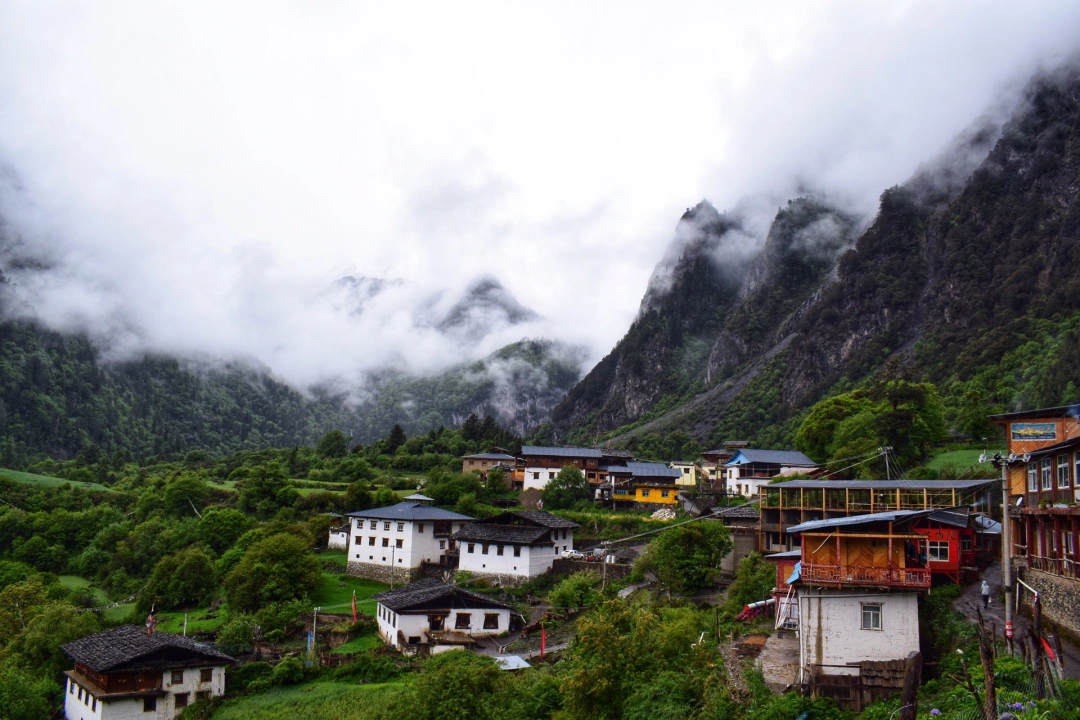
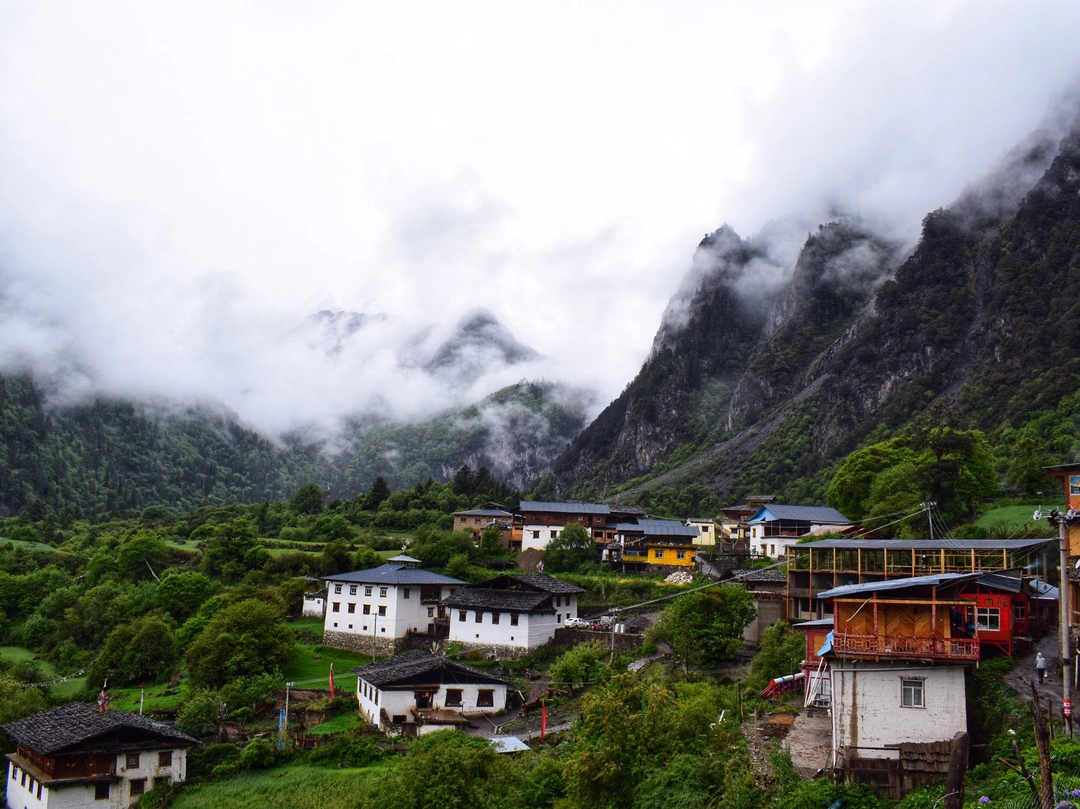
At dawn the next day, we immediately moved to a wooden shelter by the pasture, started a fire to dry our clothes, and ate self-heating rice for breakfast. When the rain let up a bit, we continued on. After an hour, we reached Lower Yubeng Village.
We settled into the Shenbao Guesthouse, took our soaking wet, sweat-drenched clothes downstairs to dry by the fire, and then collapsed into bed to catch up on sleep.
The Divine Waterfall: A Beauty Beyond Words
It was still raining. I saw many people heading out in the rain to visit the Divine Waterfall (Shenbao). By noon, the rain showed no signs of stopping, so I bought a rain poncho, and Pi Xiang and I set off too.
The trail climbed upward through a misty forest. The path was manageable, but as they say, "the mountain is closer than it looks"—the distance seemed short, but the walk was grueling. It took over two hours to reach the waterfall. The feeling there—no photo or description can capture it. It was absolutely worth it. I stood under the waterfall for a while, getting completely soaked, but I was incredibly happy. I wanted to stay longer, but it was a bit cold.
We rested after descending, and the next day we headed to Upper Yubeng Village.
[Link: Yubeng Divine Waterfall hiking tips]
Upper Yubeng and the Ice Lake: Regret Is Also a Kind of Beauty

The road was slippery from the rain—nothing but mud. After an hour, we reached Upper Yubeng. It rained all day. We had originally planned to visit the Ice Lake (Binghu) and the base camp, but the trail was too treacherous. From what people coming back told us, it was all mud—impossible to hike in the rain. We had to give up. A bit disappointing, but regret is also a kind of beauty—it gives you a reason to come back.
Yubeng Trek FAQ
Q1: How difficult is the Yubeng trek?
A: The Yubeng trek is moderate to challenging. It involves steep climbs, narrow cliffside paths, and unpredictable weather. Beginners can do it with proper preparation, but it's not a casual walk.
Q2: What is the best time to do the Yubeng trek?
A: The best time is from late May to October, when the weather is milder. Avoid the rainy season (June–August) if you want drier trails, but expect crowds.
Q3: Do I need a guide for the Yubeng trek?
A: Not necessarily. The trails are marked, and many hikers do it independently. However, a guide can help with navigation, safety, and local insights—especially on less-traveled routes like Nilong.
Q4: What should I pack for a Yubeng trek?
A: See the gear checklist above. Key items: waterproof jacket, hiking boots, trekking poles, rain poncho, cash, altitude sickness medication, and quick-dry clothing.
Q5: Can I camp during the Yubeng trek?
A: Yes, but be prepared for rain and cold. Bring a quality tent, sleeping bag, and thermal underwear. There are also guesthouses in Lower and Upper Yubeng if you prefer comfort.
Conclusion: Ready for Your Yubeng Adventure?
The Yubeng trek is more than a hike—it's a journey into the wild heart of Yunnan. From cliffside paths and misty forests to divine waterfalls and Tibetan hospitality, every step rewards you with raw, unforgettable beauty.
Whether you're a seasoned trekker or a curious beginner, Yubeng will challenge you, humble you, and leave you craving more. So pack your gear, lace up your boots, and take that first step. The mountains are waiting.
Ready to plan your Yubeng trek?
[Link: Book your Yunnan trekking tour]
[Link: Find affordable gear for high-altitude hiking]
[Link: Explore more Yunnan adventure itineraries]
Start your adventure today—because the best stories are written on the trail.