You Have to Walk the Road Yourself to Know Its Beauty and Danger: An 8-Day Slow Travel Itinerary for Lijiang and Dali
Meta Description: Discover the beauty and danger of Yunnan with this complete 8-day slow travel itinerary for Lijiang and Dali. From rainy ancient towns to Erhai Lake cycling, learn insider tips, costs, and must-visit spots for an unforgettable trip.
Introduction: Why Slow Travel in Yunnan Changes You
There's a Chinese saying: "You have to walk the road yourself to know its beauty and danger." Nowhere is this truer than in Yunnan, where every cobblestone alley and misty mountain trail tells a story. This 8-day slow travel itinerary for Lijiang and Dali is not just a schedule—it's a philosophy. It's about letting go of rigid plans, embracing rain on Jade Dragon Snow Mountain, and discovering that the best moments often come unannounced.
Whether you're a first-time visitor or a seasoned traveler, this guide will help you navigate the highlights, avoid common pitfalls, and truly feel the magic of Yunnan. Let's dive in.
Day 1: Lijiang Ancient Town – Rain, Altitude Sickness, and Surprising Bargains

Arriving in Lijiang: What to Expect
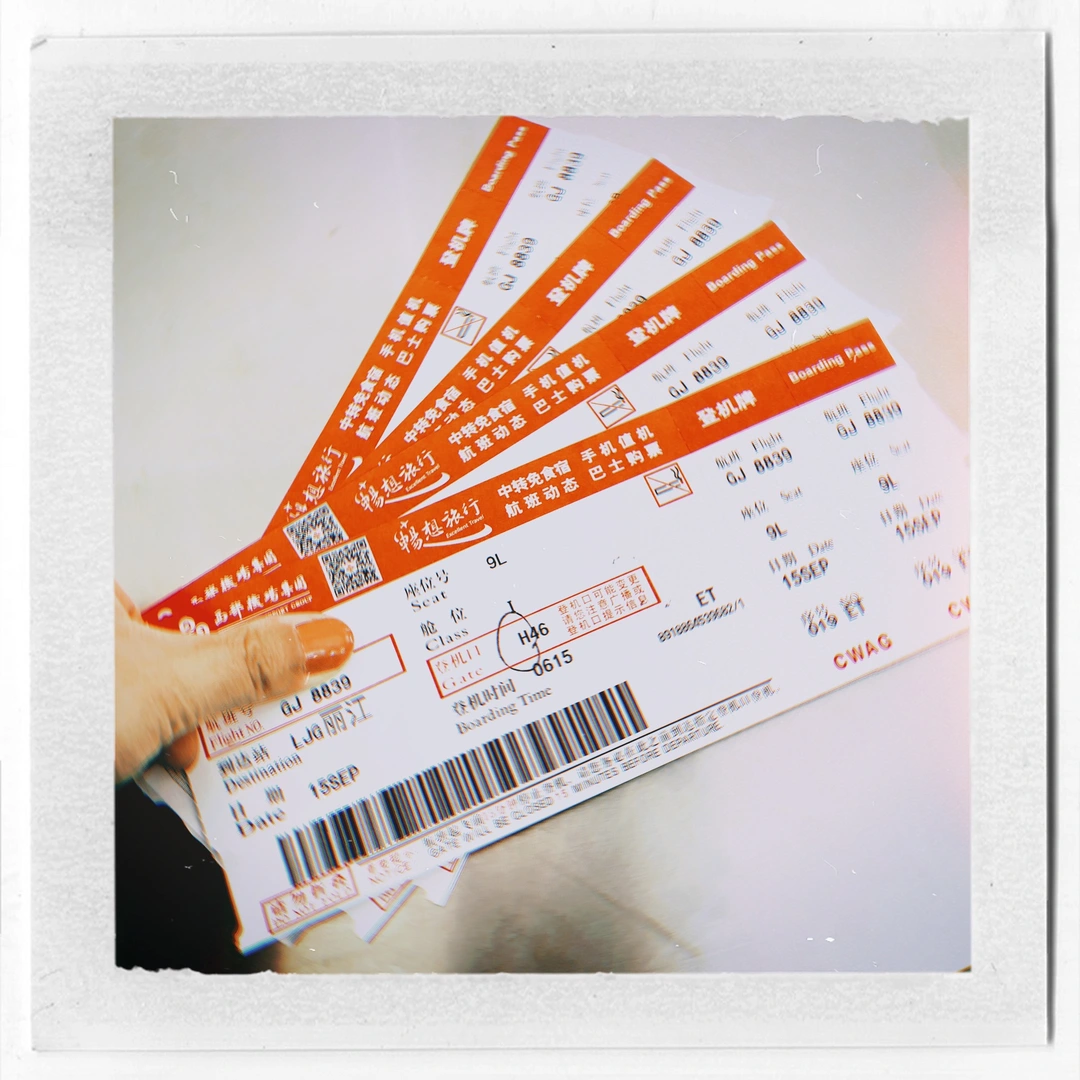
Our journey began with an early morning flight from Xi'an, with a stop in Bijie, landing at Lijiang Sanyi Airport around 10 a.m. The sky was overcast—a sign of things to come. Lijiang in mid-September is not the sun-drenched paradise many imagine. Instead, expect light rain and a cool, misty atmosphere that adds a melancholic charm to the ancient town.
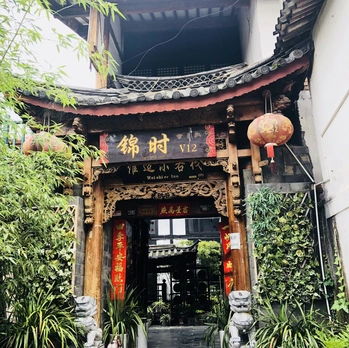
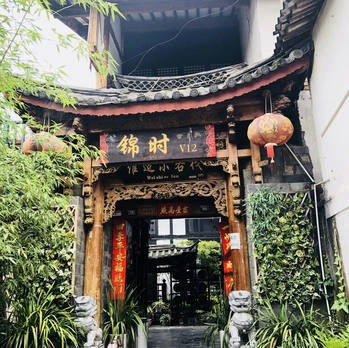
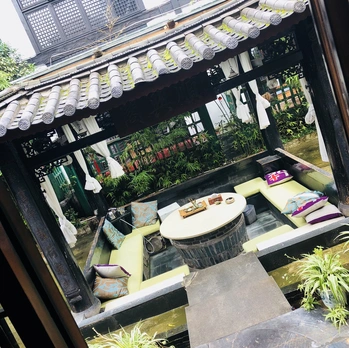
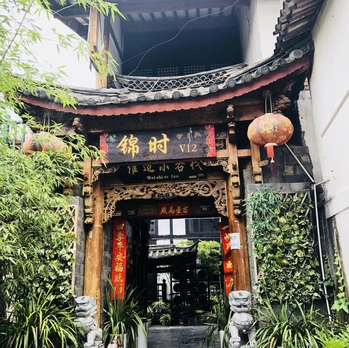
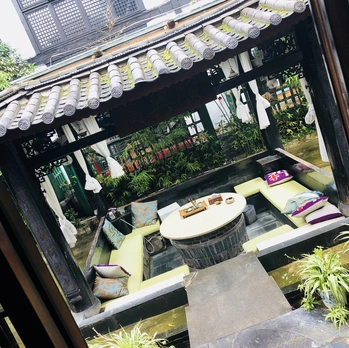
Tip: Book airport pickup through your innkeeper. We paid 80 yuan for a ride to the edge of the ancient town (cars can't enter). Our innkeeper Xiaoqi from Jinshi Boutique Inn met us with an umbrella and helped carry luggage. The ancient town maintenance fee was not charged—likely due to the off-season.
First Meal: Grandma's Preserved Pork Ribs (Apo La Paigu)

After settling in, we followed Xiaoqi's recommendation to Grandma's Preserved Pork Ribs. The ancient town is small, and after a few twists along stone steps, we found it. The portions were enormous—four meat-lovers ate until we couldn't walk, and the bill was only 160 yuan. Unbelievably affordable. Expect queues; this place is always bustling.
Altitude Sickness: A Real Risk
A sudden headache ruined my afternoon. I self-diagnosed altitude sickness—nausea, vomiting, and a splitting headache. My companions laughed in the courtyard while I questioned life in bed. Lesson: Lijiang sits at 2,400 meters. Stay hydrated, avoid alcohol on arrival, and rest if needed.
By 7 p.m., I felt better and joined my friends at Brother Er's Chicken Rice Noodles (Erge Tuji Mixian)—also recommended by Xiaoqi. Light, flavorful, and perfect for a recovering stomach.
Evening: Bar Street and Da Bing's Little House
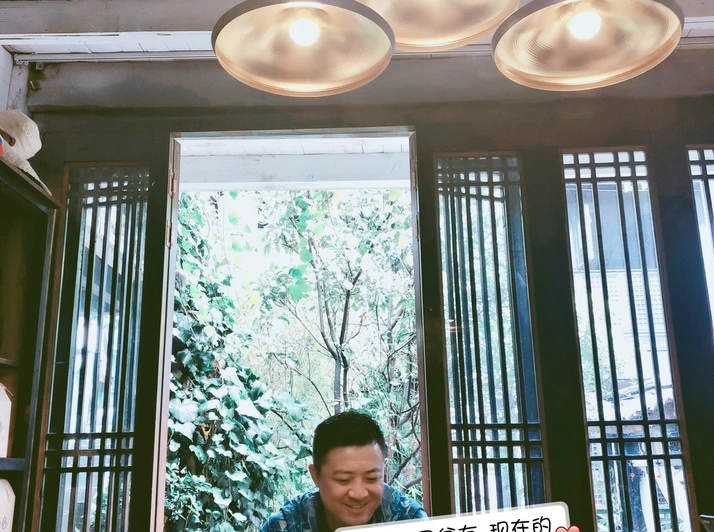
Lijiang's bar street is famous, but don't expect rowdy clubs. Da Bing's Little House (Da Bing de Xiao Wu) is a quiet, intimate venue where patrons sit in a circle, sipping beer while a singer strums softly. Once your drink is finished, you must make room for queuing guests—a clever marketing tactic. Worth a visit for the atmosphere alone.
Day 2: Lashi Lake & Shuhe Ancient Town – Commercialization Meets Art
Lashi Lake: Kayaking, Horse Riding, and a Reality Check
The rain continued, so we pivoted to Lashi Lake and Shuhe Ancient Town. Xiaoqi arranged a shared car. Finally, the sun appeared, and we felt the warmth Yunnan is famous for.
Activities at Lashi Lake: - Kayaking only: 200 yuan per person - Horse riding + Ancient Tea Horse Road: 380 yuan per person - Neither (just photos and lunch): 200 yuan
Both options include a chicken hotpot lunch. Honest take: Lashi Lake is over-commercialized. You'll queue for kayaks, pose in网红 glass balls, and feel like part of an assembly line. But if you embrace it, the scenery is lovely, and the horse riding along the Ancient Tea Horse Road offers a glimpse of Yunnan's history.
Shuhe Ancient Town: Quiet Beauty
Direct buses run from Lashi Lake to Shuhe Ancient Town. The ride is short—we dozed off and arrived refreshed. Compared to Lijiang Ancient Town, Shuhe is quieter, more artistic, and古朴 (ancient and simple). We bought flower cakes at Jiahua Flower Cake (Jiahua Xianhua Bing) to mail home, then took a taxi back.
Insider tip: Shuhe is perfect for a half-day escape from the crowds. Don't miss the small art galleries and tea houses tucked away in side alleys.
Day 3-4: Jade Dragon Snow Mountain – Rain, Altitude, and Unforgettable Views
Planning Your Visit
Jade Dragon Snow Mountain is a must-do, but weather can be unpredictable. We booked tickets through Xiaoqi, who arranged a driver and helped us navigate the permit system. Important: Permits sell out quickly, especially during peak season. Book at least 3 days in advance.
The Climb: From Light Rain to Moderate Rain
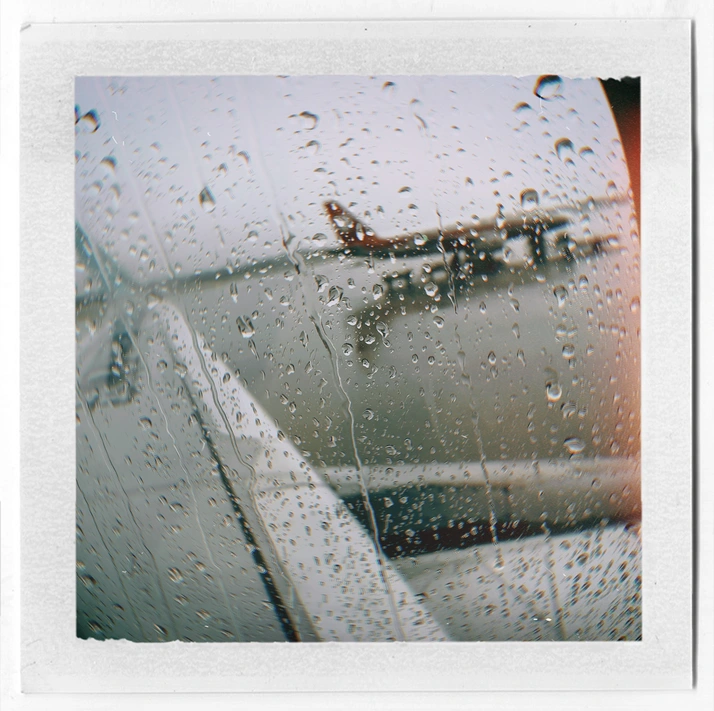
Our day started with drizzle. By the time we reached the cable car, it was moderate rain. Visibility was low, but the mist created an ethereal atmosphere. The altitude—4,500 meters at the highest point—made every step a challenge. Bring oxygen canisters (available at the base) and warm clothing. The temperature dropped to near freezing.
Cost: Cable car + entrance fee: around 240 yuan per person. Oxygen canisters: 30-50 yuan.
What to Eat
After descending, we warmed up with a bowl of hot yak meat soup at a local restaurant near the base. Simple, hearty, and exactly what we needed.
Day 5-6: Dali Ancient Town & Erhai Lake – The "Sea" We Had Been Longing For
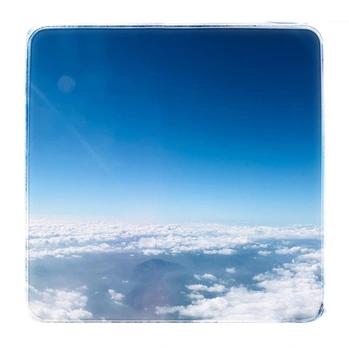
Arriving in Dali
From Lijiang, we took a high-speed train to Dali (about 2 hours, 145 yuan). The train offers stunning views of mountains and rice paddies. We stayed at a guesthouse near the ancient town—again, the innkeeper arranged everything from bike rentals to restaurant recommendations.
Erhai Lake Cycling: The Ultimate Slow Travel Experience
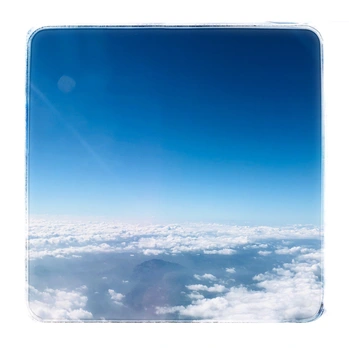
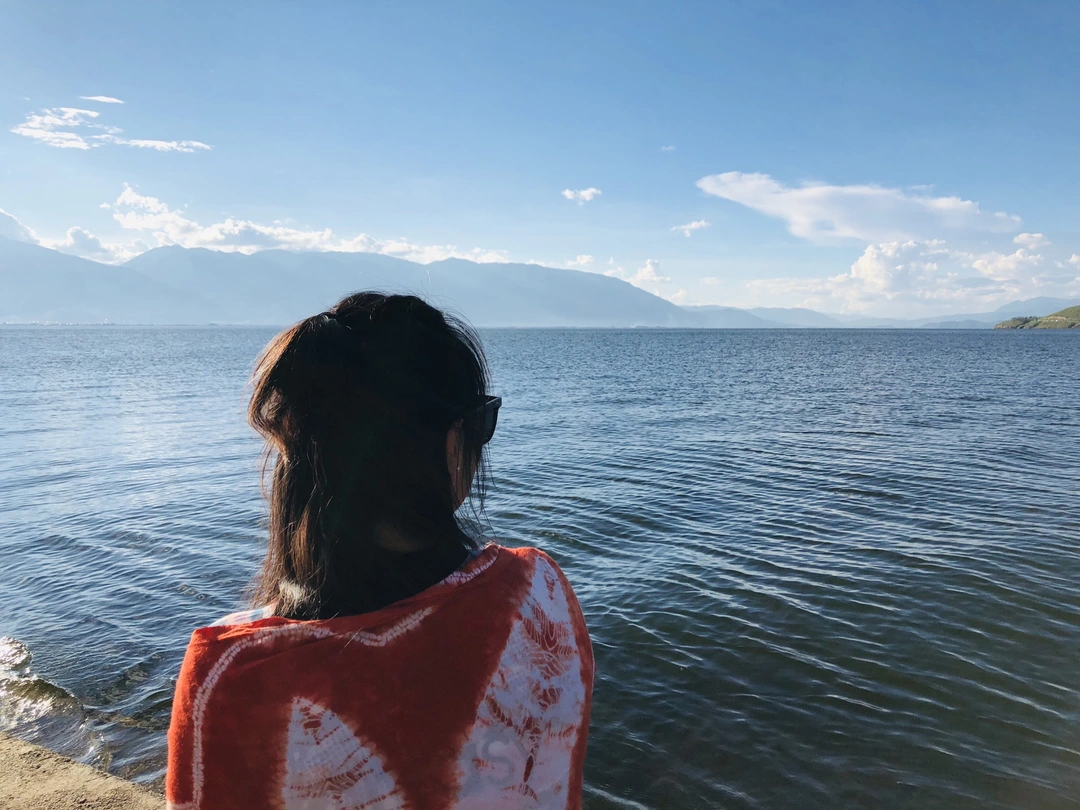
Cycling around Erhai Lake is the highlight of any Dali trip. We rented electric bikes (50 yuan per day) and followed the 120-kilometer route. Pro tip: Start early to avoid afternoon heat. The eastern shore offers the best views—crystal-clear water, distant mountains, and fields of sunflowers.
Safety note: Some sections of the road are narrow and shared with cars. Wear a helmet and stay alert.
Xizhou: A Step Back in Time
On Day 6, we visited Xizhou, a Bai ethnic village known for its traditional architecture and tie-dye workshops. We spent hours wandering through courtyards, watching artisans at work, and sampling local snacks like erkuai (rice cakes) and baba (flatbread).
Cost: Entrance to Xizhou is free. Tie-dye workshops: 50-100 yuan for a small scarf.
Day 7-8: Slow Down and Savor
Morning Tea Rituals
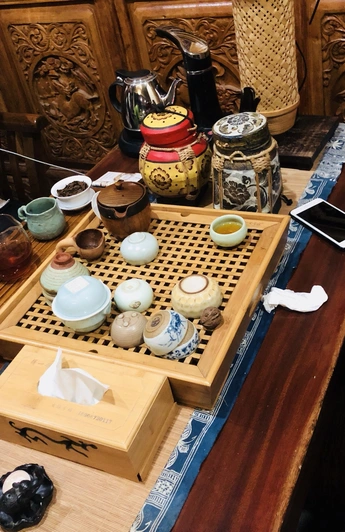
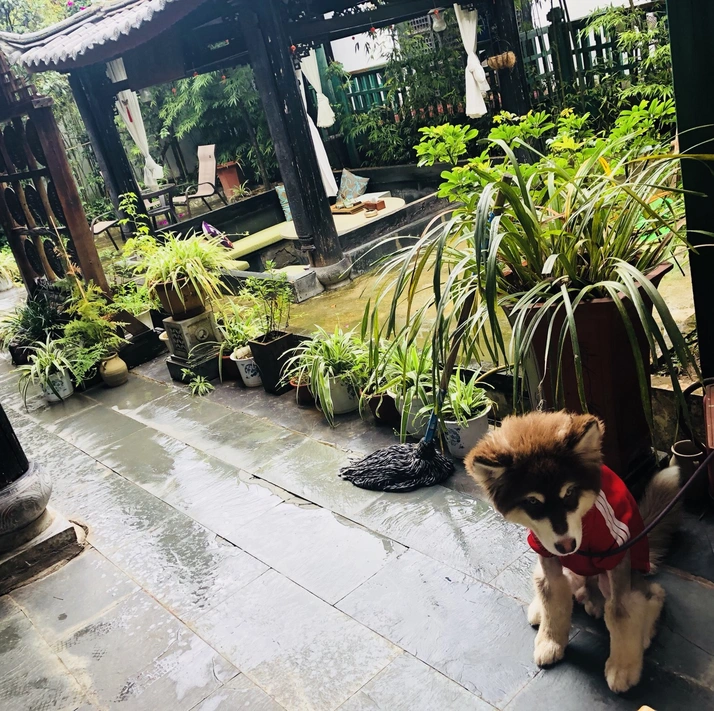
Every Yunnan inn has a complete tea set. We spent our last mornings sipping Pu'er and chatting with fellow travelers. Tip: If you want to bring tea leaves home, ask your innkeeper—they often sell high-quality local varieties at fair prices.
Final Meals
We returned to Dali Ancient Town for a farewell dinner at a restaurant recommended by our innkeeper. The menu included: - Crossing-the-bridge noodles (guoqiao mixian) - Steam pot chicken (qiguo ji) - Wild mushroom hotpot (a must in Yunnan)
Total for four: 200 yuan. Unbeatable.
FAQ: Your Lijiang and Dali Slow Travel Questions Answered
1. Is altitude sickness common in Lijiang?
Yes, especially for travelers arriving from low-altitude areas. Lijiang sits at 2,400 meters. Symptoms include headache, nausea, and fatigue. Prevention: Stay hydrated, avoid alcohol on day one, and rest if needed. Oxygen canisters are available at pharmacies and hotels.
2. How much does an 8-day Lijiang and Dali trip cost?
For two people, expect to spend around 4,000-6,000 yuan total, including flights, accommodation, meals, and activities. Budget breakdown: - Flights: 1,500-2,500 yuan (round trip from major cities) - Accommodation: 200-400 yuan per night (mid-range inns) - Meals: 150-300 yuan per day for two - Activities: 500-1,000 yuan per person (including Jade Dragon Snow Mountain and Erhai Lake cycling)
3. What's the best time to visit Lijiang and Dali?
September to November offers mild weather, fewer crowds, and lower prices. The rainy season ends in September, but expect occasional showers. March to May is also excellent, with blooming flowers and clear skies.
4. Do I need to book tours in advance?
For popular attractions like Jade Dragon Snow Mountain, yes—permits sell out quickly. For everything else, book through your innkeeper upon arrival. They have local connections and often get better prices than online platforms.
5. Is it safe to cycle around Erhai Lake?
Yes, but exercise caution. The road is shared with cars and buses. Stick to the dedicated bike lanes on the eastern shore, wear a helmet, and avoid cycling at night.
Internal Linking Suggestions
- [Link: How to Choose the Best Yunnan Inn for Your Budget]
- [Link: Altitude Sickness Prevention Tips for High-Altitude Travel]
- [Link: Complete Guide to Erhai Lake Cycling Routes]
- [Link: Best Local Eats in Lijiang Ancient Town]
- [Link: Jade Dragon Snow Mountain Permit Guide 2024]
Conclusion: Walk the Road Yourself
This 8-day slow travel itinerary for Lijiang and Dali taught me one thing: the best journeys are the ones you let unfold. Rain on Jade Dragon Snow Mountain, altitude sickness on day one, and unexpected detours to Shuhe Ancient Town—these weren't setbacks. They were the story.
Yunnan is not a place to check off a list. It's a place to feel. The warmth of innkeeper Xiaoqi, the laughter of friends over chicken hotpot, the mist over Erhai Lake—these moments can't be planned. They can only be lived.
So pack your bags, leave your rigid itinerary at home, and walk the road yourself. Its beauty and danger are waiting.
Ready to Plan Your Yunnan Adventure?
[Link: Download our free Yunnan packing checklist] [Link: Book a personalized Lijiang-Dali itinerary consultation] [Link: Join our slow travel community for insider tips]
Have you visited Lijiang and Dali? Share your favorite memory in the comments below!