Traveling to Bohol with Seniors and Kids: The Ultimate Pitfall-Avoidance Guide for Multi-Generational Family Trips
Meta Description: Planning a multi-generational trip to Bohol, Philippines? Learn from one family's near-disaster journey—from red-eye flight mistakes to island-hopping success. This complete guide covers visas, hotels, activities, and pitfalls to avoid for seniors and kids.
Introduction: Why Bohol Is the Perfect Multi-Generational Destination (If You Plan It Right)
As a self-proclaimed "veteran tour leader for multi-generational family trips," I organize two family vacations every year without fail, taking the elderly and children to see the world. Friends often joke that if I ever lose my job, I could go straight to a travel agency and apply to lead senior tours—after all, I've long since mastered the art of "catering to both the old and the young."
But it was precisely this confidence that led me to make a fatal mistake when planning this trip to Bohol, Philippines: I assumed that an English-speaking country, a short-haul flight, and a beach vacation couldn't go too wrong no matter what. The result? Reality slapped me hard in the face—the collapse started before we even took off.
Strangely enough, though, the trip ended on a "perfect" note. Today, I'm sharing every twist and turn of this rollercoaster experience—the pitfalls I fell into, the sweat I shed, and the "foolproof" itinerary I adjusted along the way. If you're the "tour leader" for a trip with seniors and kids, please read this article to the end.
Chapter 1: Pre-Departure Pitfalls—Why Red-Eye Flights Are a Trap for Seniors and Kids
1.1 The "Fatal Confidence" Before Leaving
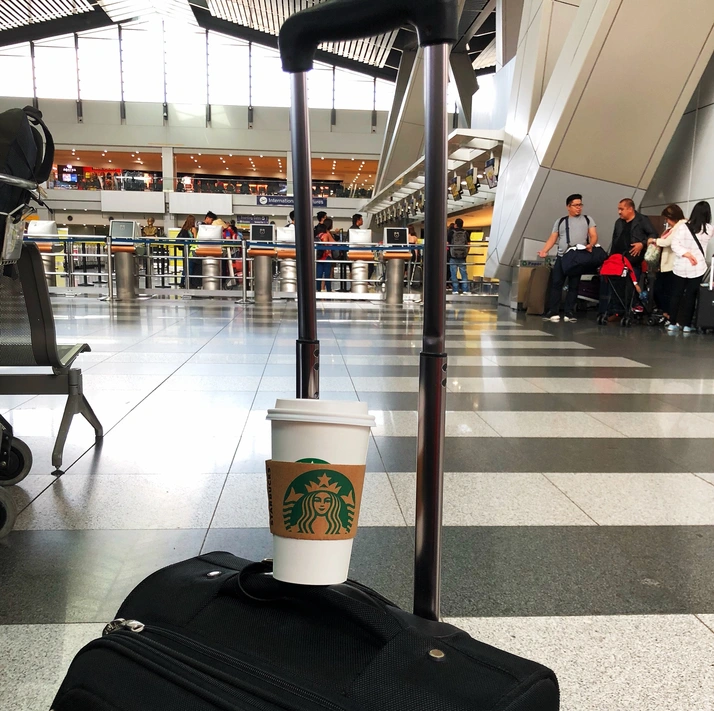
We booked Cebu Pacific, departing from Beijing at 1:10 a.m., with a flight time of about four and a half hours to Manila, followed by a connecting flight to Bohol. Logically, for a red-eye flight, the airport expressway should be smooth sailing, right? I naively thought leaving at 9:30 p.m. would be more than enough.
What happened? The navigation map showed the airport expressway in deep red—a parking lot. An hour later, we had barely crawled to Sanyuan Bridge. Watching the minutes tick by, I made a decision that seemed smart at the time but turned out to be foolish in hindsight: I hailed a taxi to Sanyuan Bridge and switched to the airport express train.
1.2 The "Fatal Blow" of the Subway Line
I led the whole family, dragging suitcases, gasping for breath as we ran to the airport train entrance, secretly relieved that "we're finally saved." But the staff member coldly dropped a bombshell: "The last train has already left."
At that moment, the only word for my feelings was "thunderstruck." Struck by five lightning bolts, utterly hopeless—none of those words were enough. The elderly were exhausted and panting, while the child fell asleep on the spot, completely unaware of what was happening.

Thankfully, there's always a way out. The taxi driver who had dropped us off at the subway was still nearby. When I called him, he turned around without a second thought. I'm still grateful to that driver—he not only saved us but also sped all the way, getting us onto the plane just in time, thanks to the flight's delay.
Lesson One: Even for a red-eye flight, leave early! Leave early! Leave early! It's better to spend time eating, drinking, reading, or sleeping at the airport than to be panicking on the expressway.
[Link: Best family-friendly hotels near Beijing Capital Airport]
Chapter 2: The "Nightmare" of Connecting in Manila—How Much Layover Time Do You Really Need?
2.1 Layover Time: An Underestimated "Trap"
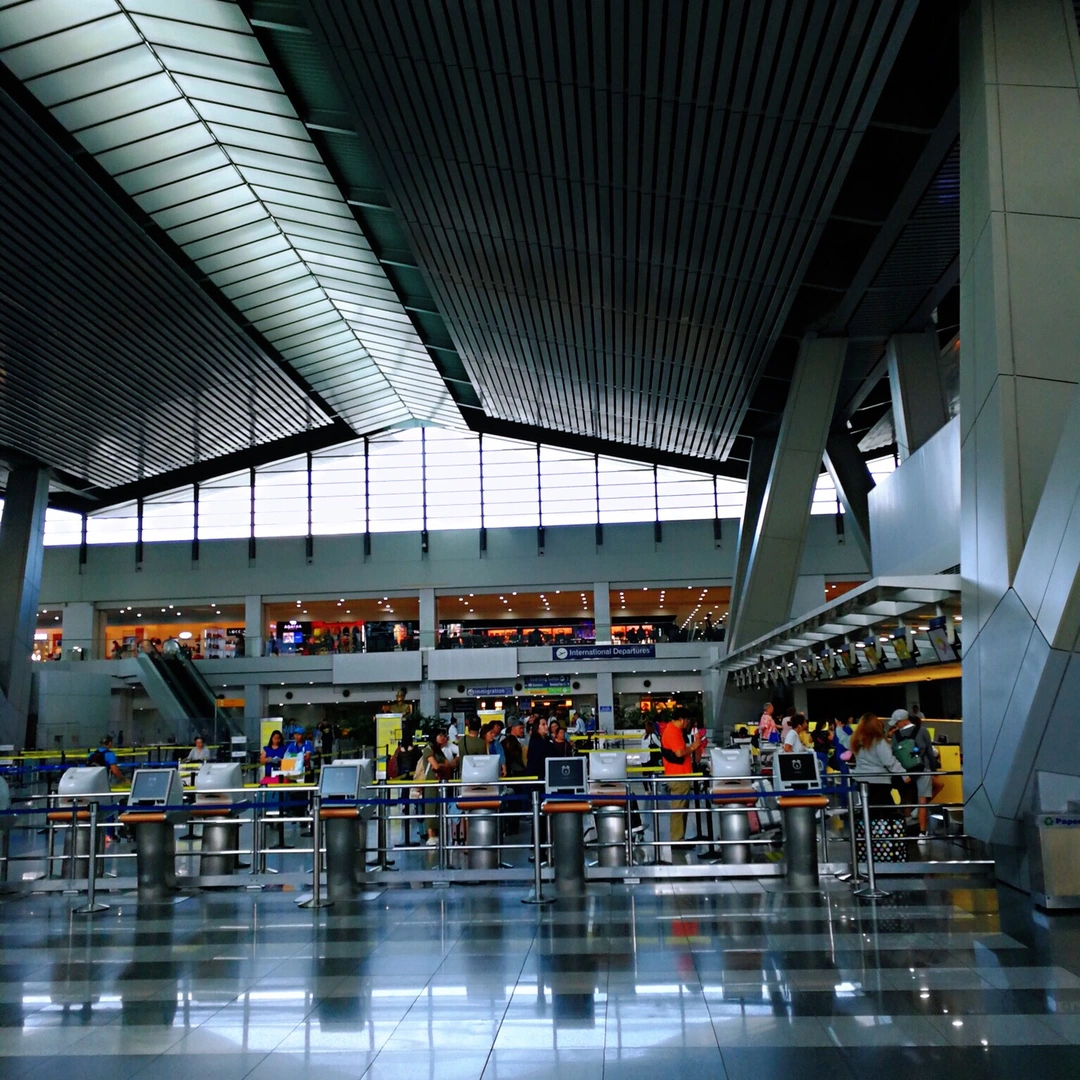
Due to the delay on the first leg, our layover in Manila was compressed to almost nothing. We had originally planned for three hours, but we ended up with less than an hour. Worse still, the transfer process at Manila Airport was far more complicated than I imagined: getting off the plane, going through immigration, re-checking security, finding the gate—every step involved queuing.
Dragging luggage, with seniors and kids in tow, sprinting through an unfamiliar airport—it felt like we were starring in Fast & Furious. The child was scared and crying, the elderly were pale from exhaustion, and I could only apologize while urging everyone to hurry.
2.2 The "Golden Rule" for Layovers You Need to Know
If you're traveling with seniors and kids, allow at least four hours for your layover. Between Terminal 3 and Terminal 4 at Manila Airport, you need to take a shuttle bus, and flight delays are the norm. Don't think a "short layover" saves time; it will only drive you to the brink.
Lesson Two: A layover isn't about being as short as possible; it's about being as relaxed as possible. With seniors and kids, time equals a sense of security and comfort.
[Link: Manila Airport terminal transfer guide for families]
Chapter 3: Arriving in Bohol—The "Turning Point" from Collapse to Healing
3.1 The First Sight Made Everything Worthwhile
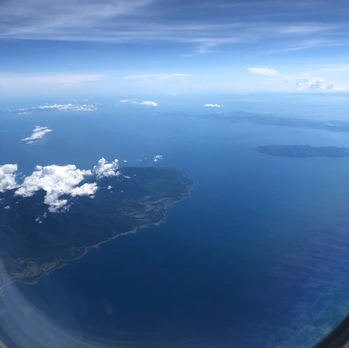
The moment the plane landed in Bohol, the exhaustion and anxiety seemed to be blown away by the sea breeze. Panglao Airport is small, but the blue sky, coconut palms, and humid air instantly put everyone at ease. The kids pointed excitedly at the sea in the distance, and the elderly finally broke into smiles.
3.2 Accommodation: Choosing the Right Hotel Is Half the Battle
We stayed at a resort on Panglao Island, a ten-minute walk from Alona Beach. The rooms were clean, the pool was beautiful, and the breakfast was generous. What touched me most was that the staff, seeing we had seniors and kids, proactively helped with the luggage and arranged rooms on a lower floor.
Hotel Selection Tip: When traveling with seniors and kids, try to choose a hotel with an elevator, a pool, and proximity to the beach. Don't skimp by staying in a remote area—the elderly and children can't handle the hassle.
[Link: Best Panglao Island resorts for multi-generational families]
Chapter 4: The "Right Way" to Experience Bohol—Activities That Work for Both Seniors and Kids
4.1 Island Hopping: Don't Go Too Far, Don't Rush
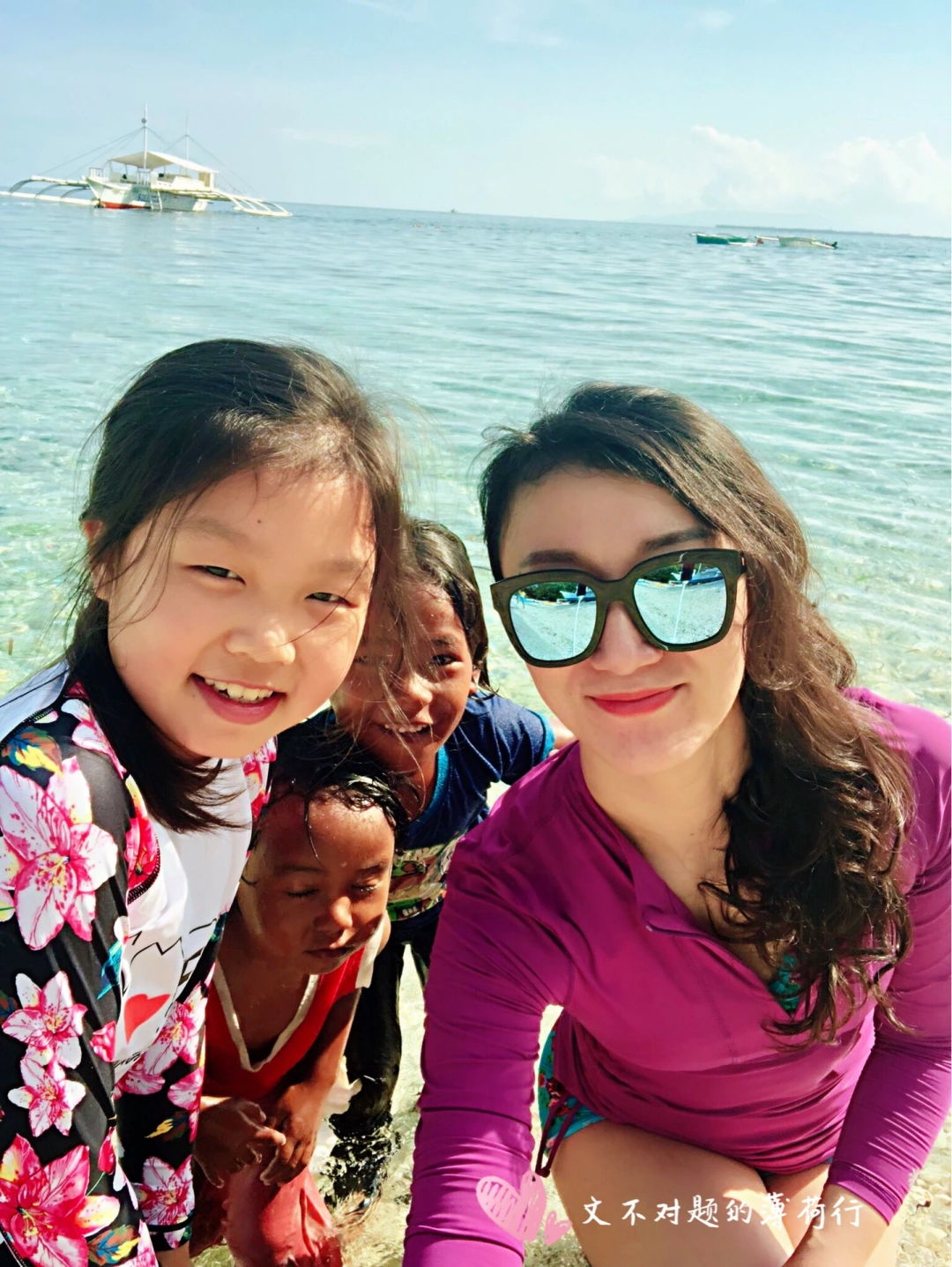
We chose a half-day island-hopping trip to Balicasag Island to see sea turtles and chase dolphins. The boat ride was about 30 minutes, manageable for both seniors and kids. The water at Balicasag was as clear as jelly, and sea turtles swam right by our feet—the kids screamed with excitement.
Note: Avoid itineraries that "hop three islands in one day"—the elderly will be exhausted. Half a day on one island is just right.
4.2 Chocolate Hills: Can't Climb? Take a Ride Up!
The Chocolate Hills are Bohol's iconic landmark. But with seniors and kids, climbing hundreds of steps is unrealistic. The good news is that the site has a sightseeing vehicle that can take you directly to the summit viewpoint. The elderly sit and enjoy the view while the kids run around at the top—everyone's happy.
4.3 Tarsier Sanctuary: So Small It Breaks Your Heart
Tarsiers are the world's smallest primates, with eyes as big as aliens'. The sanctuary is small, taking about half an hour to walk through, easily manageable for seniors and kids. When the kids saw the tarsiers, their eyes got even wider than the monkeys'.
4.4 Bee Farm: Eating + Photos + Sunset Watching
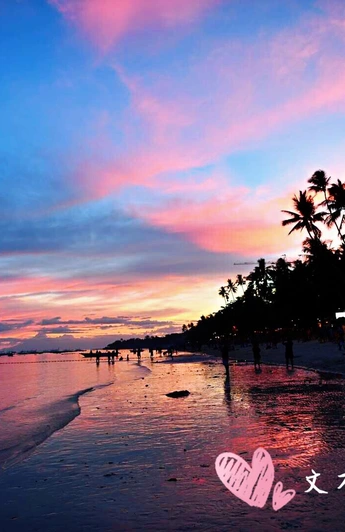
Bee Farm is Bohol's "Instagram hotspot," but it's not just hype. The honey ice cream, flower salad, and seafood platter are all delicious, and the setting is stunning. Sitting by the cliff at sunset, watching the sky change colors, both seniors and kids quieted down. In that moment, I felt all the running around was worth it.
[Link: Bohol family-friendly itinerary for 5 days]
Chapter 5: The Ultimate Pitfall-Avoidance Checklist, Hard-Earned Through "Blood and Tears"
5.1 Visas and Currency
- Visa: You need to apply for a Philippine visa in advance. I recommend starting at least a month ahead. If you're short on time, you can pay for "expedited" processing, but the fee doubles.
- Currency: It's hard to exchange Philippine pesos at Chinese banks. I suggest bringing US dollars and exchanging them locally. The worst exchange rate is at Manila Airport; rates are better in Bohol town.
5.2 Transportation and Communication
- Transportation: The main mode of transport in Bohol is the "tutu" (three-wheeled motorcycle), but with seniors and kids, I recommend hiring a private car. It costs about 2,000-3,000 pesos per day (roughly 300-400 RMB), saving you hassle and energy.
- Communication: Buy a local SIM card at Manila Airport or in Bohol town. Globe and Smart both offer tourist packages with data and calls. Wi-Fi in resorts is generally reliable but can be slow during peak hours.
5.3 Health and Safety
- Sun Protection: The Philippine sun is intense. Bring high-SPF sunscreen, hats, and sunglasses for everyone, especially children and seniors.
- Food Safety: Stick to bottled water and avoid street food if you have a weak stomach. Most resort restaurants are safe, but for excursions, pack snacks and water.
- Medical Kit: Include motion sickness pills, antihistamines, diarrhea medication, and basic first-aid supplies. Pharmacies in Bohol town are limited.
[Link: Philippine visa application guide for Chinese travelers]
FAQ: Traveling to Bohol with Seniors and Kids

Q1: Is Bohol safe for seniors and young children?
Absolutely. Bohol is one of the safest tourist destinations in the Philippines. The locals are friendly, and tourist areas like Panglao Island are well-policed. However, always supervise children near water and on boats.
Q2: What is the best time of year to visit Bohol with family?
The dry season from November to May is ideal. Avoid the rainy season (June to October) when typhoons and rough seas can disrupt island-hopping and outdoor activities. December to February offers pleasant temperatures, while March to May is hotter but less crowded.
Q3: How many days do you need for a Bohol family trip?
 For a relaxed multi-generational trip, plan 5-7 days. This allows 2-3 days for Panglao Island (beach, island hopping, Bee Farm) and 1-2 days for the mainland (Chocolate Hills, Tarsier Sanctuary, Loboc River cruise). Add buffer days for rest.
Q4: Can seniors with mobility issues visit Chocolate Hills and Tarsier Sanctuary?
Yes. Chocolate Hills has a sightseeing vehicle that takes you to the viewpoint. Tarsier Sanctuary is flat and wheelchair-friendly. For other attractions, hire a private car with a driver who can assist with mobility needs.
Q5: What should I pack for seniors and kids in Bohol?
Essentials include light cotton clothing, swimwear, water shoes, reef-safe sunscreen, insect repellent, wide-brimmed hats, reusable water bottles, and a small first-aid kit. Bring a stroller for young children and a foldable walking stick for seniors.
Conclusion: Your Bohol Family Adventure Starts Here
Traveling to Bohol with seniors and kids is absolutely worth the effort—if you plan ahead and avoid the pitfalls we encountered. From the near-disaster at Beijing Airport to the perfect sunset at Bee Farm, our journey taught me that multi-generational travel is about flexibility, patience, and preparation.
Your turn: Don't let our mistakes become yours. Start planning your Bohol family vacation today. Book your flights early, choose a family-friendly resort, and follow our pitfall-avoidance guide to ensure your trip ends on a perfect note—not a collapse.
Ready to book? [Link: Compare family-friendly Bohol tour packages] or [Link: Book private car hire in Bohol]
Have you traveled to Bohol with seniors or kids? Share your tips and questions in the comments below!
Disclaimer: This article is based on personal experience. Prices and policies may change. Always verify current visa, currency, and travel requirements before booking.
You may also like