Tracing Mount Song: A Cultural Pilgrimage Through the Millennia – An SEO-Optimized Guide
Meta Description: Discover Mount Song, one of China's Five Sacred Mountains, in this comprehensive travel guide. Explore ancient temples, UNESCO sites, and hiking trails. Plan your cultural pilgrimage today.
Introduction: Why Mount Song Deserves a Spot on Your Bucket List
For centuries, poets and pilgrims have been drawn to Mount Song (Songshan), the central peak of China's Five Sacred Mountains. As the Tang dynasty poet Li Bai once wrote, "I never tire of seeking immortals among the Five Sacred Mountains, for all my life I've loved roaming famous peaks." This mountain isn't just a geological wonder—it's a living museum of Chinese civilization.
Located in Dengfeng, Henan Province, Mount Song is both a UNESCO Global Geopark and home to the "Historic Monuments of Dengfeng in 'The Center of Heaven and Earth'" World Heritage Site. Whether you're a history buff, a hiking enthusiast, or a spiritual seeker, this mountain offers an unparalleled blend of natural beauty and cultural depth.
In this guide, we'll take you through the essential experiences of Mount Song, from ancient Buddhist nunneries to challenging summit hikes. You'll learn how to plan your trip, what to see, and how to make the most of your visit.
H2: Planning Your Mount Song Pilgrimage

H3: Best Time to Visit Mount Song
Mount Song is accessible year-round, but the ideal seasons are spring (April–May) and autumn (September–October) when temperatures are mild and the scenery is at its best. Summer can be brutally hot—temperatures often exceed 36°C (97°F)—while winter brings cold winds and occasional snow.
If you're traveling during summer, prepare for intense heat and humidity. As one traveler noted, "Every breath felt like a steam bath." Pack light, breathable clothing, plenty of water, and sun protection.
H3: How to Get to Mount Song
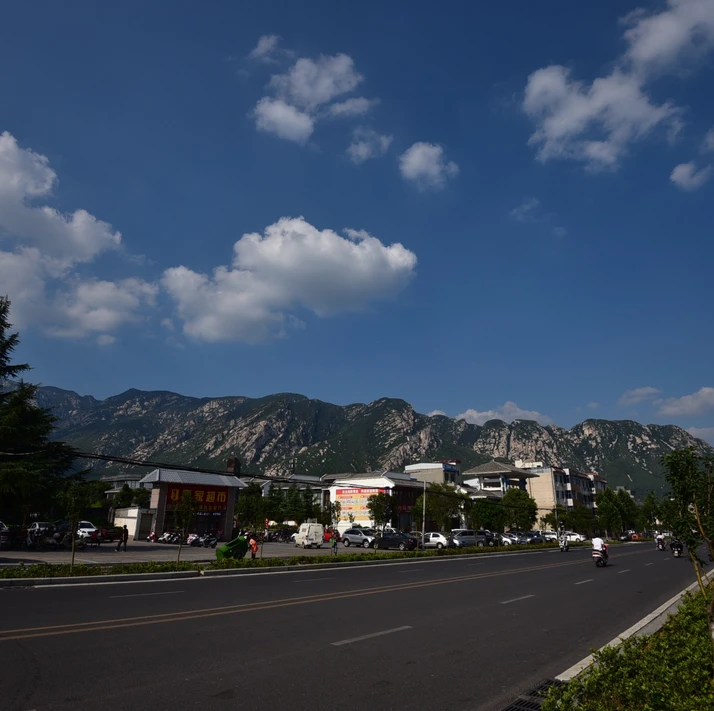
- By High-Speed Train: Take the high-speed rail to Zhengzhou East Station. From there, a long-distance bus to Dengfeng takes about 1 hour 50 minutes (approximately 100 km). Buses depart regularly from the northeast corner of the station.
- By Car: Dengfeng is about a 1.5-hour drive from Zhengzhou. Expressways make the journey straightforward.
- Local Transport: Once in Dengfeng, taxis and ride-hailing apps are readily available. Many attractions are within a 10–15 minute drive from the city center.
H3: Recommended Itinerary (2–3 Days)
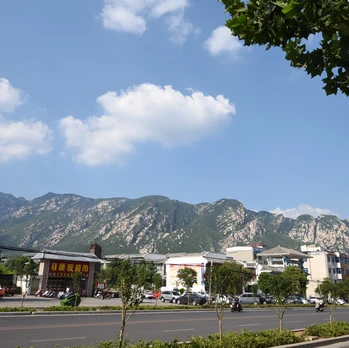
| Day | Activities | Highlights |
|---|---|---|
| 1 | Arrive in Dengfeng, visit Yongtai Temple | Ancient nunnery, vegetarian meal, sunset views |
| 2 | Hike Taishi Mountain (Songyang Scenic Area) | Summit views, Fawang Temple, Songyue Temple Pagoda |
| 3 | Explore Shaoshi Mountain or return to city | Cable car available for downhill section |
H2: Yongtai Temple – The Ancient Nunnery of Chan Buddhism
H3: A Sacred Site for Buddhist Women
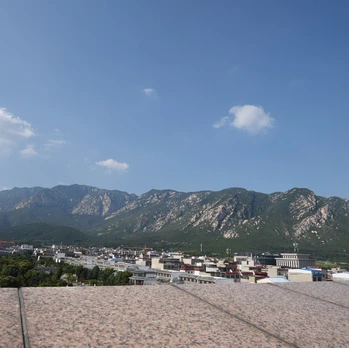
Yongtai Temple is the first nunnery built after Chan (Zen) Buddhism was introduced to China. It's the oldest surviving imperial nunnery in the country, and its history is intertwined with royalty. Three princesses took monastic vows here:
- Princess Zhuanyun – daughter of Emperor Wencheng (Northern Wei dynasty)
- Princess Minglian – daughter of Emperor Wu (Southern Liang dynasty), revered as the founding nun of Chan Buddhism
- Princess Yongtai – younger sister of Emperor Xiaoming (Northern Wei)
For this reason, the temple is honored as the "Ancestral Nunnery of Chan Buddhism" and is considered a sister temple to the Shaolin Temple.
H3: Must-See Relics at Yongtai Temple
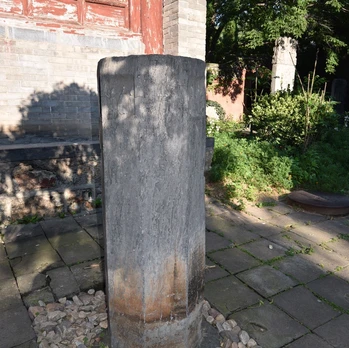
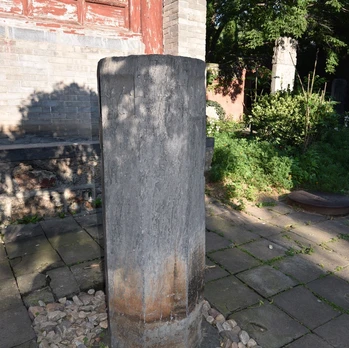
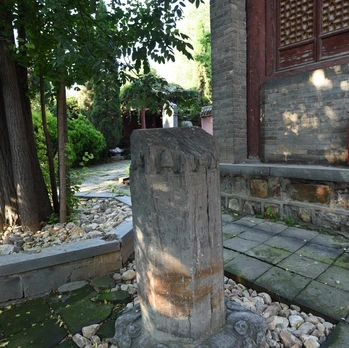
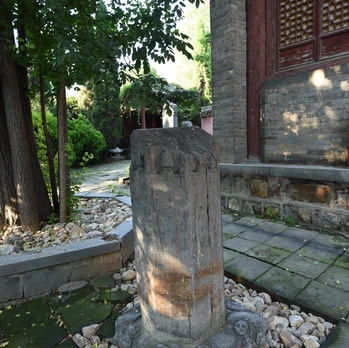
- Tang Dynasty Stone Dharani Pillars – Two pillars before the Heavenly Kings Hall, their inscriptions now worn by time.
- "China's Number One Poplar" – A 1,400-year-old poplar tree planted by Princess Yongtai herself. It stands 26.6 meters tall with a trunk circumference of 4.62 meters—a botanical marvel.
- Asia's Largest Sal Tree – Over 1,900 years old, this tree was reportedly brought to China in 68 AD by Indian monks Kasyapa Matanga and Dharmaratna.
- Princess Tower – A unique building replacing the traditional sutra repository, emphasizing the temple's connection to Princess Yongtai.
Pro Tip: The temple now offers free admission (previously 60 yuan). The vegetarian meal is a local specialty—expect to pay around 140 yuan for three dishes.
H2: Taishi Mountain – A Challenging Summit Hike
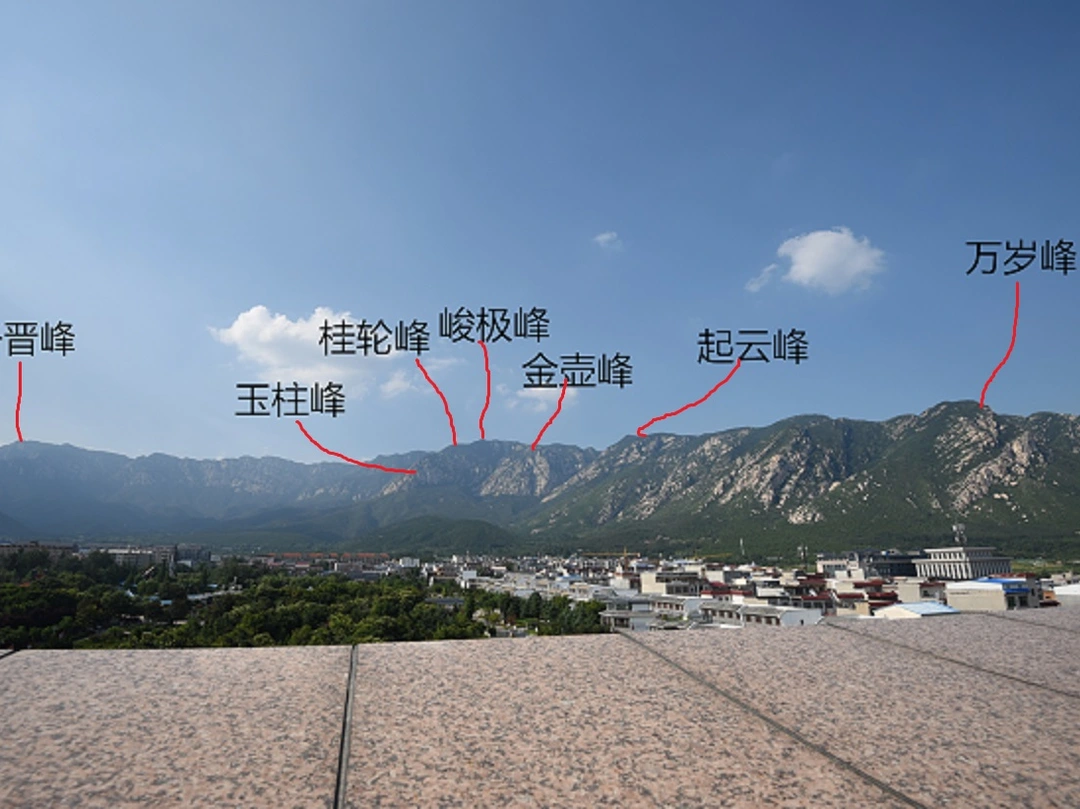
H3: The Songyang Scenic Area
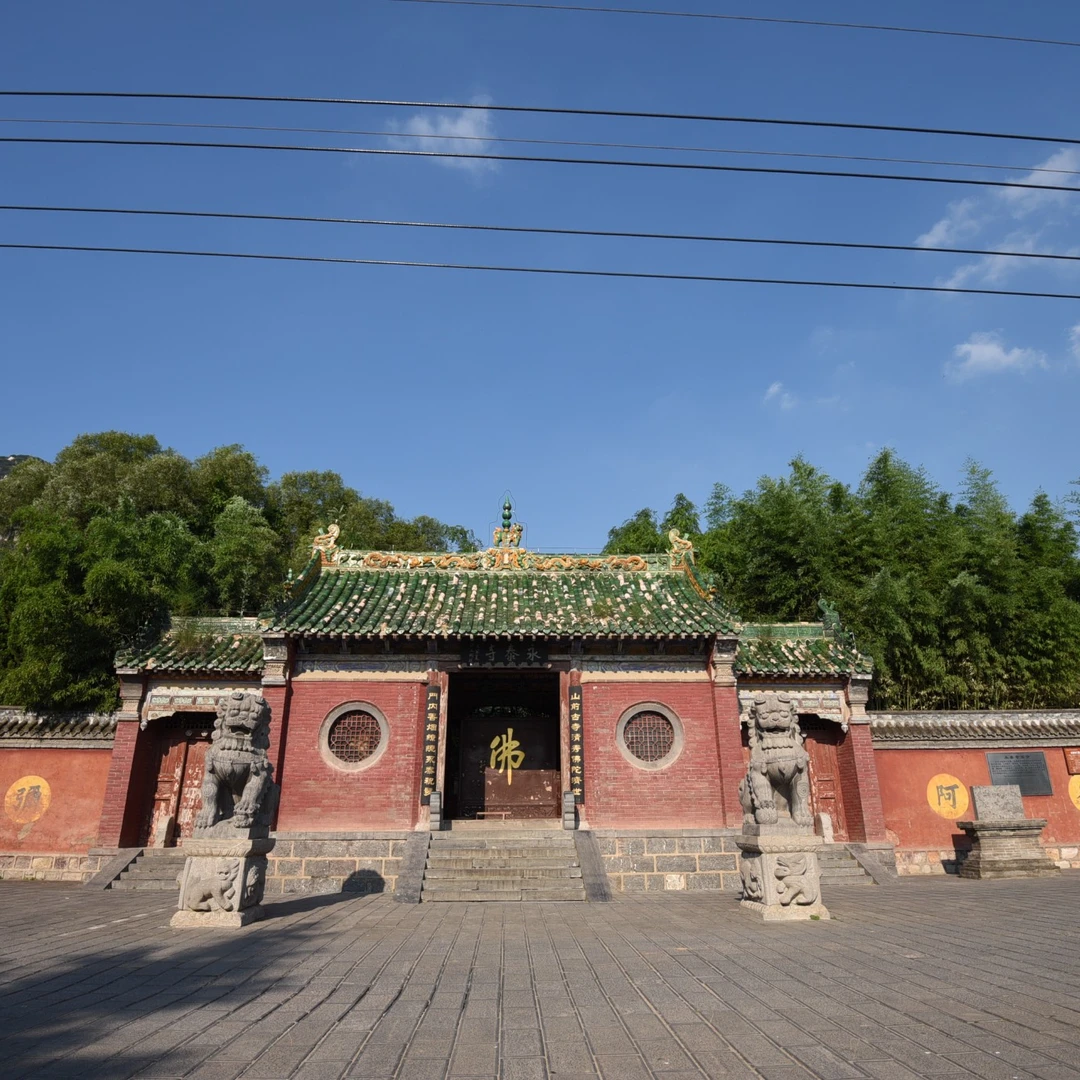
The Songyang Scenic Area ticket costs 50 yuan and includes access to:
- Taishi Mountain
- Fawang Temple
- Songyue Temple Pagoda
- Huishan Temple
In ancient times, there were six main routes up Taishi Mountain. Three were considered "official paths," including the Imperial Road and the Wansui Peak Trail. Today, most hikers follow well-marked trails that offer stunning views of the surrounding landscape.
H3: What to Expect on the Hike
The climb is physically demanding, especially in summer heat. One hiker described it as "far more exhausting than similarly distanced hikes up Wudang Mountain or Wangwu Mountain." Key challenges include:
- Steep ascents with uneven stone steps
- Limited shade on exposed sections
- High humidity that makes breathing difficult
Tips for a Successful Hike:
- Start early (before 7 AM) to avoid the midday heat
- Carry at least 2 liters of water per person
- Wear sturdy hiking shoes with good grip
- Take frequent breaks in shaded areas
H3: Highlights Along the Trail
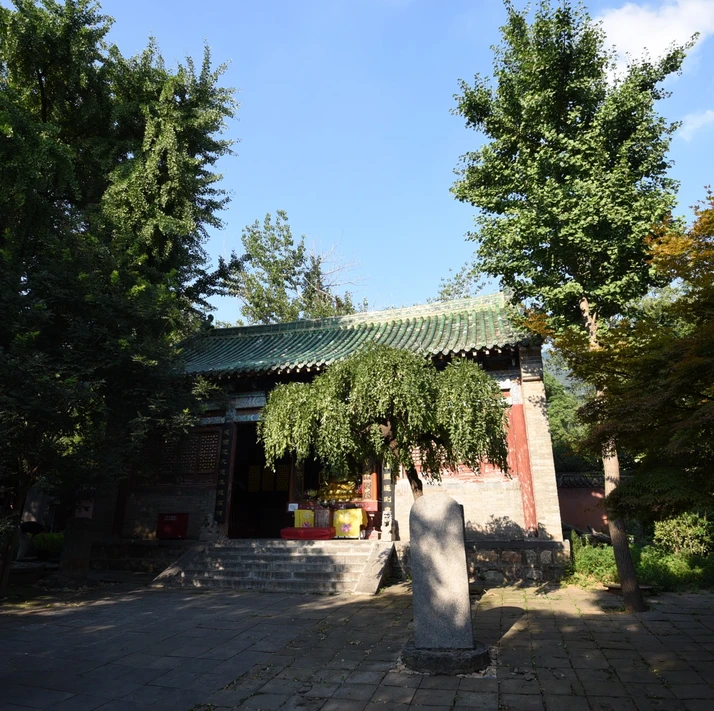
- Wangdu Peak – Offers panoramic views of Dengfeng city
- Zijin Peak – Named after Prince Wangzi Qiao, a legendary figure who mastered the sheng (a reed instrument) and was taken by a Taoist priest to cultivate immortality on Mount Song
- Fawang Temple – A historic Buddhist temple with ancient pagodas
H2: Essential Mount Song FAQs
Q1: Is Mount Song suitable for beginners?
Mount Song offers trails for various fitness levels. The Shaoshi Mountain section has a cable car for the downhill portion, making it more accessible. However, Taishi Mountain is strenuous and best suited for experienced hikers.
Q2: How long does it take to climb Mount Song?
A full ascent of Taishi Mountain takes 4–6 hours, depending on your pace and fitness level. Plan for a full day if you want to explore multiple temples and viewpoints.
Q3: What should I pack for a Mount Song hike?
- Lightweight, moisture-wicking clothing
- Sturdy hiking shoes
- Sun hat and sunscreen
- At least 2 liters of water
- Snacks or a packed lunch
- Rain gear (weather can change quickly)
- Camera for stunning views
Q4: Are there accommodations near Mount Song?
Yes. Dengfeng city has numerous hotels and guesthouses, ranging from budget options to mid-range properties. Many are located near Songyang Park, offering views of Taishi Mountain.
Q5: Can I visit Mount Song in one day?
A one-day trip is possible but rushed. You'll need to choose between Taishi Mountain and Shaoshi Mountain. For a more relaxed experience, plan for 2–3 days.
H2: Cultural Significance – Why Mount Song Matters
Mount Song is more than just a mountain—it's a symbol of Chinese civilization. As the "Center of Heaven and Earth" in ancient cosmology, it was considered the axis mundi where heaven and earth met. This belief is reflected in the numerous temples, pagodas, and academies scattered across its slopes.
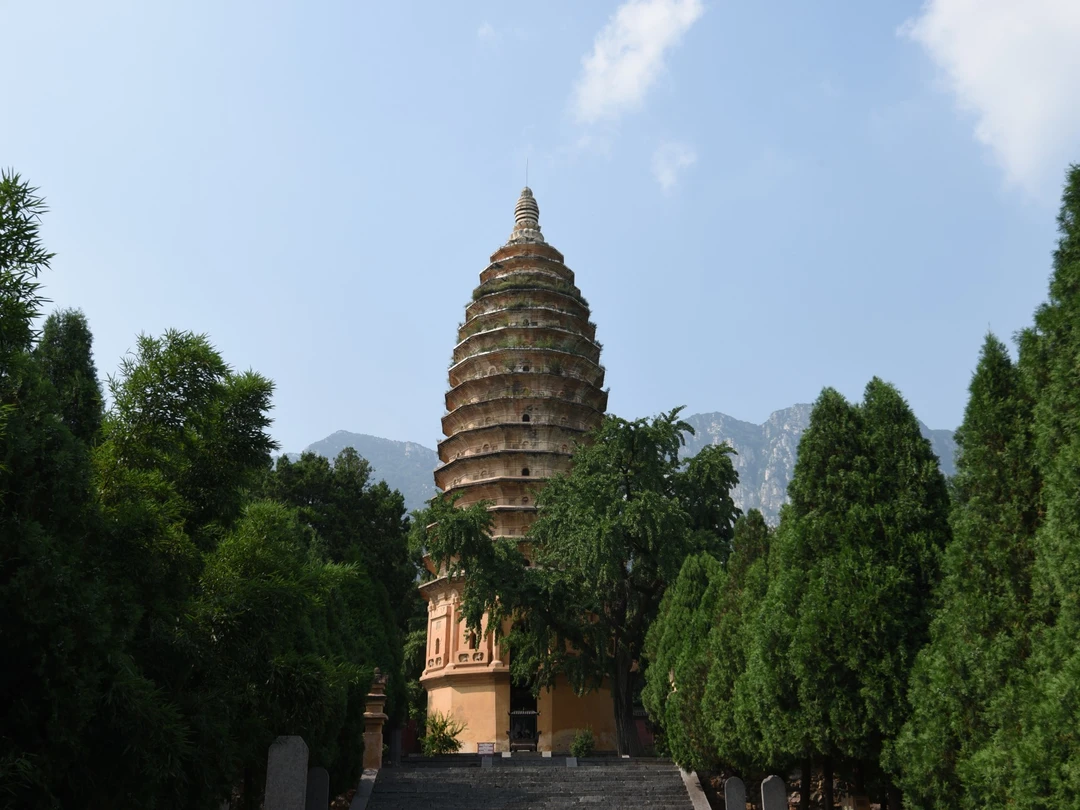
The Songyang Academy of Classical Learning was one of the four great academies of ancient China, where scholars studied Confucian classics. The Songyue Temple Pagoda, a 12-sided brick pagoda built in 523 AD, is the oldest surviving pagoda in China.
For those interested in Chan Buddhism, Mount Song is a pilgrimage site of the highest order. The Shaolin Temple, though not covered in this article, is just one of many Buddhist sites on the mountain.
H2: Internal Linking Suggestions
- [Link: How to Plan a Multi-Day Trip to China's Five Sacred Mountains]
- [Link: The Best Vegetarian Restaurants in Dengfeng]
- [Link: A Guide to Chan Buddhism and Its Sacred Sites]
- [Link: UNESCO World Heritage Sites in Henan Province]
- [Link: Essential Hiking Gear for Chinese Mountain Trails]
Conclusion: Your Turn to Complete the Puzzle
Mount Song is the final piece of the Five Sacred Mountains puzzle for many travelers. Whether you're drawn by its spiritual heritage, its challenging hikes, or its ancient relics, this mountain offers an experience you won't forget.
Ready to plan your pilgrimage? Start by booking your high-speed train to Zhengzhou, securing accommodations in Dengfeng, and packing for the adventure ahead. Remember: the best time to visit is now. Don't let the heat or the crowds hold you back.
As the poet Li Bai said, "I never tire of seeking immortals among the Five Sacred Mountains." Join the ranks of pilgrims who have walked these paths for millennia. Mount Song is waiting.
Call to Action: Share your Mount Song experience in the comments below! Have you climbed Taishi Mountain? What was your favorite temple? Let us know—and don't forget to subscribe for more China travel guides.
You may also like