Tokyo and Mount Fuji: A Heartwarming Encounter with Early Summer Japan – A Complete Travel Guide
Meta Description: Discover the magic of early summer Japan with our comprehensive Tokyo and Mount Fuji travel guide. From Slam Dunk nostalgia in Kamakura to breathtaking Mount Fuji views, plan your dream trip today.
Introduction: Why Early Summer Japan Captivates Every Traveler
The early summer breeze swept through the streets of Tokyo, carrying a gentle warmth that seemed to whisper the names of every traveler passing through. This was my second time setting foot on this land with Bo Shu, exactly one year after our fleeting first visit. Back then, I was a fresh graduate, wandering through Tokyo with my girlfriends on a shoestring budget, leaving behind a trail of regrets and fond memories. This time, after a year of working, I held Bo Shu's hand and stepped back into the embrace of this city.

From the Slam Dunk dreams of Kamakura to the childlike joy of Disney, the majestic morning light of Mount Fuji, and the Gundam obsession in Odaiba—this journey unfolded like a long summer poem, each page filled with surprises and emotions. If you ask me whether I'd come again, my answer is a resounding yes. Because Japan, especially in early summer, holds an enchanting magic that's hard to resist.
[Link: Best Time to Visit Japan for Cherry Blossoms and Summer Festivals]
Planning Your Tokyo and Mount Fuji Trip: Essential Tips
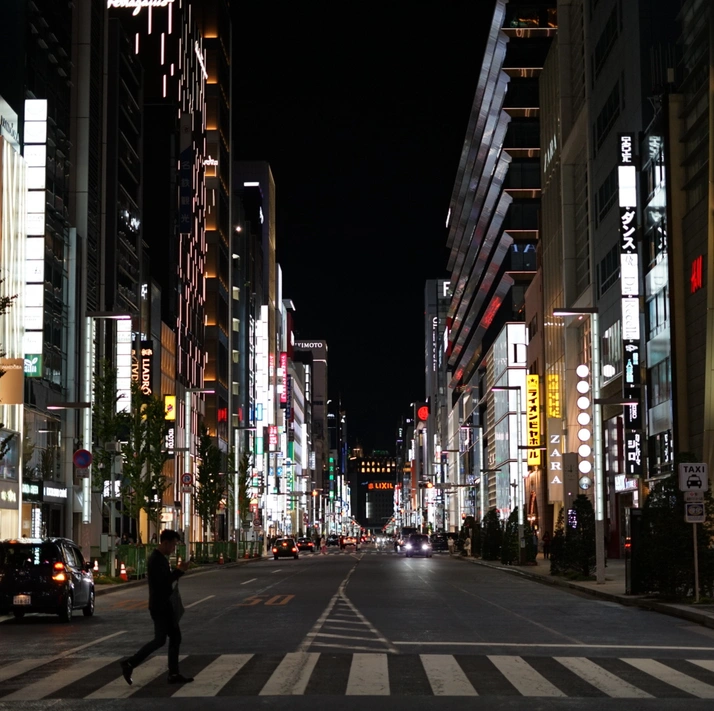
Flight and Accommodation: Getting the Best Deals
Our flight was Hainan Airlines' red-eye HU7919, departing from Chengdu at 20:40 and arriving in Tokyo at 1:00 AM. Round-trip tickets cost 2,260 yuan per person—a reasonable price for early summer travel. But the start wasn't smooth: Bo Shu fell ill after arrival, with a fever and tonsillitis, looking utterly drained. We booked a last-minute room at Mystay Hotel near Haneda Airport for 500 yuan per night. A taxi from the airport cost about 900 yen (roughly 50 yuan), and the room was spacious and comfortable, giving us a much-needed respite.
Pro Tip: Always carry basic medication when traveling to Japan. Local pharmacies in Ginza and other central areas are well-stocked, but prescription medicine requires a doctor's visit.
Navigating Tokyo's Transportation System
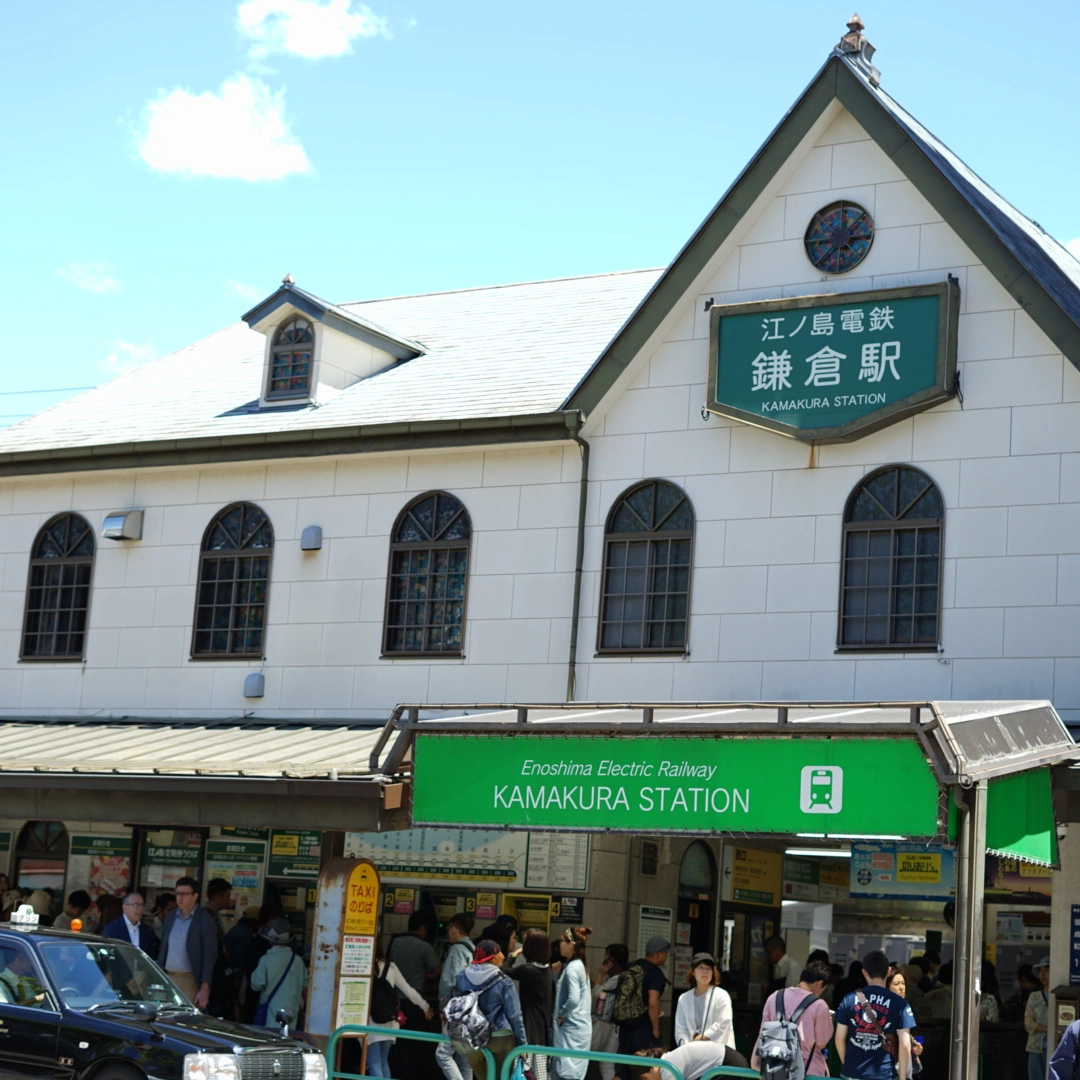
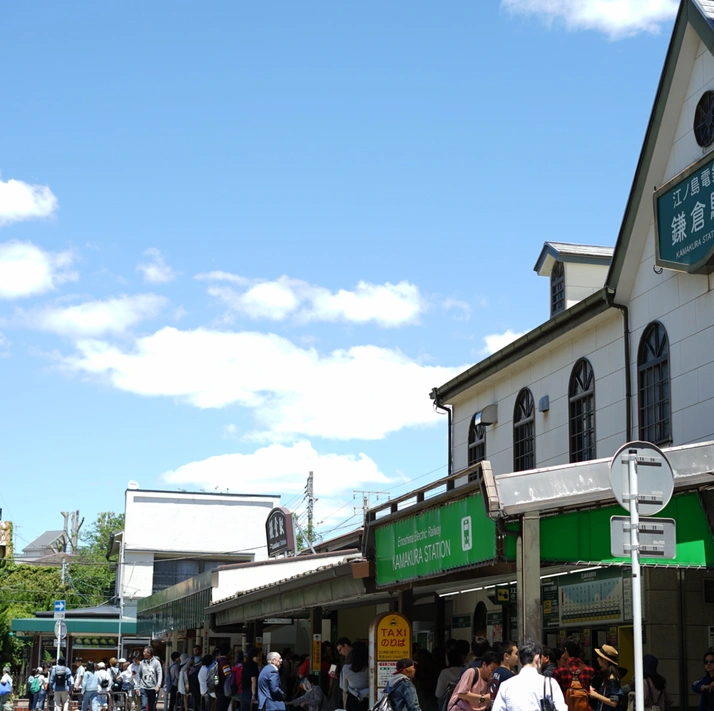
Starting from Shimbashi, we took the train to Kamakura Station. The Enoshima Electric Railway offers stunning coastal views—each frame looks like it was lifted from a manga. For Mount Fuji access, Shinjuku Station is your primary hub. Buses and trains connect to Fujiyoshida and Kawaguchiko regularly.
[Link: Japan Rail Pass vs. Suica Card: Which Is Right for Your Trip?]
Kamakura: Where Manga Romance Meets Reality
The Slam Dunk Pilgrimage at Kamakura-kōkōmae Station
Kamakura was Bo Shu's dream destination. In his era, Slam Dunk was all the rage, while my childhood was dominated by Digimon. So when he said he wanted to pay homage to his youth here, I agreed without hesitation. Stepping out of Kamakura Station, the fresh air hit us instantly. Unlike Tokyo's hustle, Kamakura had a simple, pure vibe—even the dogs on the street seemed more relaxed.
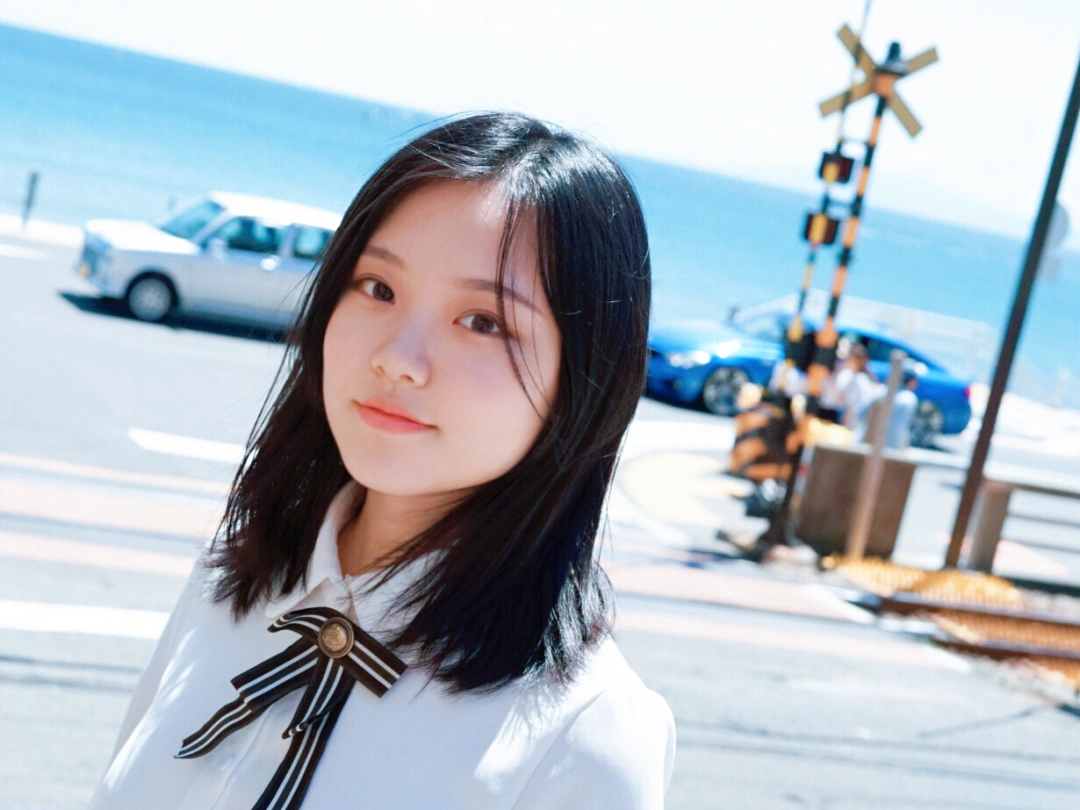
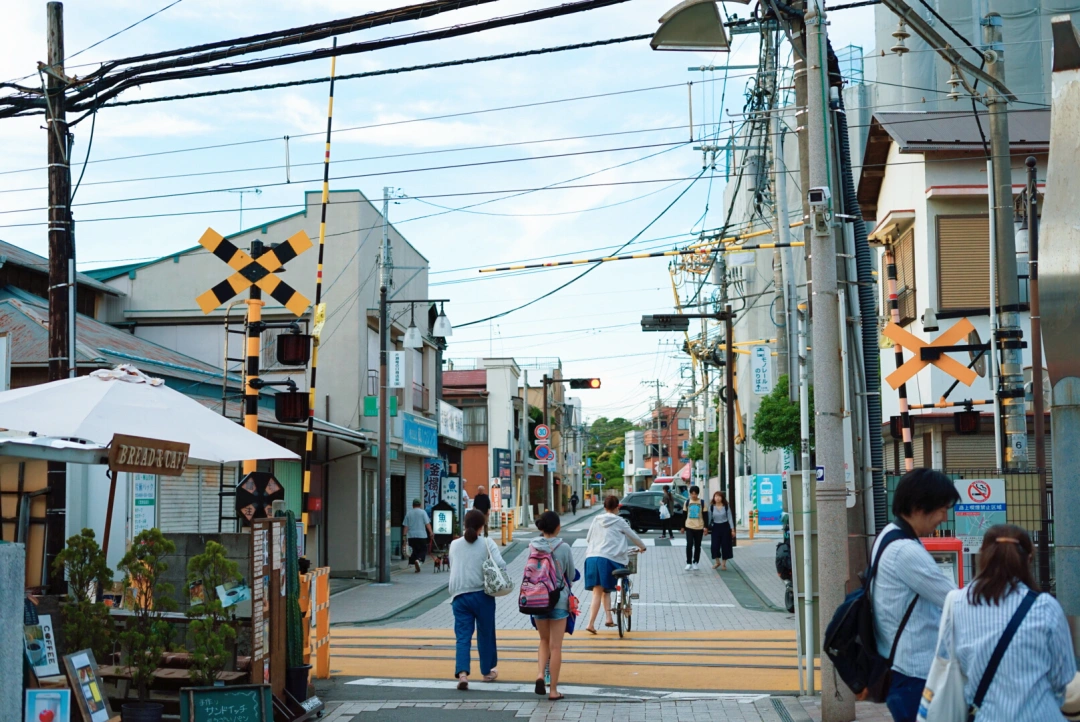
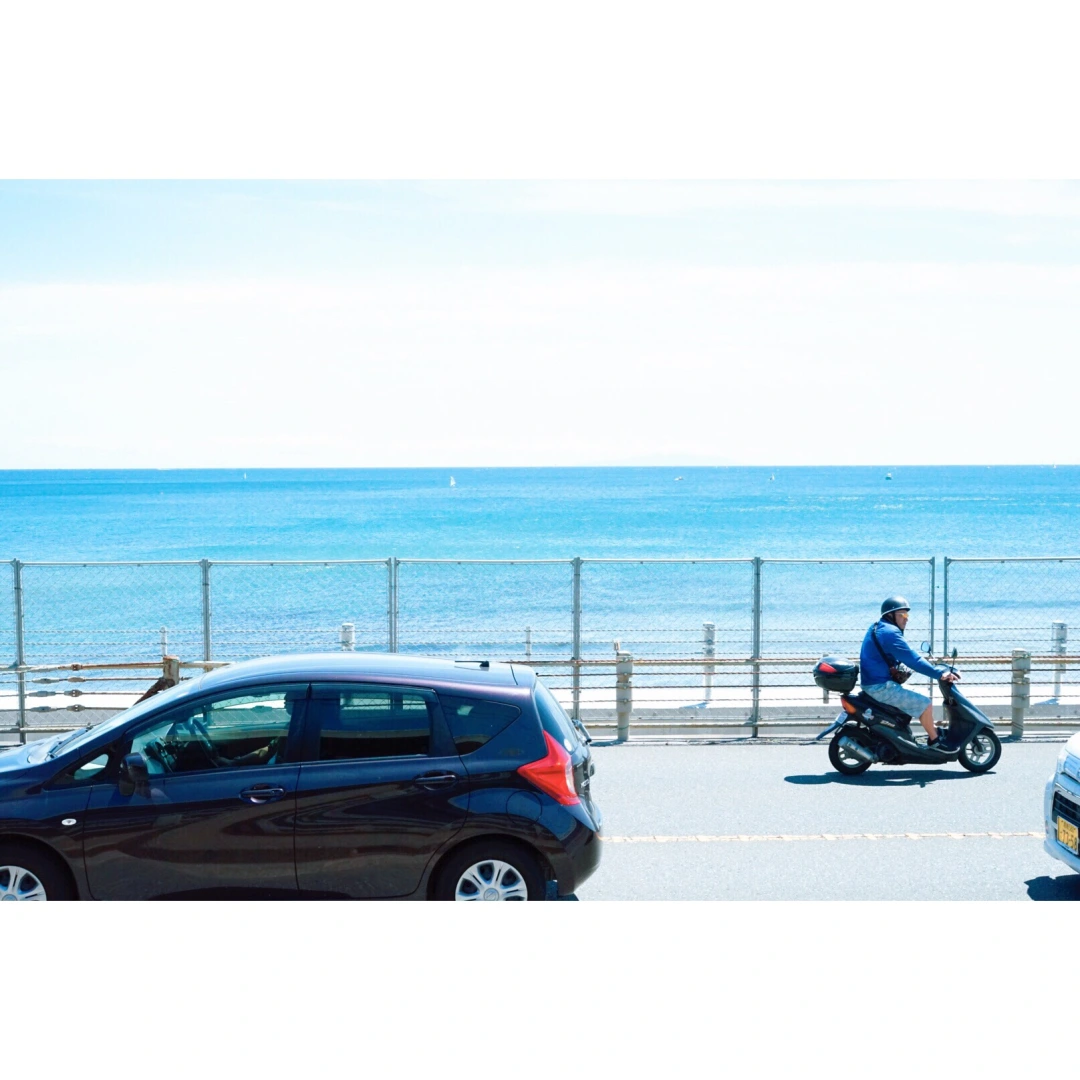
Our first stop was Kamakura-kōkōmae Station, where the iconic railway crossing stood before us—ocean behind, station ahead, traffic lights blinking, trains and cars weaving through. Bo Shu excitedly pulled out a Slam Dunk basketball jersey he'd prepared and struck poses at the crossing. Passersby gasped, probably not used to such uninhibited tourists. I changed into a jersey too, feeling a bit embarrassed, but seeing the photos later, I felt a deep sense of satisfaction.
Insider Tip: Visit early morning (before 9 AM) to avoid crowds. The crossing is busiest during school hours and weekends.
Hase-dera Temple: Serenity and Surprises
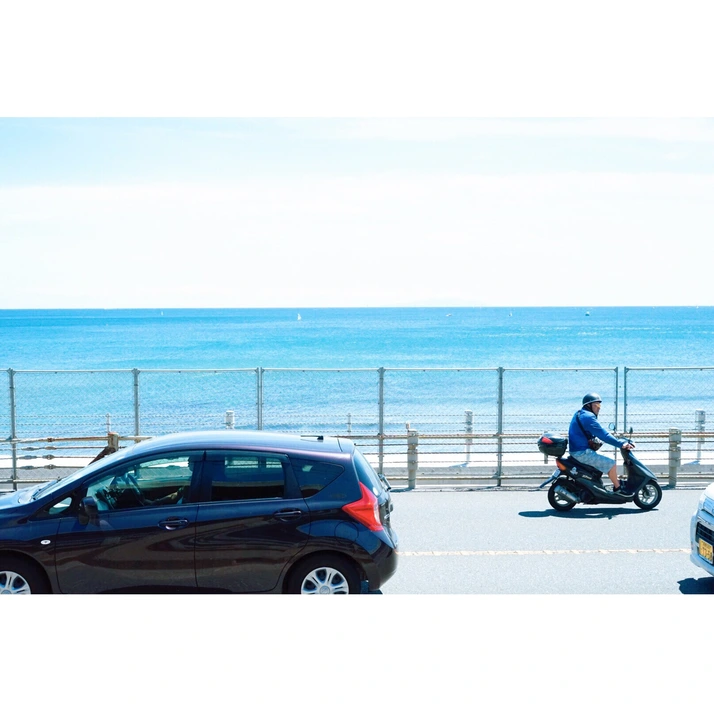
Our second stop was Hase-dera Temple. Hungry along the way, we opened Dianping and found Asaba-ya, a restaurant at the temple's entrance. At 2 PM, there was already a queue, including an elderly Japanese couple ahead of us—a testament to its popularity. We ordered the signature eel rice (unagi don). When it arrived after a long wait, the first bite made me realize how greasy the eel rice I'd eaten for over two decades had been—this one was sweet, pure, and free of any fishy odor, leaving a lasting impression.
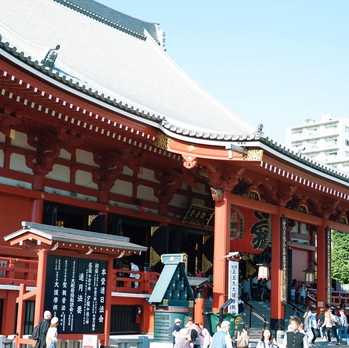
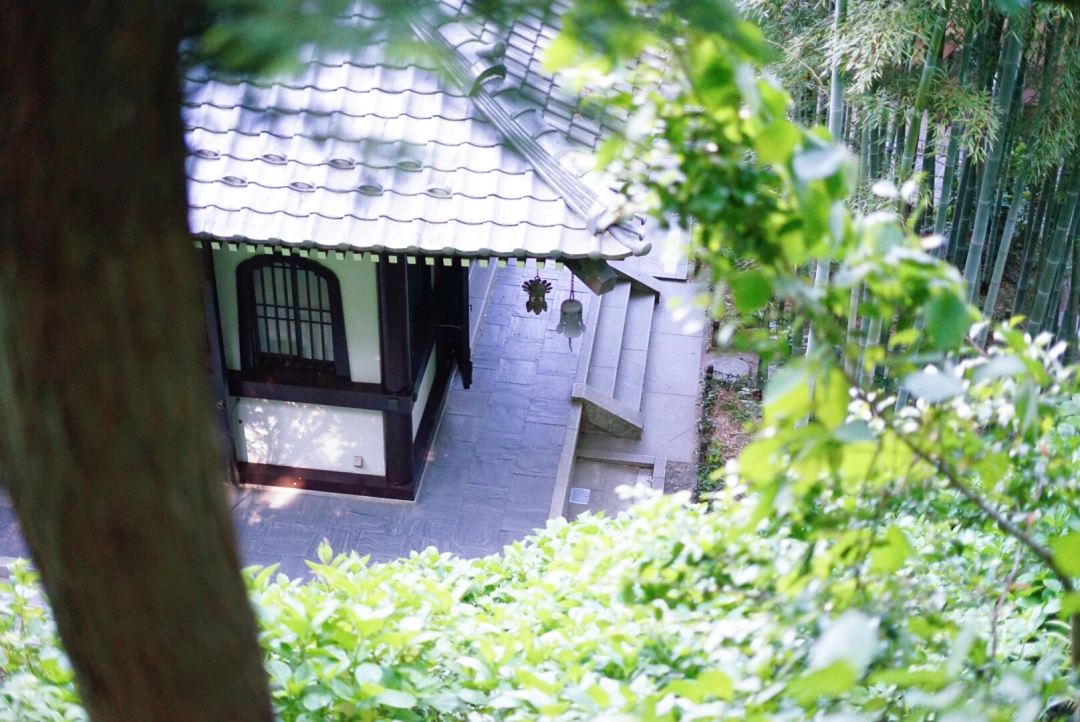
Hase-dera's entrance fee was 300 yen. As we climbed, the temple grounds felt clean and serene. Interestingly, there were many optional activities, like lighting water lanterns or offering to Jizō, all based on voluntary donations. At the main hall, we stumbled upon a group of university students selling simple portrait sketches. The style was adorable, and I couldn't resist—two portraits cost only 20 yuan. The young woman who drew us was lovely, capturing Bo Shu and me in chibi form with just a few strokes. It happened to be May 20th (a Chinese Valentine's Day), making it a special keepsake.
[Link: Top 10 Temples and Shrines in Kamakura You Must Visit]
Enoshima Island: Sunset Surprises and First Glimpse of Mount Fuji
Our final stop was Enoshima Island, arriving just before sunset. Exiting the station, we unexpectedly found an Alice in Wonderland-themed garden—complete with castles, the White Rabbit, and tea parties. The scene was meticulously recreated, a delightful surprise.
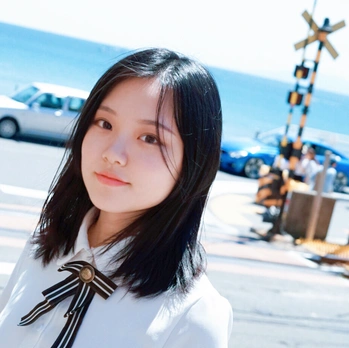
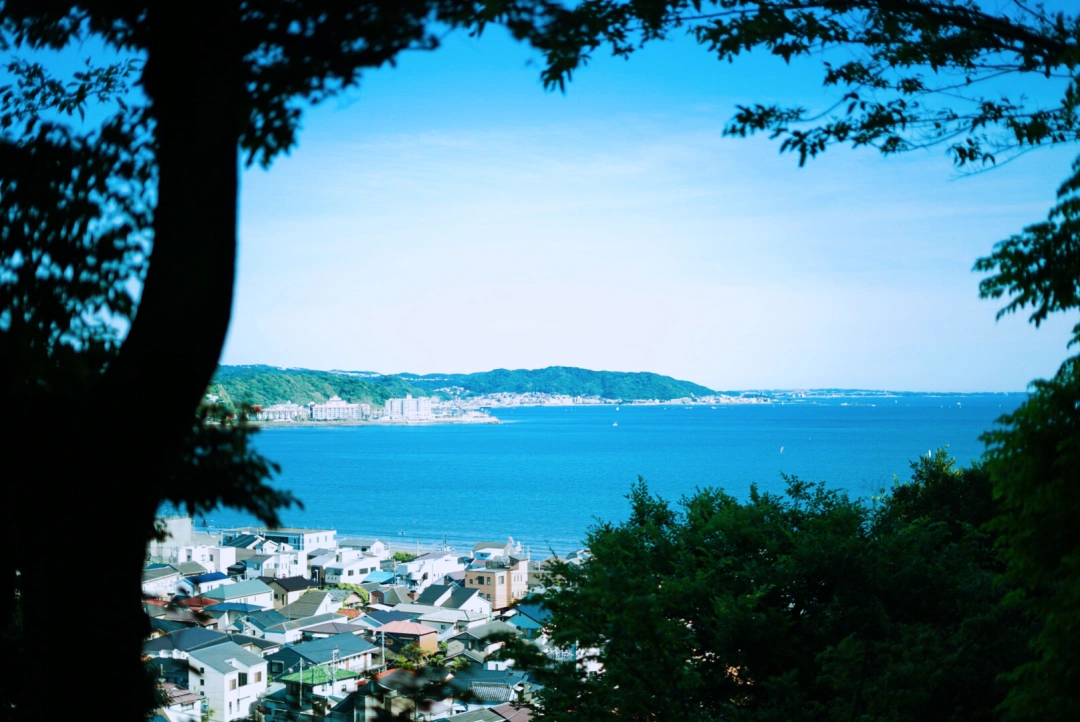
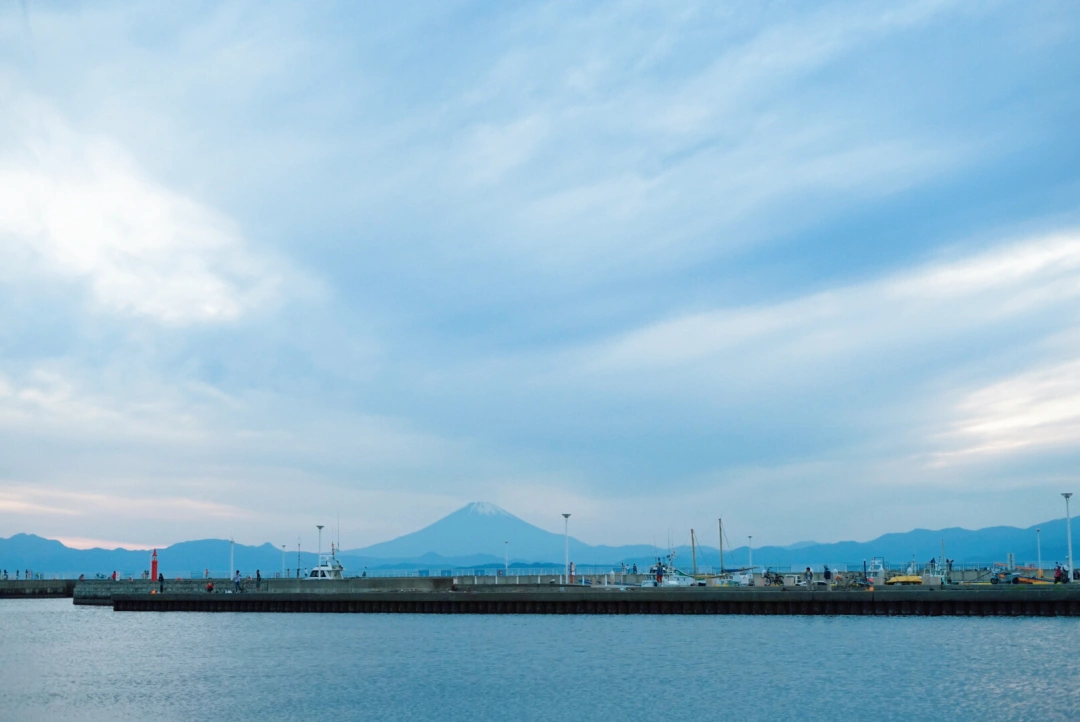
Walking across the bridge to Enoshima, the sunset was hidden behind clouds, leaving only faint golden hues. But in that moment, we caught our first glimpse of Mount Fuji on this trip—completely unobstructed, standing silently on the horizon. The awe made me marvel again at the magic of travel: you never know what surprise awaits around the next corner.
Tokyo DisneySea: A Carnival of Childlike Joy and Release
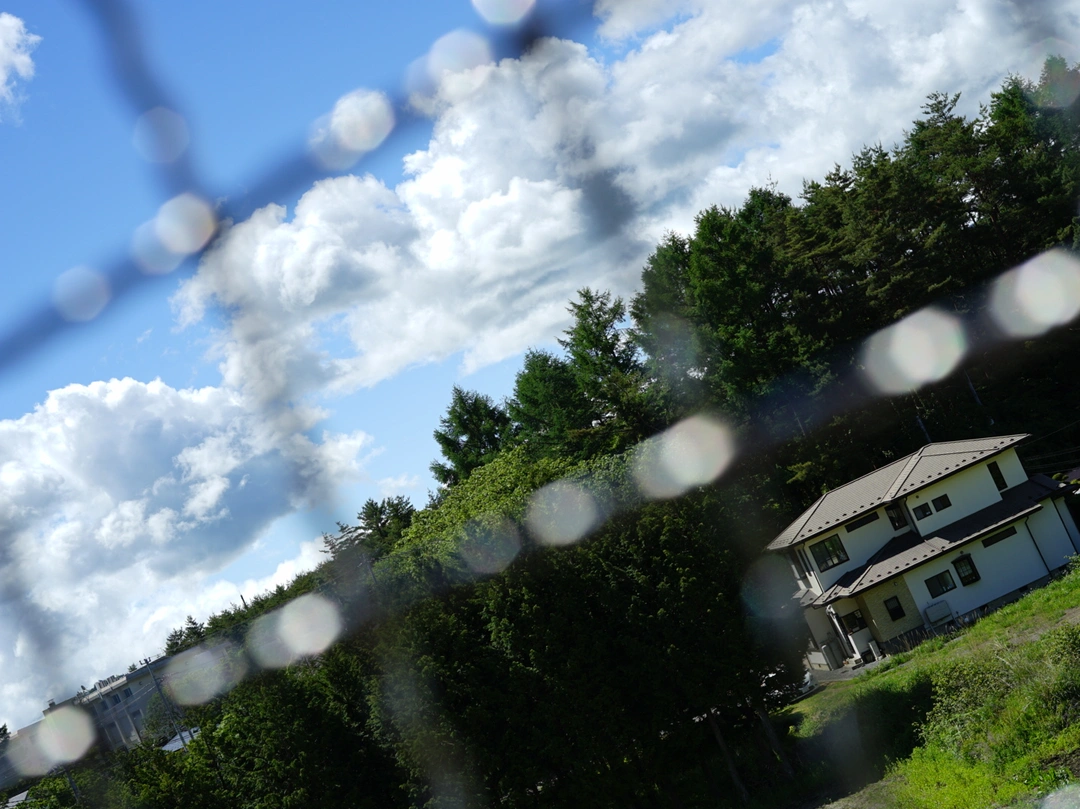
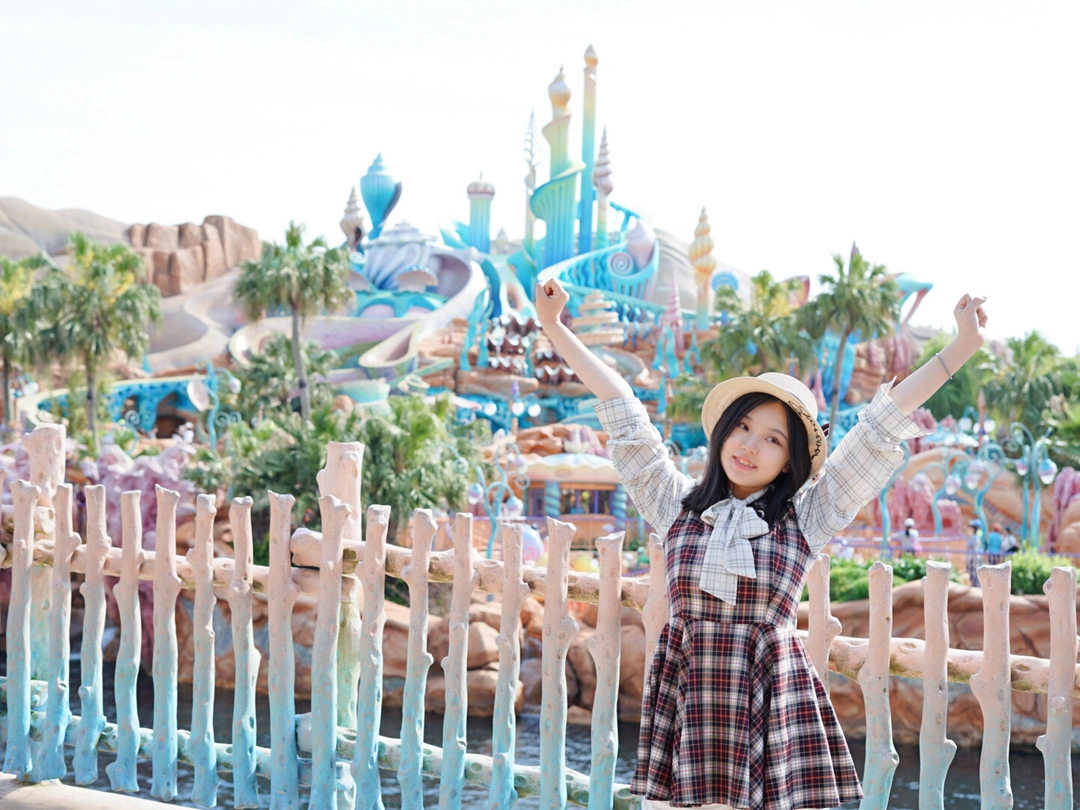
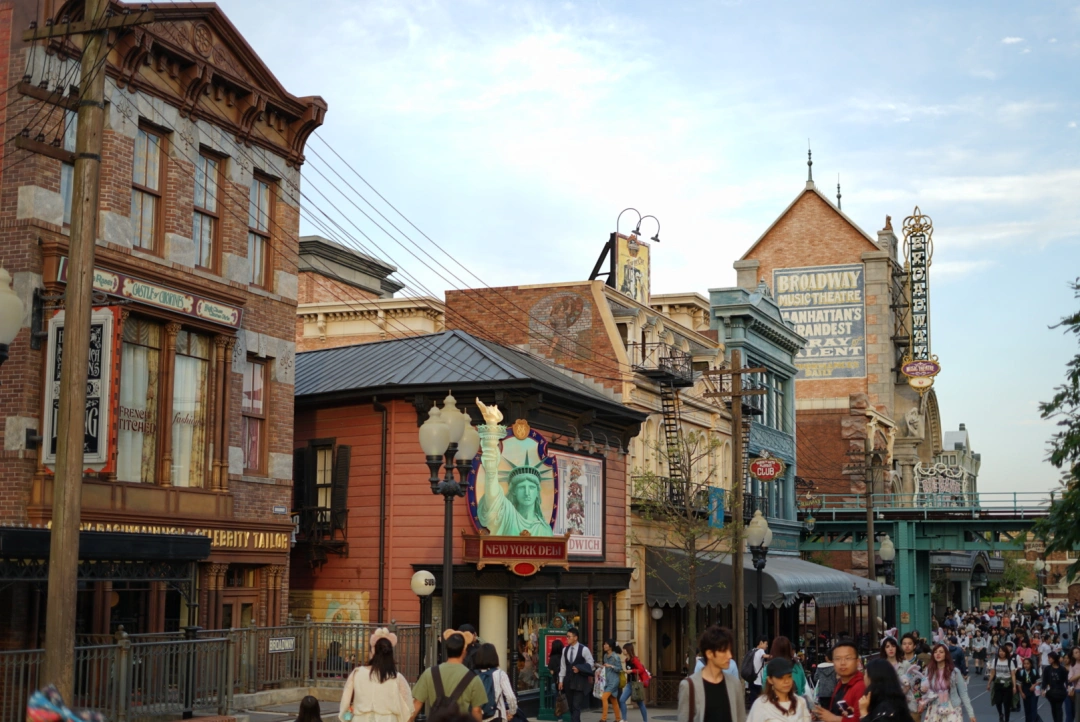
This was my second visit to Tokyo DisneySea. Last time, I was captivated; this time, despite some regrets, my fascination only grew. Tokyo Disney is said to have the best-selling annual passes in the world, with many locals treating it as a second home to release the immense pressure of daily work. On our visit, we met many locals with multi-day passes who enthusiastically helped plan our route, gave directions, and even pointed out the nearest trash cans.
In such a park, we—who had once sworn "we won't run for anything"—found ourselves sprinting between attractions with FastPasses, screaming on the Tower of Terror's plummeting drops, clapping along at parades like total tourists, and posing with every cute setup. Our smiles never faded, because here, no joy is unreasonable.
Must-Ride Attractions: - Tower of Terror - Journey to the Center of the Earth - Indiana Jones Adventure - Raging Spirits
[Link: Tokyo DisneySea vs. Tokyo Disneyland: Which Park Should You Choose?]
Asakusa: A Quiet Corner in the Bustle
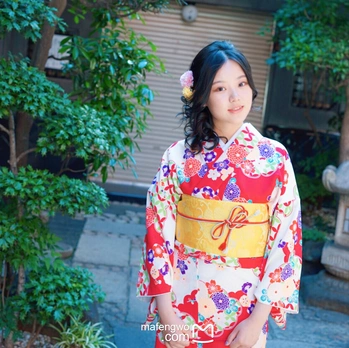
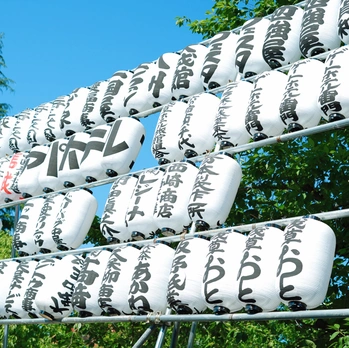
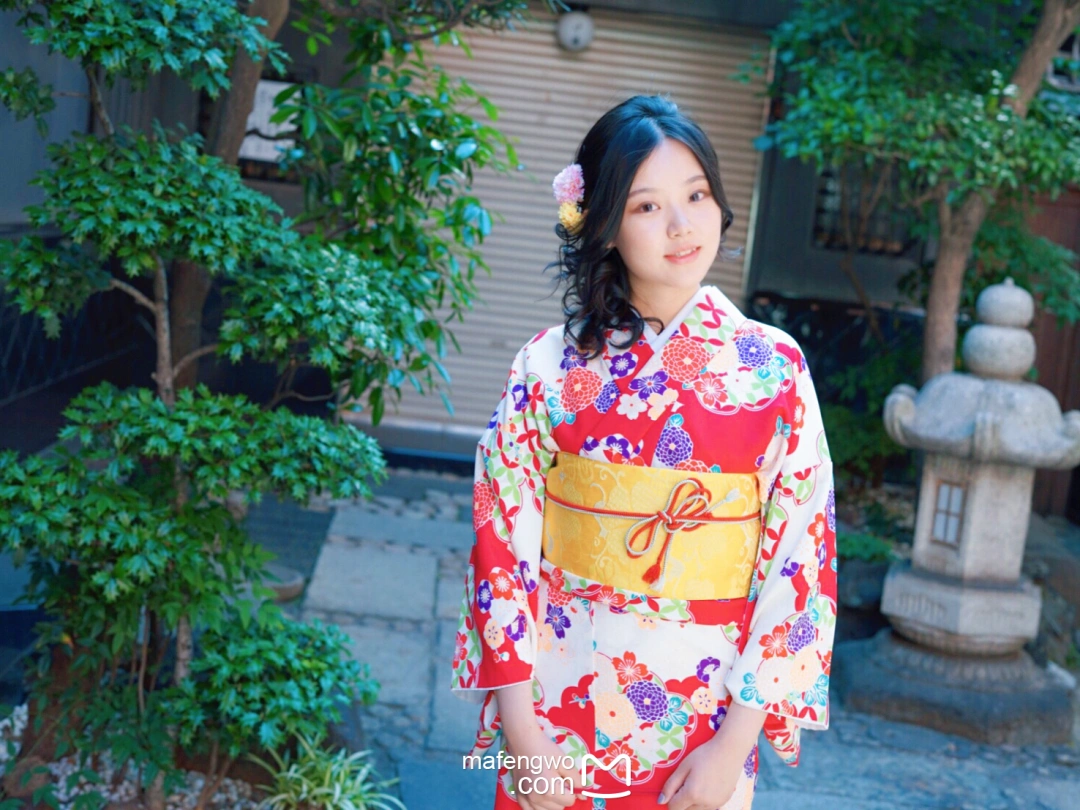
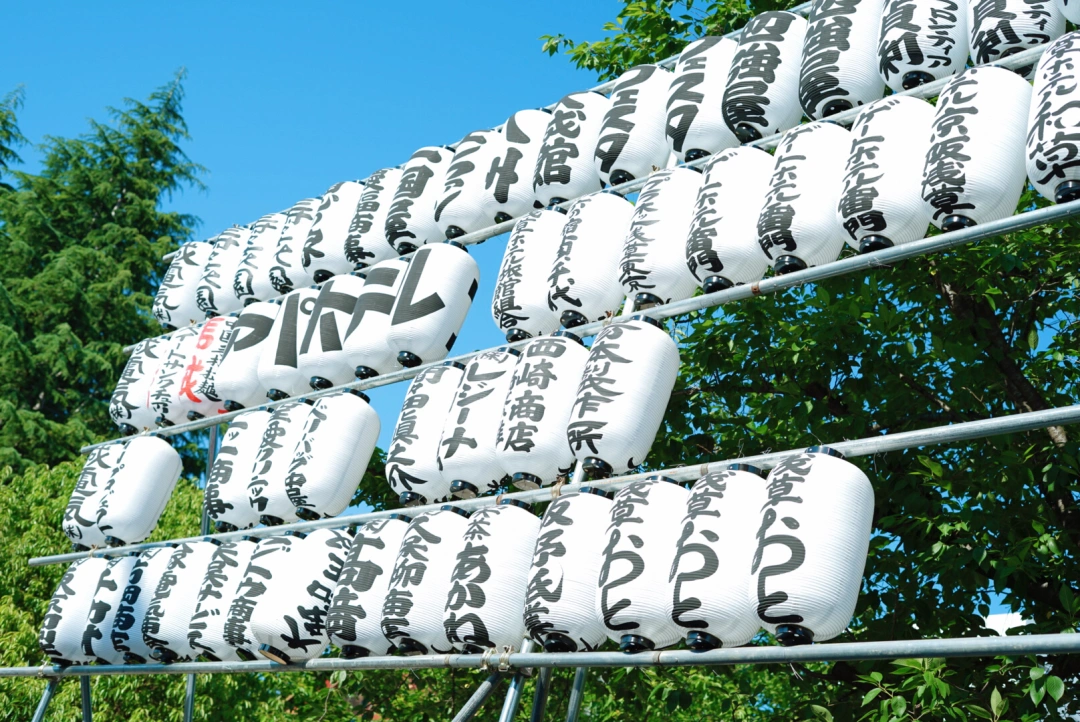
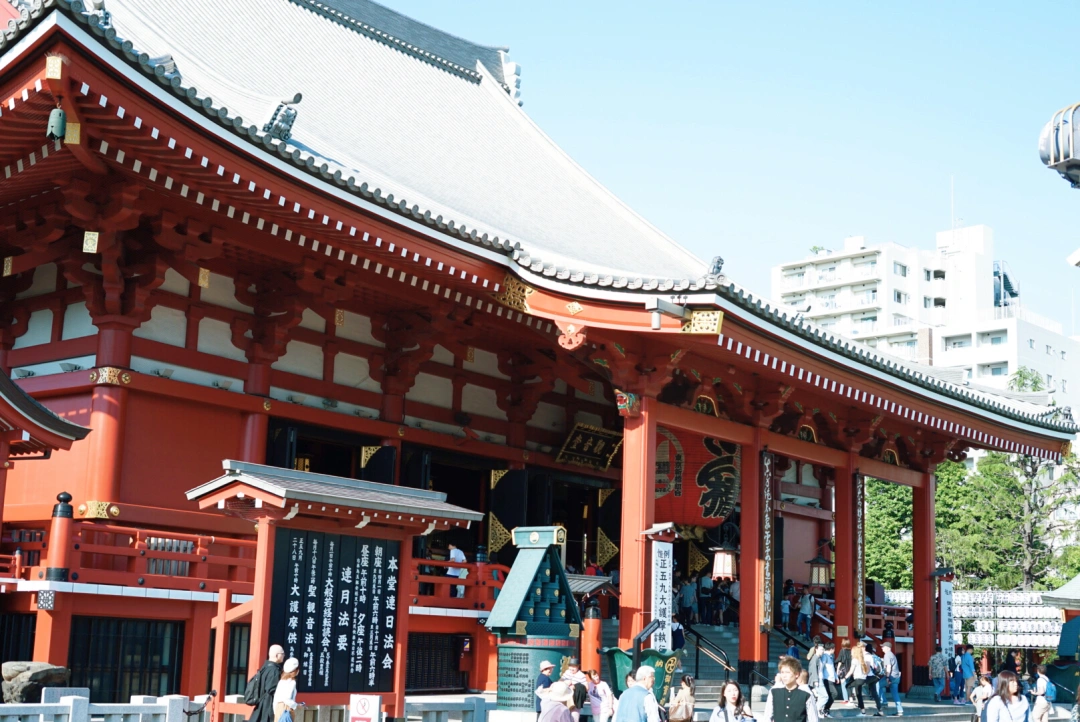
Returning to Senso-ji Temple for the second time, our goal was to draw fortunes and wear kimonos. Bo Shu had never seen me in a kimono, so I dragged him along for the experience. A year later, Asakusa was just as I remembered—the brilliant blue sky, the lively shopping street, the delicious beef croquettes, the ice-cold well water, and the crowded temple. Endless streams of tourists and school groups, the clatter of fortune sticks, the rustle of wind through leaves—everything felt so familiar.

I booked a kimono rental from Yae Kimono on Taobao. Compared to last year, they had expanded from one floor to two, with more styles available. I joked with the owner, "By next year, will you have rented out the whole building?" She smiled and said she hoped so. When I posted photos on social media, someone said I looked like Yi Nengjing. I quipped, "Is it because I give off mom vibes?"
Kimono Rental Tips: - Book at least 1 week in advance during peak season - Arrive early (9 AM) for the best selection - Bring your own makeup and hair accessories for customization
[Link: Senso-ji Temple: History, Fortune-Telling, and Nearby Attractions]
Mount Fuji: A Morning Surprise and Nature's Gift
The Uncertainty of Seeing Mount Fuji
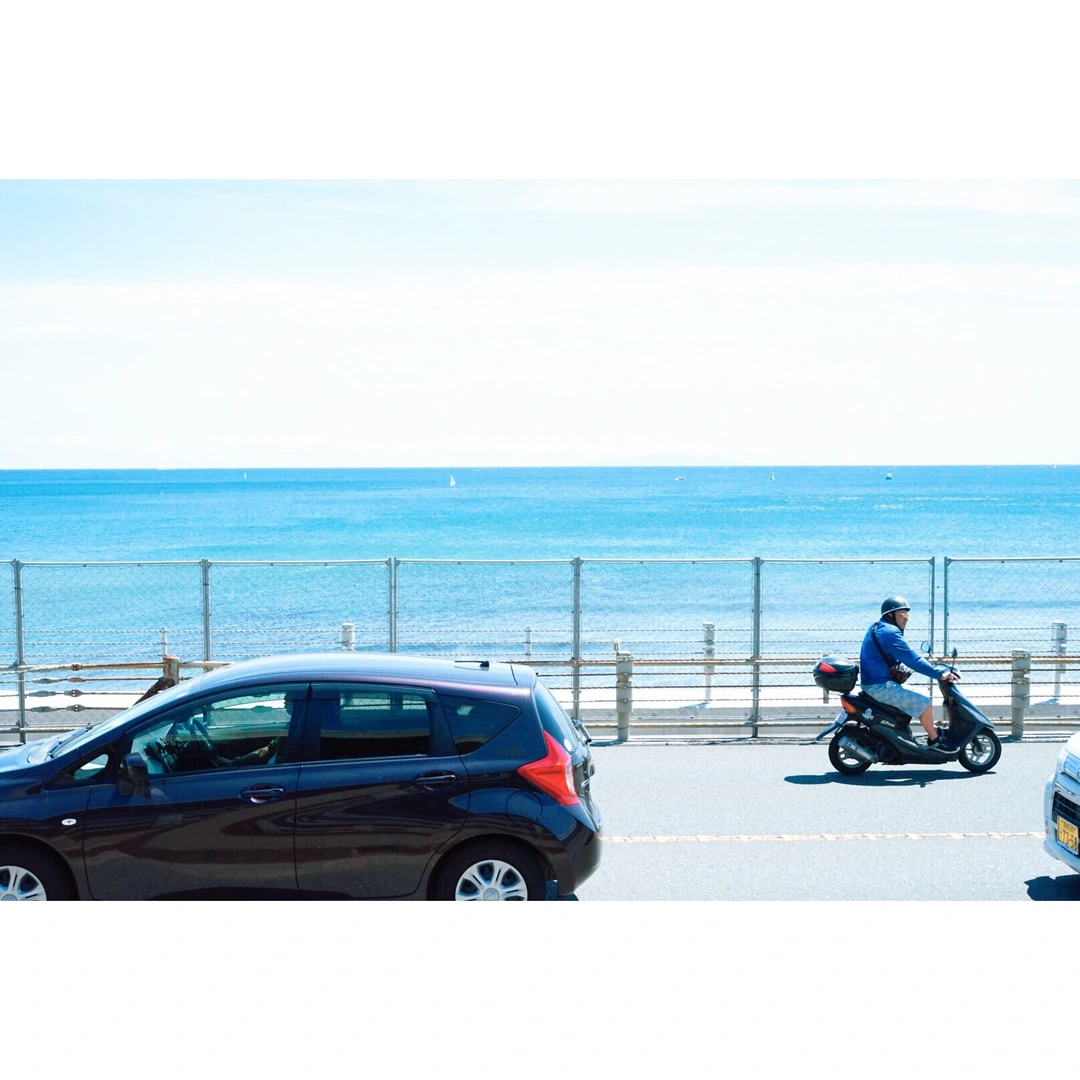
When people think of Japan, they think of Mount Fuji. But seeing it unobstructed is largely a matter of luck. Some see it on their first visit; others stay three or four days without catching a glimpse. This time, encouraged by Bo Shu, I resolved to venture to Fujiyoshida and find out.
On the fifth day, Tokyo was overcast. By the time we reached Shinjuku Station, it had started raining. I worried the whole way, terrified of becoming one of those who never see Mount Fuji. That day, the mountain was shrouded in gloom, its location completely invisible. We could only settle in for the night, praying for better luck the next morning.
The Magical Morning Reveal
At 6 AM the next day, I was awakened by sunlight streaming through the window. When I pulled back the curtains, I was utterly stunned—under a brilliant blue sky, Mount Fuji stood right before me, its pristine grandeur beyond words. Bo Shu and I spent half an hour taking photos on the balcony, then pulled up chairs to watch clouds drift by, until the mountain disappeared behind a veil of mist.
The path from Kawaguchiko to our hotel was lined with traditional Japanese gardens. Under the bright sun, the scent of flowers seemed to overflow. At Lake Kawaguchi, the water was calm, reflecting the mountain's perfect symmetry.
Best Spots for Mount Fuji Views: - Chureito Pagoda (Fujiyoshida) - Lake Kawaguchi (Kawaguchiko) - Oishi Park (Kawaguchiko) - Fuji Shibazakura Festival (late April to late May)
[Link: Mount Fuji Day Trip from Tokyo: Complete Itinerary]
Frequently Asked Questions About Tokyo and Mount Fuji Travel
1. What is the best time to see Mount Fuji clearly?
The best visibility for Mount Fuji is during winter (December to February) when the air is clearest. However, early summer (May to June) offers a good balance of pleasant weather and reasonable visibility. Avoid the rainy season (June to mid-July) and typhoon season (August to October).
2. How many days do I need for Tokyo and Mount Fuji?
A minimum of 5-7 days is recommended: 3-4 days in Tokyo, 1-2 days for Kamakura and Enoshima, and 1-2 days for Mount Fuji area. This allows for flexibility in case of bad weather.
3. Is it worth visiting Tokyo DisneySea for adults?
Absolutely. Tokyo DisneySea is widely considered the most beautiful Disney park in the world, with unique themed ports like Mediterranean Harbor, Arabian Coast, and Mysterious Island. Adults will appreciate the sophisticated design, thrilling rides, and excellent dining options.
4. How do I get from Tokyo to Mount Fuji?
The most common route is taking the highway bus from Shinjuku Station to Kawaguchiko (about 2 hours, 2,000 yen). Alternatively, you can take the JR Chuo Line to Otsuki, then transfer to the Fujikyu Railway. For Fujiyoshida, buses also depart from Shinjuku.
5. What should I pack for early summer Japan?
Pack light layers: T-shirts, long-sleeve shirts, a light jacket or cardigan for evenings. Comfortable walking shoes are essential. Don't forget sunscreen, an umbrella (for sudden rain), and a reusable water bottle. If visiting Mount Fuji, bring a warm jacket—mornings can be chilly.
Conclusion: Your Heartwarming Encounter Awaits
This journey through Tokyo and Mount Fuji in early summer was more than a vacation—it was a reminder of why travel matters. From the nostalgic railway crossing in Kamakura to the childlike joy of DisneySea, from the serene temples of Asakusa to the majestic morning light of Mount Fuji, every moment felt like a gift.
If you're dreaming of Japan, don't wait. Book your flights, pack your bags, and let the early summer breeze carry you to this enchanting land. Whether you're a first-time visitor or a returning traveler, Japan in early summer holds a magic that's hard to resist.
Ready to plan your own heartwarming encounter? Start by checking flight deals to Tokyo, then build your itinerary around these unforgettable experiences. Your adventure awaits.
[Link: Book Your Tokyo and Mount Fuji Tour Package Today]
Have you visited Tokyo and Mount Fuji in early summer? Share your experiences in the comments below—we'd love to hear your stories!
You may also like