Tibet: A Place You'll Regret Going, But Regret Not Going Even More – The Ultimate Travel Guide
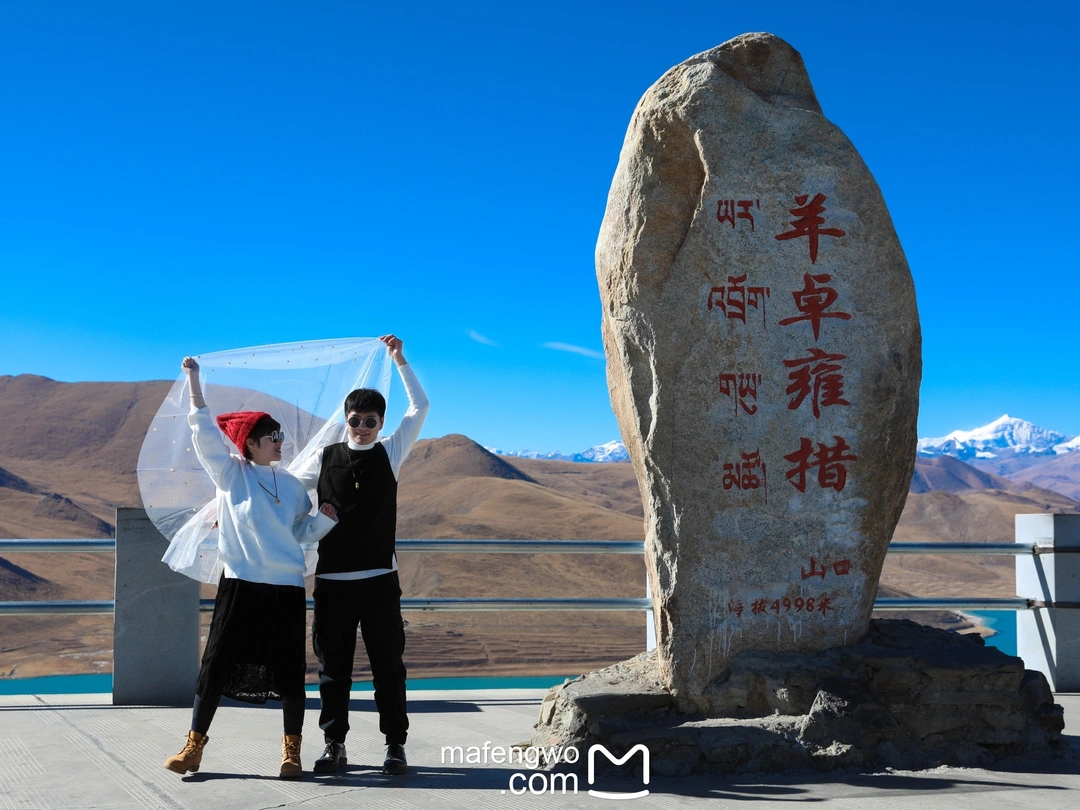
Meta Description: Discover why Tibet is a destination you'll both love and hate. From the Qinghai-Tibet Railway to Barkhor Street, this honest guide covers altitude sickness, free winter attractions, and the transformative power of faith.
Introduction: Why Tibet Haunts You Before You Even Arrive
Have you ever had that experience? A certain place, a certain thing—there's no compelling reason to go, yet it takes root quietly in your heart like a seed. For me, Tibet was exactly that kind of presence.
To be honest, I never believed in that saying, "You must go to Tibet once in your lifetime." Why should I? I'd rather not. I might go many times, and who knows, maybe my descendants will settle there someday. But fate has a way of playing tricks on you. It doesn't directly tell you, "Go." Instead, it uses countless coincidences, fragments, and hints—like puzzle pieces—slowly assembling a complete answer.
This is the paradox of Tibet travel: you'll regret going (the altitude, the discomfort, the struggle), but you'll regret not going even more (the faith, the landscapes, the transformation). Let me take you through my journey—from the 40-hour train ride to the spiritual awakening at Jokhang Temple—so you can decide for yourself.
How Tibet "Seduced" Me: The Tiny Signs That Led to the Journey
It all started on a night when I had just recovered from a fever. Lying in bed, I randomly clicked on A World Without Thieves. I'd seen this movie many times, could recite the lines by heart, yet never truly understood it. But this time, the story unfolded in Lhasa, in front of the Jokhang Temple. I told my partner, "Let's take the train to see the Qinghai-Tibet Railway."

Over the next week, this thought snowballed. I began noticing everything around me related to Tibet—a Tibetan photographer's Weibo posts, a TV drama where the heartbroken heroine said, "I'm planning to go to Tibet," news headlines scrolling about "free admission to winter Tibet scenic spots"... Even my New Year's resolution to "lose weight to 90 pounds and shoot wedding photos in Tibet"—though unfulfilled—showed progress, as if hinting at something.
What finally sealed the deal was an official notice: all 5A-rated scenic spots in Tibet were offering free admission during winter. At that moment, I felt bewitched—no second-guessing, just charging ahead. After accompanying my best friend through childbirth and filming her delivery room documentary, I "escaped."
SEO Tip: If you're planning a winter Tibet trip, check for free admission policies at major attractions like Potala Palace and Jokhang Temple. [Link: Tibet winter travel deals]
The 40-Hour-40-Minute "Life-or-Death Trial" on the Qinghai-Tibet Railway
Heaven and Hell on the Train
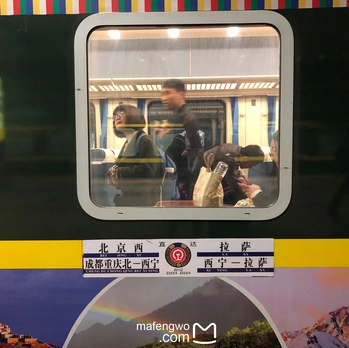
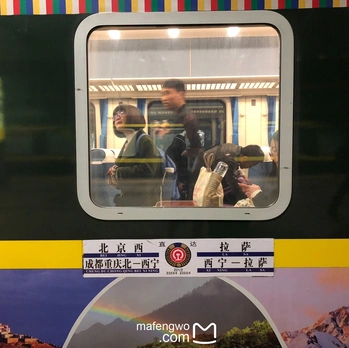
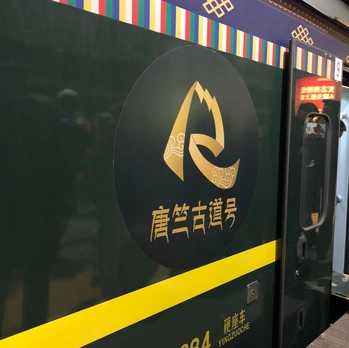
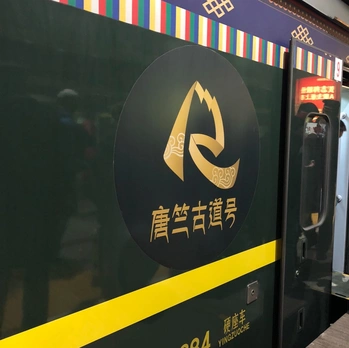
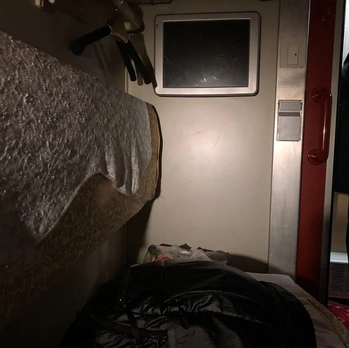
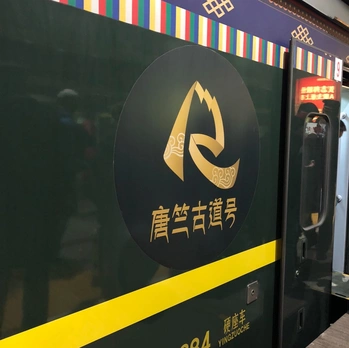
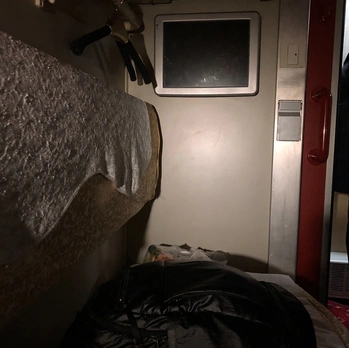
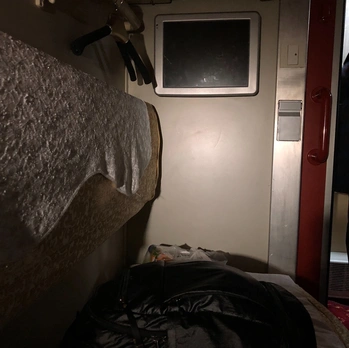
Beijing to Lhasa, Train Z21, 40 hours and 40 minutes. If you only plan to experience the Qinghai-Tibet Railway once and have the budget, opt for the deluxe soft sleeper. The first half of the journey was pure bliss—sleeping like the dead, catching up on U Can U Bibi (a talk show), no noisy roommates, no smelly feet, no endless phone calls, no crying kids.
But the good times didn't last. Once we entered the high-altitude plateau, the compartment was down to just me and my partner. Passing through the Tanggula Mountains in the middle of the night, I felt like I was being steamed alive—scorching hot, bone-dry, struggling to breathe, splitting headache, and dragging what felt like a dismembered body to the toilet to deal with diarrhea. At that moment, I just wanted to go home and find my mom.
My partner and I hugged the same trash can, throwing up together, clinging to each other for dear life. If we hadn't had each other, I would have bought a return ticket the moment I got off. Forget wiping the train windows to see snowy mountains, Qinghai Lake, or Tibetan antelopes—all of that was out the window. We just wanted to be home, curled up on the couch watching some mindless soap opera.
Scenic Relief Along the Way
Still, the passing scenery occasionally offered some healing. Snow-capped peaks, Qinghai Lake, blue skies, the desolate vastness of the land—these images acted like painkillers, briefly easing our suffering. We snapped photos of each other's miserable states, vowing, "This is the first and last time we take the train into Tibet."
SEO Tip: For altitude sickness prevention, bring oxygen canisters, stay hydrated, and avoid alcohol. [Link: Altitude sickness remedies for Tibet]
Arrival in Lhasa: The "Welcome" from the Sun City
Stepping out of Lhasa Railway Station, it felt like a late spring day where you hadn't taken off your thermal underwear. Looking back at the station, it seemed brand new, far from the city, with few people around. Only the sun shone warmly, welcoming you to Lhasa's winter "late spring." The Sun City lived up to its name.
Altitude sickness seemed to burn off a little, but my limbs still felt weak. I hailed a taxi through Didi (a ride-hailing app), but the driver refused to use the meter—flat rate of 40 yuan. After some haggling, we settled on 30 yuan, and the driver seemed pleased. That's just how it works at Lhasa's train station.
Accommodation: Underfloor Heating Was a Lifesaver
As a northerner, I know the importance of underfloor heating. I chose a guesthouse with radiant floor heating, where the top floor offered a view of the Potala Palace's back. I later learned that no building in Lhasa exceeds the height of the Potala Palace—perhaps to avoid blocking the Buddha's light (I'm just guessing). The room was spacious, with a separate shower and toilet, clean enough to put me at ease. The large smart TV let me binge-watch Empresses in the Palace from the comfort of my hotel room—pure tranquility.
The room did have underfloor heating, but I'd advise against cranking it up too high. The hotter it is, the more oxygen your body needs, and the worse altitude sickness gets. My comfortable temperature was 21–23°C (70–73°F).
SEO Tip: When booking Lhasa accommodation, prioritize places with underfloor heating or oxygen supply. [Link: Best hotels in Lhasa for altitude sickness]
Acclimatization: From "Wreck" to "Normal Person"
Norbulingka: Slow-Paced Healing
On my second day in Lhasa, I skipped the Potala Palace—given my condition, I couldn't have climbed it anyway. Instead, I chose Norbulingka, Lhasa's "Summer Palace." The garden wasn't large, but I spent three to four hours there. Walking slowly, soaking up the sun, photographing the architecture, the monks, Tibetan mothers carrying babies on their backs, and children visiting the zoo. Their faces were flushed red, all smiles, free from worries.
Yellow walls, incomprehensible prayer flags, golden leaves shimmering in the light, low white-and-red walls, dark-skinned faces tinged with red... and the oranges in my camera bag. The wind picked up, my head started to ache, and I figured I'd seen enough.
Transportation: The Best Way to Blend In
Lhasa is small, and buses are incredibly convenient. Just have one yuan ready, check the route, and hop on. Buses are the best way to immerse yourself in a city—they move slowly, and the passengers are people going to work, school, or their morning strolls. You're not a tourist; you're one of them.
"White Pagoda Stop" — this is a must-visit spot in Lhasa. There are several pagodas in the middle of the road, and a nearby viewing platform where you can capture the same image as the one on the back of the 50-yuan bill. Come here at dawn to watch the sunrise. The sky gradually turns blue, the distant mountains shift in light and shadow, and the sun slowly grows larger. The Potala Palace, bathed in sunlight, begins to glow with a golden edge. Standing here watching the sunrise, all your worries melt away.
SEO Tip: For the best photos of Potala Palace, visit the White Pagoda viewing platform at sunrise. [Link: Lhasa photography spots]
Barkhor Street: The Power of Faith
On the third day, I picked up a rental car and felt much better. I went to Barkhor Street, where for the first time I was swept along by the crowd of circumambulating Tibetans into the Jokhang Temple square. Elderly men and women all held small prayer wheels, spinning them as they walked. I bought one myself and joined in, spinning as I walked. Strangely enough, it felt like my altitude sickness was spinning away.
What struck me most were the pilgrims performing full-body prostrations. They wore thin clothes, crawling and bowing their way forward, their foreheads bruised dark, their feet covered in dust. I had no idea how long they'd been at it, but the scene nearly brought tears to my eyes. I circled the street twice with the crowd, bought gifts for my family, and kept spinning my prayer wheel, praying for the altitude sickness to pass quickly and for a safe journey ahead.
Sincerity works. It really does.
SEO Tip: Barkhor Street is the best place to buy authentic Tibetan souvenirs and experience local culture. [Link: Shopping in Lhasa]
Nyingchi: From Hell to Heaven
Sinking Lake: The Persistence That Almost Broke Me
From Lhasa to Nyingchi, less than 300 kilometers, took nearly five hours. Along the way, we passed Sinking Lake, a 3A-rated scenic spot. After paying the 15-yuan entrance fee, we followed the signs for another half hour before reaching the lake. The water was so clear you could see the bottom, surrounded by snow-capped peaks. It was a moment of pure serenity—worth every bit of the struggle.
FAQ: Everything You Need to Know About Tibet Travel
1. Is Tibet worth visiting in winter?
Absolutely. Winter offers free admission to major attractions, fewer crowds, and stunning snow-capped landscapes. Just prepare for cold temperatures and altitude sickness.
2. How do I prevent altitude sickness in Tibet?
 Stay hydrated, avoid alcohol, take it slow on the first few days, and consider bringing oxygen canisters. Acclimatize in Lhasa before heading to higher altitudes.
3. What's the best way to get to Tibet?
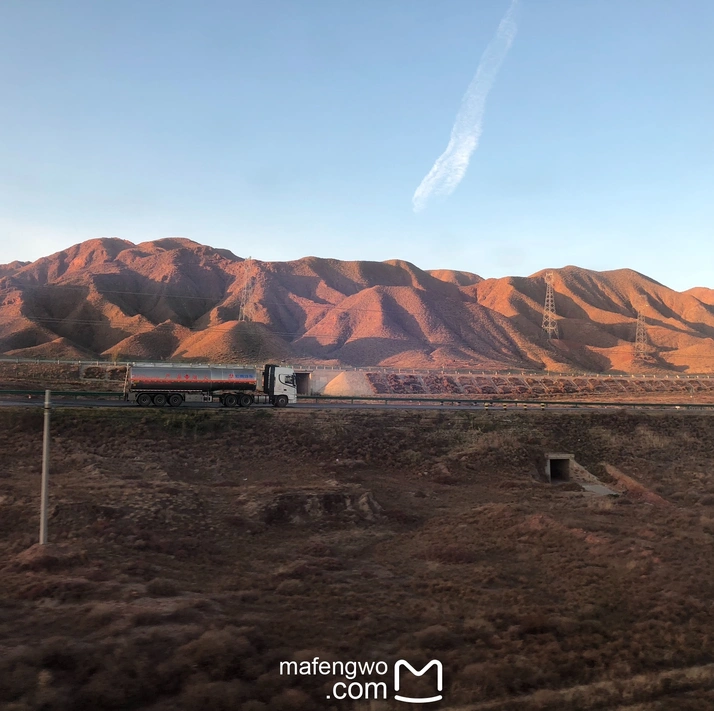 The Qinghai-Tibet Railway from Beijing or Xining offers a scenic but challenging journey. Flights are faster but may worsen altitude sickness due to rapid ascent.
4. Can I visit Tibet independently?
Yes, but you need a Tibet Travel Permit and an organized tour for certain areas like Mount Everest Base Camp. [Link: Tibet travel permits]
5. What should I pack for a Tibet trip?
Warm layers, sunscreen, sunglasses, a hat, comfortable walking shoes, and altitude sickness medication. Don't forget a good camera for the landscapes.
Conclusion: The Tibet Paradox – You'll Regret Going, But Regret Not Going Even More
Tibet is not a vacation; it's a trial. It will test your body, your patience, and your spirit. But in return, it offers something no other place can: a glimpse into a world where faith moves mountains, where the sun shines brighter, and where struggle transforms into serenity.
If you're reading this and feeling that tug—that quiet, persistent pull toward Tibet—don't ignore it. Book the train, pack your bags, and prepare for the journey of a lifetime. You'll regret going. But you'll regret not going even more.
Ready to plan your Tibet adventure? Start by checking out our [Tibet travel guide] for itineraries, permits, and insider tips. Or join our [Tibet travel community] to connect with fellow travelers. Your journey begins now.
You may also like