Three Years Under the Plane Trees: Rediscovering Shanghai’s Soul, One Step at a Time
Here is the SEO-optimized rewrite of your article. It is structured for search visibility, readability, and user engagement, while strictly preserving the factual details and emotional tone of the original.
SEO Title: Three Years Under the Plane Trees: Rediscovering Shanghai’s Soul, One Step at a Time
Meta Description: A doctor traded a white coat for a camera. Explore Shanghai’s soul through Wukang Road, plane tree shadows, and hidden longtang in this three-year walking journey.
Introduction: When the White Coat Came Off
At thirty, I stood at a crossroads in life, clutching an employment contract from a top-tier hospital in my hand, yet feeling an emptiness in my heart. A decade of medical training—from a small northern town to the dazzling streets of Shanghai—had crammed my youth full of white coats and shift schedules. Before I ever had the chance to ask myself, “What do I truly want?” I was already being pushed into the next phase.
But that restless heart, yearning for freedom, kept beating inside my chest.
Thirty—roughly the halfway point of life—I made the willful decision to hit the pause button and take my first gap year. That year, I traveled alone through 10 countries and 32 cities. I danced on the streets of Havana, sat idly in a Viennese café, and got lost in the twilight of Prague. Every frame of the journey, every smile from a stranger, felt like a healing balm for my anxious soul.
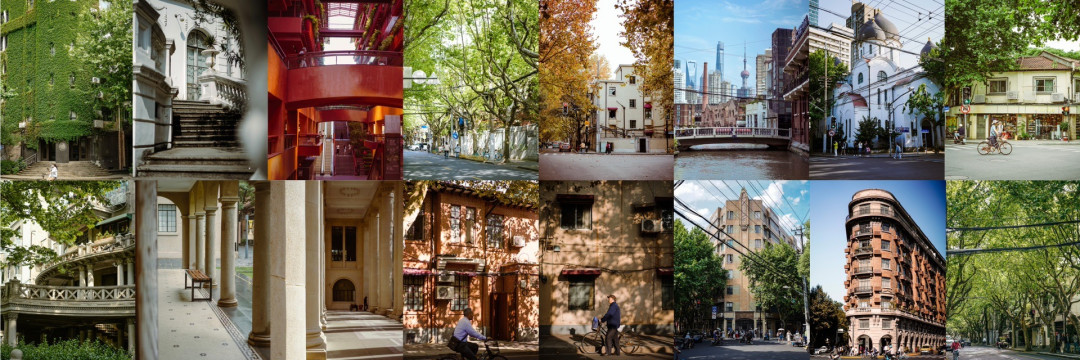
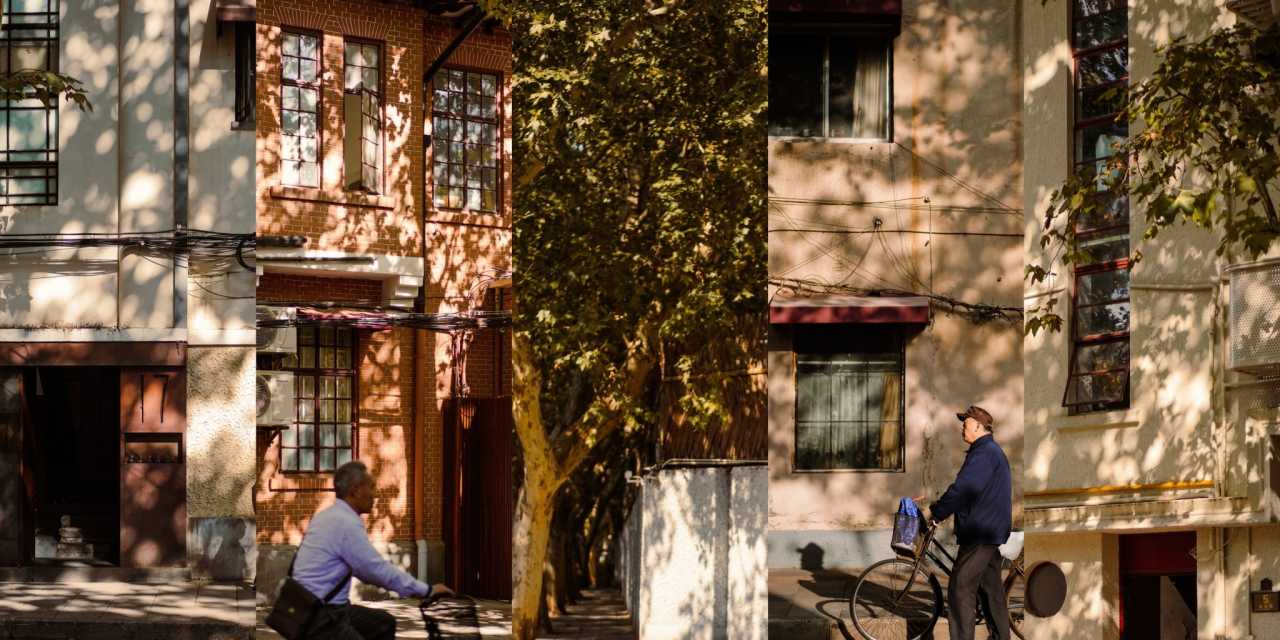
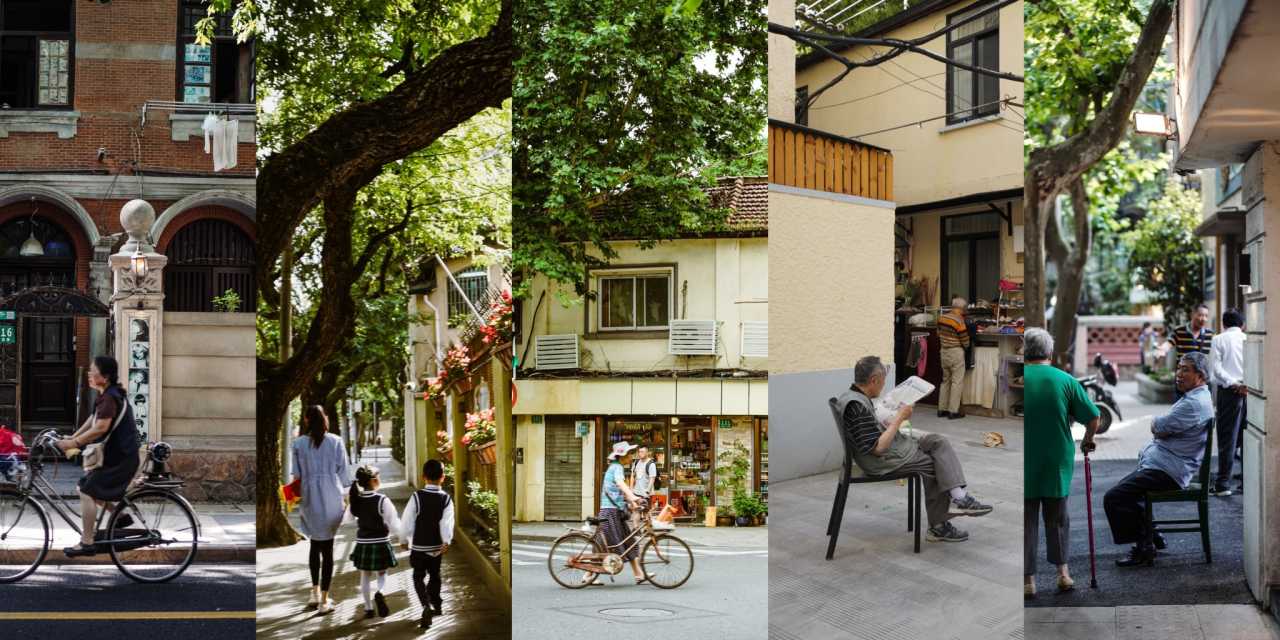
Later, when work made long-distance travel impossible, I turned my lens toward the city beneath my feet. Every weekend, I’d sling my camera over my shoulder and wander into Shanghai’s streets and longtang (traditional alleyways), its historic residences and old sites. On paths dappled with plane tree shadows, I began to rediscover this city—so familiar, yet so foreign.
That walking journey lasted three years.
Why Shanghai’s Soul Lives in Its Old Buildings
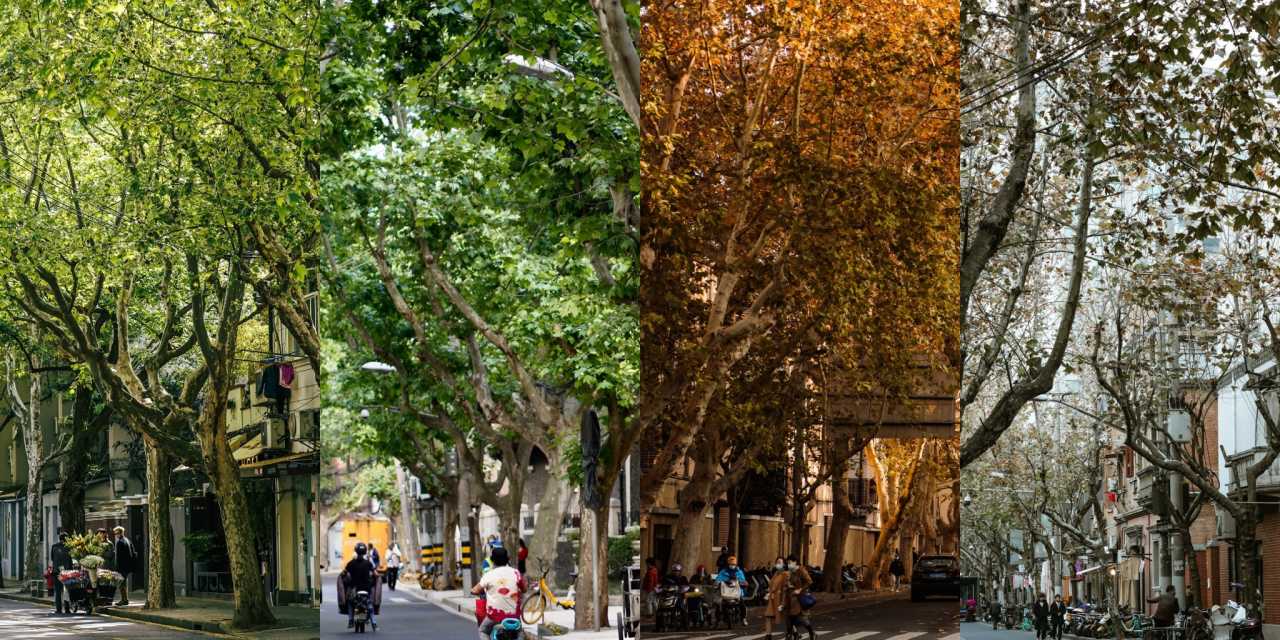
Shanghai’s stories are written in the swaying shadows of plane trees under the sun. Its sentiments are frozen in the bygone glamour of the Bund’s golden era. Its history is buried deep within the cracks of its weathered old buildings.
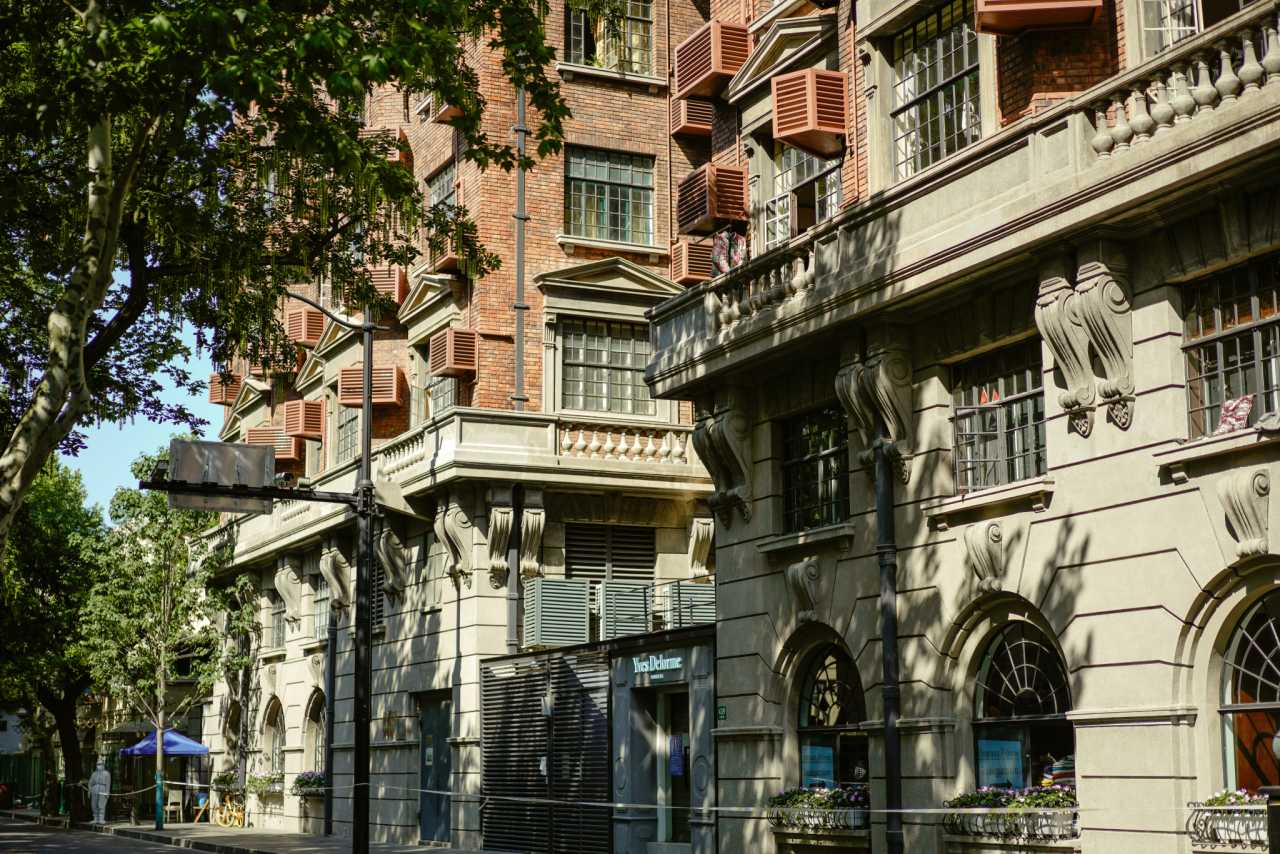
In spring, I chased blossoms across every park. In summer, I wove through alleyways capturing light and shadow. In autumn, I strolled along small roads discovering golden hues. In winter, I explored hidden corners in search of the warmth of everyday life. Through the cycle of four seasons, I became a devoted pilgrim, recording the city’s warmth through my lens.
SEO Keyword Note: Shanghai photography spots, Shanghai plane tree roads, Shanghai old buildings walking tour.
Four Time Tunnels That Will Never Be Widened
These four roads—Wukang Road, Yuqing Road, Xingguo Road, and Anfu Road—all sit in Xuhui District, close to one another. They are best explored on foot. Starting from the intersection of Hengshan Road and Yuqing Road, you’ll pass Yuqing Road and Wukang Road before reaching Anfu Road. If you still have energy, you can turn from the Wukang Building toward Xingguo Road—a 700-meter stretch that’s just right for a round trip.
Wukang Road: A Book, a Building, a Story
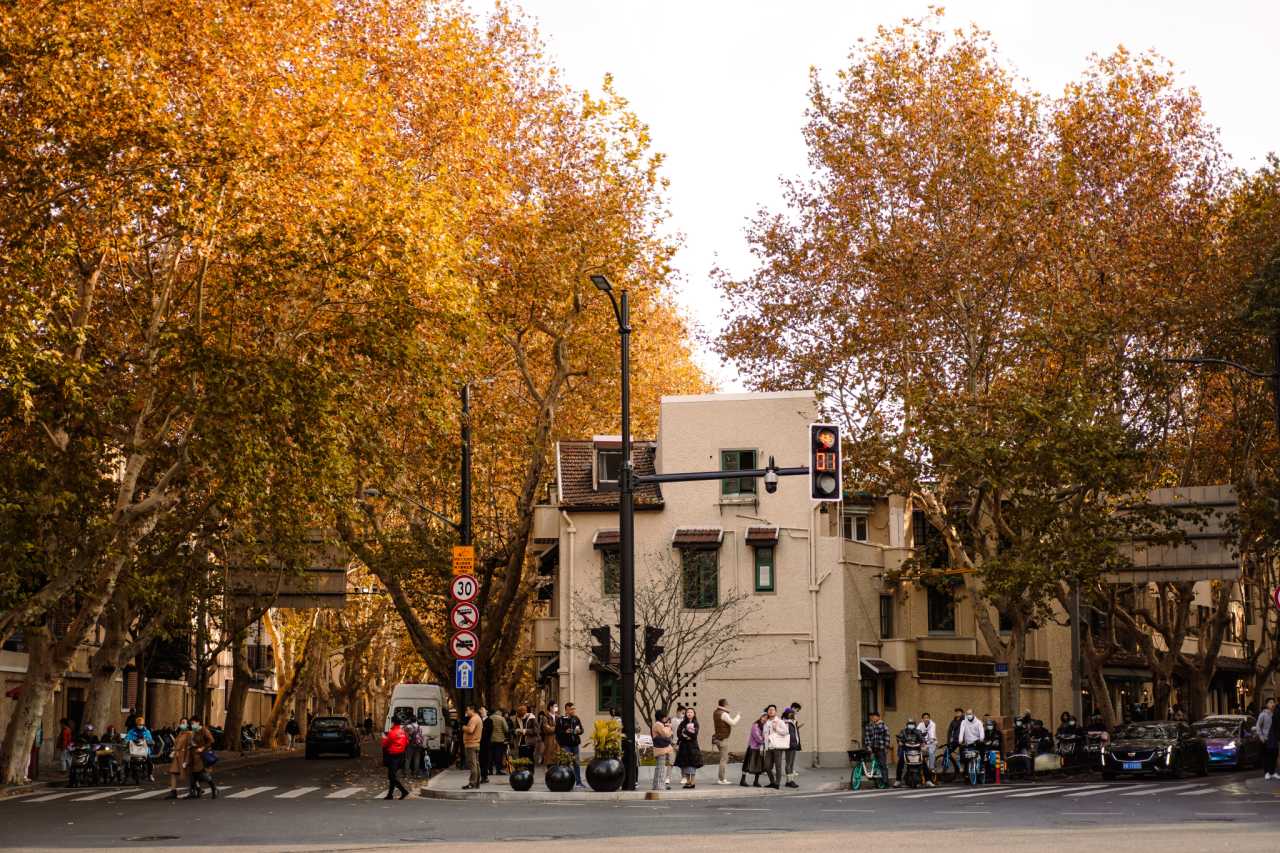
Wukang Road is one of Shanghai’s first national-level tourism and leisure districts, and one of the city’s hottest photo spots. As one of the 64 roads that will never be widened, it’s lined with an overwhelming number of historically significant buildings.
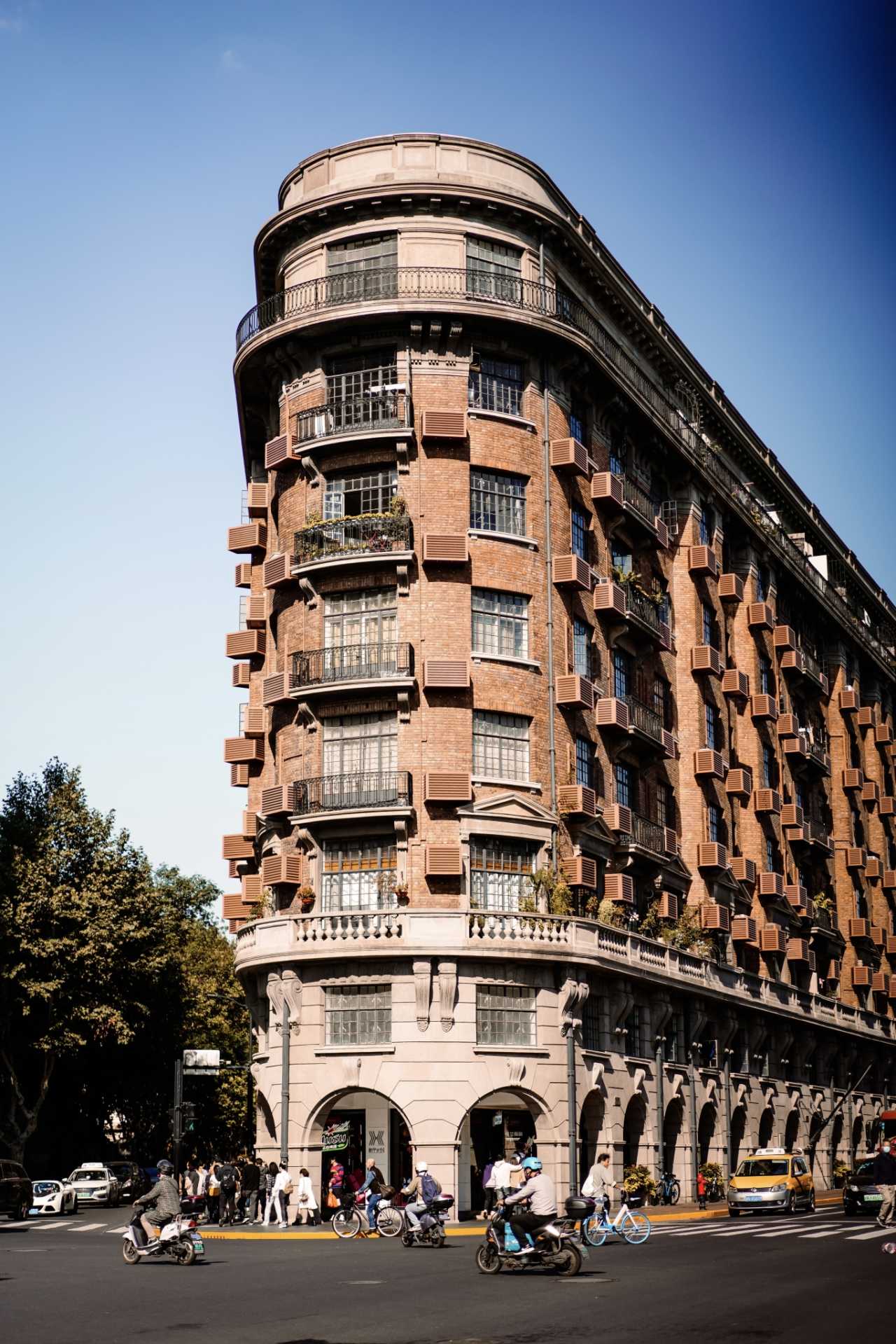
- Wukang Building (Normandie Apartments): Designed in 1924 by László Hudec, this was Shanghai’s first apartment building with an external corridor. I captured its image on an ordinary day, and again in May 2022 when it stood eerily quiet—the same intersection, different times.
- Romeo Balcony (No. 210): Writer Chen Danyan once described this building as “the balcony Romeo would climb.” Ever since, everyone has called it the Romeo Balcony.
- Dernier & Ditch Residence (No. 129): Another Hudec creation from 1929. An elderly woman once hung a pink bow on its terrace—a gesture of romance that had to be removed due to excessive tourist intrusion.
- Former Residence of Huang Xing (No. 393): Built in 1912, known as the “Huang Mansion.”
- Shanghai Film Actors Troupe (No. 395): A 1926 Baroque-style garden villa.
- Former Residence of Ba Jin (No. 113) and Former Residence of Zheng Dongguo (No. 274).
Walking down this road is like flipping through half of Shanghai’s modern history.
Yuqing Road: Quietude Hidden Behind the Noise

Yuqing Road, formerly known as “Aitang Road,” was built in the early 1920s. Stretching just 768 meters from Huaihai Middle Road to Xujiahui Park, it holds many stories.
- No. 190: Built in 1938, a modern-style garden residence where Mayor Chen Yi once lived.
- No. 80: Constructed in 1941, originally the home of Shao Shijun.
- Lane 146 (“Aitang Xincun”): No. 13 was the former residence of renowned educator Tao Xingzhi.
- Baidao Building (Pathé Building): Built in 1921, it was the former site of the Pathé唱片 company. Now open to the public, it’s well worth a visit.
Shanghai’s autumn is made of yellowing plane tree leaves and dappled, fragmented light. At the intersection of Yuqing Road and Wukang Road, you’ll often see newlyweds taking wedding photos.
Xingguo Road: A Historical Corridor Spanning Two Districts
Xingguo Road crosses both Changning and Xuhui districts. At 799 meters long, it was built in 1920 and originally named Route de Rédès. It is also one of Shanghai’s 64 never-to-be-widened roads.
- Xingguo Hotel: Buildings 1, 2, and 6 are all on this road. Building 1 (1934) is a British Palladian-style royal classical building.
- Former Residence of Zhao Zukang (No. 324): A pioneer in China’s highway and municipal engineering.
- Ginger (No. 91): A long-time trendy spot housed in a striking white mansion, with a terrace perfect for photos.
The specialty shops and small coffee houses along the street, their doorways piled with golden fallen leaves, create a warm and healing scene.
Anfu Road: A Fashion Hub for Trendsetters
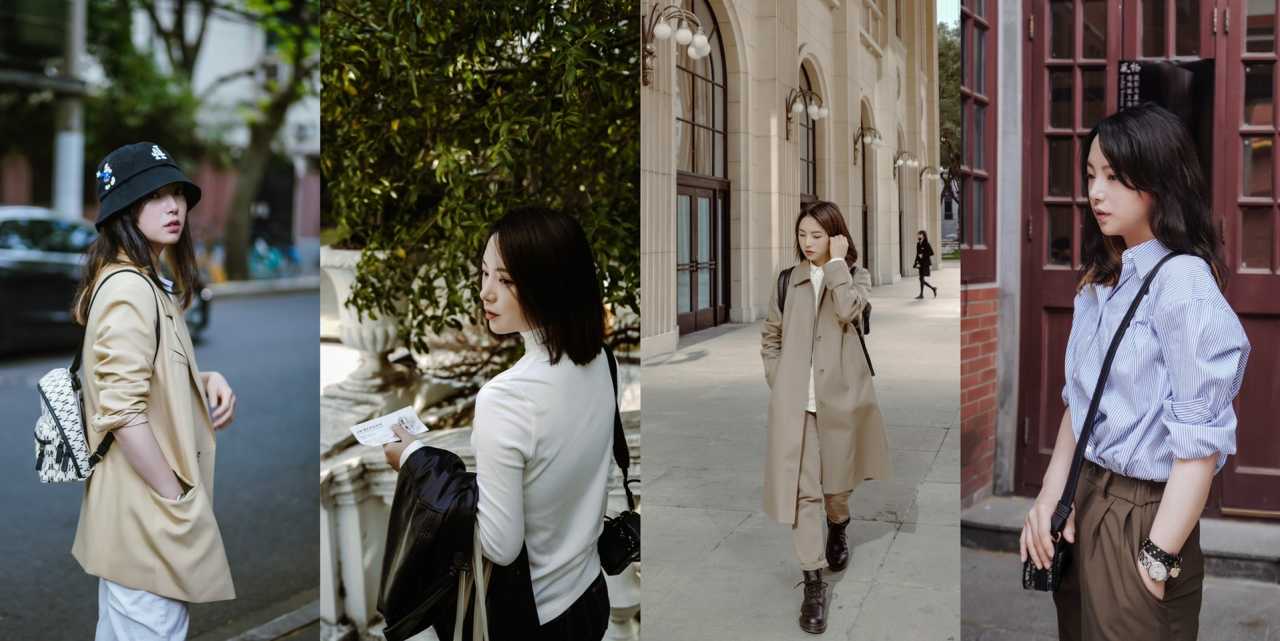
Anfu Road is Shanghai’s most popular street-photography destination, packed with fashion exhibitions and trendy boutique stores.
- BADMARKET: Two floors of bags, accessories, and clothing.
- Brandy Melville: One of the few physical stores in China; its green Jeep out front has been photographed by almost every blogger.
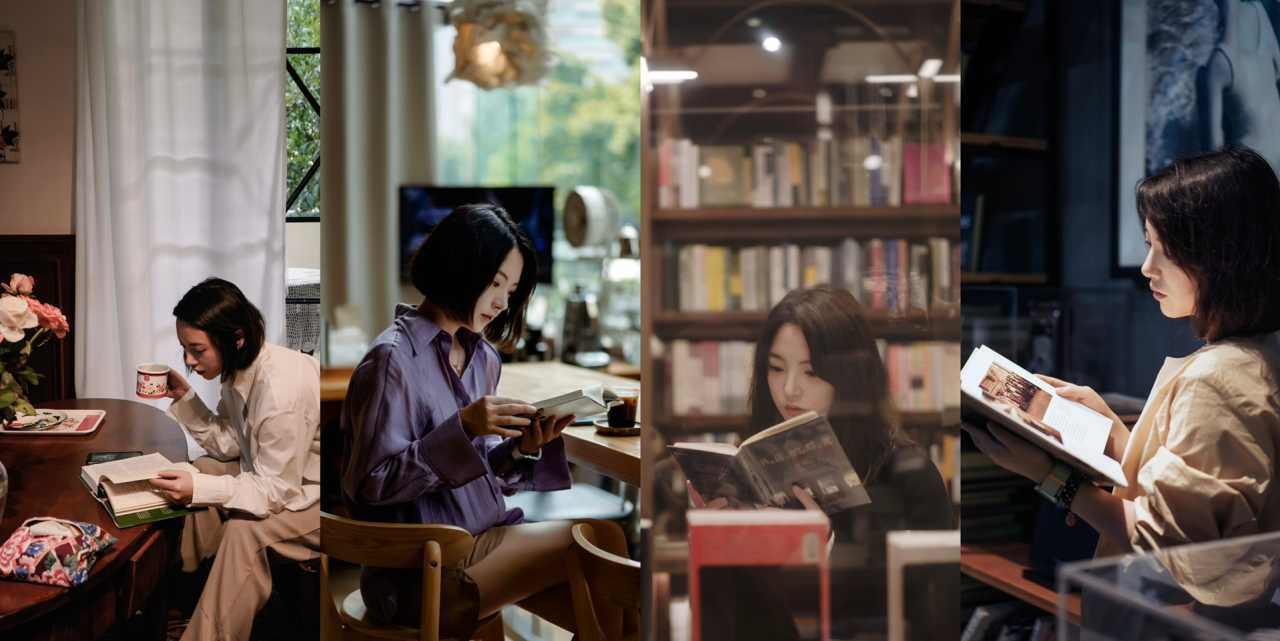
- FILM Movie Time Bookstore: A quiet escape with coffee and books.
- in the PARK: An industrial-style concept store that occasionally hosts exhibitions.
- RAC: A long-established brunch spot with perpetual queues—its crêpes are genuinely worth the wait.
- mr willis: An atmospheric Italian restaurant; its signature roast chicken with pumpkin and mulled wine is perfect for the Christmas season.
Everyday Life Hidden Among the Plane Trees: Xinle Road, Fumin Road, Julu Road, Yanqing Road
These four roads offer a more intimate, local experience. While the previous four are famous for architecture and fashion, these are where everyday Shanghai life unfolds beneath the plane trees.
- Xinle Road: Quiet and residential, with small bakeries and flower shops.
- Fumin Road: A mix of vintage stores and quiet bars.
- Julu Road: Known for its leafy canopy and hidden courtyard cafes.
- Yanqing Road: A short, peaceful street perfect for a sunset stroll.
Here, you’ll find locals walking their dogs, elderly couples playing chess, and the scent of home-cooked food drifting from open windows. This is the Shanghai that doesn’t appear on postcards—but it’s the one that stays with you.
SEO Keyword Note: Shanghai longtang photography, hidden Shanghai streets, Shanghai off the beaten path.
Frequently Asked Questions About Walking Shanghai’s Plane Tree Roads
1. What is the best time of year to walk these roads?
 Answer: Autumn (October to early December) is the most photogenic. The plane trees turn golden, and the light is soft. Spring (March to May) is also beautiful for blossoms.
2. How long does it take to walk Wukang Road, Yuqing Road, Xingguo Road, and Anfu Road?
Answer: A leisurely walk covering all four roads takes about 2–3 hours, not including stops for photos, coffee, or shopping. Plan for half a day if you want to explore thoroughly.
3. Are these roads suitable for family outings?
 Answer: Yes. The roads are mostly flat, pedestrian-friendly, and lined with cafes and rest spots. However, some areas can be crowded on weekends.
4. Can I visit the historic buildings inside?
 Answer: Most are private residences or offices and are not open to the public. However, the Baidao Building (Pathé Building) on Yuqing Road is open, and the Wukang Building has a ground-floor exhibition space.
5. What should I bring for a photography walk?
Answer: A camera with a versatile zoom lens (24-70mm is ideal), comfortable walking shoes, and a water bottle. Early morning (7–9 AM) offers the best light and fewest crowds.
Internal Linking Suggestions
- [Link: Best coffee shops on Anfu Road]
- [Link: Guide to Shanghai’s 64 never-to-be-widened roads]
- [Link: How to spend a weekend in Xuhui District]
- [Link: Shanghai photography tips for beginners]
Conclusion: Your Step-by-Step Invitation to Shanghai’s Soul
Three years under the plane trees taught me that Shanghai’s soul isn’t found in skyscrapers or shopping malls. It’s in the dappled light on a quiet street corner, in the faded paint of a 1920s villa, in the laughter of a family eating dinner in an open window.
Ready to rediscover Shanghai for yourself? Grab your camera, put on your most comfortable shoes, and start walking. Whether you follow my exact route or get lost on purpose, the city will reveal itself to you—one step at a time.
Start your journey today. Share your favorite Shanghai street photo with us using #PlaneTreeShanghai, and let’s build a community of slow travelers who love this city as much as we do.
CTA: Want more curated walking routes? Download our free “Shanghai on Foot” digital guide [Link: Download Guide].