Three Fleeting Days: Toasting a Millennium in Chang’an City
Here is the SEO-optimized and rewritten article based on your source material. It has been restructured for search engine performance while preserving the poetic essence and factual accuracy of the original travelogue.
Three Fleeting Days in Chang’an: A Spiritual Journey Through Xi’an’s Autumn Temples
Meta Description: Discover the magic of Xi’an in autumn. Explore the Esoteric Buddhist sanctuary of Qinglong Temple, the imperial romance of Huaqing Palace, and the quiet beauty of Lishan Mountain in this SEO-optimized travel guide.
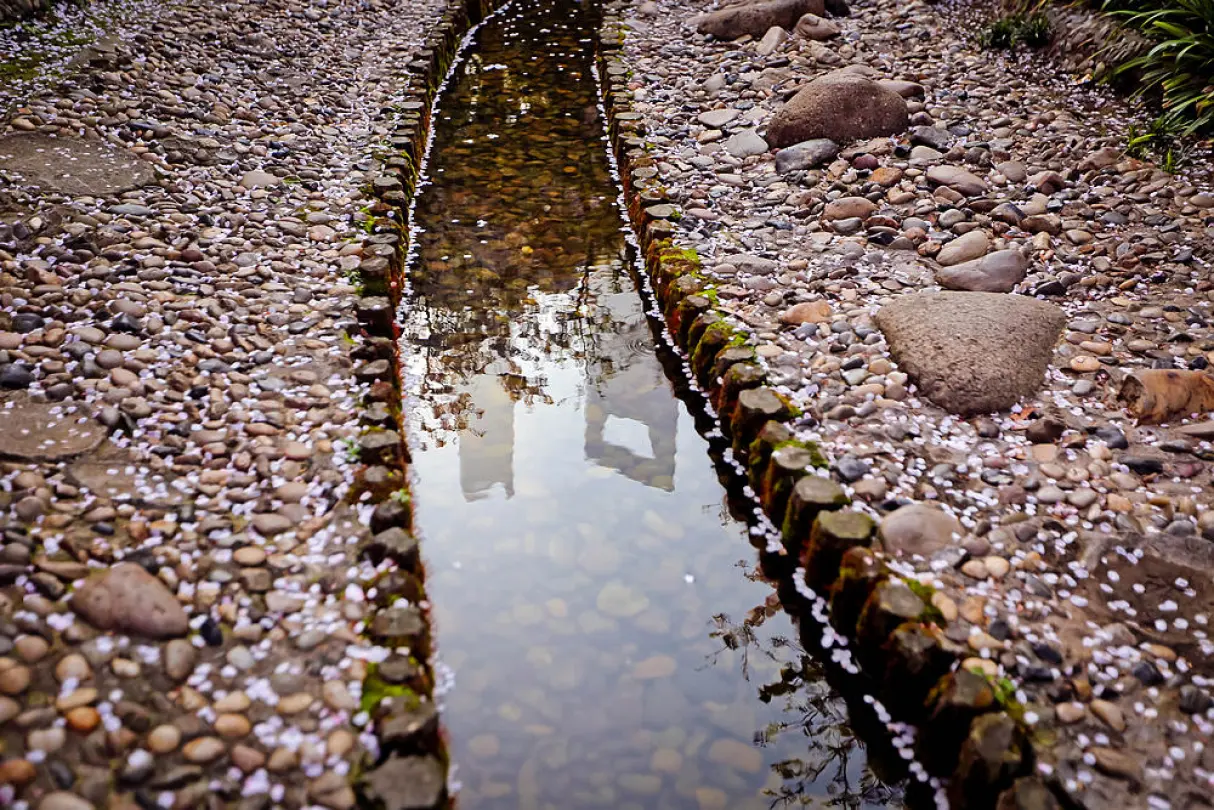
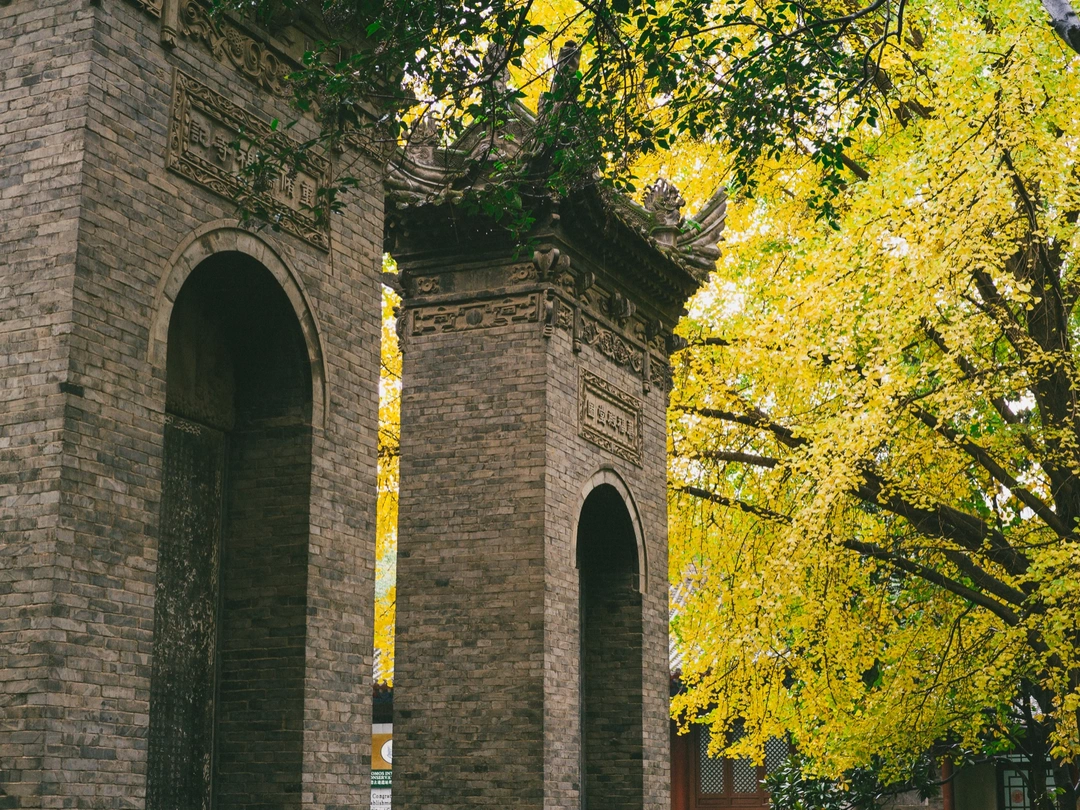
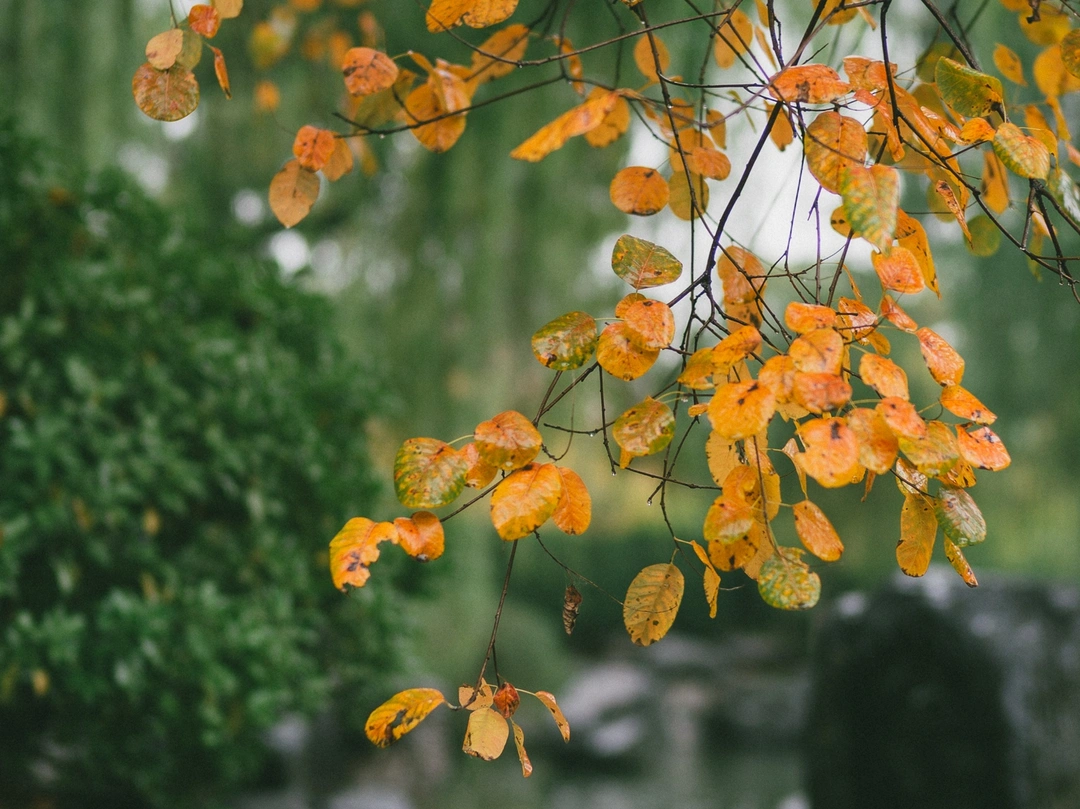
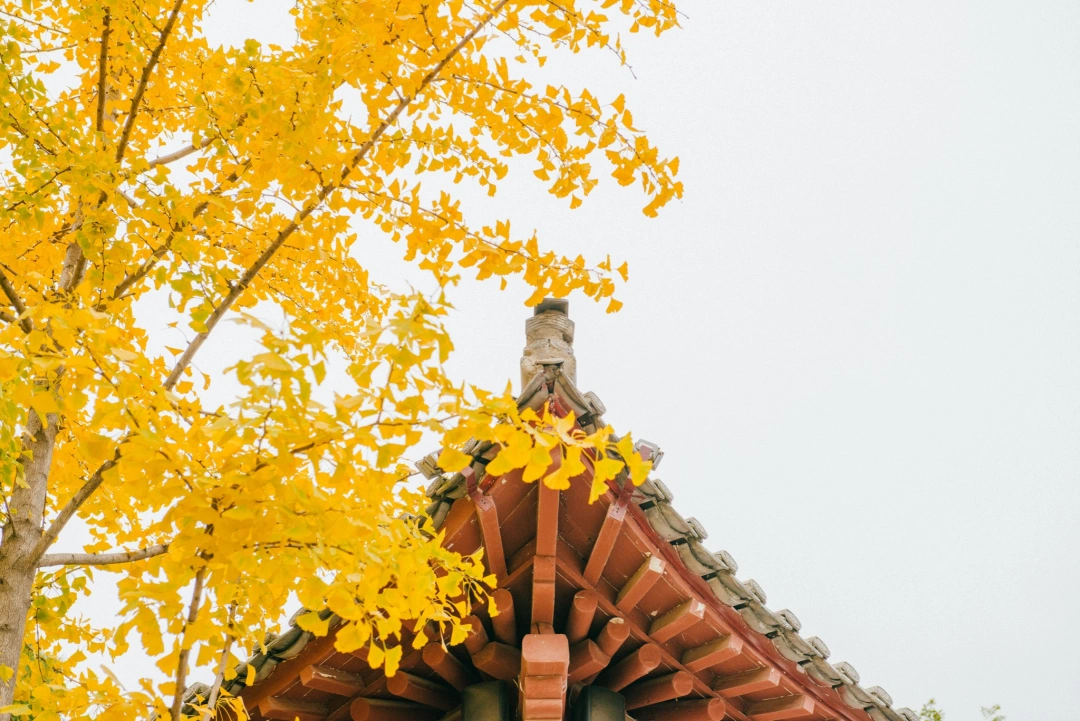
November in Xi’an. The autumn wind, laced with fine rain, sweeps through the thousand-year-old city walls and lands on the bluestone paths. I stand alone in the courtyard of Qinglong Temple. Not a soul in sight—only red leaves, yellow leaves, and green leaves swaying gently in the breeze, occasionally drifting down to rest between the stones and the grass. The air is as pure and elegant as an unfinished poem.
This, I realize, is the kind of travel I truly long for now. No more of that youthful "checklist" frenzy—back in the day, I’d race to tick off every single attraction. Now, all that remains is a laid-back, Zen-like attitude. Wandering through an unfamiliar city, clicking the shutter a few times, stumbling upon a delicious bite in a backstreet—that’s more than enough. November isn’t Xi’an’s peak tourist season, but that’s precisely what makes it the city’s most pleasant time. The long wind sweeps over the mountains, ancient trees and centuries-old walls interweave through the urban landscape, and the autumn hues are a riot of color. It grants me a rare sense of ease and freedom.
Three fleeting days, strolling through the city, delighting in this place named for antiquity.
Why Visit Xi’an in November? The Off-Season Advantage
Many travelers flock to Xi’an during the spring cherry blossom season or the golden week holidays. However, November offers a unique, contemplative experience. The crowds thin, the air becomes crisp, and the autumn foliage creates a painterly backdrop against the ancient architecture. This is the best time for Xi’an autumn travel if you seek solitude, photography opportunities, and a deeper connection with the city’s historical soul. The weather is cool but not biting, perfect for long walks through temple courtyards and mountain trails.

Qinglong Temple: The Esoteric Buddhist Sanctuary in Autumn Rain
How to Get to Qinglong Temple
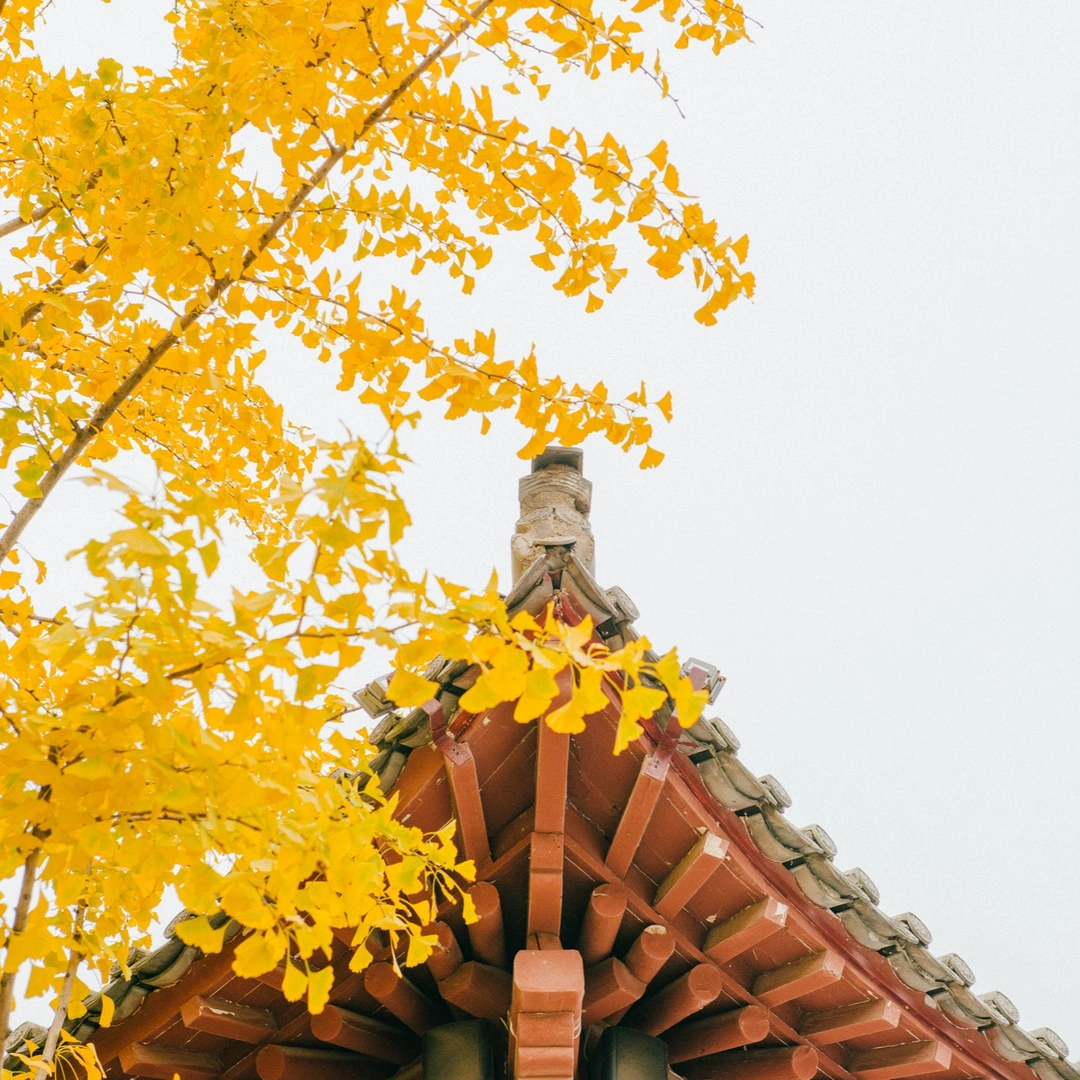
I woke early and took the metro southeast. Line 3 passed by the Giant Wild Goose Pagoda, and two stops later, I arrived at Qinglong Temple Station. Stepping out, I was greeted by a scene of decay—old residential houses mixed with demolition rubble. For a moment, I wondered if I’d taken a wrong turn. Following the map through a winding path lined with aging homes, I finally spotted the temple’s unassuming side gate.
Pro tip: The entrance is modest, so follow your GPS closely. The contrast between the modern city and the ancient temple is part of the charm.
The History of Qinglong Temple: From Tang Dynasty Glory to Modern Reconstruction
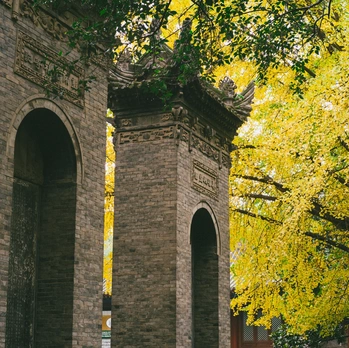
Qinglong Temple sits on the Leyou Plateau in the ancient city’s southeast corner. It is the ancestral home of Esoteric Buddhism, one of the eight major schools of Chinese Buddhism, and the fundamental dojo of the Tang Dynasty’s True Word School. If you’ve seen the film The Legend of the Demon Cat, this is the very temple where the monk Kūkai (Konghai) resided.
But compared to its heyday, the current complex is only about one-sixth or one-seventh of its original size. During the Northern Song Dynasty, the temple fell into ruin, its ancient structures vanished without a trace, buried deep underground. What stands today is all reconstruction. Yet, despite being replicas, the buildings are grand and imposing, still exuding the majestic spirit of the High Tang.
“The setting sun is infinitely beautiful, only that it is near dusk”—Li Shangyin’s famous lines capture the evening charm of Leyou Plateau. Even though it wasn’t yet noon and a light rain was falling, I could picture in my mind’s eye the faint silhouette of the Qinling Mountains, dreaming of a golden-hued Qinglong Temple.
The Cherry Blossom Garden in Autumn: A Different Kind of Beauty
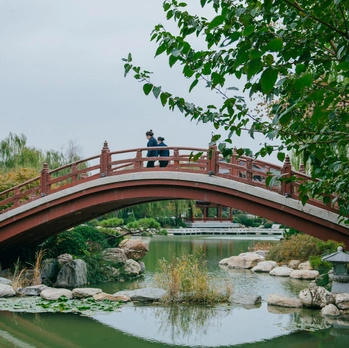
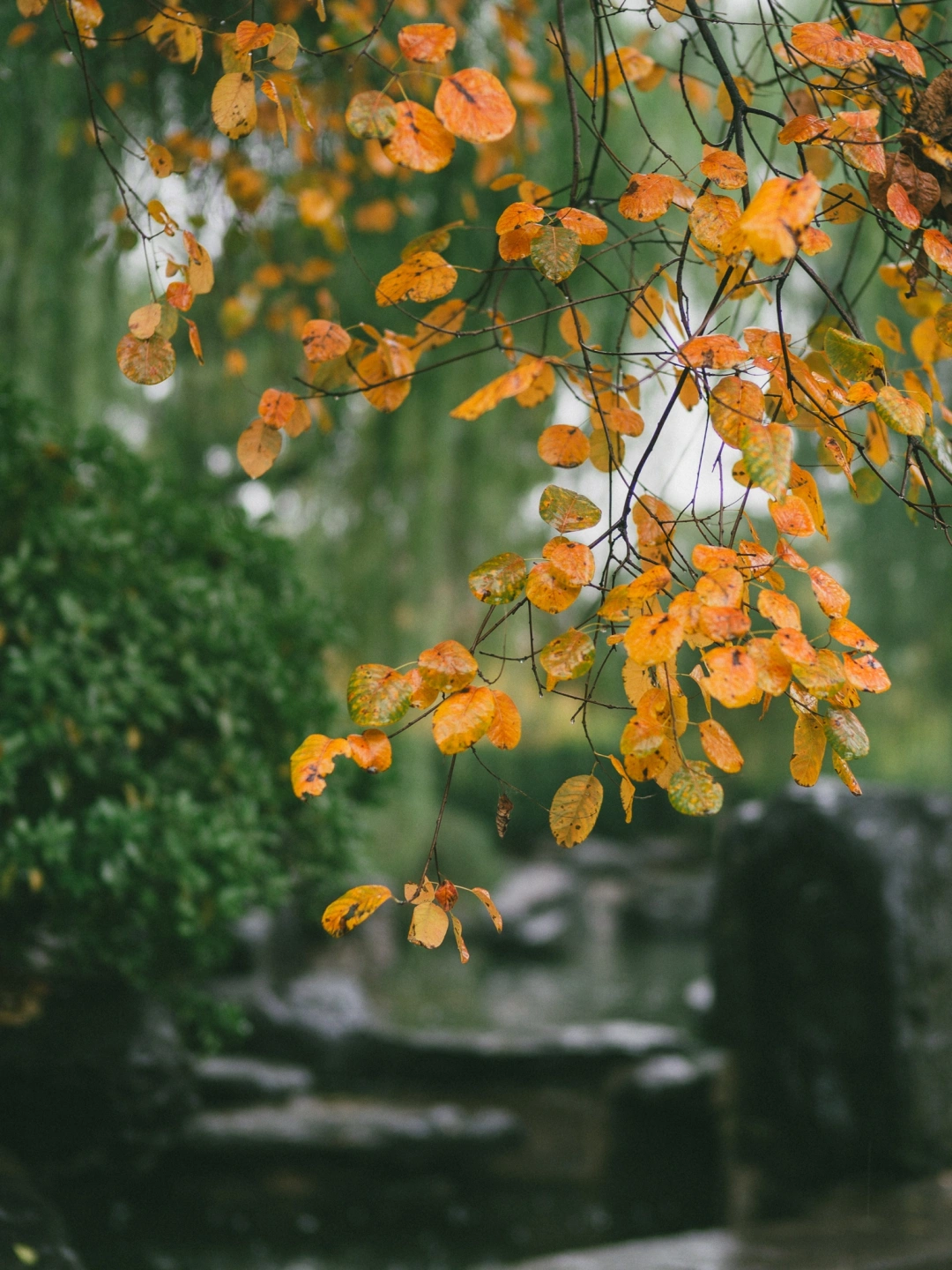
Adjacent to the temple lies a cherry blossom garden, home to over a thousand cherry trees. Every March and April, when the blossoms burst forth, the place buzzes with visitors, making Qinglong Temple a famed cherry-viewing spot in the ancient city. But in the autumn rain, naturally, there were no flowers to be seen. Red, yellow, and green leaves swayed in the wind, unable to resist its pull, they fluttered down. The air was as poetic and refined as ever, and in the empty courtyard, only I kept them company.
This is a perfect example of off-season travel rewards—you get the scenery without the selfie sticks.
Prayer Ribbons and the Legacy of Kūkai
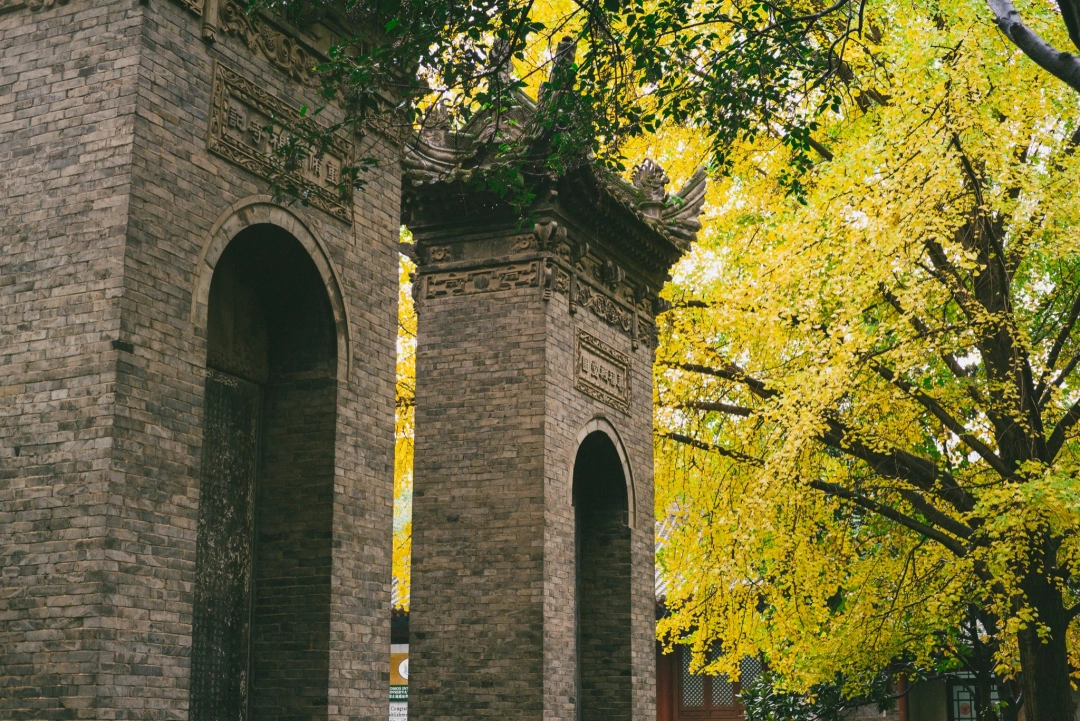
Leaving the cherry garden, I headed into the adjacent temple halls. Though the structures are newly built, the courtyards are filled with trees. Surrounded by a grove, the place feels rustic, quiet, and secluded. Carved dragons are everywhere, living up to the temple’s name—Qinglong means “Azure Dragon.” With no one around, the chirping of birds was clearly audible, adding to the air of profound mystery, as if the world outside had ceased to exist.
After Kūkai arrived in the Tang capital, he studied under Master Huiguo at Qinglong Temple. Upon returning to Japan, he founded the Shingon school, becoming the patriarch of what is known as “Eastern Esotericism.” To this day, Qinglong Temple remains a sacred site in the hearts of the Japanese. A few monks were inside, each absorbed in their own tasks, paying little attention to the comings and goings of visitors. Pilgrims and monks alike showed mutual respect, neither disturbing the other.
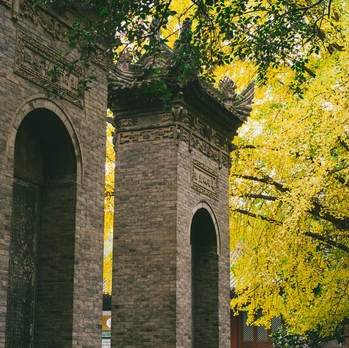
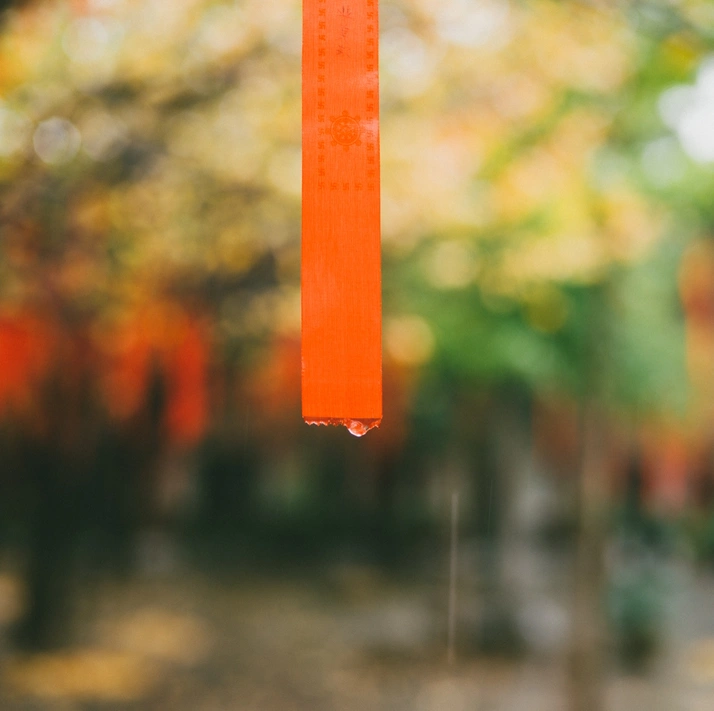
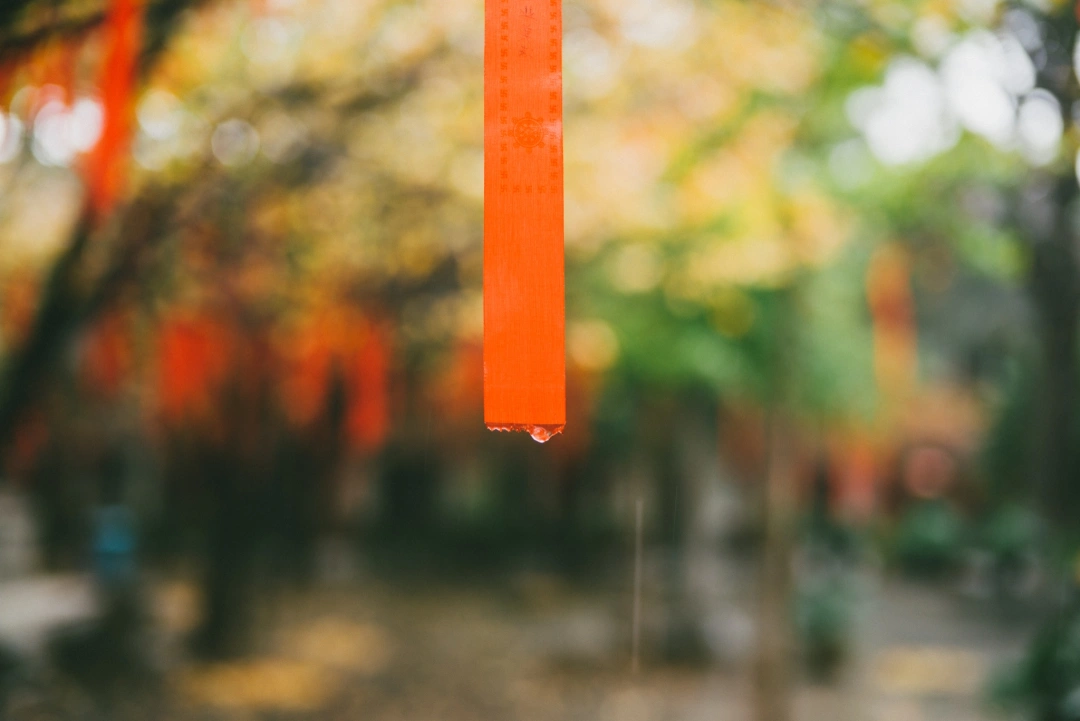
Many Chinese people follow Buddhism, and they often tie red ribbons or strips of cloth to the trees in temple grounds, praying for the Buddha’s blessing on their families. The courtyard was thick with trees, and wherever I looked, red prayer ribbons hung in abundance—a clear sign of Qinglong Temple’s thriving incense offerings. The rain soaked the leaves and the ribbons, and each wish seemed to be felt by nature itself. Though I am not a Buddhist, I hold deep respect and reverence for faith and prayer—may the sincere achieve their goals.
I wandered around, lamenting what the original Qinglong Temple must have been like in its full glory—how magnificent and splendid it would have been. Now, only a few structures remain for people to reminisce about the past. There’s also a peony garden on the grounds, perched on high ground. When the flowers bloom, it must be a breathtaking sea of purple and red.
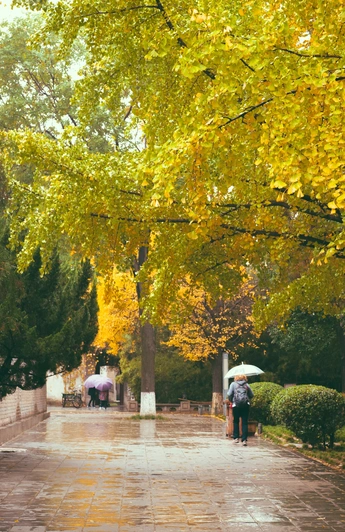
The autumn rain showed no sign of letting up. I walked alone along the small paths, gazing at the yellow leaves scattered all over the ground. I wondered if, in a dream of the Tang Dynasty, Master Kūkai had ever wandered here just as I did.
[Link: Best Time to Visit Xi’an]
Lishan Mountain and Huaqing Palace: A Tapestry of Imperial Love and Myth
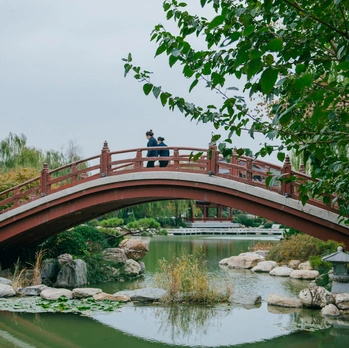
My friend Shi Tou had a work trip near Lintong, so we arranged to meet there the next day. Time slips away—another year had passed since our last meeting. But thankfully, it felt just like old times. We chatted easily, with no distance or awkwardness.
Lintong’s biggest claim to fame is the Mausoleum of the First Qin Emperor and his Terracotta Warriors, the main reason most tourists come here. But I’d seen so many images of the terracotta army since childhood that I’d lost any strong desire to visit. Besides, it was the weekend, so the crowds would still be heavy. Shi Tou had already been to the site years ago, so we decided to explore Huaqing Palace nearby instead.
What to See at Huaqing Palace: A Complete Guide
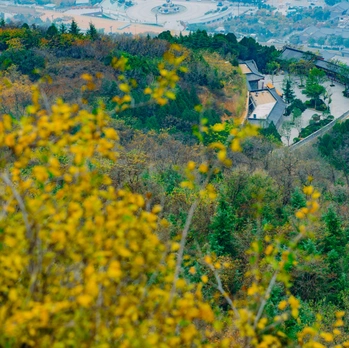
Huaqing Palace consists of two parts: Lishan Mountain and the palace complex at its base. Lishan is a branch of the Qinling range, formed by the Eastern and Western Embroidered Ridges. The mountain winds gracefully, covered in lush vegetation, and from a distance, it resembles a dark, steed-like horse—hence its name.
When the sun sets, Lishan is bathed in golden twilight, creating a particularly enchanting scene—one of the “Eight Great Views of Guanzhong,” known as “Lishan Evening Glow.” During my visit, the vegetation on the mountain’s slopes was just beginning to turn yellow, with red and gold hues woven into the verdant green, making it look as beautiful as brocade.
Hiking Lishan Mountain: Cable Car vs. Walking Trails
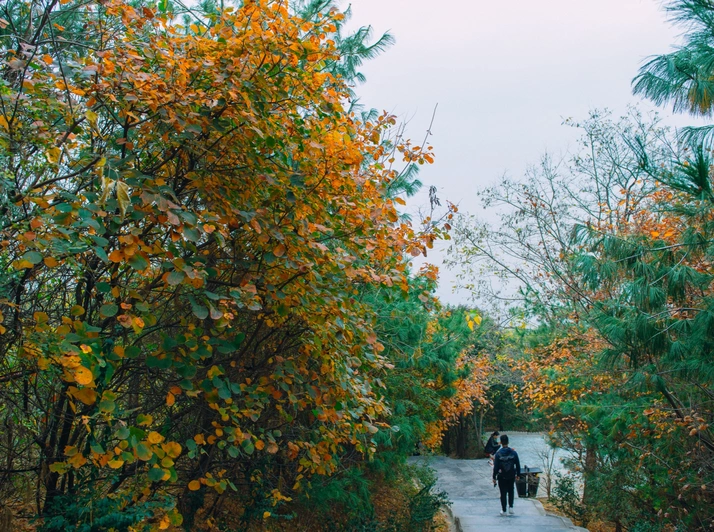
Lishan’s natural scenery is stunning, and it’s dotted with numerous historical sites: the Beacon Tower, the Old Mother Hall, the Lord Lao Hall, the Evening Glow Pavilion, the Military Admonition Pavilion, the Supreme Goodness Lake, the Qixi Bridge, the Shangde Garden, the Immortal Meeting Bridge, and the Sanyuan Cave, among many others.
With a ticket to Huaqing Palace, you can access both the mountain and the lower palace grounds. Since Shi Tou and I were short on time, we decided to take the cable car halfway up the mountain and continue from there. This is a great option for travelers who want to see the Lishan Mountain top attractions without a full-day hike.
The Old Mother Hall: Where Myth and Faith Converge
Getting off the cable car, our first stop was the Old Mother Hall. The most mythical tale about the origin of Lishan Mountain involves the story of the Old Mother of Lishan mending the sky. Legend has it that in ancient times, the sky collapsed, plunging the world into disaster. Witnessing human suffering, the celestial Old Mother of Lishan descended to earth with her two daughters to smelt stones and repair the heavens.
This site is a pilgrimage destination for locals, blending Taoist mythology with the natural landscape. The hall offers panoramic views of the surrounding plains, making it a perfect spot for photography and quiet reflection.
Frequently Asked Questions About Xi’an Travel
1. Is Xi’an worth visiting in November?
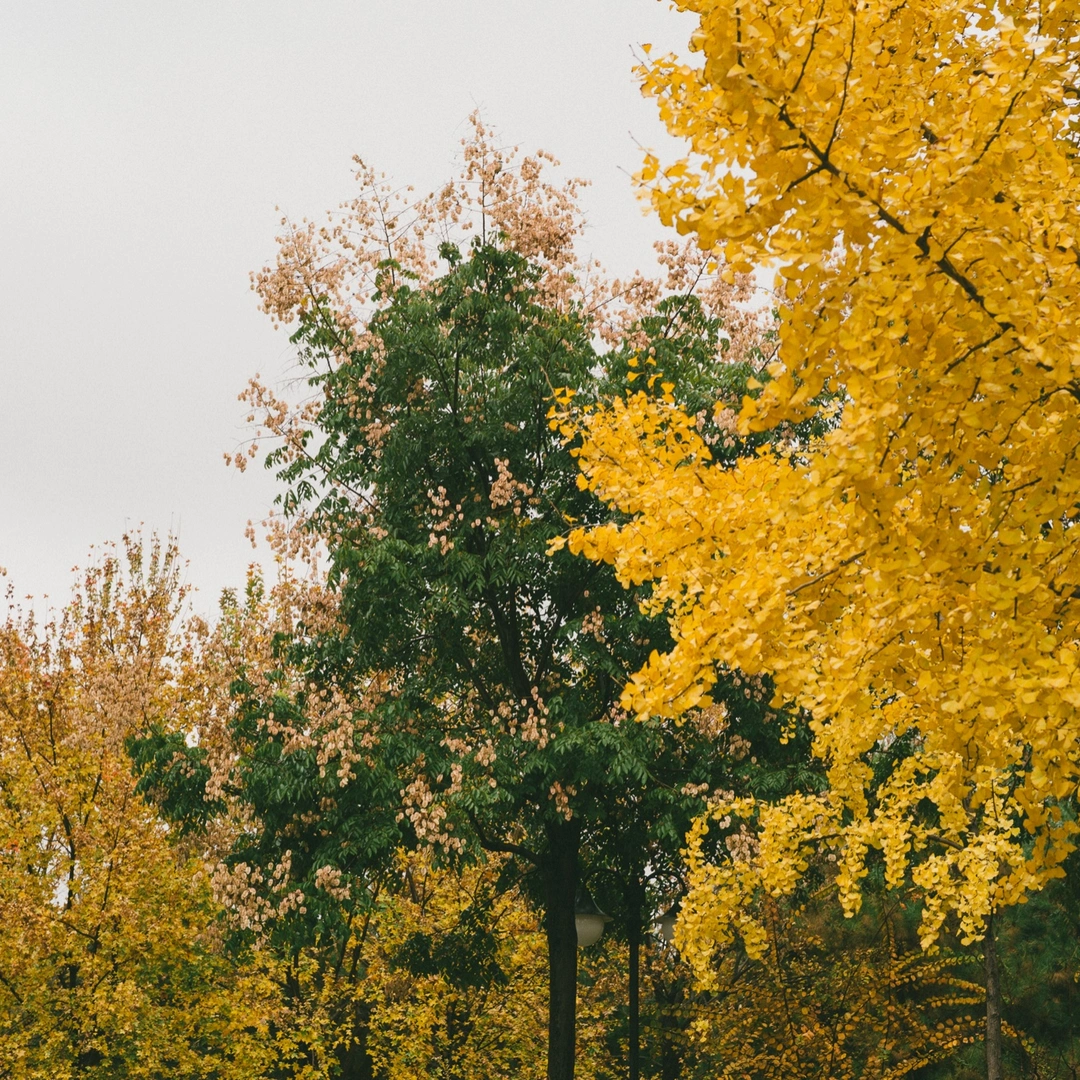
 Absolutely. November is the best month for Xi’an autumn travel. The weather is cool, the tourist crowds are thin, and the autumn foliage at sites like Qinglong Temple and Lishan Mountain is spectacular.
2. How many days do you need in Xi’an?
 A minimum of three days is ideal. This allows you to explore the ancient city wall, visit the Terracotta Warriors (or skip them for quieter spots), and enjoy the temples and mountains around Lintong.
3. What is the difference between Huaqing Palace and the Terracotta Warriors?
 Huaqing Palace is a historical hot spring resort and mountain complex associated with Tang Dynasty romance and myth. The Terracotta Warriors are the burial army of the First Emperor, located about 10 minutes away. Both are in Lintong, but they offer completely different experiences—one natural and romantic, the other archaeological and monumental.
4. Can you visit Qinglong Temple and Huaqing Palace in one day?
 It is possible but rushed. Qinglong Temple is in the city center, while Huaqing Palace is about an hour’s drive east. It is better to dedicate one day to the city temples and one day to the Lintong area.
5. What should I wear for Xi’an in November?
Layers are key. A light jacket or sweater for the day, and a heavier coat for the evening. Comfortable walking shoes are essential, especially if you plan to hike Lishan Mountain.
Your Turn: Experience the Quiet Magic of Chang’an
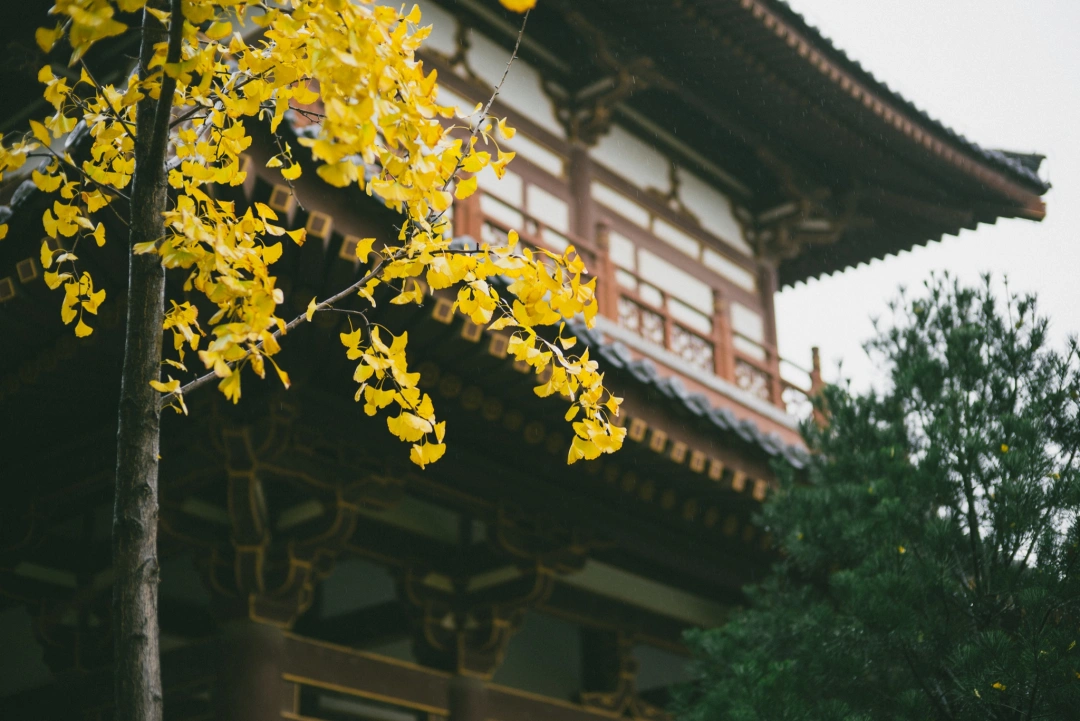
Three fleeting days in Xi’an taught me that the best travel isn’t about checking boxes—it’s about feeling the wind, watching the leaves fall, and standing in a thousand-year-old courtyard with nothing but your thoughts.
Whether you are a history buff, a spiritual seeker, or simply someone who needs a break from the noise of modern life, Xi’an in autumn offers a rare gift: peace.
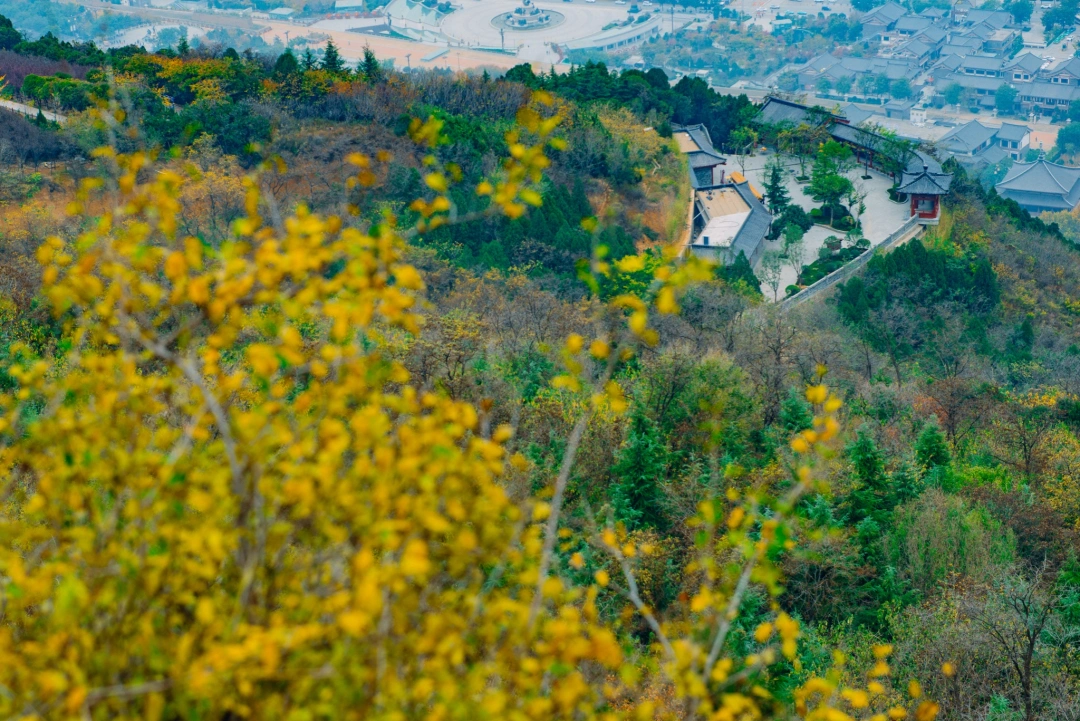
Plan your trip today. Book your metro pass, pack your camera, and leave your checklist at home. The ancient city of Chang’an is waiting to welcome you with open arms and golden leaves.
[Link: Xi’an Travel Itinerary 3 Days] [Link: Best Hotels Near Qinglong Temple]
Have you visited Xi’an in the off-season? Share your favorite hidden gem in the comments below!
You may also like