Three Days in Shanghai: The Ultimate Autumn Travel Guide to the Magic City
Meta Description: Discover Shanghai in autumn with our 3-day itinerary. From Bund night views to hidden alleyways, experience the Magic City's festive National Day charm. Expert tips inside.
Shanghai is a city that divides opinions. Some adore its futuristic skyline and vibrant energy; others find its crowds and relentless pace overwhelming. But during my second visit—this time in the golden glow of autumn—I discovered a different Shanghai. Standing along the Bund as the Lujiazui lights flickered to life across the Huangpu River, I realized the city's magic isn't missing. We've just been too busy rushing to see it.
My first trip was a May Day disaster: Nanjing Road packed shoulder-to-shoulder, two-hour queues at trendy restaurants, and a Bund observation deck where I could barely turn around. But fate offered a second chance. This time, it was National Day. Shanghai had put on its festive best—and the entire city seemed to glow.
Why Autumn is the Best Season for a Shanghai Trip
Autumn in Shanghai offers crisp air, fewer crowds than summer, and the city's most spectacular decorations. October brings National Day celebrations, with Five-Star Red Flags adorning every street and synchronized light shows along the Bund. The osmanthus blossoms fill the air with a sweet fragrance, and the humidity of summer gives way to comfortable walking weather.

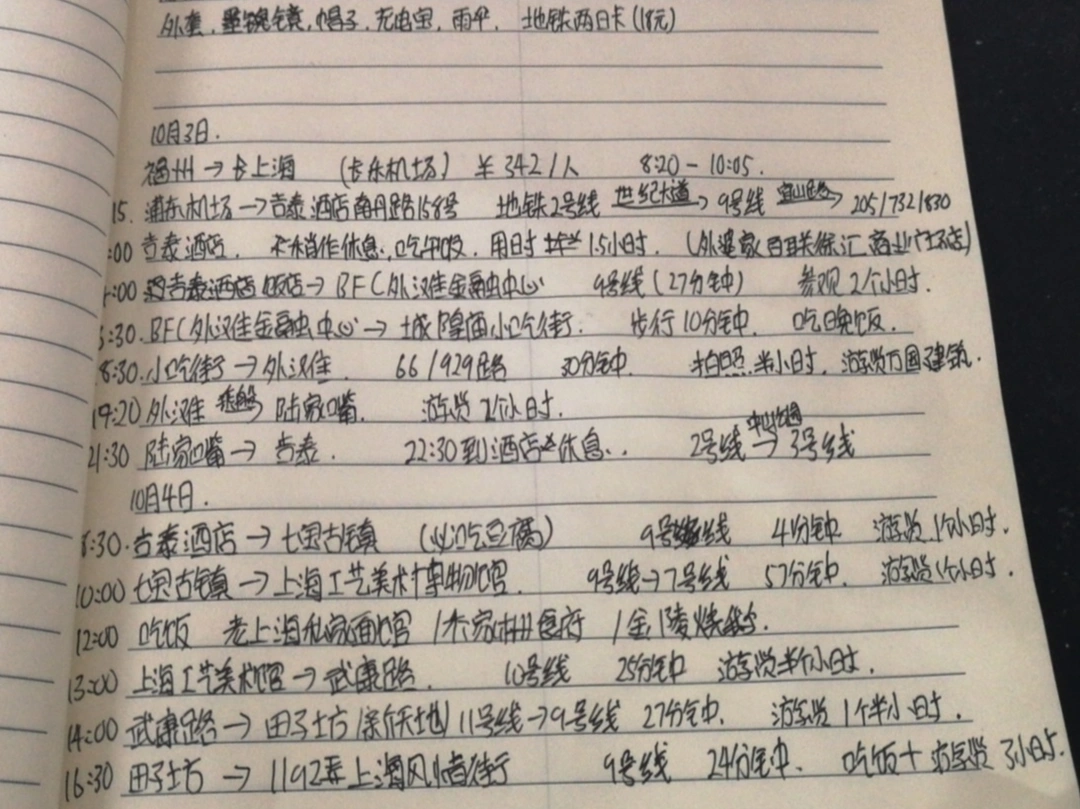
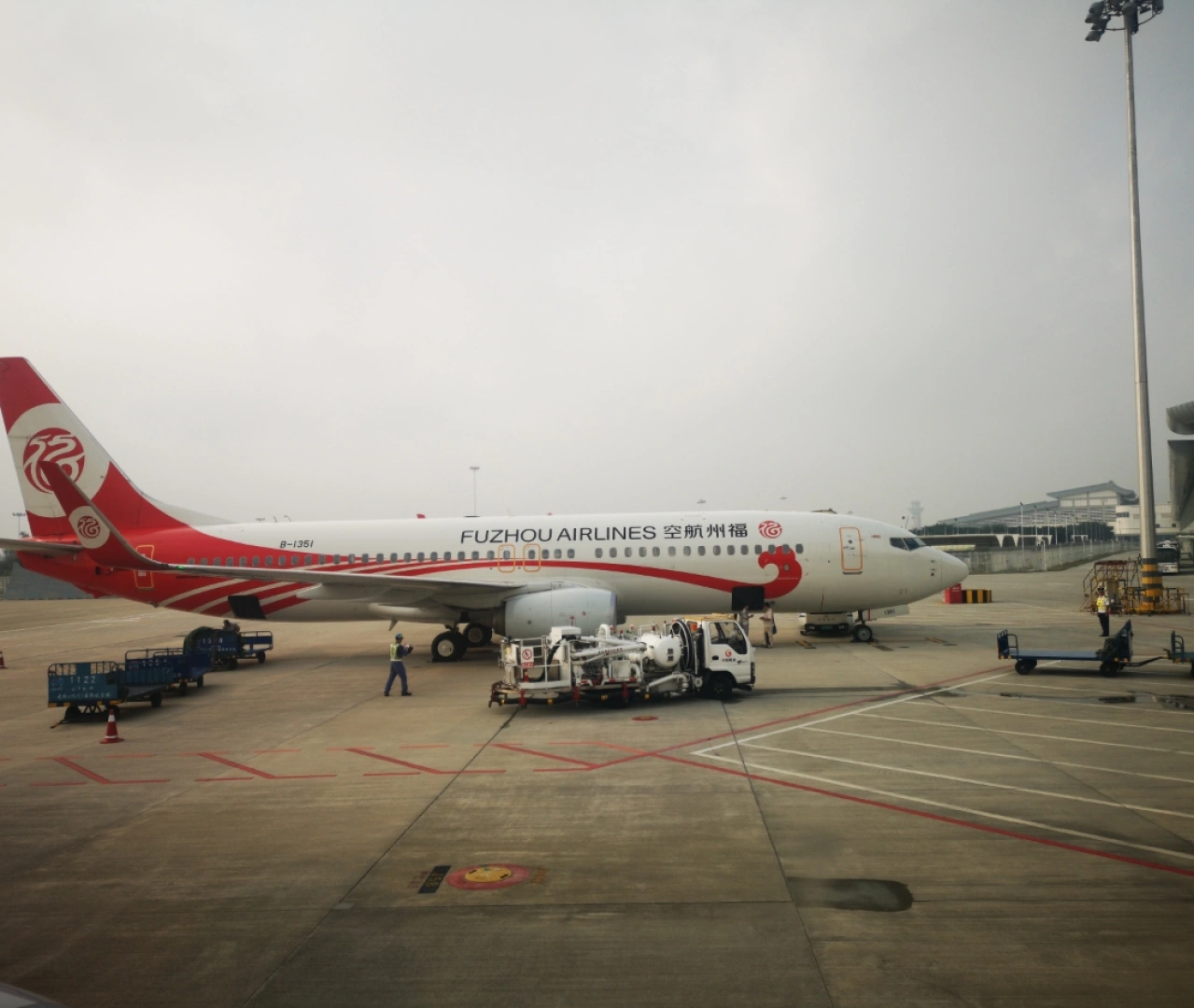
For travelers seeking [Link: best time to visit Shanghai], autumn—particularly early October—strikes the perfect balance between pleasant climate and cultural festivities.
Day 1: Arriving in the Magic City – From Chaos to Wonder
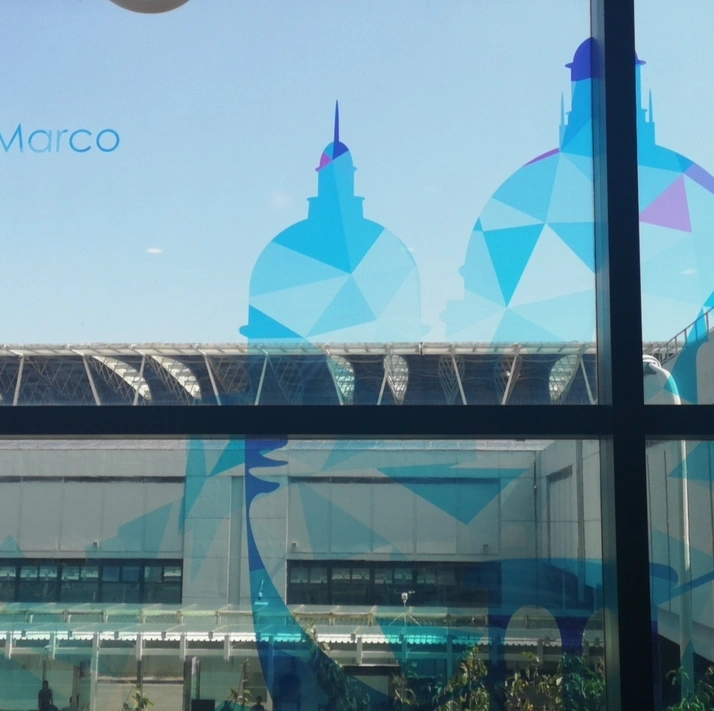
Shanghai Hongqiao Station: First Impressions
On October 3rd, my high-speed train glided into Shanghai Hongqiao Station. Stepping off the platform, I was greeted by the city's unmistakable essence—a blend of coffee aroma, osmanthus fragrance, and that indescribable urban energy. The station itself is a marvel of modern Chinese infrastructure, handling millions of passengers daily with remarkable efficiency.
Nanjing Road Pedestrian Street: A National Day Spectacle
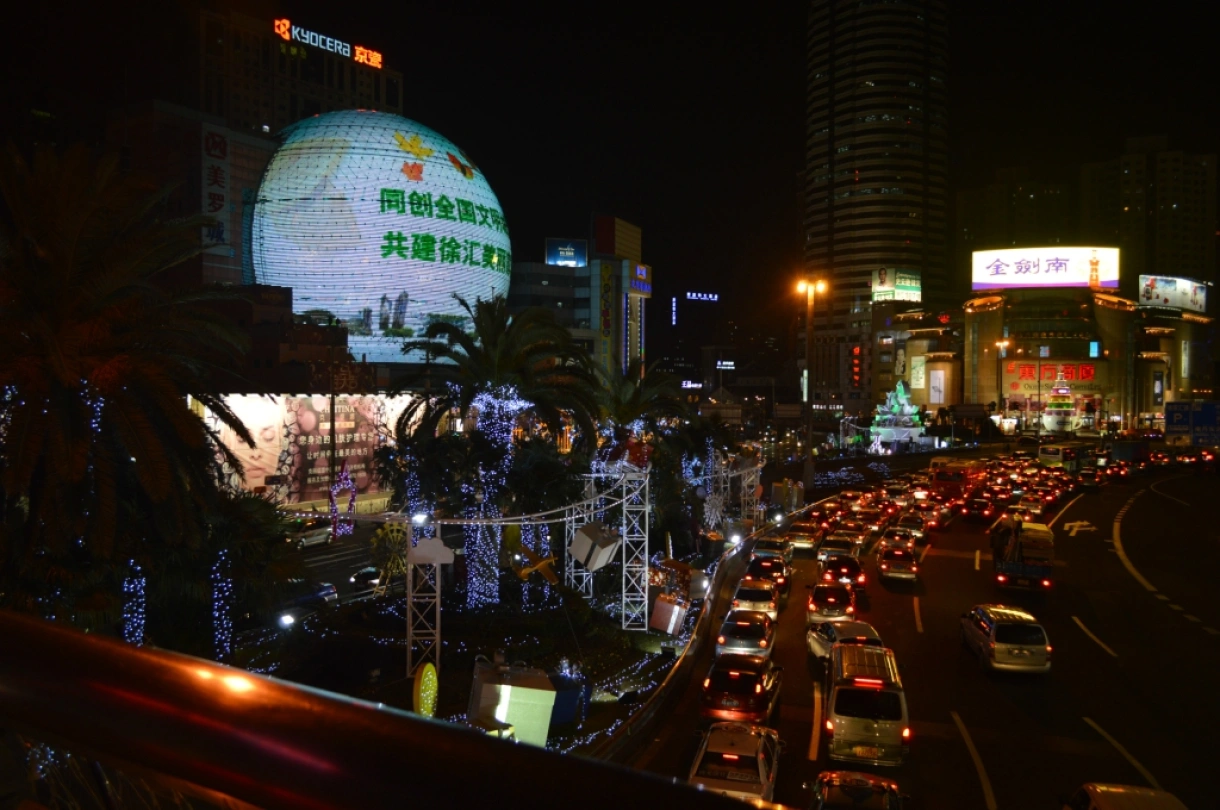
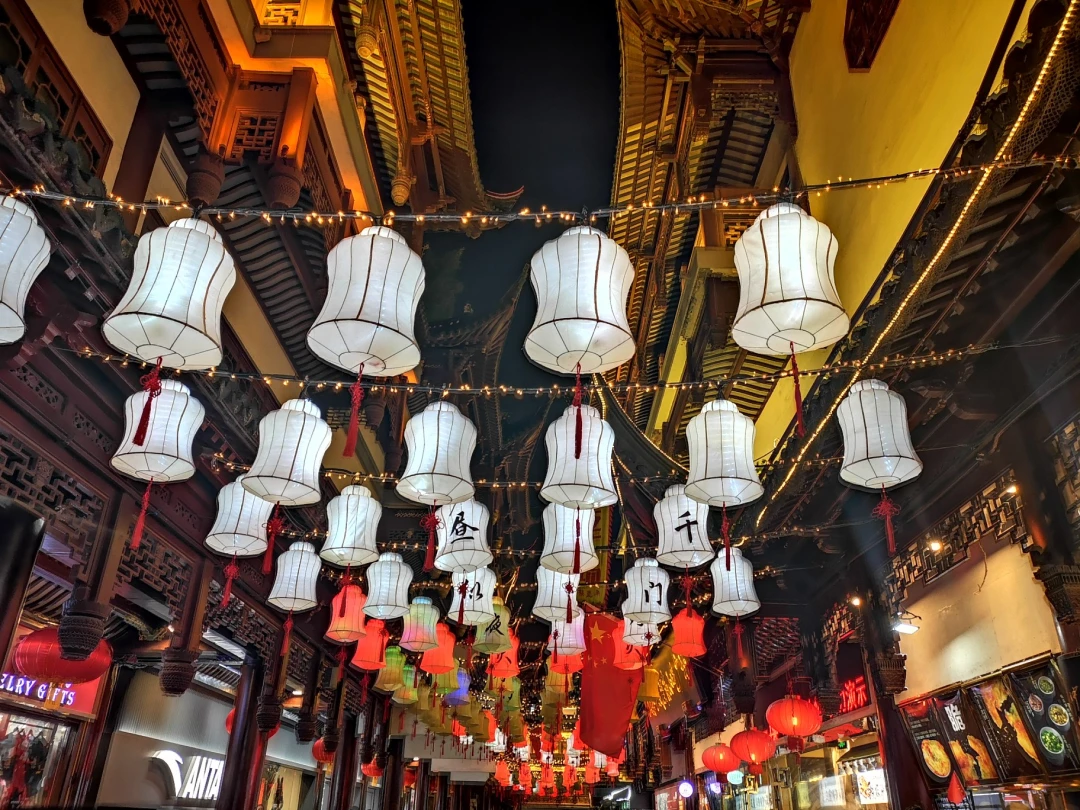
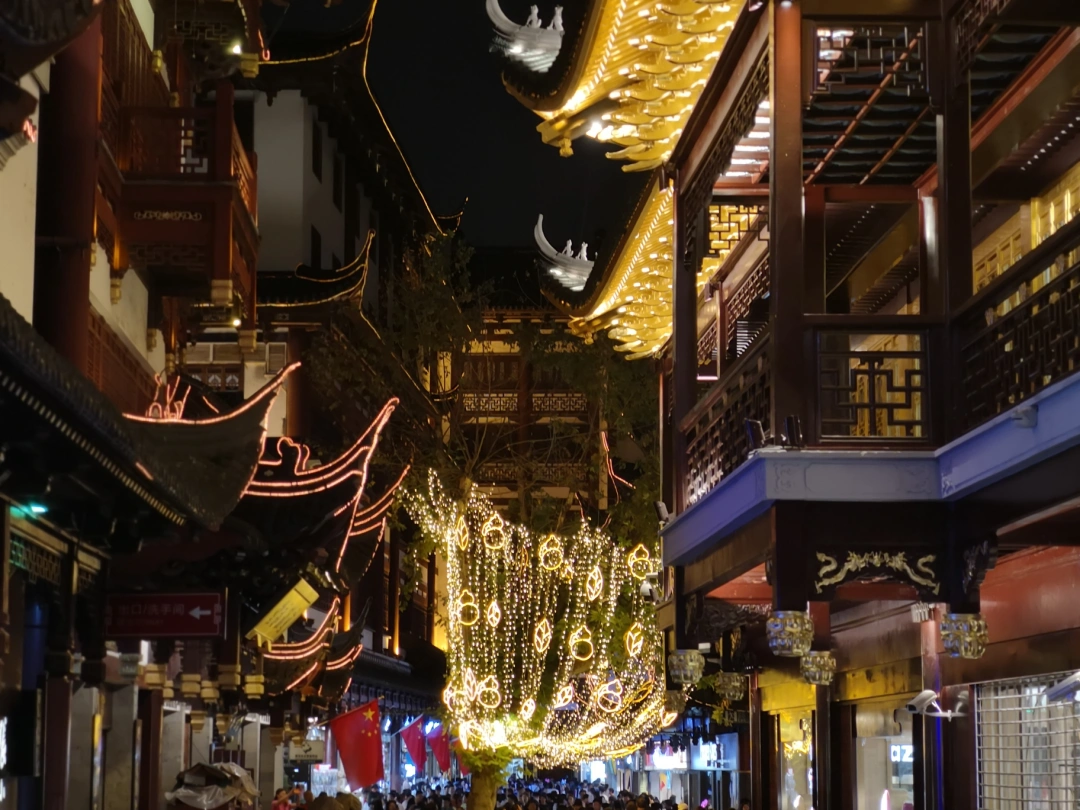
After dropping my luggage, I headed straight for Nanjing Road Pedestrian Street. During National Day, this iconic shopping thoroughfare transforms into a festive wonderland. Shopfronts were draped with Five-Star Red Flags, and neon signs lit up one by one in the twilight, turning the street into a flowing river of light.
This year's decorations were especially thoughtful—traditional red lanterns coexisted with modern art installations, seamlessly merging tradition with contemporary style. The time-honored shops drew long queues: Shen Dacheng for fresh pork mooncakes, Tai Kang for iconic cookies, and Lao Ban Zhai for crab roe soup dumplings.
I squeezed into the crowd and bought a freshly baked pork mooncake. The flaky pastry crumbled in layers; the filling was juicy and savory. One bite—crispy, fragrant, and rich—and all the fatigue of the journey melted away.
The Bund at Night: A Visual Feast Like No Other
If Shanghai by day is an elegant lady, the Bund at night is a noblewoman in her finest gown. Walking east along Nanjing Road, passing through the arcades of the Peace Hotel, the Bund's nightscape appeared before me—and I almost forgot to breathe.
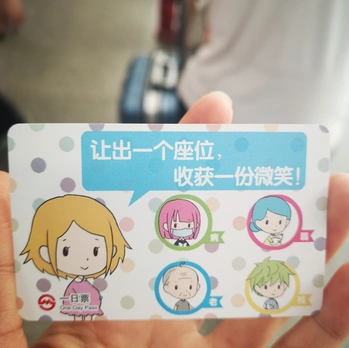
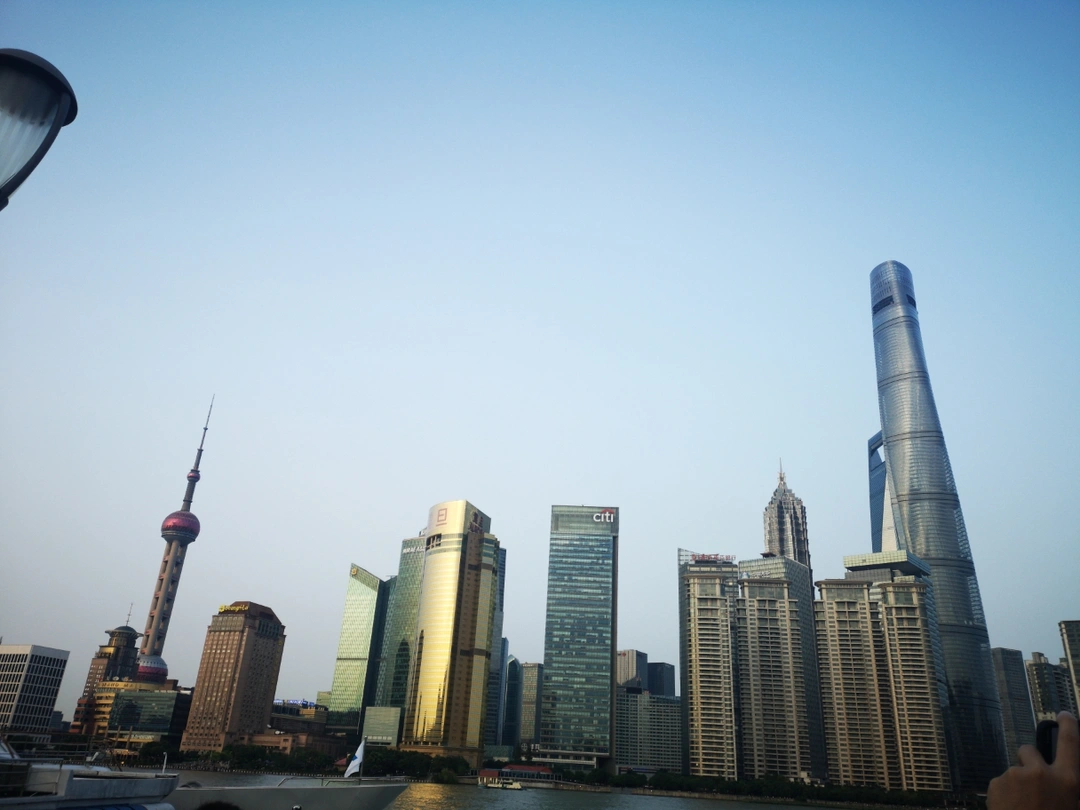
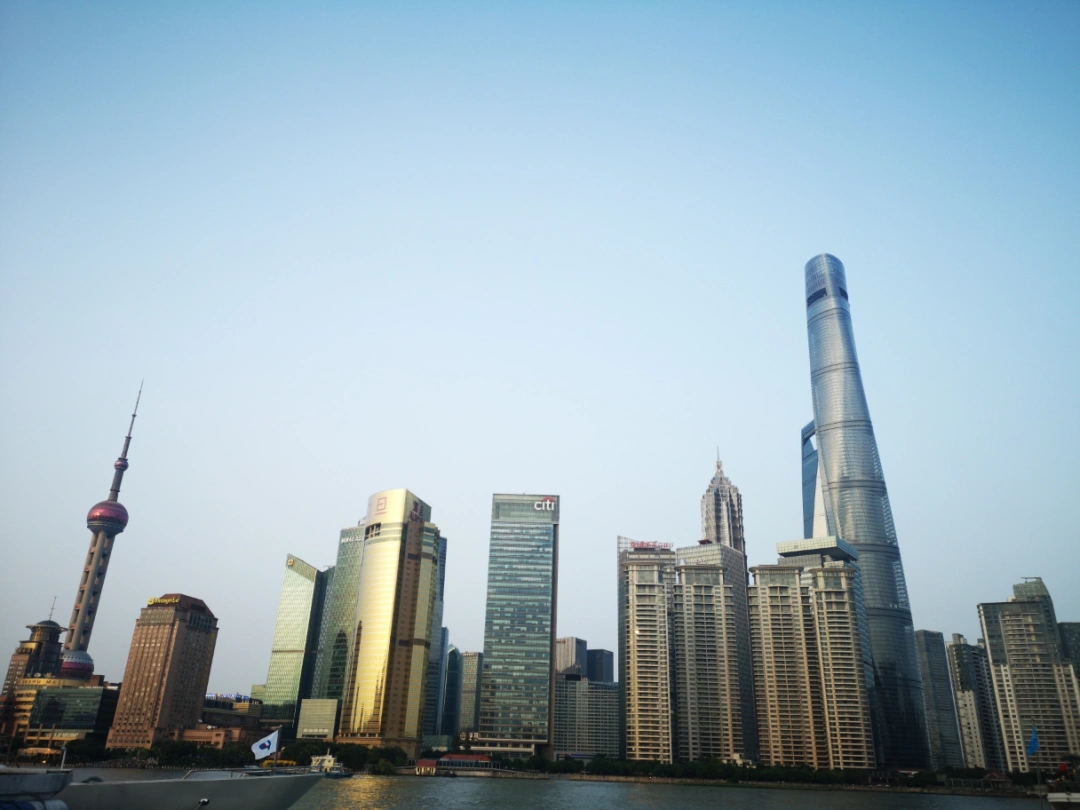
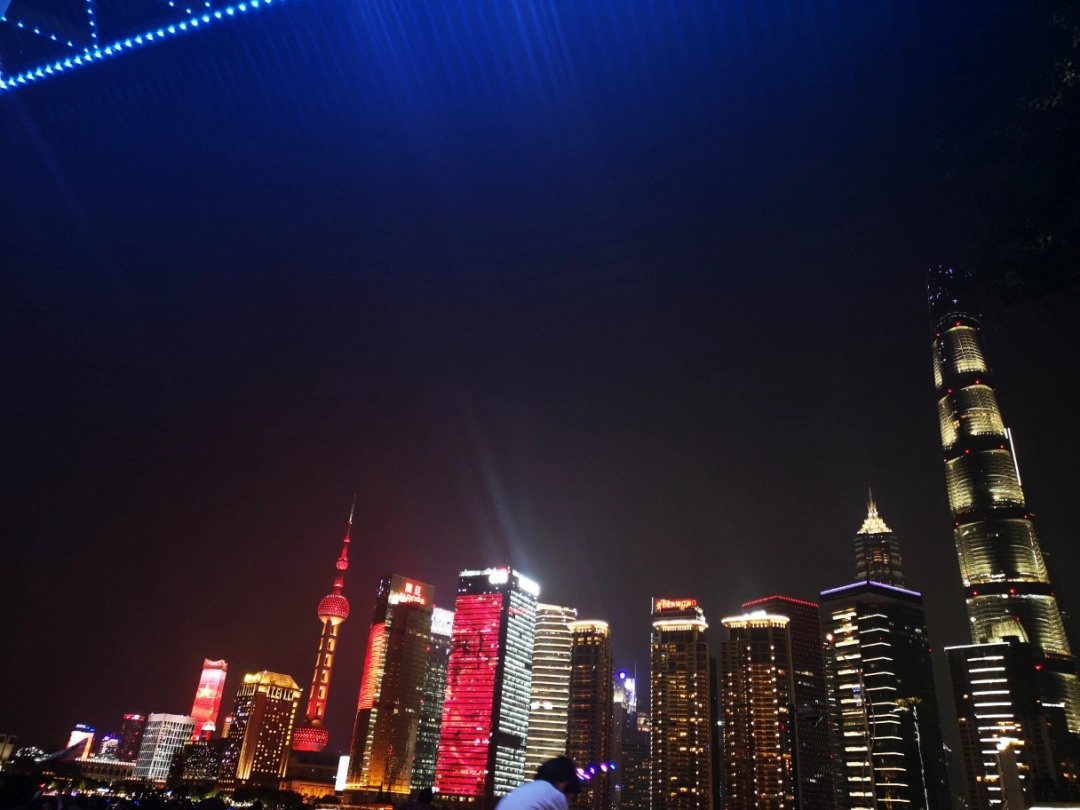
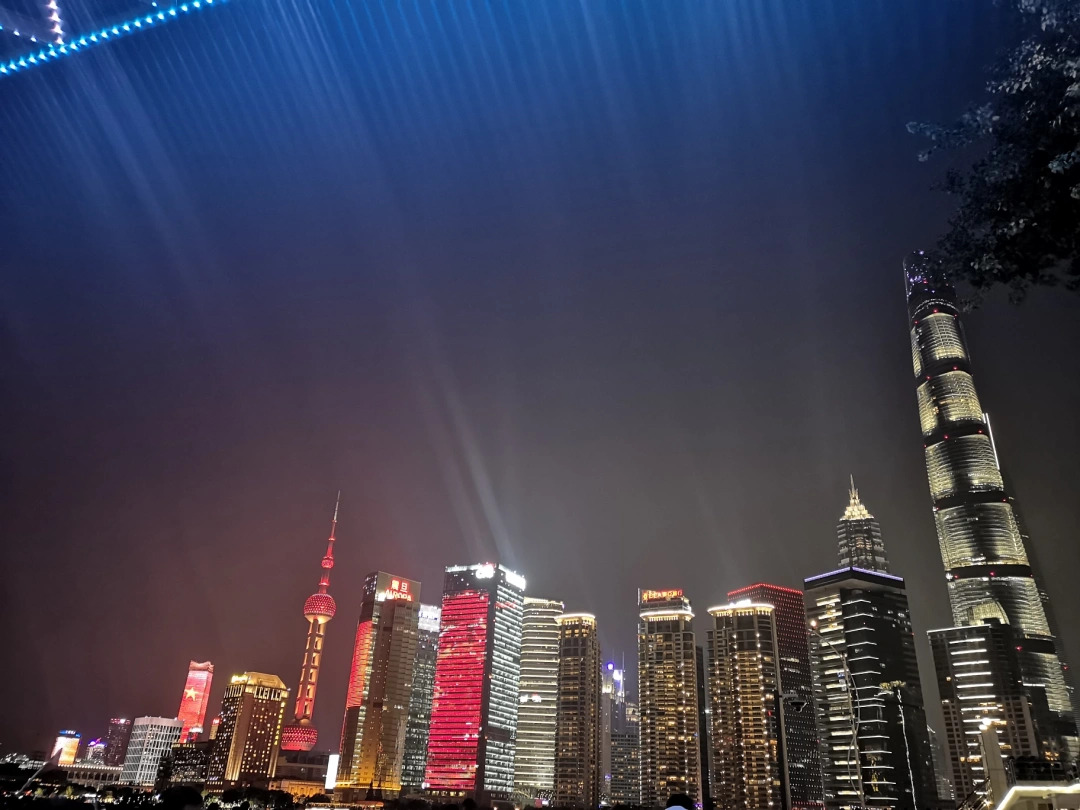
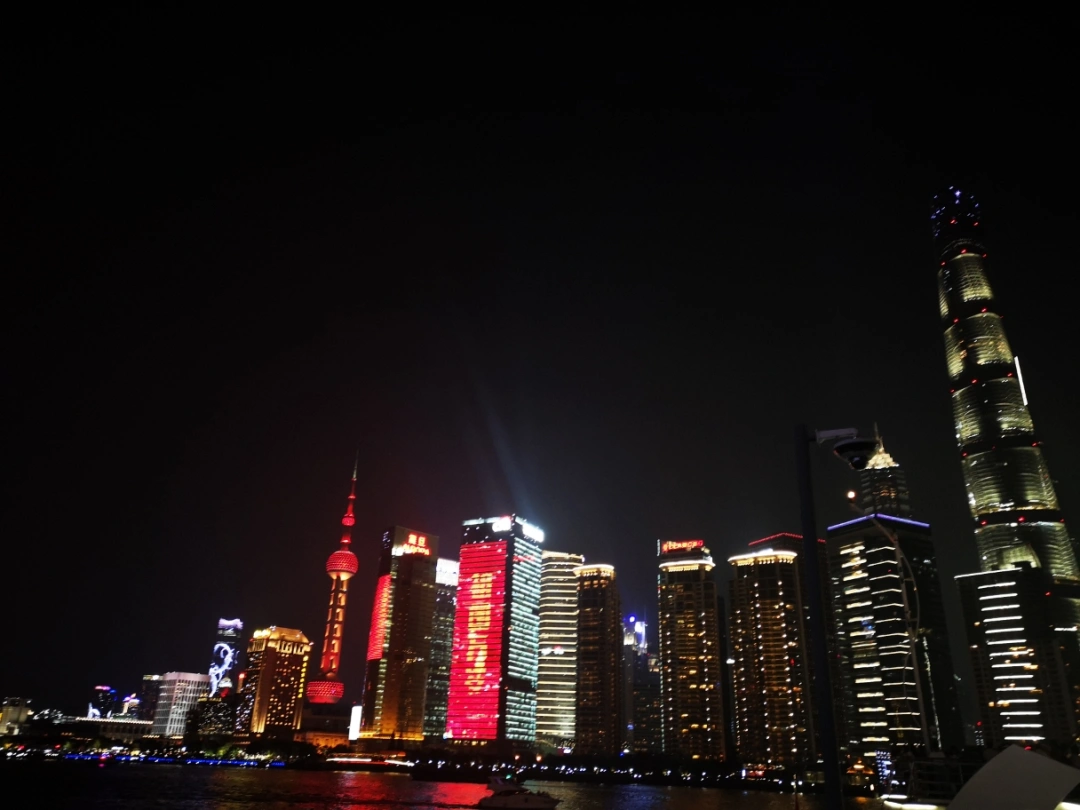
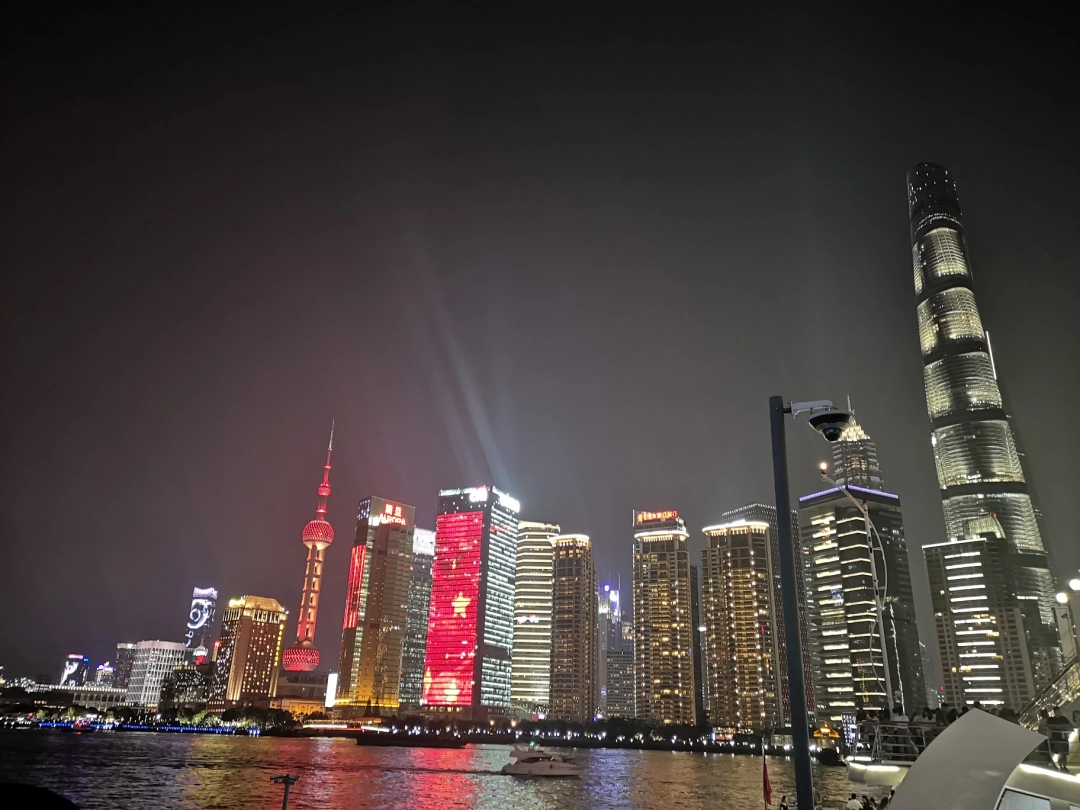
The colonial buildings along the Bund glowed warm and dignified under amber lights. Across the river, Lujiazui told a different story. The Oriental Pearl Tower, Shanghai Tower, and Shanghai World Financial Center traced the skyline with cool-toned lights, creating a striking contrast with the classical architecture on the opposite shore.
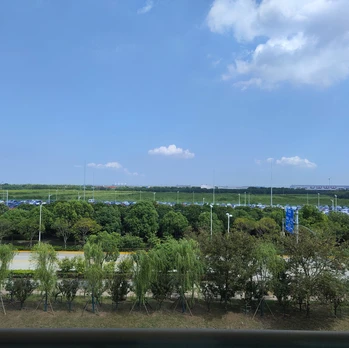
During National Day, the Bund's light show elevated this visual feast. Every half hour, the buildings synchronized in a cascade of colors—from Chinese red to deep ocean blue, from gold to purple. The entire Bund seemed to dance in light.
I stood by the railing, watching cruise ships glide past with passengers waving glow sticks. The river breeze brushed my face, and faint music drifted from somewhere in the distance. In that moment, I finally understood why the Bund's night view is one of a kind. Here, you don't just see Shanghai's past and present—you feel the city's vibrant, unstoppable energy.
Day 2: Old Shanghai in the Alleys – Hidden Gems and Local Flavors
Tianzifang: Art, Craft, and Community
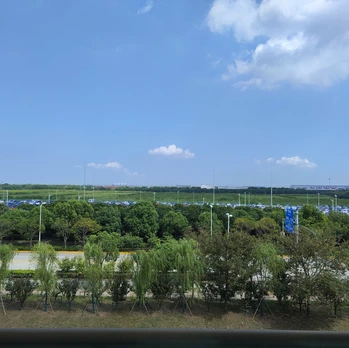
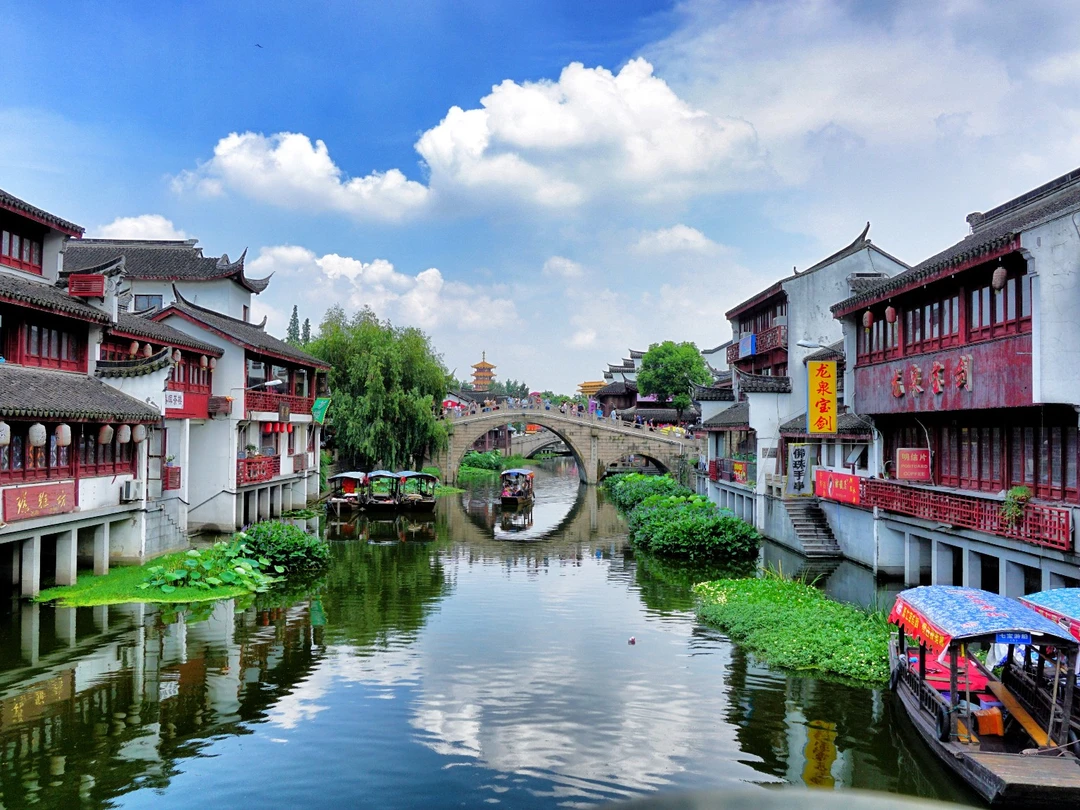
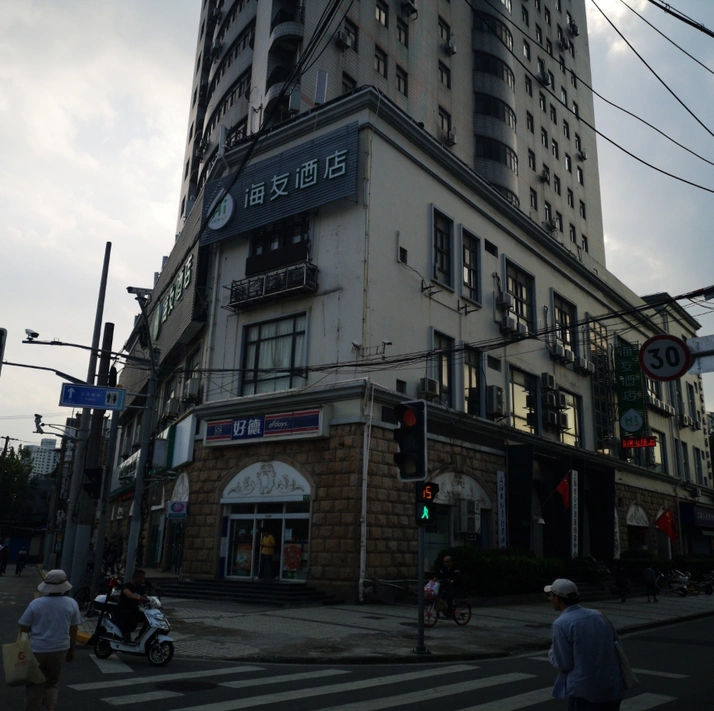
On my second day, I skipped the major attractions to explore old Shanghai hidden behind the glittering surface. At nine in the morning, I arrived at Tianzifang—a former Shikumen neighborhood transformed into a hub of art and commerce. In the narrow alleyways, coffee shops, handicraft stores, galleries, and food stalls lined up side by side, each step revealing something new.
Inside a handmade leather goods shop, I met an elderly craftsman with graying hair. He had worked with leather in this alley for forty years, witnessing Tianzifang's transformation from a quiet residential area into a trendy hotspot. "It used to be all homes around here," he said. "Now it's lively, sure, but something's missing." As he spoke, he continued sanding a leather bag with practiced, focused strokes.
For travelers interested in [Link: Shanghai's Shikumen architecture and cultural heritage], Tianzifang offers a living museum of the city's architectural evolution.
Sinan Road: Elegance and History
Leaving Tianzifang, I walked south along Sinan Road—one of Shanghai's most elegant streets. Plane trees lined the avenue, their shadows dancing in the breeze. Sunlight filtered through the leaves, casting dappled patterns on the pavement. The old villas along the road each had their own stories: the Zhou Enlai Residence, Sinan Mansions, Sun Yat-sen's former home. Every building was an open history book.
Local Shanghainese Cuisine: A Taste of Home
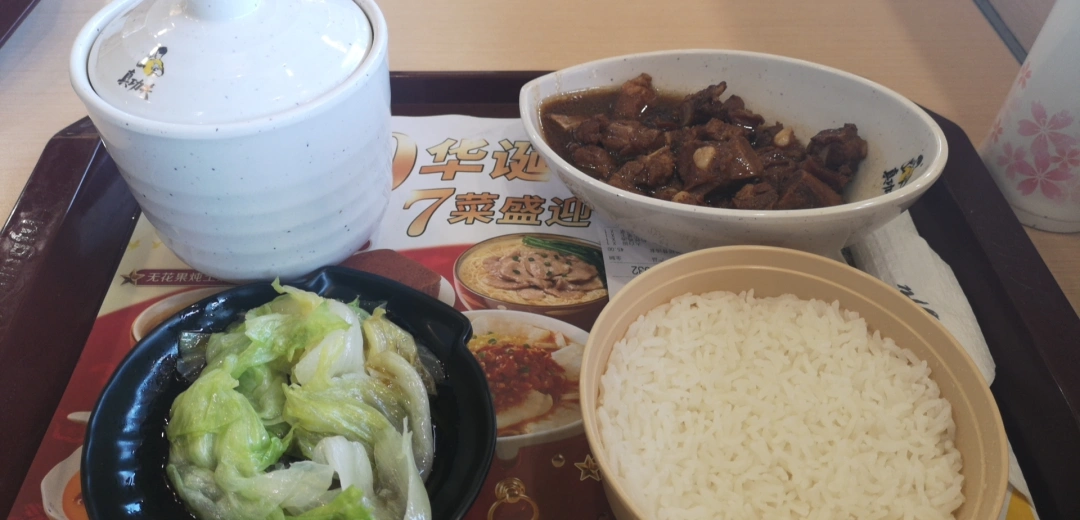
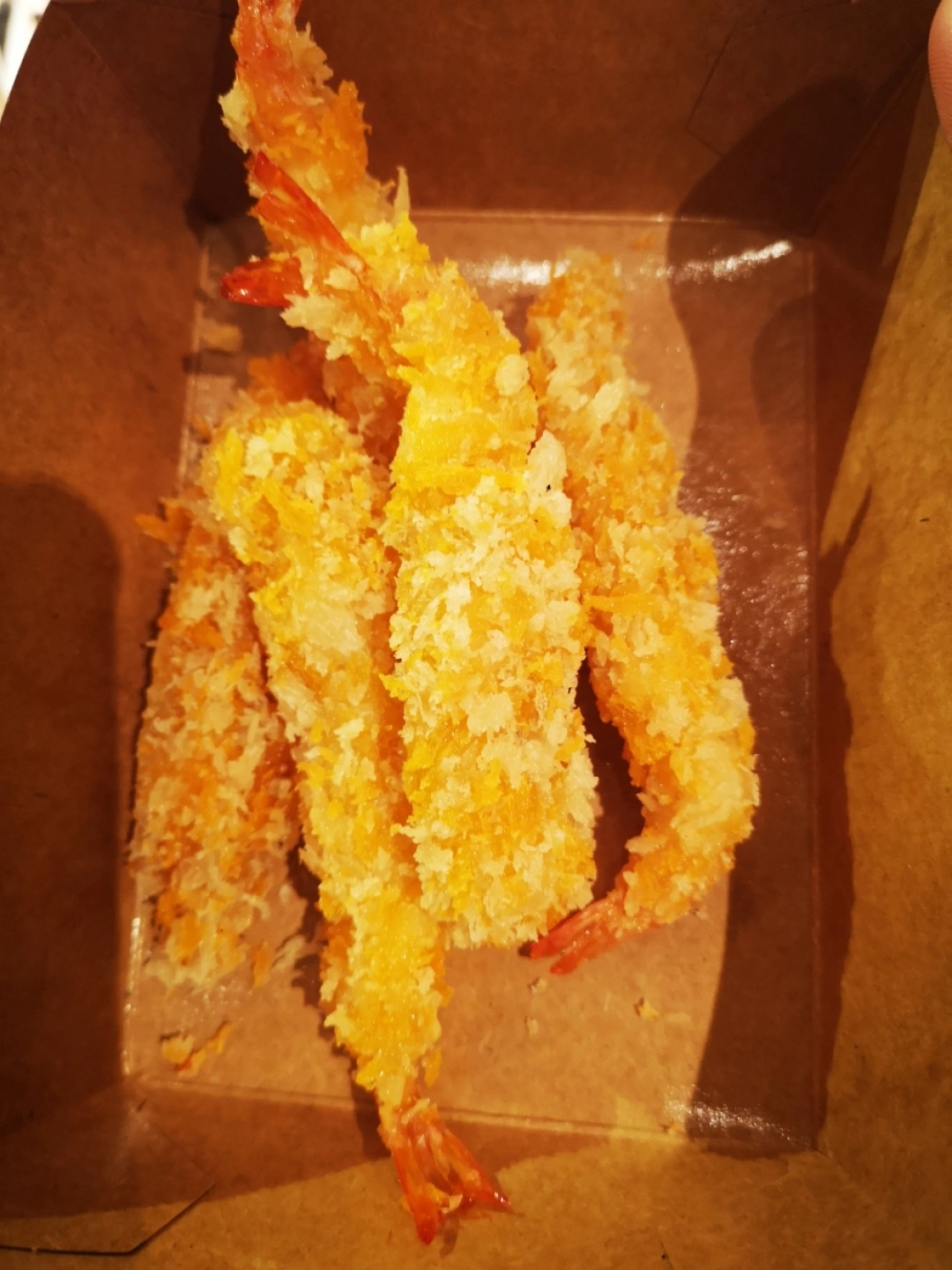
Around noon, I found a local Shanghainese restaurant near Sinan Mansions. I ordered classic dishes: braised pork belly (红烧肉), oil-exploded shrimp (油爆虾), crab roe tofu (蟹粉豆腐), and salted pork with bamboo shoots (腌笃鲜). The pork belly was rich but not greasy, melting on the tongue; the shrimp were crispy on the outside, sweet on the inside; the tofu was silky and infused with crab flavor.
The owner, a warm-hearted Shanghainese auntie, enthusiastically explained the origins and cooking methods of each dish. Before I left, she even gave me a box of homemade osmanthus cake—a taste of authentic Shanghai hospitality.
Day 3: Another Side of Modern Shanghai
Shanghai Tower: The City from Above
On my last day, I explored Shanghai's contemporary face. In the morning, I headed to Lujiazui in Pudong. Standing on the 118th-floor observation deck of the Shanghai Tower, I could see the entire city spread out below. The Huangpu River wound through it like a silver ribbon, dividing the city in two. In the distance, the colonial buildings along the Bund shimmered in the sunlight; up close, the glass facades of skyscrapers reflected dazzling light.
Shanghai Science and Technology Museum: Learning Through Play
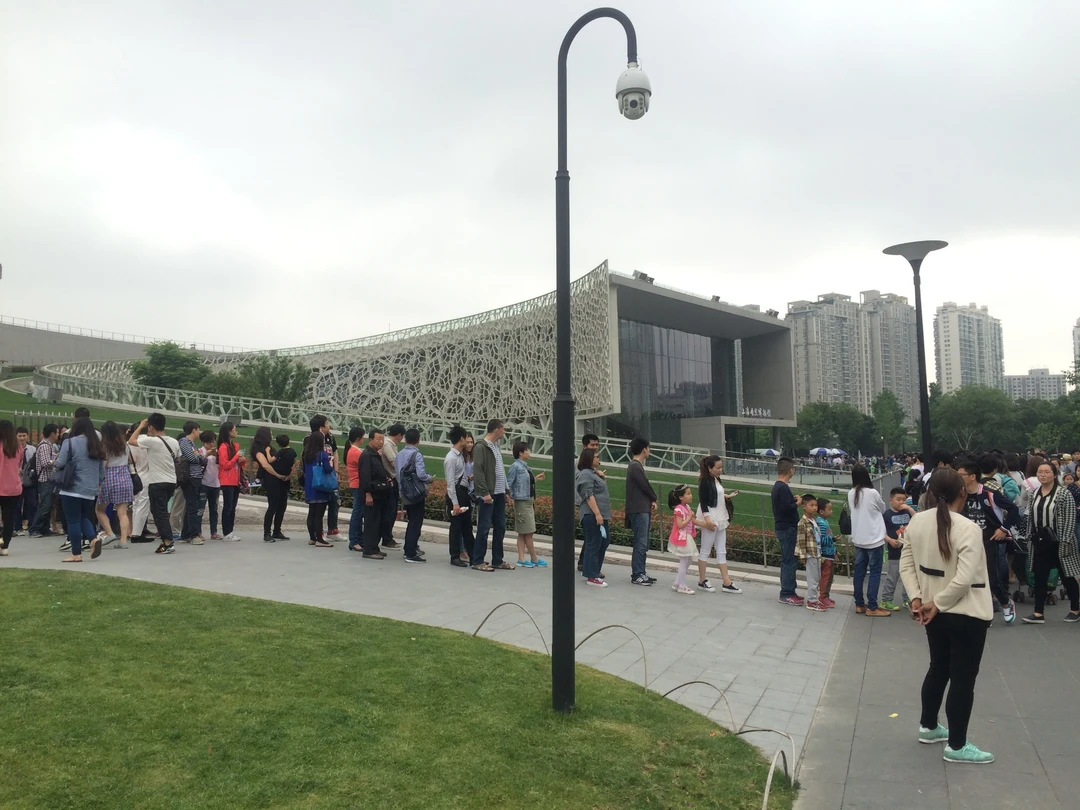
After descending from the tower, I visited the Shanghai Science and Technology Museum. It was a paradise for families—animal exhibits, robot performances, space exploration zones. Every area was interactive and engaging. What impressed me most was the "Wisdom Light" section, which used sound, light, and electricity to demonstrate principles of physics, chemistry, and biology.
A little boy screamed with excitement in front of a Faraday cage while his father patiently explained electrostatic shielding. In that moment, I saw the seeds of science being planted in the next generation.
M50 Creative Park: Contemporary Art in a Factory Setting
In the afternoon, I went to M50 Creative Park. Once the Shanghai Chunming Textile Mill, it has become a gathering place for contemporary artists. The park retains the original factory structure—high ceilings, exposed pipes, weathered walls—creating a fascinating dialogue with the modern artworks on display.
In one gallery, I met a Chinese painter who was working on a piece. He told me that M50 is the freest art space in Shanghai. "Here, you can paint whatever you want," he said. "No one limits you."
For art enthusiasts seeking [Link: Shanghai's contemporary art scene and gallery districts], M50 is an essential stop.
FAQ: Planning Your Shanghai Autumn Trip
Q: What is the best time to visit Shanghai for autumn colors? A: Mid-October to early November offers peak autumn foliage, especially along tree-lined streets like Sinan Road and in parks like Century Park. The weather is mild, with temperatures ranging from 15-22°C (59-72°F).
Q: How crowded is Shanghai during National Day (October 1-7)? A: National Day is one of China's busiest travel periods. Expect large crowds at major attractions like the Bund and Nanjing Road. Book accommodations and train tickets at least 2-3 weeks in advance. However, the festive decorations and light shows make it worthwhile.
Q: What are must-try local foods in Shanghai? A: Don't miss xiaolongbao (soup dumplings), shengjianbao (pan-fried pork buns), braised pork belly, scallion oil noodles, and crab roe dishes. For authentic experiences, visit time-honored shops on Nanjing Road or local restaurants in the French Concession.
Q: Is Shanghai expensive for a 3-day trip? A: Shanghai can suit various budgets. Mid-range hotels cost $60-120 per night, meals at local restaurants $5-15 per person, and attraction tickets $10-30. Budget travelers can find hostels and street food for less.
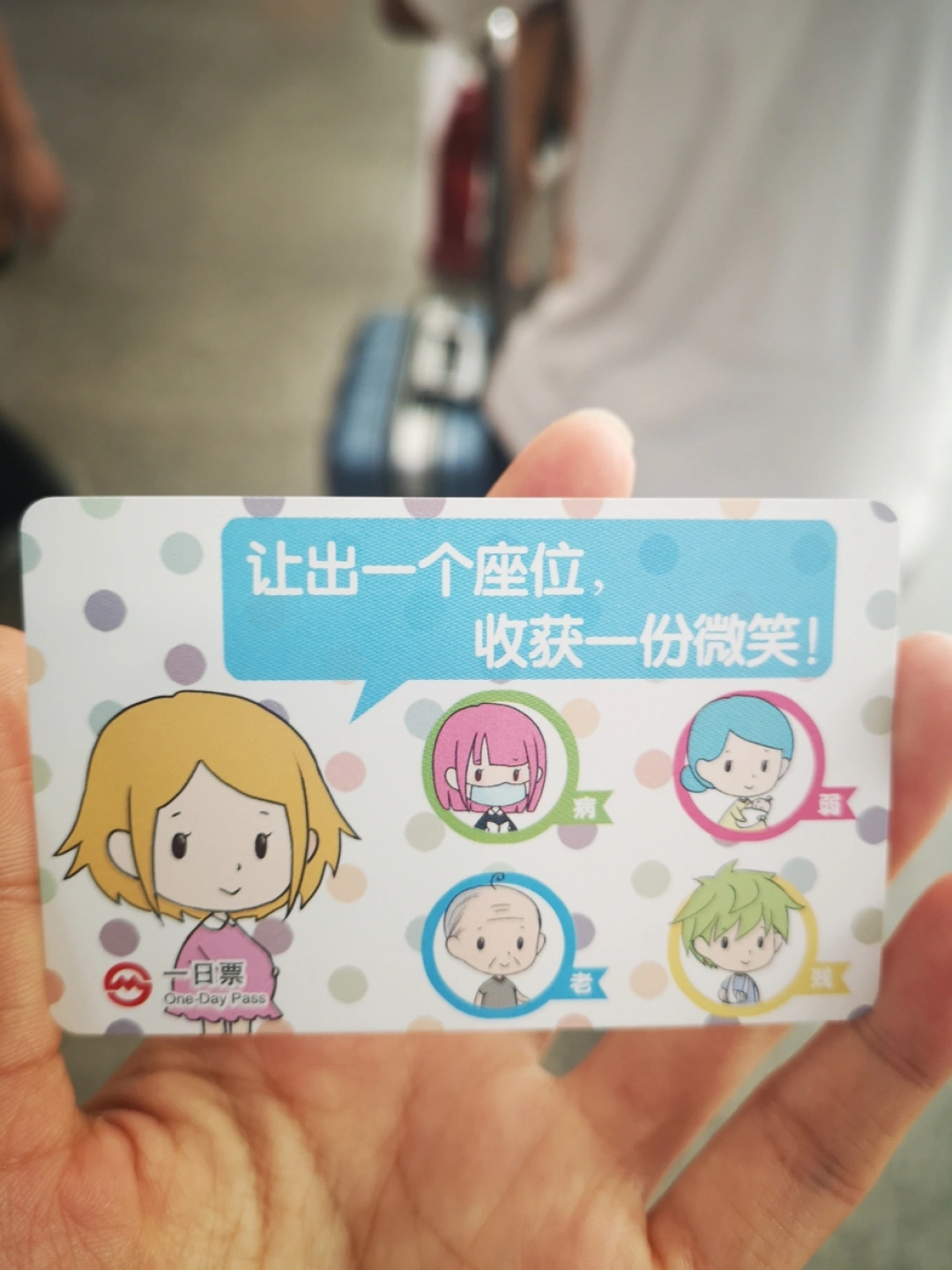
Q: How do I get around Shanghai efficiently? A: The Shanghai Metro is the most efficient option, covering all major attractions. Buy a Shanghai Public Transportation Card for convenience. Ride-hailing apps like Didi are also widely available and affordable.
Epilogue: A City You Can Never Exhaust
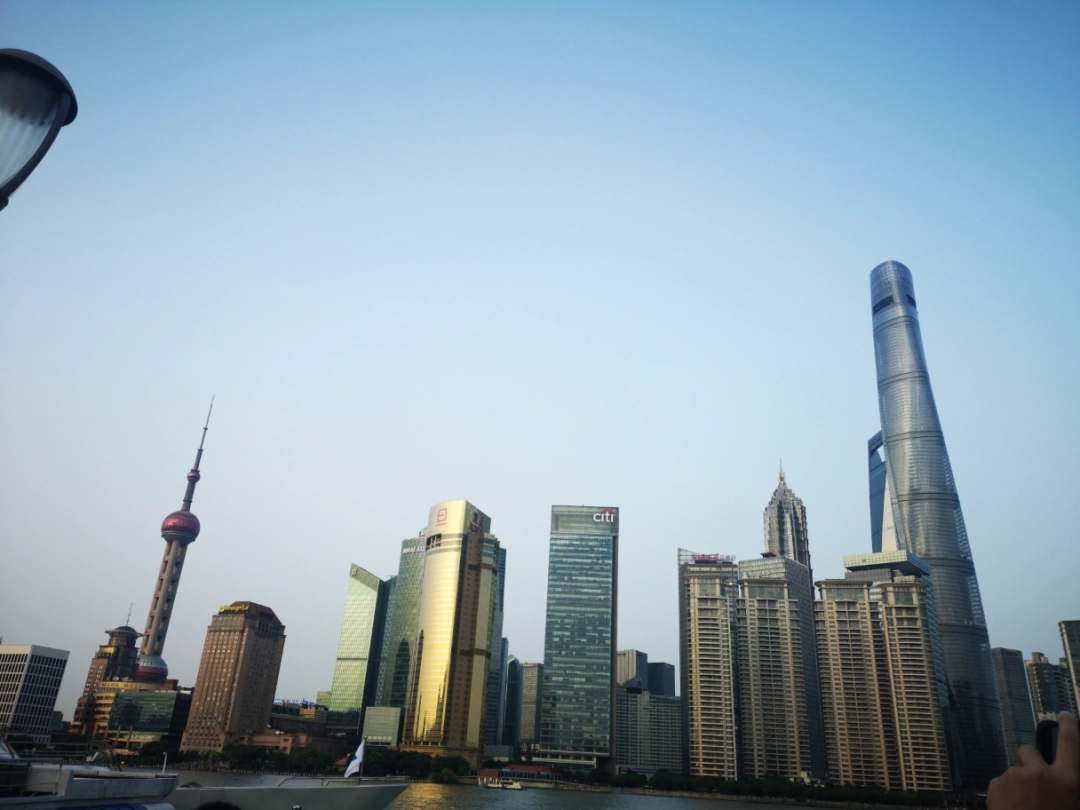
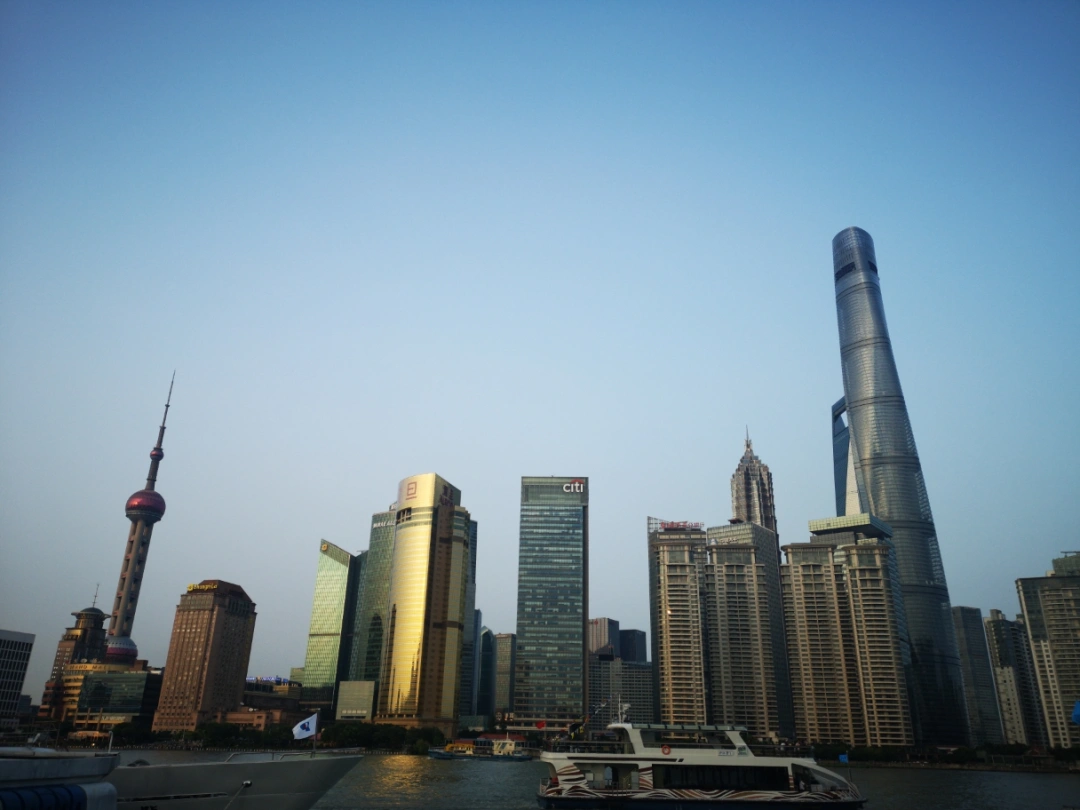
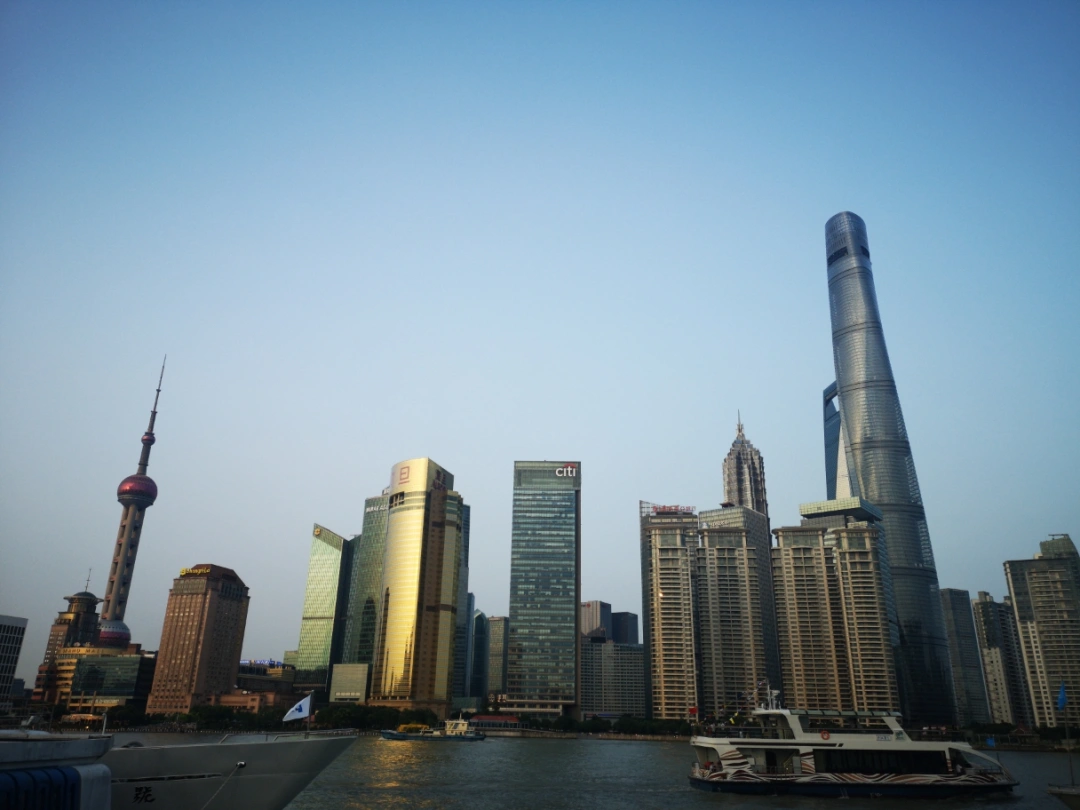
Three days—not long, not short. On the afternoon I left Shanghai, standing in Hongqiao Railway Station and watching the endless stream of travelers, I felt a little dazed. This city has so much to explore: the Bund at night, the bustle of Nanjing Road, the artistic vibe of Tianzifang, the elegance of Sinan Road, the modernity of Lujiazui. Every corner holds a different story.
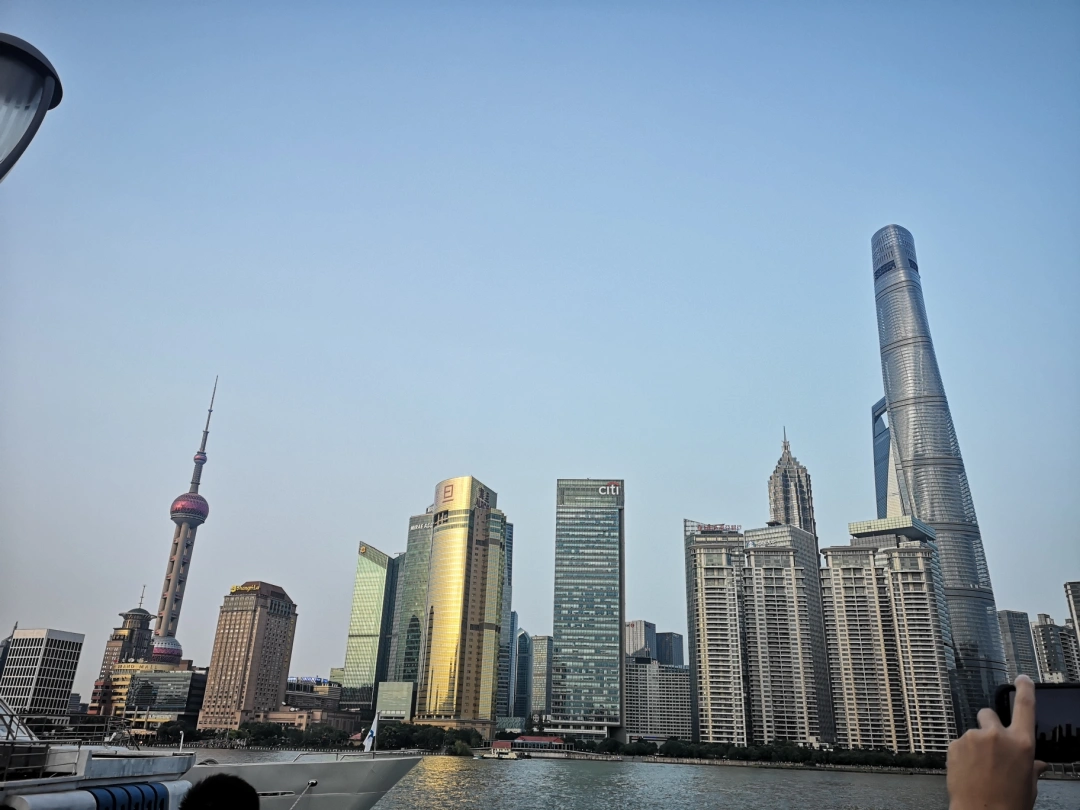
Shanghai is like a book you can never finish reading. The deeper you go, the more you discover. And this National Day trip showed me its most brilliant side—Five-Star Red Flags fluttering everywhere, meticulously designed light shows, warm and welcoming locals. This city was celebrating its country's birthday in its own unique way.
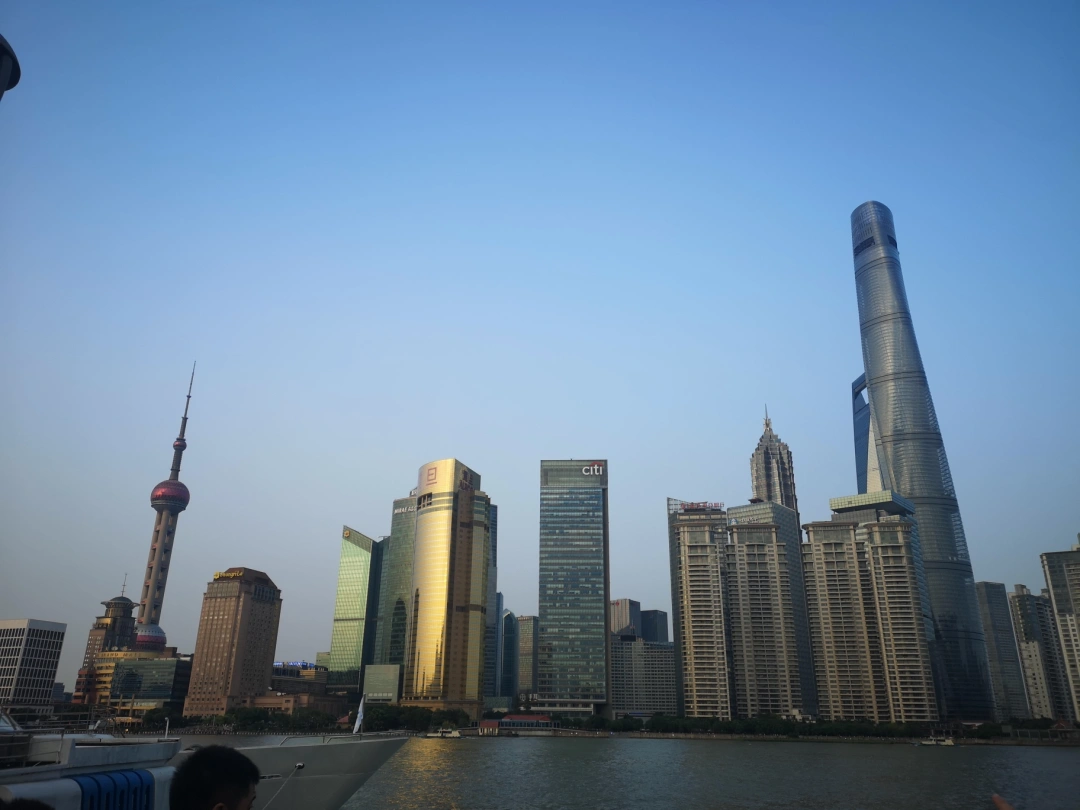
Ready to experience the Magic City for yourself? [Book your Shanghai trip today] and discover why autumn is the perfect season to fall in love with this extraordinary metropolis. Whether you're a first-time visitor or returning traveler, Shanghai's blend of tradition and innovation will leave you planning your next visit before you've even left.
You may also like