The Shape of Time: A Century-Spanning Journey Through Art – West Bund Museum Exhibition Guide
Meta Description: Explore "The Shape of Time" exhibition at Shanghai's West Bund Museum, featuring Centre Pompidou masterpieces. Discover Cubism, Futurism, and modern art spanning 100 years. Plan your visit with our complete guide.
Introduction: When Time Takes Shape on the Huangpu River
In the early summer of 2020, while travel to distant mountains and seas remained a distant dream, a different kind of journey beckoned—one that spanned a century without leaving Shanghai. The West Bund Museum's landmark exhibition, "The Shape of Time," brought the legendary Centre Pompidou collection from Paris to the banks of the Huangpu River, offering visitors a rare opportunity to trace the evolution of modern art through 100 years of creative revolution.
This isn't just an art exhibition; it's a cultural pilgrimage through the shifting landscapes of human perception, from the birth of modernity to the dawn of the digital age. Whether you're an art enthusiast, a curious traveler, or someone seeking inspiration, this guide will help you navigate the exhibition's treasures and plan your visit.
The West Bund Museum: Shanghai's Crystal Box of Contemporary Art

Architecture as Art: David Chipperfield's Vision
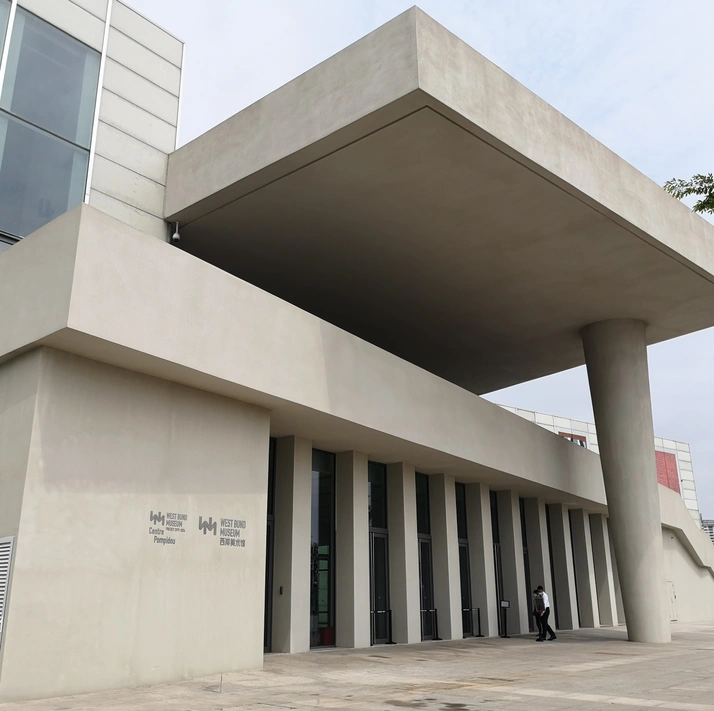
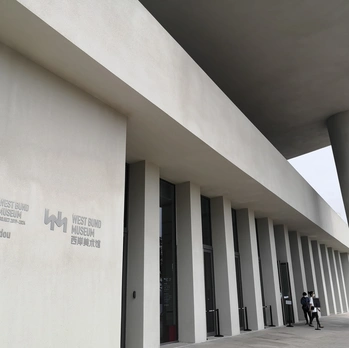
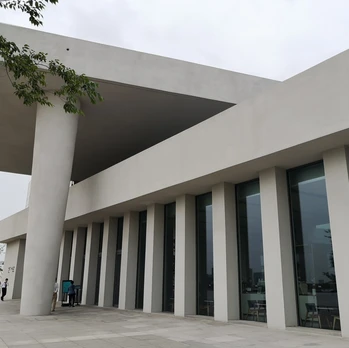
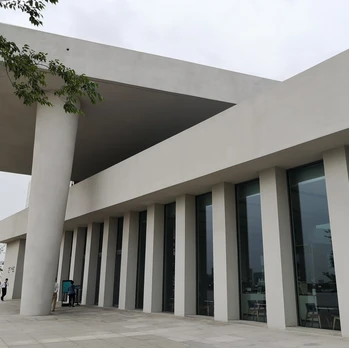
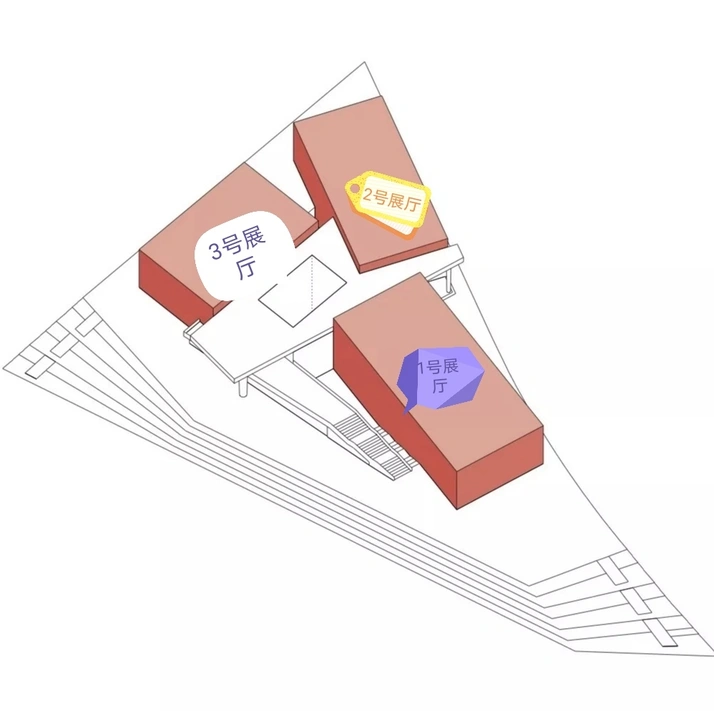
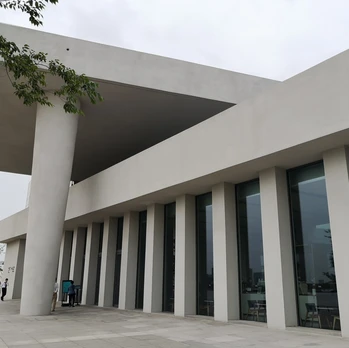
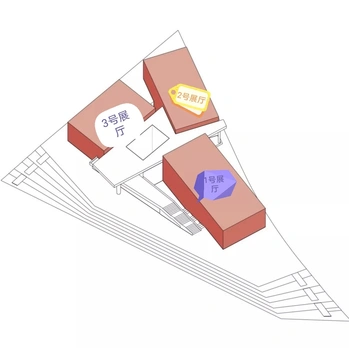
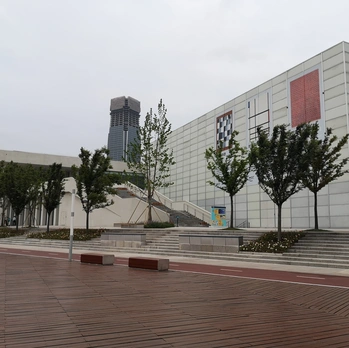
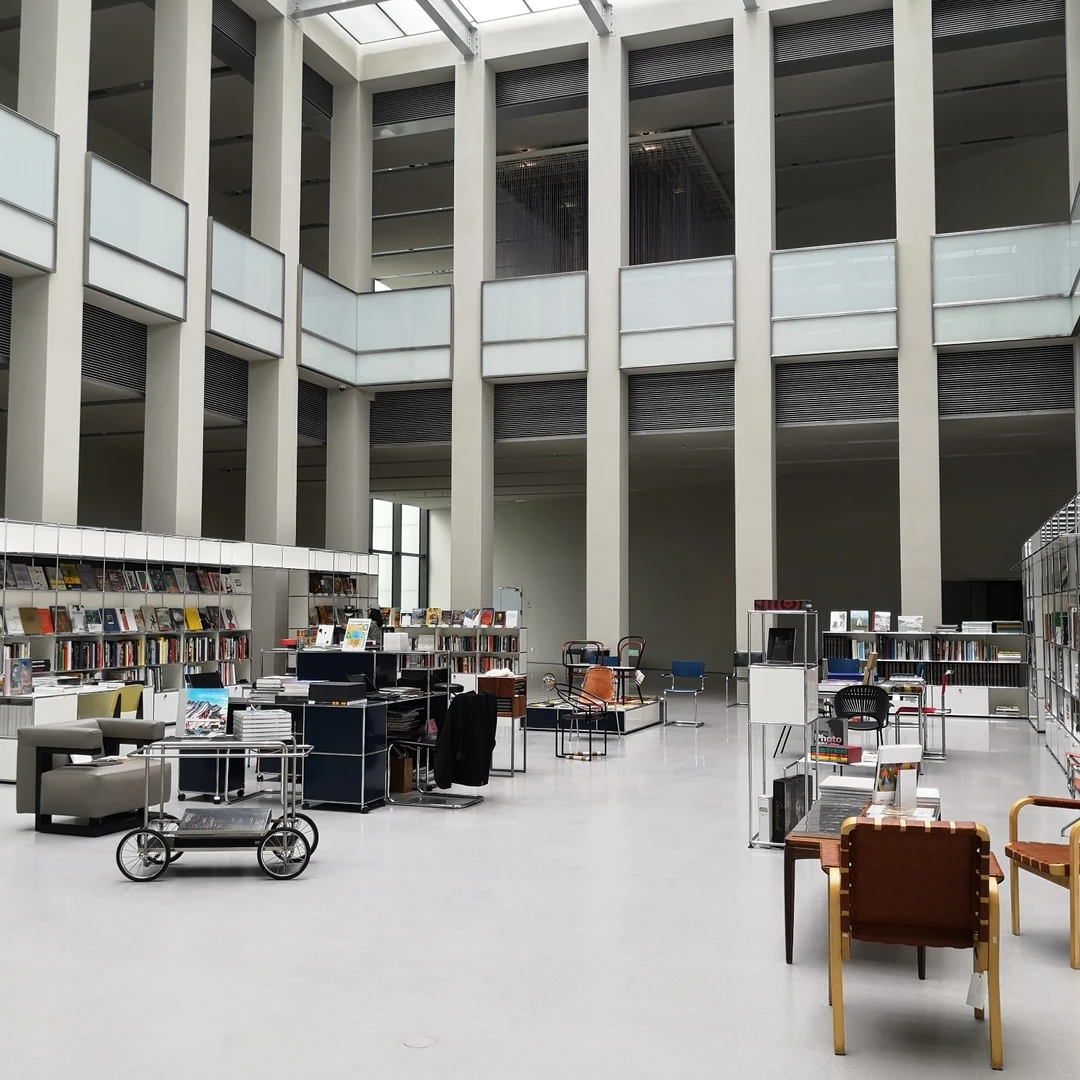
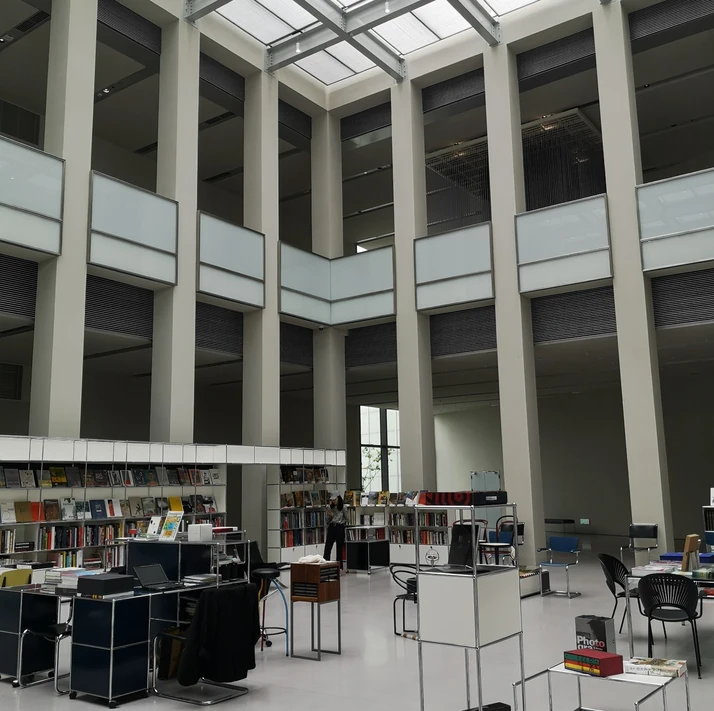
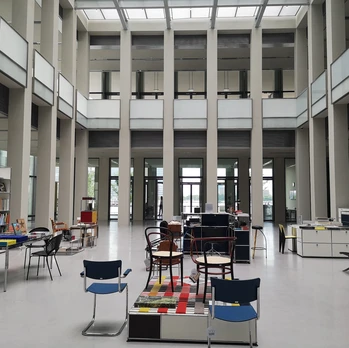
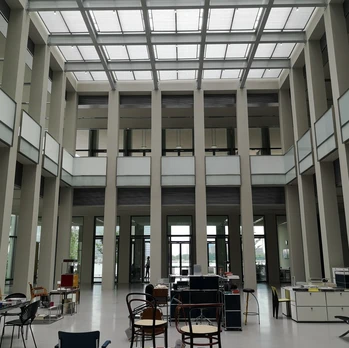
Nestled on the banks of the Huangpu River, the West Bund Museum stands as a testament to architectural elegance. Designed by British architect David Chipperfield over three years, the building features a pinwheel layout with three exhibition halls connected by a double-height central atrium. This "temple of light" gently guides visitors through a seamless journey of discovery.
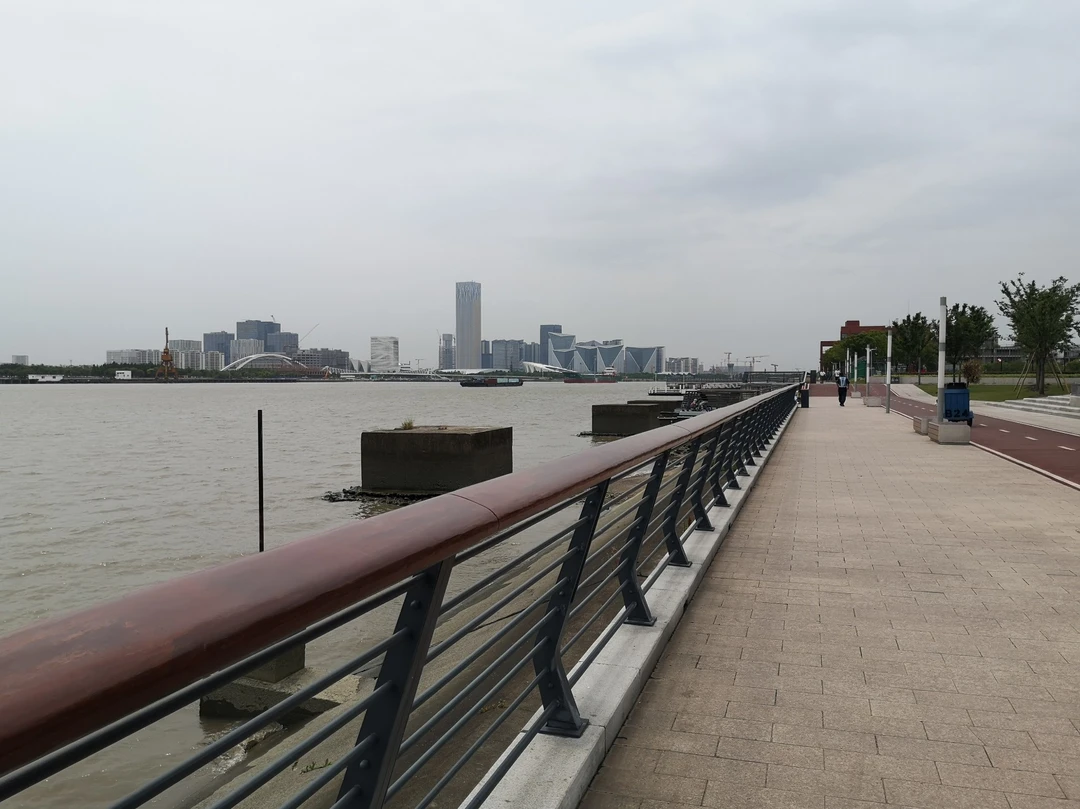
Key architectural highlights: - Ground floor: The art bookstore resembles a transparent crystal box, where rows of pillars and sheets of glass slice natural light into captivating geometric patterns. Best of all? Entry is free—you can explore this space, ascend to the second floor, and enjoy river views without purchasing a ticket. - Second floor: Floor-to-ceiling windows offer panoramic views of the Huangpu River, perfect for souvenir photos or quiet reflection.
Exhibition Details: What You Need to Know
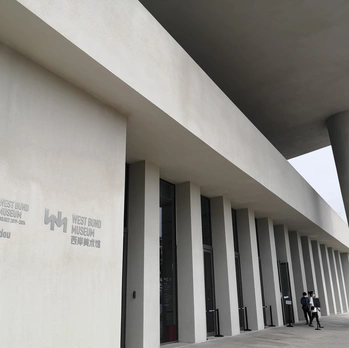
The museum opened its doors on November 8, 2019, with a landmark partnership with the Centre Pompidou in Paris. The inaugural exhibition, "The Shape of Time – Highlights of the Centre Pompidou Collection (Vol. I)," runs through May 9, 2021.
Practical information: - Tickets: 70 RMB (weekdays), 80 RMB (weekends/holidays) - Combo tickets: 150 RMB (weekdays), 170 RMB (weekends/holidays) – includes "Observations – Highlights of the Centre Pompidou New Media Collection" - Opening hours: 10:00 AM – 5:00 PM (last entry at 4:00 PM) - Closed: Mondays (ground-floor café, bookstore, and restaurant remain open) - [Link: West Bund Museum official website for ticket booking] - [Link: Nearby attractions along the West Bund waterfront]
The Shape of Time: A Century of Modern Art Evolution
Understanding the Exhibition's Philosophical Foundation
The exhibition's title draws from George Kubler's seminal work, The Shape of Time: Remarks on the History of Things. Kubler observed that "historians all aim to depict time," but time has no single form—its shape is a cultural concept, shifting across eras and civilizations.
In the late 19th century, the concept of "modernity" emerged in Western thought. Poet Charles Baudelaire defined it as "the transient, the fleeting, the contingent"—one half of art, while the other half remained "the eternal and the immutable." This duality echoes through the exhibition, which brings together the core collection of the Musée National d'Art Moderne at the Centre Pompidou, established since the 1930s.
The exhibition is divided into eleven chapters. Today, we explore the first three, which lay the foundation for understanding modern art's radical transformation.
Chapter One: Modernity – Early 20th Century Art and the Industrial City
As the 20th century dawned, the Industrial Revolution reshaped Europe's great cities. Electric lights banished darkness, cars shrank distances, and the telegraph and telephone connected the world. Humanity began to perceive space and time in entirely new ways—and artists responded with revolutionary techniques.
Cubism: Breaking the Shackles of Perspective
Cubist artists rejected traditional single-point perspective, instead presenting multiple viewpoints simultaneously on the canvas. This fragmented approach mirrored the fragmented experience of modern urban life.
Futurism: The Cult of Speed and Machine Power
Futurists elevated cars, trains, and industrial machinery to new aesthetic totems. They celebrated speed as the defining beauty of the modern age.
Key Artworks in Chapter One
The Great Horse: From Animal to Machine
Artist: Raymond Duchamp-Villon
Medium: Bronze sculpture
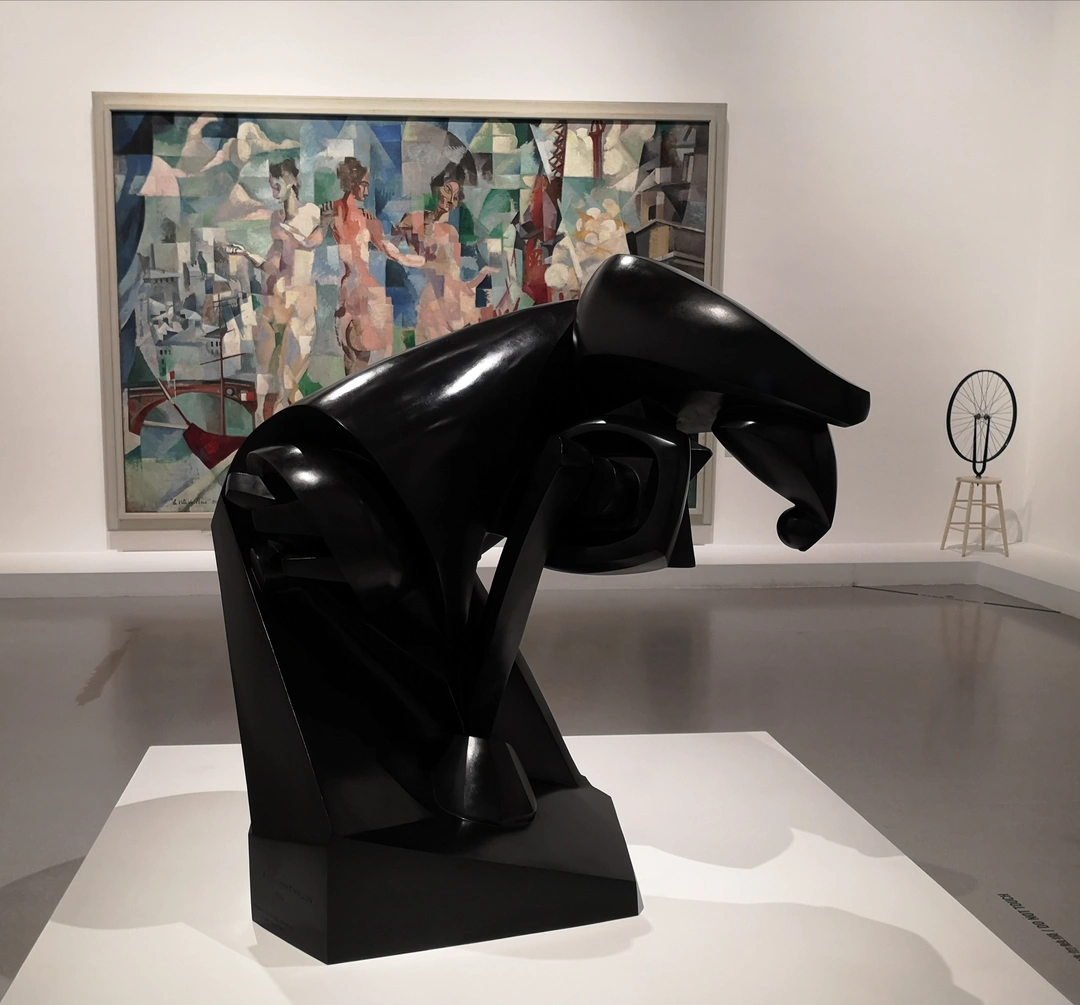
The Great Horse is a striking metamorphosis: the horse's head, neck, and hooves are fragmented, stylized, and grafted onto a mechanical structure resembling a locomotive. This is no ordinary horse—it charges forward at train-like speed. The artist captures the birth of mechanical power, declaring in 1935: "The power of machines inspires awe; it's hard to imagine life without it."
Why it matters: This sculpture embodies the transition from organic to mechanical, reflecting society's growing dependence on technology.
Guitar Player: Picasso's Cubist Revolution
Artist: Pablo Picasso
Year: 1910
A classic work of Analytical Cubism, Guitar Player breaks the guitarist's figure into multiple vibrant, lustrous planes, recombined in rhythmic harmony. A semicircle atop a cylinder suggests the head, resonating with the guitar's arc below. Picasso abandoned perspective entirely, creating an interwoven network of matter and light.
Why it matters: This painting represents Cubism at its most radical—a complete reimagining of how we represent reality.
[Link: Other Picasso works at the Centre Pompidou]
Flying Car: A Manifesto of Speed's Beauty
Artist: Luigi Russolo
Movement: Futurism
Flying Car captures the dynamic motion of a car racing from right to left. Russolo uses "force lines" to emphasize the sense of power in motion. In 1909, Italian poet Filippo Tommaso Marinetti declared in the Futurist Manifesto: "The world's splendor has been enriched with a new beauty: the beauty of speed."
Why it matters: The car becomes a symbol of technological progress, enabling a revolution of the senses.
Abstract Forms in Red and Black: Russian Avant-Garde Experiments
Artist: Natalia Goncharova
Movement: Russian Avant-Garde
Goncharova was one of the most active artists of the early 20th-century Russian avant-garde. Inspired by Russian folk art, she created Neo-Primitivist paintings using simple imagery and vibrant colors. Later, she incorporated movement and abstract forms—squares and circles collide, fragment, and expand upward, as painting gradually detaches from representation.
Why it matters: This work demonstrates how folk traditions influenced the birth of abstraction.
The City of Paris: Classical Meets Modern
Artist: Robert Delaunay
Technique: Cubist fragmentation
The City of Paris pushes Cubist techniques to their extreme. Fragmented views of Paris and the Eiffel Tower merge into the colossal nude figures of the Three Graces—the modern city meets classical allegory. Delaunay wrote: "The streets of Paris: a transition toward creative color, caught between construction and destruction... The female nude is architecture, architecture, the nude."
Why it matters: This painting fuses two opposing aesthetic modes, creating a dialogue between past and present.
Bicycle Wheel: Duchamp's Readymade Revolution
Artist: Marcel Duchamp
Year: 1913 (original), 1964 (replica)
Bicycle Wheel is a stool with a bicycle wheel mounted on it. For Duchamp, this combination could perform a movement as mesmerizing as flames in a fireplace. In 1915, he exhibited a simple bottle rack purchased from a store—considered the birth of the first "readymade" artwork. Duchamp humorously questioned utility, uniqueness, and aesthetic value, declaring that painting had become obsolete in the face of industrial production.
Why it matters: This work fundamentally challenged what constitutes art, opening the door to conceptual art.
[Link: Duchamp's influence on contemporary art]
Bal Bullier: A Carnival of Color and Rhythm
Artist: Sonia Delaunay
Technique: Simultaneous contrasts
Bal Bullier captures the festive atmosphere of a dance hall on Boulevard Saint-Michel. The artist couple often attended dances wearing her "real-time" creations—colorful geometric patterns pulsating under the lights. The panoramic format creates dynamic shots: on the dancing couples, repeated colors of Arabesque-style costumes generate intense rhythmic energy.
Why it matters: This work bridges fine art and fashion, demonstrating how modernism permeated everyday life.
Tugboat Deck and Mechanical Ballet: Léger's Industrial Poetry
Artist: Fernand Léger
Mediums: Oil on canvas (Tugboat Deck), 35mm film (Mechanical Ballet)
Léger loved to wander through ports, factories, and industrial sites. In Tugboat Deck, fragmented geometric shapes and bright colors express his feelings—ship railings, platform grids, bridge berths—every detail is a declaration of modernity. Mechanical Ballet, a 35mm film work, represents Léger's belief that film is the epitome of modern art. He uses montage to create dizzying rhythms, exploring all possibilities of mechanical imagery through mirror games and prisms.
Why it matters: Léger saw beauty in industry, elevating the mundane to the sublime.
FAQ: Your Questions About "The Shape of Time" Exhibition
1. How long does it take to see the entire exhibition?
 Plan for 2–3 hours to fully appreciate the first three chapters alone. The full eleven-chapter exhibition requires at least 4–5 hours, including breaks.
2. Is the exhibition suitable for children?
Yes, but children under 12 may find some conceptual works challenging. The museum offers family guides and interactive areas.
3. Can I take photographs inside the exhibition?
 Photography without flash is generally permitted, but some works may have restrictions. Check signage at each gallery entrance.
4. Is the museum accessible for visitors with disabilities?
 Yes, the West Bund Museum is fully wheelchair accessible, with elevators and accessible restrooms.
5. What else is there to do at the West Bund?
The museum is part of the West Bund Cultural Corridor, featuring other galleries, riverside parks, and restaurants. [Link: West Bund walking tour guide]
Conclusion: Your Journey Through Time Awaits
"The Shape of Time" is more than an exhibition—it's a meditation on how we perceive, represent, and inhabit our world. From Picasso's fragmented guitars to Duchamp's revolutionary readymades, each artwork challenges us to see beyond the surface and question our assumptions about art, time, and reality.
Your next step: Book your tickets today and experience this century-spanning journey for yourself. Whether you're a seasoned art lover or a curious first-timer, the West Bund Museum offers an unforgettable encounter with the masters of modern art.
Don't miss: The exhibition runs through May 9, 2021. Weekday visits offer lower ticket prices and smaller crowds. Combine your visit with the "Observations" new media exhibition for a complete experience.
Have you visited "The Shape of Time"? Share your favorite artwork in the comments below, or tag us on social media with your exhibition photos!
This article is based on the original travelogue published on Mafengwo. All factual details—including dates, prices, and artwork descriptions—have been verified against the source material.
You may also like