The Root of Shanghai: A Complete Guide to Deep Travel in Songjiang District — A Journey Through Time and Culture
Meta Description: Discover Shanghai's roots in Songjiang District with this complete deep travel guide. Explore ancient relics, Jiangnan gardens, and modern art in a 2-day cultural journey beyond the Bund.
When most people think of Shanghai, their minds go straight to the neon lights of the Bund, the skyscrapers of Lujiazui, and the crowds on Nanjing Road. But as a native Shanghainese who has passed the age of thirty, I've discovered that my love for this city goes far beyond its glitz and glamour. The old memories, old buildings, and old stories tucked away in the city's corners have become the softest spots in my heart.
If you're planning a trip to Shanghai, don't just treat it as a modern metropolis to check off your list. Behind the city's blend of Eastern and Western culture, there are countless stories worth savoring. And Songjiang District is where it all begins. As the birthplace of Shanghai's history and culture, Songjiang is older, richer, and more captivating than the historic buildings downtown. This time, I'll take you on a two-day journey into Songjiang for a true time-travel experience.
Why Songjiang? — The Unique Charm of Shanghai's Roots
Songjiang isn't in downtown Shanghai, but its location is uniquely special. This is where the earliest traces of human activity in Shanghai were found. You could say Songjiang has witnessed the entire evolution of Shanghai from a muddy tidal flat to an international metropolis. From ancient ancestors to the prosperity of Songjiang Prefecture, from the textile industry of the Republican era to today's modern new city, every inch of Songjiang carries the city's deepest memories.
For this itinerary, I've carefully selected 8 attractions, 2 accommodations, and 3 restaurants, covering cultural heritage sites, natural scenery, modern amusement parks, and authentic local cuisine — ensuring you have a great time and eat well. [Link: Shanghai travel itinerary planning]
Attractions: A Journey Through Time from Ancient to Modern

Guangfulin Cultural Relics Park — Shanghai's Earliest Memory
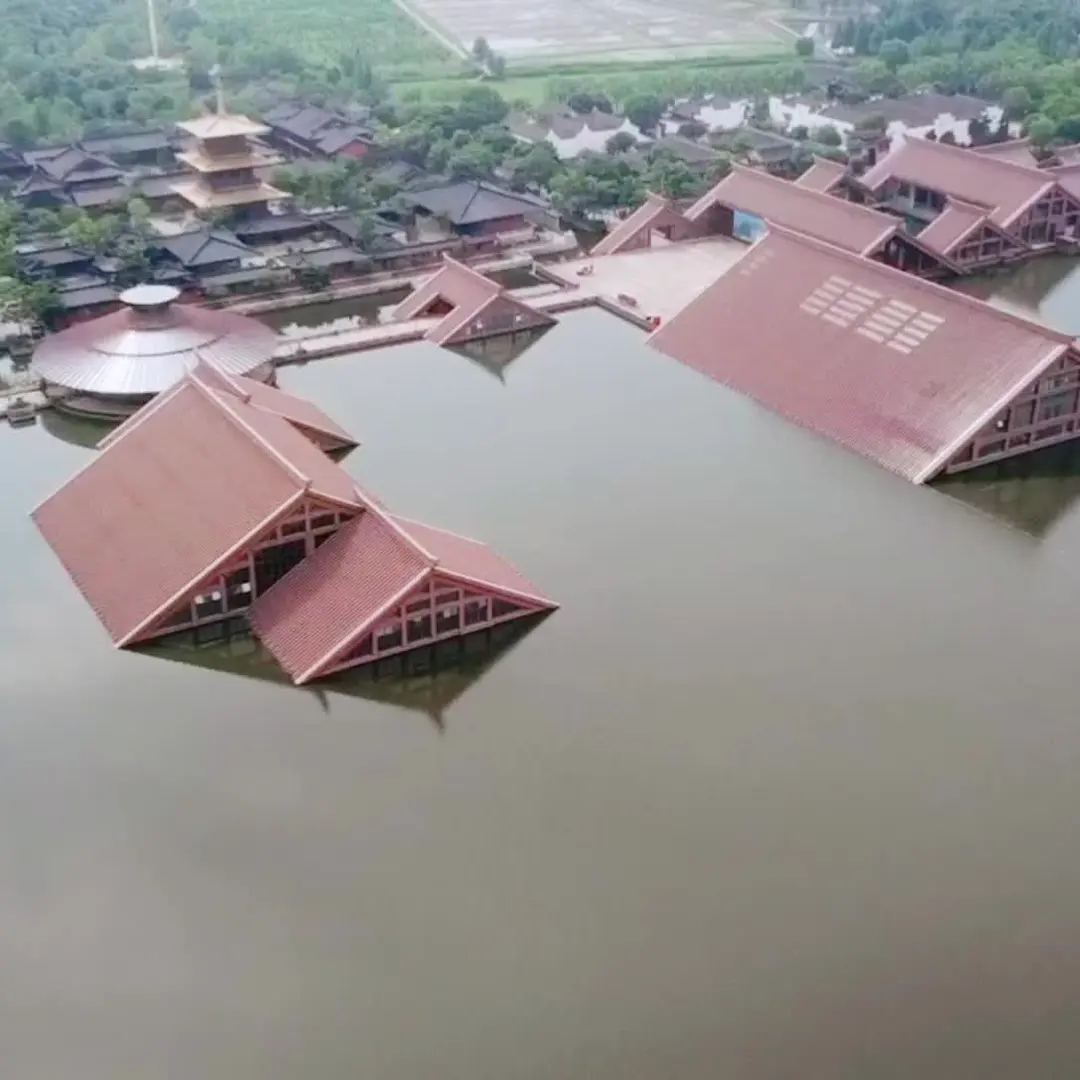
If there's one place in Shanghai where you can truly touch the pulse of history, it's the Guangfulin Cultural Relics Park. Open for only two years, it has already become a sacred site for locals — it represents Shanghai's earliest recorded memory. I finally had the chance to see it in person and even obtained permission for aerial photography (note: drone flights require park approval).
The Underwater Museum: A Portal Through Time
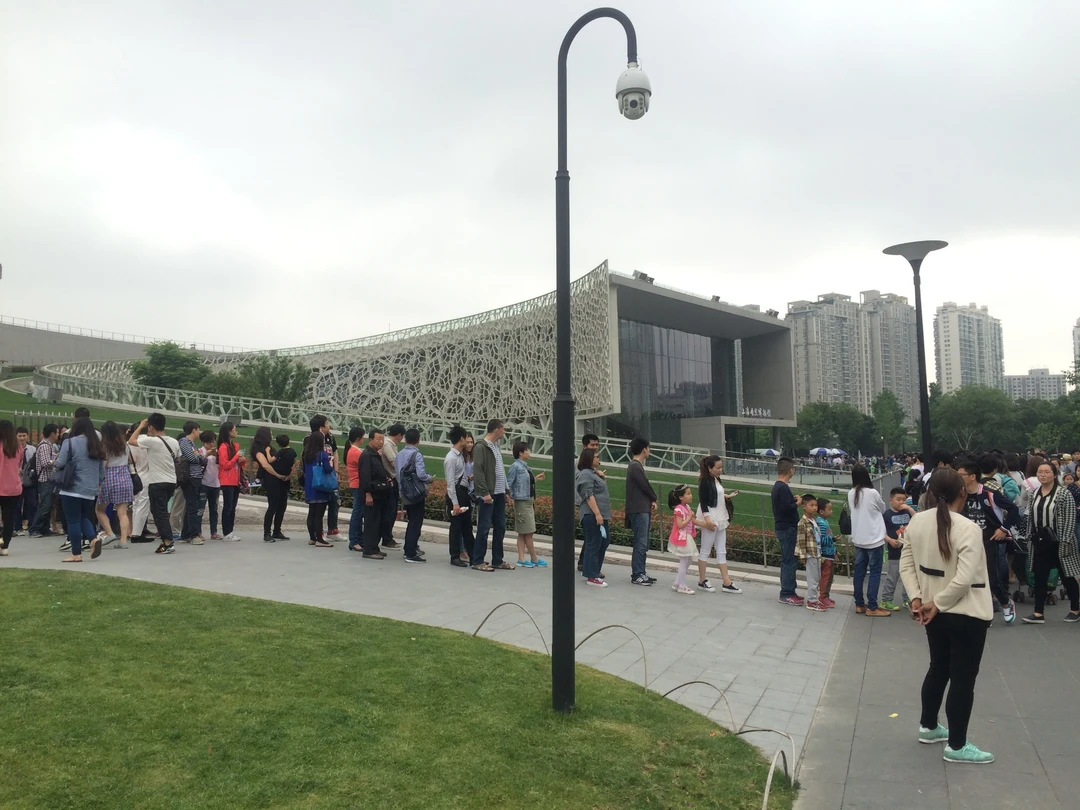
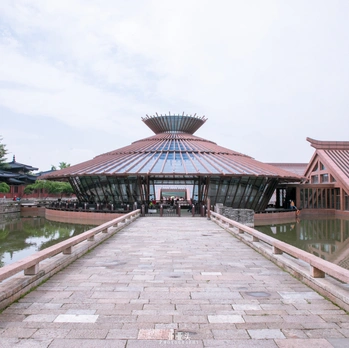
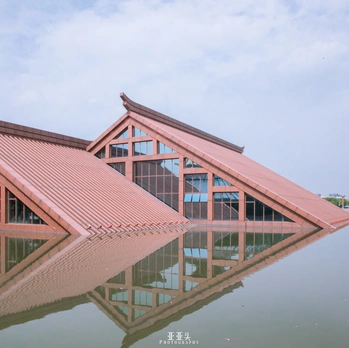
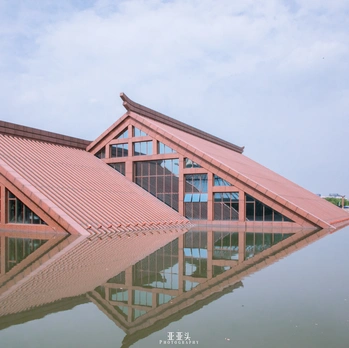
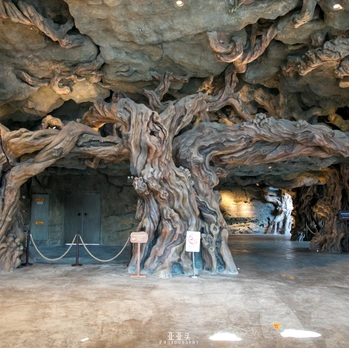
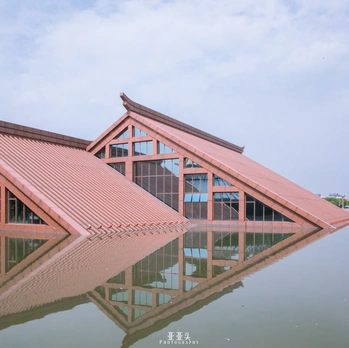
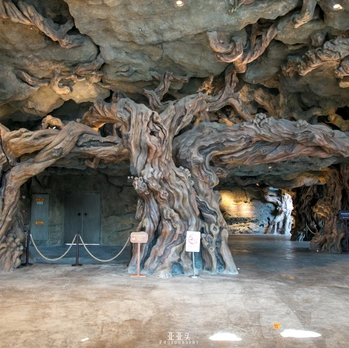
The most unmissable attraction is the museum built 4-5 meters underwater. Due to the pandemic, it remained closed to the public until the end of May. At the entrance, dense tree root sculptures symbolize "Shanghai's roots," and walking inside feels like stepping underground and traveling back to ancient times.
Inside, the museum brings history to life through archaeological exhibits, the geological formation of Shanghai, the prehistoric era, the flourishing of Songjiang Prefecture, and scenes from Republican-era Shanghai. The prehistoric houses are built around trees, with space underneath for raising pigs — wild boars were much smaller back then! There's also a simulated stable that now serves as a queue area.
By the Republican era, Songjiang's textile industry was already thriving, with legends like Gu embroidery and the famed weaver Huang Daopo. The Songjiang Railway Station is still in operation, running trains from Songjiang to Qingpu — the scene resembles the Chendun Film Base. You'll also find old artifacts like tiger stoves (traditional Chinese hot water stoves) and storybooks that even our parents might not recognize.
Duoyun Academy: A Haven for Literary Souls
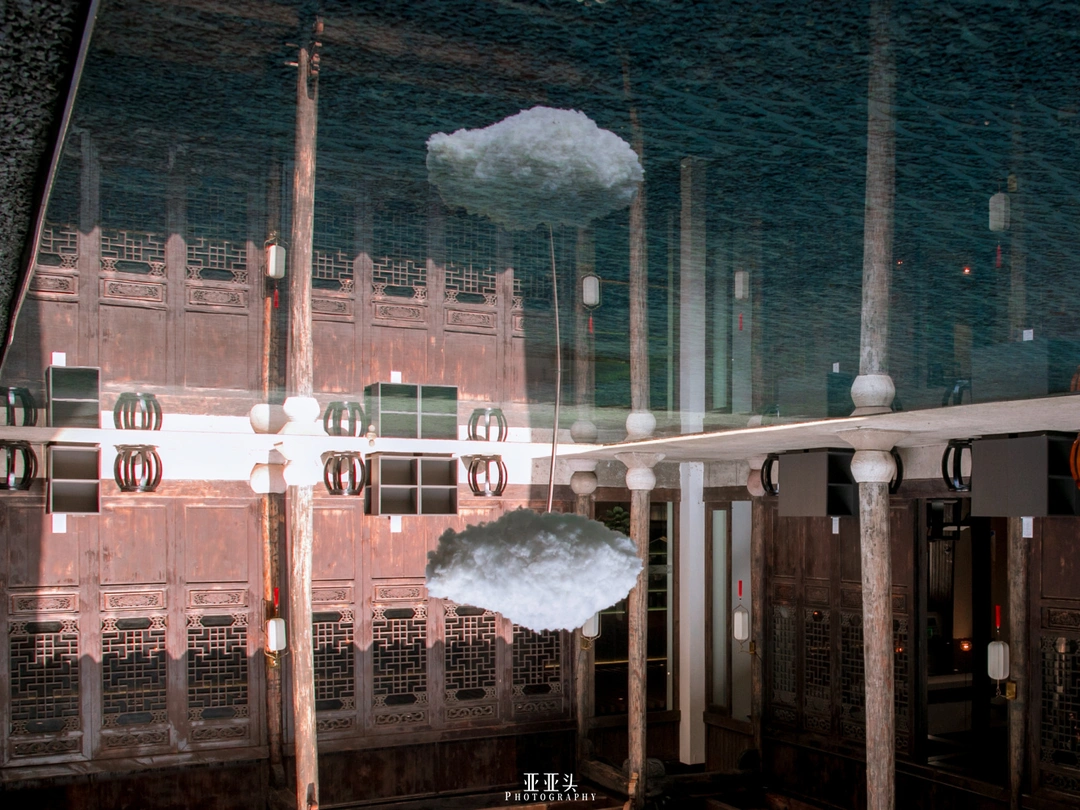
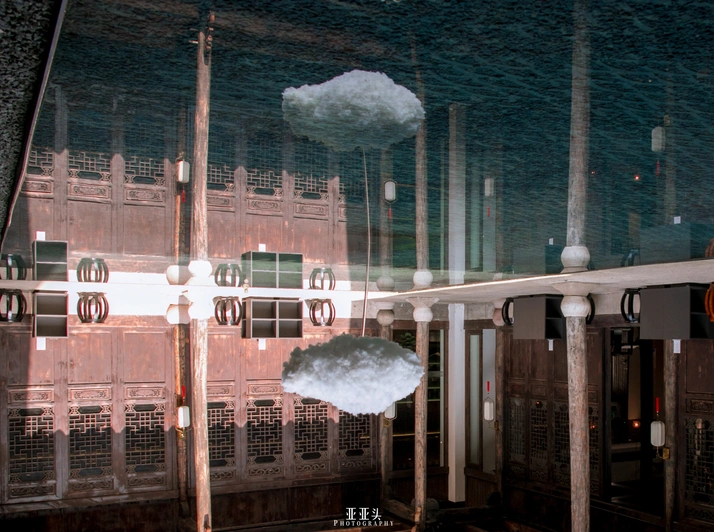
Hidden within Guangfulin Park is a must-visit for artsy travelers — Duoyun Academy. It's housed in a well-preserved traditional Anhui-style mansion with two landscaped courtyards: one with a pond featuring cloud-shaped decorations, and another with a pine tree garden, each with its own atmosphere.
The first floor is already open, functioning as a café and cultural bookstore. The centerpiece is a collection of ancient texts displayed in glass cabinets. The books focus on literature, history, calligraphy, painting, and Songjiang-related culture. Grab a coffee, pick up a book, and spend an afternoon here — pure bliss.
Practical Info - Address: 3260 Lane, Guangfulin Road - Ticket: 40 yuan - Hours: 09:00-17:00 - Tip: There's a "Fulin Tea Pavilion" before the exit of the underwater museum — try the grapefruit yogurt drink
[Link: Best cultural parks in Shanghai]
Yunjian Granary — Artistic Rebirth from Industrial Ruins
Songjiang was once called Rongcheng and Huating, and "Yunjian" (meaning "among the clouds") is another of its historical names. Yunjian Granary consists of 59 grain warehouses built between the 1950s and 1990s, bearing witness to the development of Songjiang's grain industry since the founding of the People's Republic.
Some warehouses are still under renovation, but the Yunjian Art Museum and Beer Culture Museum are already open. The warehouses are spaced widely apart, neatly arranged on a large scale. Large machinery and cone-shaped barrels from the old days are still displayed along the road. I noticed that ancient granaries were always built near waterways — presumably for easier transport.
As soon as you enter, you'll see eight massive silos (the former Songjiang Flour Mill site), their exteriors weathered and peeling, giving off a beautifully decayed aesthetic. The unrepaired brick walls and green wooden beams are a paradise for photographers — the more glamorous or edgy your outfit, the greater the contrast and the better the photos.
Speaking of Rongcheng, Songjiang has a close connection with deer culture. One wall features a mural titled "Ten Deer, Nine Turn Back" (十鹿九回头), based on a folk tale from the Guangxu era of the Qing Dynasty — nine out of ten deer always return to their homeland.
Practical Info - Address: 327 Songhui East Road - Admission: Free - Hours: Yunjian Art Museum 9:30-16:30, closed on Mondays
[Link: Industrial heritage sites in Shanghai]
Zuibaichi (Drunken White Pond) — Poetic Dwelling in a Jiangnan Garden
A sudden downpour disrupted our visit to Zuibaichi, forcing us to wander through the pavilions and covered corridors under umbrellas. But the rain added a unique charm to the garden.
Zuibaichi is one of Shanghai's five famous classical gardens. I'd always wondered about its name, "Drunken White Pond." It turns out that in the early Qing Dynasty, a Songjiang painter who admired the Tang poet Bai Juyi built this garden inspired by the "Drunken White Hall" (a reference to Bai Juyi's studio). It's larger than I expected, with stone paths winding through wooded trails — a delightfully cool escape in summer.
A few steps in, you'll find a traditional Jiangnan residence — the Carving Hall. Every window lattice and door lintel is adorned with intricate carvings, none repeated. The bas-reliefs inside depict scenes from the Three Kingdoms saga.

Walking to the pond outside the covered corridor, the lotus leaves were just beginning to emerge — "little lotus showing its pointed tips," as the poem goes. When the pond is full of blooming lotuses, it will be even more beautiful. Be sure to admire the view from the Xiangzhen Xie pavilion. Even in the rain, elegantly dressed elderly Shanghai ladies were gathered in the pavilion, discussing their performances.
Entering the inner garden, cross a small bridge to find a stone inscribed with "Zuibaichi Calligraphy Park." This is the heart of the garden, like stepping into a wealthy family's estate. In the central hall surrounding the pond, a stone statue of the Ming Dynasty calligrapher Dong Qichang sits at the center, while rooms on either side display works by local primary and secondary school students.
Zuibaichi houses 30 stone carvings, all of cultural relic status. The "Ten Deer, Nine Turn Back" stele is here (unfortunately, I forgot to photograph it), along with engraved portraits of notable figures from Songjiang. Some were damaged during the Cultural Revolution.
Practical Info - Address: 64 Songhui West Road - Ticket: 12 yuan - Hours: 08:00-16:30
[Link: Classical gardens in Shanghai]
How to Plan Your Songjiang Deep Travel Itinerary
For a complete Songjiang deep travel experience, I recommend a two-day itinerary:

- Day 1: Arrive in Songjiang, visit Guangfulin Cultural Relics Park in the morning, explore Duoyun Academy in the afternoon, and enjoy dinner at a local restaurant.
- Day 2: Visit Yunjian Granary in the morning, head to Zuibaichi after lunch, and explore the surrounding area before returning.
[Link: Two-day Shanghai itinerary]
Frequently Asked Questions About Songjiang Travel
1. How do I get to Songjiang District from downtown Shanghai?
Songjiang is about 30-40 minutes from downtown Shanghai by subway (Line 9) or by high-speed rail to Songjiang South Station. Taxis and ride-hailing services are also available.
2. Is Songjiang suitable for a day trip?
Yes, but a two-day trip allows you to explore more deeply. The district offers a mix of cultural, historical, and modern attractions that are best enjoyed without rushing.
3. Which attractions in Songjiang are free to enter?
Yunjian Granary is free to enter, though special exhibitions may charge a fee. Many outdoor areas and public spaces are also free.
4. What is the best time of year to visit Songjiang?
Spring (March-May) and autumn (September-November) offer the most pleasant weather for outdoor exploration. Summer can be hot and rainy, but gardens like Zuibaichi are especially beautiful when lotuses bloom.
5. Are there English-language guides available at Songjiang attractions?
Major attractions like Guangfulin Cultural Relics Park offer some English signage and audio guides. For deeper cultural insights, consider hiring a private guide or downloading translation apps.
Final Thoughts: Why Songjiang Deserves a Spot on Your Shanghai Itinerary
Songjiang District isn't just a suburban area — it's the living root of Shanghai's 6,000-year history. From the underwater museum at Guangfulin to the artistic rebirth at Yunjian Granary, and the poetic elegance of Zuibaichi, every corner tells a story that the Bund and Lujiazui cannot.
So next time you plan a trip to Shanghai, step off the beaten path. Come to Songjiang. Walk through ancient relics, sip coffee in a Ming-dynasty mansion, and watch the sunset over a pond that inspired poets centuries ago. This is the Shanghai that locals love — the Shanghai that remembers where it came from.
Ready to explore the real Shanghai? Book your Songjiang deep travel experience today. Pack comfortable shoes, bring your camera, and prepare to fall in love with a city you thought you knew. [Link: Book Songjiang tours]
Have you visited Songjiang District? Share your favorite hidden gem in the comments below!
You may also like