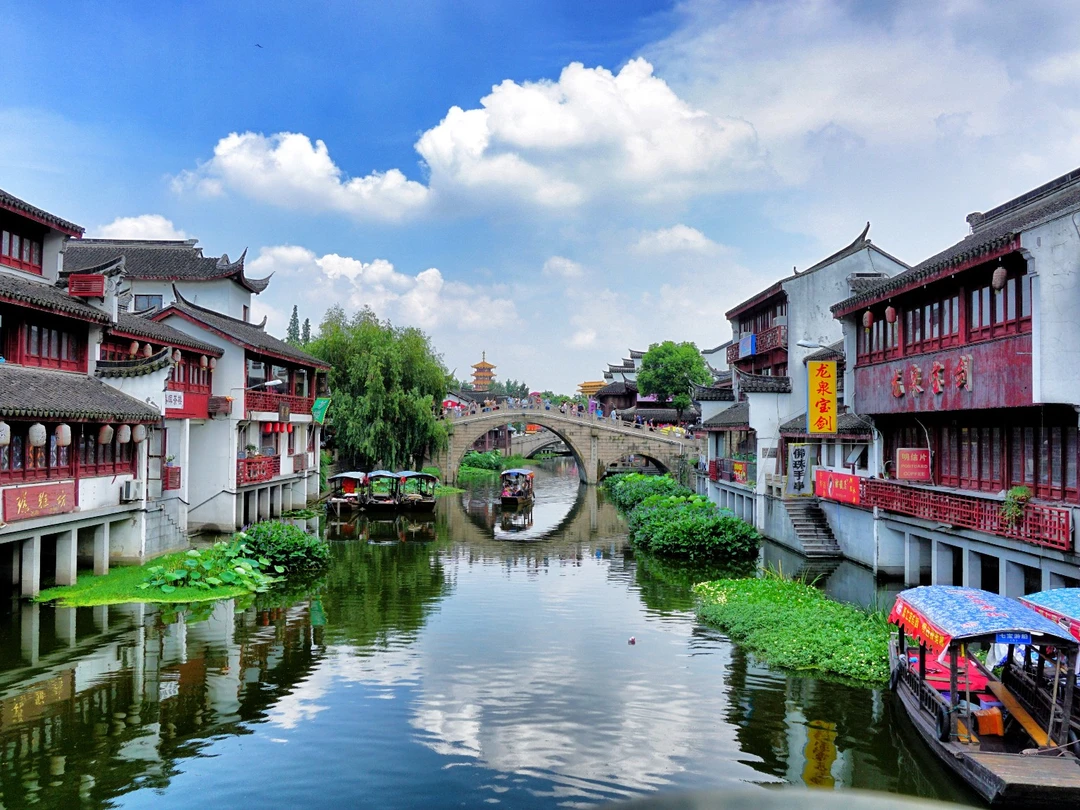
The Magic City Shanghai: A Dreamlike Journey Through Time and Space – Ultimate Travel Guide
Meta Description: Discover Shanghai's magic with our comprehensive travel guide. From Bund architecture to soup dumplings, Disneyland to Benbang cuisine – plan your dream Shanghai trip with insider tips, costs, and must-see attractions.
Introduction: Why Shanghai Is Called the "Magic City"
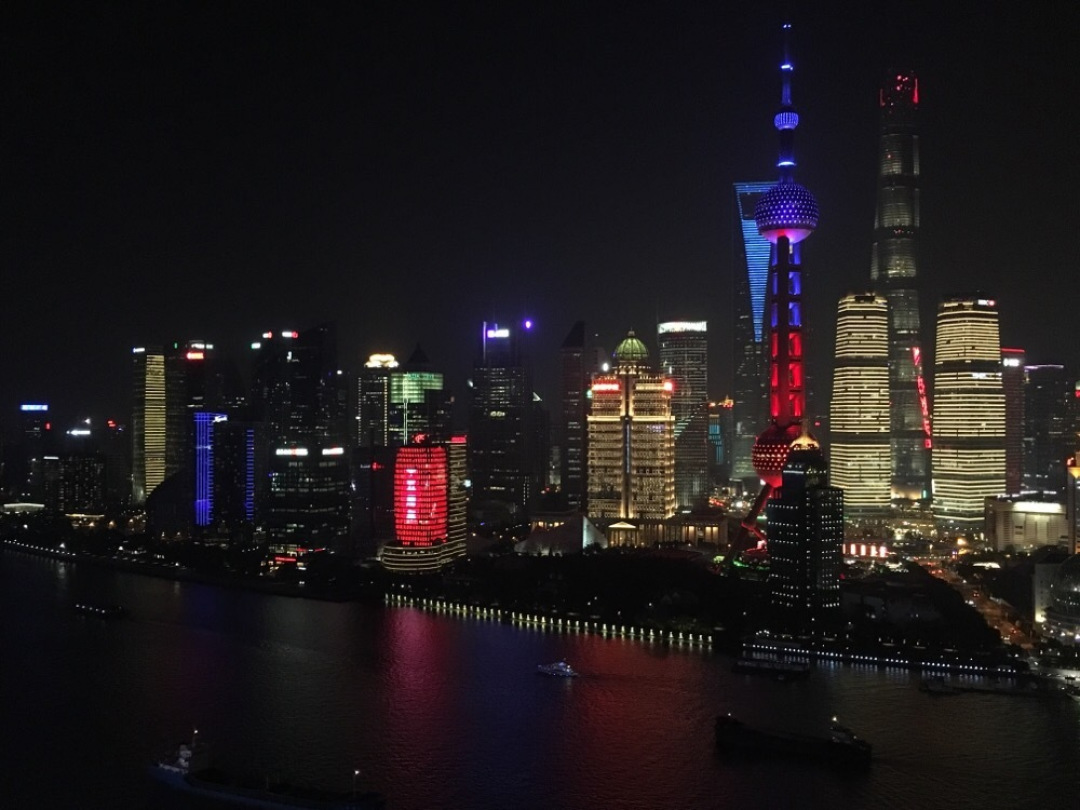
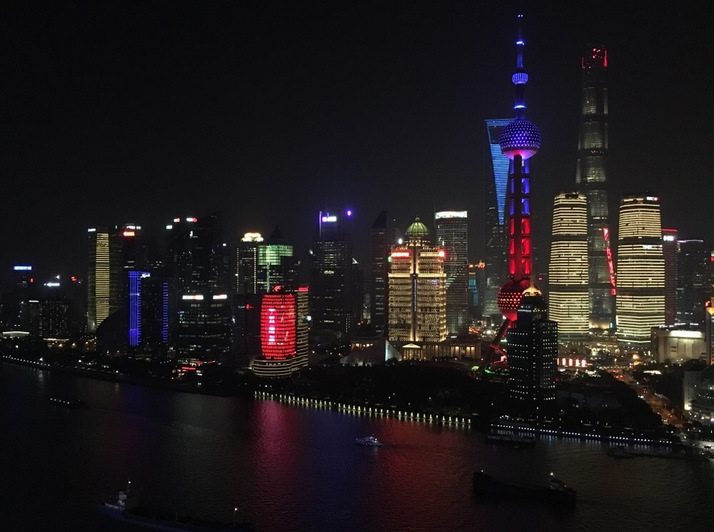
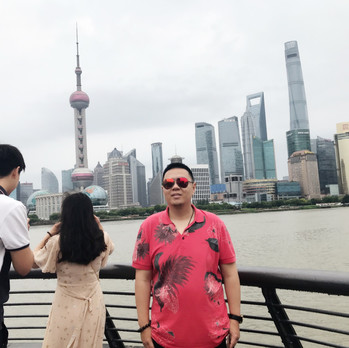
If you have ever stood by the Huangpu River, gazing at the glittering skyscrapers of Lujiazui against the night sky, with the river breeze whispering and cruise ship horns echoing in the distance, you understand why Shanghai is called the "Magic City." This metropolis doesn't strive for perfection—it thrives on contrast. On one side, the century-old Bund showcases colonial-era buildings that whisper tales of old Shanghai's glamour and hardship. On the other, the futuristic Oriental Pearl Tower heralds modern China's rise and dreams.
Starting in November 2018, I spent ten days with my family, spending approximately 10,000 RMB per person, diving deep into Shanghai's soul. This isn't just another travelogue—it's a personal memoir and practical guide that takes you through Shanghai's cuisine, attractions, and hidden stories. Whether you're planning your first Shanghai trip or returning for deeper exploration, this guide will help you experience the city like a local.
[Link: Shanghai travel tips for first-time visitors]
Shanghai Food Guide: Taste the Magic City on Your Tongue

Shanghai's local cuisine, known as Benbang cuisine, mirrors the city itself—rich in oil and dark soy sauce, sweet but never cloying. It doesn't chase extreme refinement; instead, every bite carries the warmth of home and the smoky comfort of street food. If you visit Shanghai and miss these dishes, you haven't truly been here.
Shanghai Soup Dumplings (Xiaolongbao): A Burst of Soup in Every Bite
Soup dumplings are Shanghai's soul snack. The skin is paper-thin, the filling generous and juicy. Gently bite open a small hole, and scalding hot soup explodes on your tongue.
Top recommendations: - Nanxiang Steamed Bun Restaurant – A century-old establishment founded in 1900. Founder Huang Mingxian perfected "heavy filling, thin skin, smaller but better" techniques, making Nanxiang soup dumplings world-famous. They're praised as "shaped like water chestnuts, with thin skin and abundant meat." - Green Wave Hall – Originally a teahouse from 1924, this venue served U.S. President Bill Clinton and is renowned for Shanghai-style dishes. - Fuchun Soup Dumplings – A new favorite among international tourists. - Din Tai Fung, Linlong Fang, Le Xin Huang Chao, Wanshou Zhai – Each offers unique variations worth trying.
[Link: Best xiaolongbao in Shanghai 2024]
Shanghai Pan-Fried Buns (Shengjianbao): Golden Bottom, Soft Top
Known locally as "shengjian mantou," these buns have over a hundred years of history. The bottom is fried to golden, crispy perfection, while the top is sprinkled with sesame seeds and chopped scallions. One bite fills your mouth with soup and rich, fragrant aroma.
Must-visit spots: Xiao Yang Shengjian, Da Hu Chun, Jin Biao Shengjian Wang—each has its loyal fan base and distinctive style.
Scallion Oil Noodles (Congyou Banmian): Simplicity at Its Finest
A humble bowl of scallion oil noodles uses lard, scallions, soy sauce, and sugar to create an irresistible aroma. Classic variations include dried shrimp and scallion oil noodles, scallion oil and shredded pork noodles, and scallion oil with three kinds of shrimp noodles.
Hidden gems: My Home Restaurant, Lane Small Wonton Restaurant, Slap Wonton, King Kong Wonton and Noodles, Jianguo 328 Bistro—these small eateries hide the most authentic Shanghai flavors.
Benbang Braised Pork Belly (Hongshaorou): A Sweet Memory That Melts in Your Mouth
Braised pork belly is the taste of a mother's cooking in every Shanghainese memory. Made with pork belly featuring alternating layers of fat and lean meat, slow-cooked in a clay pot until sweet, tender, and melt-in-your-mouth.
Top picks: Heji Xiaocai, Shanghai Huiguan, Shunfeng Hotel, Xinyuan Private Kitchen. This dish isn't just food—it's homesickness in edible form.
Crab Feast: A Feast for the Brave

Lu Xun once said, "The first person to eat a crab is truly admirable. Who but a brave soul would dare to eat it?" Shanghai's crab feasts are most famous for Yangcheng Lake hairy crabs, with river crabs, river crabs, and lake crabs each offering distinct flavors.
Recommended venues: Xinguang Jiujia Fangliang Crab Feast, Chenglong Hang Crab Palace, Wangbaohe Restaurant, Star Morning Hotel. Here, you can experience the joy of "crab dismantling" and savor the umami of crab roe.
Four Happiness Gluten (Sixi Kaofu): A Lucky New Year's Dish
Four happiness gluten is one of the cold dishes on Shanghai's New Year's Eve dinner table. Stir-fried with gluten, daylily buds, black fungus, and peanuts, it's sweet with a hint of fragrance. "Kaofu" sounds like "relying on one's husband" in Chinese, symbolizing wishes for family success.
Where to try: New Shanghai, Renhe Guan, HOUSE Family Feast, Shanghai Renjia Huayang Nianhua.
Shanghai Smoked Fish (Xunyu): Crispy on the Outside, Tender on the Inside
Despite its name, smoked fish isn't actually smoked. It's marinated in soy sauce, deep-fried, then soaked in a seasoned sauce—resulting in a crispy exterior and tender interior with savory-sweet flavor.
Best restaurants: Xinsheng Lou Classic Benbang Sichuan Cuisine, Xia 1999 Exquisite Benbang Cuisine, Zha Sage, New Shanghai, Dad's Kitchen, Shanghai Renjia Fine Workshop.
[Link: Shanghai food tour itinerary]
Shanghai Attractions: A Fantastical Journey from the Bund to Disney
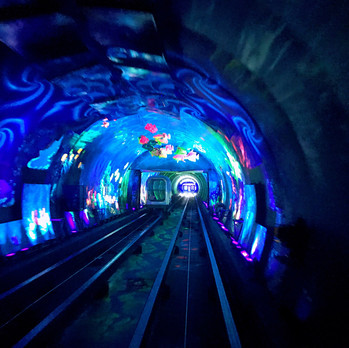
The Bund, Lujiazui, and the Oriental Pearl Tower: A Century of Elegance and the Light of the Future
The Bund stretches about 1.5 kilometers and is Shanghai's iconic symbol. Here stand dozens of classical revival buildings of various styles, including the Bank of China Building, Peace Hotel, Customs House, and HSBC Building. They bear witness to the glory of the "Wall Street of the Far East." Though not designed by the same architect, they coexist harmoniously, forming a unique skyline.
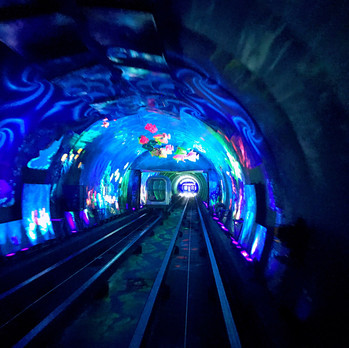
At night, neon lights on both sides of the river complement each other. Take a cruise along the Huangpu River, feel the river breeze on your face, with the historic Bund on one side and modern Lujiazui on the other, plus the silhouette of the Waibaidu Bridge—it offers a different perspective on this bustling metropolis.
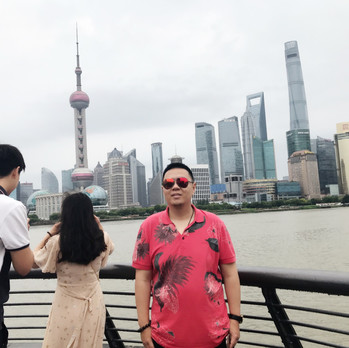
I often come to Shanghai for work, sometimes as frequently as once a month, but I had never taken a walk along the Bund during the day. It wasn't until that stroll in the drizzling rain, looking at the Huangpu River and the Oriental Pearl Tower, that I felt a different kind of tranquility.
[Link: Best photo spots on the Bund]
Shanghai Disneyland: A Perfect Blend of Fairy Tales and Adventure
Shanghai Disney Resort, located in the Pudong New Area, is the first Disney resort in mainland China. It boasts several global "firsts": the largest Disney castle, a pirate-themed park, and the longest parade route.
Seven themed lands: - Mickey Avenue – The entrance where Mickey, Minnie, Donald Duck, and friends gather. - Gardens of Imagination – Features a carousel and Dumbo the Flying Elephant. - Fantasyland – Houses the Enchanted Storybook Castle and "Voyage to the Crystal Grotto." - Disney·Pixar Toy Story Land – Offers Slinky Dog Spin and Rex's Racer. - Adventure Isle – Features Roaring Rapids and Soaring Over the Horizon. - Treasure Cove – Features Pirates of the Caribbean: Battle for the Sunken Treasure. - Tomorrowland – Has TRON Lightcycle Power Run, one of the world's most thrilling roller coasters.
Disney Town is a large, free-entry shopping and dining area perfect for pre- or post-park exploration.
[Link: Shanghai Disneyland ticket prices and tips]
Shanghai Travel FAQ
Q1: How many days should I spend in Shanghai?
A: For a comprehensive experience, plan 7–10 days. This allows time to explore the Bund, Lujiazui, Disneyland, and hidden food spots without rushing. If you're short on time, 4–5 days can cover major attractions.
Q2: What is the best time to visit Shanghai?
A: Spring (March–May) and autumn (September–November) offer pleasant weather with mild temperatures and lower humidity. Avoid summer (June–August) when temperatures often exceed 35°C with high humidity. Winter (December–February) is cold but less crowded.
Q3: How much does a Shanghai trip cost?
A: Based on my experience, budget approximately 10,000 RMB per person for a 10-day trip, including accommodation, meals, attractions, and local transportation. Luxury options can double this, while budget travelers can manage with 5,000–7,000 RMB.
Q4: Is Shanghai Disneyland worth visiting compared to other Disney parks?
A: Absolutely. Shanghai Disneyland features the largest Disney castle globally, a unique pirate-themed land (Treasure Cove), and TRON Lightcycle Power Run—an exclusive roller coaster. It offers a distinct experience different from Tokyo, Hong Kong, or Orlando parks.
Q5: What are the must-try Shanghai dishes for first-time visitors?

A: Start with soup dumplings (xiaolongbao), pan-fried buns (shengjianbao), scallion oil noodles (congyou banmian), and braised pork belly (hongshaorou). If you're adventurous, try the crab feast. These dishes capture Shanghai's culinary soul.
Your Shanghai Adventure Awaits
Shanghai isn't just a city—it's a living museum of contrasts, where century-old traditions meet futuristic ambitions. From the soul-warming bite of a soup dumpling to the breathtaking view of Lujiazui's skyline, every moment in the Magic City leaves an indelible mark.
Ready to experience Shanghai's magic? Start planning your trip today. Book your flights, reserve your Disney tickets, and prepare your taste buds for an unforgettable journey. Whether you're a foodie, history buff, or thrill-seeker, Shanghai has something extraordinary waiting for you.
Don't wait—the Magic City is calling. Pack your bags and discover why Shanghai is one of the world's most captivating destinations.
[Link: Book Shanghai guided tours] [Link: Shanghai hotel recommendations] [Link: Shanghai transportation guide]
You may also like