The Magic City Is Addictive: A Cautionary Guide for the Artsy Traveler
Here is the SEO-optimized, rewritten article based on your source material. It is structured for search visibility while maintaining the poetic, cautionary tone of the original.
The Magic City Is Addictive: A Cautionary Guide for the Artsy Traveler in Shanghai
Meta Description:
Discover why Shanghai is called the "Magic City" and why it’s dangerously addictive for artsy travelers. Explore Yuyuan Road, Wukang Road, and hidden lilong alleyways in this SEO-optimized guide.
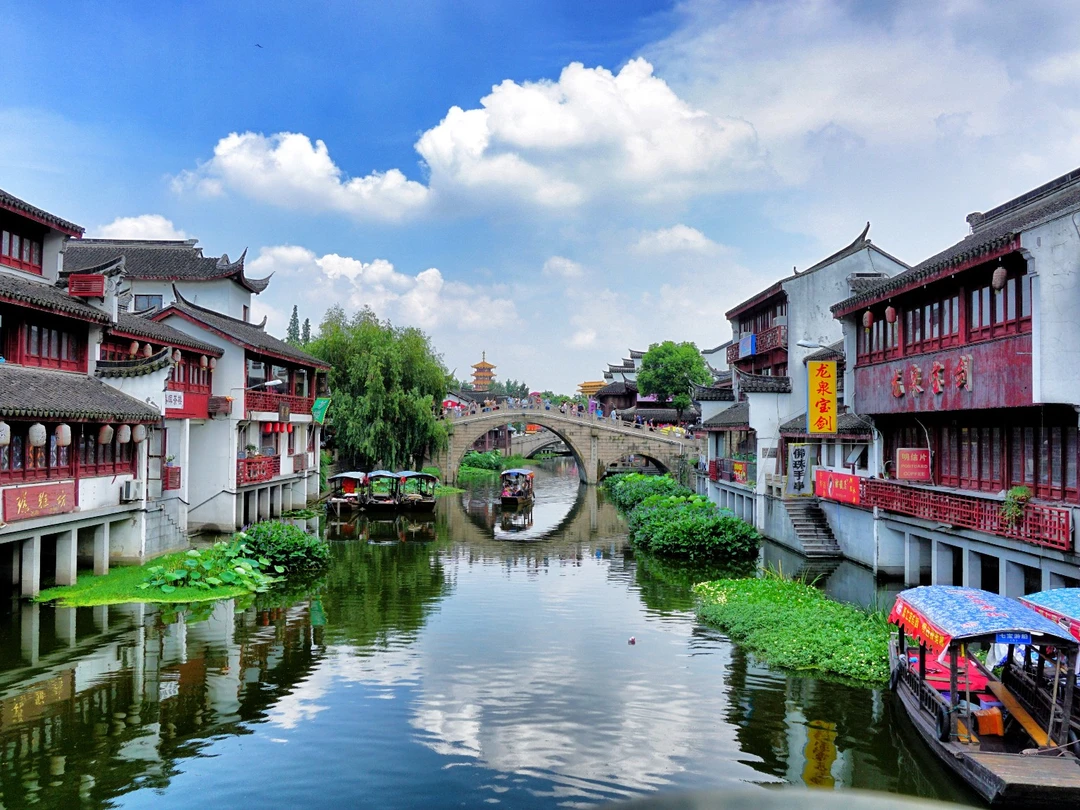
Some say Shanghai is a "toxic" city. Not the kind of poison that drags you down, but the kind that hooks you—once you’ve had a taste, you can never quit. As someone who has lost count of how many times I’ve visited, I used to breeze through with a packed itinerary, never truly feeling the city’s pulse. But this time, I decided to throw off all constraints, let myself go completely, and touch the glittering glamour of the Bund, to listen to the stories hidden in the lilong alleyways.
The result? I got hooked. And honestly? I don’t even mind.
This is your cautionary guide for the artsy traveler—a deep dive into the streets, secrets, and seductions of the Magic City.
Why Is Shanghai So Addictive? The Psychology of the "Magic City"
Shanghai doesn’t have that many iconic sights. What really keeps you coming back are its streets. Republican-era architecture, quirky independent shops, an endless stream of exhibitions… This city is like a book you can never finish, with surprises tucked into every page.
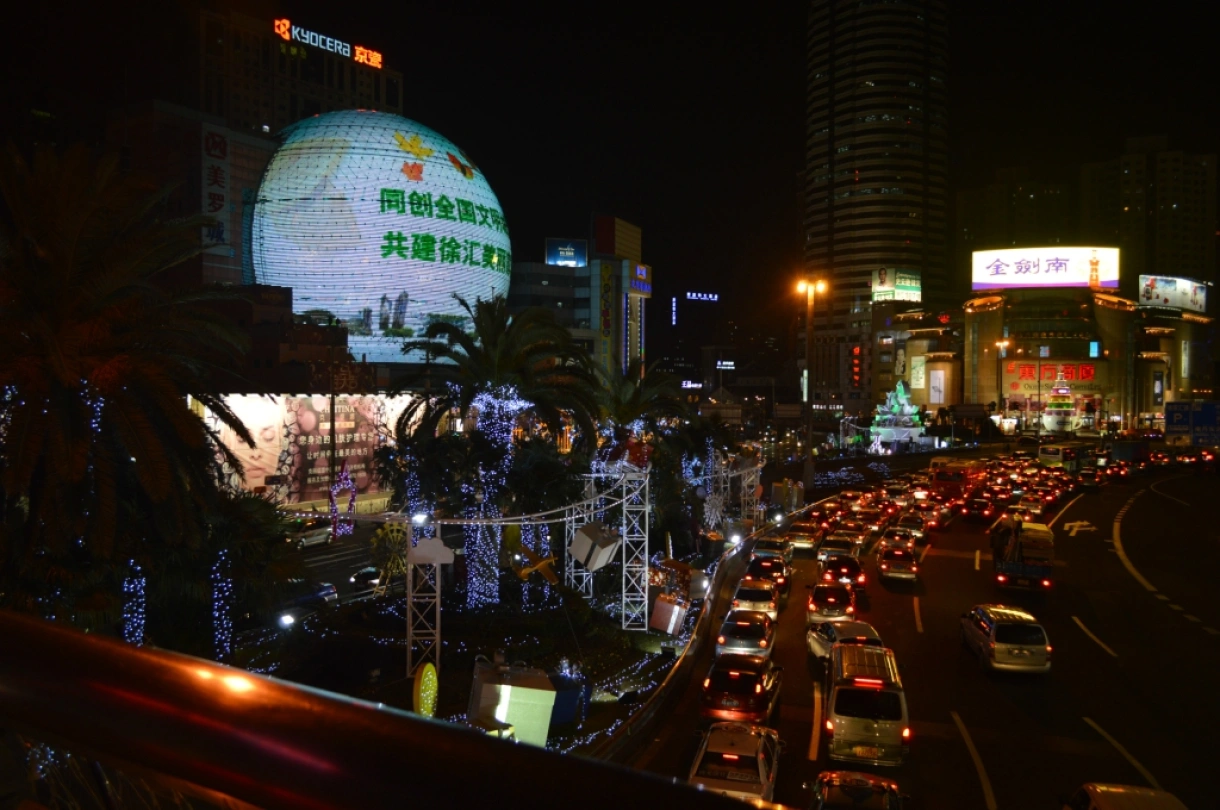
And here’s the scary part: it’s constantly reinventing itself. Every few days, something new pops up—a fresh design, a pop-up store, a hidden gallery—and you can’t keep up. Exhibitions are the same: you see one, and immediately you want to see it again, and again, and again.
That’s the magic of the "Magic City." It gets under your skin. It makes you crave it. And you’ll keep coming back, willingly, every single time.
[Link: Best time to visit Shanghai for art lovers]
Yuyuan Road: An Open-Air Art Experiment in Shanghai

Yuyuan Road recently underwent a massive neighborhood makeover. Fifteen wildly creative designers left their mark along this roughly one-kilometer stretch. From Zhongshan Park Metro Station to Jiangsu Road Station, every step is a visual feast.
Playful Street Art and Design
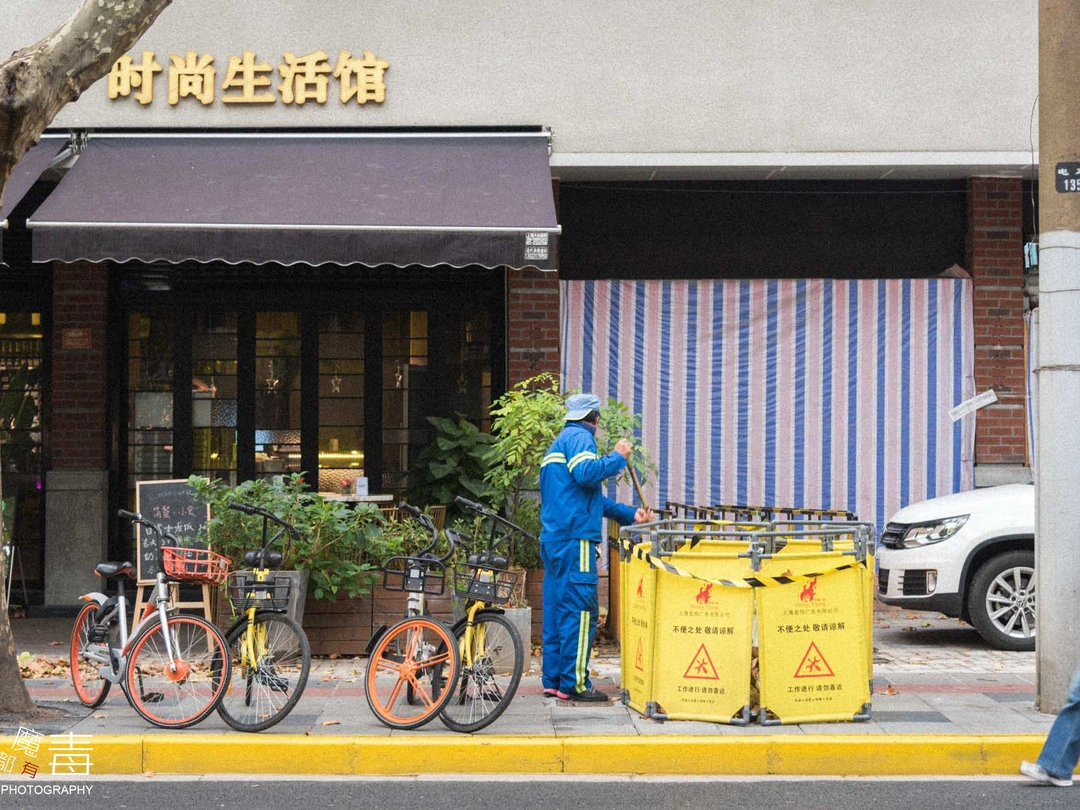
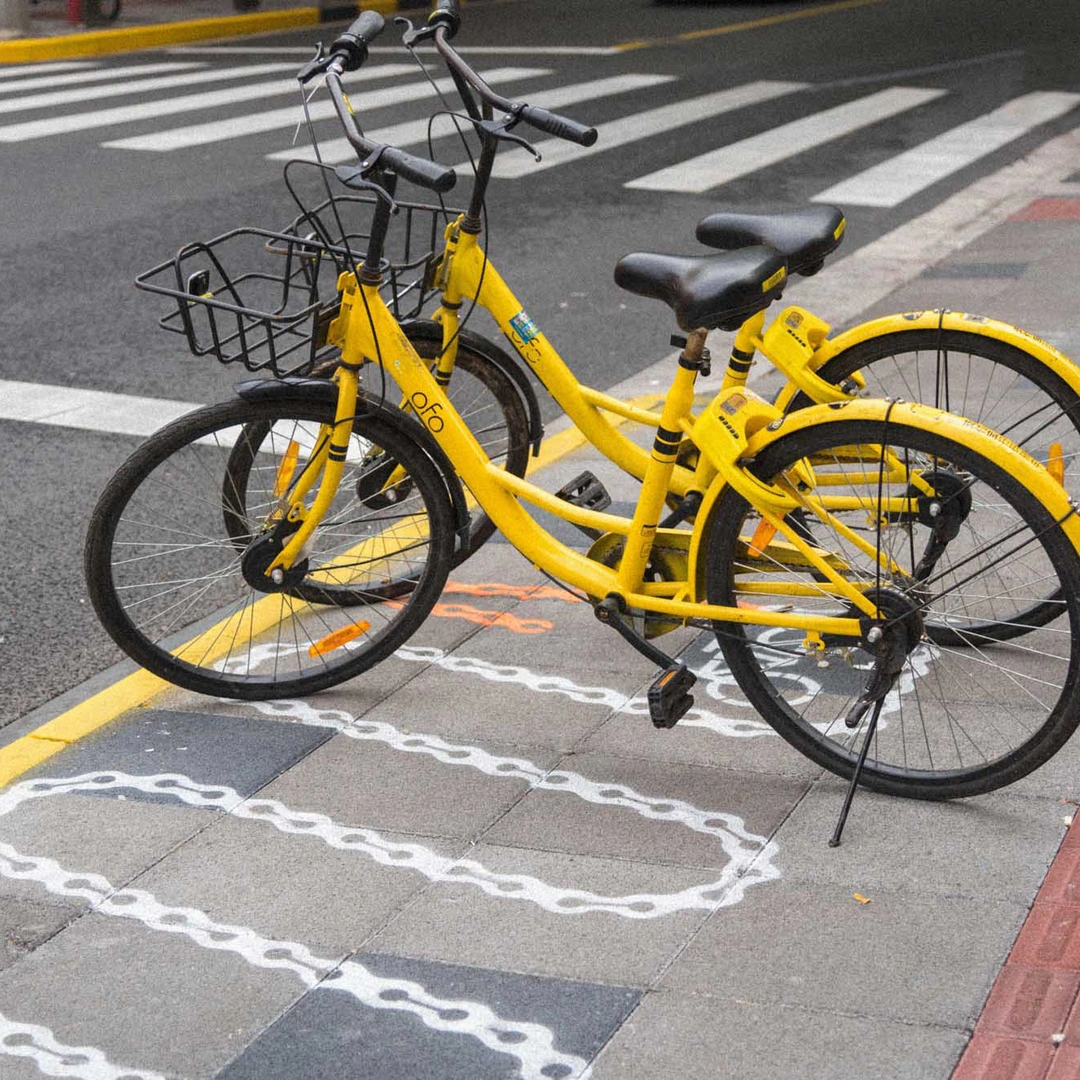
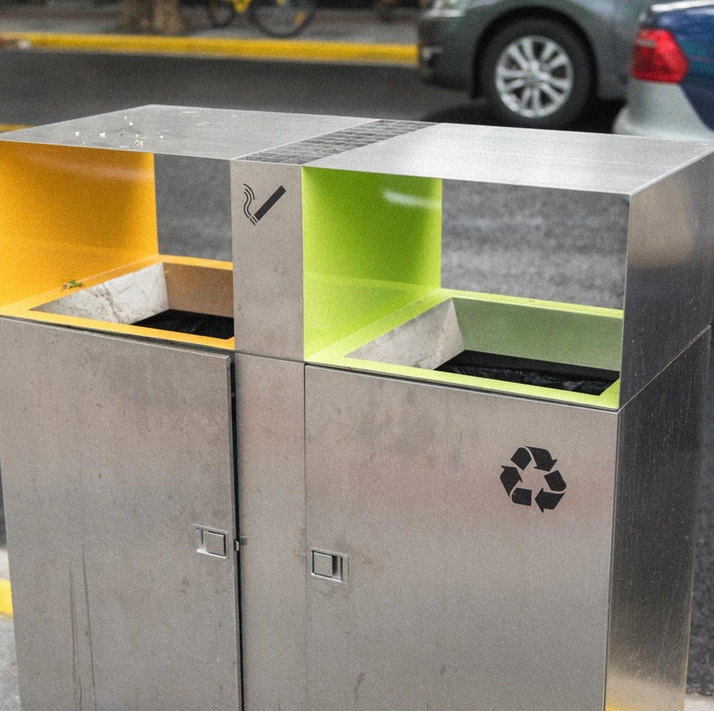
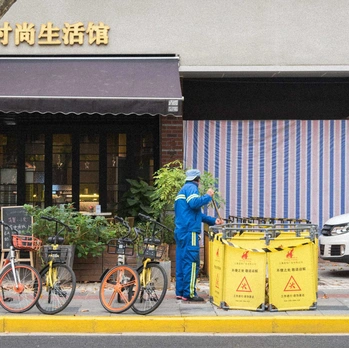
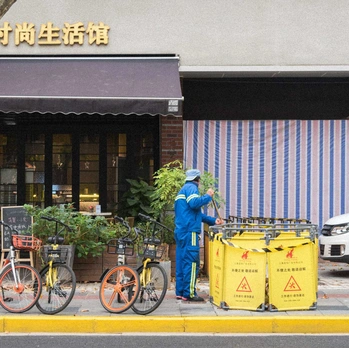
Traffic signs have been given a cute makeover. Bicycle parking spots are now elegant little chains. Trash cans are wrapped in colorful patterns. The cleaners’ uniforms pop against the bright road barriers—snap a photo anywhere, and it looks like a magazine spread.
The Giant City Book Installation
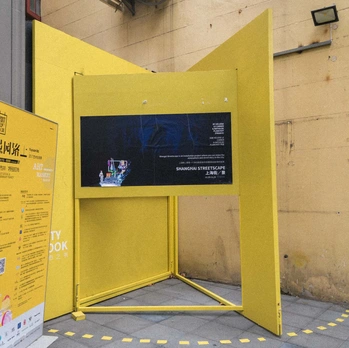
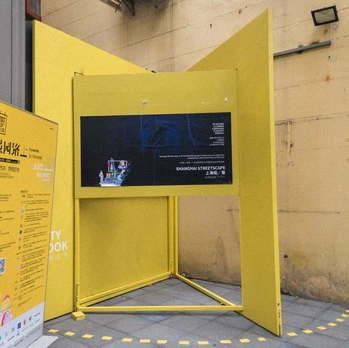
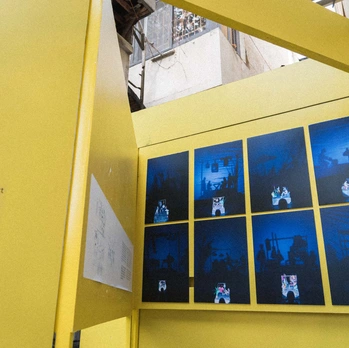
There’s a massive "City Book" standing by the roadside, supposedly able to "open and close." Unfortunately, when we visited, the pages seemed locked—we could only imagine what it looked like when fully open. The exhibition inside changes every three days, showcasing the city, its architecture, and the lives of its people.
The Independent Bookstore "Long Time No Read"
This bookstore doesn’t sort its shelves by genre. Finding a book is pure serendipity. But every single title is a gem, as if fate had placed it there just for you.
The Art Installation "Concerto"
Across the lawn stands the Shanghai Elastic Band Factory, built in the 1920s. The installation uses the very elastic bands the factory once produced, woven into a giant harp. I plucked it—silence. Maybe that’s the artist’s joke.
The Mini City Memory Museum
Step inside, and you’re greeted by a few adorable cats. Yuyuan Road is known as the Street of Historical Figures—the Soong sisters, Eileen Chang, Cai Yuanpei, Qian Xuesen all once walked here. An old-fashioned telephone hangs on the wall, and when you pick up the receiver, you hear the sounds of old Shanghai: the ding-ding of bicycle bells, the cries of Xinmin Evening News vendors, the subway announcements… I couldn’t understand much of the Shanghainese, but that soft, melodic dialect—Wu nong ruan yu—is simply beautiful.
The Time Post Office and the Wall Gallery
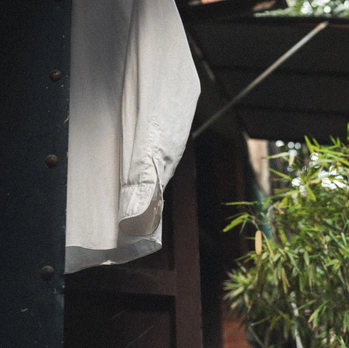
At the Time Post Office, you can write a letter to your future self. The "Wall Gallery" is a micro-museum: through a slit just three centimeters wide, you can glimpse fragments of old Shanghai that have been demolished—shops, streets, stories. The photos are by freelance photographer "Xi Zi." The gap is so narrow that it’s hard to photograph the contents; you have to see it for yourself.
The Perfectly Quirky Vibe
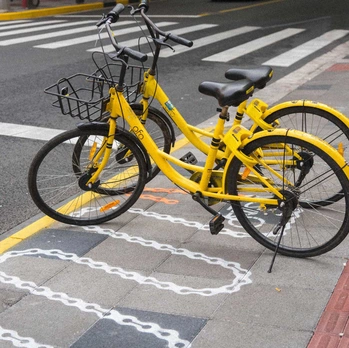
A massive roadside poster reads: "Extraordinarily local, extraordinarily stylish." Those words perfectly capture Yuyuan Road’s essence. The steps outside the Bank of Shanghai have been transformed into a blue-and-white seating area—a visual punch. In front of a kindergarten, the "Fast-Slow Anywhere Door" is pure whimsy: a yellow line tilted at 45 degrees, an orange-and-blue interactive game wall, and English words on the ground that read "HELLO, GOOD MORNING, WELCOME" all the way to "GOODBYE, SEE YOU TOMORROW"—a subtle nod to the daily ritual of drop-offs and pickups.
[Link: Top 10 Instagrammable spots in Shanghai]
Xinhua Road: Exotic Charm in the Plane Tree Shade
Xinhua Road was once called Anhesi Road, lying within the old French Concession. The towering plane trees cast a serene shade over the street. The most notable architecture clusters around the "Foreign Lane" of Xinhua Villa, where two alleyways connect to form a neat horseshoe shape.
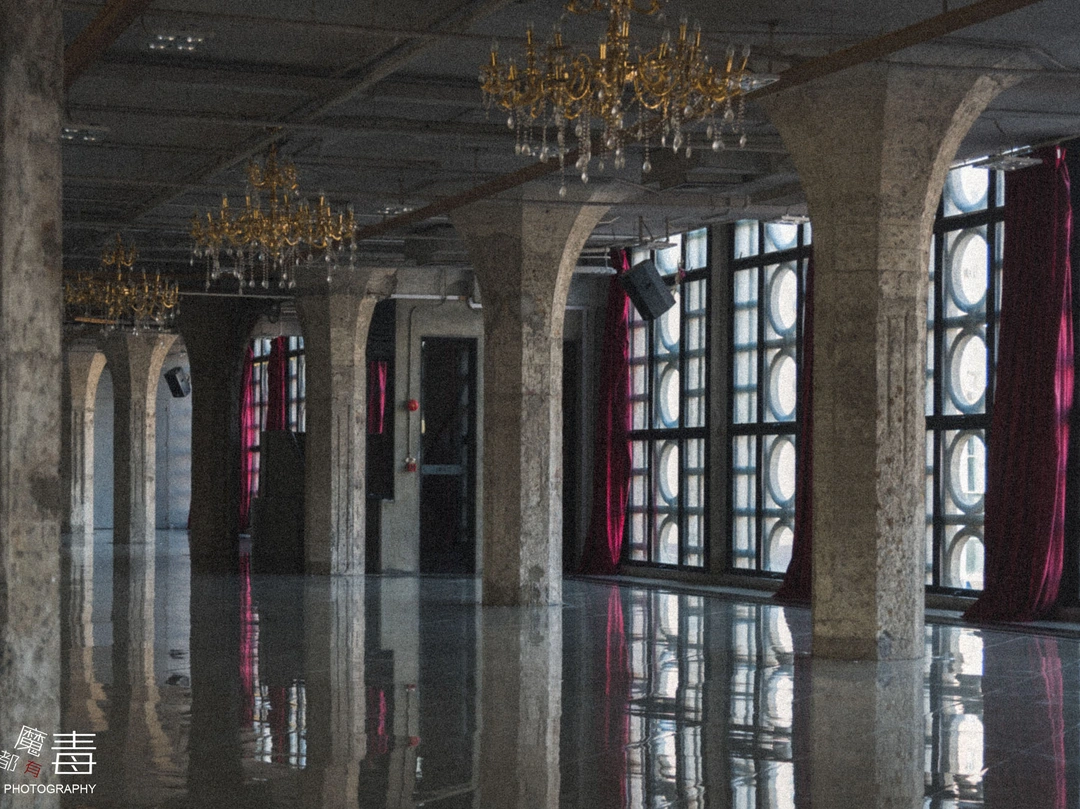
The most famous building is the "Cake House"—a two-story circular villa that really does look like a cake. Designed by the legendary architect László Hudec, it once served as the residence of the Spanish ambassador. There’s also a Spanish-style garden house, another Hudec creation. The neighborhood is small, with few pedestrians, but the beautiful old mansions are endless. Best of all, people still live in these historic homes—they’re not museum exhibits, but living art.
A French-style hotel on the roadside features bas-reliefs that seem to depict ancient Greek myths, making you feel as if you’ve been transported to Europe.
[Link: Walking tour of the French Concession]
Wukang Road: Shanghai’s Most Beautiful Street for Artsy Travelers
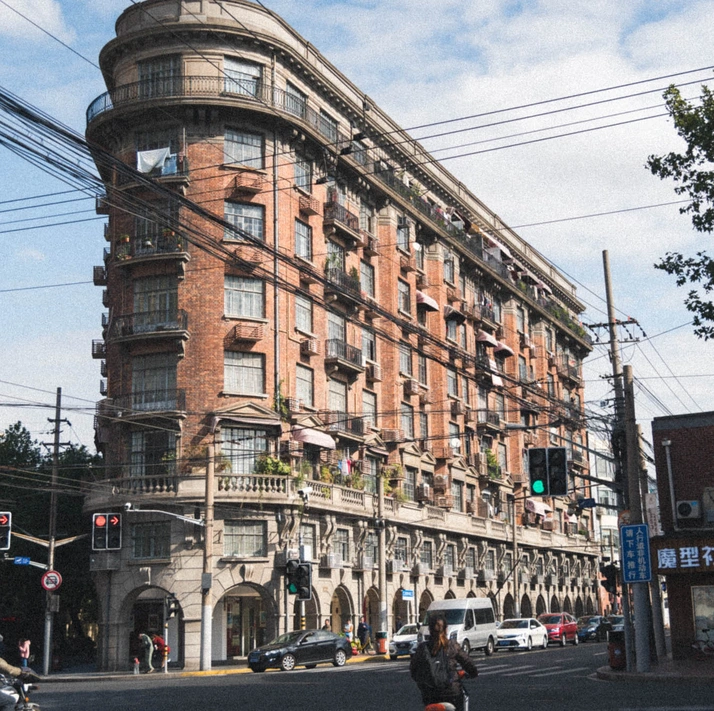
If you can only visit one street in Shanghai, make it Wukang Road. Originally built by American Robert Fitch, then president of Nanyang Public School, it was first called Fitch Road before being absorbed into the French Concession. Over the years, countless politicians, military leaders, industrialists, and literati have lived here, leaving behind 37 historic buildings or former residences.
Wukang Mansion: The Iconic Starting Point
The most iconic building is, of course, the Normandie Apartments (Wukang Mansion). Just across the street is the former residence of Soong Ching-ling, though I didn’t go inside. Walking down another junction, you officially enter Wukang Road. Plane tree shadows dapple the walls—another beautiful morning begins.
Stories Along the Way
The former site of the Beiping Research Institute, the former Italian Consulate (a Mediterranean-style building), the former home of Ba Jin (where he lived with his family for decades)… Wukang Road itself is a work of art, preserved through a century. New cafes and trendy shops are scattered among the old buildings, adding a modern touch.
The most romantic spot is the "Romeo Balcony"—Italian-style balconies appear on many buildings, evoking Shakespeare’s love story. The former residence of Tang Shaoyi, the Republic of China’s first premier, also stands here. It was in this very house that he was assassinated.
Strolling along Wukang Road, every window holds a story—perhaps of turbulent history, or of moonlit romance, or just a little flutter of emotion, a ripple of life. In short, it’s all deeply human.
[Link: Cafes on Wukang Road for remote work]
Xintiandi, Sinan Road, and Tianzifang: Three Flavors of Shanghai
Xintiandi: Fashion in the Shikumen
Xintiandi is built on the foundation of Shanghai’s unique shikumen (stone-gate) houses, divided into South and North blocks. South Block is mostly modern, while North Block preserves the old shikumen architecture. Bars, boutiques, European-style buildings—the artsy vibe seeps into every corner. The site of the First National Congress of the Communist Party of China is also here, a classic shikumen building.
Sinan Road: A Museum of World Architecture
Sinan Road was originally named Rue Massenet, after a French composer. The buildings here encompass nearly every style of old Shanghai—Chinese, Western, you name it. It’s like a world architecture expo, showcasing the essence of Shanghai’s multicultural heritage. The famous Zhou Mansion (former residence of Zhou Enlai) is also on this street.
Tianzifang: The Most Bourgeois Spot
Tianzifang is a labyrinth of narrow alleys packed with art studios, craft shops, and tiny bars. It’s the most bourgeois spot in Shanghai—a place where old residential quarters have been transformed into a vibrant arts district. Get lost here, and you’ll find something unexpected around every corner.
[Link: How to visit Tianzifang without the crowds]
Frequently Asked Questions About Artsy Travel in Shanghai
1. What is the "Magic City" nickname for Shanghai?
Shanghai is called the "Magic City" (Mó Dū) because of its rapid transformation and surreal blend of old and new. The city feels magical, almost addictive, with constant reinvention.
2. Which street in Shanghai is best for art lovers?
Yuyuan Road and Wukang Road are top picks. Yuyuan Road offers an open-air art experiment, while Wukang Road is famous for its historic architecture and romantic balconies.
3. Is Shanghai expensive for artsy travelers?
Not necessarily. Many art installations, street art, and historic streets are free to explore. Cafes and small galleries are affordable, though high-end exhibitions may cost more.
4. Can I visit these streets in one day?
Yes, but it’s tight. Start at Yuyuan Road in the morning, head to Xinhua Road at noon, then spend the afternoon on Wukang Road. Save Xintiandi and Tianzifang for another day.
5. What is the best time to visit Shanghai for art and culture?
Spring (March–May) and autumn (September–November) offer pleasant weather for walking. Avoid summer heat and winter chill.
Your Next Step: Get Hooked on the Magic City
Shanghai doesn’t just welcome you—it pulls you in. Whether you’re a photographer, a writer, a designer, or just someone who loves to wander, this city will leave its mark on you.
Ready to get addicted?
Start planning your artsy Shanghai itinerary today. Book a walking tour, download a map of the lilong alleyways, and prepare to fall in love with the Magic City.
Call to Action:
👉 [Link: Book a personalized Shanghai art tour]
👉 [Link: Download our free Shanghai street art map]
👉 [Link: Join our community of artsy travelers]
Internal Linking Suggestions: - [Link: Best time to visit Shanghai for art lovers]
- [Link: Top 10 Instagrammable spots in Shanghai]
- [Link: Walking tour of the French Concession]
- [Link: Cafes on Wukang Road for remote work]
- [Link: How to visit Tianzifang without the crowds]
- [Link: Book a personalized Shanghai art tour]
- [Link: Download our free Shanghai street art map]
You may also like