The Artistic Magic City: Finding Life's Poetry in Shanghai's Art Exhibitions and Cultural Spaces
Meta Description: Discover Shanghai's art scene with our guide to West Bund Museum exhibitions, architectural wonders, and immersive experiences. Find poetry in everyday life through curated art journeys in the Magic City.
Introduction: When Travel Becomes Art, and Art Becomes Travel
When the urge to explore is bound by reality, we discover that life's poetry never truly disappears—it merely reveals itself in different forms. In Shanghai, a city celebrated author Wang Anyi once called a "grand magic box," surprises await around every corner. Art museums, bookstores, and cultural venues form the mechanisms of this enchanted box—seemingly silent on the surface, yet buzzing with hidden voices.
I love this city deeply, not for its glittering skyline, but for its multicultural fusion that satisfies whatever longing I have at any given moment. Over the course of a year, I've accumulated a wealth of spiritual nourishment through Shanghai art exhibitions and cultural venues. Organizing these memories, recording them, and turning them into keepsakes of time—that itself is a kind of romance.
As I write these words, Shanghai has unexpectedly pressed its pause button. But I believe the hustle and bustle will return, and the artistic magic city will not fade away. Let me take you on a journey through those artistic corners that once healed our ordinary days.
Immersive Art Exhibitions in Shanghai: Finding Infinity in Limited Spaces
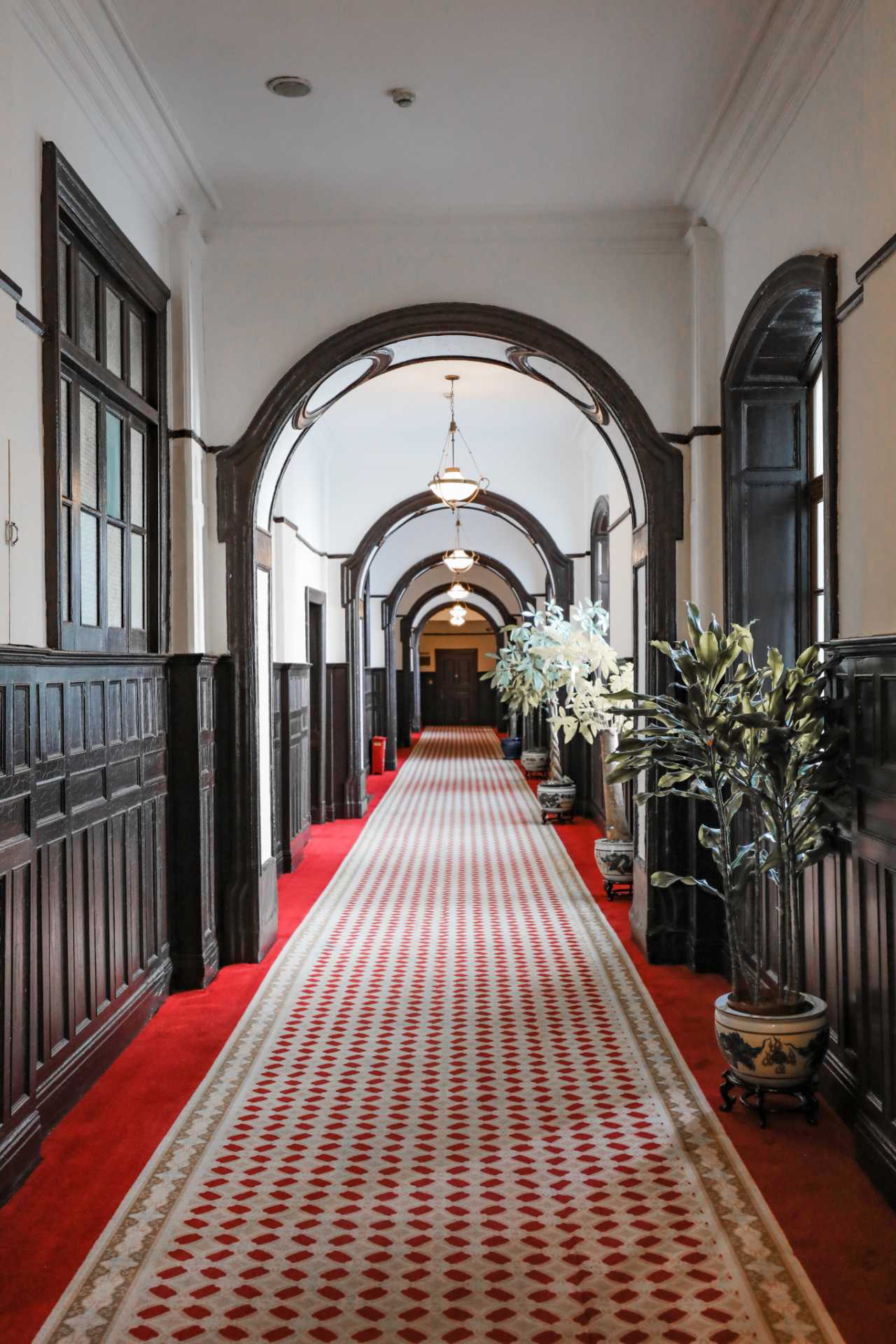
Yusuke Ishida once wrote: "If we don't explore the unknown, our senses grow dull, our world shrinks to a tiny speck, and even our curiosity fades away."
During these days when travel is out of reach, Shanghai art exhibitions have become our windows to the outside world. They compress information through narrow channels and deliver it to us, allowing us to draw nourishment and find solace.
West Bund Museum Shanghai: Riverside Poetry in Solitude
Located on the northwest bank of the Huangpu River, the West Bund Museum feels like a sanctuary amidst the urban landscape. It stands at the northernmost point of the riverside promenade, facing the river directly, gazing across the water at the opposite shore.
Descending the steps on the east side of the plaza, you'll reach a resting platform near the riverbank, offering an unobstructed view of the Huangpu River. This building is not merely an independent structure; it plays a public role in optimizing the connection between the site, the Huangpu River, and the adjacent park.
The museum's staircase is where geometric lines are most pronounced, and it's also the most photogenic corner. Few people pass through here, and the light filtering through the tunnel-like concrete walls softens its sharpness, adding to the tranquility. The public reading area on the first floor is wrapped in translucent, jade-like glass, giving the building a milky texture. During the day, colorful sunlight streams in; at night, dazzling light spills out, creating a striking contrast with the smooth, matte finish of the cantilevered roof.
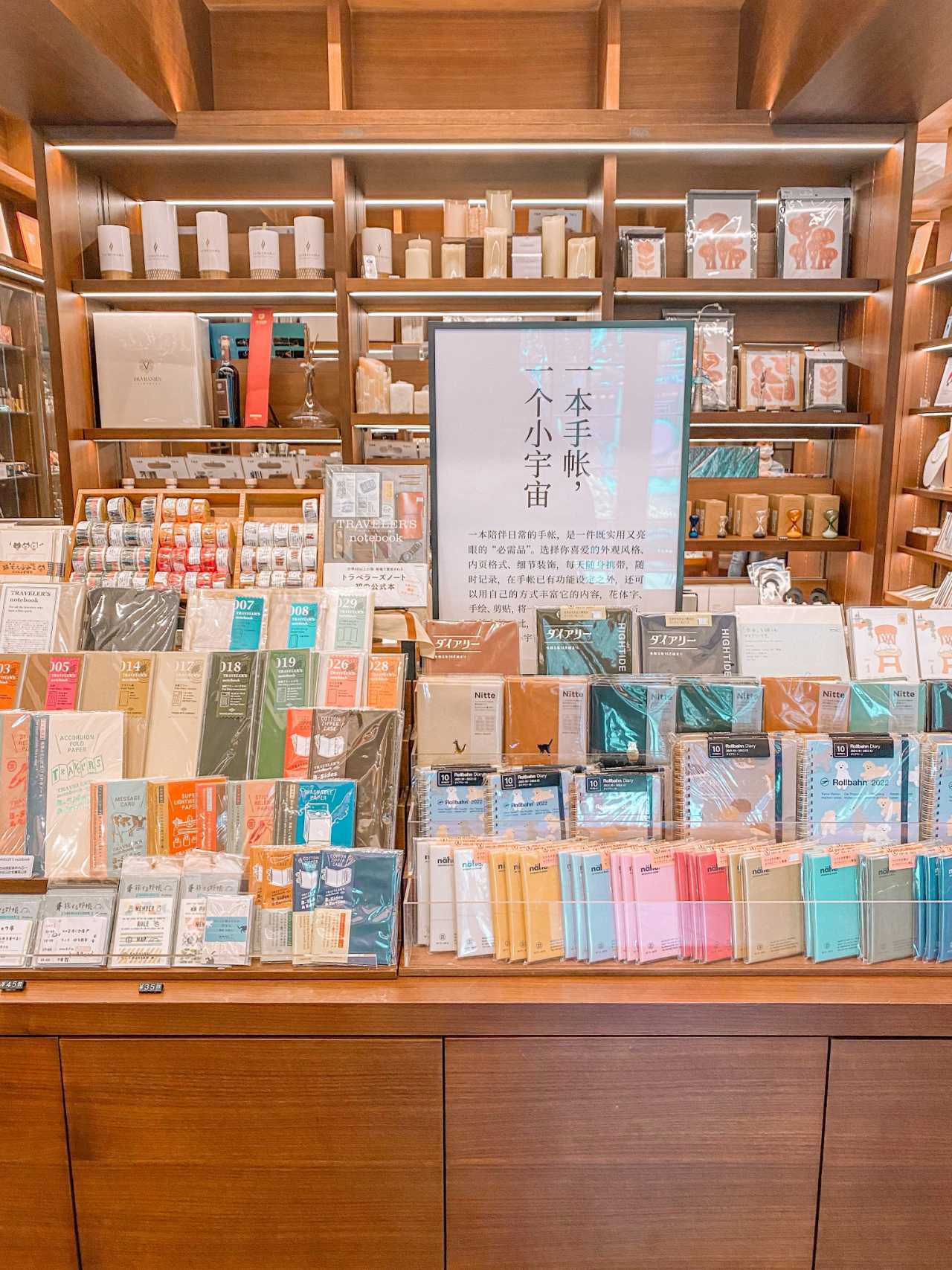
The exhibition spaces are arranged in a pinwheel layout, connected by a central double-height lobby. You can enter through a sunken courtyard or climb the plaza steps to the second-floor terrace and then into the central lobby. Either way, you'll find your way to the galleries, the bookstore, and the café.
The café is housed in a low, elongated structure on the riverside side of the first floor, designed to bring more of the river view to visitors. It's worth noting that very few art museums in Shanghai offer dining options, so this was a delightful surprise. I remember that rainy day when we planned to see two exhibitions and didn't have to leave the museum for food—our happiness levels instantly soared.
Practical Information - Name: West Bund Museum (西岸美术馆) - Address: 2600 Longteng Avenue, Xuhui District, Shanghai - Hours: Tuesday to Sunday, 10:00 AM – 5:00 PM - Note: Online reservation required; health code required for entry
[Link: Best Shanghai museums for contemporary art]
Paris Architecture Exhibition Shanghai: A Witness to Urban Transformation
During these days when travel is impossible, I've become obsessed with exhibitions. Longing for the romantic city of Paris, I was thrilled when this exhibition started from Paris in 1948 and extended to the present day. Through models, manuscripts, and documentaries, we gained insight into the modern side of Paris.
A city like Paris, which has preserved many traditional buildings, has incorporated numerous modern styles into its development. Countless architects, putting people at the center, have explored the endless possibilities of architecture, creating the diverse Paris we see today. For architecture enthusiasts and Paris lovers, this was nothing short of a feast.
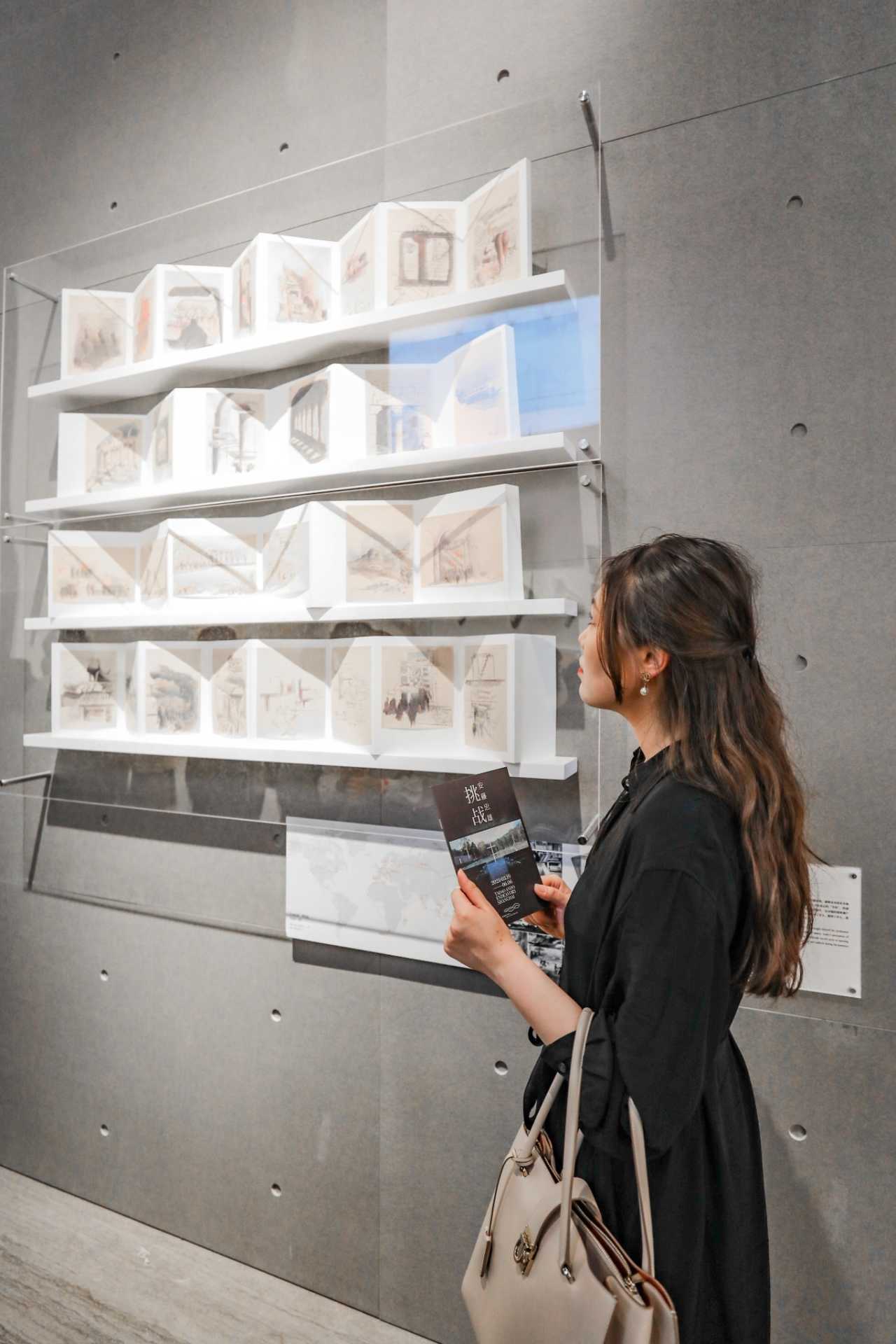
This was the first special exhibition in China to focus on the development process of a major metropolis, presenting the urban transformation of an era from an architectural perspective. Spanning 10 chapters and 75 projects, it featured nearly 120 works including architectural models, drawings, documents, and videos. Unprecedentedly, it brought together 10 Pritzker Architecture Prize winners. The most familiar name among them was Tadao Ando.

The minimalist exhibition was captivating—seemingly empty, yet transparent and tangible. It held the lingering warmth and memories of a city. The concept of spatial proliferation in mathematics came to mind; just like these sketches, they contained infinite capacity, and once you looked into them, they seemed bottomless.
What moved me most was that this wasn't an exhibition about grand architecture, but rather a focus on the relationship between people and buildings in the city. You could feel that if you were a member of this city, you would look back and see the changes happening around you. It was precisely because of the human element that the models in the dim light came to life.
Practical Information - Exhibition: Paris Architecture (1948-2020): Witness to Urban Transformation - Location: West Bund Museum, 2600 Longteng Avenue, Xuhui District - Dates: November 11, 2021 – February 20, 2022 - Hours: 10:00 AM – 5:00 PM (last entry at 4:00 PM, closed on Mondays) - Ticket: 120 RMB (available on-site)
[Link: Top architectural exhibitions in Shanghai]
The Voice of Things Exhibition: A Dialogue Between Art and Daily Life
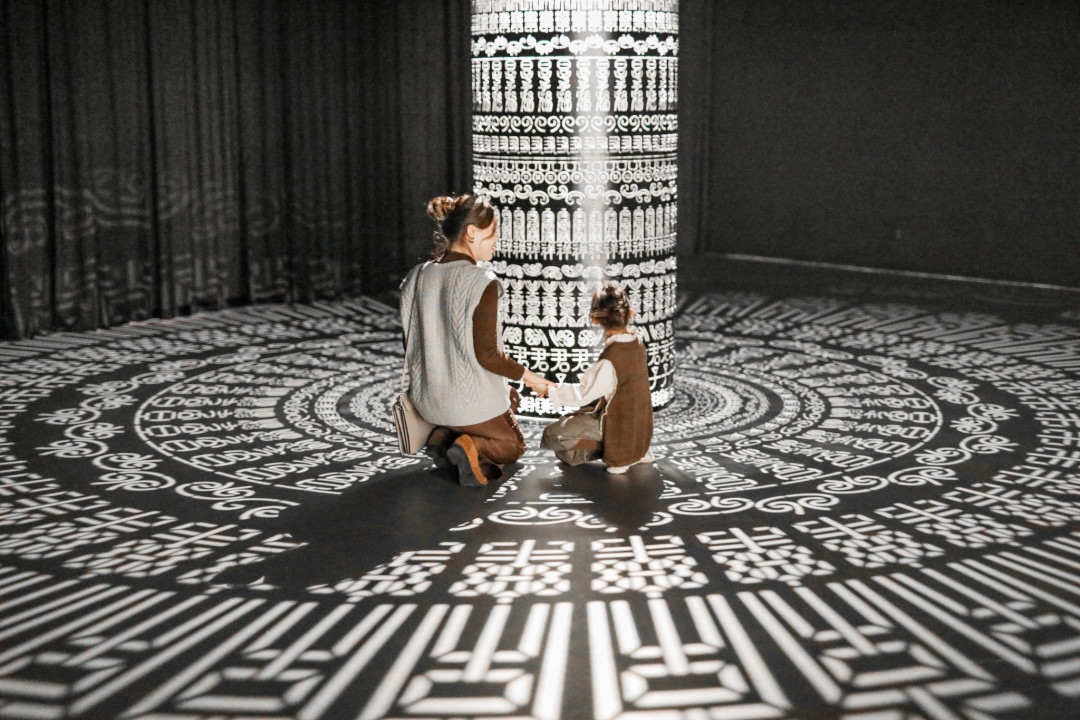
I went for Paris Architecture but unexpectedly discovered The Voice of Things. This was the middle chapter of the trilogy "Time," "Everything," and "Space"—a modern and contemporary art history series co-curated by the West Bund Museum and the Centre Pompidou.
The exhibition brought together over a hundred masterpieces, with works by Picasso, Dalí, Miró, Duchamp, and Le Corbusier within arm's reach—a rare opportunity. Man Ray's Indestructible Object, Le Corbusier's Still Life, Picasso's Still Life with Antique Head, Duchamp's Hat Rack, Yves Tanguy's The Slow Day, Miró's Objects at Sunset... each piece was worth lingering over.
Looking at modern art history, just 100 years, it's actually a process of constantly challenging authority and breaking old definitions. The exhibits everywhere seemed ordinary at first glance, no different from common furniture, but upon closer inspection, you could discover the ingenious ideas of artists and designers.
I remember one piece made from a collection of everyday items, with various flat objects arranged vertically. Looking closely, every screw was perfectly placed. The exhibition was divided into two halls, with 18 chapters in total. The first half featured Duchamp's "readymade" art, showcasing how artists used creativity to overturn old conventions; the second half, through the lens of Pop artists, Nouveau Réalisme, and the Fluxus movement, re-examined the role of "objects" in art under the prevalence of consumerism.
Everything is art. In the hands and eyes of artists, lamps can take countless forms, and tables and chairs can be reinterpreted.
Practical Information - Exhibition: The Voice of Things - Location: West Bund Museum, 2600 Longteng Avenue, Xuhui District - Dates: Ongoing (check official website for current schedule) - Hours: 10:00 AM – 5:00 PM (closed on Mondays) - Ticket: Varies by exhibition
[Link: Centre Pompidou collaborations in Shanghai]
Shanghai Art Scene Guide: More Than Just Exhibitions
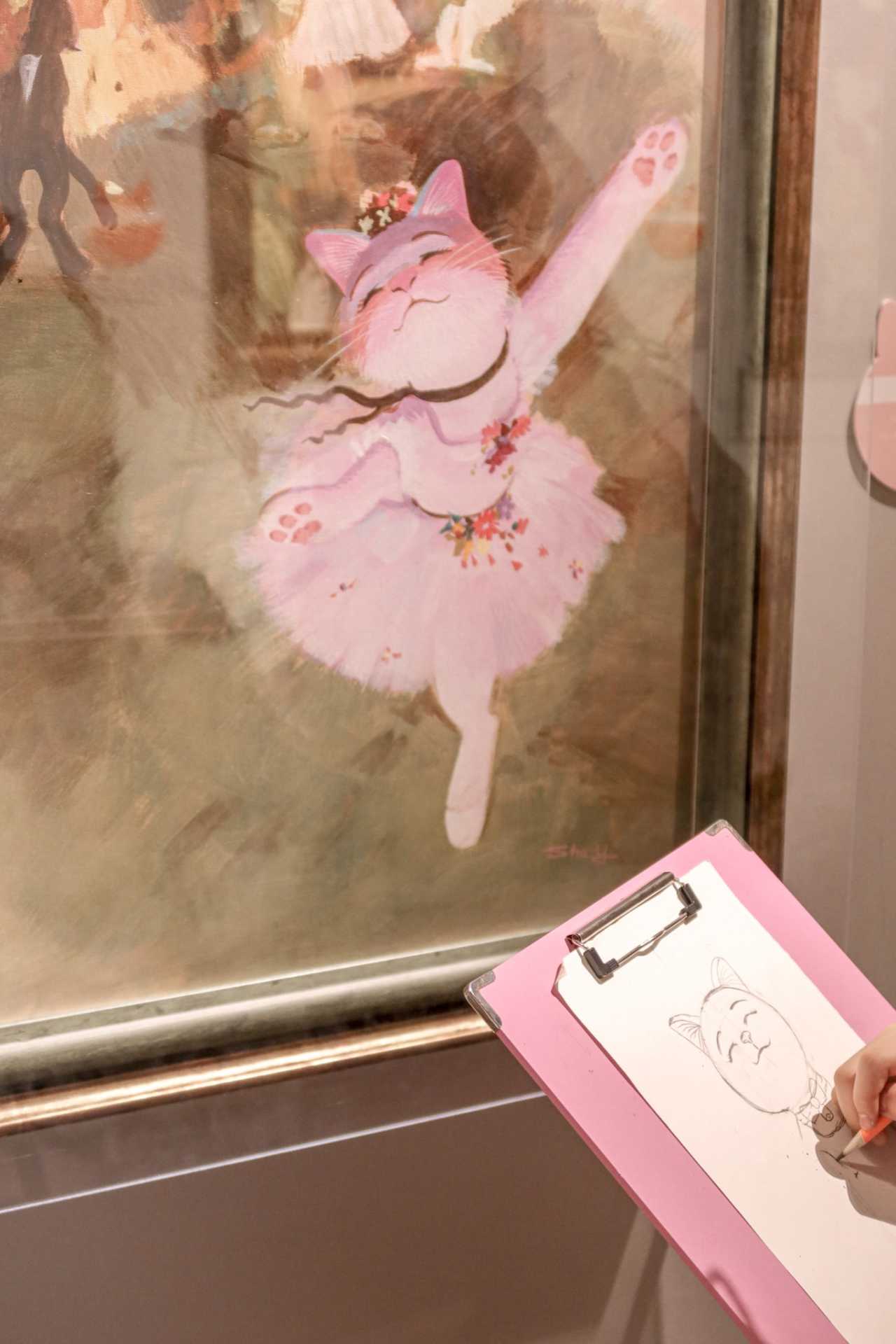
The beauty of Shanghai's art scene lies in its accessibility. You don't need to be an art critic or a seasoned collector to appreciate what these spaces offer. The city's cultural venues are designed for everyone—from curious first-timers to seasoned connoisseurs.
Why Shanghai Art Museums Stand Out
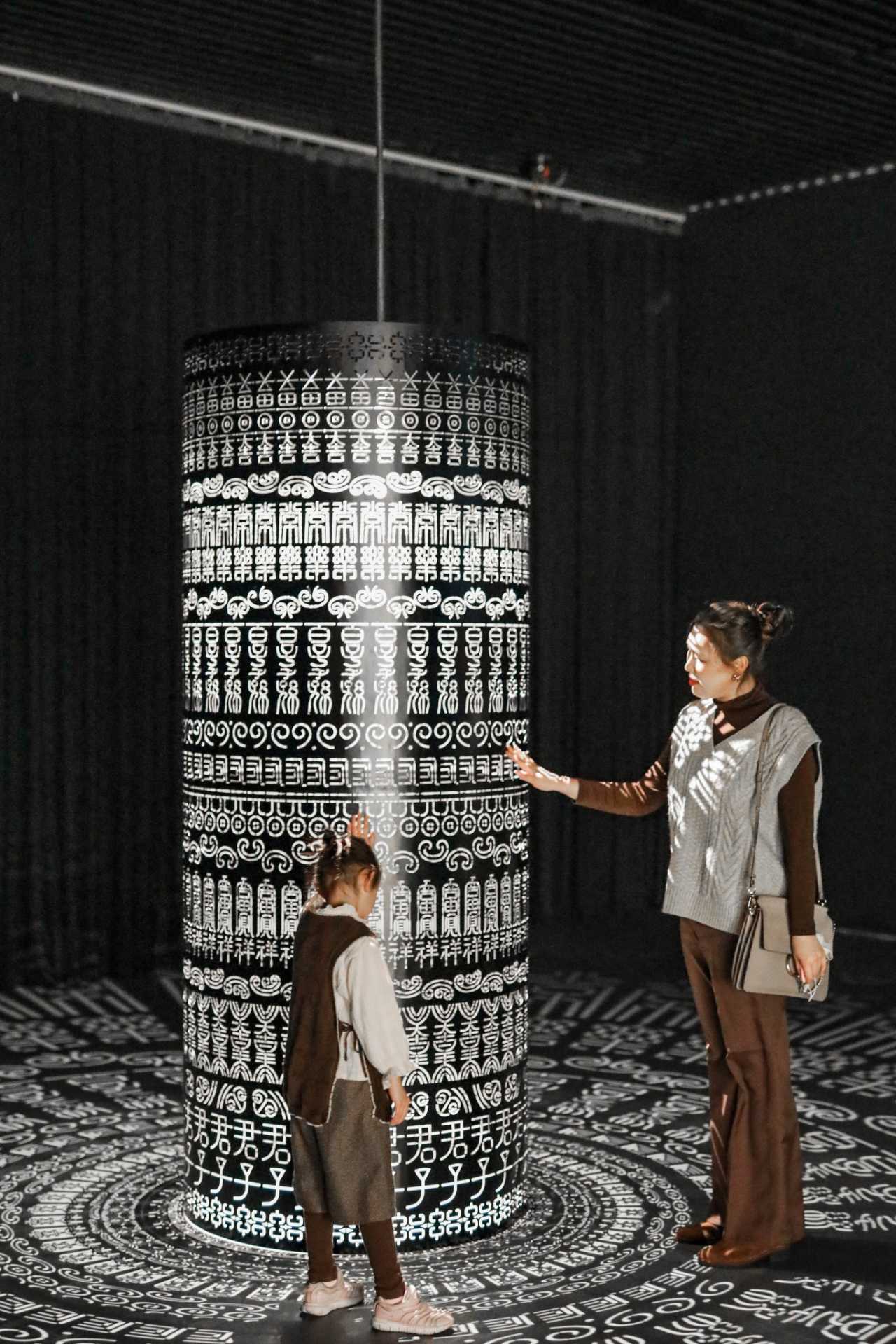
- Multicultural fusion: Shanghai's unique position as a global city means its art spaces reflect both Eastern and Western influences.
- World-class collaborations: Partnerships with institutions like the Centre Pompidou bring international masterpieces to local audiences.
- Architectural experiences: Many museums themselves are architectural marvels worth visiting.
- Affordable access: Compared to many global cities, Shanghai's exhibition tickets remain reasonably priced.
Tips for Visiting Shanghai Cultural Venues
- Book in advance: Most exhibitions require online reservations.
- Check health requirements: Current regulations may require health codes.
- Plan for half-day visits: Most museums take 2-4 hours to explore fully.
- Combine multiple exhibitions: Many venues offer discounted combo tickets.
[Link: Shanghai art district walking tours]
FAQ: Shanghai Art Exhibitions and Cultural Spaces
Q1: What are the best art museums in Shanghai for first-time visitors?
The West Bund Museum, Power Station of Art, and the Shanghai Museum are excellent starting points. Each offers unique collections and experiences. The West Bund Museum is particularly recommended for its riverside location and world-class exhibitions.
Q2: How much do Shanghai art exhibitions typically cost?
Ticket prices vary widely. Major exhibitions at the West Bund Museum range from 80-150 RMB. Some smaller galleries offer free admission. Many museums have discounted rates for students and seniors.
Q3: Do I need to book Shanghai art exhibitions in advance?
Yes, most major museums now require online reservations. This helps manage crowd flow and ensures entry. Check the museum's official website or WeChat account for booking details.
Q4: Are Shanghai museums open on Mondays?
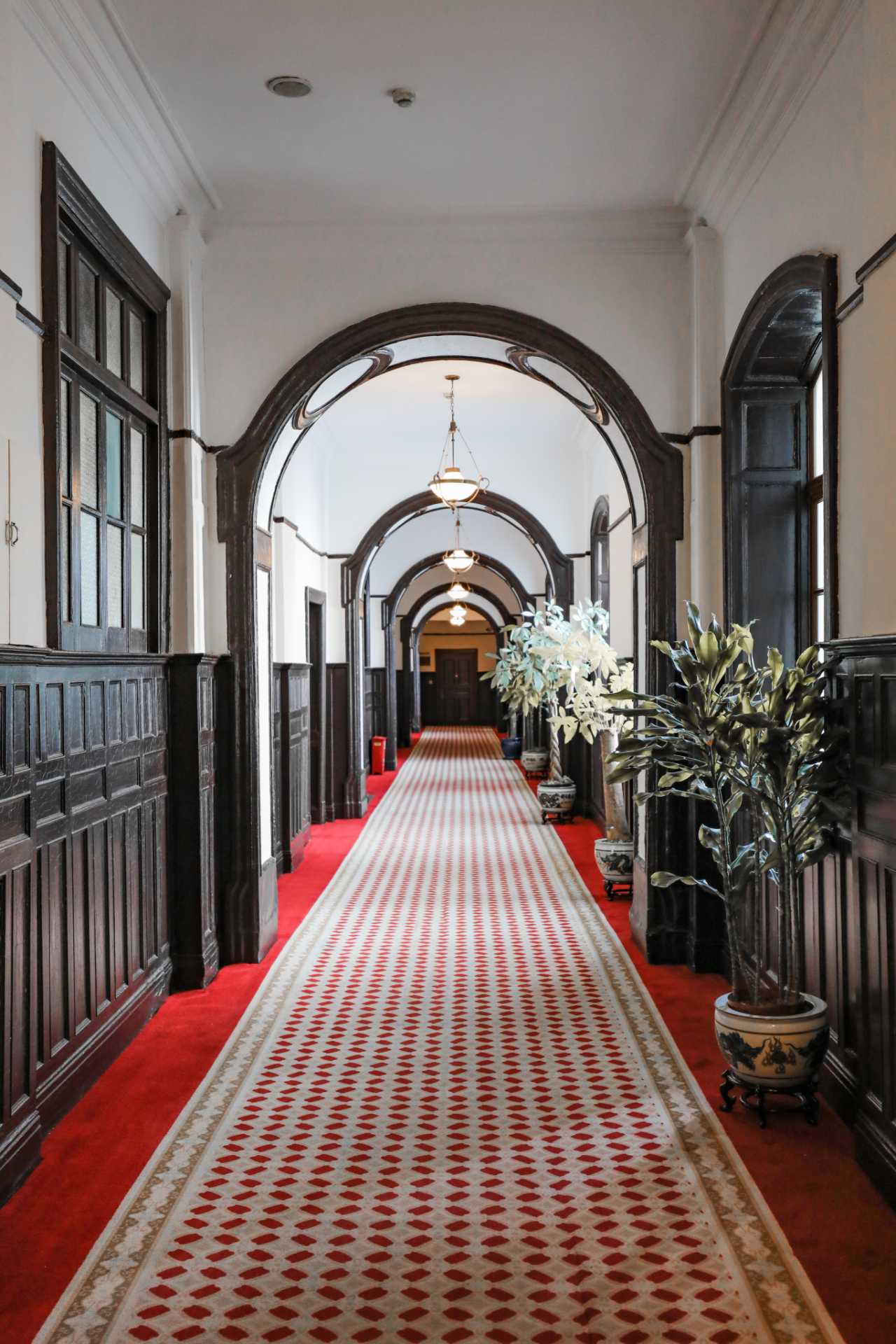
Most museums in Shanghai are closed on Mondays, except during public holidays. Always check the official schedule before planning your visit. The West Bund Museum, for example, is closed every Monday.
Q5: Can I take photos inside Shanghai art exhibitions?
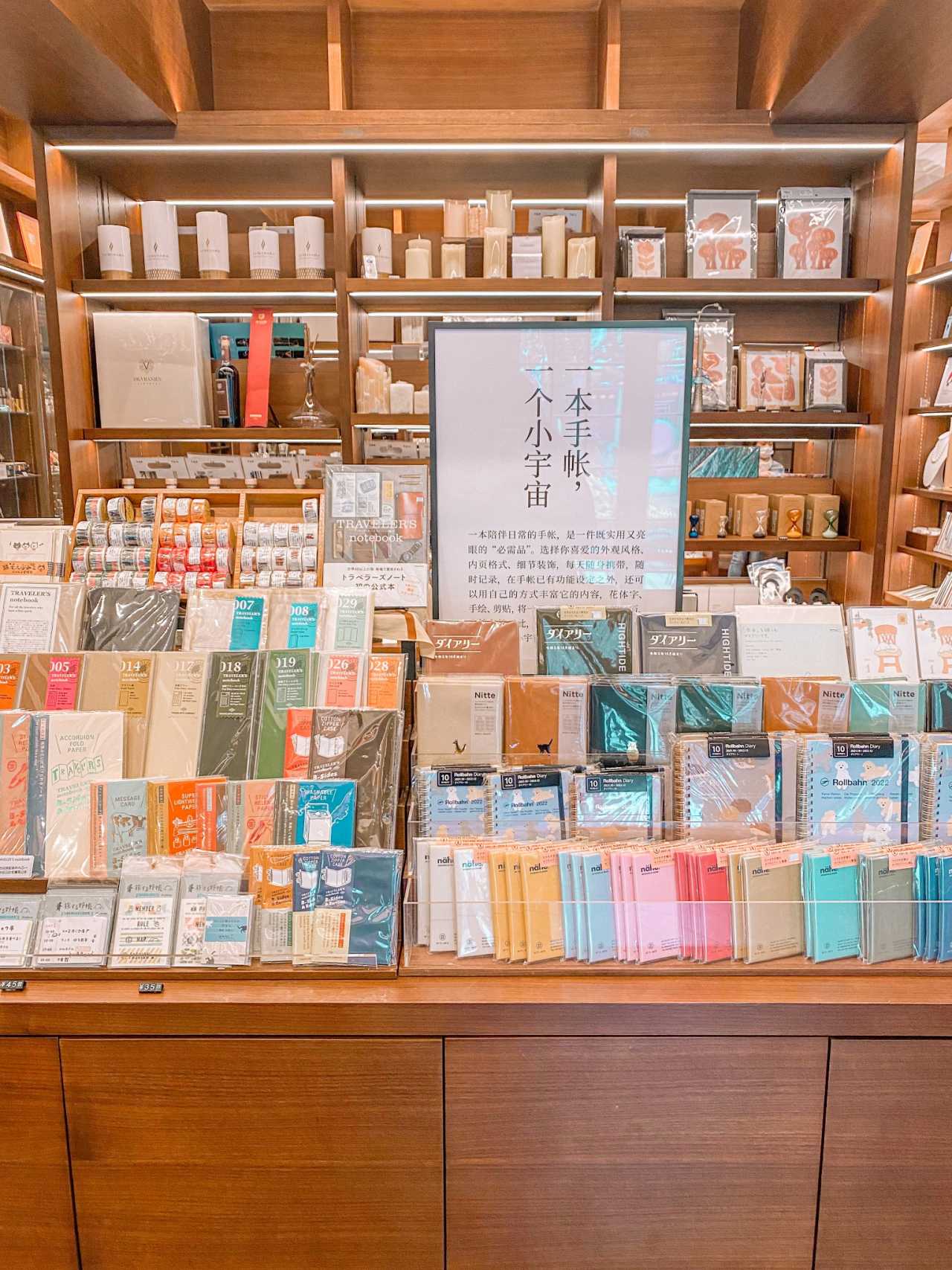
Photography policies vary by exhibition. Many allow non-flash photography for personal use. Some special exhibitions may prohibit photography entirely. Always check the signage at the entrance.
Conclusion: Your Journey into Shanghai's Artistic Magic City
Shanghai's art scene is not just about exhibitions—it's about finding poetry in everyday life. Whether you're standing before a Picasso masterpiece at the West Bund Museum, marveling at architectural models from Paris, or simply enjoying a coffee by the Huangpu River, the magic city offers endless opportunities for discovery.
The exhibitions I've shared are just the beginning. Shanghai's cultural landscape is constantly evolving, with new galleries, pop-up exhibitions, and immersive experiences appearing regularly. The key is to stay curious, keep exploring, and let the art speak to you.
Ready to start your own artistic journey? Begin by visiting the West Bund Museum—it's the perfect gateway to Shanghai's vibrant art scene. Check their official website for current exhibitions, book your tickets in advance, and prepare to be amazed.
Remember: the poetry of life never disappears. It simply waits to be discovered in the next exhibition, the next museum, the next moment of quiet contemplation in the heart of the artistic magic city.
Have you visited any of these Shanghai art exhibitions? Share your experiences in the comments below, or tag us in your photos from the West Bund Museum. Let's keep the conversation about art and culture alive!
[Link: Shanghai cultural events calendar] [Link: Best photography spots in Shanghai museums] [Link: Guide to Shanghai's West Bund cultural corridor]