Taking My Wedding Dress to Vietnam: A Romantic Adventure in Self-Shot Wedding Photos (With Complete Guide + Photography Tips)
Here is the SEO-optimized, rewritten article based on your source material. It is structured to rank for keywords like "self-shot wedding photos," "Vietnam wedding photography," and "budget travel photography guide."
Self-Shot Wedding Photos in Vietnam: A 9-Day Romantic Adventure & Complete Photography Guide
Meta Description: Planning a DIY wedding photoshoot in Vietnam? Discover our complete guide to self-shot wedding photos, from Hanoi to Ho Chi Minh City. Includes budget tips, safety advice, and photography hacks for couples.
Introduction
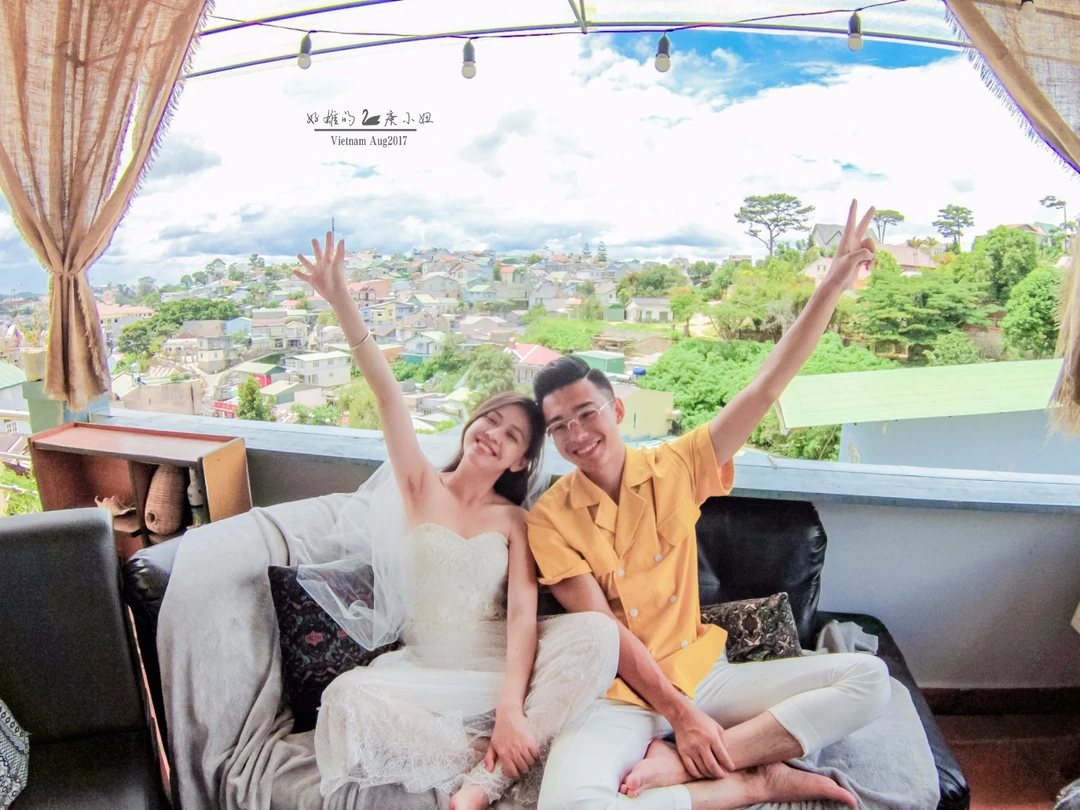
Some love stories begin with school uniforms and end with wedding dresses. For us, the journey from canvas sneakers to high heels has taken us across borders. This year, we packed our wedding dress into a backpack and set off for Vietnam—not for a lavish ceremony, but for a romantic adventure in self-shot wedding photography.
With no professional photographer, no expensive lighting, and only a tripod and a camera, we captured our love story across 9 days and 5 cities. If you are dreaming of DIY wedding photography abroad but feel intimidated by language barriers or logistics, this guide is for you. Here is exactly how we did it, from the border crossing at Youyi Pass to the bustling streets of Ho Chi Minh City.
Why Vietnam is Perfect for Self-Shot Wedding Photos
When people think of Vietnam, they often think "cheap." And yes, you can pull out hundreds of thousands of Vietnamese Dong and feel like a millionaire. But the real draw for budget travel photography is the variety.
Vietnam offers a unique blend of French colonial romance and Southeast Asian grit. It is reminiscent of China in the 1990s—raw, rustic, and full of character. For a self-shot wedding photoshoot, this means you get diverse backdrops: ancient architecture, neon-lit streets, sand dunes, and tropical beaches—all without breaking the bank.
Over 9 days, our per-person expenses remained surprisingly low, allowing us to focus on what mattered most: the experience and the photos.
Pre-Departure Planning: The Essentials for a Smooth Trip
1. Itinerary: The North-to-South Route
Our route was ambitious but rewarding: - Yulin → Nanning → Hanoi → Ho Chi Minh City → Mui Ne → Da Lat → Nha Trang → Hanoi → Nanning
This route covers Vietnam’s most iconic destinations. We entered via the Youyi Pass (Friendship Pass) from Nanning, transited through Hanoi, and then flew south. This is a classic Vietnam travel itinerary for photographers because it gives you urban, coastal, and highland scenery in one trip.
2. Visas and Currency Tips
- Visas: Apply online 3–5 business days before departure. It is simple and fast.
- Currency: Vietnamese Dong can be confusing. Locals often drop the last three zeros (e.g., 300,000 VND becomes "300"). A quick conversion trick: drop four zeros and multiply by three to get the price in RMB.
- Money Exchange: [Link: Best places to exchange currency in Vietnam] I strongly recommend exchanging money at Youyi Pass. The rates are the best, and you can negotiate. We made the mistake of not exchanging enough and later paid painful ATM fees.
3. Language: You Don’t Need Perfect English
Our English was terrible—I didn’t even know the word for "passport." But language barriers are not roadblocks. We used: - Translation apps: Youdao Translator and Chuguo Fanyi - Body language and smiles - A printed English itinerary
This combination was enough for everyday communication.
4. Transportation: Bus or Plane?
Vietnam’s intercity transport relies heavily on sleeping buses. We highly recommend FUTA over The Sinh Tourist. FUTA offers better service and even provides a shuttle to your hotel upon arrival. Book tickets via WeChat accounts like "Xiaoyu Huiyou."
5. Essential Apps for Travelers

- Guides: Mafengwo, Haiou Travel
- Accommodation: Airbnb, Booking.com, Agoda
- Maps: Haiou Maps (with Chinese translations)
- Translation: Youdao Translator
- Booking: Xiaoyu Huiyou
6. Safety: Stay Alert, Stay Safe
Vietnam has a reputation for snatch-and-grab theft. Walk like a secret agent—keep your phone secure and your bags zipped. When taking taxis, always use official green taxis (phone: 383838) and choose five-seat cars to avoid scams.
Day 1: The Journey Begins
From Nanning to Youyi Pass
We arrived in Nanning a day early. The next morning, we were surprised to find a luxury nine-seat van waiting for us. The drive to the border took about three and a half hours.
Crossing the border was simple: exit Chinese customs, then enter Vietnamese customs. Since we had a guide, we skipped the long queues. Note: This is where you should exchange your money—the rates are unbeatable.
First Steps on Foreign Soil
After crossing, we switched to a Vietnamese vehicle. The driver was quiet but kind. We stopped for chicken noodle soup (phở gà) at a roadside rest stop. It was incredible—I still dream about it.
Transit in Hanoi
We arrived in Hanoi around 3:00 PM. Feeling lost, we met two women from Nanning also heading to Ho Chi Minh City. Meeting fellow travelers in a foreign country brought an indescribable warmth. We shared a minibus to the city center for about 13 RMB per person.
Pro tip: Official transport staff always wear uniforms and ID badges. Stick with them to stay safe.
Airport Blunders
At Hanoi Airport, we froze when the check-in attendant said, "Put it on one by one." A Chinese-speaking staff member saved us. Later, at the gate, we kept ignoring the attendant saying "Passport" until 66 Qi suddenly realized: "Oh! Passport means passport!"
This taught us a valuable lesson: Language barriers cannot stop a determined heart.
Ho Chi Minh City: The Paris of the East
We arrived at 10:30 PM. The airport is small but full of exotic charm. A taxi to Pham Ngu Lao Street cost about 60 RMB. Our driver had lived in Guangxi and spoke some Chinese, warning us to stay safe.
Ho Chi Minh City, formerly Saigon, is called the "Paris of the East." It blends bustling streets with elegant French architecture. Though we only stayed a day, we felt its energy immediately. It is an excellent location for urban wedding photography with a vintage twist.
Photography Tips for Your Self-Shot Wedding Photos in Vietnam
If you are planning a DIY wedding photoshoot in Vietnam, here are our top tips:
- Use a Tripod and Remote Shutter: We used a lightweight travel tripod and a wireless remote. It takes practice, but the results are worth it.
- Shoot During Golden Hour: The light in Vietnam is harsh at noon. Shoot early morning or late afternoon for soft, romantic tones.
- Embrace the Chaos: Don’t be afraid of crowds or street life. Some of our best shots include motorbikes and local vendors in the background.
- Pack a Wrinkle-Release Spray: Your wedding dress will get crushed in a backpack. A small spray bottle of water and fabric softener works wonders.
- Scout Locations on Google Maps: Use satellite view to find quiet alleys, beaches, or viewpoints before you arrive.
FAQ: Self-Shot Wedding Photos in Vietnam
Q: Is it safe to shoot wedding photos in public in Vietnam? A: Yes. Locals are generally curious and friendly. You may attract attention, but we never felt unsafe. Just keep an eye on your gear.
Q: Do I need a permit to shoot wedding photos in Vietnam? A: For personal, non-commercial shoots, no permit is required. If you are using a professional camera setup, you might be asked questions at tourist spots, but we had no issues.
Q: What is the best city for wedding photos in Vietnam? A: It depends on your style. Da Lat offers French villas and pine forests. Mui Ne has stunning sand dunes. Hoi An is perfect for lantern-lit night shoots.
Q: How do I keep my wedding dress clean while traveling? A: Use a garment bag for transport and a steamer or wrinkle-release spray on-site. Avoid dragging the dress on dirty streets.
Q: Can I shoot wedding photos alone without a photographer? A: Absolutely. With a tripod, remote shutter, and a bit of patience, you can capture beautiful, candid moments. [Link: Best tripods for travel photography]
The Meaning of Travel
This trip was not just about photos. It was about proving that love and adventure don’t require a big budget. It was about the warmth of strangers, the laughter over language mistakes, and the feeling of standing together in a foreign land, wearing the same dress we wore at our wedding.
From the bustling streets of Ho Chi Minh City to the quiet roads of Da Lat, Vietnam gave us memories that no professional photographer could have captured.
Ready to Plan Your Own Wedding Adventure?
Don’t wait for the perfect conditions. Pack your dress, grab a tripod, and book that ticket. Whether you choose Vietnam or another destination, the world is waiting for your story.
Start planning your trip today. [Link: Best travel insurance for photographers] or [Link: Budget-friendly destinations for wedding shoots]
Have you taken your wedding dress on the road? Share your story in the comments below!
You may also like