Symphony of Shanghai: A Love Letter to the City That Never Sleeps – An SEO-Optimized Guide
Meta Description: Discover Shanghai's hidden symphony—from Bund's historic promenade to Tianzifang's artful lanes. Explore contradictions of glass towers & stone gates in this love letter to China's most dynamic metropolis.
Introduction: The Unseen Rhythm of Shanghai
There's a rhythm to Shanghai that hums beneath the surface of its neon-lit nights and rain-slicked streets. It's a city of contradictions—soaring glass towers casting shadows over century-old stone gates, the clatter of mahjong tiles mingling with jazz from a hidden speakeasy. For those willing to listen, Shanghai plays a symphony, its movements unfolding across districts, seasons, and decades. This is my love letter to that symphony—a guide to experiencing Shanghai's soul through its iconic landmarks, hidden alleys, and timeless traditions.
Whether you're a first-time visitor or a seasoned traveler, Shanghai travel planning requires understanding this duality. Let's explore the city's movements, from the Bund's eternal duet with Pudong to the labyrinthine charm of Tianzifang and the carnival spirit of Yuyuan Garden.
First Movement: The Eternal Duet of the Bund and Pudong

Daybreak Over the Huangpu River
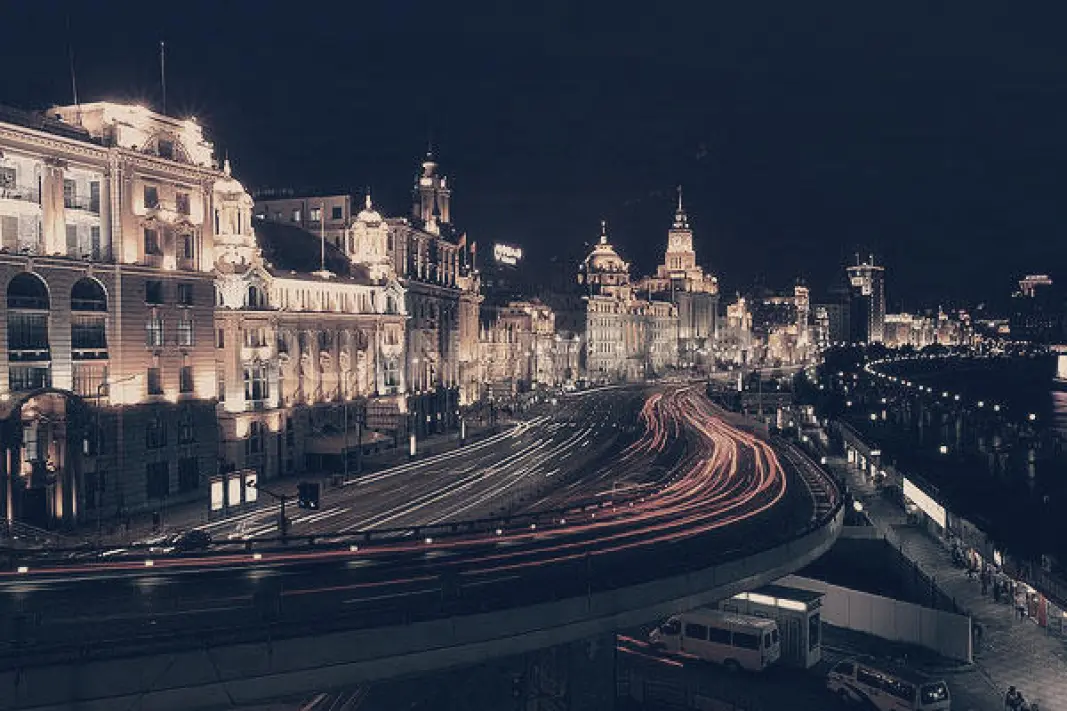
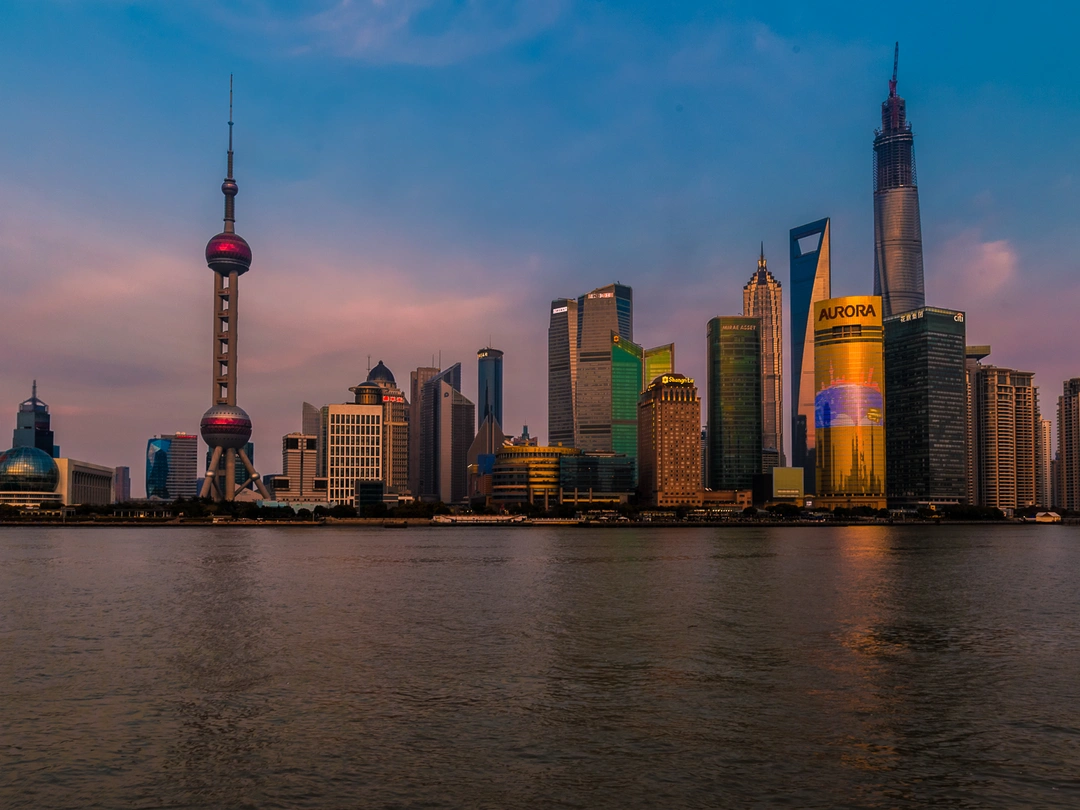
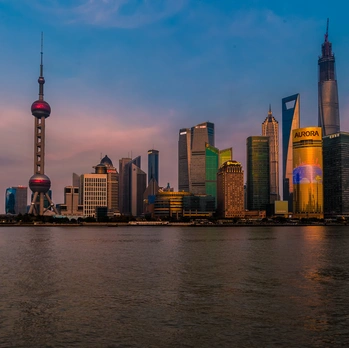
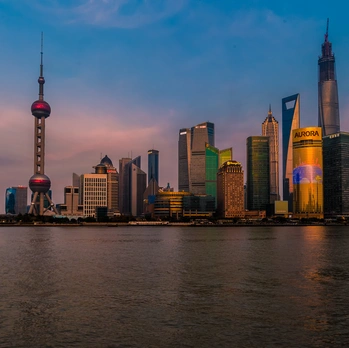
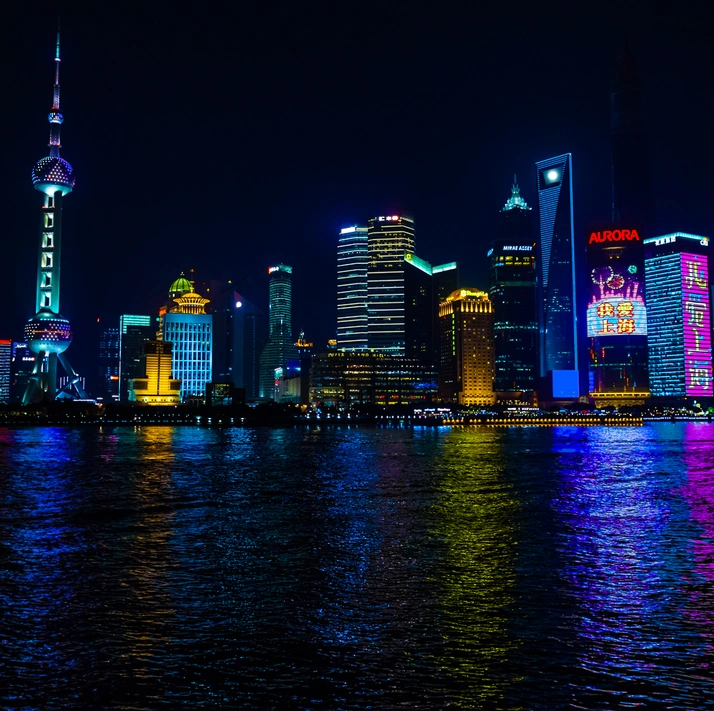
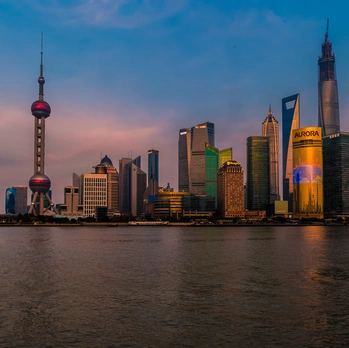
Morning in Shanghai arrives with quiet ambition. As the sun climbs behind the Oriental Pearl Tower, the city stirs—a vast, breathing organism of commerce and dreams. The Bund, that storied promenade of neoclassical facades, stands watch over the Huangpu River. By day, it's a stage for strivers: businessmen in tailored suits, tourists snapping selfies, cyclists weaving through traffic. The air smells of river water and possibility.
The Bund's architecture is a frozen symphony. Each building—the Gothic Revival Customs House, the Art Deco Peace Hotel—was once the most modern of its era. Now they stand like aging aristocrats, their limestone and granite weathered by a century of typhoons and revolutions. Walk along the stone balustrade, and you're tracing the footsteps of merchants, revolutionaries, and lovers. "These buildings," a local once told me, "are like musical notes—some high, some low, but together they make harmony."
Best time to visit the Bund: Early morning (6-8 AM) for fewer crowds and golden light; sunset (5-6 PM) for the iconic skyline transition.
Twilight Transformation: The Bund at Night
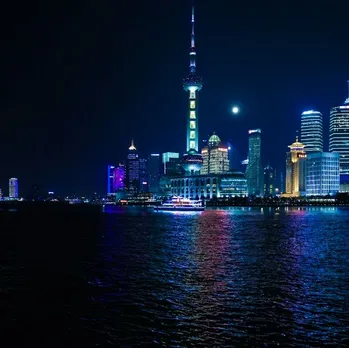
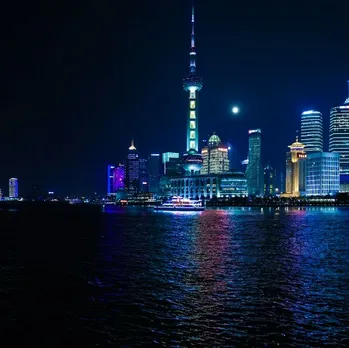
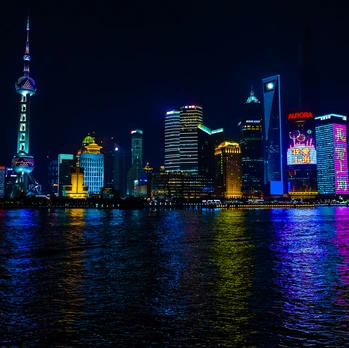
But it's at dusk that the Bund truly sings. The sky bruises into shades of violet and orange, and the streetlamps flicker to life. The Peace Hotel's yellow glow spills onto the pavement, warm as old brandy. From the rooftop bar, you can watch the city shift gears: office workers spill out of metro stations, couples lean into each other on benches, and the first notes of a saxophone drift from a basement jazz club.
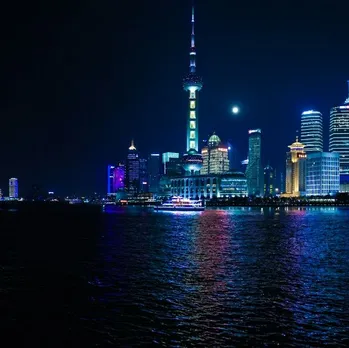
Across the river, Pudong answers with a different melody. The Oriental Pearl Tower, once mocked as a "giant asparagus," now gleams like a jewel. The Shanghai Tower pierces the clouds, its spiral form catching the last rays of sun. These are the new notes—sharp, ambitious, unapologetically modern. Together, the old and new create a counterpoint that defines Shanghai's soul: a city that never forgets its past but refuses to be bound by it.
Shanghai skyline photography tips: Use a tripod for long exposures; position yourself near the Waibaidu Bridge for symmetrical shots; visit during "blue hour" (15-30 minutes after sunset) for the most dramatic colors.
The Bridge of Memory: Waibaidu Bridge
No structure embodies this duality better than the Waibaidu Bridge. Its steel trusses have spanned the Suzhou Creek since 1907, surviving wars, revolutions, and the relentless march of progress. In the golden hour, its ironwork glows like spun honey. Couples pose for wedding photos, their white gowns and black tuxedos a stark contrast to the bridge's industrial bones. At night, its amber lights cast ripples on the water, and the city's hum fades into a lullaby.
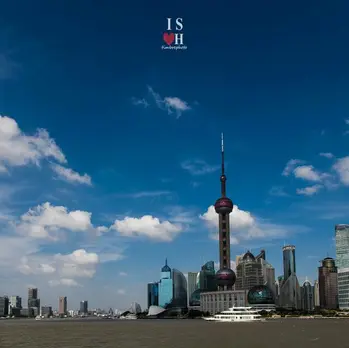
"The Bund is always changing," a photographer once mused, adjusting his tripod. "But it's also always the same. That's the magic."
[Link: Best photography spots in Shanghai]
Second Movement: The Labyrinth of Memory — Tianzifang and Xintiandi
Tianzifang: Where Life Overflows
If the Bund is Shanghai's formal waltz, Tianzifang is its chaotic jazz improvisation. Tucked into the warren of alleys off Taikang Road, this former residential neighborhood has become a living museum of the city's creative spirit. The lanes are narrow—barely wide enough for two people to pass—and strung with low-hanging electrical wires that look like tangled ribbons. Laundry flaps overhead, and the smell of sizzling scallion pancakes mingles with incense from a tiny boutique.
Here, every doorway hides a story. A shoemaker with calloused hands has been repairing heels for 17 years—he's also a painter. A vintage shop sells Mao-era propaganda posters next to handcrafted leather journals. A café serves French press coffee in a room where the walls are original 1920s brick. Tianzifang is not polished; it's lived-in, messy, and gloriously authentic.
Tianzifang shopping tips: Arrive early (10 AM) to avoid crowds; bring cash as some vendors don't accept cards; haggle respectfully for souvenirs like silk scarves and tea sets.
The shikumen (stone-gate) houses are the backbone of this neighborhood. These hybrid buildings blend Western Art Deco details with traditional Chinese courtyard layouts—a physical manifestation of Shanghai's hybrid identity. In the 1930s, they housed middle-class families; today, they shelter artists, expats, and stubborn old residents who refuse to leave. "I've lived here 50 years," an elderly woman told me, hanging her grandson's school uniform on a bamboo pole. "Why would I move? This is my home."
A Photographer's Paradise
Tianzifang is a feast for the lens. Every corner offers a new composition: a cat lounging on a rusty air conditioner, a barista pouring latte art, a child chasing a bubble through a crowd. The light shifts constantly, filtering through hanging plants and bouncing off wet cobblestones. "Bring your camera," a shopkeeper advised, "but leave your expectations. Tianzifang doesn't perform—it just is."
Hidden gems in Tianzifang: The rooftop terrace at Lingo Café offers a panoramic view of the alley network; visit the "Shanghai Memory" museum for vintage photographs; try the scallion pancake stall near the south entrance.
[Link: Shanghai off-the-beaten-path attractions]
Xintiandi: The Elegant Remix
A 15-minute walk away lies Xintiandi, Tianzifang's sophisticated cousin. Where Tianzifang is raw, Xintiandi is refined. This pedestrian-only district reimagines the shikumen (stone-gate houses) as a stage for luxury boutiques, Michelin-starred restaurants, and cocktail bars. The old bricks have been painstakingly preserved—each one injected with German sealant to prevent moisture damage—but the interiors are all glass, steel, and minimalist design.
By day, Xintiandi hums with the clink of coffee cups and the chatter of international travelers. French families linger over croissants; Japanese tourists photograph the carved stone gates. By night, the mood shifts. Jazz spills from open windows, and the outdoor terraces fill with well-dressed couples sipping martinis. It's a curated version of Shanghai—clean, elegant, and undeniably photogenic.
Yet even here, authenticity peeks through. The site of the First National Congress of the Communist Party sits at the district's edge, its modest brick facade a reminder of the revolutions that shaped modern China. "Xintiandi is a stage," a local artist told me. "But the actors are real."
Xintiandi dining recommendations: Reserve at Table No. 1 for European-Shanghai fusion; try Din Tai Fung for soup dumplings; visit the rooftop bar at The Langham for skyline views.
Third Movement: The Carnival of Tradition — Yuyuan Garden and the World Expo Legacy
Yuyuan Garden: Lanterns and Legends
No visit to Shanghai is complete without losing yourself in Yuyuan Garden. This Ming Dynasty masterpiece, with its rockeries, pavilions, and koi ponds, is a pocket of tranquility amid the city's chaos. But it's during the Lantern Festival that Yuyuan truly comes alive.
Come mid-February, the garden transforms into a sea of light. Thousands of lanterns—shaped like dragons, phoenixes, and zodiac animals—illuminate the pathways. The air thickens with the scent of sesame balls and the laughter of children. Elderly couples shuffle through the crowd, their hands clasped. "My grandfather brought me here when I was a girl," a woman said, adjusting her granddaughter's red hat. "Now I bring her."
The surrounding bazaar is a sensory overload: vendors hawk calligraphy brushes, silk fans, and sugar figurines. A puppet show draws a crowd of toddlers. An elderly man writes names in elegant brushstrokes for 10 yuan (about $1.40). The chaos is deliberate, joyful, and utterly Shanghai.
Yuyuan Garden visitor tips: Buy tickets online to avoid queues; visit on weekdays for fewer crowds; try the xiaolongbao (soup dumplings) at the famous Nanxiang Steamed Bun Restaurant.
[Link: Best traditional markets in Shanghai]
The World Expo Legacy
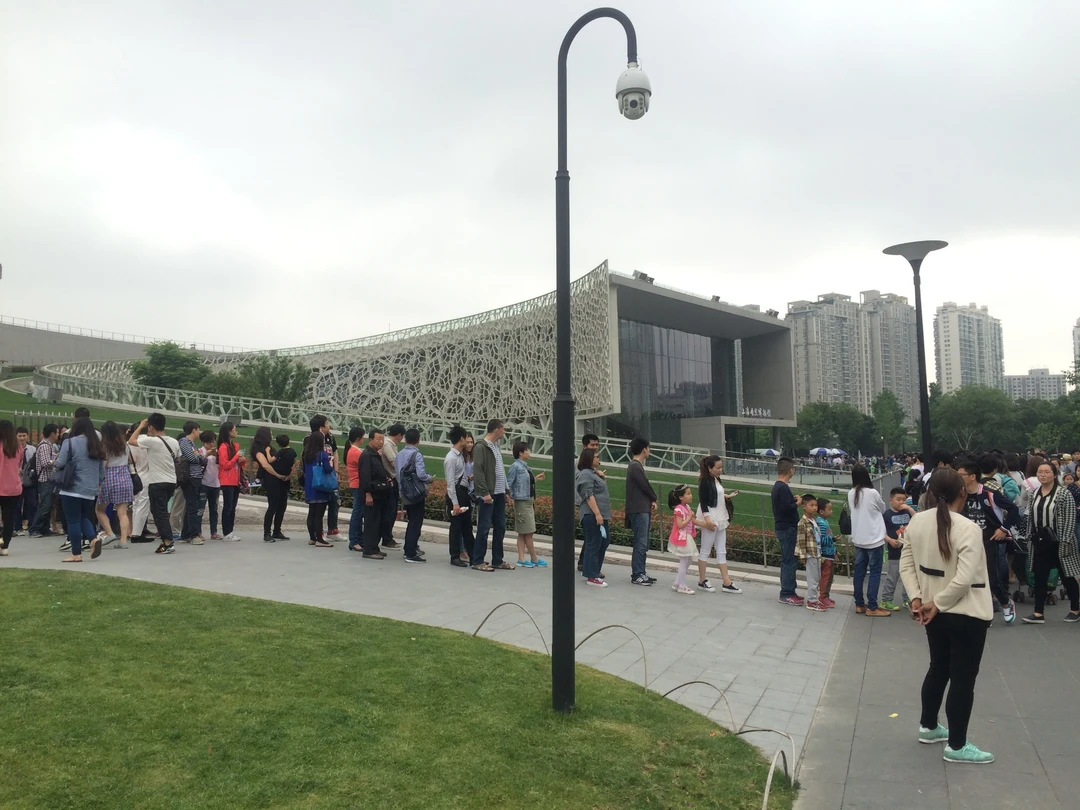
A short metro ride south lies the site of the 2010 World Expo, a sprawling complex of pavilions and parks that now serves as a cultural hub. The China Pavilion, with its inverted pyramid shape, dominates the skyline. Inside, a permanent exhibition traces the nation's journey from agrarian society to global superpower.
But the real magic lies in the details. The Expo Axis, a futuristic canopy of steel and glass, filters sunlight into geometric patterns. The Mercedes-Benz Arena hosts concerts and esports tournaments. And the riverside promenade offers a quieter perspective—a place to watch the sunset paint the Pudong skyline in shades of rose and gold.
"The Expo was supposed to be temporary," a guide explained, "but Shanghai doesn't let go of its memories. The pavilions became museums, the grounds became parks. The city grows by absorbing its past."
World Expo site activities: Visit the China Art Museum for rotating exhibitions; walk the elevated Skywalk for panoramic views; explore the "Dream of the Red Chamber" garden near the Expo Axis.
Frequently Asked Questions About Shanghai Travel
1. What is the best time to visit Shanghai?
 Spring (March-May) and autumn (September-November) offer mild temperatures and lower humidity. Avoid Chinese New Year (late January/early February) and National Day Golden Week (October 1-7) when crowds peak.
2. How many days do I need in Shanghai?
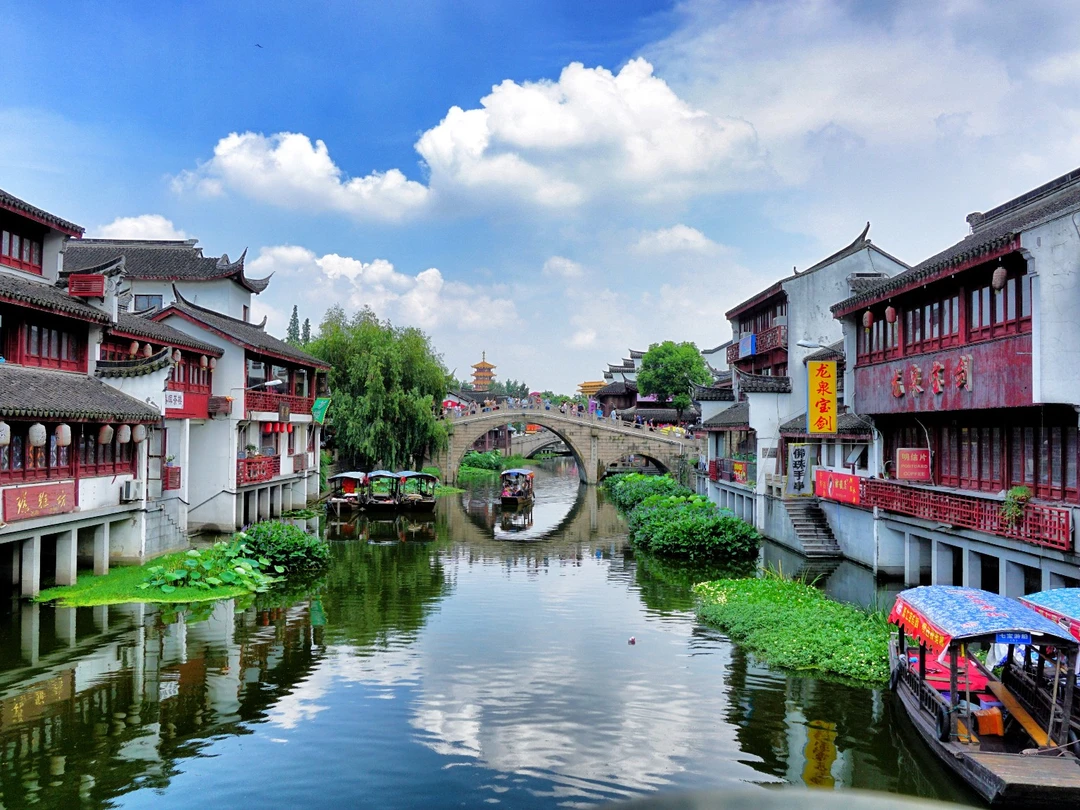
 A minimum of 3-4 days allows you to cover major attractions: Day 1 for the Bund and Pudong, Day 2 for Tianzifang and Xintiandi, Day 3 for Yuyuan Garden and the Expo site, Day 4 for day trips to Zhujiajiao or Suzhou.
3. Is Shanghai expensive for tourists?
Shanghai can be budget-friendly: street food meals cost $3-5, metro rides $0.50-1, and hostel beds $15-25. Mid-range hotels run $60-100/night, while luxury options exceed $200. Major attractions charge $5-15 entry fees.
4. What should I pack for Shanghai?
 Comfortable walking shoes are essential. Pack layers for variable weather, a portable umbrella, and a power bank (outlets are common). Bring a reusable water bottle—tap water isn't drinkable, but filtered water stations are widespread.
5. How do I get around Shanghai?
The metro (subway) is the most efficient option—over 16 lines covering the city. Purchase a Shanghai Public Transportation Card for seamless travel. Taxis and ride-hailing apps (Didi) are affordable alternatives. Avoid rush hours (7:30-9:30 AM, 5-7 PM).
Conclusion: Your Love Letter to Shanghai
Shanghai is not a city you visit—it's a city you feel. Its symphony plays in the clatter of mahjong tiles, the whisper of river breezes, and the hum of neon lights. From the Bund's eternal duet to Tianzifang's jazz improvisation, from Yuyuan's lantern-lit legends to the Expo's futuristic echoes, every corner holds a note waiting to be heard.
This love letter is your invitation. Pack your curiosity, leave your expectations behind, and let Shanghai's rhythm guide you. Whether you're capturing the skyline at dusk, bargaining in a hidden market, or sharing a bowl of noodles with a stranger, you'll find yourself part of the symphony.
Ready to write your own love letter to Shanghai? Start planning your trip today. Book your flights, reserve your accommodations, and don't forget to download offline maps and translation apps. The city awaits—its melody, its chaos, its magic. All you have to do is listen.
[CTA: Discover Shanghai's hidden gems with our curated travel guide. Subscribe now for exclusive tips, local recommendations, and itinerary templates.]
Internal linking suggestions: - [Link: Shanghai metro guide] - [Link: Best street food in Shanghai] - [Link: Shanghai day trips to water towns] - [Link: Shanghai nightlife district comparison] - [Link: Shanghai history and culture tour]
You may also like