Spring Outing: An Immersive Journey Through Jiangsu, Zhejiang, and Shanghai, Unlocking Another Side of Shanghai
Meta Description: Explore Shanghai on a budget with our 7-day Jiangsu Zhejiang Shanghai itinerary. From Tianzifang alleys to the World Financial Center, discover affordable travel tips and hidden gems in the Magic City.
Life can sometimes feel like a glass of plain water—too bland to stir any excitement. But as long as you're willing to lift a finger, even just flipping through old photos or planning a small trip, that glass of water can instantly gain flavor. At the start of spring, my husband and I set out with modest wallets and hearts eager to be filled with new experiences, embarking on an in-depth journey through Jiangsu, Zhejiang, and Shanghai. No luxury hotels, no expensive Michelin-starred restaurants—we traveled in the most down-to-earth way possible, soaking up the warmth and character that lie at the core of these cities.
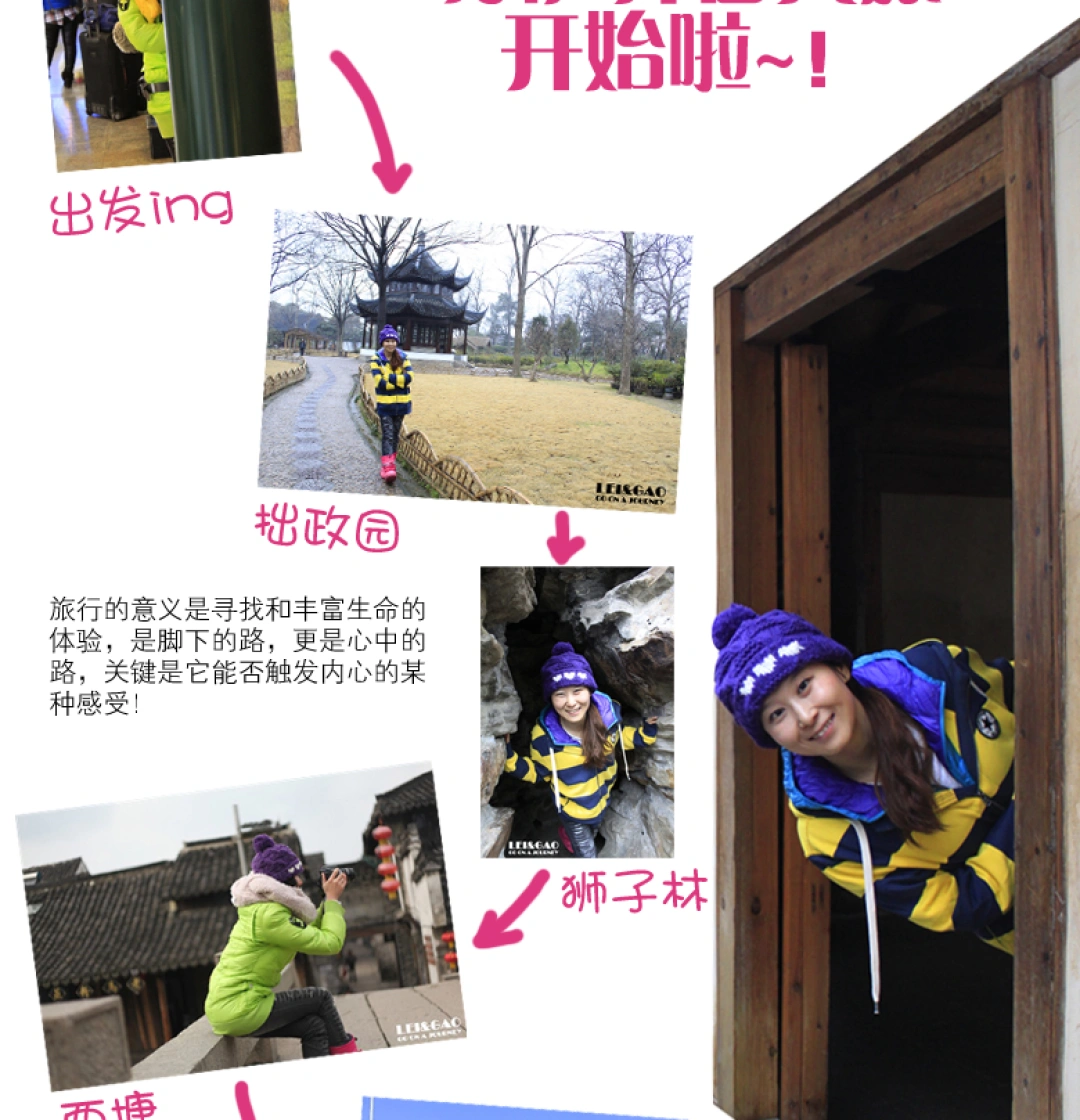
For this trip, our total expenses for two people over seven days and six nights came in under 5,500 RMB. Starting from Beijing, we first took an overnight train to Suzhou, then meandered through Xitang, and finally landed in Shanghai. I'll set aside the stories of Suzhou and Xitang for now; today, let's dive into the highlight of our journey—Shanghai.
Arriving in the Magic City: One Metro Ticket to Navigate the Urban Jungle
From Suzhou to Shanghai, it's just a 40-minute train ride. On the second day of the Lunar New Year, we dragged our luggage and stood before the city known as the "Magic City."
We booked a Jinjiang Inn online in advance, choosing the Tibet South Road branch in Huangpu District. A standard double room cost 174 RMB per night—spacious, clean, and great value for money. During the Spring Festival, rooms are in high demand. If you're planning a holiday trip, make sure to book ahead, or you might find yourself in the awkward position of having nowhere to stay.
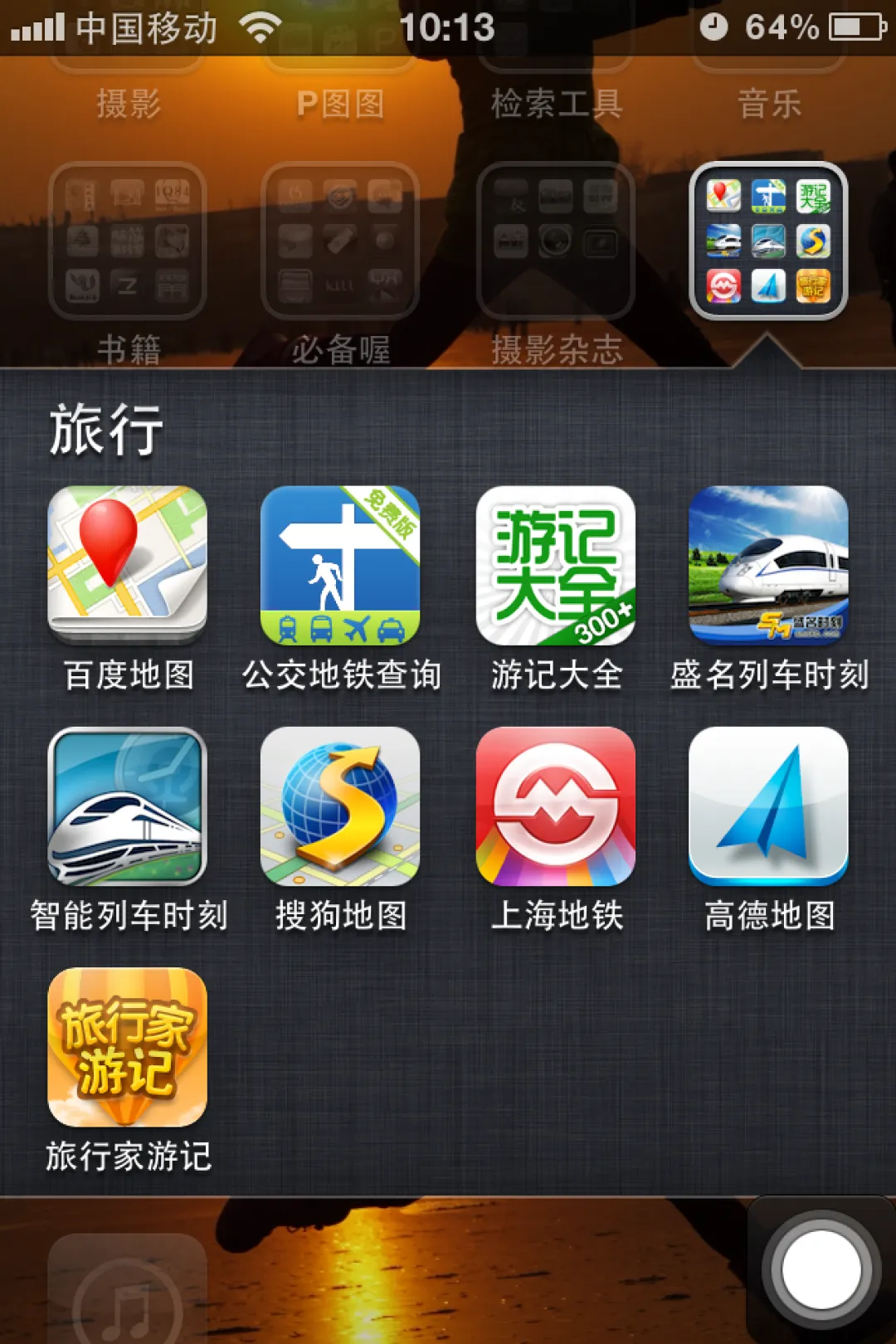
Shanghai's taxi flag-fall price is 13 RMB, but for budget-conscious travelers like us, the metro was the obvious choice. The city's metro system spreads like a giant spiderweb, with lines so complex they can make your head spin. Luckily, I downloaded a "Shanghai Metro" app on my phone, which made checking routes and fares a breeze. For example, from Shanghai Railway Station to Tibet South Road, I just opened the app, entered the start and end points, and the fare and transfer options were laid out clearly. When buying a ticket, I simply paid the displayed amount—saving both time and effort.
Shanghai metro fares start at 3 RMB and can go up to over 20 RMB, which is considerably more expensive than Beijing's system. But given its coverage and convenience, the cost is well worth it.
Pro Tip: For budget travelers, the Shanghai metro pass can save you money if you plan multiple trips in a day. [Link: Shanghai public transportation guide]
Tianzifang: New Scenery in Old Alleys
Admission: Free
Getting there: Metro Line 9, Dapuqiao Station, exit and you're there
If Beijing has Nanluoguxiang, then Shanghai has Tianzifang. One tells new stories in old hutongs; the other showcases new scenery in old alleyways. Tianzifang is a landmark of Shanghai's trendy, creative scene. It doesn't shout for attention, yet it makes you stop and linger. It feels ancient, yet every corner breathes modernity.
Walking into Tianzifang is like stepping into a maze. Narrow lanes are lined with all kinds of tiny shops—selling art, trinkets, hosting exhibitions, serving food, even offering photo shoots. Everything is compact and cozy. It's said to be an artist's paradise. Even if you know nothing about art, you can grab a seat at one of the outdoor tables set up by shopkeepers and let your eyes wander freely.

Here, we met Tianzifang's mascot—"Mr. Comma." This quirky, fashionably dressed doll became the star of our photos. Of course, there was also the Er Dong Qiang Art Center, with a photo of a child at the entrance that was so striking it seemed to grab your heart.
The alleys are dotted with cafés and tea houses. When we got tired, we found a spot, ordered a coffee, and soaked up some bohemian vibes. I fell in love with the little trinkets in the shops—especially a piglet toy that squealed when you squeezed it. It was so cute I couldn't bear to put it down.
Tianzifang, don't be like this—I really didn't want to leave. We promised each other that next time we're in Shanghai, we'll be back.
Don't Miss: Tianzifang is a must-visit for anyone exploring Shanghai's art scene. [Link: Top Shanghai art districts]
Walking Among the Clouds: The Breathtaking View from Shanghai World Financial Center
Admission: Combined ticket for floors 94+97+100: 150 RMB; student ticket: 100 RMB
Getting there: Metro Line 2, Lujiazui Station
When we came out of Tianzifang, the sun was shining brightly, sweeping away the gloom of the previous days. With weather this good, it would be a shame not to see Shanghai's skyline from above. So we headed straight for the Shanghai World Financial Center.
This building, standing 492 meters tall with 101 floors above ground, is currently the second tallest in China and the third tallest in the world. It's also the world's tallest flat-roofed building. From Lujiazui, you can see it standing shoulder to shoulder with the Oriental Pearl Tower and the Jin Mao Tower, forming the most iconic skyline in Pudong.
Reaching the 100th-floor observation deck requires three elevator rides. First, a direct elevator from the 1st to the 95th floor, which can reach speeds of up to 8 meters per second—your ears might pop a little. Then you transfer to an escalator to the 97th floor, and finally take another elevator to the 100th. The process is a bit tedious, but when you stand on the 100th floor and look down, the sheer awe makes all the waiting worthwhile.
Looking down through the glass, your heart involuntarily tightens. At 100 floors high, everything on the ground becomes tiny. The 97th floor also offers a wide view, but the 100th floor is truly exhilarating. The 94th floor is the busiest, with the most people. When we arrived, we happened to catch a lion dance performance—probably a special event for the Lunar New Year. Lucky us.
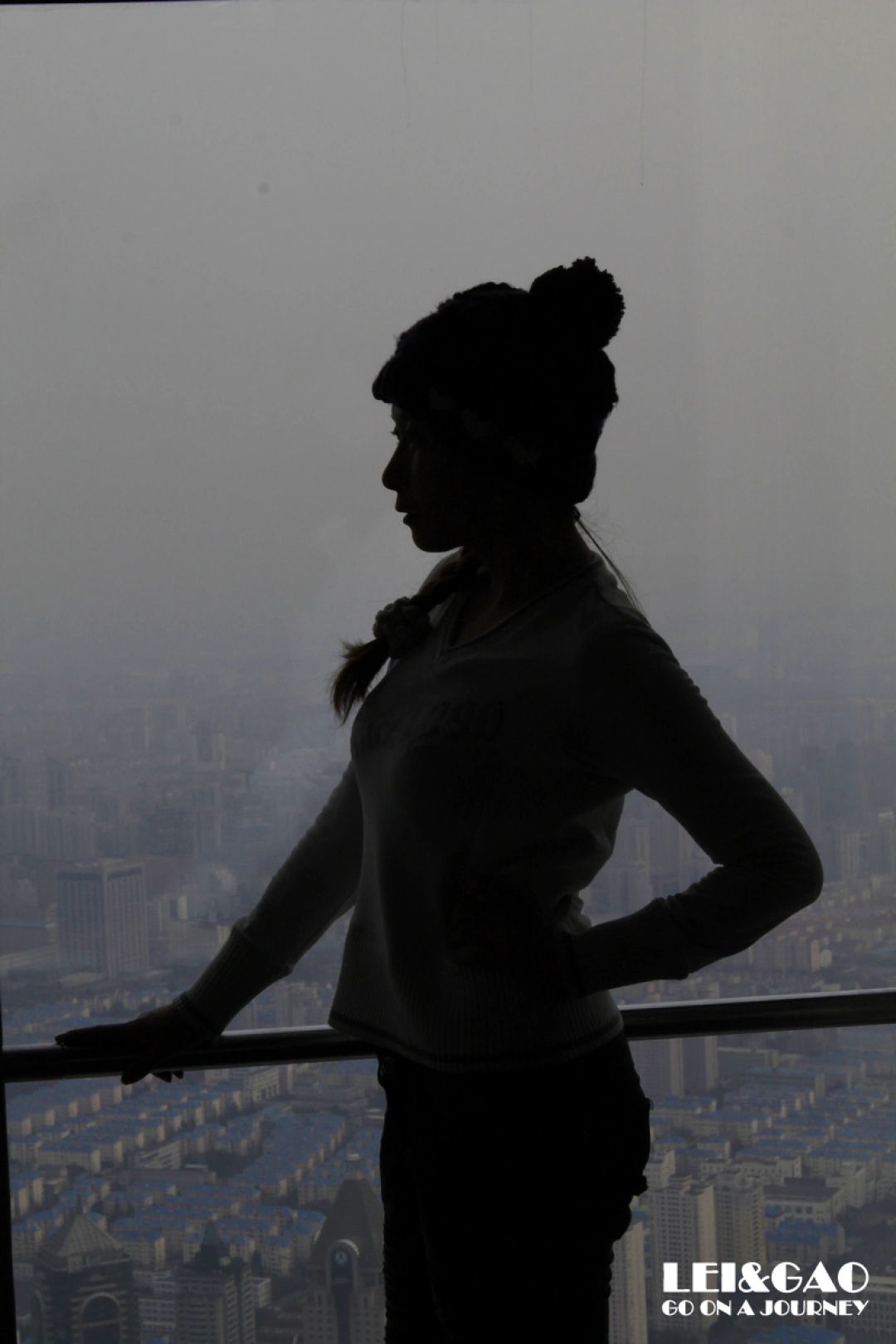
We filled out a survey there, and the staff gave us a simple telescope as a gift, perfect for sightseeing. My husband took a silhouette photo of me, which I absolutely love. The World Financial Center also offered a 3D photo shoot for 50 RMB a set—the results were just okay, but it was fun for a novelty.
Insider Tip: For the best views, visit on a clear day. The observation deck is open until 10 PM, so you can catch both daytime and nighttime skylines. [Link: Best Shanghai observation decks]
Lujiazui CBD: From a Pancake Stall to Louis Vuitton—Magical Realism
After coming down from the World Financial Center, we decided to stroll around the Lujiazui CBD. First, we popped into the Louis Vuitton store—what is it about this brand that makes so many people empty their wallets? But on the way, a crêpe stall caught my attention.
On the second day of the Lunar New Year, the crêpe stall was still open, and the price hadn't gone up—still 4 RMB each. Back in Beijing's Jianwai SOHO, it would easily cost 5 RMB, and you'd have to wait in a long line. This was the first time I felt something was cheap in Shanghai—a bit of magical realism.
Tired from walking around the CBD, we hopped on a sightseeing bus for 20 RMB per person. We listened to the commentary, looked at the buildings, and even had a coffee to quench our thirst. We rode for one and a half loops and got off at the ferry terminal—because we wanted to cross the river to the Nanjing Road area.
Crossing the river offered two options: Metro Line 2 for 3 RMB per person, or the ferry for 2 RMB per person. Considering fun, price, and the view, the ferry was the better choice. The ticket was adorable—a little card—and for just 2 RMB, we enjoyed the scenery on the Huangpu River. Totally worth it.
Budget Hack: The 2 RMB ferry is one of Shanghai's best-kept secrets for budget travelers. [Link: Shanghai budget travel tips]
The Bund and Nanjing Road: A Tapestry of Classics and Bustle
Once ashore, we finally got a good look at the historic buildings on the Bund. These European-style structures, built between the late 19th and early 20th centuries, bear witness to Shanghai's century-long transformation from a muddy beach to an international metropolis. Building No. 3, the former British Club; No. 4, the former Yokohama Specie Bank; No. 5, the former Nisshin Company building—each has its own story.
Nanjing Road: Free; Metro Line 2, East Nanjing Road Station
Nanjing Road is a must-visit in Shanghai. Known as "China's No. 1 Commercial Street," it stretches for 5.5 kilometers and is packed with shops, restaurants, and street performers. It's the perfect place to experience Shanghai's vibrant energy without spending a dime.
We spent hours wandering, people-watching, and snapping photos of the neon signs. The contrast between the historic Bund and the modern Nanjing Road is what makes Shanghai so unique—a city where old meets new, and East meets West.
Evening Walk: The Bund is especially beautiful at night when the buildings are lit up. It's a free activity that offers some of the best photo opportunities in Shanghai. [Link: Shanghai nightlife guide]
Frequently Asked Questions
Q1: How much does a 7-day trip to Jiangsu, Zhejiang, and Shanghai cost?
A: Our total for two people was under 5,500 RMB, including accommodation, transport, food, and attractions. Budget-friendly options like Jinjiang Inn and metro travel kept costs low.
Q2: Is Shanghai metro expensive compared to Beijing?
A: Shanghai metro fares start at 3 RMB and can go up to over 20 RMB, which is higher than Beijing's system. However, the coverage and convenience justify the cost for most travelers.
Q3: What are the must-visit attractions in Shanghai on a budget?
A: Tianzifang (free), The Bund (free), Nanjing Road (free), and the Shanghai World Financial Center (150 RMB) are top picks. The 2 RMB Huangpu River ferry is a hidden gem.
Q4: When is the best time to visit Shanghai for spring outings?
A: Spring (March to May) offers mild weather and fewer crowds. The Lunar New Year period can be busy, so book accommodation early.
Q5: Can I see Shanghai's skyline without paying for an observation deck?
A: Yes! The Bund offers free views of the Pudong skyline, especially stunning at night. The 2 RMB ferry also provides great photo opportunities from the river.
Conclusion: Unlocking Another Side of Shanghai
Our spring outing through Jiangsu, Zhejiang, and Shanghai proved that you don't need a big budget to experience the magic of these cities. From the artistic alleys of Tianzifang to the dizzying heights of the World Financial Center, and from the historic Bund to the bustling Nanjing Road, Shanghai revealed itself as a city of contrasts—where a 4 RMB pancake stall can sit next to a Louis Vuitton store, and where a 2 RMB ferry ride offers views worth a thousand words.
If you're planning your own spring outing, remember: travel isn't about how much you spend, but about the stories you collect along the way. So pack your bags, download that metro app, and get ready to unlock another side of Shanghai.
Ready to plan your own Shanghai adventure?
Start by booking your accommodation early, especially during holidays. Download the Shanghai Metro app, and don't forget to pack comfortable shoes—you'll be doing a lot of walking! Share your travel stories with us in the comments below, and let us know what hidden gems you discover in the Magic City.
Your turn: What's the most budget-friendly travel experience you've ever had? Tell us in the comments!