Southeast Guizhou Among the Clouds: The Ultimate 8-Day Solo Travel Guide
Meta Description: Discover the magic of Southeast Guizhou in this in-depth solo travel guide. From Jiabang Rice Terraces to Dong villages, explore 8 days of authentic Miao and Dong culture, local cuisine, and hidden gems. Plan your trip now.
Introduction: Why Southeast Guizhou Should Be Your Next Solo Adventure
Southeast Guizhou is a land of misty mountains, ancient villages, and vibrant ethnic traditions. As China's only province without a single stretch of flatland, Guizhou offers a unique travel experience that feels both remote and welcoming. The Qiandongnan Miao and Dong Autonomous Prefecture—my destination for this 8-day solo trip—is home to 49 ethnic groups and over 1,000 festivals each year.

I first discovered this region through a travelogue about a Dong village, and the seed was planted. This April, I finally made the journey, timing it to coincide with the legendary Sister Festival. Despite the challenges of finding accurate schedules and navigating unpredictable weather, the trip delivered more surprises than I could have imagined.
Whether you're a seasoned solo traveler or planning your first independent adventure, this Southeast Guizhou travel guide will help you navigate the region's winding mountain roads, taste its authentic cuisine, and immerse yourself in its rich cultural tapestry.
Stop One: Guiyang – Warmth in the Rain
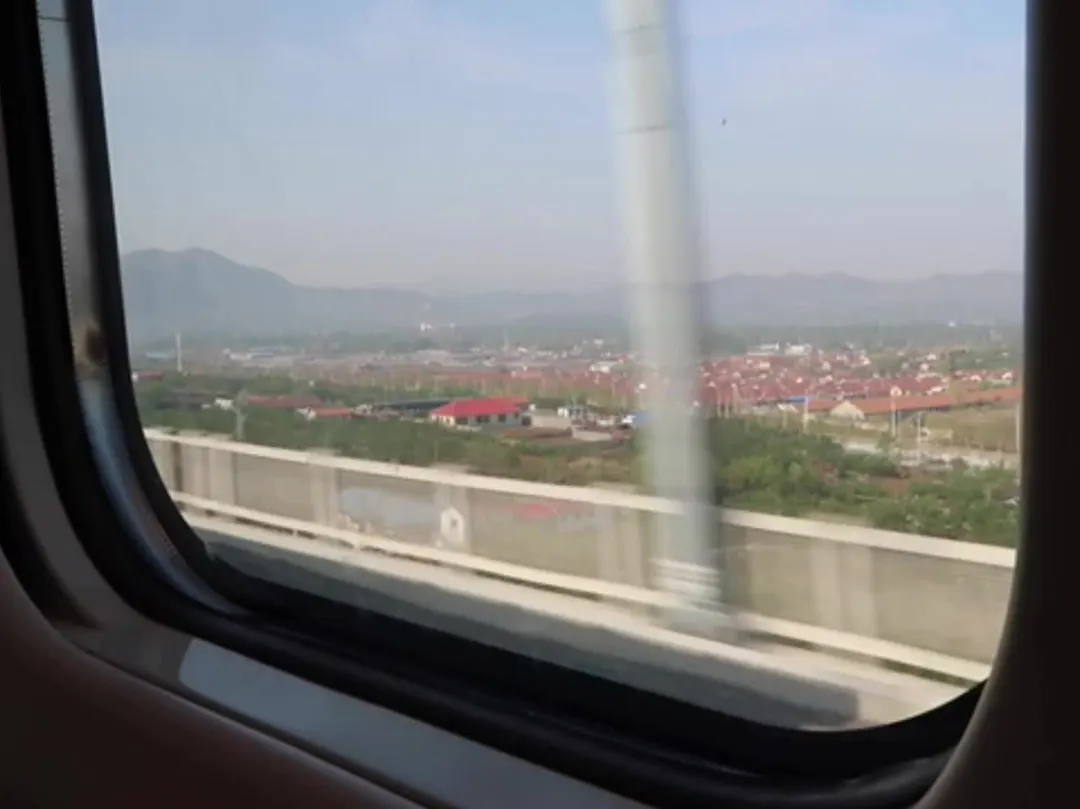
Arriving in Guiyang: First Impressions
April 25
My journey began with a stroke of luck. After booking my flight, I casually ordered an airport pickup service for just one yuan. The driver, a kind man, apologized repeatedly when he couldn't stop at the terminal building. When I asked if he made any money on this ride, he admitted he didn't and planned to quit after the month.
Guiyang greeted me with rain—just like my trip to Zhangjiajie the previous year. To make matters worse, a sudden bout of severe stomach pain hit me at the hotel. I seriously considered calling an ambulance for the first time in my life. The front desk had no medicine, so I turned to Meituan. The delivery driver bought an alternative when my requested medicine wasn't available, refused payment, and disappeared into the elevator.
Guiyang, what I saw was warmth.
Must-Try Guiyang Street Food
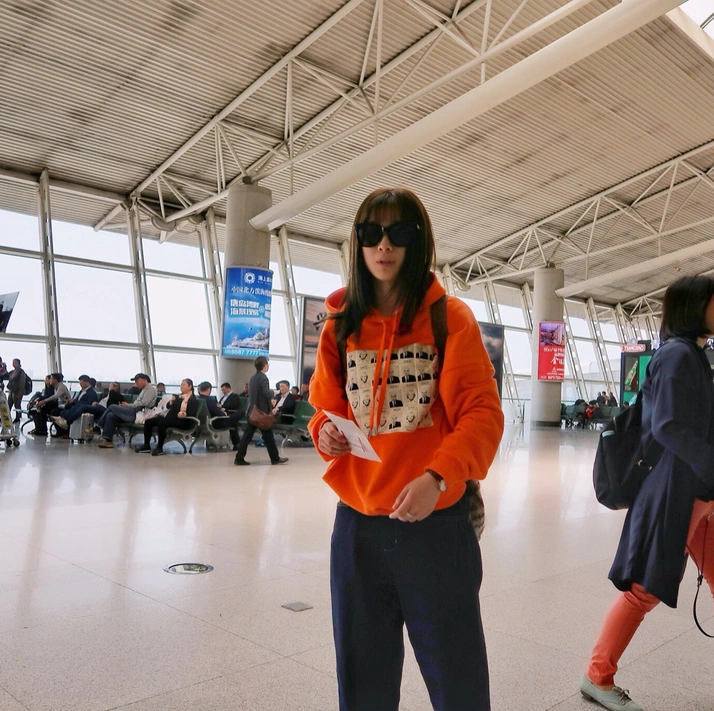
After recovering, I ventured out to sample local specialties:
- 丝娃娃 (Silk Baby Wrappers) – A Guiyang signature dish, worth trying for its unique texture
- 炒米皮 (Stir-Fried Rice Noodles) – Decent but not exceptional
- 雷家豆腐圆子 (Lei Family Tofu Balls) – A local favorite
- 青岩猪脚 (Qingyan Pig Trotters) – Expensive at over 50 yuan, but delicious
- 但家香酥鸭 (Dan's Crispy Duck) – A solid choice
Verdict: Aside from the pig trotters and crispy duck, nothing else really suited my taste. But the experience was unforgettable.
A Chatty Cab Driver and a Sobering Story
That evening, I took a cab back and met a chatty driver. When he learned I was from Shandong, he shared a family story: a young relative had been abducted and sold to a rural village in Shandong, raised to be a wife and mother. She had recently returned to Guiyang to visit him. When I asked if she planned to stay, he said no—her children were grown, and her life there was comfortable.

Then he added, "Guizhou has changed so much in the last decade. Back then, it wasn't safe to leave your door unlocked. Now it's fine."
I felt a mix of emotions—anger, regret, heartache, gratitude. Some things feel so distant, but they're right beside us. To be healthy and safe is an immense stroke of luck.
Stop Two: Jiabang Rice Terraces – More Than 18 Curves in the Mountain Road

Planning Your Route: Jiabang First, Then Dong Villages

April 26
My original plan was to visit the Dong village first, then head to Jiabang. But logistics forced me to reverse the order. The bus from Jiabang to Congjiang only departs at 10 AM (a 3-hour ride), and the train timing wouldn't work for reaching Kaili. Since Dong villages have more frequent buses, visiting Jiabang first offered greater flexibility.
Pro tip: Always check bus schedules in advance, especially in remote areas like Jiabang.
The Journey to Jiabang Rice Terraces

I took a cab to Guiyang North Station and asked my contact about the weather in Jiabang. He said it would be drizzling. I said it sounded like I'd be shooting fog. He replied, "Fog is the best dance partner for the terraces." In Guizhou, there's never three sunny days in a row.
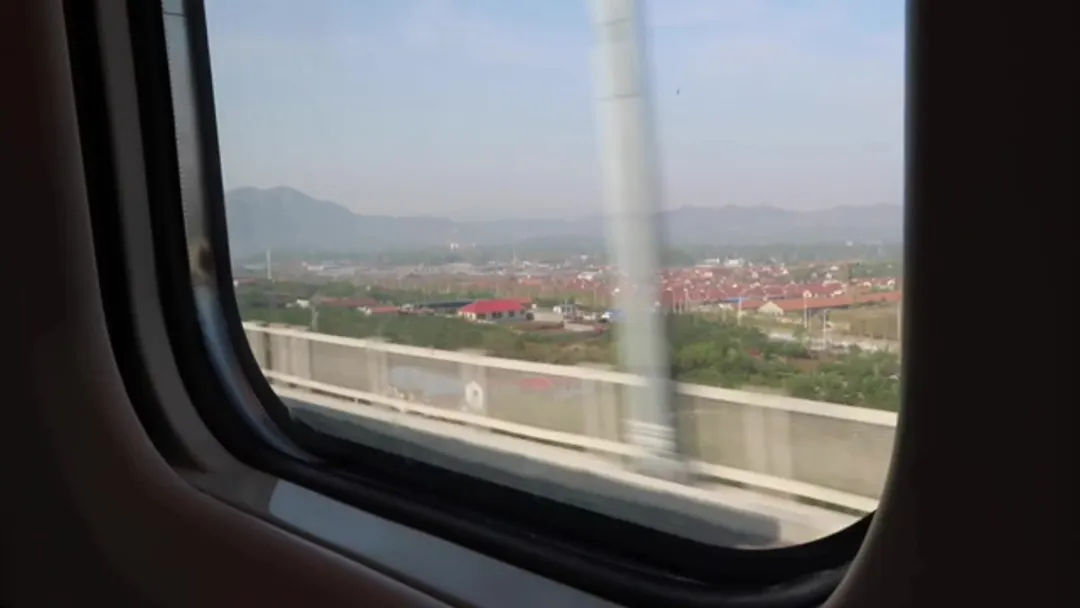
When I exited Congjiang High-Speed Rail Station (located in Luoxiang Town), the Congjiang Bus Station was to the right. From there, you can catch buses to Basha Miao Village or Zhaoxing Dong Village. There's a surprisingly clean public restroom on the side.
The bus ride to Jiabang Rice Terraces took a full 3 hours, with about two-thirds of the journey spent bouncing along winding mountain roads. Regular buses usually go only as far as the Dangniu intersection, though some go directly to Jia Che Village (but those likely depart from the county seat). Always ask the driver whether the bus is direct or just passing through.
Navigating the Terraces: Dangniu to Jia Che Village
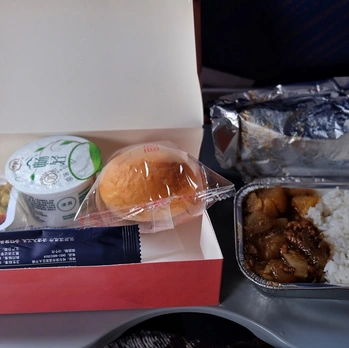
After getting off at the Dangniu intersection, you still need to walk 3 kilometers to Dangniu Village, then another 9 kilometers to the final stop, Jia Che Village. Before coming, I had no concept of that distance. I thought it wasn't far and planned to walk. Then I remembered my suitcase and gave up—a wise decision. Even the bus took half an hour to cover that stretch.
Current status: The scenic area entrance at the Dangniu intersection is now complete, and roads inside are under construction. It's only a matter of time before they start charging admission.
Alternative option: There's a direct service from Congjiang High-Speed Rail Station to Jia Che Village (a small car, not a big bus—more maneuverable in the narrow mountain valleys). You just need to arrange it a day in advance.
Jia Che Village: The Photographer's Paradise
I arrived at Jia Che Village (locals pronounce it "Ju"), the highest point in the Jiabang area. This is the best spot for viewing the terraces, offering a panoramic view of the entire landscape and the Miao villages nestled in the mountains. It's a gathering place for photographers. During peak photography season, rooms are hard to come by, so book ahead.

Two girls from Guangzhou on the same bus were also staying at Wanlongzhuang. When we arrived, the inn sent a car to pick us up from the village entrance. After dropping off my luggage, I wandered out to scout the spot for the next morning's sunrise shoot. The area isn't too commercialized yet—roads are still under construction, and most people are photographers armed with long lenses. It felt harmonious.
The inn's top floor has its own restaurant. A young guy named Xiao Wei saw that I was alone and said it wasn't practical for me to order by myself. He told me to wait until they finished their work and we'd eat together. I'm truly grateful to Pumpkin, the innkeeper, for looking after me.
Frequently Asked Questions About Southeast Guizhou Travel
Q1: When is the best time to visit Southeast Guizhou?

The best time is April to October, when the weather is mild and festivals like the Sister Festival (April) and Lusheng Festival (November) take place. The rice terraces are most photogenic in late April to early May (after planting) and September to October (during harvest).
Q2: Is Southeast Guizhou safe for solo female travelers?
Yes, especially in recent years. The region has become much safer and more tourist-friendly. As noted in the article, Guizhou has transformed significantly in the last decade. However, always take standard precautions: avoid walking alone late at night in unfamiliar areas, keep valuables secure, and share your itinerary with someone back home.
Q3: How do I get around Southeast Guizhou without a car?

Public buses connect major towns and villages, but schedules can be irregular. Trains serve Guiyang, Kaili, and Congjiang. For remote areas like Jiabang, consider hiring a private car or joining a small group tour. Ride-hailing apps like Didi work in cities but may be limited in rural areas.
Q4: What should I pack for an 8-day trip to Southeast Guizhou?

Pack layers (temperatures vary), comfortable walking shoes, rain gear (umbrella and waterproof jacket), insect repellent, sunscreen, a reusable water bottle, and a small first-aid kit. If you're visiting during the rainy season (April-June), bring waterproof bags for electronics.
Q5: How do I experience local culture authentically?

Stay in family-run guesthouses (like Wanlongzhuang in Jia Che), eat at local restaurants, attend festivals (check local tourism boards for schedules), and hire local guides. The Dong villages near Zhaoxing offer homestay experiences where you can learn about traditional crafts and customs.
Internal Linking Suggestions
[Link: How to Plan a Solo Trip to Guizhou]
[Link: Best Time to Visit Guizhou for Festivals]
[Link: Guiyang Food Guide: Must-Try Local Dishes]
[Link: Jiabang Rice Terraces Photography Tips]
[Link: Dong Village Culture and Architecture]
[Link: Miao and Dong Festivals Calendar]
[Link: Guizhou Transportation Guide: Buses, Trains, and Private Cars]
[Link: Solo Travel Safety Tips for China]
Conclusion: Why Southeast Guizhou Will Change Your Perspective
My 8-day solo trip through Southeast Guizhou was a journey of contrasts—warmth in the rain, kindness from strangers, and breathtaking landscapes that felt like stepping into a painting. From the bustling streets of Guiyang to the misty terraces of Jiabang, every stop offered something unexpected.
The region's beauty lies not just in its scenery but in its people. The driver who refused payment for medicine, the innkeeper who shared meals with a solo traveler, the chatty cab driver who opened up about his family's history—these moments defined my trip more than any landmark.
Ready to plan your own Southeast Guizhou adventure? Start by booking your flight to Guiyang, then work backward through the villages and terraces that call to you. Whether you're chasing festivals, photography opportunities, or simply the chance to disconnect from the modern world, Southeast Guizhou among the clouds will leave you transformed.
Book your trip today and discover why this hidden gem is one of China's most rewarding destinations for solo travelers.
Have you visited Southeast Guizhou? Share your tips and experiences in the comments below!
You may also like