Sixteen Years of F1: My 2018 Shanghai Grand Prix Pilgrimage – A Fan’s Ultimate Guide to the Chinese GP
Meta Description: Relive a die-hard F1 fan’s 2018 Shanghai Grand Prix experience. From choosing the best grandstand seats to a Ferrari-themed pilgrimage, this guide covers tickets, tips, and track-side memories. Plan your own race weekend now.
Introduction: The Spark That Became an Obsession
It began, as all great obsessions do, with a flicker of static on a television screen. The year was 2002. I was eleven years old, a fifth grader with no concept of downforce or tire degradation, but I understood speed. I understood the roar of an engine that seemed to shake the very walls of our living room. That was the year Michael Schumacher introduced me to Formula 1.
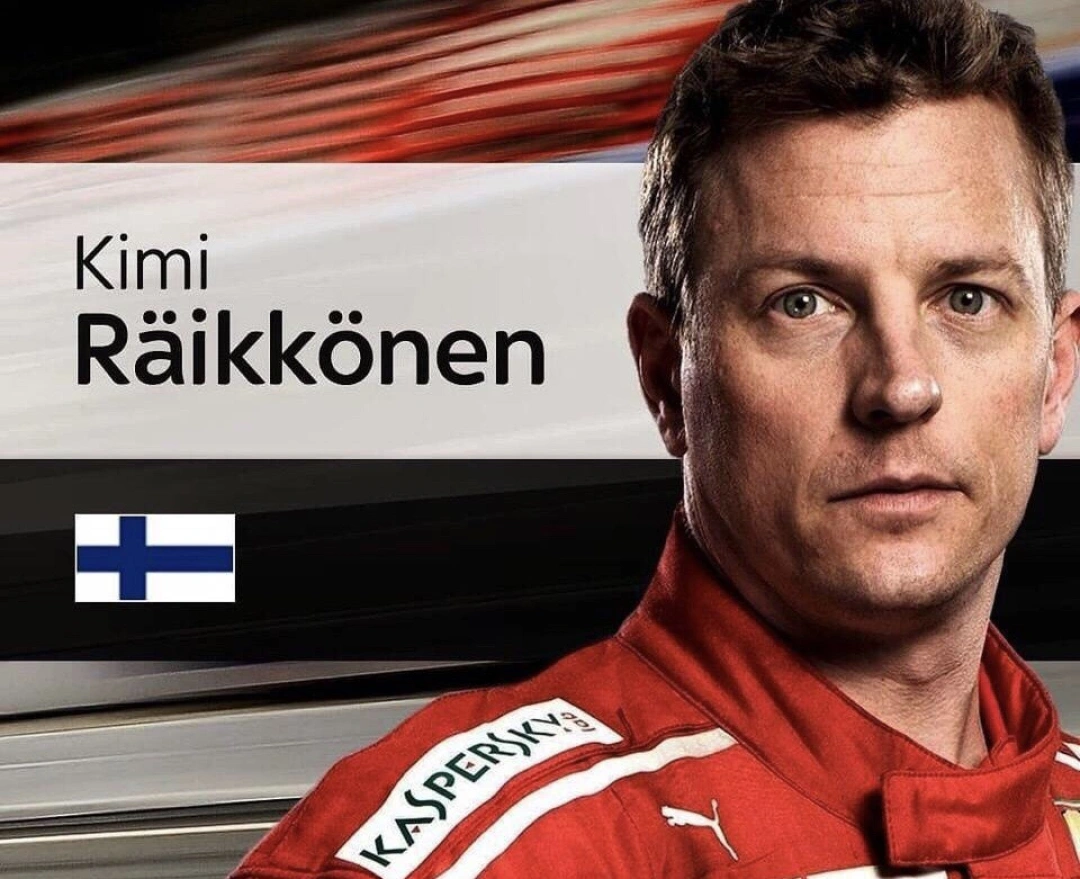
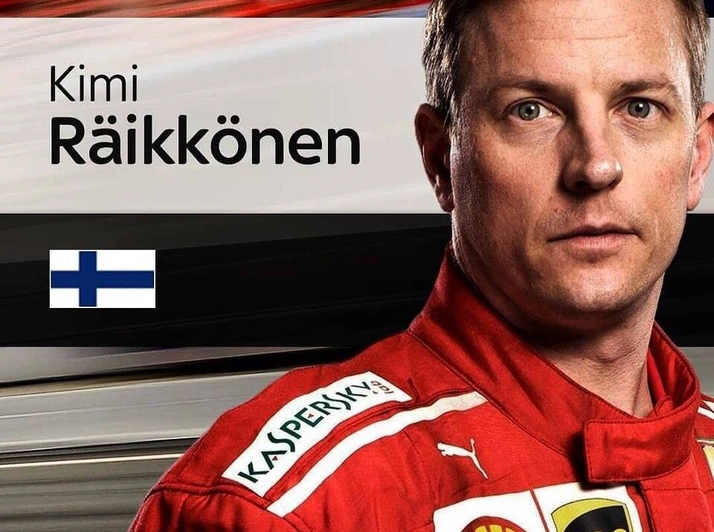
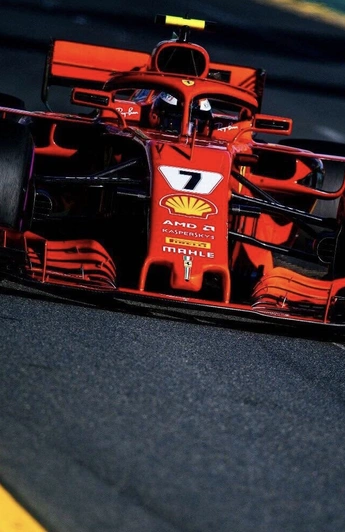
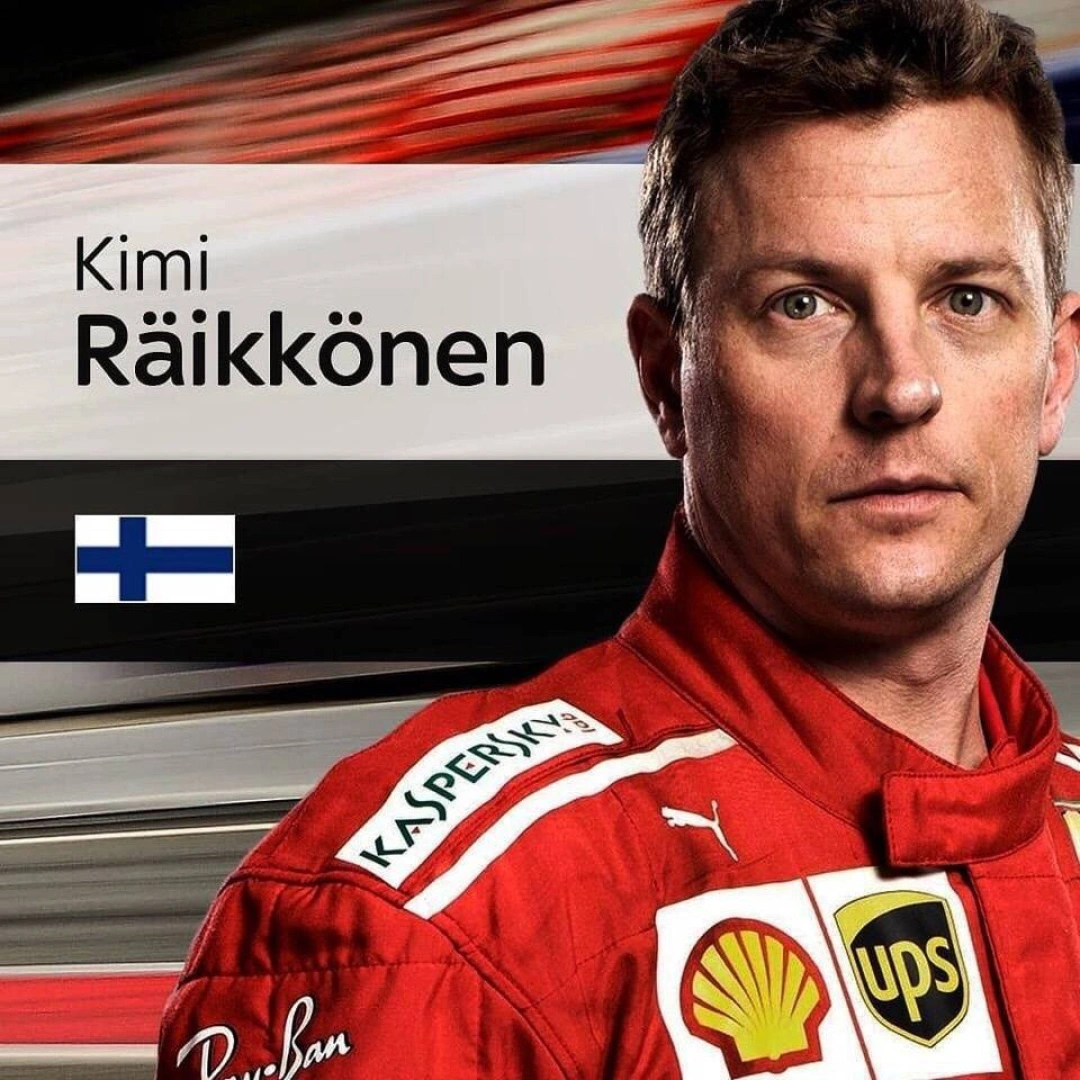
Sixteen years later, I’m twenty-seven, a husband, a new father, and my allegiance has shifted from the Red Baron to the Iceman—Kimi Räikkönen. The same Kimi who was a brash twenty-something when I first watched him, now a forty-year-old veteran staring down the twilight of his career. When whispers grew louder that 2018 might be his final season, I knew I couldn’t let it pass without a proper goodbye.
So, with a wife fresh out of her postpartum month and a heart full of Ferrari red, I booked a last-minute trip to Shanghai. This is my story of that weekend—a pilgrimage of petrol, passion, and a little bit of rain.
How to Choose the Best Grandstand Seat at Shanghai International Circuit
Before I dive into the chaos and glory of race weekend, let me share what I learned about tickets. Compared to the labyrinthine ticketing systems I encountered at the Singapore Grand Prix, Shanghai is refreshingly straightforward. Here’s a breakdown of the main options:
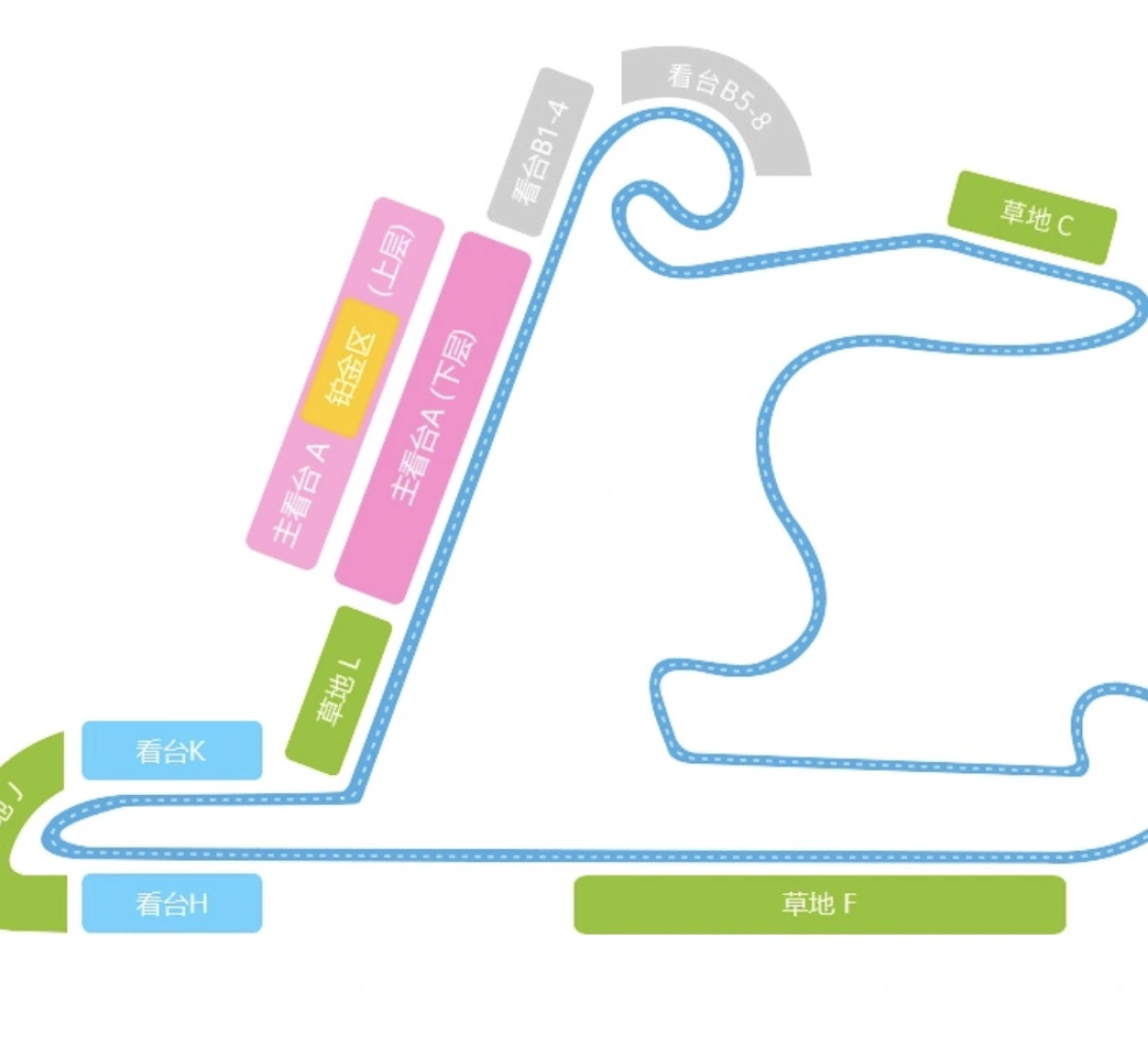
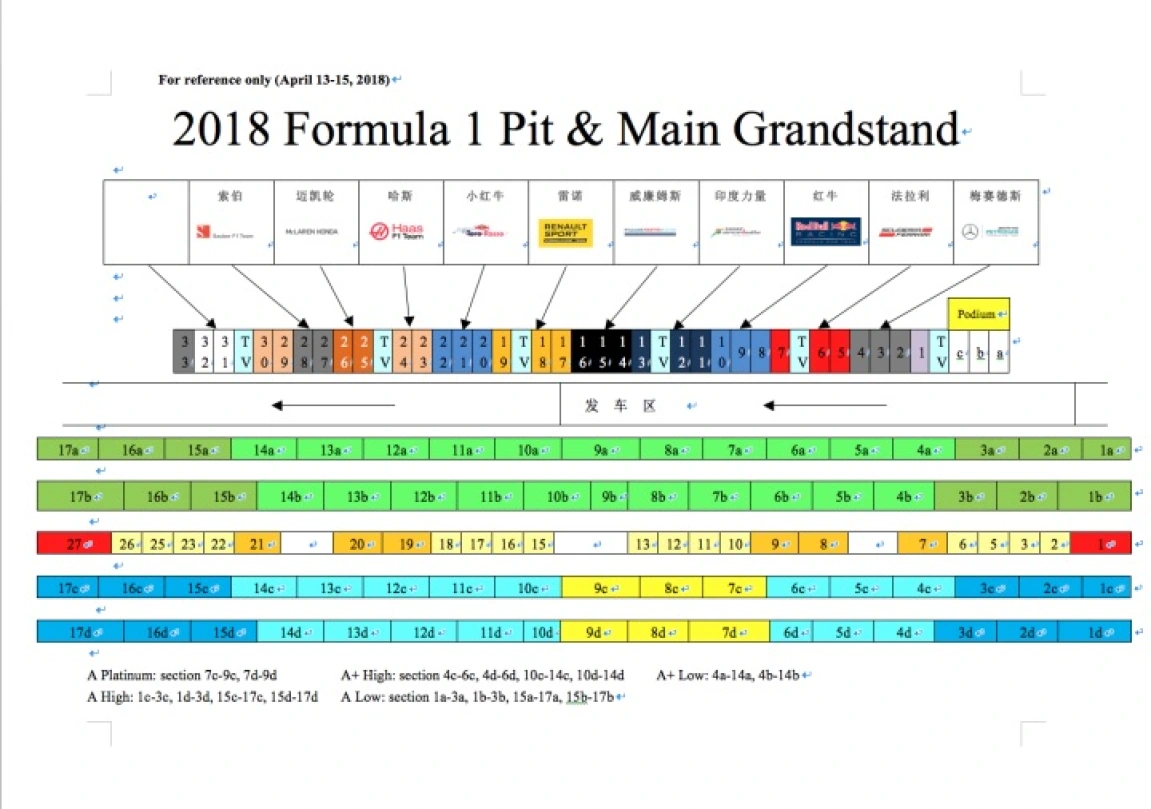
The Platinum Zone (Main Grandstand, Upper Center)

This is the VIP experience. You’re perched right in the middle of the main grandstand, upper level, with an unobstructed view of the entire start-finish straight. It’s the most expensive option, but it comes with complimentary tea and coffee service. If you want to see the pit stops and the race start in all their glory, this is your spot.
Main Grandstand A+ Upper (Left and Right of Platinum)
Flanking the Platinum zone, these seats still offer excellent elevated views. You’ll miss the dead-center perspective of the start, but you gain a fantastic sightline into the frantic scramble for Turns 1 and 2. It’s a great compromise between cost and visibility.
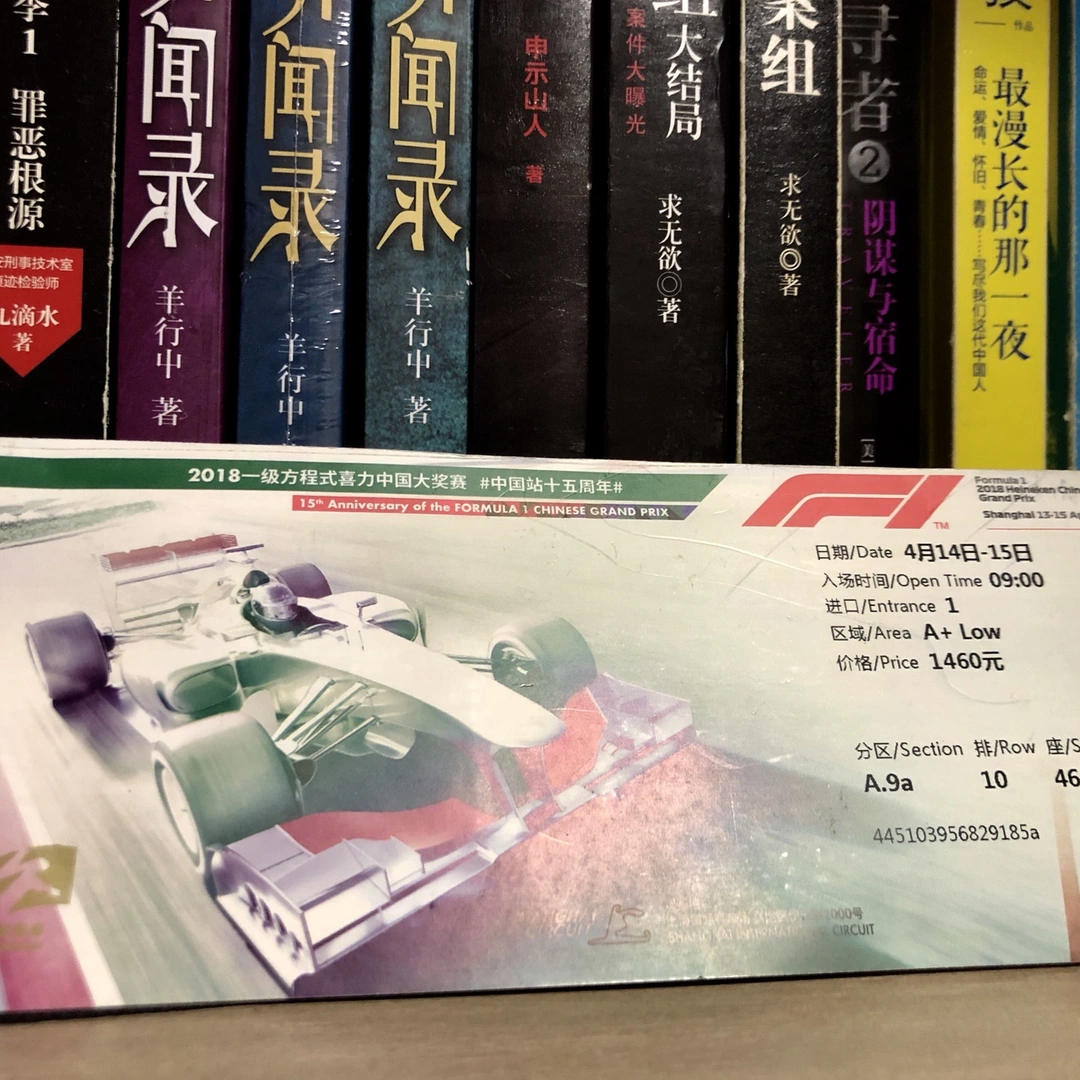
Main Grandstand A+ Lower (Where I Sat)
This is where the magic happens—up close and personal. I bought tickets for the lower section of A+, and let me tell you, the proximity to the track is intoxicating. You can feel the cars blur past, smell the burning rubber, and see the drivers’ helmets through the cockpit. The trade-off? You sacrifice the high-altitude overview. You see the cars, not the race. But for a fan who wants to feel the speed, it’s unbeatable.
Grandstands H and K (The Overtaking Hotspots)
If I ever return to Shanghai, I’m heading straight for Grandstand K. This is located at the end of the longest straight, where cars brake from over 300 km/h to a crawl. It’s a guaranteed overtaking zone. In 2018, this was the scene of Max Verstappen’s infamous collision with Sebastian Vettel. The downside? You miss the start and the pit lane action entirely.
Grass Bunds (The Budget-Friendly Option)
If you’re on a tight budget, grass tickets are a fraction of the price. The only one I’d genuinely recommend is Section B, right at Turn 1. From here, you can witness the chaotic, heart-stopping first corner of the race. The catch? If it rains, you’re standing in mud. Bring a poncho.
Pro tip: If you’re a fan of Kimi, Vettel, or Hamilton, aim for A+ Lower, Sections 4, 5, and 6. Kimi fans practically colonize Sections 6a and 6b. I bought my tickets through a combination of Taobao and 9piao—both let you pick your exact row and seat.
[Link: Best F1 Grandstands for Overtaking Action]
Friday: A Pit Stop in Shanghai’s Past – The Ferrari Restaurant at 1933 Old Millfun
I only had three days off work. Friday morning, I flew from Chengdu, skipping the track entirely. Instead, I headed to an old Shanghai landmark: 1933 Old Millfun. This former slaughterhouse, built in the 1930s, has been reborn as a trendy arts space. But I wasn’t there for the architecture—I was there for a Ferrari-themed restaurant.
The rain was biblical. It poured sheets of water as I navigated the winding, concrete corridors. The restaurant, run by a Hong Kong native, was a shrine to F1. The owner was at the track, but his collection was on full display. Let me walk you through the highlights:
- Schumacher’s pit bike: A tiny scooter he used to zip around the paddock. It looked absurdly small next to the modern cars.
- Kimi’s 2007 championship-winning F2007: A signed, framed photo of the car that brought him his only title.
- Jenson Button’s signed race suit: A piece of British F1 history, incredibly preserved.
- A rearview mirror from 2007: It belonged to either David Coulthard or Mark Webber after they collided. The carbon fiber was still cracked.
- A Ferrari F10 steering wheel: Used by Fernando Alonso and Felipe Massa. Holding it (even through glass) felt like touching a piece of history.
- Model front wings: One from the Ferrari F10, another from Sebastian Vettel’s Red Bull days.
There was a private collection room locked behind a keypad. Without the owner, I could only peer through the glass. I left vowing to return and ask him a thousand questions. Afterward, I wandered the Old Millfun complex. The brutalist concrete, the spiral staircases, the rain-soaked courtyards—it’s a photographer’s dream. My wife, bundled against the cold, posed for a few shots. She was a trooper, even as the wind tried to steal her umbrella.
[Link: Best F1 Memorabilia Museums Around the World]
Saturday: The Calm Before the Storm – Qualifying Day at Shanghai
Race day minus one. The sky was still overcast, but the rain had stopped. The temperature hovered around 10°C, and the wind was biting. I woke early, checked Weibo, and saw warnings about long security lines. I grabbed my wife, and we headed for the metro.
Getting to the Circuit: Metro Tips and Security
The Shanghai International Circuit is incredibly accessible via metro. Once we emerged at the station, we were swept into a sea of red—Ferrari caps, Ferrari flags, and the occasional flash of Mercedes silver. We wandered through the water square and the commercial zone, where vendors sold everything from team merchandise to overpriced hot dogs.
I spotted a stall selling hooded fleece jackets for 299 RMB. It came with a free pair of team-branded flip-flops. The flip-flops were printed with a Halo device. “These are going to be huge,” I joked. My wife, shivering, bought the jacket. It saved the weekend.
Security was efficient. There were separate lanes for bags and no-bags. The no-bag lane was empty. I breezed through. Tip: Bring your own snacks and drinks. The food inside is expensive and mediocre. I survived on convenience store sandwiches from FamilyMart.
Exploring the Paddock and Finding My Seat
Inside, I explored the paddock. There were official merchandise stores (eye-wateringly expensive), displays from Renault and Mercedes, and interactive zones where fans could try pit stop tire changes or simulator laps. Then, I found my seat: A+ Lower, Section 9, directly facing the starting grid and the first two rows of cars. I knew Sunday would be electric here.
The third practice session was sparsely attended. The wind howled through the grandstand. My wife clutched her new fleece. “If you hadn’t bought this,” she said, “I’d be watching the qualifying from the hotel.” She was one month postpartum. She was freezing. And she was there for me. I owe her.
Driver Observations: Who Impressed and Who Struggled
The cars were magnificent. I watched Kevin Magnussen (Haas) set his laps, remembering I’d snapped a photo with him in Singapore. I saw Lance Stroll struggle in the woeful Williams—a team that, in my opinion, made a massive mistake not signing Robert Kubica. Pierre Gasly impressed in the Toro Rosso after his standout performance in Bahrain. Carlos Sainz Jr. showed promise in the Renault. Sergio Perez fought gamely in the midfield, though Haas seemed to have the edge.
And then there was Fernando Alonso. A Schumacher-era survivor. A driver I deeply respect for his raw talent, even if his McLaren was a shadow of its former glory. He carved through the field, extracting every ounce of performance from an underpowered car. It was a masterclass.
[Link: F1 Qualifying Day Guide – What to See and Do]
Sunday: Race Day – The Pilgrimage Complete
Sunday dawned clear and cold. The rain had finally cleared, leaving behind a crisp, blue sky. The energy in the circuit was palpable. Thousands of fans streamed through the gates, many wearing Ferrari red, some in Mercedes silver, a few in the orange of Max Verstappen’s Dutch army.
I found my seat early. The pre-race ceremonies were a blur of national anthems, grid girls, and the distant roar of engines warming up. Then, the formation lap. The cars snaked around the circuit, tires glowing, engines echoing off the grandstands. My heart hammered in my chest.
The lights went out. The roar was deafening. The cars surged forward, a blur of color and sound. I watched the start from my low-angle seat, feeling the vibration through the concrete. The pack funneled into Turn 1, a cloud of dust and tire smoke. The race was on.
I won’t recount every lap—you can watch the highlights online. But I will say this: being there, in the flesh, is an experience no broadcast can capture. The smell of gasoline and burning rubber. The wind from the cars as they pass. The collective gasp of the crowd when a driver makes a daring move. It’s primal. It’s human. It’s why we watch.
Kimi finished third. He didn’t win, but he stood on the podium, a small smile on his face. I cheered until my voice was hoarse. It wasn’t a fairy-tale ending, but it was a proper goodbye. The Iceman had delivered.
FAQ: Your Shanghai Grand Prix Questions Answered
1. What is the best grandstand seat for the Shanghai Grand Prix?
For the most immersive experience, choose Main Grandstand A+ Lower (Sections 4-6). You’ll feel the cars up close and see the start/finish straight. For overtaking action, Grandstand K is unbeatable.
2. How do I buy tickets for the Chinese Grand Prix?
You can buy tickets through official channels like the Shanghai International Circuit website, or through Chinese platforms like Taobao and 9piao. These let you select exact rows and seats.
3. What should I bring to the Shanghai Grand Prix?
Bring your own snacks and drinks (inside prices are high), a poncho or rain jacket (weather is unpredictable), earplugs, and comfortable shoes. A small backpack is fine for the no-bag lane.
4. Is the Shanghai International Circuit easy to get to?
Yes. The circuit is directly served by the Shanghai metro. Exit at the station and follow the crowd. It’s about a 10-minute walk from the station to the gates.
5. What is the best time to visit Shanghai for the Grand Prix?
The race is usually held in April. The weather can be cool and rainy (10-15°C), so pack layers. Spring is also a great time to explore Shanghai’s attractions without summer crowds.
Conclusion: Your Own Pilgrimage Awaits
Sixteen years after that flicker of static on a television screen, I stood at the Shanghai International Circuit, watching Kimi Räikkönen take his final podium in China. It wasn’t just a race—it was a full-circle moment. A journey from a boy watching Schumacher to a man cheering for the Iceman, with a wife who braved the cold and a baby waiting at home.
If you’re an F1 fan, I urge you to make your own pilgrimage. Whether it’s Shanghai, Singapore, or Silverstone, the experience of being there—the sound, the smell, the community—is something no screen can replicate. Plan your trip. Buy your tickets. And when the lights go out, let the roar take you.
[CTA] Ready to plan your Shanghai Grand Prix adventure?
Browse our complete guide to the Chinese Grand Prix for ticket tips, hotel recommendations, and insider tricks. Or subscribe to our newsletter for weekly F1 travel inspiration.
Your story starts with a single lap. Start yours today.
You may also like