Shanghai Beyond the Bund: Unlocking the City's Hidden Artistic Corners with a Sketch Artist's Guide
Meta Description: Discover Shanghai's hidden artistic corners beyond the Bund. A sketch artist's guide to century-old cafés, Michelin-starred Cantonese cuisine, and industrial ruins turned art spaces. Explore off-the-beaten-path Shanghai.
Introduction: Why Shanghai’s True Soul Lies Beyond the Tourist Trail
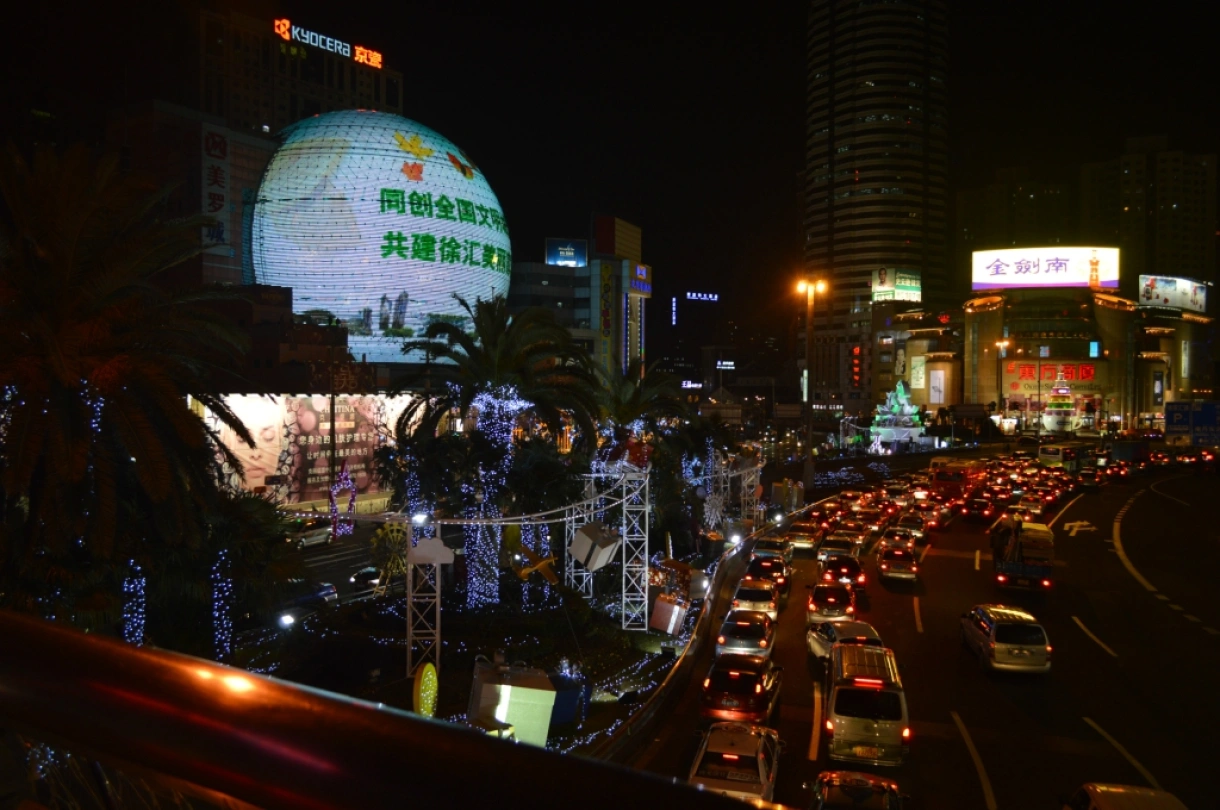
When you think of Shanghai, what comes to mind? The dazzling colonial architecture along the Bund? The futuristic skyscrapers of Lujiazui? These landmarks are iconic, but if you're tired of jostling through crowds with a selfie stick on a checklist-style tour, it's time to explore this city differently.
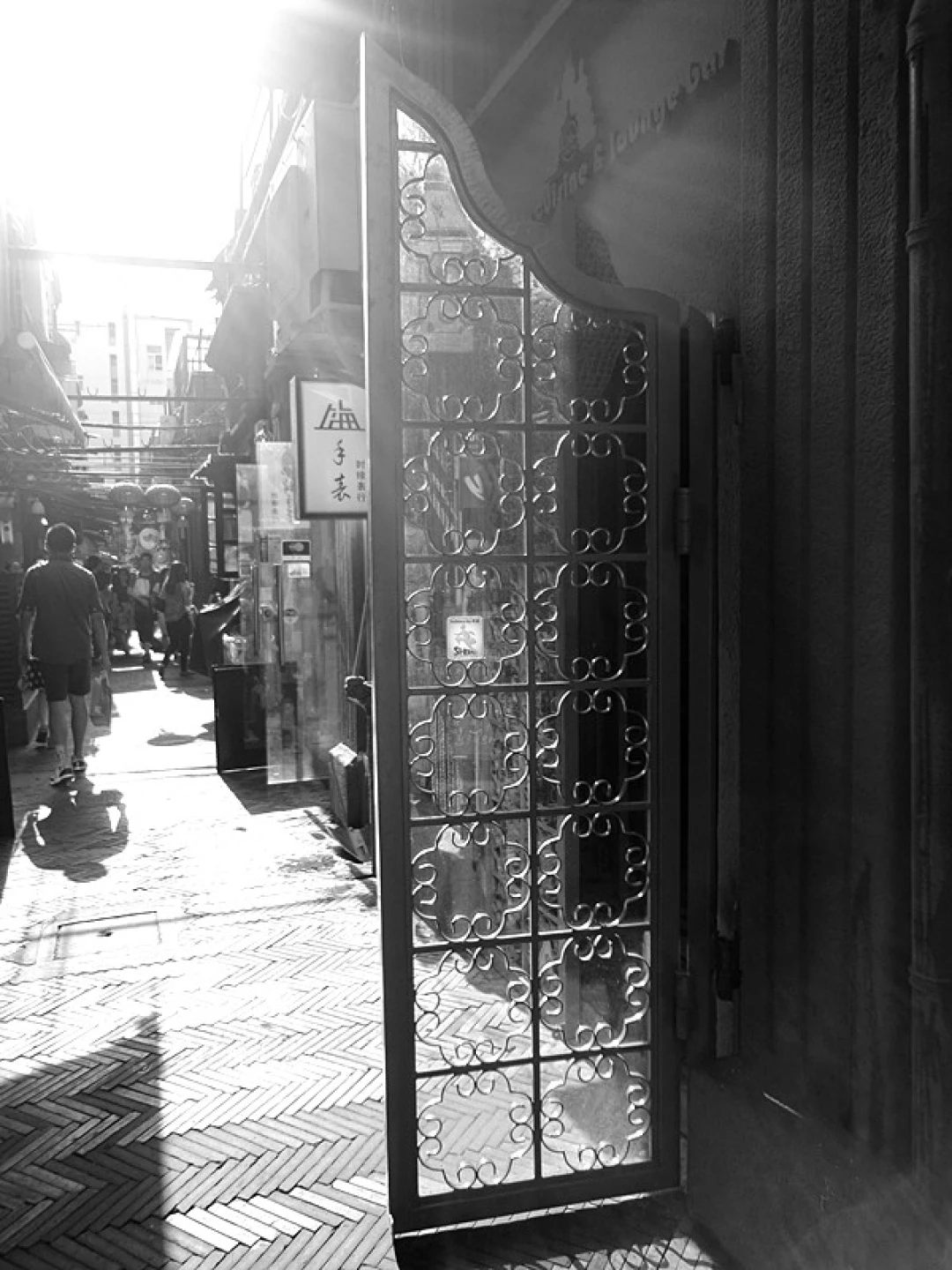
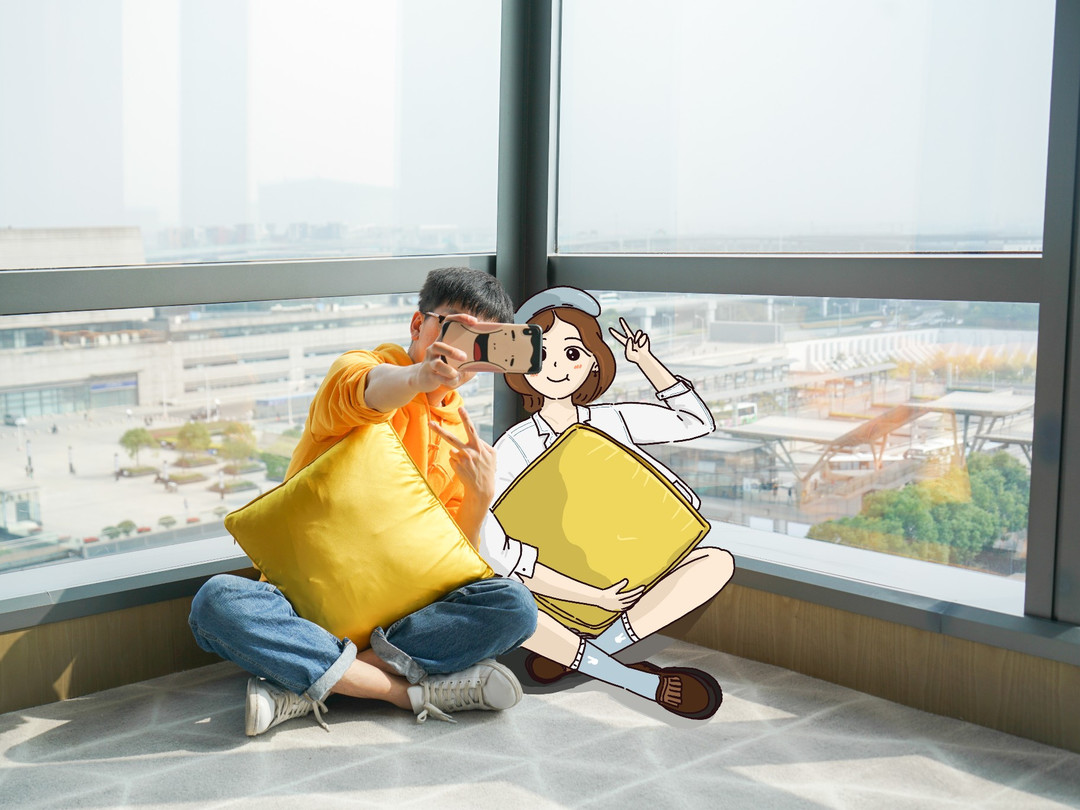
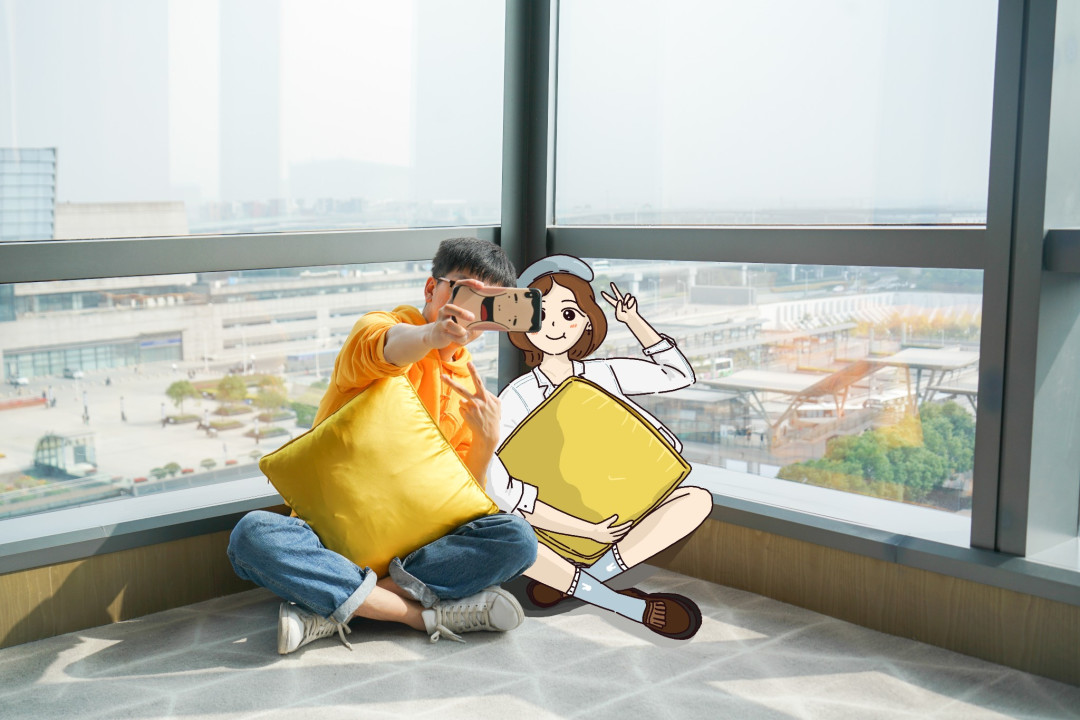
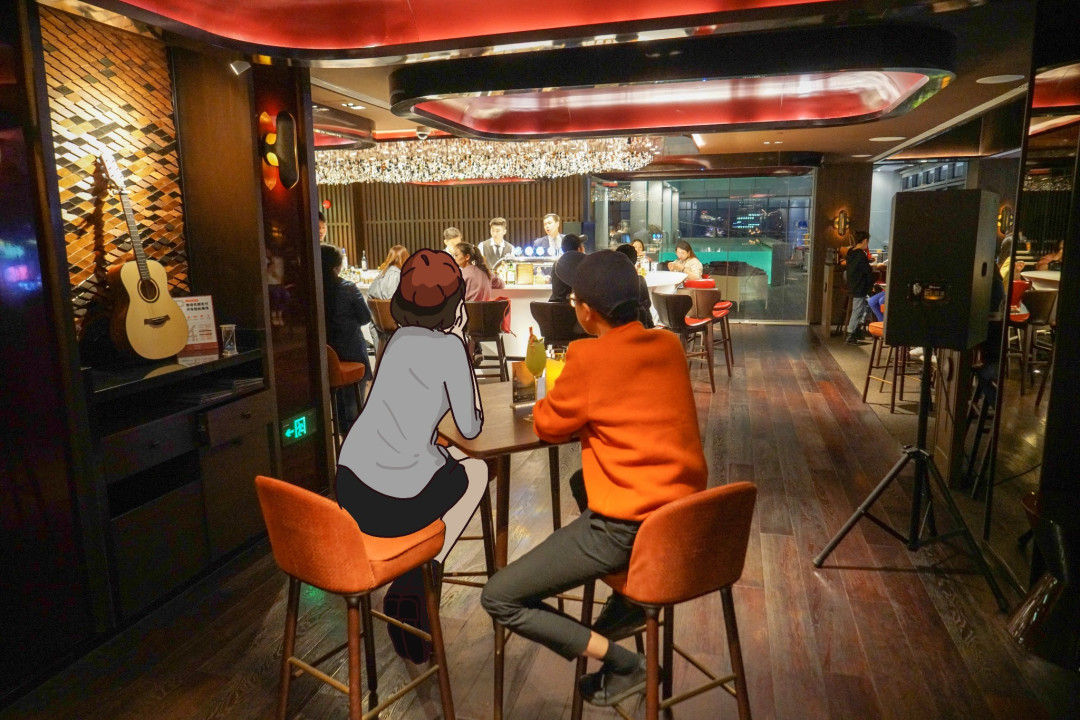
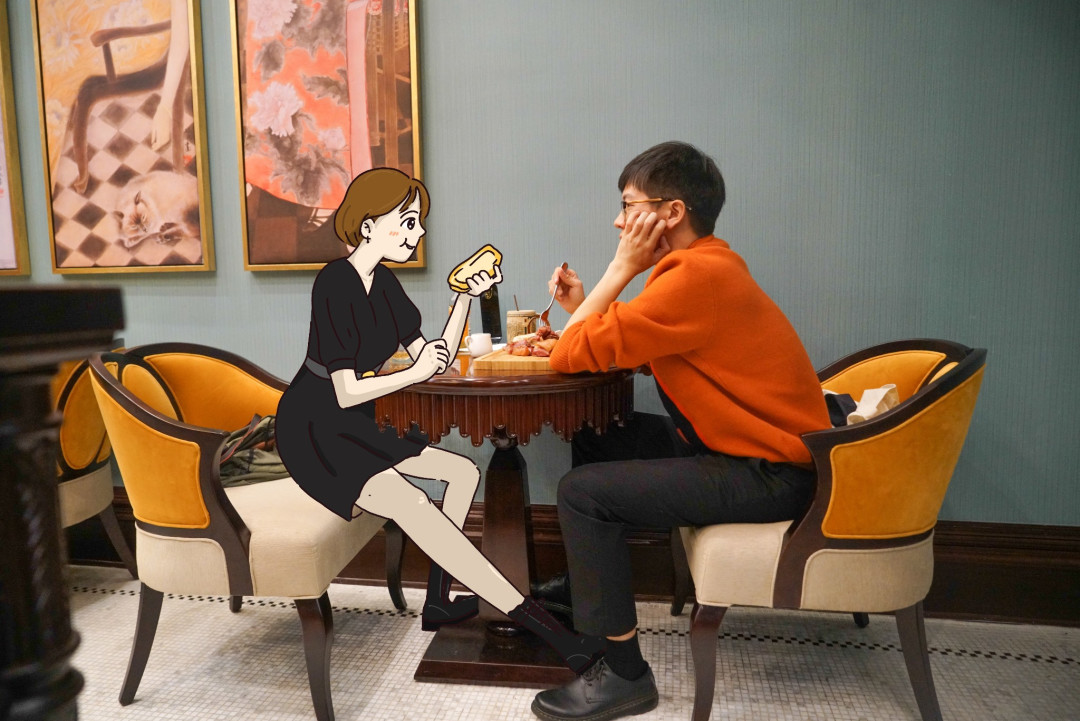
As a travel illustrator who has spent years wandering Shanghai's streets with a sketchbook and camera, I know exactly where the city's true treasures are hidden. The corners tour groups ignore, the old shops overlooked by viral guides, the art spaces tourists rush past—these are Shanghai's soul. For this journey, I even drew myself a "virtual girlfriend" to keep me company as I delved into the city's everyday fabric, searching for those secret spots that even locals might not know.
If you're craving a Shanghai trip off the beaten path, keep this private list close. [Link: Shanghai off-the-beaten-path travel guide]
Centennial Cafés: Sip a Cup of Old Times in Shanghai's Historic Buildings
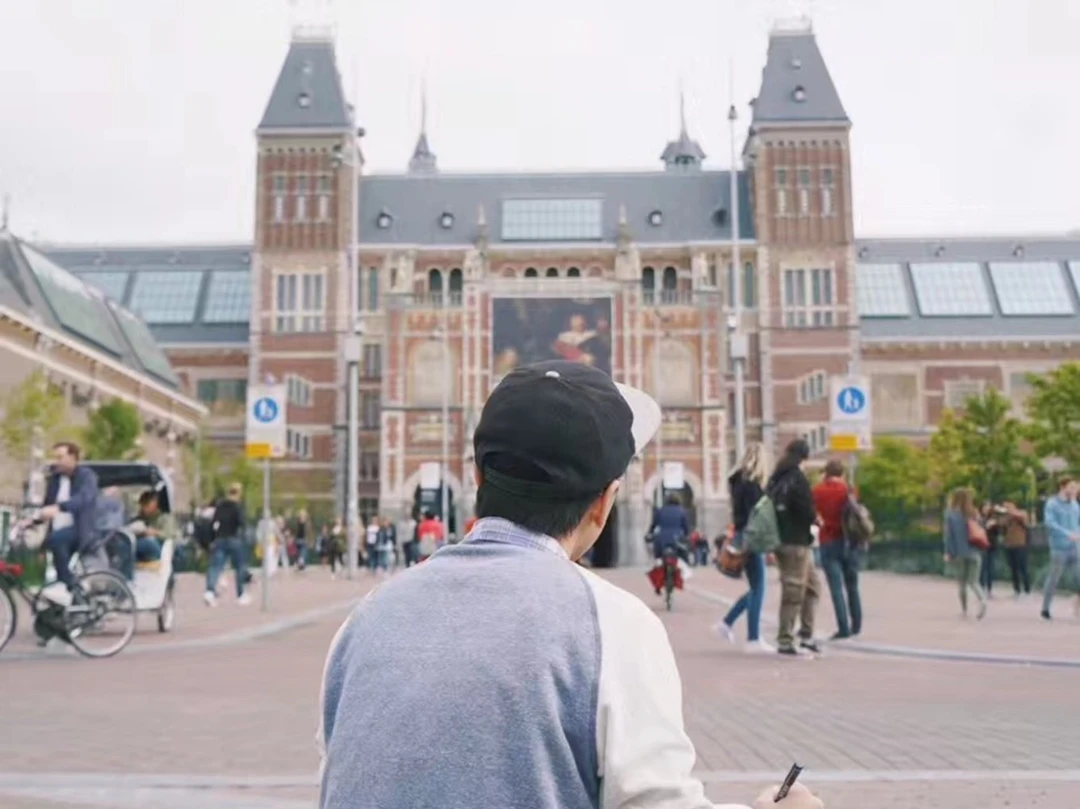
Shanghai has countless cafés, but the ones with real stories and depth are often tucked away on unassuming street corners. Here are two of my personal favorites—time machines in their own right.
Donghai Café: A 1934 Date Spot That Defines Shanghai's Coffee Culture
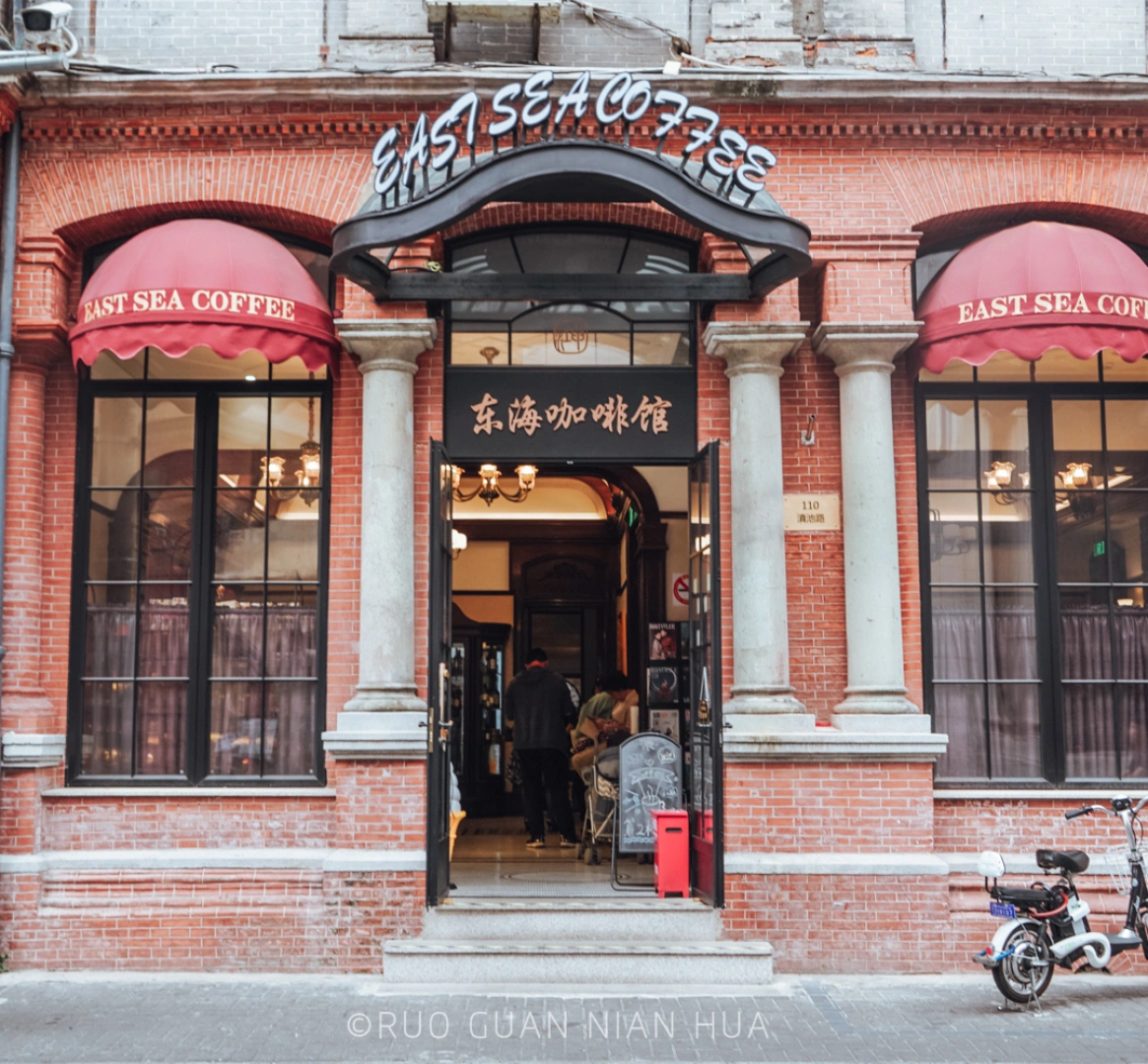
If you think Shanghai's coffee culture started with Starbucks, think again. Donghai Café, which opened in 1934, is called "Shanghai's first coffee shop" by many old-timers. Originally located on bustling Nanjing East Road, it was the trendiest dating spot of its era. If you stopped any Shanghainese uncle or auntie on the street, they might tell you they once had coffee and fell in love here.
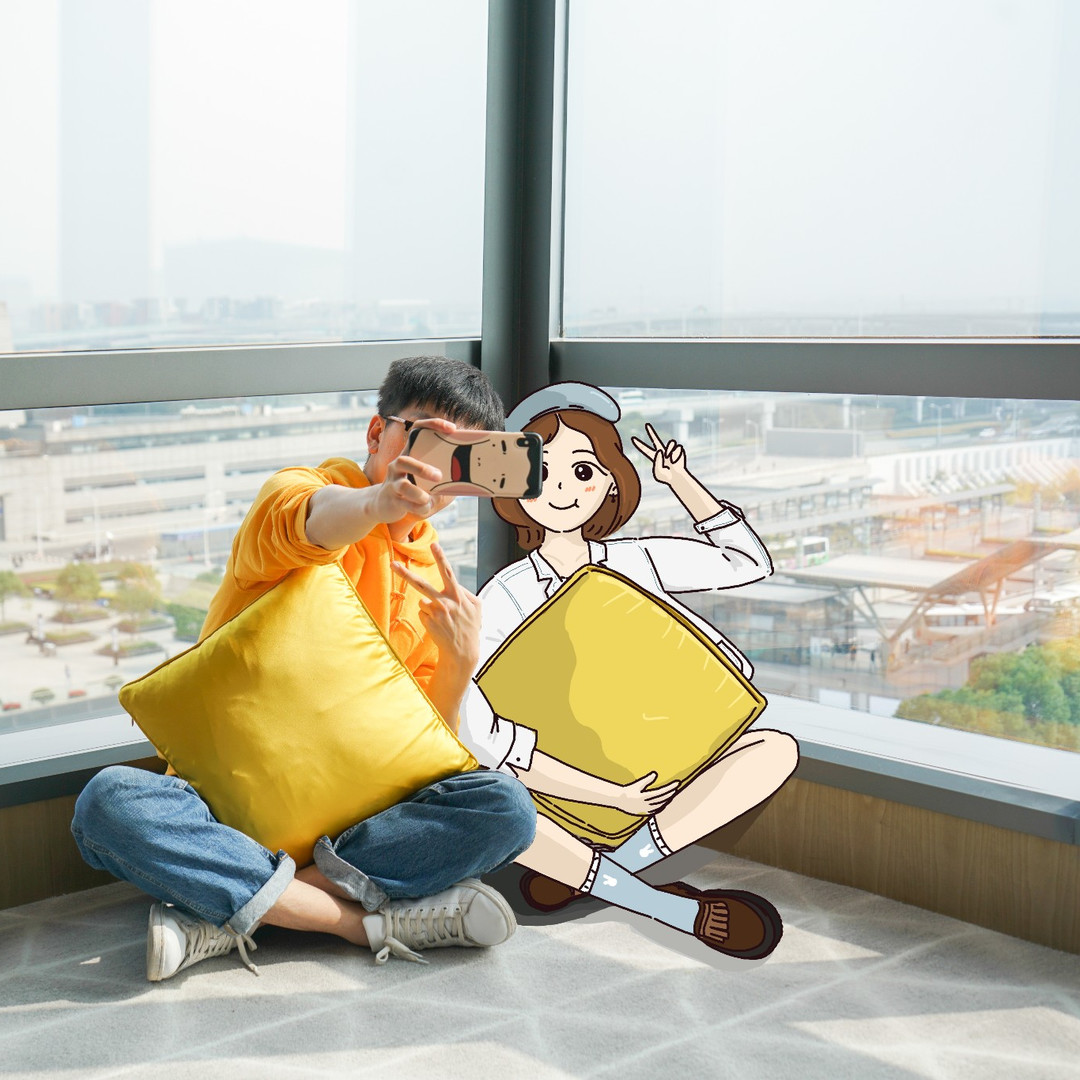
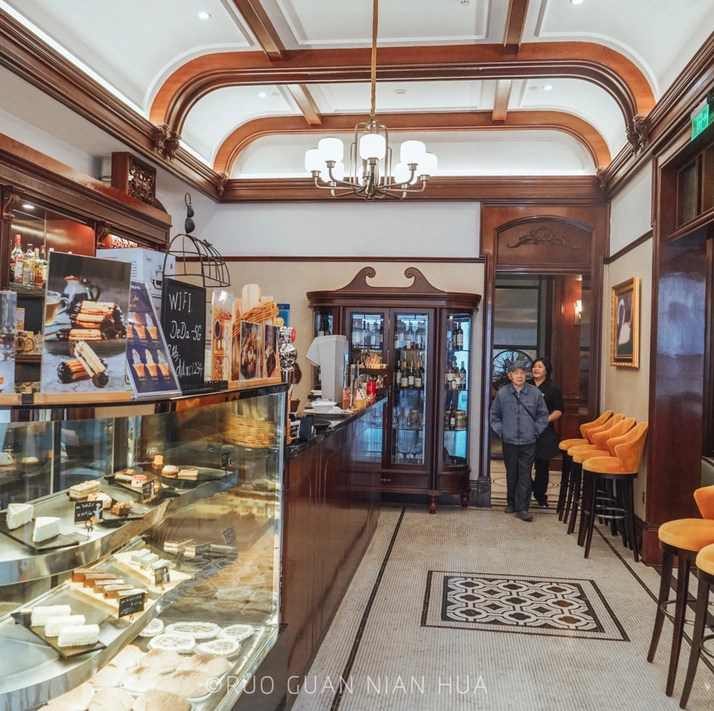
In 2007, due to street redevelopment, Donghai Café closed its doors—and stayed shut for 12 years. It wasn't until this year that it reopened on Dianchi Road. The new location occupies a building that was once the Shanghai Paper Factory No. 2, over a century old. Compared to the noise of Nanjing East Road, this spot suits the café better—quiet, nostalgic, and understated.
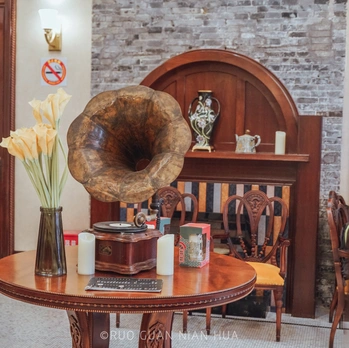
Push open the door and you'll find mahogany furniture, vintage record players, French-style chandeliers, embossed coffee cups, and glass screens. Every piece of decor carries the elegance and romance of the Republican era (1912–1949). Their signature pour-over coffee is still hand-brewed using a siphon pot, richer than any machine-made espresso. Pair it with the classic lemon pie—possibly one of Shanghai's oldest Western-style desserts—and one bite will taste like childhood for old Shanghainese.
Interestingly, most customers here are middle-aged and elderly. They meet old friends, order a coffee, and chat about the past. This atmosphere is something no trendy café can replicate. [Link: Shanghai vintage cafés guide]
Address: No. 110 Dianchi Road (Nanjing East Road Metro Station, Exit 6)
The Press: Sip History at the Former Shun Pao Building
If Donghai Café tastes like love, The Press tastes like history.
This building was once the headquarters of Shun Pao (Shen Bao), founded in 1918. What was Shun Pao? It was one of the longest-running and most influential newspapers in modern Chinese history, launched in the late Qing dynasty and spanning the Qing, Beiyang, and Republican eras—witnessing countless historical upheavals. In 2014, a group of Fudan University alumni established The Press café here, officially opening on April 30, 2015—exactly 143 years after Shun Pao's first issue was published.

Inside, the most striking feature is the soaring white European-style carved dome, pure and elegant. The walls are lined with vintage photos and newspaper clippings. Rumor has it the café not only houses original copies of Shun Pao but also original editions of the Financial Times and The Times—a miniature newspaper museum.
The best photo spot is the window seat by the retro photo wall. A blue corner sofa, floor-to-ceiling windows looking out at hurried passersby—snap a shot and it's instantly a vintage masterpiece. The menu is thoughtfully designed too. Order a brunch with coffee, and you're not just eating—you're tasting the city's history. [Link: Shanghai historical landmarks near the Bund]
Address: No. 309 Hankou Road
Culinary Hidden Gems: The Perfect Collision of Michelin Stars and Old Flavors
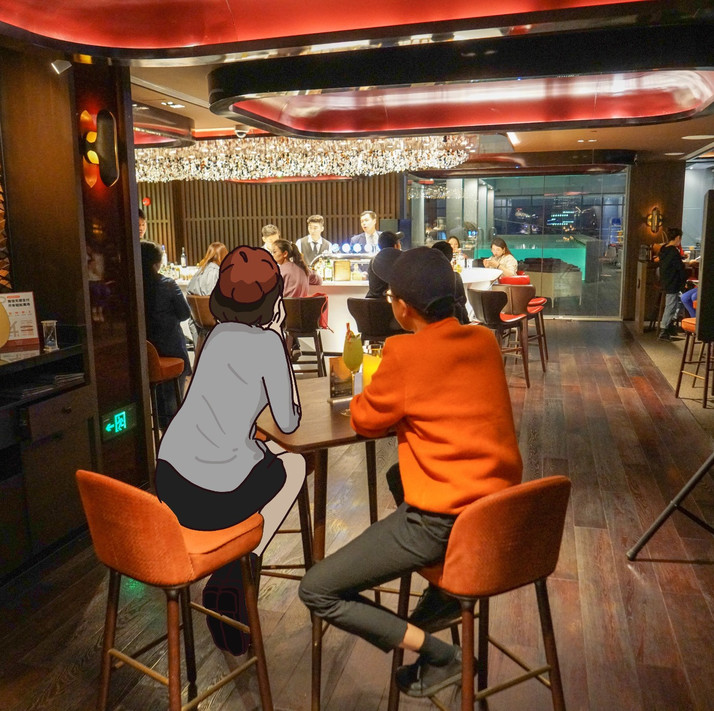
Shanghai's culinary scene balances Michelin-level refinement with the smoky warmth of street food. Here are two spots—one represents the peak of Cantonese cuisine, the other preserves the taste memories of old Shanghainese.
Ming Court: Black Pearl Two-Star + Michelin One-Star Cantonese Excellence
If you're a Cantonese food lover, Ming Court is unmissable. Located on the basement level of the Cordis Hotel in Hongqiao, this restaurant blends Hong Kong-style Cantonese cuisine with a touch of Shanghai influence. It has climbed from a Black Pearl two-star rating to earning a Michelin star this year, with its reputation soaring.
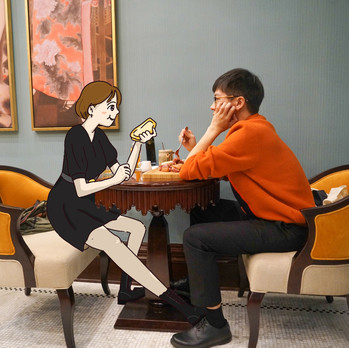
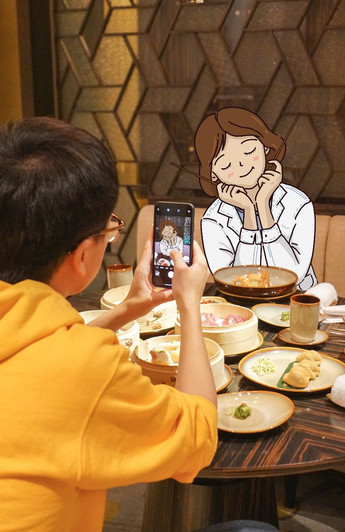
The interior design draws inspiration from the "Ten Mile Foreign Field" (十里洋场) of 1930s Shanghai, evoking the city's old-world charm. Almost every dish is a winner—truffle and wagyu gift boxes, dragon king draped in golden armor, crispy fried chicken. Each is a signature. What's noteworthy is that no MSG is used, yet the flavors remain intensely savory. Head chef Su Weiqing, with 26 years of experience in Chinese cuisine, can make even a simple stir-fried vegetable showcase his mastery of heat and timing.
At around 600 RMB per person, it's pricey, but you can save by going for lunch. Classic Cantonese dim sum starts as low as 38 RMB—great value. [Link: Shanghai Michelin-starred restaurants budget tips]
Address: B1, Cordis Hotel Shanghai, No. 333 Shenhong Road, Minhang District
Industrial Ruins Transformed into Art Spaces: Shanghai's Creative Renaissance
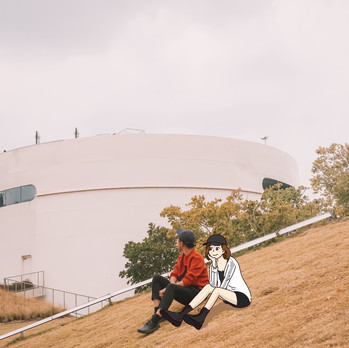
Shanghai's magic lies in its ability to transform abandoned industrial sites into temples of art. Here are three places worth spending half a day exploring.
Tank Shanghai Art Park: White Towers in Autumn
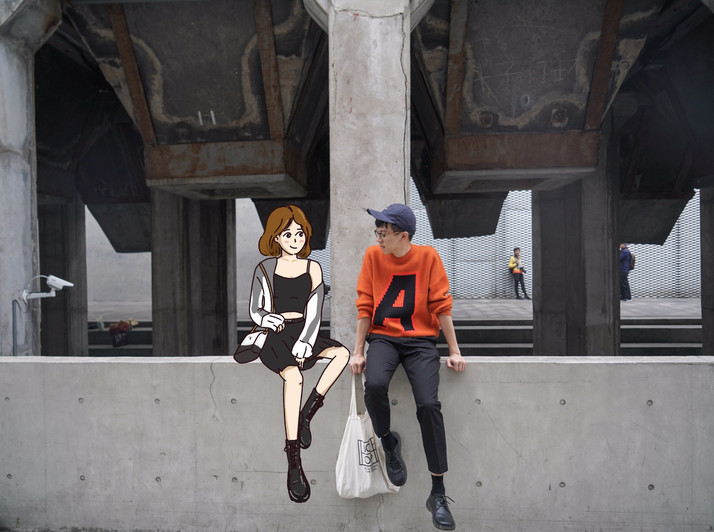
Tank Shanghai is a new autumn photography hotspot that's still relatively unknown. Its predecessor was five massive white aviation fuel tanks, part of Shanghai's earliest airport—Longhua Airport. Under the curation of contemporary art collector Qiao Zhibing, these tanks have been reborn as an art center.
The tanks themselves are enormous and hollow inside, destined to become live houses, themed restaurants, and large-scale art installation venues. Currently, the surrounding reeds and foxtail grass are turning golden. On a sunny day, snap a photo and it's a masterpiece—no editing needed. Go while it's still uncrowded! [Link: Shanghai art galleries and exhibitions]
Transport: Yunjin Road Station, Metro Line 11
Long Museum: The Awe-Inspiring Aesthetics of Minimalist Industrialism
Long Museum is one of China's few private museums and among the most substantial in collection and influence. It has two locations, but I recommend the West Bund branch. This was once a coal dock, and the building retains some of the original coal hopper bridges. Its structure is distinctive—concrete walls, clean lines, a rational, cool industrialism mixed with raw texture. The architecture alone is stunning.
Beyond the building, the exhibitions are worth seeing. Works like Sang Huoyao's "Illusionism" and Zhou Chunya's "Southeast Landscape" are on display. The interior design and lighting are perfect for photography—as long as you frame your shot well, even a novice can get great photos. When you're tired, head to the adjacent Long Café, where industrial design meets wooden tables for a unique vibe. [Link: Shanghai contemporary art museums]
Address: No. 3398 Longteng Avenue
West Bund Cultural and Art Demonstration Zone: Artistic Secrets in Factory Buildings
Just north of Long Museum lies the West Bund Cultural and Art Demonstration Zone. Originally industrial factories, it now houses 14 art institutions, including the design center of the renowned Chinese brand "Exception," the showroom of Shanghai Dream Center, and galleries like ShanghART and the Shanghai Center of Photography.
Although I visited during renovations, I stumbled upon some great photo opportunities among the raw industrial structures. The juxtaposition of old machinery and contemporary art creates a surreal aesthetic that's perfect for sketching or photography. [Link: Shanghai West Bund art walk itinerary]
FAQ: Your Questions About Shanghai's Hidden Artistic Corners Answered
1. Is it easy to visit these hidden spots without speaking Chinese?
Yes, most of these locations are tourist-friendly. Cafés like Donghai Café and The Press have English menus, and major art museums like Long Museum offer English exhibition descriptions. However, for street food stalls and smaller galleries, having a translation app or a local friend can enhance your experience.
2. What's the best time of day to visit Tank Shanghai for photography?
Early morning (around 9–10 AM) or late afternoon (3–4 PM) during golden hour provides the best natural light. Autumn is particularly stunning when the surrounding reeds turn golden. Weekdays are much less crowded than weekends.
3. How much time should I allocate for the West Bund art area?
Plan for at least half a day (4–5 hours) to explore Long Museum, Tank Shanghai, and the West Bund Cultural and Art Demonstration Zone. You can easily spend a full day if you include lunch at one of the nearby cafés or restaurants.
4. Are these spots suitable for families with children?

Absolutely! Long Museum and Tank Shanghai are spacious and visually engaging for kids. Donghai Café's vintage decor and lemon pie are a hit with children. However, Ming Court is more formal and may not be ideal for very young children.
5. Can I sketch or photograph inside these locations?
Photography is generally allowed in most public areas of the museums and cafés. For sketching, you'll find plenty of inspiration at Donghai Café, The Press, and the West Bund art spaces. Always check specific exhibition rules, as some temporary exhibits may restrict photography.
Conclusion: Your Shanghai Sketchbook Awaits
Shanghai is a city of layers—beneath the glittering skyscrapers and colonial facades lie stories waiting to be discovered. Whether you're sipping pour-over coffee in a 1934 café, tasting Michelin-starred dim sum, or wandering through industrial ruins transformed into art spaces, these hidden corners offer a glimpse into the city's true soul.
So put down the selfie stick, pick up your sketchbook (or camera), and venture beyond the Bund. The Shanghai that locals love—the one with century-old coffee shops, abandoned fuel tanks turned galleries, and restaurants that taste like history—is waiting for you.
Ready to explore Shanghai like a local? Start planning your off-the-beaten-path itinerary today. Bookmark this guide, grab your metro card, and discover the artistic corners that make Shanghai truly unforgettable. [Link: Shanghai travel planning resources]
You may also like