Shanghai Beyond the Bund: 9 Days Chasing Lions, Ancient Towns & Botanical Gardens – An Alternative Shanghai Itinerary
Meta Description: Discover Shanghai beyond the Bund and Nanjing Road. This 9-day alternative itinerary explores wild animal parks, ancient water towns, hidden botanical gardens, and local secrets. Perfect for slow travelers seeking authentic Shanghai experiences.
Introduction: Rediscovering the "Magic City" Without the Filter
Shanghai – the "Magic City" – typically conjures images of the Bund's neon glow, the endless crowds on Nanjing Road, and Lujiazui's three iconic skyscrapers piercing the sky like chopsticks. But if you're willing to linger a few extra days and skip the standard travel guide answers, Shanghai reveals an entirely different face.
In late March, I dragged my suitcase into the spring light of Jing'an District. My phone was crammed with travel tips, yet every day I adjusted my plans: sunny days for the botanical garden, holidays to avoid zoo crowds, temples timed for golden-hour lighting, rainy days spent hiding in museums. When tired, I never pushed myself.
Over nine days, I chased lions, wandered through ancient towns, hid in a botanical garden, and sat blankly under plane trees. This isn't a "how to visit Shanghai" guide – it's proof that Shanghai can be experienced differently.
Day 1: Shanghai Wild Animal Park – Where Lions Rule the Road
Getting Lost Leads to Unexpected Beauty
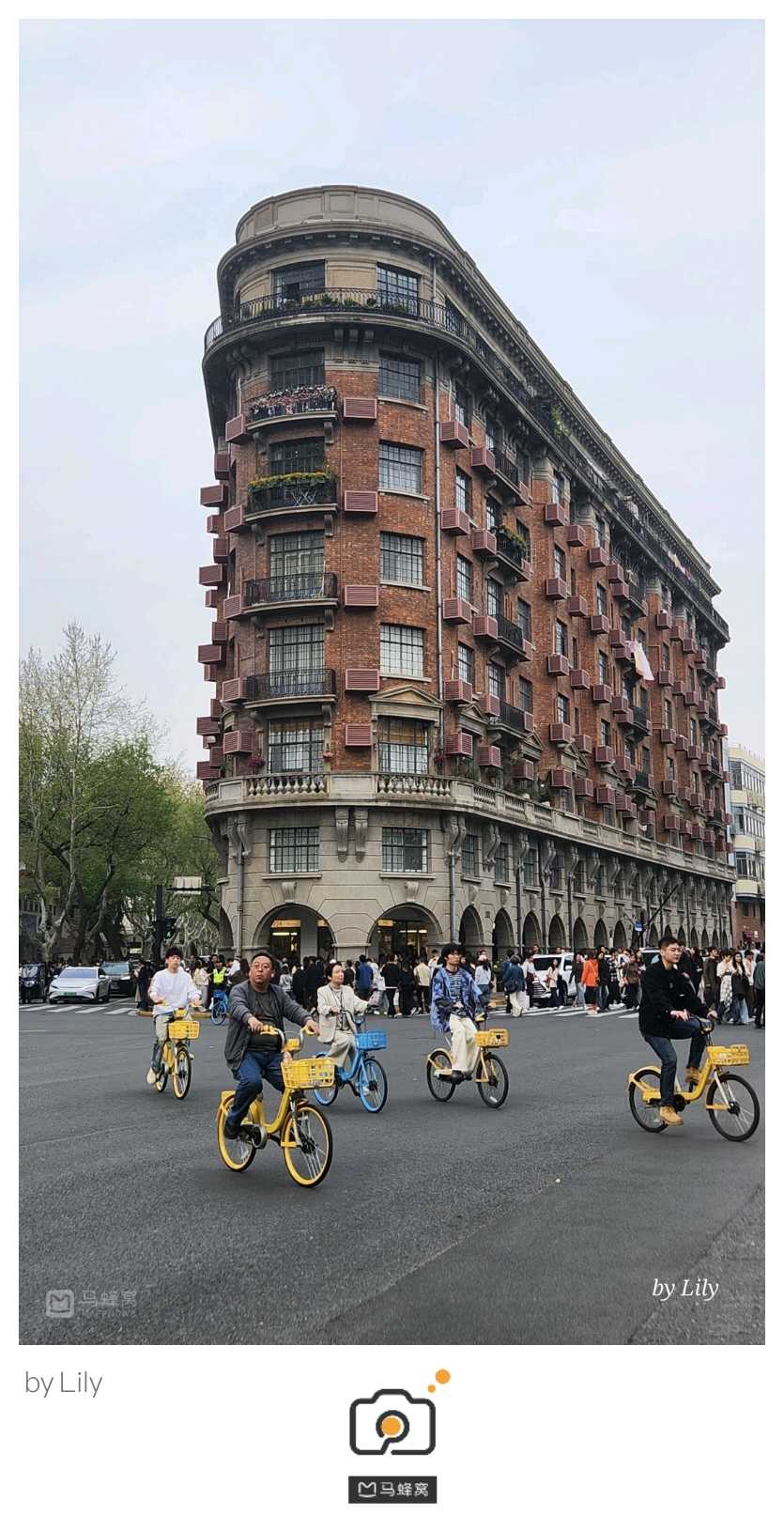
Exiting the metro station, I was supposed to catch the dedicated shuttle bus but took a wrong turn. Rather than backtracking, I decided to walk. Halfway there, I regretted it – I'd overestimated my stamina and underestimated the distance.
But fate hides gifts on the wrong path. Suddenly, a field of rapeseed flowers appeared – blue sky against golden yellow, wind sending waves of blossoms rippling. This was the zoo's welcome gift.
Drive-Through Zone: Sleeping Lions and Tree-Climbing Bears
Ticket price: 190 RMB. The park divides into three zones: drive-through, water exploration, and walking zone.
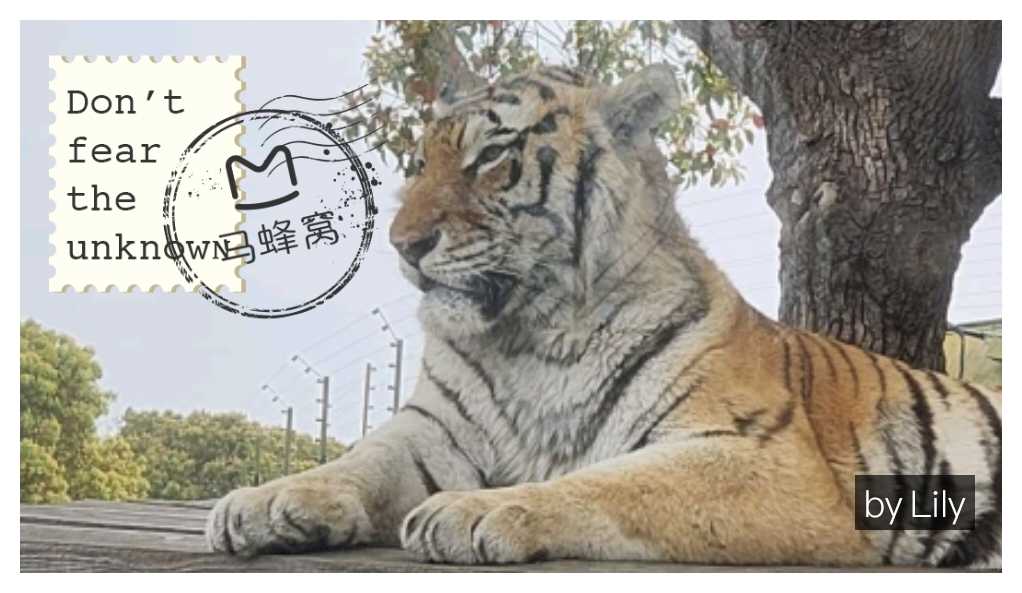
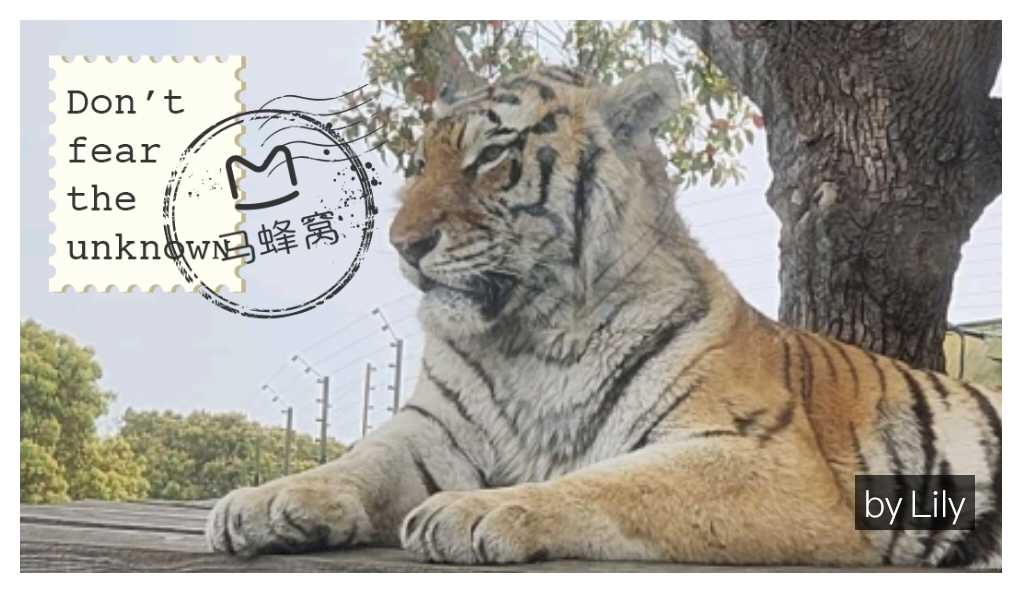
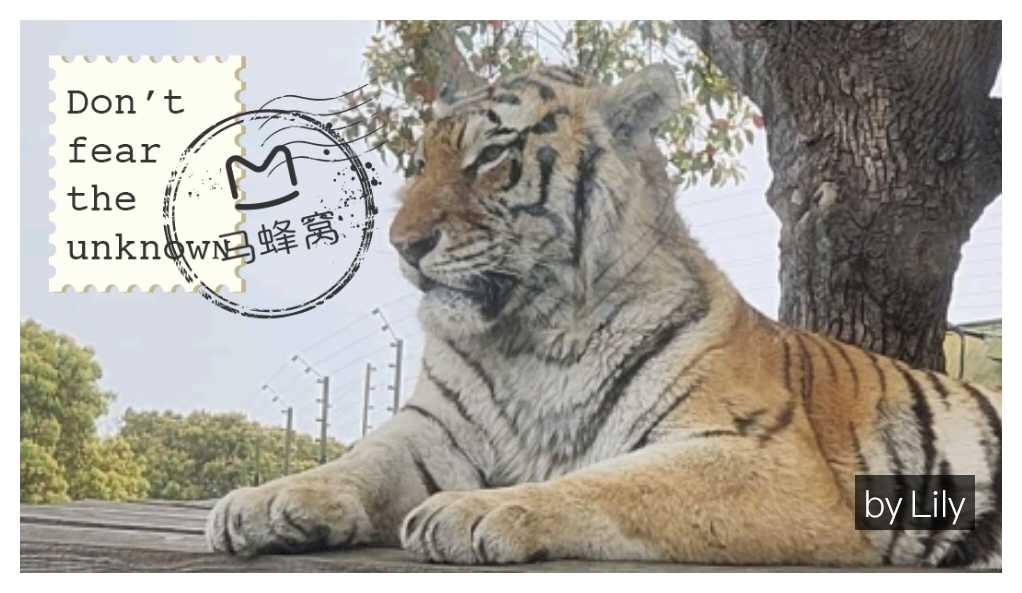
The free bus carried us into the drive-through zone like barging into an Animal Planet set. Rhinos moved like mobile hills. Cheetahs patrolled in packs. Lions napped in trees – yes, lions can climb trees. Brown bears cuddled, tigers sat motionless with regal authority right at the window. One lion slept belly-up, probably counting petals in its dreams.
Water Exploration: Hippos Demand Attention
Combo ticket: 76 RMB (water exploration + regular feeding vehicle). First, a boat tour. Swans remained eternally elegant. Spiral-horned antelope silhouettes looked sculpted. A hippo poked its head out, as if to say, "I want to see the world above water." White kangaroos hopped around – I almost shouted, "Don't go too far, or someone might mistake you for a giant white mouse!"
Walking Zone: Black Bears Climbing for Fruit
I entered the drive-through zone a second time on the feeding vehicle. Staff threw out food; animals swarmed. The VIP feeding vehicle (extra 50 RMB) allows visitors to feed animals themselves – honestly, value is limited.
The walking zone surprised me most. A black bear climbed a tree in rain to catch fruit, moving with incredible agility. A panda sat in its bamboo grove, munching slowly, as if to say, "Your world is too noisy. Mine is just bamboo leaves."
Practical Tips: The water exploration and paid feeding vehicle offer average value. The free bus is already excellent.
[Link: Shanghai family-friendly attractions]
Day 2: Walking Through History – From Revolutionary Sites to Bund Views
Site of the First CPC National Congress: History Takes a Turn
On Xingye Road, two adjacent shikumen (stone-gate) houses stand side by side – black lacquered doors, wooden windows, brick walls, all preserved. In 1921, thirteen people, a long table, a few lamps – a political party began here.
Today, trendy tourists fill the seats, holding up phones to photograph old tables and chairs. As I left, I looked back – the building is old, the story heavy, but people at the entrance smiled lightly.
Next door, the Memorial Hall of the First CPC National Congress (completed in 2021) is larger and more modern. It covers everything from the late Qing Dynasty to the founding of the Party, right up to the present – artifacts, photographs, reconstructed scenes. What struck me most were biographies of those 13 delegates and 2 Comintern representatives: some sacrificed their lives, some left the Party, some became founding leaders, some betrayed it. History is never a straight line.
Xintiandi: Old Bottles, New Wine
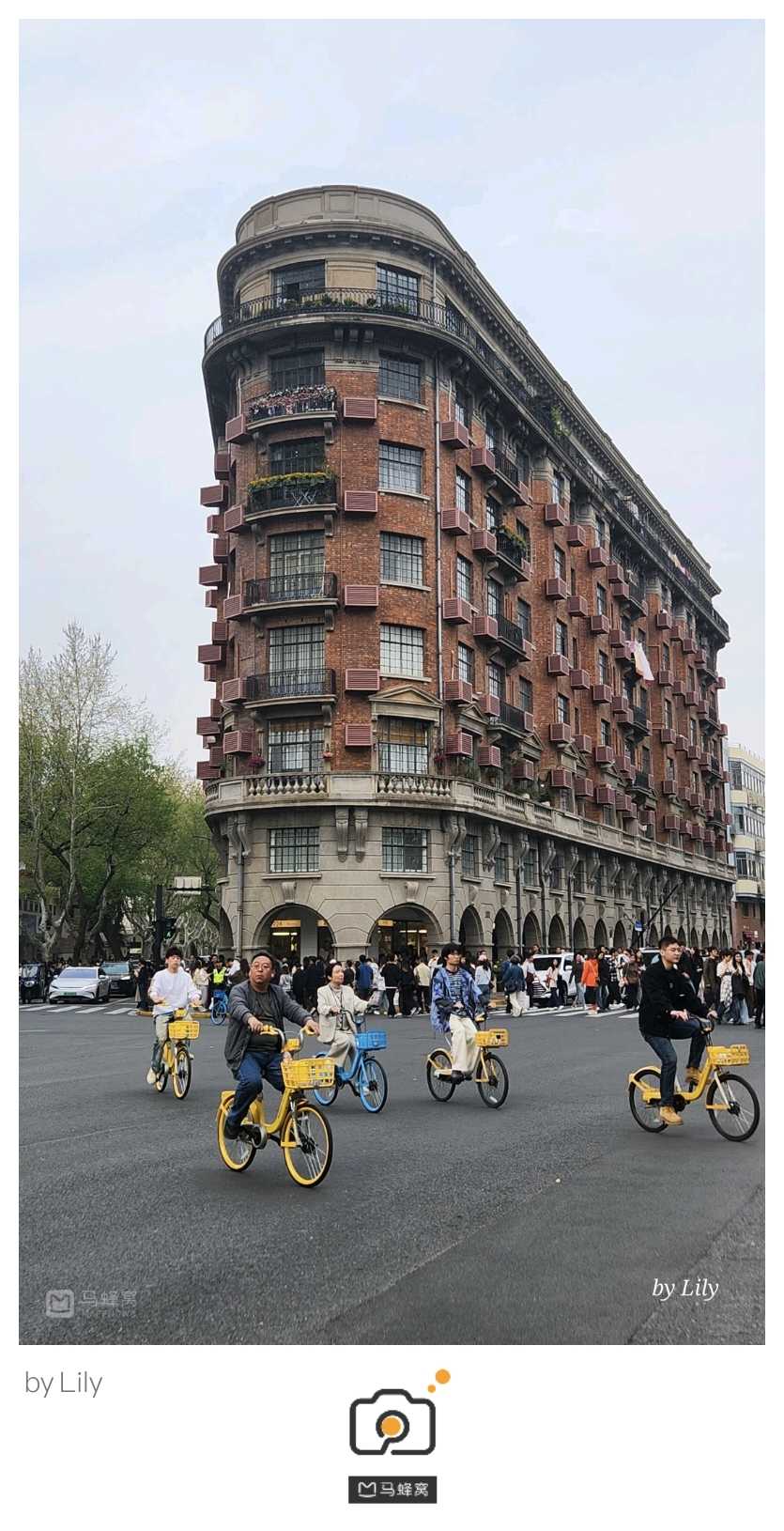
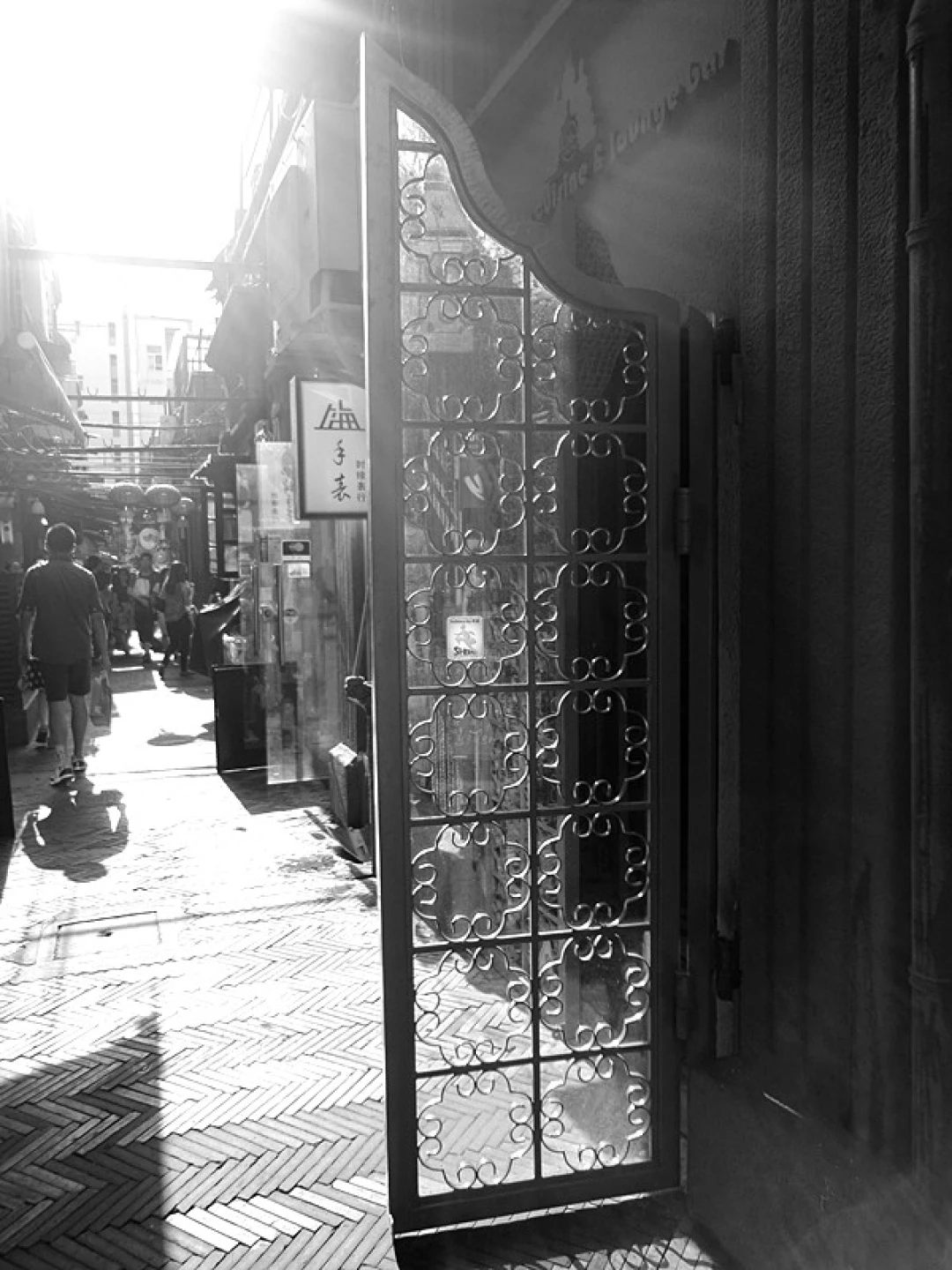
Grey brick walls and black lacquered gates preserved, but inside house modern restaurants and boutiques. Great for photos, great for dates, great for spending money. For someone just passing through, a quick look sufficed.
Fuxing Park and Nanchang Road: Another Shanghai Under Plane Trees
Fuxing Park is a French-style garden over a hundred years old, but flowers bloomed sparsely. I didn't expect statues of Marx and Engels – two Germans in a French-style park in Shanghai. Quite something.
Nanchang Road stretches 1,690 meters – a street that "will never be widened." The plane trees have stood for decades. The road is narrow, traffic light, lined with garden villas and old alleyways (longtang). It runs parallel to Middle Huaihai Road – one noisy, one quiet; one sells luxury goods, the other airs quilts in the sun.
The Bund: History on the Left, Prosperity on the Right
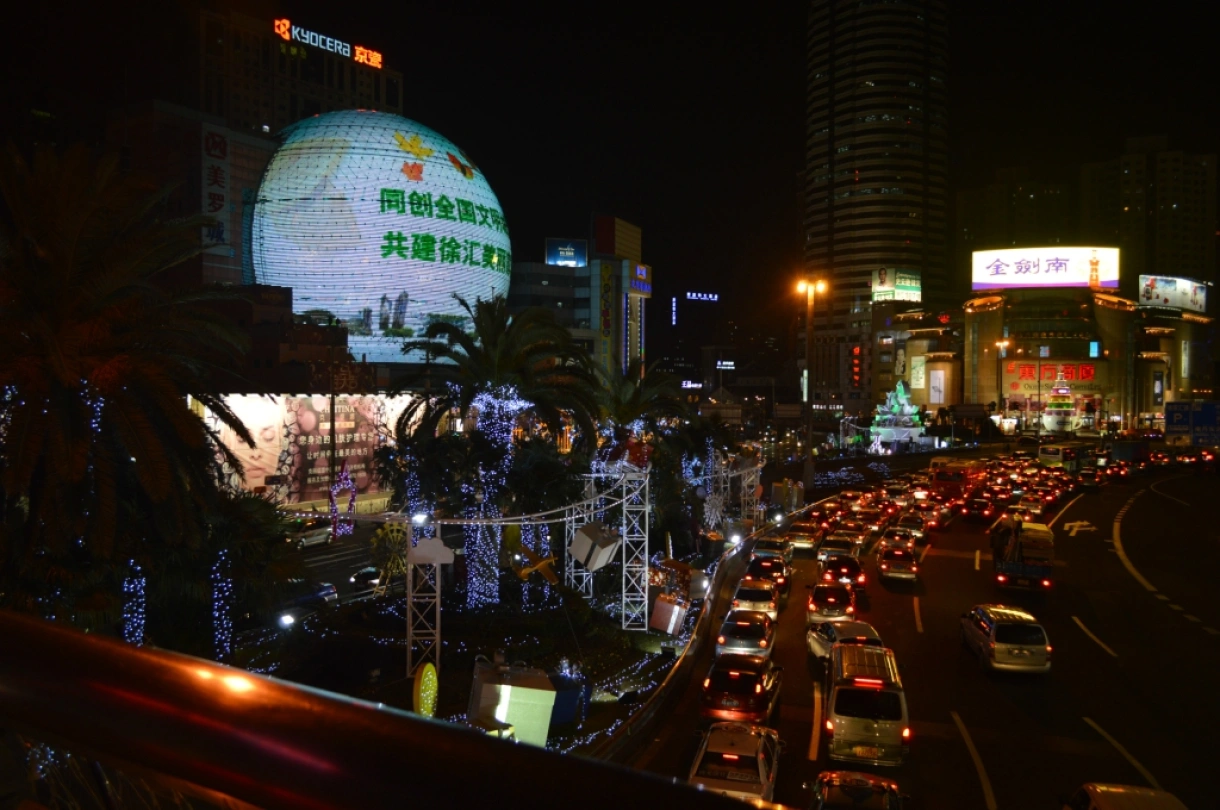
1.5 kilometers of the Bund, 52 buildings, each with different architectural styles. Across the river lies Pudong, skyscrapers lined in a row. Old and new, East and West face each other across this river.
To wait for sunset, I wandered from daytime into darkness. On East Nanjing Road Pedestrian Street, I browsed old-time brands and trendy new shops. Finally, dinner at the basement level of No. 1 Department Store – outside a sea of people, here quiet and empty, with self-serve juice machines.
When dark fell, lights came on. I hopped on a tram (10 RMB per one-way trip) and headed straight for the Bund. Pudong's high-rise lights formed a continuous glow, like another Milky Way fallen to earth. The Huangpu River flowed quietly, reflections rippling on water – fragmentary and even more beautiful than the sky above.
Practical Tips: The ferry costs just 2 RMB to cross to Lujiazui on the opposite bank – much better value than sightseeing boats. But watch for the last departure time.
[Link: Shanghai Bund photography tips]
Day 3: From Forest to Skyline – Seeing It All in One Day
Gongqing Forest Park: 1,965 Acres of Tranquility
Shanghai Gongqing Forest Park, in Yangpu District, covers 1,965 acres – so big you can get lost. The northern section has hills, lakes, and meadows, like someone moved a forest into the city; the southern section has small bridges and flowing water, like a stolen piece of Jiangnan.
Over 200 species of trees – I could identify only a few – but walking among them was peaceful. Despite inconvenient transportation, it doesn't stop people from coming: dog walkers, joggers, picnickers – everyone enjoyed this patch of green.
Shanghai Museum: Old Hall Small, New Hall Big
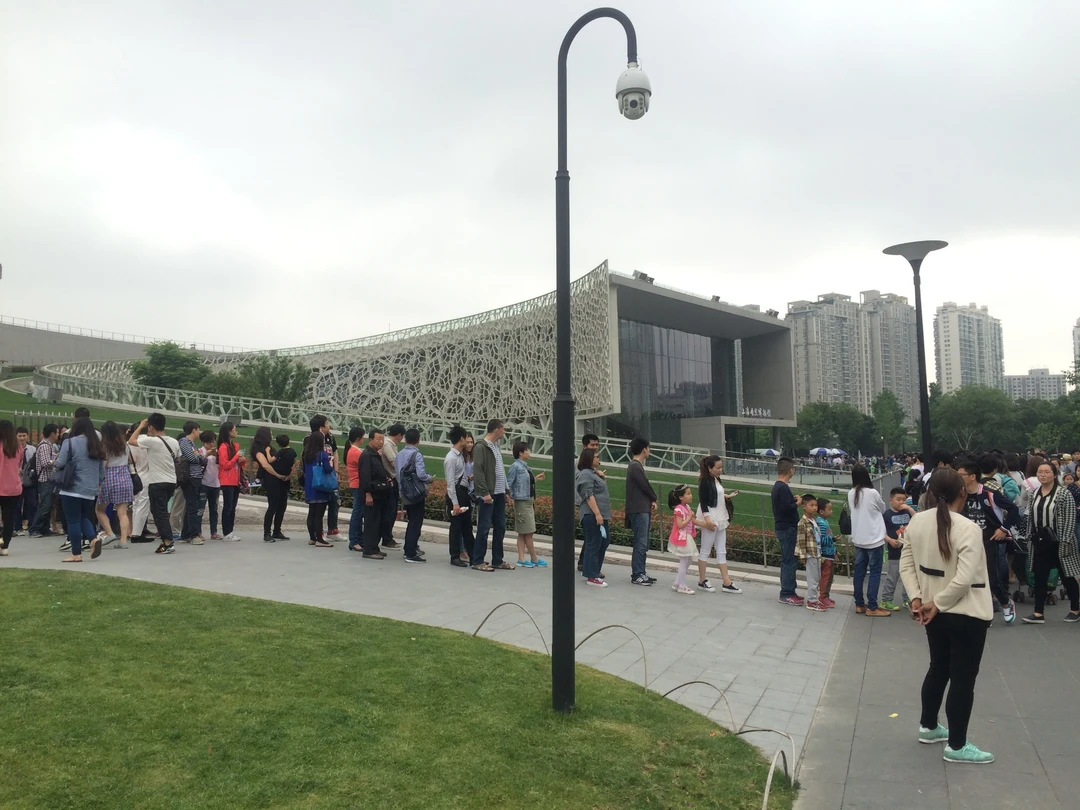
The Shanghai Museum on People's Square houses bronzeware, calligraphy and painting, ceramics, coins... the collection excellent, but scale modest. After a quick tour, I felt fewer exhibits than expected. Later I visited the Shanghai Museum East Branch and realized that's where everyone heads – the East Branch is far larger than the old one.
Practical Tips: The Shanghai Museum isn't for "spending a whole day" – it's for "picking a specific gallery" and focusing.
[Link: Shanghai museum guide]
Day 4-5: Ancient Water Towns – Zhujiajiao & Qibao
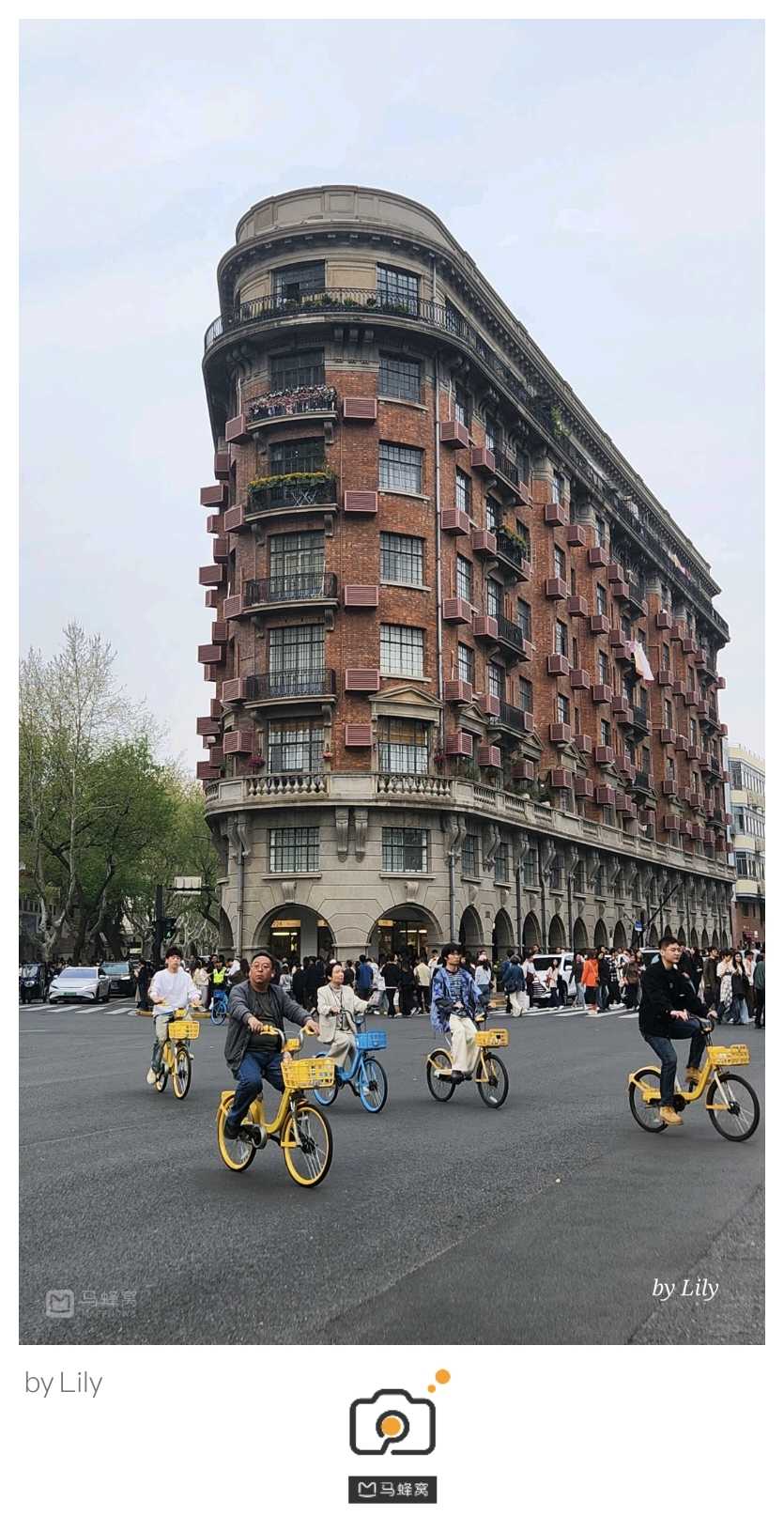
Zhujiajiao: Venice of Shanghai
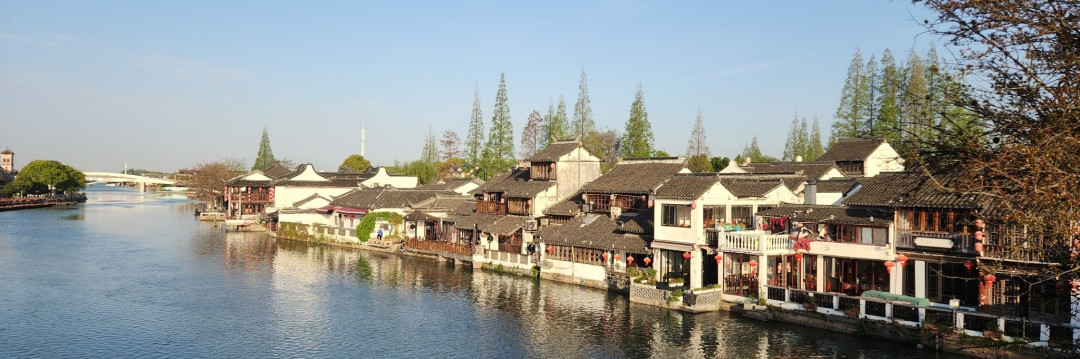
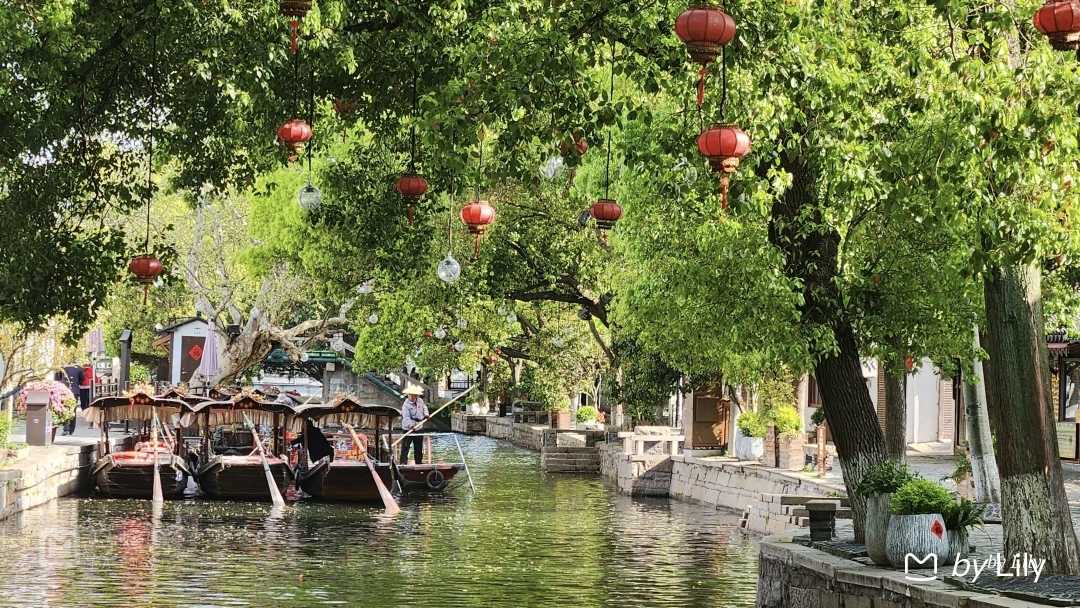
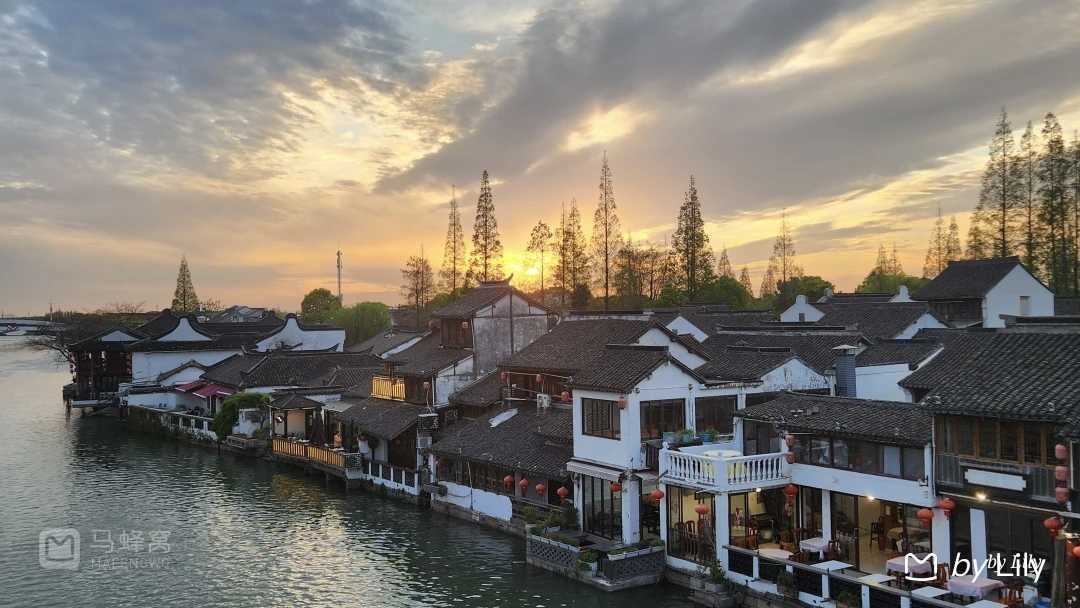
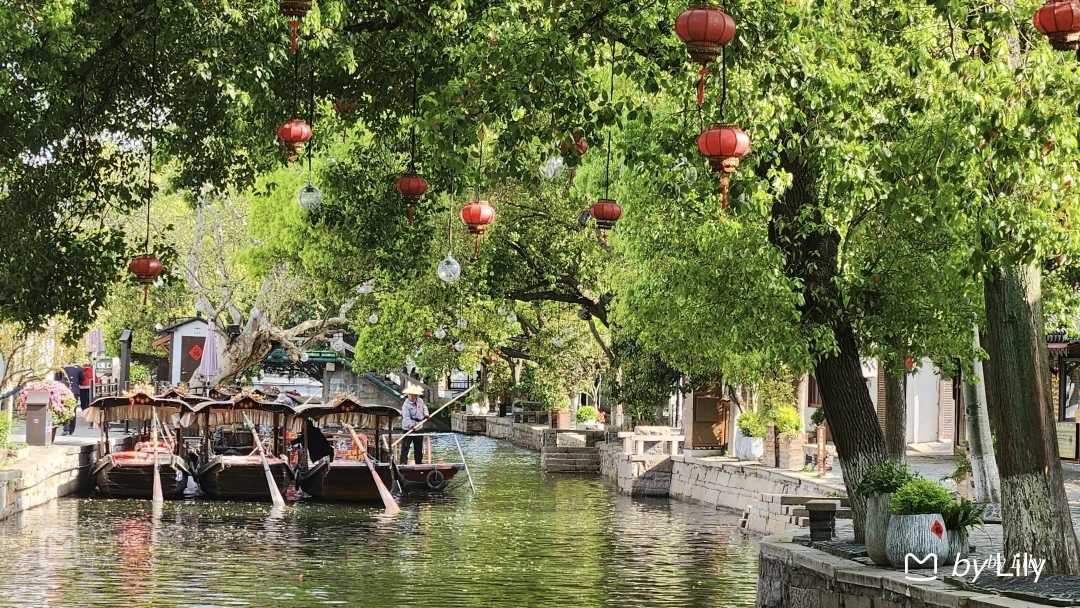
Just 30 kilometers from downtown, Zhujiajiao offers a glimpse of old Jiangnan. Canals crisscross the town, stone bridges arch over waterways, and ancient buildings line the banks. Unlike more commercialized water towns, Zhujiajiao retains authentic local life.
Must-see: Fangsheng Bridge (放生桥), the largest stone arch bridge in the area; Kezhi Garden (课植园), a classical Chinese garden; and the North Street (北大街), lined with traditional shops selling local snacks and handicrafts.
Qibao: Smaller but Charming
Qibao Ancient Town, in Minhang District, is smaller but equally charming. Its name means "seven treasures," referring to seven historical landmarks. The town is famous for its street food: stinky tofu, glutinous rice balls, and tangyuan (sweet rice dumplings).
Practical Tips: Both towns are accessible by metro. Zhujiajiao takes about 1 hour from downtown; Qibao about 30 minutes. Weekdays are less crowded.
[Link: Shanghai day trips to water towns]
Day 6: Botanical Gardens – A Hidden Green Sanctuary
Shanghai Chenshan Botanical Garden
Located in Songjiang District, Chenshan Botanical Garden spans 207 hectares and features themed gardens, a greenhouse complex, and a large lake. The garden's highlight is the "Crystal Palace" greenhouse, housing tropical plants from around the world.
Best for: Photography enthusiasts, plant lovers, and anyone seeking tranquility. The garden is less crowded than downtown parks.
Shanghai Botanical Garden
In Xuhui District, this older botanical garden offers a more traditional experience. The bonsai garden, rose garden, and bamboo groves are particularly lovely in spring.

Practical Tips: Both gardens have entrance fees (around 60-80 RMB). Bring water and snacks, as on-site options are limited. Early morning visits offer the best light and fewest crowds.
[Link: Shanghai botanical gardens guide]
Day 7-8: Local Neighborhoods & Hidden Gems
Jing'an District: Where Old Shanghai Meets New
Jing'an District, where I stayed, perfectly blends old and new. Jing'an Temple, a 1,700-year-old Buddhist temple, sits at the intersection of Nanjing West Road and Huashan Road – a serene oasis amid urban bustle.
Hidden gem: The Jing'an Sculpture Park, featuring modern sculptures set in a landscaped garden. Free entry.
French Concession: Plane Trees & Art Deco
The former French Concession, centered around Huaihai Road, is famous for its plane tree-lined streets, art deco architecture, and trendy boutiques. Wukang Road, Anfu Road, and Fuxing Road are perfect for aimless wandering.
Must-do: Visit the Shanghai Propaganda Poster Art Centre, a small museum showcasing political posters from the Mao era. Located in a residential building, it's a hidden gem.
[Link: Shanghai French Concession walking tour]
Day 9: Farewell Shanghai – Reflections on a Different Journey
Morning: Last Wander in Jing'an
I spent my final morning revisiting favorite spots: a coffee shop under plane trees, a small park where locals practiced tai chi, a bakery selling fresh croissants.
Afternoon: Pudong Skyline
Before heading to the airport, I visited the Shanghai World Financial Center's observation deck (100th floor) for panoramic views. The contrast between old and new, East and West, was striking.
Evening: Departure
As my plane lifted off, I looked down at the lights of Shanghai – the Bund's golden glow, Lujiazui's neon towers, and the dark patches of parks and gardens. This city of contrasts had revealed its hidden face.
FAQ: Shanghai Alternative Travel
1. Is nine days too long for Shanghai?
 Not if you want to explore beyond the Bund. Nine days allows for slow travel, day trips, and discovering hidden gems. If you only have 3-4 days, focus on downtown attractions.
2. What's the best time to visit Shanghai for outdoor activities?
Spring (March-May) and autumn (September-November) offer mild weather, fewer crowds, and beautiful foliage. Summer is hot and humid; winter can be cold and damp.
3. How do I get to Zhujiajiao Ancient Town from downtown?
Take Metro Line 17 to Zhujiajiao Station (about 1 hour from People's Square). From there, it's a 10-minute walk or short bus ride to the old town.
4. Are Shanghai's botanical gardens worth visiting?
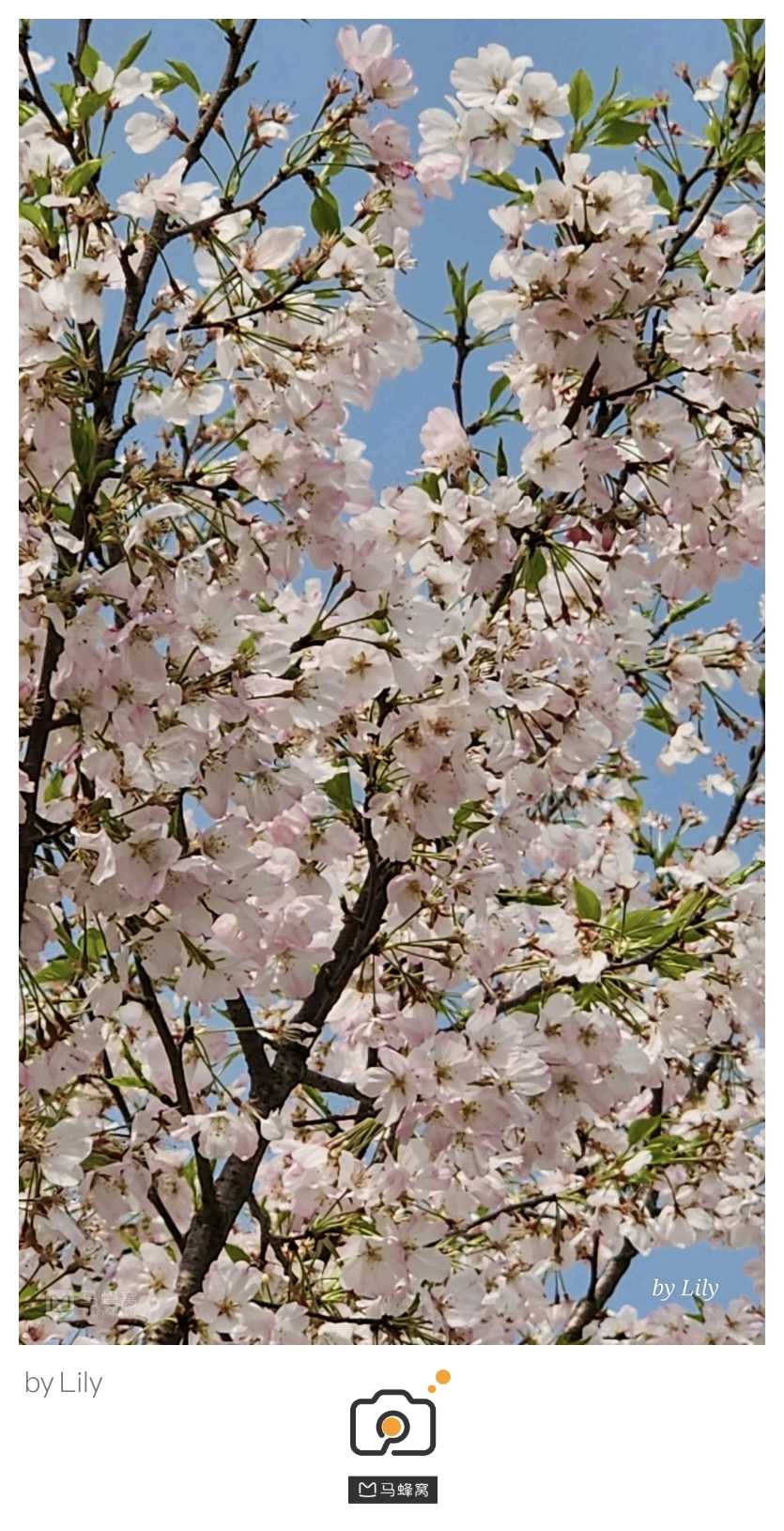
 Absolutely. Chenshan Botanical Garden is world-class, and Shanghai Botanical Garden offers a more traditional experience. Both provide peaceful escapes from urban crowds.
5. What's the best way to avoid crowds at the Shanghai Wild Animal Park?
Visit on a weekday, arrive early (before 10 AM), and use the free bus for the drive-through zone. Avoid holidays and weekends.
Conclusion: Your Shanghai, Your Way
Shanghai isn't just the Bund and Nanjing Road. It's lions sleeping in trees, hippos demanding attention, plane trees lining quiet streets, and botanical gardens hiding in plain sight. It's ancient water towns and modern museums, revolutionary history and contemporary art.
This nine-day journey proved that Shanghai rewards those who wander off the beaten path. Whether you're chasing lions, exploring ancient towns, or hiding in botanical gardens, the "Magic City" has something for everyone.
Ready to discover Shanghai beyond the guidebooks? Start planning your alternative Shanghai itinerary today. Book your flights, pack comfortable shoes, and prepare to see a different side of China's most dynamic city.
[Link: Shanghai travel planning guide]