Shanghai: A Timeless Urban Odyssey Through Past and Future – The Ultimate 4-Day Travel Guide
Meta Description: Discover Shanghai's perfect blend of history and modernity. From Bund architecture to Lujiazui skyscrapers, Yuyuan Garden to Disneyland – explore this magical city with our expert 4-day itinerary.
Introduction: Why Shanghai Deserves Your Next Adventure
If you ask me which city in China deserves endless exploration, my answer will always be Shanghai. Here, the century-old colonial architecture along the Bund whispers tales of a bygone era as the sun sets, while the skyscrapers of Lujiazui pierce the clouds above. Deep within the longtang (traditional alleyways), the aroma of scallion pancakes lingers in the air, and from the Disney Castle, fairy-tale melodies drift into the night.
Over four days, I traced the very fabric of this magical metropolis—from bustling streets to quiet corners, from history to the future—every moment like flipping through a living, three-dimensional biography of the city. This Shanghai travel guide will help you experience the same magic.
Day One: A Dialogue Across Time on Both Sides of the Huangpu River
People's Square: The City's Ground Zero
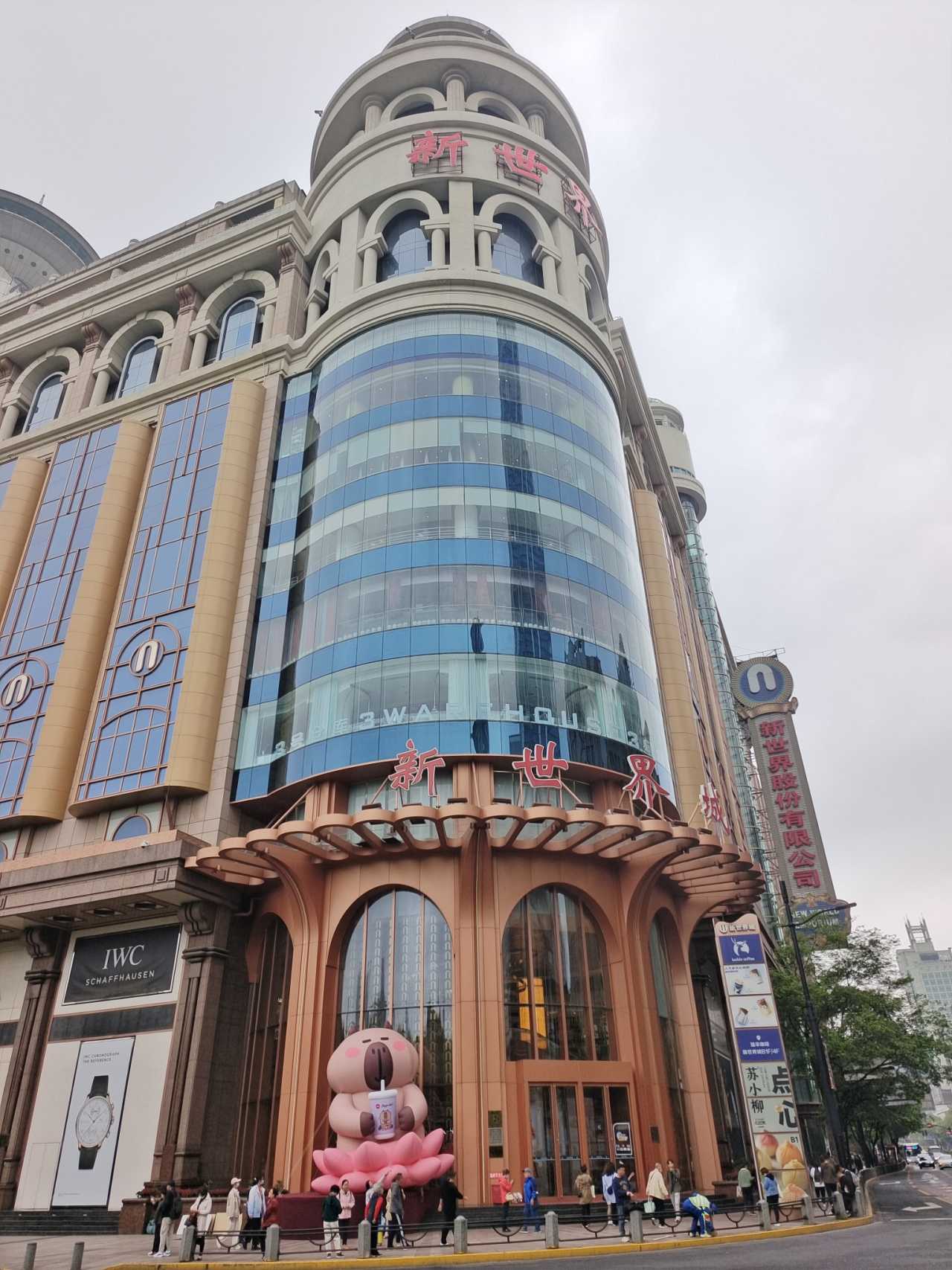
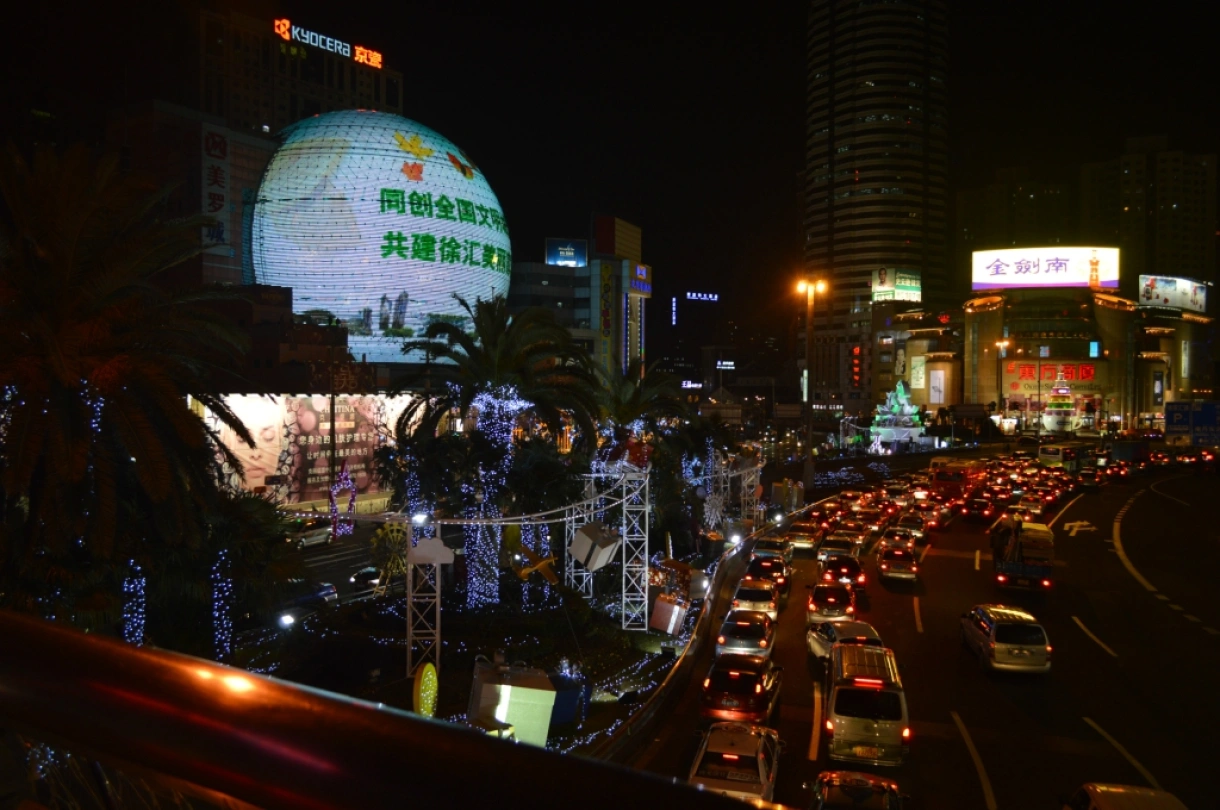
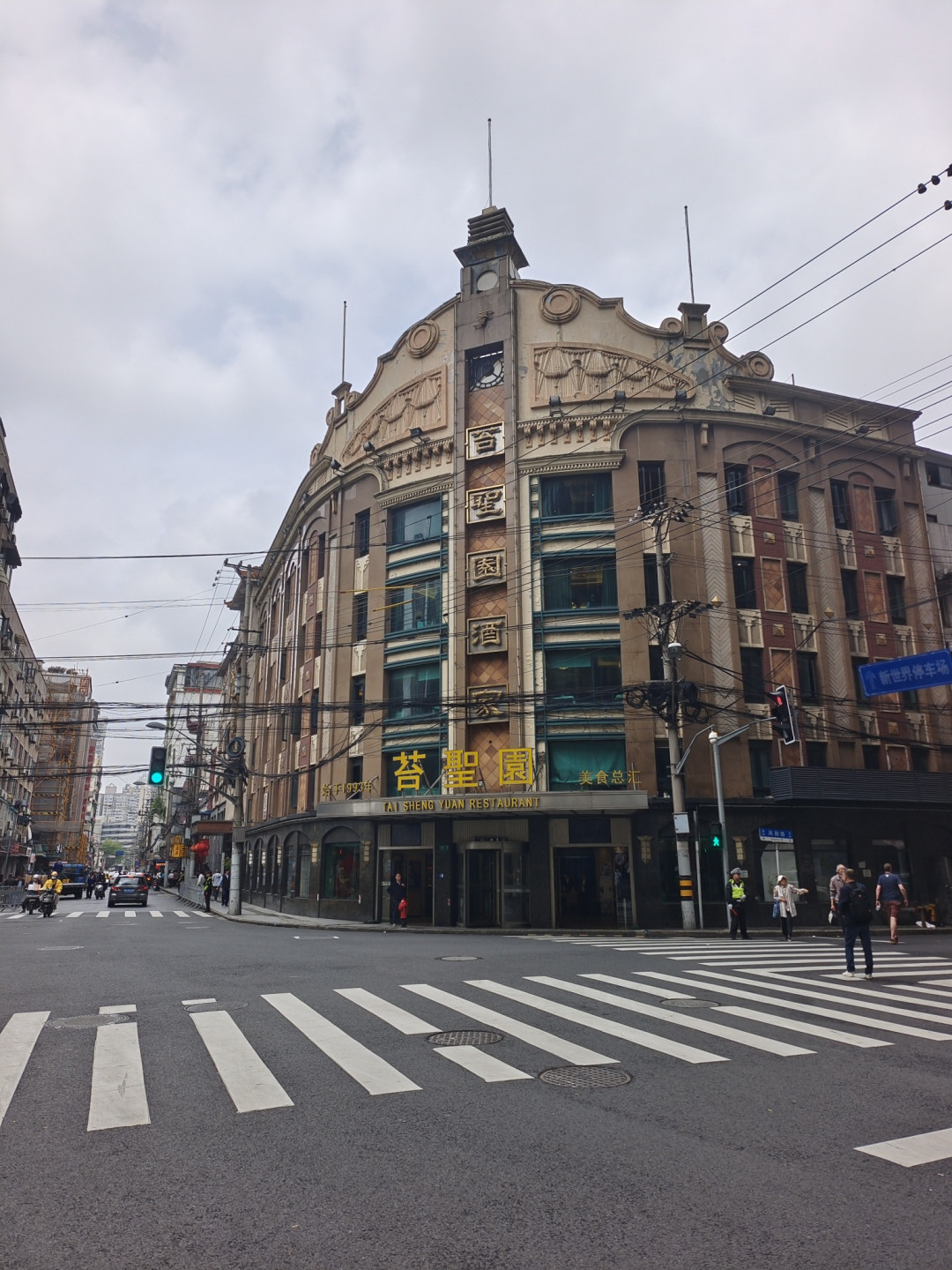
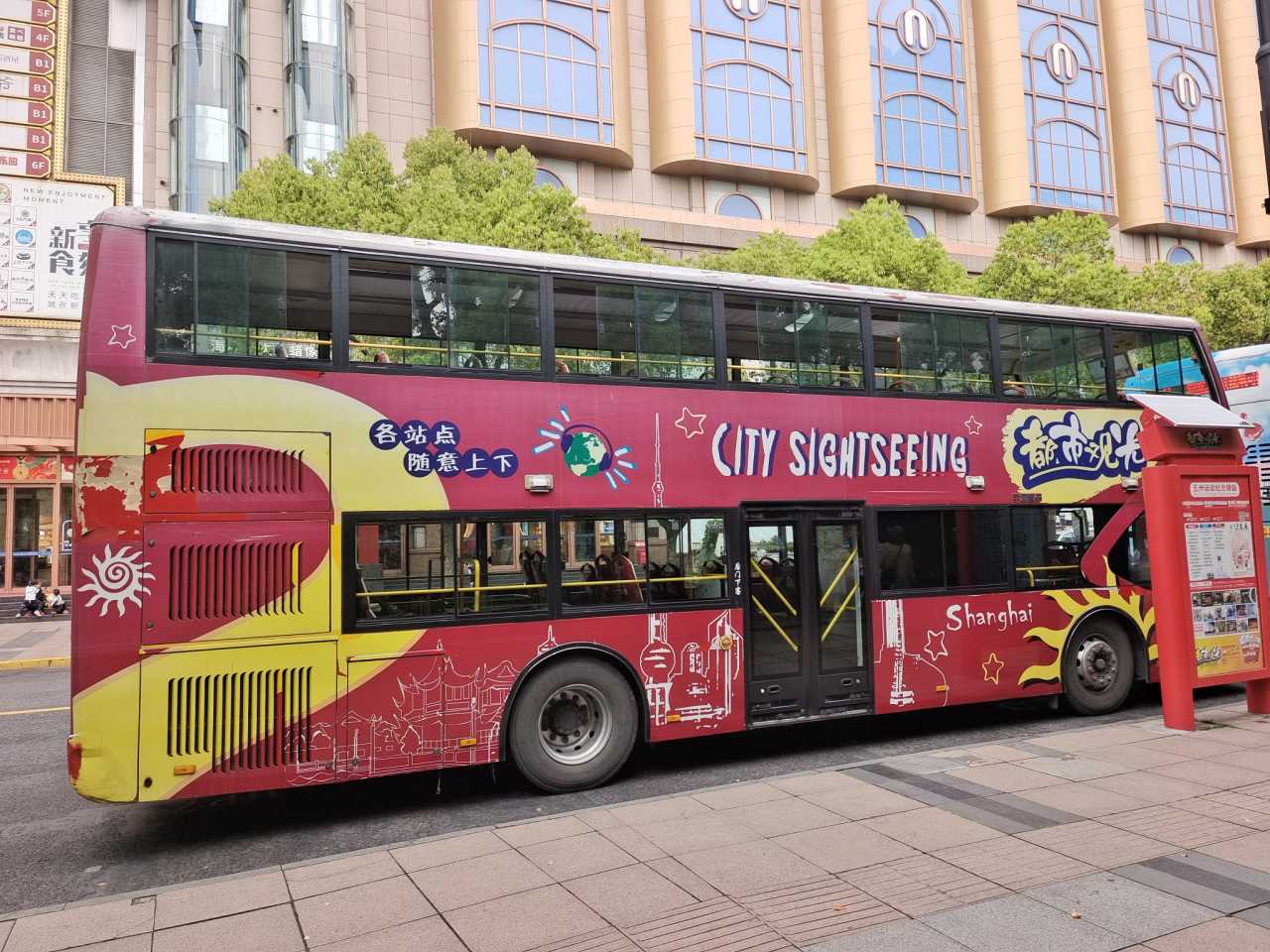
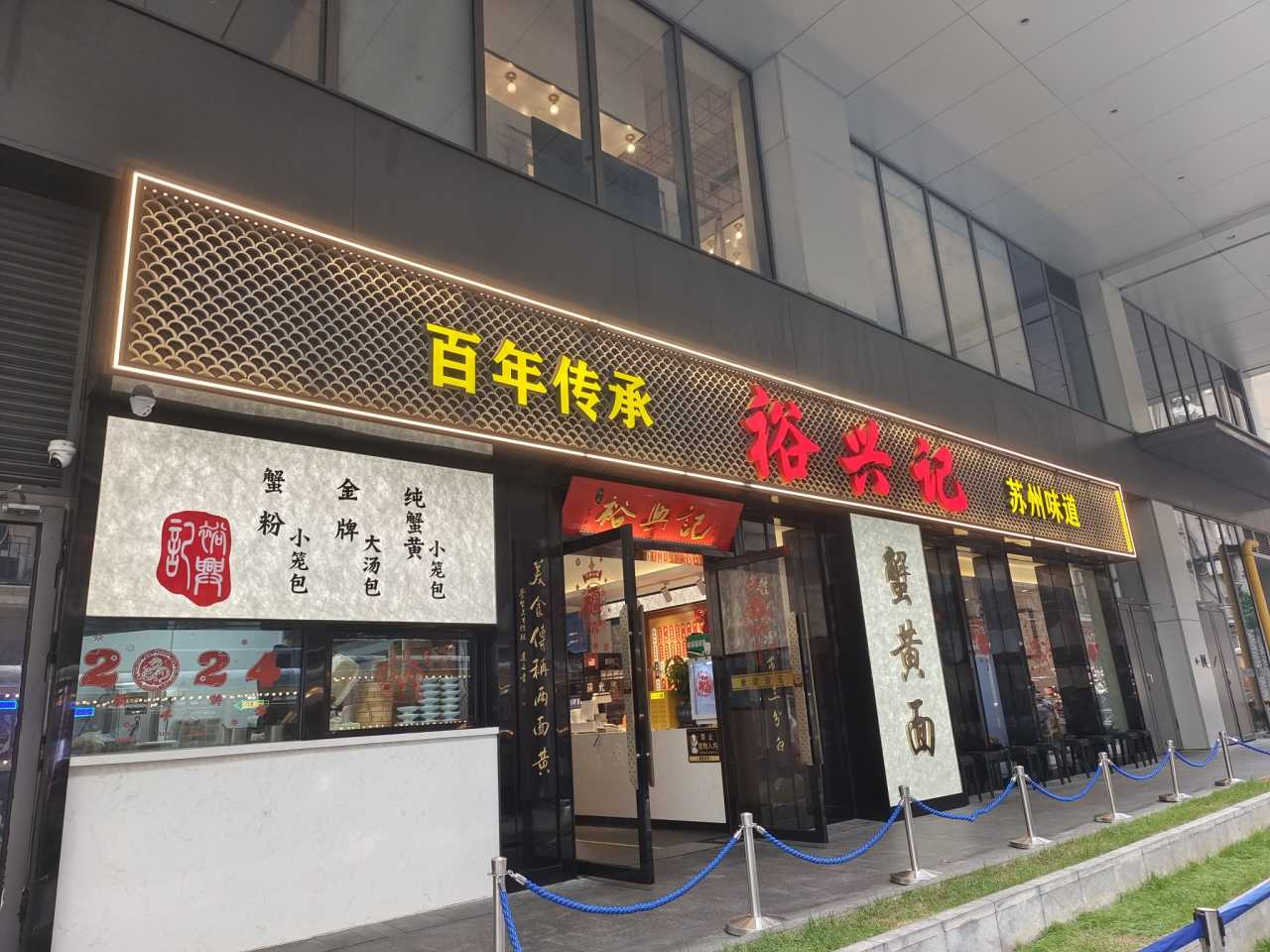
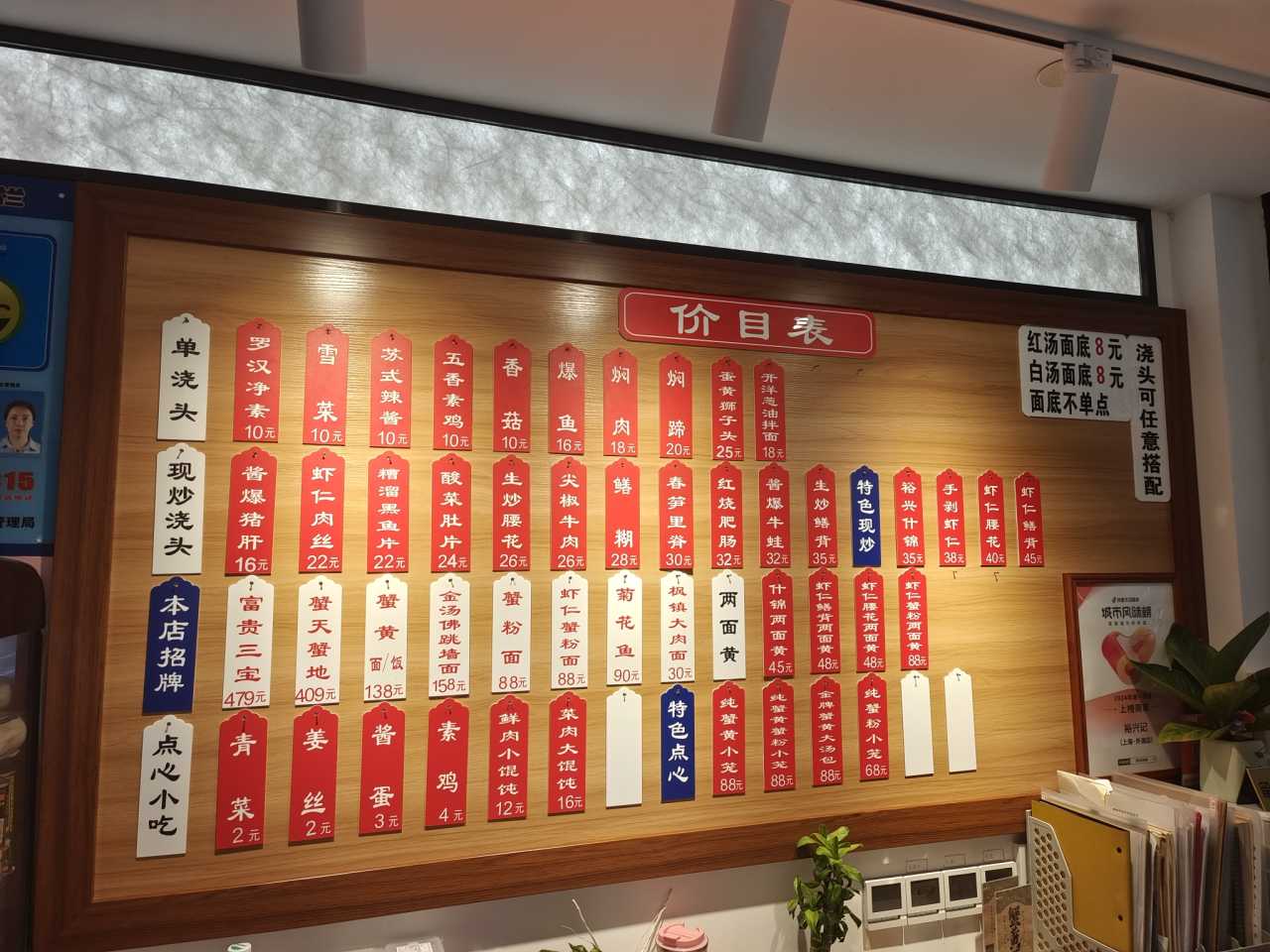
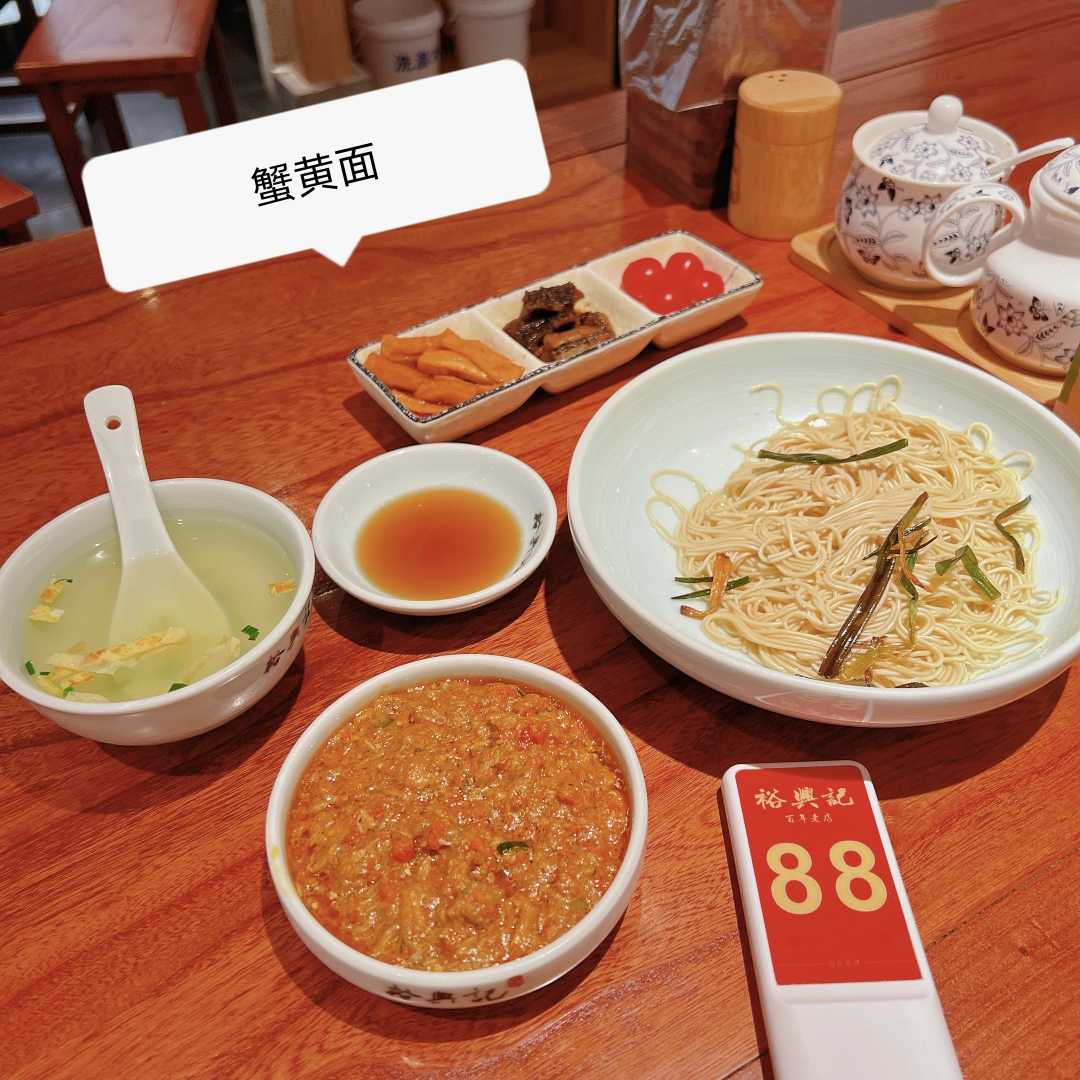
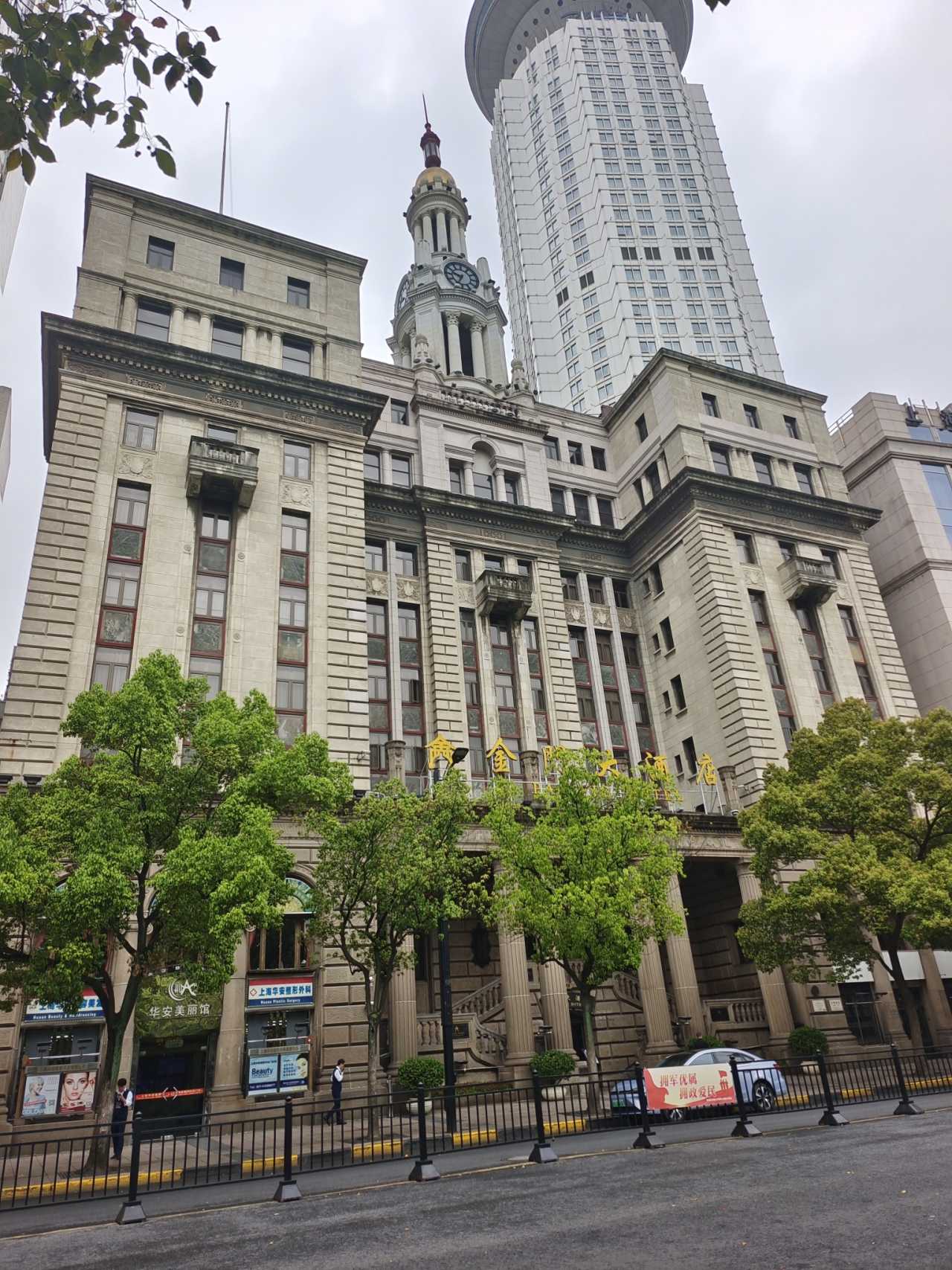
The morning Metro Line 2 carried me up from underground, and Exit 8 at People's Square Station felt like a gateway through time. Before me stood the classical silhouettes of the Golden Gate Hotel and the New World Building, silent witnesses to nearly a century of the city's turbulent transformations. A ten-minute walk along Jinhua Road led me to the fragrance of Yuxingji's xie huang mian (crab roe noodles)—golden strands of noodles coated in rich crab paste, each bite capturing the essence of autumn in Jiangnan (the region south of the Yangtze River).
[Link: Best Shanghai street food guide]
Nanjing Road: Never-Ending Glamour
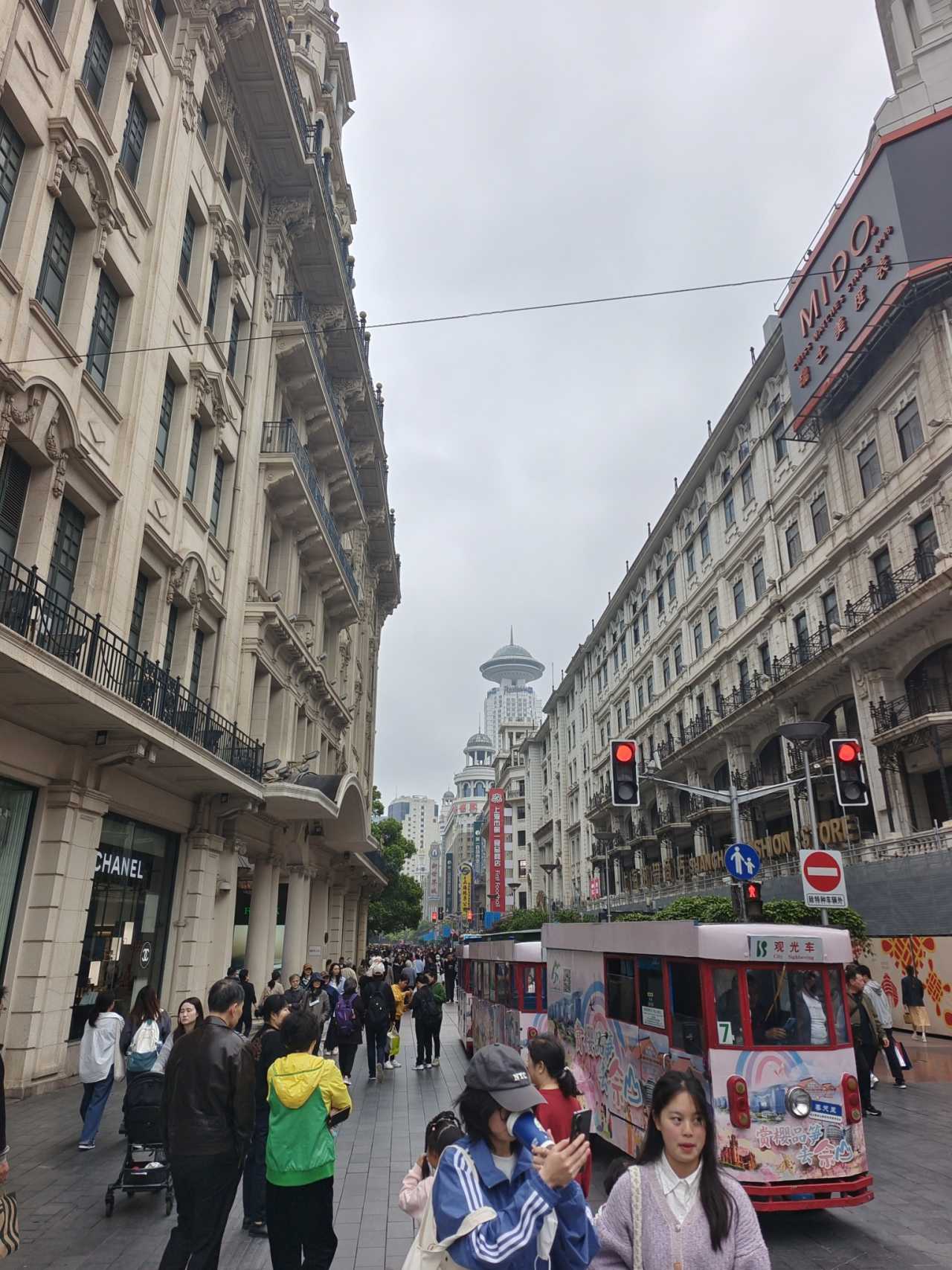
Nanjing Road Pedestrian Street is Shanghai's most vivid expression. At the Shanghai No. 1 Food Store, Shen Dacheng's qingtuan (green rice balls filled with sweet bean paste) gleamed like jade, while the flaky layers of xianrou yuebing (pork-filled mooncakes) beckoned. Outside Huadian's butterfly pastry shop, the queue snaked like a dragon; the freshly baked pastries, drenched in caramelized sugar, emitted a crackling "crunch" with every bite, making you squint in sheer delight. Old Shanghai yogurt, served in ceramic bottles, was tangy and rich—the perfect refreshment for a long shopping stroll.
The green copper pyramid atop the Peace Hotel shimmered in the sunlight. This "No. 1 Building of the Far East" has witnessed countless legends. And the queue for the Peace Hotel's butterfly pastries was just as long—clearly, Shanghai's obsession with this sweet treat has transcended time itself.
The Bund: An Open-Air Museum of International Architecture
Strolling along the Bund, I found the daytime crowds already substantial. I followed a classic route: starting at the former British Consulate, passing the old Xin'an Church, and stepping onto the Waibaidu Bridge—this steel-framed bridge has been the backdrop for countless films and TV dramas. Standing there, watching the Suzhou Creek merge into the Huangpu River, I couldn't help but think, "Yiping, don't jump!" (a nod to a famous scene from a beloved Chinese TV series).
The Monument to the People's Heroes stood tall and solemn, while the Peace Hotel's octagonal hall glowed magnificently in the afternoon light. The entire 1.5-kilometer promenade hides at least 20 perfect photo spots, each worth a pause. The bullet-riddled walls of the Sihang Warehouse commanded deep respect—a testament to the city's indomitable memory.
[Link: Shanghai Bund photography tips]
1933 Old Millfun: Industrial Chic Meets Light Magic
From Waibaidu Bridge, I headed to 1933 Old Millfun—the filming location for Tiny Times. This former slaughterhouse has become a pilgrimage site for artsy youth. The interplay of light and shadow on the concrete structures, the spiral staircases twisting upward like a DNA double helix—every snapshot looks like a movie still. Its stark emptiness and cool aesthetic create a fascinating contrast with the Bund's opulence.
The 2-Yuan Ferry: A Commoner's Romance on the Huangpu
For just 2 yuan, I boarded the ferry from Jinling East Road Pier. The five-minute crossing offered a panoramic view of both riverbanks: on one side, the classical skyline of the Bund; on the other, the modern skyscrapers of Lujiazui. As I arrived at Dongchang Road Pier, the setting sun painted the Oriental Pearl Tower in gold.
Lujiazui: Touching the City's Skyline
In Lujiazui, I captured the iconic "three-piece set"—the Shanghai Tower, the Shanghai World Financial Center, and the Jin Mao Tower—in one frame. The Oriental Pearl Tower, seen from afar, resembled a string of shimmering pearls. Back at Huxi Old Longtang, another long queue had formed—this time for a bowl of authentic benbang mian (Shanghai-style noodles).
[Link: Lujiazui observation deck comparison]
Day Two: A Literary Stroll Beneath the Plane Trees
Wukang Road: Poetry of Coffee and Sycamores
Morning on Wukang Road begins with a cup of coffee. A long line snaked outside Rav Bar, everyone waiting for the perfect brunch. The branches of French plane trees intertwined overhead, forming a green tunnel, with dappled sunlight falling on century-old villas. This road is short, yet it holds half of modern Shanghai's history—the former residences of Ba Jin (a literary giant), Huang Xing (a revolutionary leader), and the iconic Wukang Building. Every structure tells its own story.
[Link: Wukang Road walking tour]
City God Temple and Yuyuan Garden: Stepping Back into Ming and Qing China
Taking Line 10 to Yuyuan Station, I stepped into another era. The City God Temple area encompasses the old temple, Yuyuan Garden, and surrounding food-and-shopping zones—a must-visit for anyone new to Shanghai. Yuyuan Garden, a private Ming Dynasty garden, is open Tuesday to Sunday, with morning sessions from 9:00 AM to 12:30 PM and afternoon sessions from 12:30 PM to 4:30 PM. Admission is 40 yuan.
The Mid-Lake Pavilion and the Nine-Bend Bridge are classic photo backdrops. Standing on the bridge, watching koi fish glide through the pond, I could almost hear the scholarly gatherings of centuries past. Climbing to the second floor of the Mid-Lake Pavilion, I took in the entire garden through the window. Nearby, the Shanghai Chocolate & Cocoa Museum (next to Yuyuan's Gate 4) is a paradise for sweet-toothed visitors.
Yuyuan Food Guide
- Songyuelou: Vegetable buns and babao fan (eight-treasure sticky rice). Located at the intersection of Jiujiaochang Road and Bailing Road, near Yuyuan's Gate 5.
- Xiandelai: Must-try paigu niangao (spare ribs with rice cakes). The rice cakes are soft and chewy; the ribs, drizzled with chili oil, create a soulful combination. Address: 56 Yuyuan Old Street.
- Kai Siling: Chestnut cake with a delicate, non-greasy creaminess; their hadou (cream puffs) are also a signature. Located 110 meters south of the Quanji Hotel on Renmin Road.
- Dahu Chun: Shanghai's most authentic shengjian (pan-fried pork buns). The dough is fully fermented, the bottoms are crispy, and the filling is succulent. Address: 9-11 Yuchun Road, Yuyuan Mall.
- Lvbolang: Specialty dim sum, Nanxiang xiaolongbao (soup dumplings), Ningbo tangtuan (glutinous rice balls), and jiuniang yuanzi (fermented rice balls).
- Laoda Scallion Pancake: Worth queuing for—the aroma of scallions is irresistible.
[Link: Yuyuan Garden ticket booking tips]
The City God Temple Stage: A Microcosm of an Era
The Inner Garden is a Qing Dynasty structure, once the rear garden of the City God Temple. The Outer Garden is the temple itself, dedicated to Yue Fei—a statue of this national hero, built during the Qing Dynasty, symbolizes the people's reverence for loyalty and righteousness. The City God Temple was not merely a place of worship; it was a gathering spot for Shanghai's residents. In the late Qing era, when illiteracy was widespread, scholars quoted classical texts, but commoners couldn't understand. Opera became the most effective medium of communication. The dialect singing on the stage reflected social realities and conveyed policy information. The gilded wood carvings, all from the late Qing period, flaunted the wealth of merchants while silently witnessing the decline of a dynasty.
Day Three: A Magical Day at Shanghai Disneyland
Taking Line 11 to Disney Resort Station, I stepped into a world where dreams come true. Shanghai Disneyland, the largest Disney resort in China, offers unique attractions you won't find anywhere else.
Must-Ride Attractions at Shanghai Disneyland
- TRON Lightcycle Power Run: A high-speed motorcycle coaster through a neon-lit digital world
- Pirates of the Caribbean – Battle for the Sunken Treasure: A groundbreaking ride with massive projection screens and animatronics
- Soaring Over the Horizon: A breathtaking flight simulation over global landmarks
- Mickey's Storybook Express: The daytime parade featuring beloved Disney characters
Disney Dining Recommendations
- Royal Banquet Hall: Character dining with princesses and Mickey
- Barbossa's Bounty: Pirate-themed restaurant near the Pirates attraction
- Wandering Moon Teahouse: Chinese cuisine in Adventure Isle
[Link: Shanghai Disneyland one-day strategy]
Day Four: Hidden Gems and Local Experiences
Tianzifang: Artsy Alleys in the French Concession
Tianzifang is a labyrinth of narrow alleys filled with boutique shops, art galleries, and cafes. Unlike the polished Xintiandi, Tianzifang retains a raw, creative energy that attracts artists and photographers. The area is perfect for souvenir shopping, with handmade crafts, quirky jewelry, and local artwork.
Zhujiajiao Water Town: Venice of Shanghai
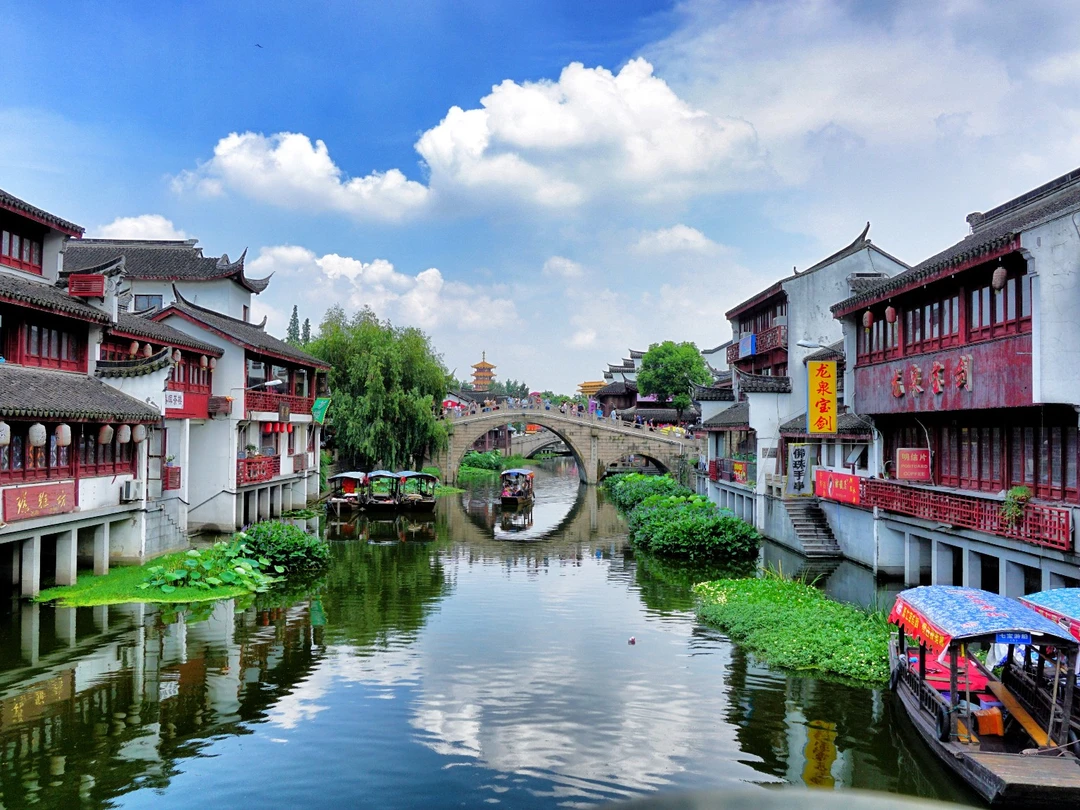
Just an hour from downtown, Zhujiajiao offers a glimpse of ancient Chinese water town life. Take a gondola ride through canals lined with Ming and Qing dynasty buildings, visit the Kezhi Garden, and sample local snacks like zongzi (sticky rice dumplings) and shuijing (crystal) shrimp.
[Link: Shanghai day trips to water towns]
FAQ: Planning Your Shanghai Trip
Q1: What is the best time to visit Shanghai?

A: Spring (March-May) and autumn (September-November) offer the most pleasant weather with mild temperatures and lower humidity. Avoid Chinese National Day (October 1-7) and Spring Festival when crowds are massive.
Q2: How many days do I need to see Shanghai?
A: 4-5 days is ideal. This allows time for the Bund and Lujiazui (Day 1), French Concession and Yuyuan Garden (Day 2), Shanghai Disneyland (Day 3), and a water town or hidden gems (Day 4).
Q3: Is Shanghai expensive for tourists?
A: Shanghai offers options for every budget. Street food meals cost 15-30 yuan ($2-4), while mid-range restaurants charge 80-150 yuan ($11-21). Metro rides are 3-10 yuan ($0.40-1.40). Budget hotels start at 300 yuan ($42) per night.
Q4: What's the best way to get around Shanghai?
A: The Shanghai Metro is efficient and covers all major attractions. Buy a Shanghai Public Transportation Card for convenience. Taxis and ride-hailing apps like Didi are affordable for shorter trips.
Q5: Do I need to speak Chinese to visit Shanghai?
A: While English is spoken at tourist sites and hotels, learning a few basic phrases like "xièxiè" (thank you) and "duōshao qián" (how much) will enhance your experience. Download a translation app for menus and signs.
Conclusion: Your Shanghai Journey Awaits
Shanghai is more than a city—it's a living museum of China's transformation, where every street corner tells a story of resilience and reinvention. Whether you're savoring crab roe noodles on Nanjing Road, watching the sunset over the Bund, or riding TRON at Disneyland, this metropolis will leave an indelible mark on your soul.
Ready to experience Shanghai? Start planning your trip today. Book your flights, reserve your hotel near People's Square or the French Concession, and download our [Shanghai travel checklist] to ensure you don't miss a single highlight. The city of past and future is waiting—are you ready to write your own chapter?
[Link: Book Shanghai hotels with best views] [Link: Shanghai airport transfer guide]
Planning a trip to Shanghai? Share this guide with fellow travelers and let us know in the comments which attraction you're most excited to visit!
You may also like