Shanghai: A Never-Ending Theater of Splendor – Your Ultimate Travel Guide to the Magic City
Meta Description: Discover Shanghai's timeless allure in this SEO-optimized travel guide. From Bund skyline views to Yuyuan Garden tranquility, explore the Magic City's splendor with insider tips, food recommendations, and cultural insights.
Introduction: Why Shanghai Remains the World's Most Captivating Metropolis
I have always believed that every journey is a conversation with a city. Some cities feel like old friends—reunions filled with endless stories; others are like first encounters, each visit bringing new surprises. Shanghai, the city often called the "Magic City," has been both familiar and unfamiliar in my life—so familiar that I could sketch the Bund's skyline with my eyes closed, yet so unfamiliar that every visit reveals something new.
After many years, a work trip brought me back to Shanghai. To be honest, I didn't have high expectations at first—after all, the iconic landmarks were etched into my memory. But the thought of returning to my alma mater and seeing long-lost faces stirred an indescribable excitement within me. So I decided to turn this business trip into a small urban exploration.
This comprehensive Shanghai travel guide will take you through three unforgettable days in the city, blending nostalgia, modernity, and cultural depth. Whether you're a first-time visitor or a returning traveler, Shanghai never fails to surprise.
Day One: Back to Campus, Time Rewound – Exploring Songjiang District
Arrival and Settling In: Navigating Shanghai Hongqiao Airport
At 8:30 a.m., we boarded flight MU2408 from Taiyuan Wusu Airport, landing at Shanghai Hongqiao Airport by 10:40. The beef pie breakfast on the plane wasn't remarkable, but it filled our stomachs—though, of course, we couldn't resist grabbing a KFC breakfast at the airport afterward. It's perhaps a ritual for us northerners when traveling far from home.
Stepping out of the terminal, I braced for a wave of heat, but Shanghai's weather was gentler than expected. A combination of subway and taxi brought us smoothly to our first night's accommodation—Binjiang Xinjing Hotel. The location was undeniably perfect, but the facilities showed their age. Still, the room was clean and tidy, more than enough for a single night.
Pro tip: For travelers arriving at Hongqiao, consider staying in the Songjiang or Hongqiao area to minimize transit time to southern attractions. [Link: Best hotels near Hongqiao Airport]
East China University of Political Science and Law: Memories of Youth in Songjiang
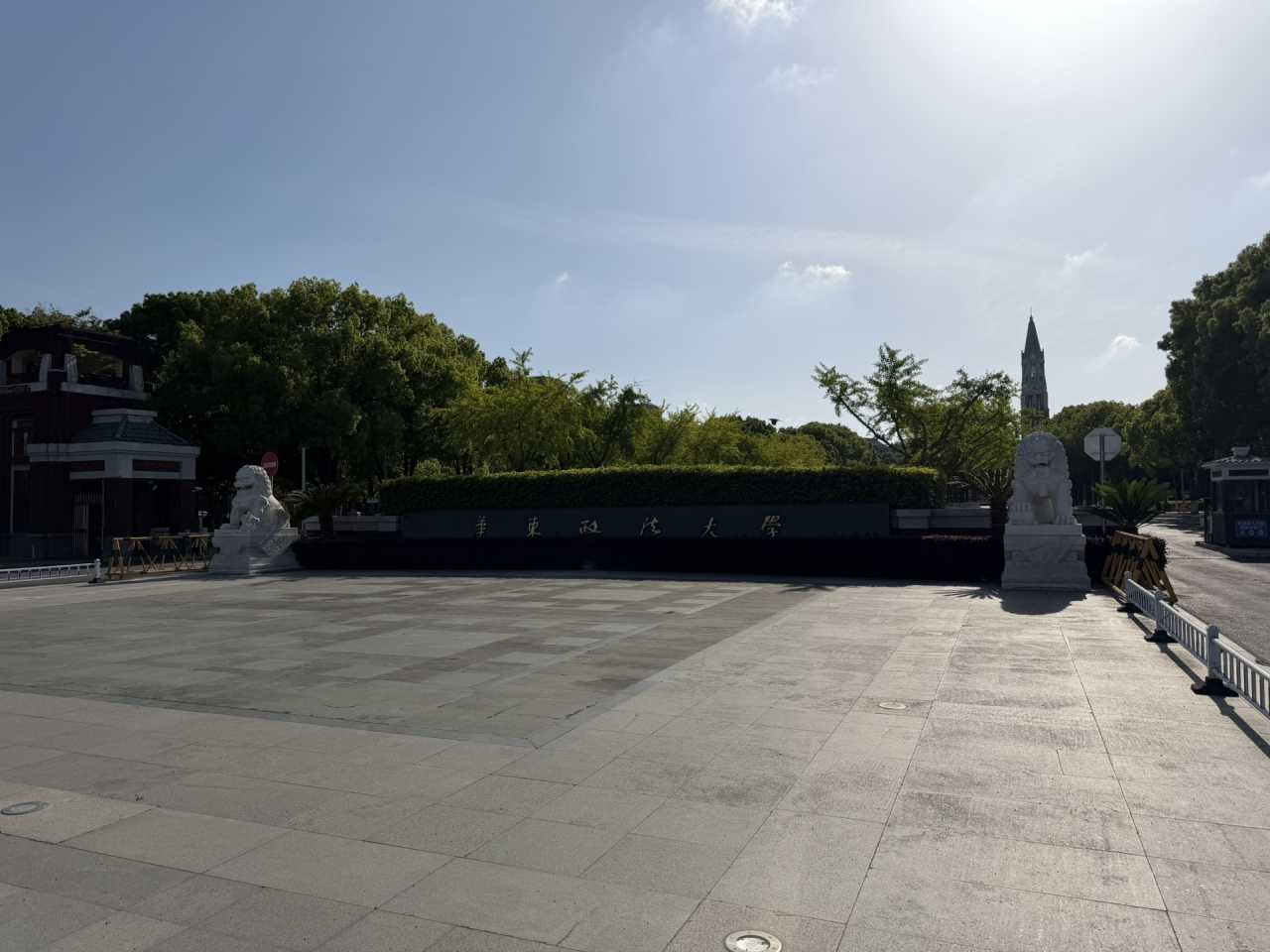
After a short rest at the hotel, we took a taxi to our first destination—my alma mater, East China University of Political Science and Law (ECUPL). Honestly, it wasn't until the taxi had driven for a full hour and a half to reach the Songjiang campus that I truly grasped just how vast Shanghai is. The scale of this city is far beyond what a few centimeters on a map can convey.
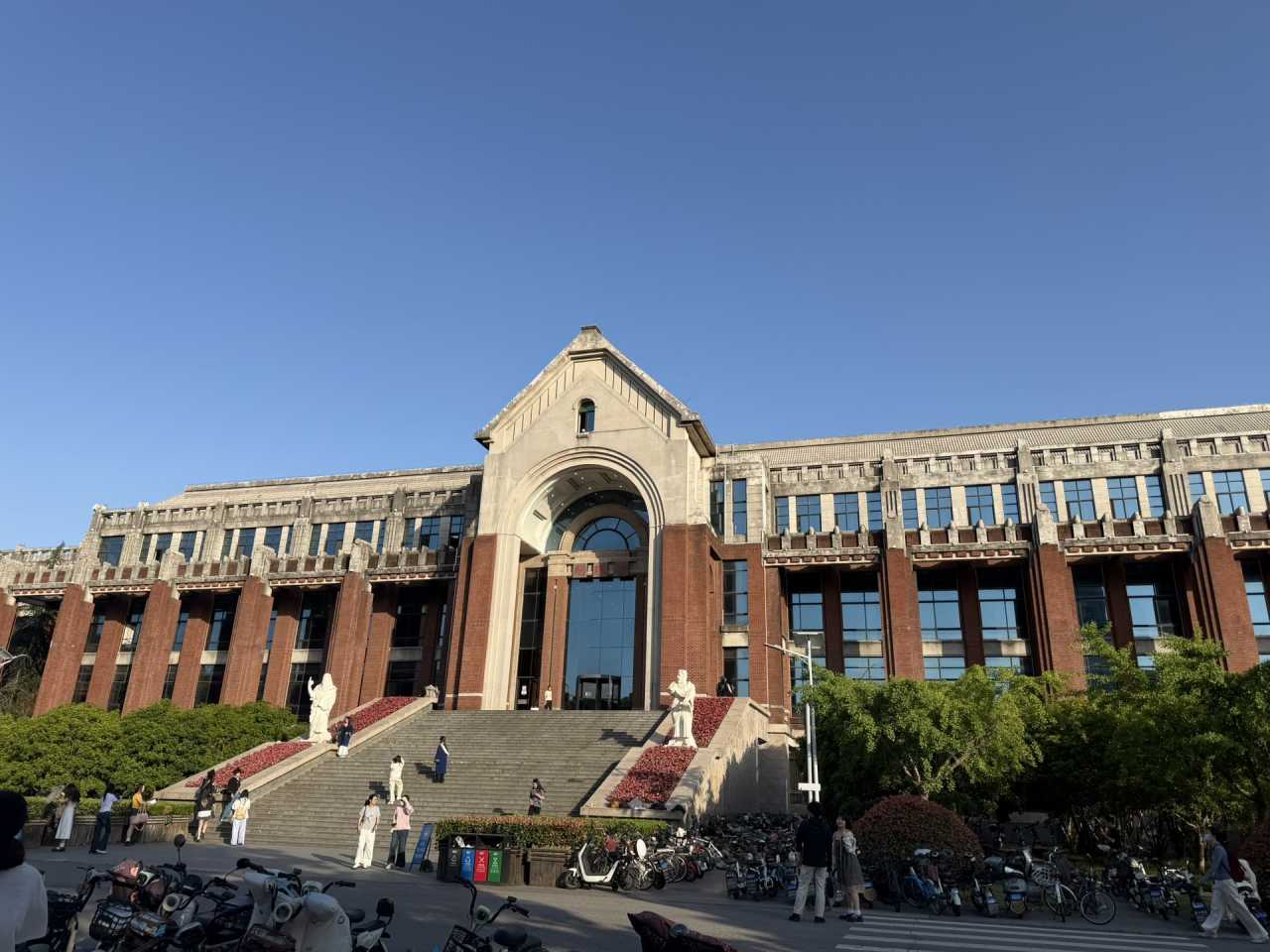
The moment I stepped onto campus, memories flooded back. Five years of university life—the tree-lined paths I once walked, the classrooms I sat in, the small gardens where we chatted—felt like yesterday. The school had built several new teaching buildings, and my old department had moved to a new one, but that familiar atmosphere still lingered in the air. Watching the youthful faces pass by, I couldn't help but sigh: Time, what have you taken away, and what have you left behind?
The most moving part was seeing my former teachers and classmates. Five years had passed, and everyone's faces had subtly changed, but the warmth remained unchanged. That evening, our group went to the "Zui Huihuang" restaurant in the Guangfulin Relics Park across from the school, where we enjoyed an authentic Shanghai meal. The sweet-and-sour spare ribs, the tender stir-fried seasonal vegetables, the silky crab meat with tofu—each dish perfectly awakened my taste memories. Over dinner, we chatted about old anecdotes with our teachers, laughter filling the air, as if time had never moved on.
After dinner, we took a taxi back to the hotel, bringing the first day to a close in a warm and emotional atmosphere.
Key takeaway: Songjiang District is home to several university campuses and historical sites like Guangfulin Relics Park. It's worth a full day if you're interested in Shanghai's academic and ancient history. [Link: Top attractions in Songjiang District]
Day Two: The Bund and Nanjing Road – A Microcosm of Shanghai Splendor

Nanjing Road: From Deserted to Bustling – Shanghai's Shopping Heart
Day two was spent in training until evening. Finally free, we took the subway from our hotel to People's Square Station and walked to Nanjing Road.
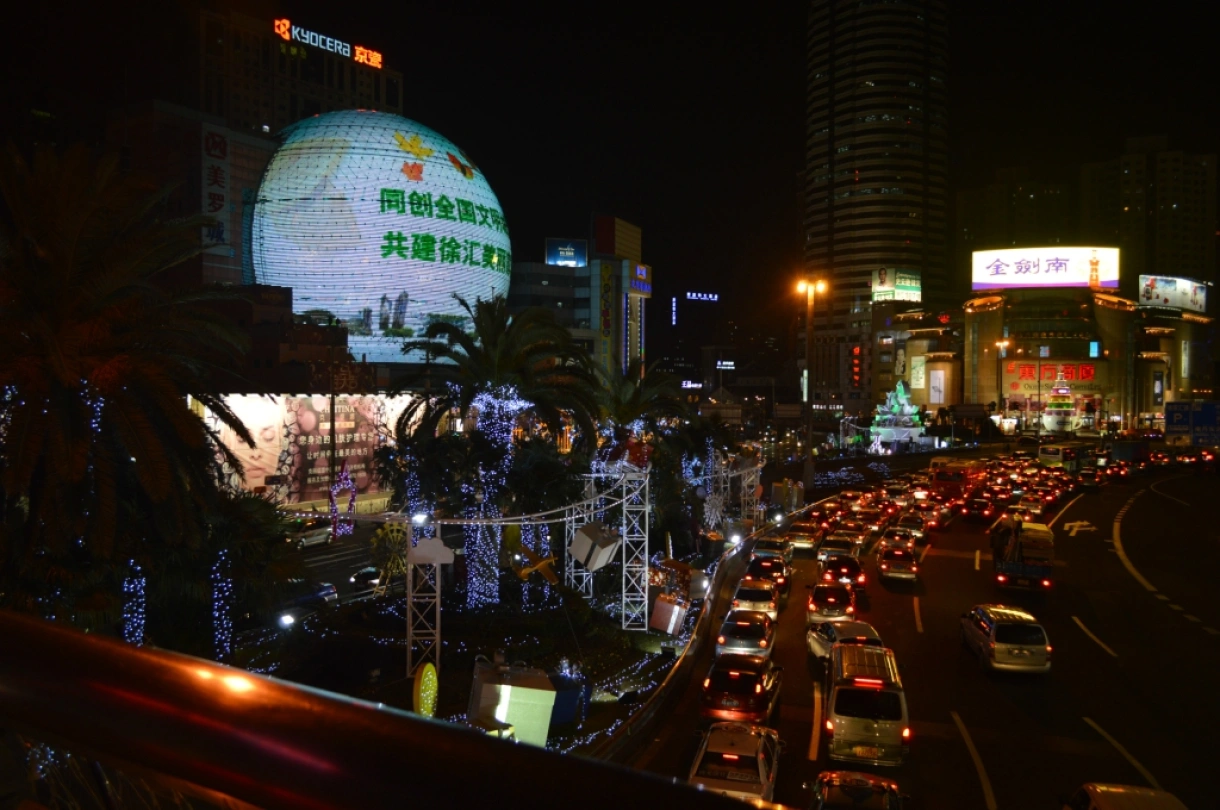
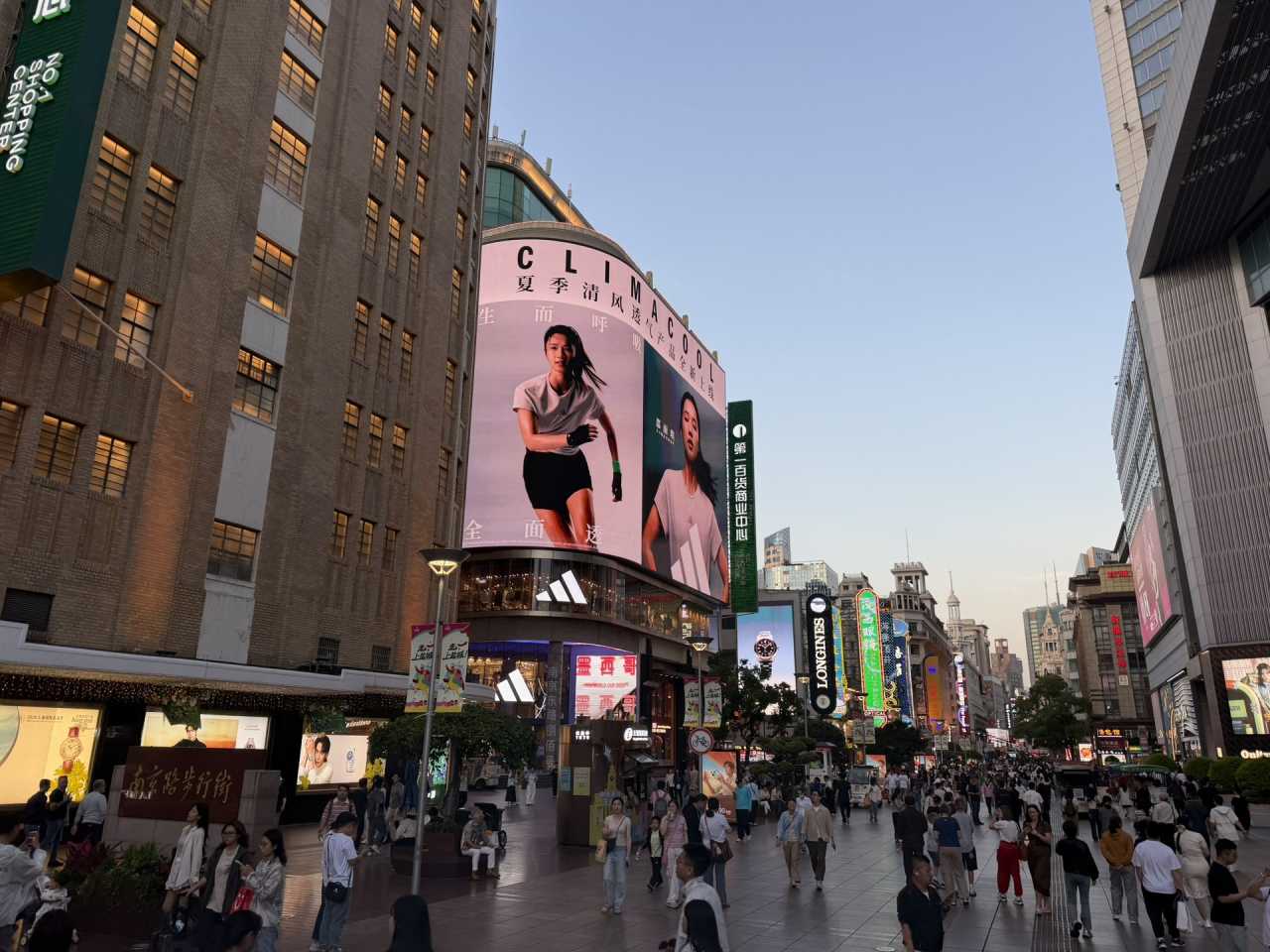
I remembered visiting Nanjing Road during the pandemic year—the entire street was eerily deserted, like a forgotten stage. This time, it had fully returned to its former glory: crowds surging, neon lights flashing, the sounds of vendors, laughter, and music intertwining into a symphony uniquely Shanghai's own.
First, we bought a meat-filled mooncake (肉月饼), almost a must-eat every time I visit Shanghai. For a northerner, this hot, flaky pastry with a savory filling isn't mind-blowing, but it's distinctive enough—one bite, and the blend of meat and pastry aroma makes you want another.
Strolling along, we sampled various snacks: - Misi Juan – Crispy square egg rolls - Yeren Xiansheng – Rich, creamy ice cream - Shen Dacheng – Soft and sweet bean paste rice balls - Qiaotou Cake – Lightly fragrant rice cakes - Jasmine King needle tea – Jasmine milk with lingering tea aroma
Of course, there were misses too—an overpriced and bland stir-fried rice noodles dish was the only disappointment of our food journey.
Foodie tip: Nanjing Road is a paradise for street food lovers. Start early and pace yourself—there's too much to try in one visit. [Link: Best street food on Nanjing Road]
The Bund: Internationalism Without Words – Shanghai's Iconic Skyline
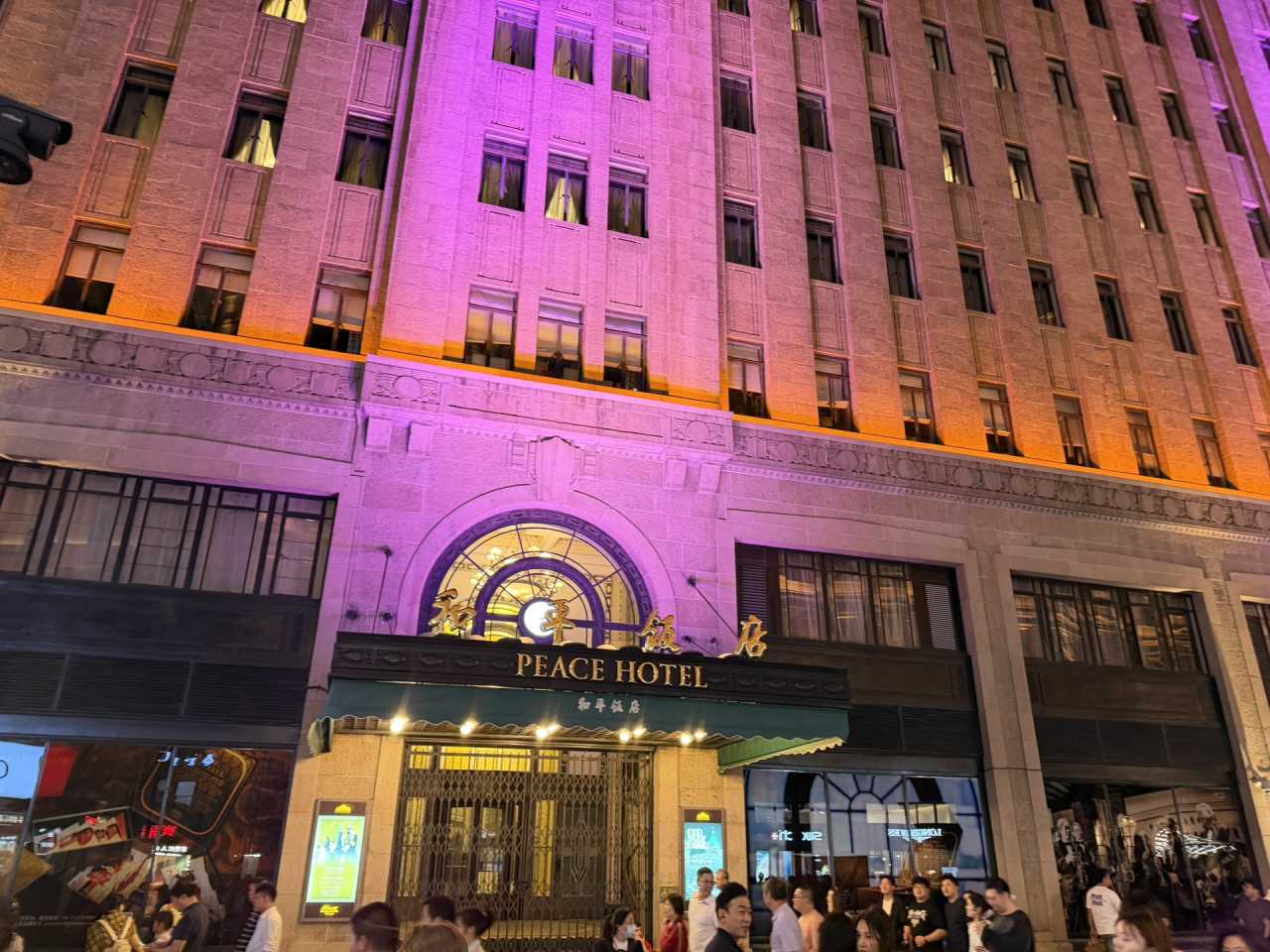
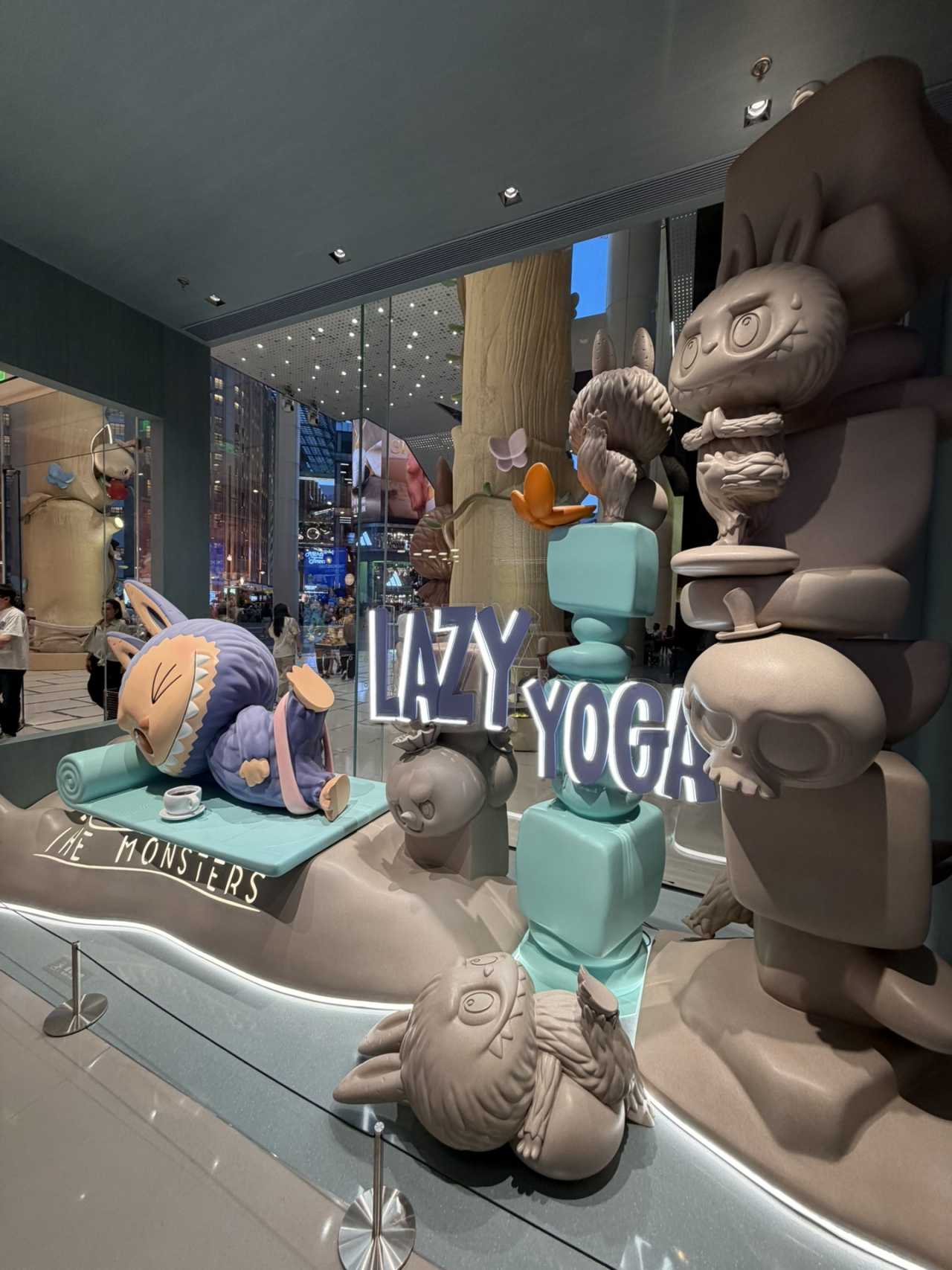
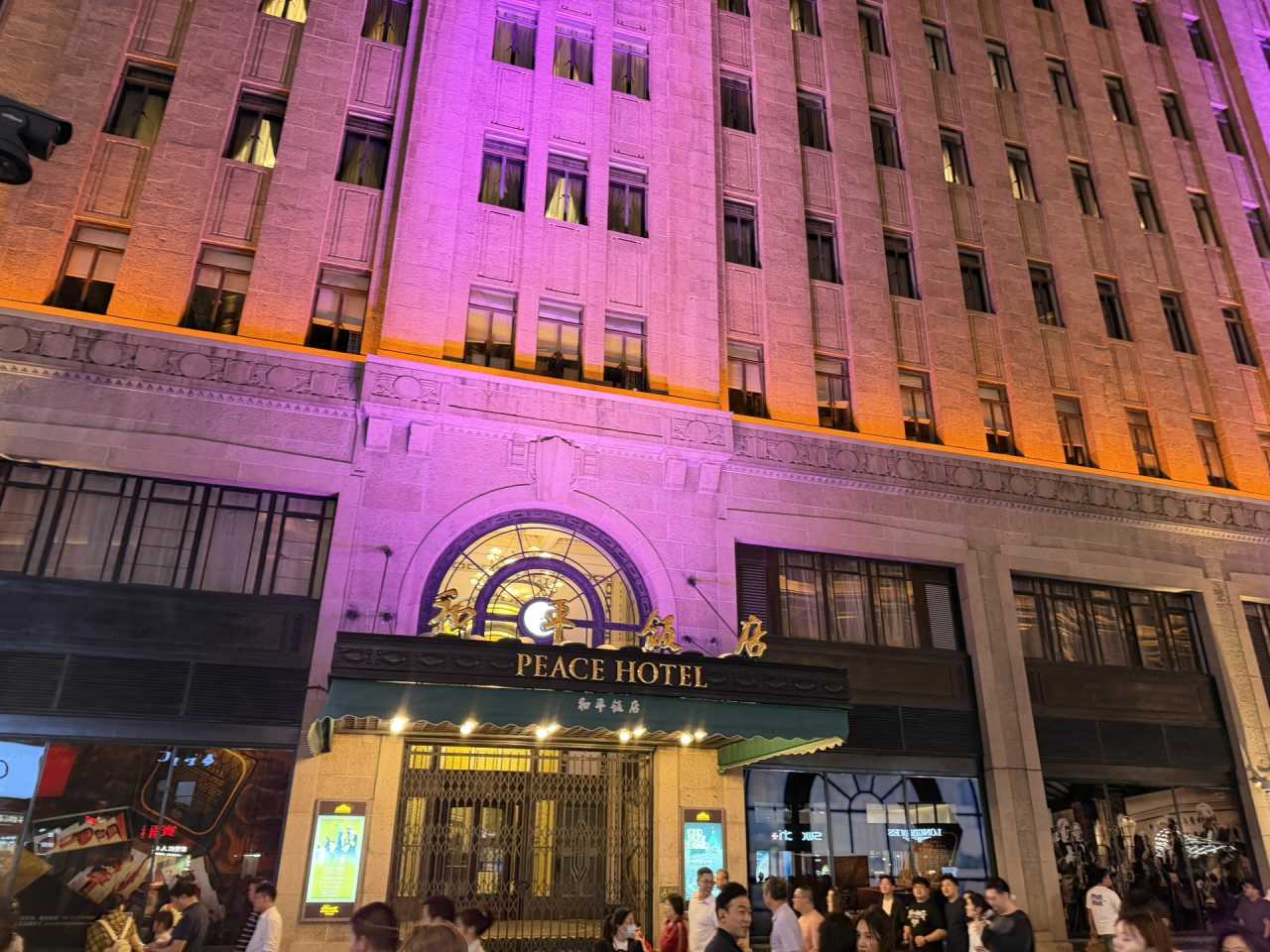
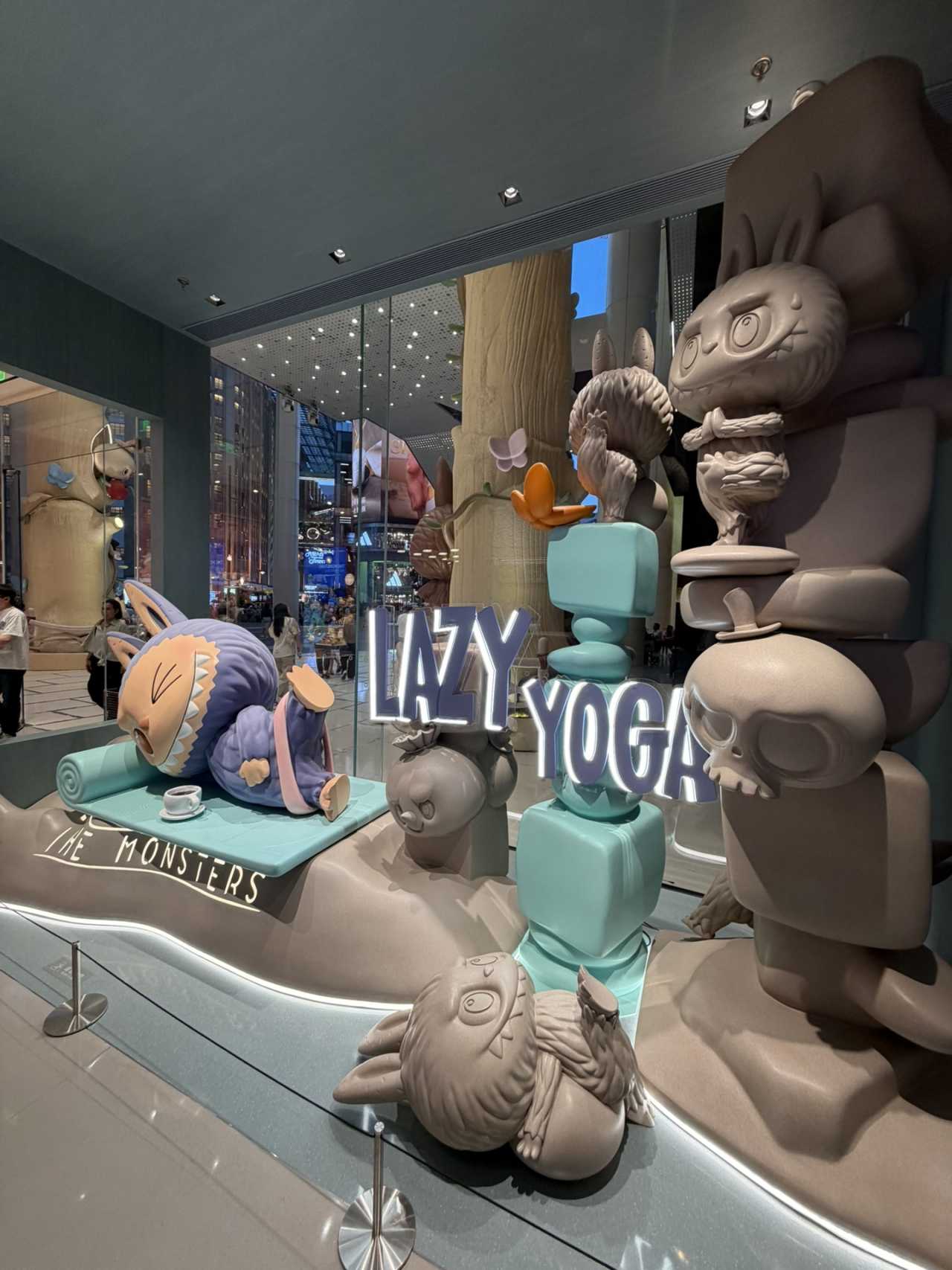
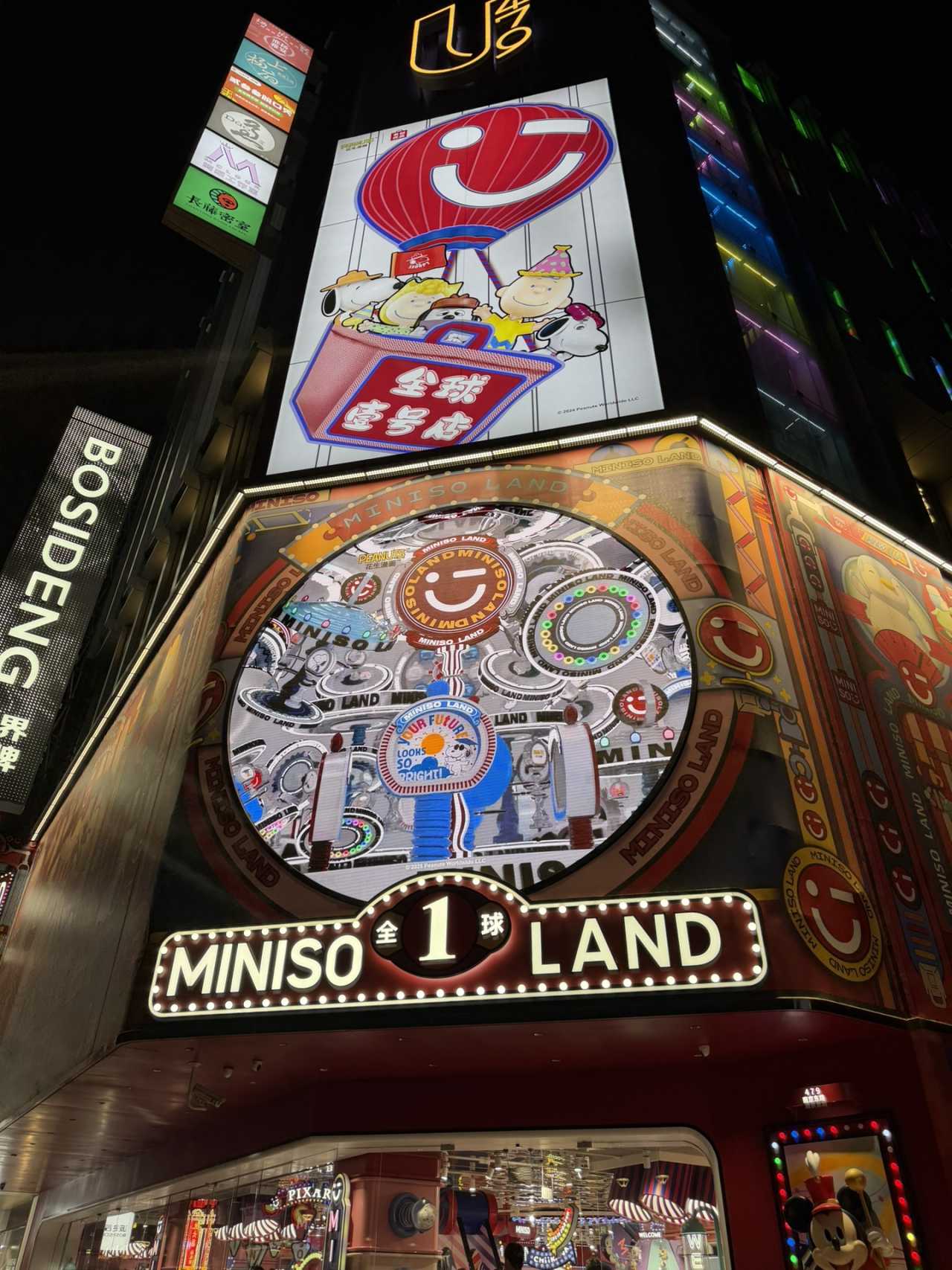
The big brand stores on Nanjing Road—Lego, Huawei, Miniso, Pop Mart—were still the most crowded spots. The Peace Hotel stood quietly at the street corner, a silent witness to the city's century of change.
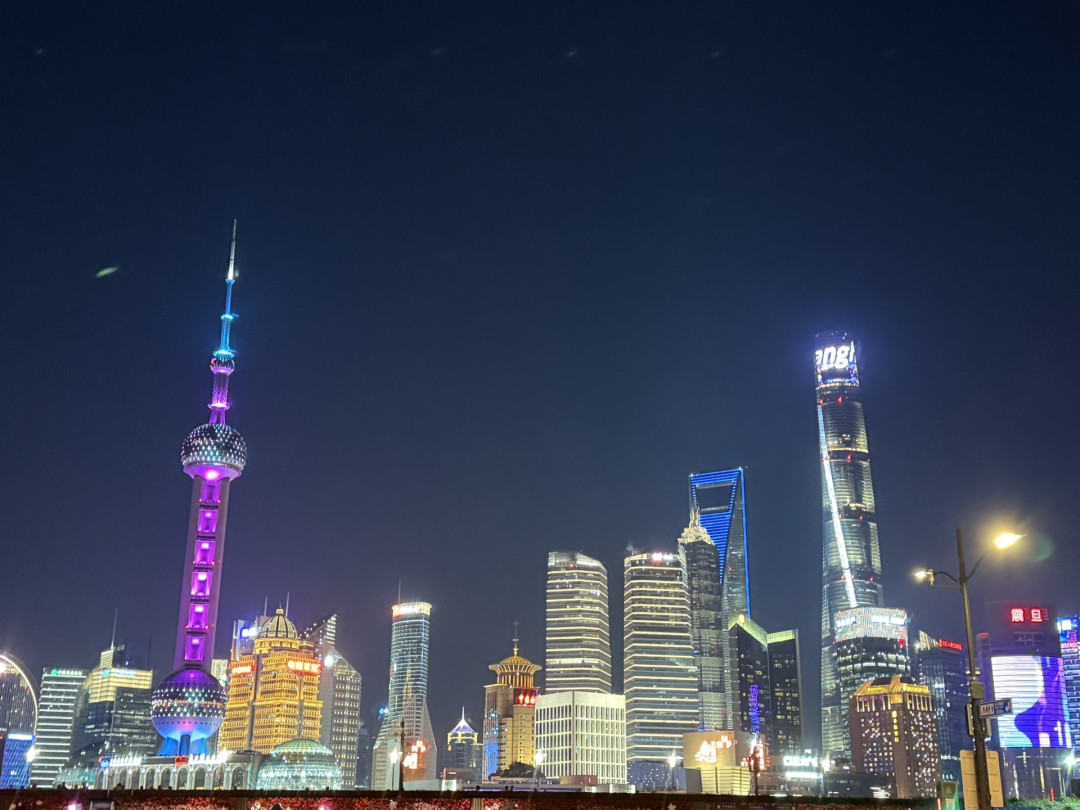
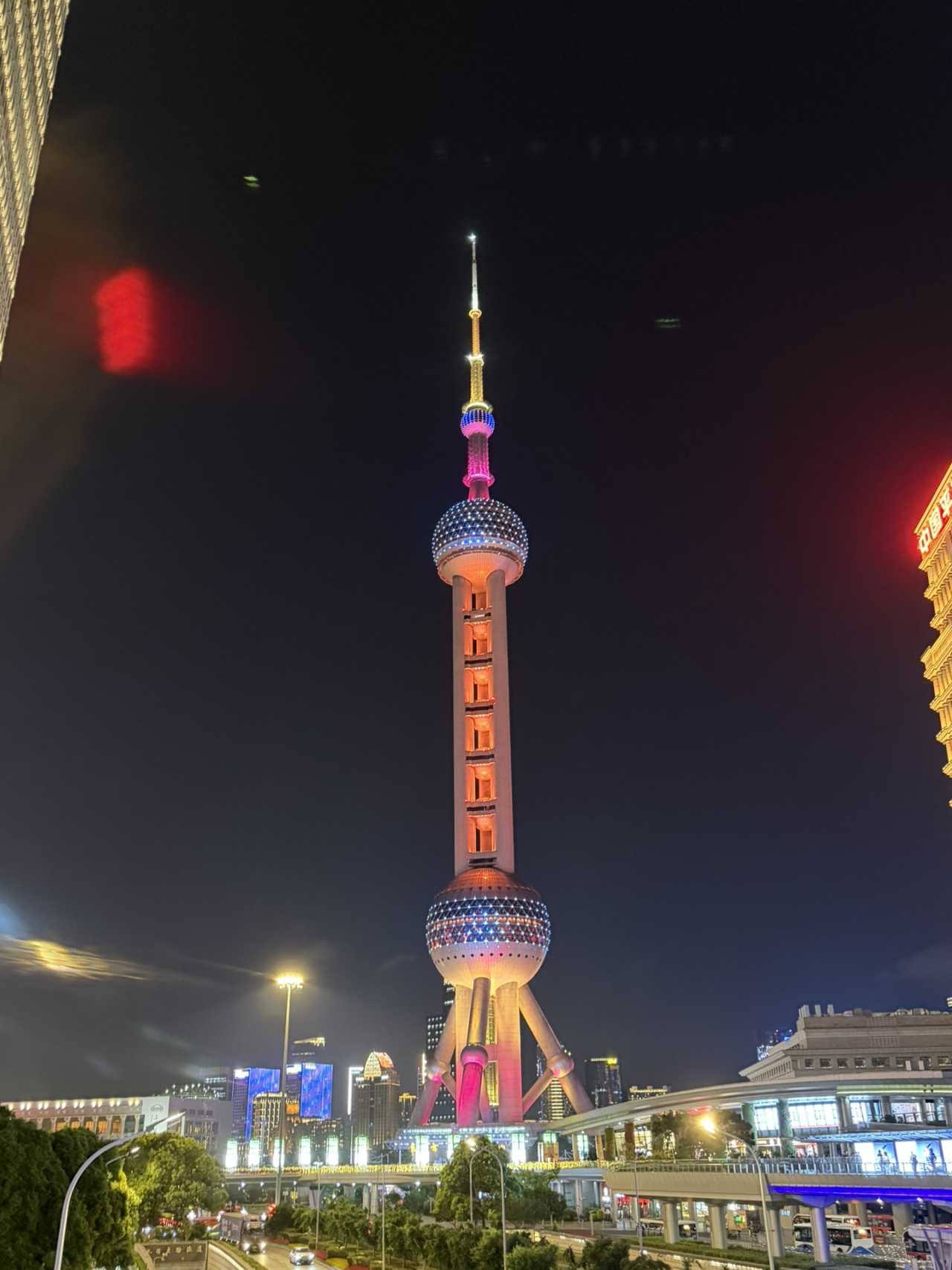
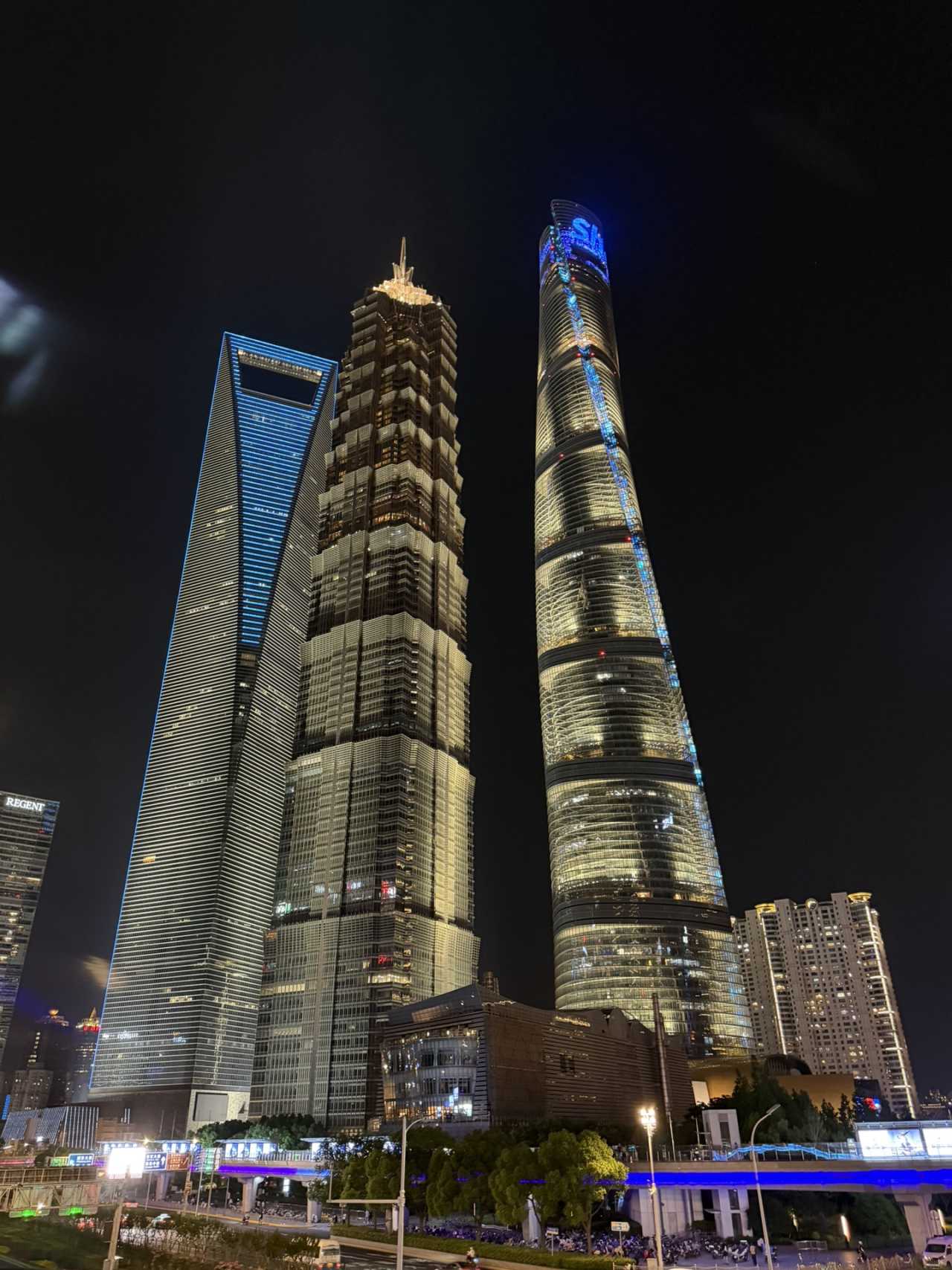
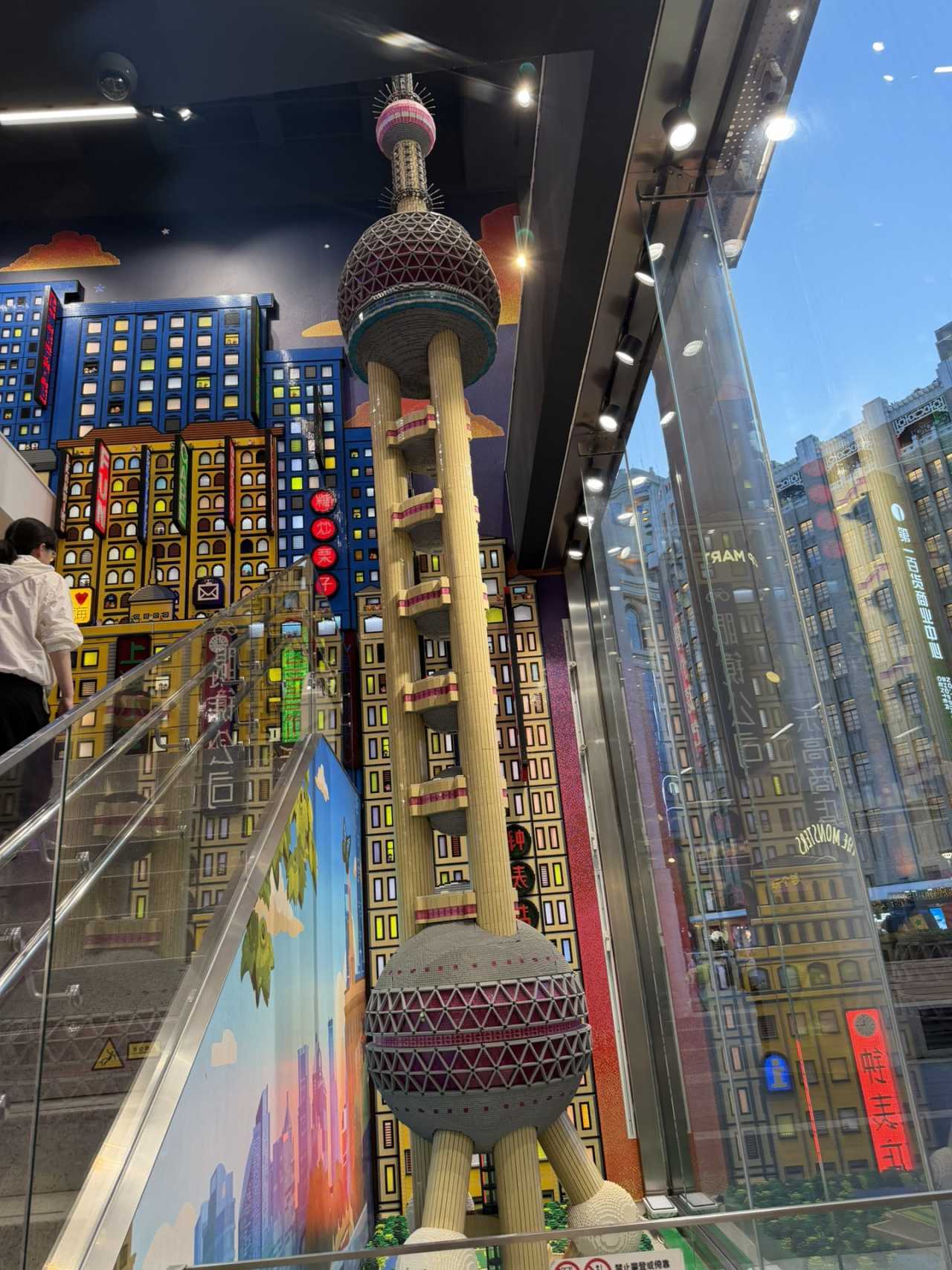
At the end of the street lay the Bund. Standing by the Huangpu River, gazing at the skyscrapers of Lujiazui on the opposite bank, the unique sense of Shanghai's splendor washed over me instantly. The "Lujiazui Three-Piece Set" —Shanghai Tower, Shanghai World Financial Center, and Jin Mao Tower—complemented the Oriental Pearl Tower, forming a breathtaking urban skyline.
Foreigners were everywhere along the Bund. This international atmosphere needs no advertising. Walking through the crowd, I had a moment of disorientation: here, who exactly is the "foreigner"? This city has long transcended geographical boundaries, becoming a truly global metropolis.
The wind was strong that night, but it didn't dampen anyone's spirits. We took the subway to Lujiazui Exit 6, a perfect photo spot—the Oriental Pearl and the Lujiazui towers were right there, and any snapshot looked like a postcard.
Photography tip: For the best Bund photos, visit at sunset or after dark when the skyline is illuminated. Lujiazui Exit 6 offers a framed view of the towers. [Link: Best photo spots on the Bund]
After taking photos, we returned to the hotel, satisfied, ending the second day.
Day Three: Through Time and Tradition – Exploring Shanghai's Cultural Depths
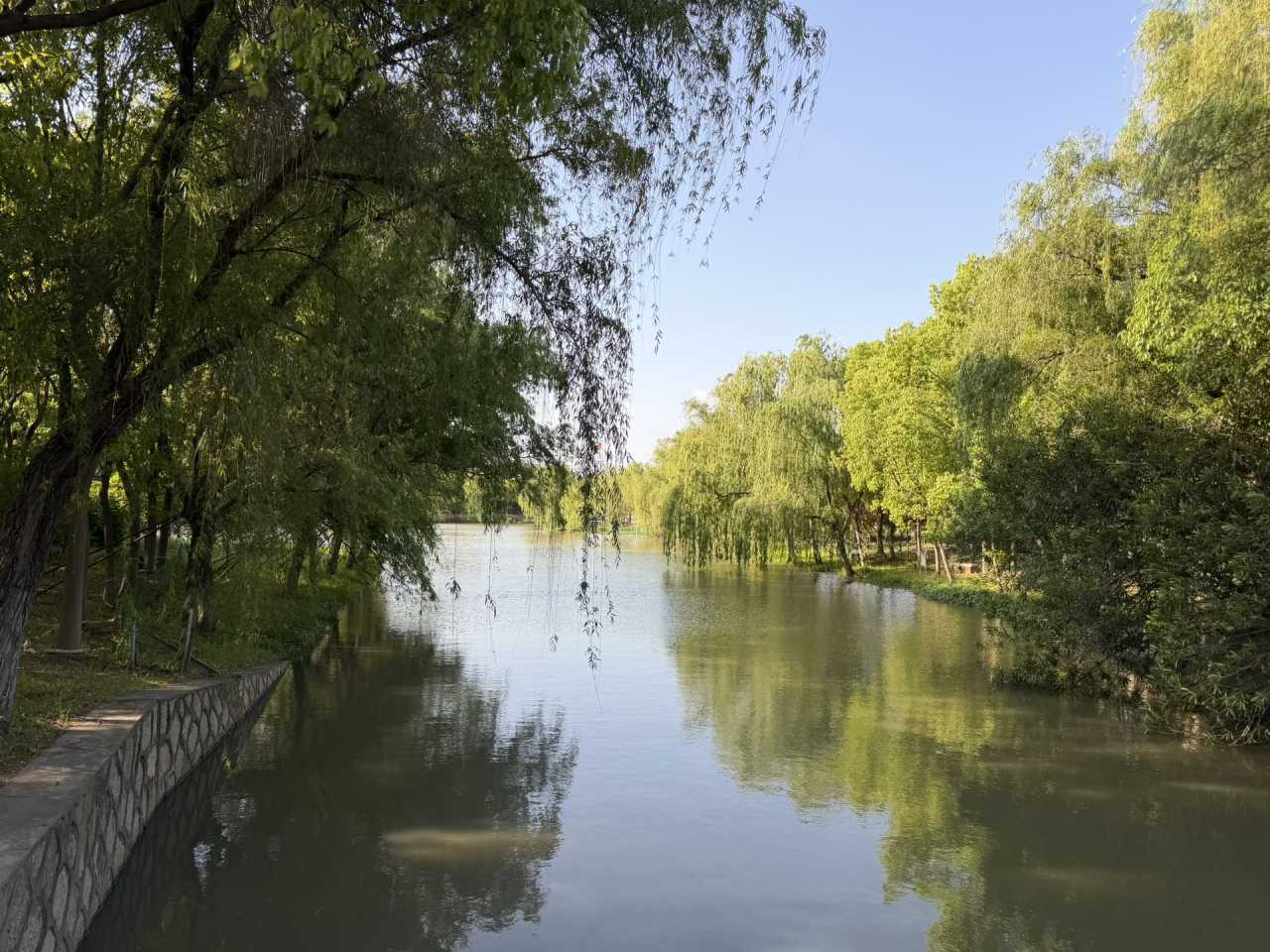
City God Temple and Yuyuan Garden: Tranquility in the Bustle of Old Shanghai
Day three was slower. After a breakfast of egg-stuffed flatbread, we packed our luggage, left it at the front desk, and set off on shared bikes.
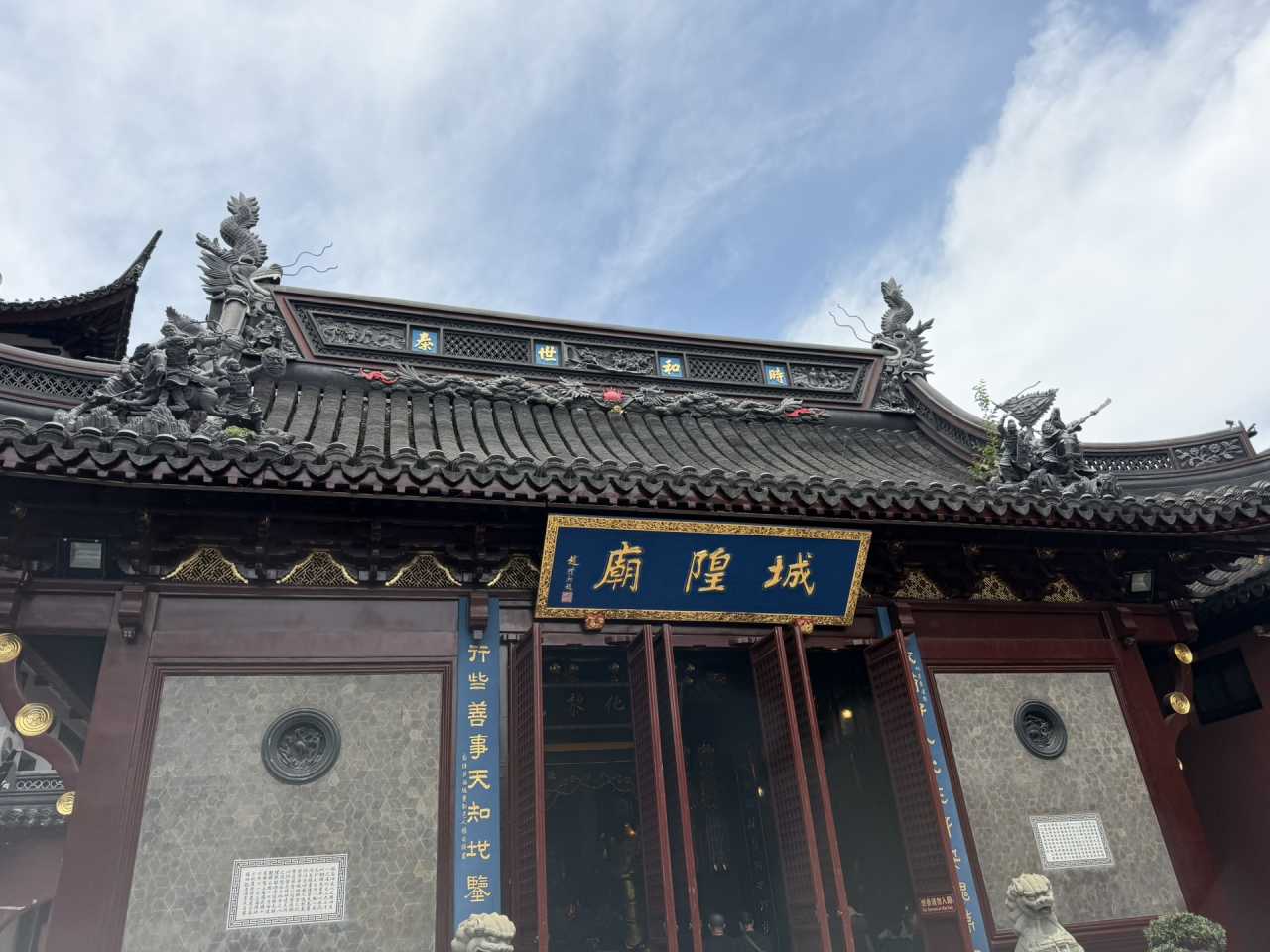
Our first stop was the City God Temple (城隍庙) and Yuyuan Garden (豫园) , two attractions right next to each other and not far from the hotel. I thought they'd be closed on a Monday, but it happened to be International Museum Day—not only were they open, but Yuyuan Garden's ticket was half-price. These little surprises are the joys of travel.
Today, the City God Temple and Yuyuan Garden have been transformed into a lively complex blending food, shopping, and culture. We ordered a cup of Sri Lankan milk tea from A'mo Handmade—pure tea flavor, rich milk, making you want another sip.
The City God Temple itself is small; we walked through it quickly. Yuyuan Garden, however, was much larger and more impressive.
Yuyuan Garden was built in the 38th year of the Jiajing reign of the Ming Dynasty (1559) by Pan Yunduan, a Sichuan provincial official, for his father's retirement, with the name meaning "to please and comfort the elderly." Designed by the renowned Ming garden master Zhang Nanyang, it took 18 years to complete, covering over 70 mu (about 11.5 acres) , and was hailed as the "crown of famous gardens in the southeast." The rockeries, pavilions, waterside pavilions, and winding corridors all exude the refinement and elegance of Ming Dynasty landscaping. Walking through it, you can almost imagine the owner reciting poetry, painting, admiring flowers, and sipping tea in leisurely contentment.
Leaving Yuyuan Garden, we found a restaurant called "Xiao Diao Li Tang" in the nearby shopping area and ordered a set meal. The roast duck was decent, providing a satisfying conclusion to our cultural exploration.
Cultural tip: Visit Yuyuan Garden on International Museum Day (May 18) for potential discounts. Weekday mornings are less crowded. [Link: Complete guide to Yuyuan Garden]
Shanghai Museum East Branch: History in Artifacts
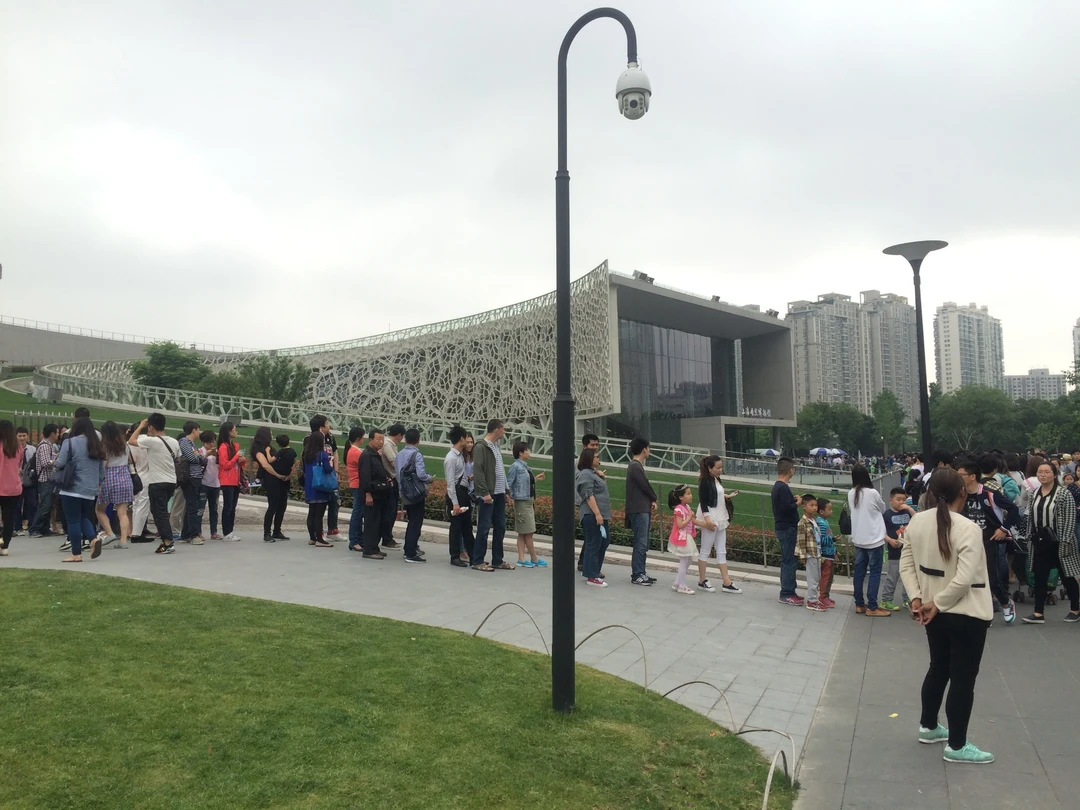
In the afternoon, we took a taxi to the Shanghai Museum East Branch. The museum has two locations, but the other was closed that day. Again, thanks to International Museum Day, admission was free.
The Shanghai Museum East Branch houses an incredible collection of ancient Chinese art, bronze ware, ceramics, and calligraphy. It's a must-visit for history buffs and anyone wanting to understand China's rich cultural heritage.
Museum tip: Check the Shanghai Museum website for opening hours and special exhibitions. The East Branch is less crowded than the main branch. [Link: Shanghai Museum visitor guide]
Frequently Asked Questions About Visiting Shanghai
1. What is the best time to visit Shanghai?
Spring (March–May) and autumn (September–November) offer the most pleasant weather. Avoid Chinese National Day (October 1–7) and Chinese New Year when crowds are massive.
2. How many days do I need to explore Shanghai?
 A minimum of 3–4 days is recommended to cover major attractions: the Bund, Nanjing Road, Yuyuan Garden, and the Shanghai Museum. Add 1–2 days for day trips to Zhujiajiao Water Town or Suzhou.
3. Is Shanghai expensive for tourists?
 Shanghai can be affordable if you eat local street food and use public transport. Expect to spend $50–$100 per day for mid-range travel, including accommodation, meals, and attractions.
4. What are the must-try foods in Shanghai?
 Don't miss: xiaolongbao (soup dumplings), shengjianbao (pan-fried buns), meat-filled mooncakes, stinky tofu, and hairy crab (in season, October–December).
5. How do I get around Shanghai efficiently?
The Shanghai Metro is extensive, cheap, and English-friendly. Taxis are affordable for short trips. Consider a Shanghai Public Transportation Card for convenience.
Internal Linking Suggestions
- [Link: Best time to visit Shanghai – seasonal guide]
- [Link: Shanghai Metro map and tips for tourists]
- [Link: Top 10 street food stalls in Shanghai]
- [Link: Complete guide to the Bund and Lujiazui skyline]
- [Link: Day trips from Shanghai – Zhujiajiao, Suzhou, and Hangzhou]
Conclusion: Your Shanghai Adventure Awaits
Shanghai is not just a city—it's a never-ending theater of splendor where past and future collide in a dazzling performance. Whether you're walking through ancient Ming Dynasty gardens, marveling at futuristic skyscrapers, or savoring street food on bustling Nanjing Road, every moment in the Magic City feels like a scene from a movie.
This three-day itinerary proves that even a short visit can be rich with discovery. From the emotional return to campus in Songjiang to the neon-lit nights on the Bund, from the tranquility of Yuyuan Garden to the cultural treasures of the Shanghai Museum, the city offers endless layers to explore.
Ready to experience Shanghai's magic for yourself? Start planning your trip today. Book your flights, reserve your hotel near People's Square, and prepare for an unforgettable journey. Shanghai is waiting—and it has never been more spectacular.
Call to Action: Share your own Shanghai travel stories in the comments below! What's your favorite hidden gem in the Magic City? Don't forget to subscribe to our newsletter for more China travel guides and exclusive tips.
You may also like