Seize the Day: A Shanghai, Zhouzhuang, and Suzhou Travel Guide for Midlife Explorers
Meta Description: Discover how a spontaneous trip to Shanghai, Zhouzhuang, and Suzhou became a transformative journey. From the Shanghai Museum East to ancient water towns, this guide helps you seize the day and travel on your own terms.
Introduction: Why "Seize the Day" Matters More Than Ever
Halfway through life, your body starts sending out subtle alarms. Your career isn't exactly a triumph. Life feels like an apple left on the counter too long—the skin has wrinkled, some corners have even started to rot. But if you don't demand perfection, the parts that haven't spoiled yet can still taste sweet.
This is the story of a long-contemplated trip that finally became reality on October 18th. Sneaking it in between work obligations, I set off under the pretext of "going to Shanghai to see the Musée d'Orsay exhibition." In the past, I always thought travel should involve the whole family, neatly together. Now that my child has grown up and my own body has started acting up, I've suddenly realized that "there's always tomorrow" is just an excuse we use to fool ourselves when we're young. My wife nicknamed this trip "The Something-From-Nothing Journey," while I insisted on calling it "The Seize-the-Day Expedition."
This Shanghai, Zhouzhuang, and Suzhou travel itinerary is for anyone who feels the weight of time and the urgency to explore—whether alone or with loved ones. Let's dive into Part One of this unforgettable journey.
Departure: When "There's Always Tomorrow" Becomes a Lie

The Reality of Midlife Travel
On the high-speed train, I saw the news that Yang Zhenning had passed away. One hundred and three years old. A man who worked with legendary figures from history textbooks and befriended brilliant young minds of the new century. In a life script like that, the phrase "life is too short" simply doesn't exist. Meanwhile, I sat on a train hurtling along at three hundred kilometers per hour, feeling nothing but numbness in my backside and ache in my lower back.
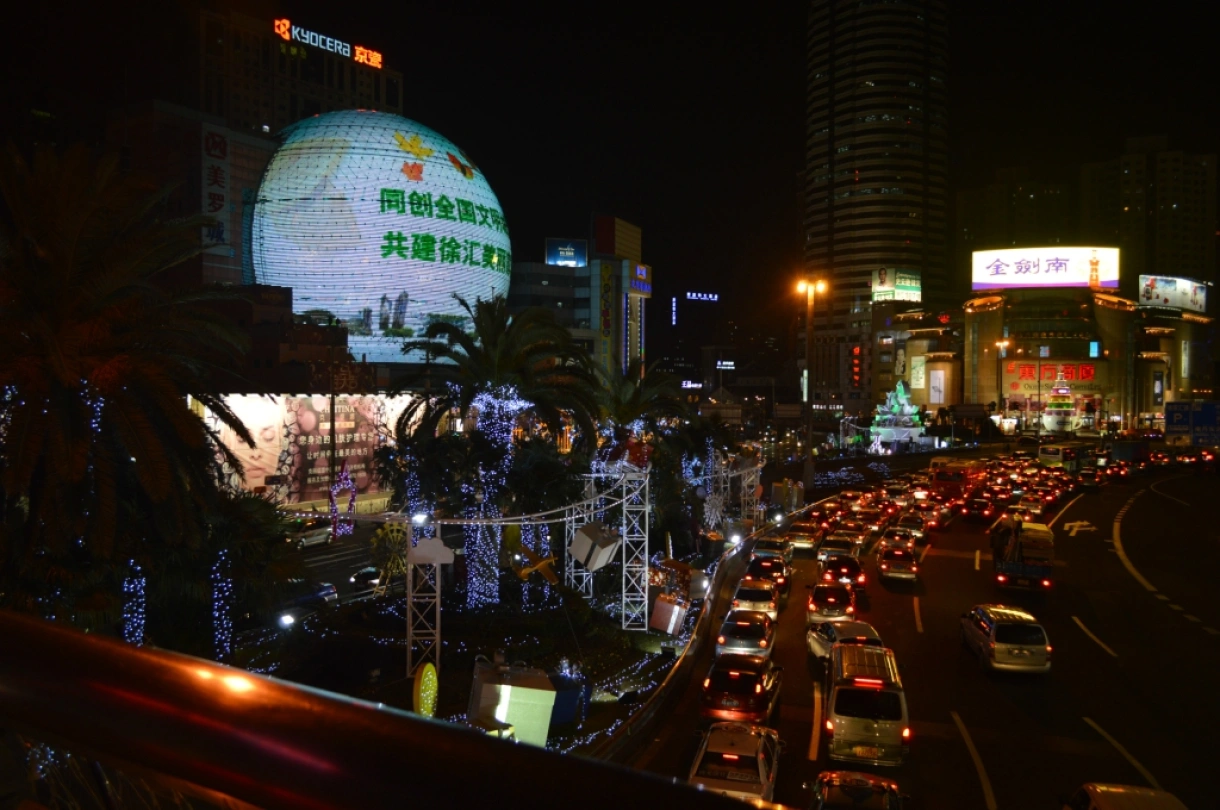
Shanghai travel tips for solo travelers: Arriving at Hongqiao Railway Station, I squeezed onto Metro Line 2 and immediately experienced firsthand those videos on Bilibili complaining about Shanghai's subway—crowds surging like tides, transfer corridors stretching so long they make you question the meaning of life. After more than an hour of jostling underground, I reached the hotel at around three in the afternoon.
The hotel was the same one my wife and child had stayed at over summer break—cheap, and the condition was exactly what you'd expect for that price. After resting for over an hour, I headed out to find food around five. Guided remotely by my wife, I found the restaurant they'd visited during the summer. I ordered one of the dishes she recommended, and worried that the restaurant's rice might be too hard, I added a bowl of wonton soup (hún tún). Even as I placed the order, I could tell this meal wouldn't be cheap, and I worried I wouldn't finish it all. As it turned out, the wontons were left behind. On the walk back, I kicked myself for making such a poor decision.
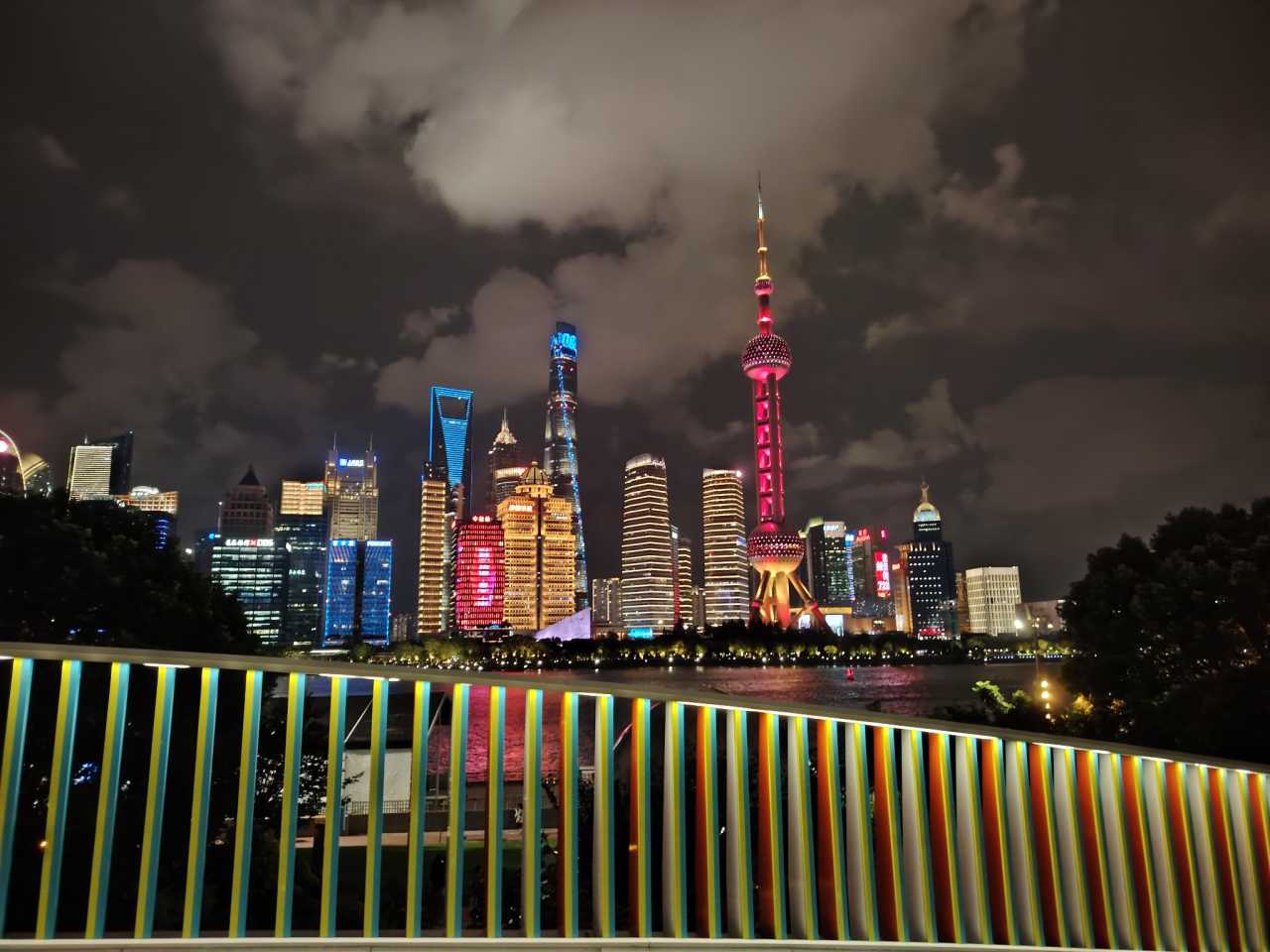
I'd originally planned to head to Lujiazui after dinner to see the night views, but exhaustion washed over me like a tide. In the end, I chose to go back to the hotel. I flipped through a few pages of The Truth About Cancer, didn't even bother showering, and lay down. I told myself I'd sleep early, but I tossed and turned, unable to drift off.
Tired, yet wide awake.
I woke up in the small hours of the night. The blanket was too thick, and the heat had me thrashing around. I didn't want to turn on the air conditioner, so I got up and opened the window. But when I pulled back the curtain, instead of cool air, a mosquito flew in. I struggled until the middle of the night, finally surrendered, and turned on the AC. At least I managed to catch the tail end of a night's sleep.
Day One: Shanghai Museum East — A Dialogue Across Millennia
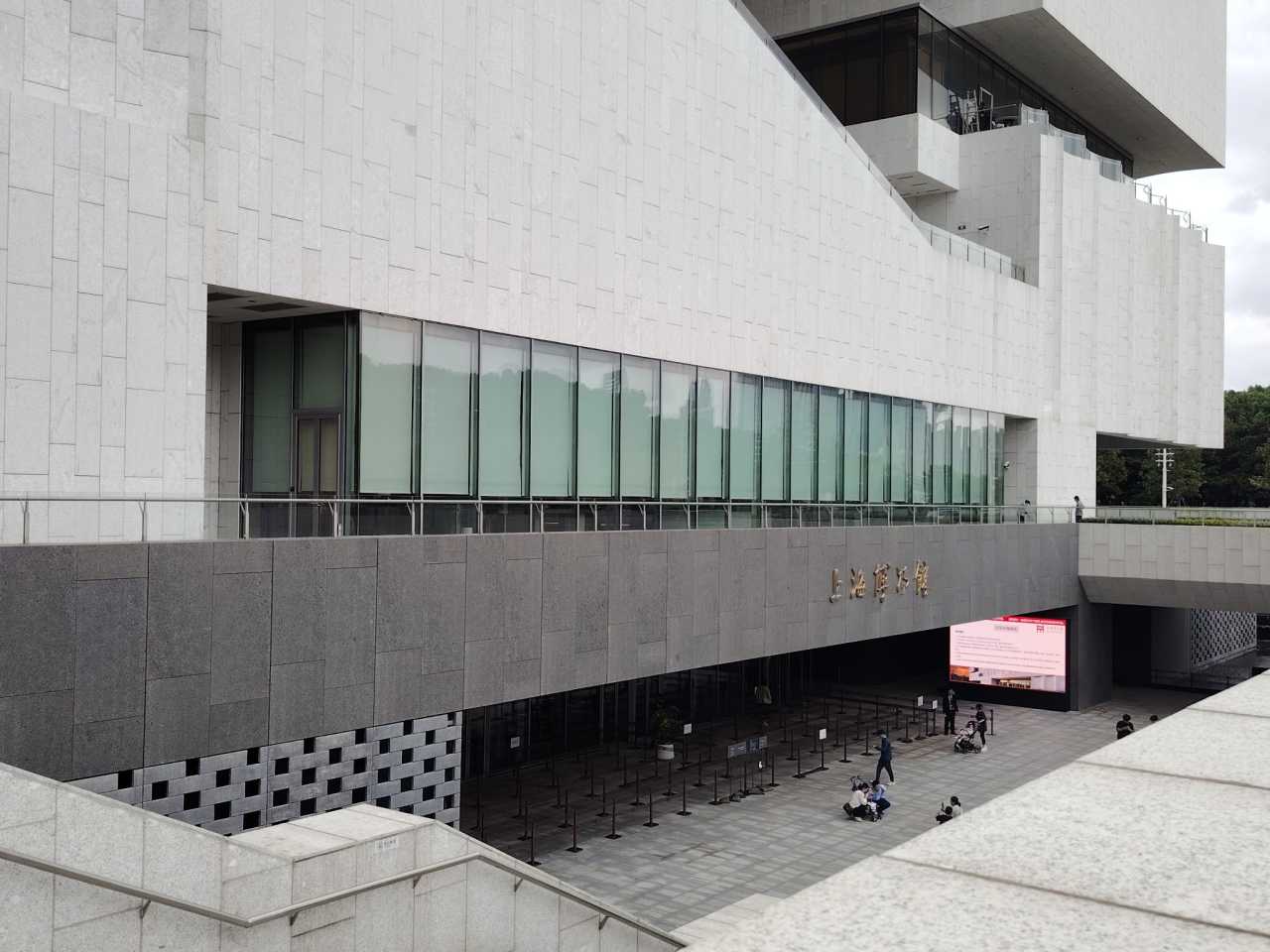
Planning Your Shanghai Museum East Visit
After breakfast at the hotel, I agonized over whether to wear long underwear. I decided against it, put on just a sweater, and left my jacket in the room.
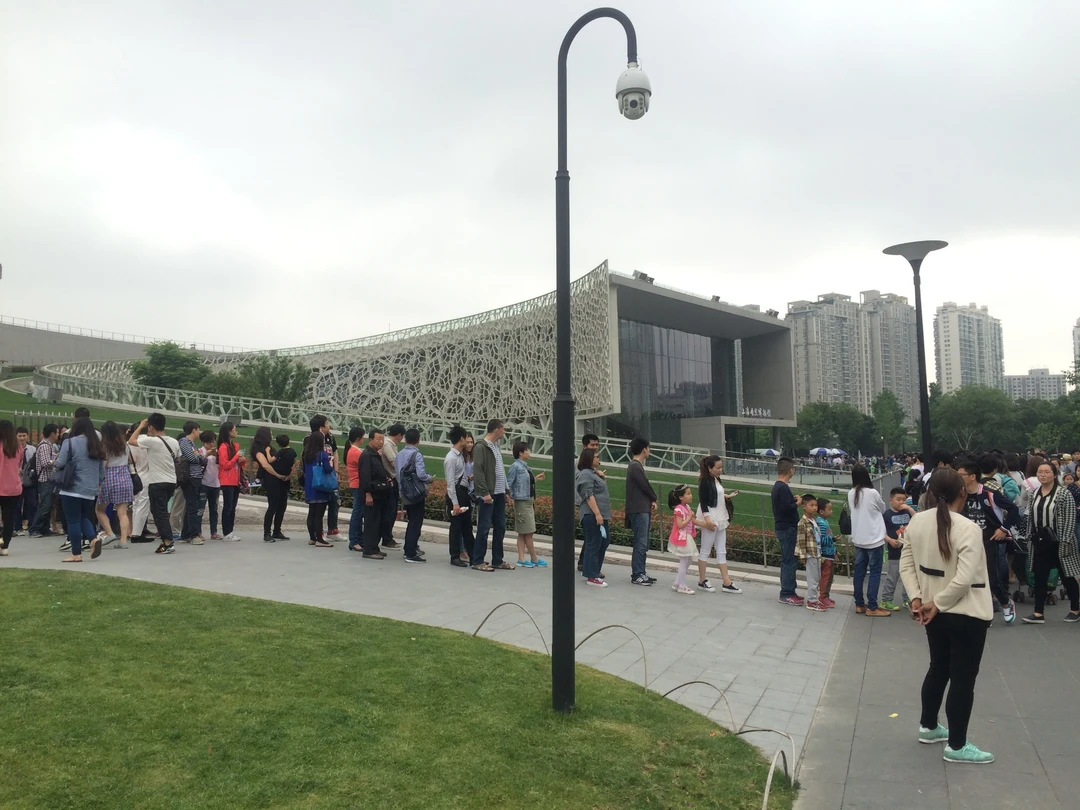
I arrived at the Shanghai Museum East a little after nine. People were already lining up. Without thinking, I tagged along at the end of the queue. The museum doesn't open until ten—why not use this time to walk around the building and take it in from different angles? Another moment of regret. It seemed like "making wise decisions" just wasn't in the cards for me today.
Pro tip for museum visitors: Arrive early, but bring layers. The gallery temperatures can be drastically different from the main hall.
Calligraphy Gallery: A Brush with History
At 9:55, they opened the doors and let people in. After security, I headed straight for the second floor.
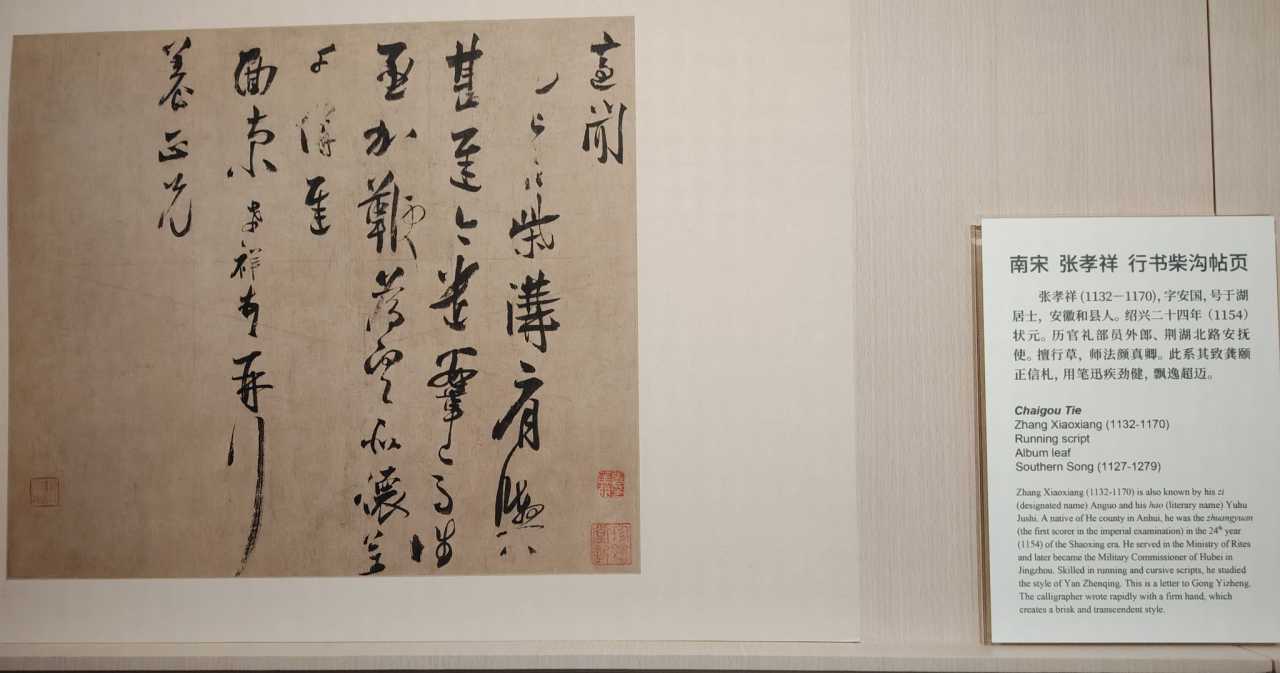
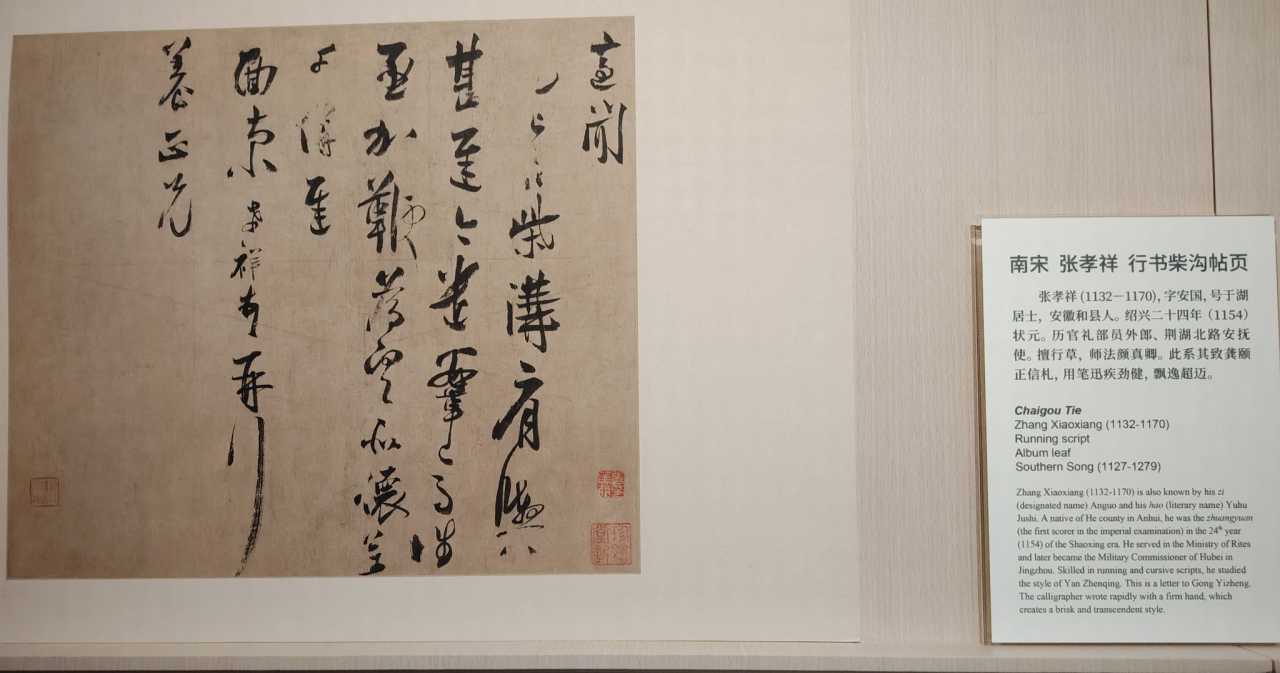
Most of the heavyweight pieces in the calligraphy gallery were sleeping in storage. Among the works on display, the one that moved me most was a piece by Zhang Xiaoxiang. The sheer force bursting from every stroke perfectly matched his poem Charm of a Maiden Singer · Crossing Lake Dongting. But after just a few minutes of looking, a chill crept up my back—the temperature in the gallery was a completely different season from the main hall outside. I regretted not bringing my jacket.
Painting Gallery: Masterpieces Through the Ages
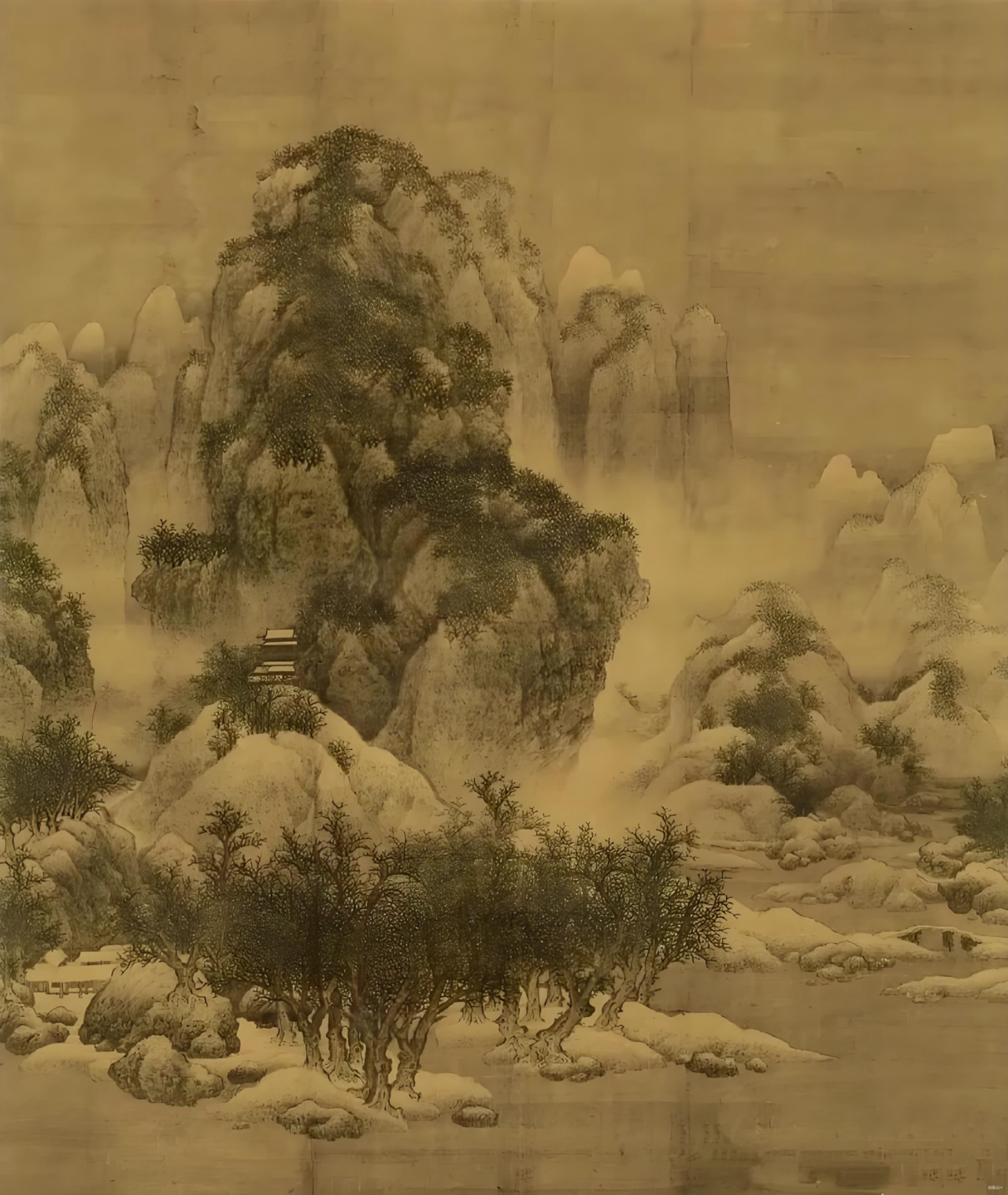
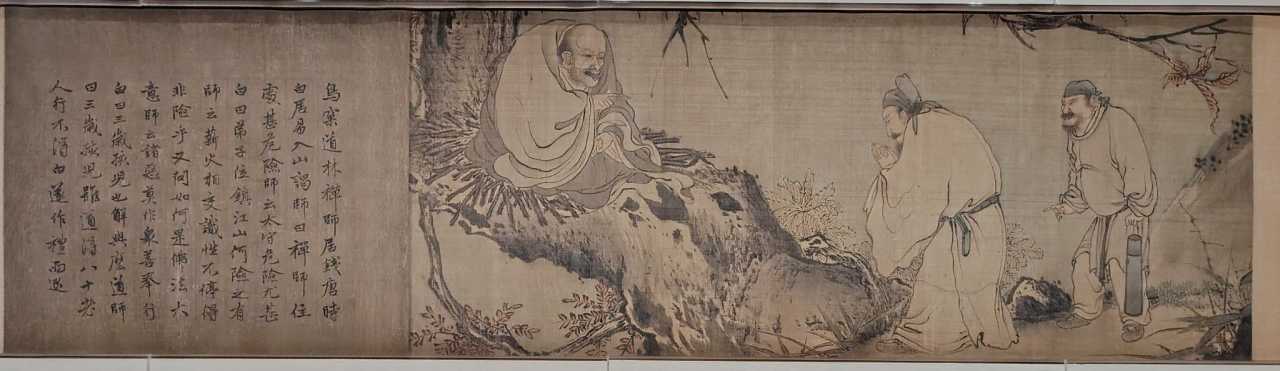
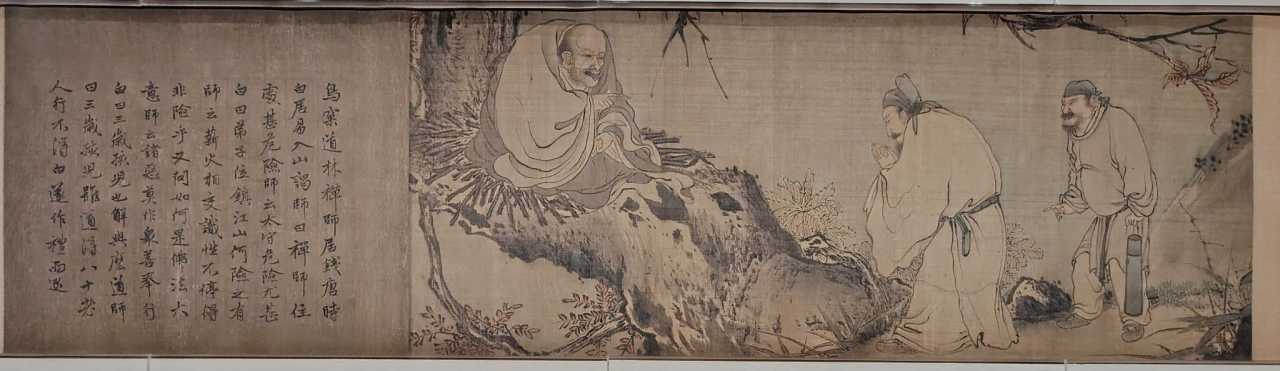
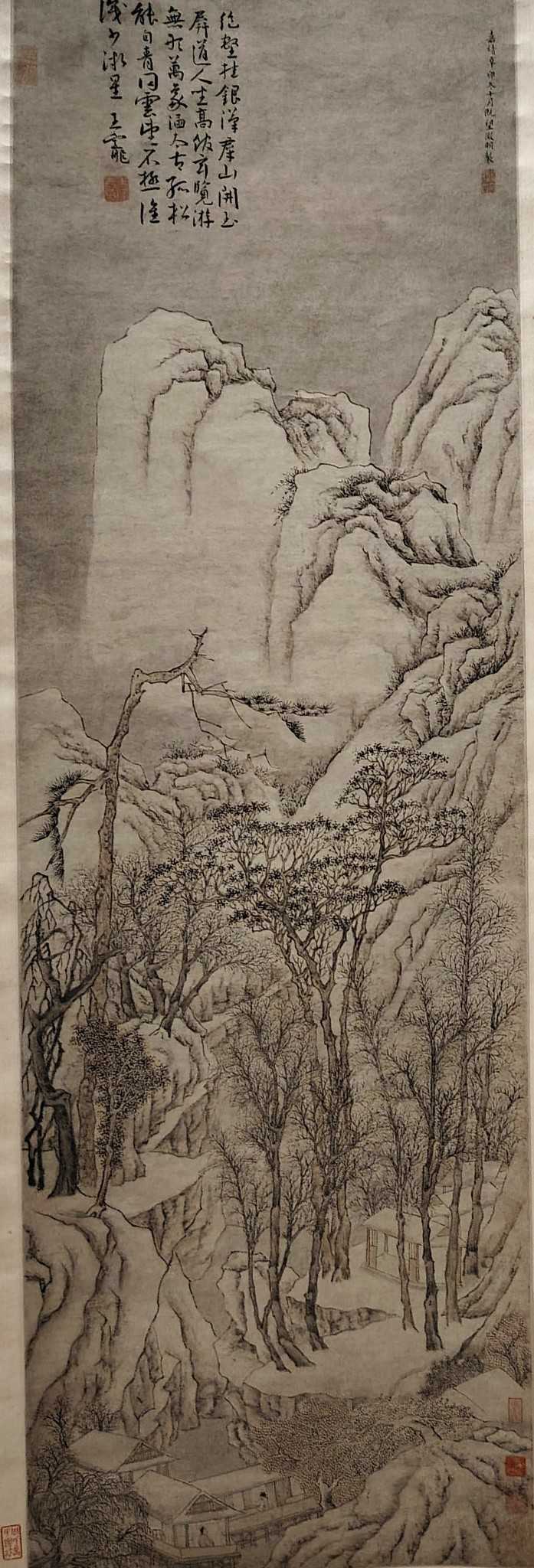
The painting gallery was far richer than the calligraphy one. Major painters from the Yuan dynasty onward all had works on display. Liang Kai's Eight Monks was something I'd never seen before—completely different from the bold, splashed-ink style of his Immortal in Splashed Ink. Wen Zhengming's Cold Forest in Clearing Snow and Fan Kuan's Snowy Landscape in Cold Forest seemed to form a perfect pair—one vast and majestic, the other serene and elegant. It felt like taking a helicopter and landing right inside Snowy Landscape in Cold Forest, and the person stepping off the plane became the refined scholar sitting and chatting in Cold Forest in Clearing Snow.
Xu Wei's brushwork was still as free and spirited as ever—no wonder Qi Baishi was so in awe of him. Wu Li of the Qing dynasty painted Bai Juyi's River Scene at Night, inspired by Bai Juyi's Song of the Pipa. From the desolate withered trees at the beginning of the scroll, to the misty mountains in the middle, to the farewell by the river at the end, the mood built layer upon layer. Using painting to express poetic sentiment is never an easy task, but I truly loved the poetry in this painting.
What surprised me most was a collaborative work by Xu Beihong and Zhang Daqian—I had no idea these two masters had ever worked together. It looked like Zhang Daqian had painted the figures, and Xu Beihong had filled in the background.
Exploring Beyond the Galleries
The calligraphy and painting galleries were the highlights of my visit, and I spent a lot of time there. After that, I hurried through the Shanghai School Painting Gallery. When I checked the time, it was already close to one. I found a place to sit down, drank some water, ate a few pastries, and pressed on.
The jade gallery was on the same floor as the painting and calligraphy galleries. I don't know much about jade, and I didn't have much interest in it, so I moved through quickly.
Ceramics Gallery: From Stone Age to Imperial Refinement
Up to the third floor, I chose the ceramics gallery. The collection spanned from the Stone Age to the Ming and Qing dynasties, from earthenware to porcelain, from low-fire to high-fire, from coarse to refined. By the Wei, Jin, and Northern and Southern Dynasties, the vessels were already hard and glossy, but still not perfectly smooth. By the Tang dynasty, smooth surfaces were no longer an issue. As for the Song dynasty, even the gallery layout was distinctive—priceless vessels stood proudly in their glass cases. Next to them, Liao and Jin dynasty ceramics, when compared to the Song pieces, always seemed to be missing something.
After leaving the ceramics gallery, I doubled back to find that black eggshell-thin pottery—a tour guide had been explaining it to a group earlier, and I couldn't get close. It looked very similar to the one at the Shandong Museum.
Bronze Gallery: A Crowded Treasure
The other galleries on the third floor didn't interest me, and the fourth floor was the same. So I headed to the observation deck. The wind had picked up outside, clouds had thickened, and the sun had hidden itself away—that same sun that had looked so warm and inviting this morning, tricking me into leaving my jacket behind. I quickly went back inside and headed straight for the bronze gallery on the first floor.
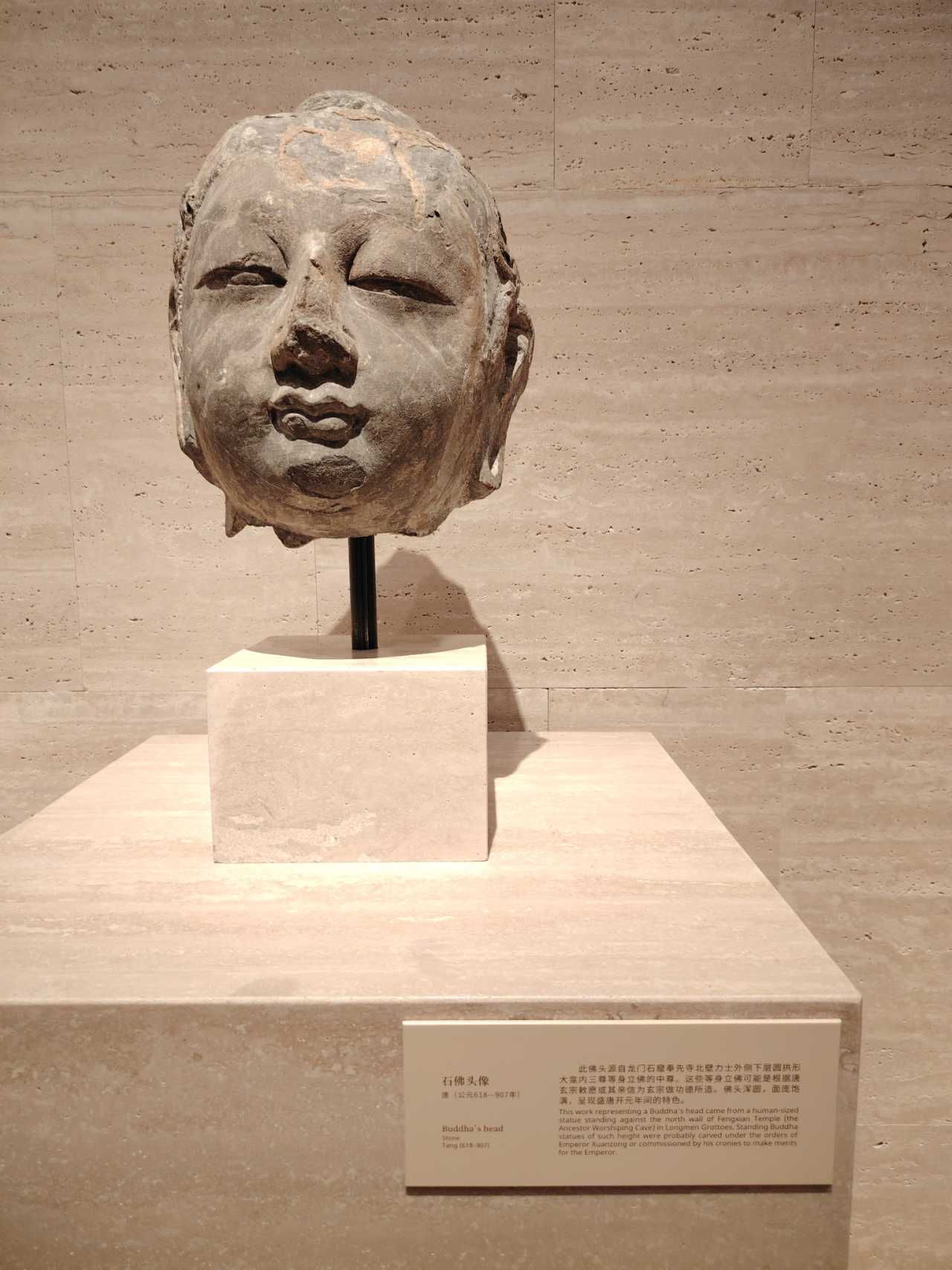
The bronze gallery is said to house the most systematic collection of bronze artifacts in China. As soon as I entered, I was surrounded by a crowd, shoulder to shoulder. I weaved through the people, searching for pieces that could catch my eye. In the past, when I thought of bronze, I thought of ritual vessels—but here, the sheer variety and craftsmanship were breathtaking.
[Link: Best museums in Shanghai for history lovers]
What's Next: Zhouzhuang and Suzhou Await
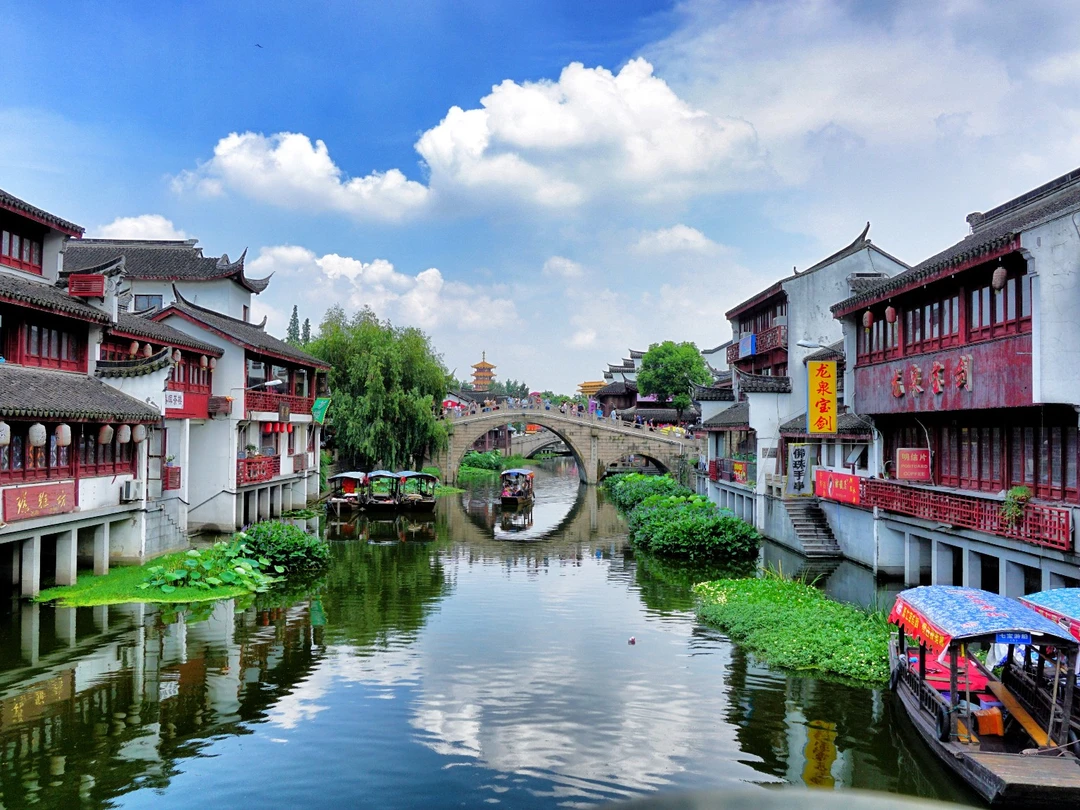
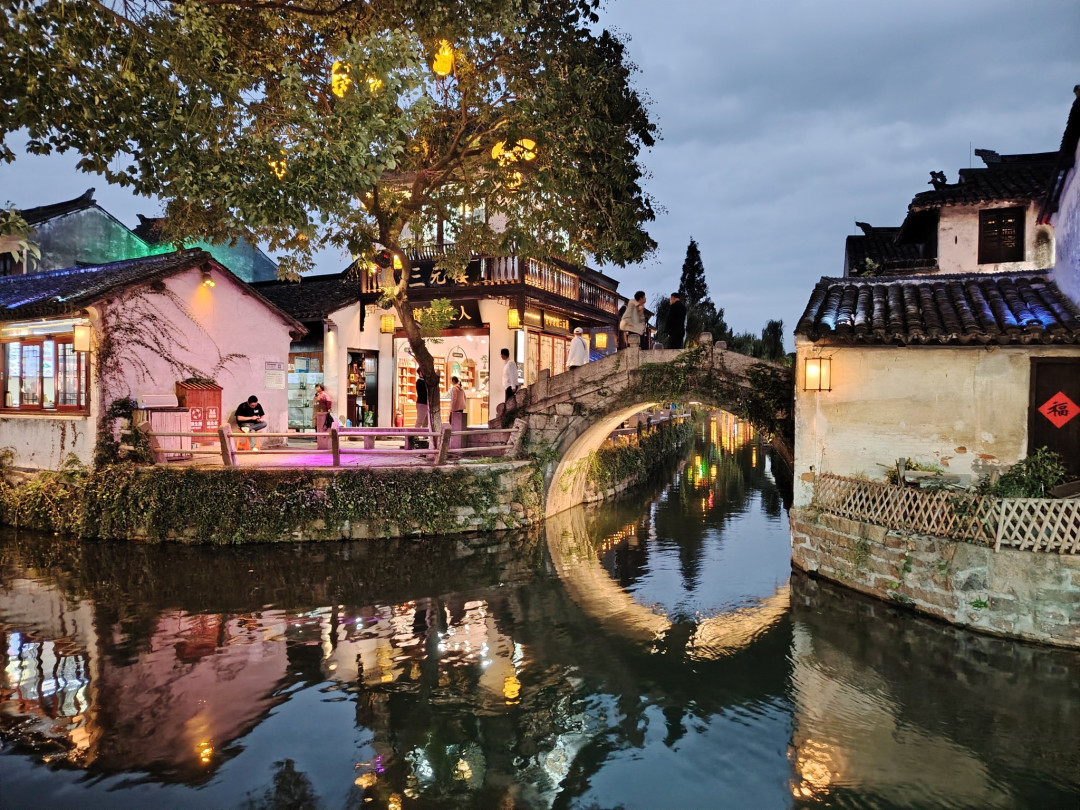
This journey is only beginning. In Part Two, we'll explore the ancient water town of Zhouzhuang—a place where canals replace streets and time seems to stand still. Then, we'll venture into Suzhou, the "Venice of the East," with its classical gardens and silk heritage.
Why this itinerary works for midlife travelers: - Flexible pacing: You can adjust based on energy levels - Cultural depth: Museums and historical sites offer rich experiences - Solo-friendly: Easy to navigate and enjoy alone - Budget-conscious: Options for every price point
FAQ: Planning Your Shanghai, Zhouzhuang, and Suzhou Trip
1. Is the Shanghai Museum East worth visiting?
 Absolutely. It houses one of the most systematic collections of Chinese art, including calligraphy, painting, ceramics, and bronze artifacts. Plan at least 3–4 hours for a thorough visit.
2. What's the best time of year to visit Shanghai and Suzhou?
 October and November offer mild temperatures and fewer crowds. Avoid Chinese public holidays (like National Day in early October) for a more peaceful experience.
3. Can I do Shanghai, Zhouzhuang, and Suzhou in one trip?
Yes. Many travelers spend 2–3 days in Shanghai, 1 day in Zhouzhuang (as a day trip from Shanghai or Suzhou), and 2–3 days in Suzhou. This itinerary works well for a 5–7 day trip.
4. Is it safe to travel alone in these cities?
 Very safe. China's major cities have excellent public transportation, clear signage, and low crime rates. Solo travel is common and well-supported.
5. What should I pack for a museum-heavy trip?
Comfortable walking shoes, layers (galleries can be cold), a reusable water bottle, and snacks. A small backpack is ideal for carrying essentials.
[Link: Solo travel tips for China's eastern cities]
Ready to Seize the Day?
The truth is, there's never a "perfect" time to travel. Your body will ache, your plans will falter, and you'll make decisions you regret. But that's exactly why you should go anyway.
This Shanghai, Zhouzhuang, and Suzhou travel guide is your invitation to stop waiting for tomorrow. Whether you're a midlife explorer, a solo traveler, or someone who simply needs a break from the routine, the journey is waiting.
Start planning your trip today. Book your train tickets, pack your bags, and remember: the parts of life that haven't spoiled yet can still taste sweet.
👉 What's your next adventure? Share your thoughts in the comments below, or check out our guide to [best water towns near Shanghai] for more inspiration.
This is Part One of a multi-part series. Stay tuned for Part Two: Zhouzhuang and Suzhou.
You may also like