Savoring Kuaiji: A Textbook Journey Through Shaoxing – The Ultimate Travel Guide
Meta Description: Discover Shaoxing, China's "Oriental Venice" and hometown of literary giants Lu Xun and Wang Xizhi. Explore Lu Xun's Hometown, Hundred-Plant Garden, and Orchid Pavilion in this SEO-optimized travel guide. Plan your Jiangnan getaway today!
Introduction: When Textbook Names Become the Road Beneath Your Feet
Every June, when the final exam bell rings for China's national college entrance exam (Gaokao), countless students' first instinct is to slam their books shut and dream of hurling every study guide out the window. But there's one textbook I'd urge you to keep: your Chinese language and literature book. It holds some of the most indelible memories of your school years.
Remember those "nightmare" authors who made you memorize entire passages until late at night? Lu Xun, Wang Xizhi, Lu You, and Zhou Enlai—whose famous line "Study for the rise of China" is practically engraved on school walls across the country. Have you ever realized that these giants who dominated your youth all came from the same place? Shaoxing, Zhejiang Province.
That's right—the same Jiangnan water town that produces yellow rice wine, stinky tofu, and countless literary masters. From the Hundred-Plant Garden to the Three-Flavor Study, from the poem "Phoenix Hairpin" to the Night of Shen Garden, from the Hometown of the Calligraphy Sage to the Orchid Pavilion Preface—these names so familiar from your textbooks all have their real-life counterparts in Shaoxing. Even better, you'll find "Zhuangyuan Hong" (Champion Red) yellow wine and "Huadiao Drunken Chicken" —a legendary local dish. Imagine a midsummer Dragon Boat Festival night: a sip of wine, a bite of chicken, with the melodious strains of Yue Opera in your ears. This kind of bliss might even make the immortals envious.
Once you've been to Shaoxing, you'll understand how this landscape could nurture so many extraordinary figures. So don't wait—take a break and go meet the people and stories from your textbooks.
First Impressions: An "Oriental Venice" That Breathes
Shaoxing sits in north-central Zhejiang, on the southern shore of Hangzhou Bay. In ancient times, it was the capital of the Yue Kingdom, called "Kuaiji" —yes, the very same Kuaiji mentioned in the Orchid Pavilion Preface: "Meeting at the Orchid Pavilion in the shade of Kuaiji Mountain." It wasn't until the Southern Song Dynasty, under Emperor Gaozong, that the city was renamed Shaoxing.

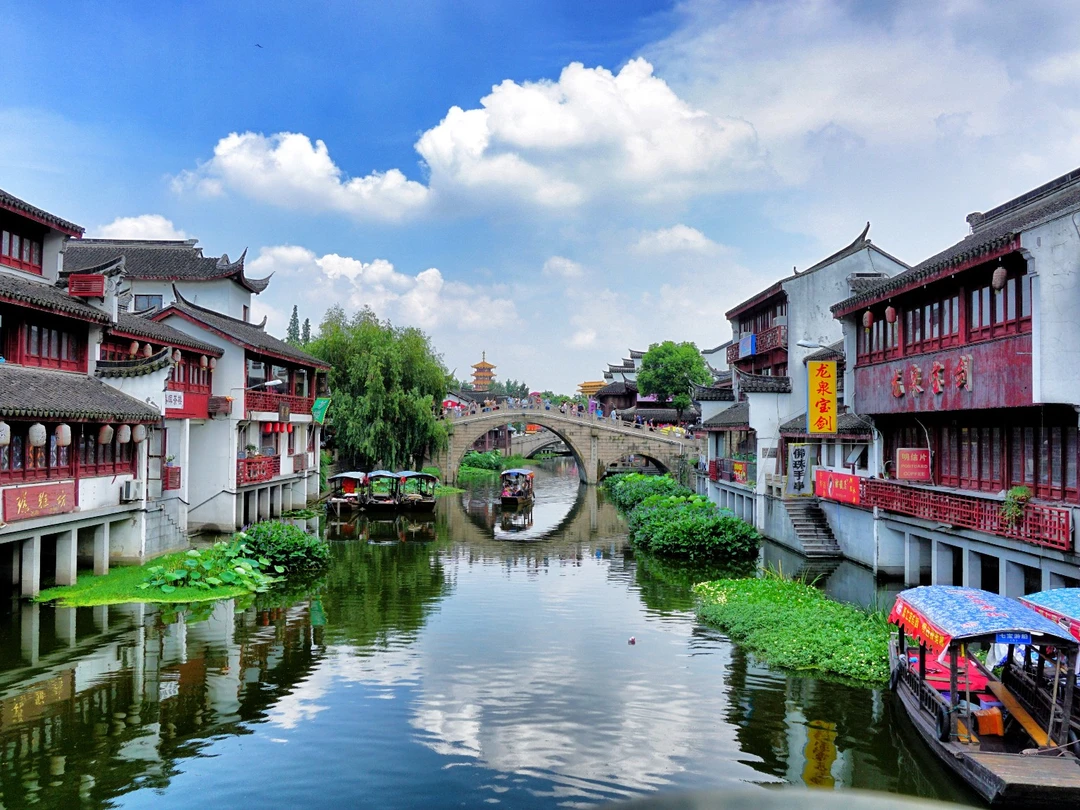
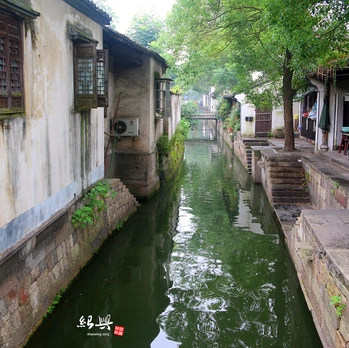
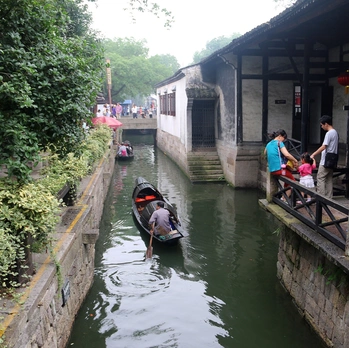
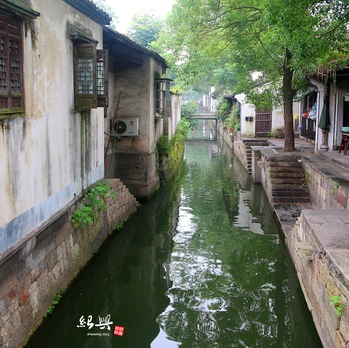
Look at a map, and you'll see Shaoxing's waterways spread like capillaries, carving the old town into a beautifully chaotic "Lingering Chess Game." Honestly, this is the most deserving "Oriental Venice" I've ever seen in China.
Visiting Jiangnan during the Dragon Boat Festival is perfect timing. Southerners celebrate this holiday with great enthusiasm, especially in Shaoxing—the "land of fish and rice, ancient capital of Yue." The main attractions are relatively concentrated, so a three-day holiday is enough to savor them. My itinerary went like this: catch the earliest high-speed train, arrive at noon, spend the next day and a half exploring the old city, leave the last half-day for the suburban Orchid Pavilion, then head home by evening.
Now, follow my lens as we step into Shaoxing.
Lu Xun's Hometown: In Search of the Boy Named Zhou Shuren
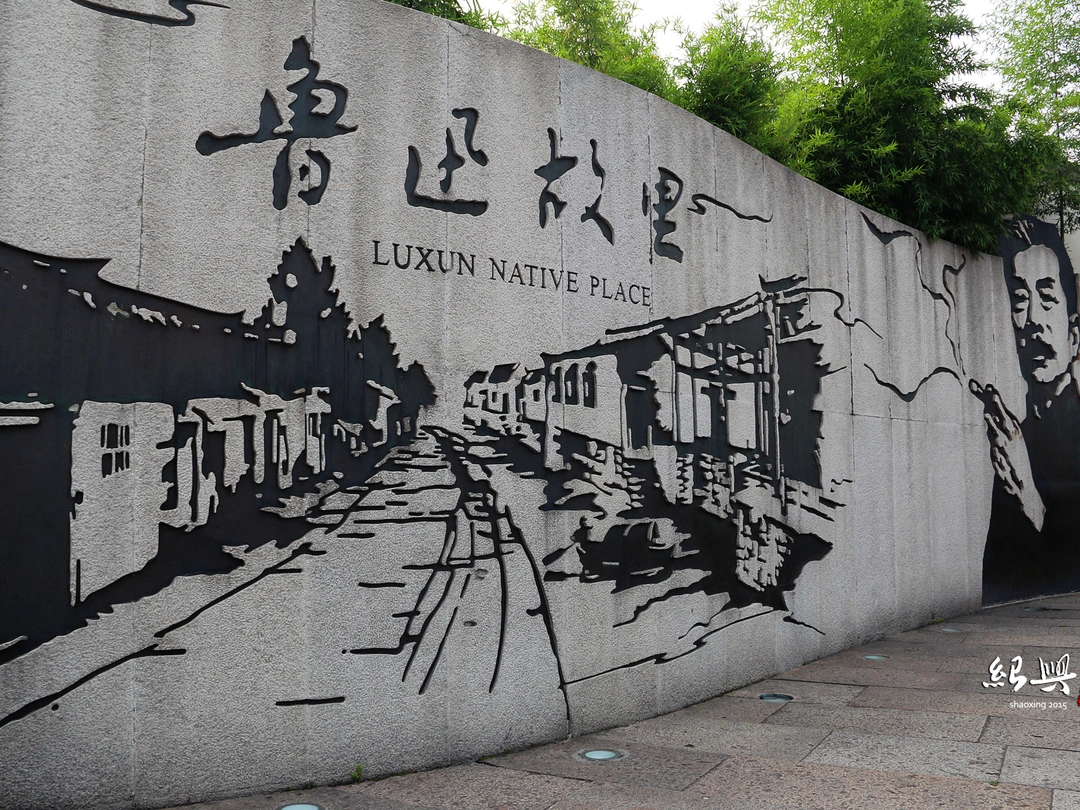
When exploring the former residences of famous figures in Shaoxing's old town, Lu Xun's Hometown is an unavoidable first stop.
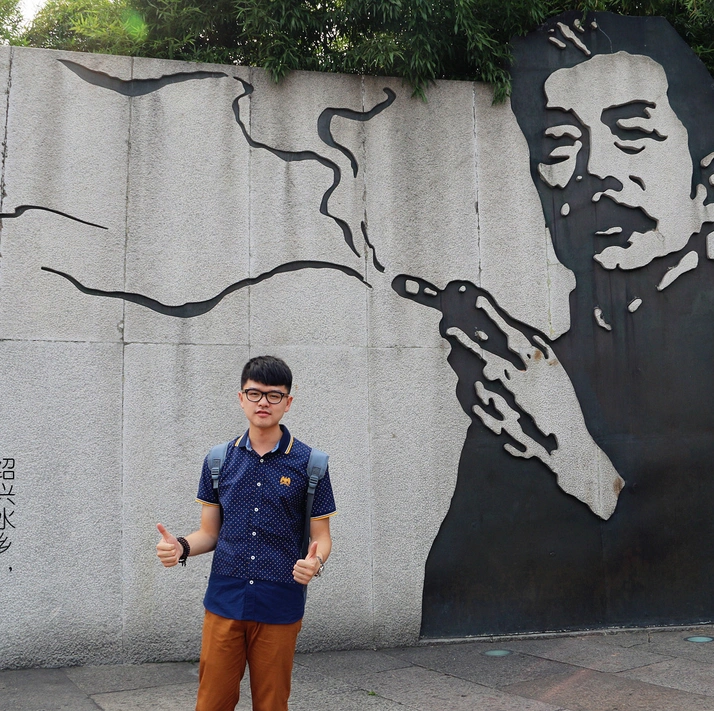
To be honest, Lu Xun's influence on our generation is immense. He wasn't just the go-to source for "as a famous person once said" in our essays; he was one of the "Three Zhous" that defined the youth of us post-90s: reciting Zhou Shuren's texts, listening to Jay Chou's songs, and watching Stephen Chow's films.
Lu Xun and his childhood home were one of my biggest motivations for visiting Shaoxing. In a city teeming with literati and scholars, Lu Xun's Hometown stands as the golden signboard of the local "Hall of Fame."
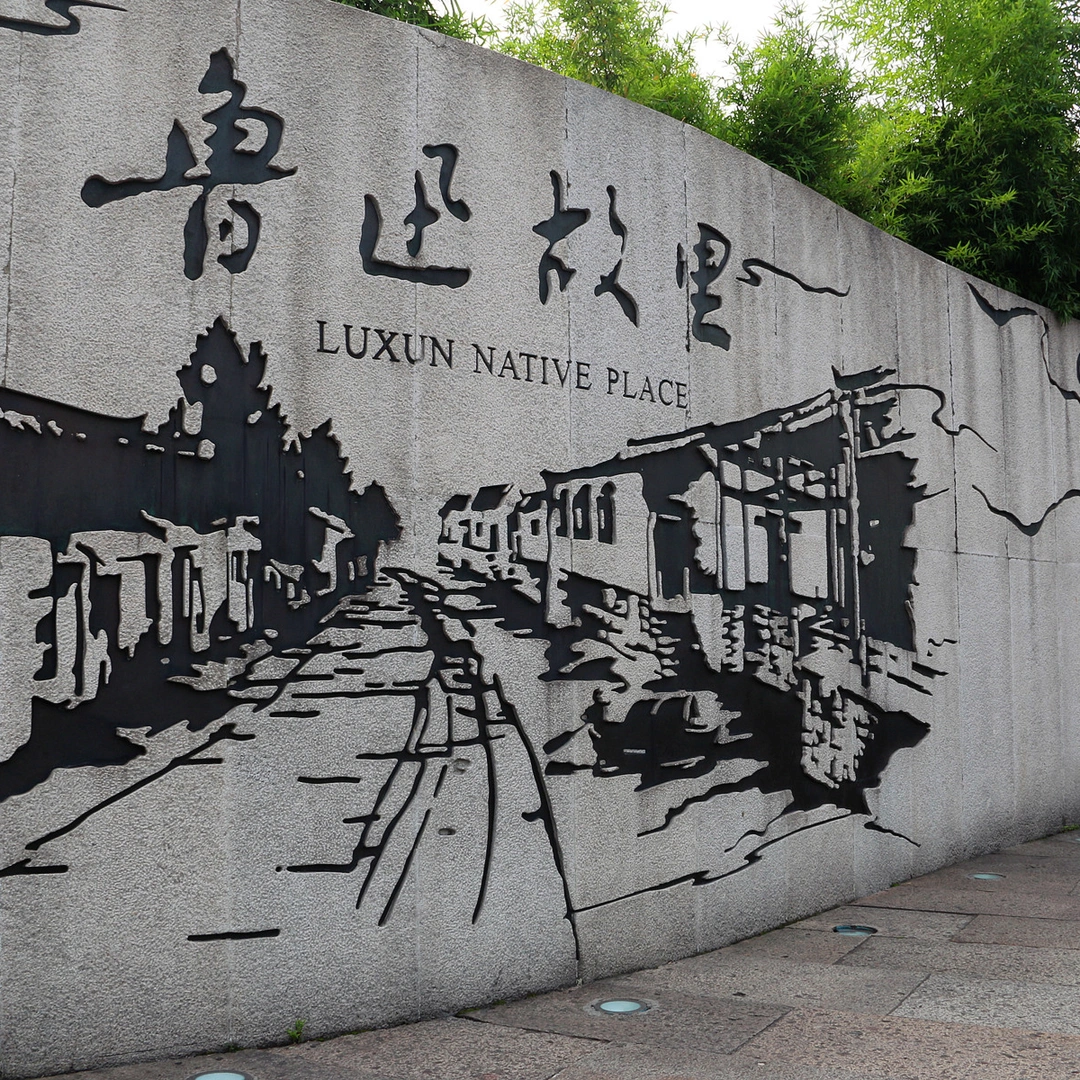
As soon as you enter the area, the Jiangnan charm hits you. A narrow, flagstone-paved lane is lined with white-walled, black-tiled "Taimen" (traditional Shaoxing courtyard houses). Lu Xun's ancestral residence (the Old Zhou Family Taimen), his former home (the New Zhou Family Taimen), the Hundred-Plant Garden, the Three-Flavor Study, the Earth God Temple, the Xianheng Tavern—these old buildings stand in a row, with an ancient canal and drifting wupeng boats (black-canopied gondolas) in front. Standing here, your mind automatically conjures the small-town scenes from Lu Xun's writings.
The good news: as a national patriotic education demonstration base, Lu Xun's Hometown is free to enter. Just scan your ID card at each attraction. However, there's a ticket office at the entrance selling combo passes: one for 13 attractions at 140 RMB, and another that also includes the "Night of Shen Garden" Yue Opera performance for 180 RMB. If you plan to visit Shen Garden, Orchid Pavilion, East Lake, and others, the combo is a good deal. If you only want to see three or four of the most famous ones, buying individual tickets is better.
Detang Hall and the Zhou Family Taimen
Entering Lu Xun's ancestral residence, you first see Detang Hall—the main reception hall. This house, preserved since the Qianlong era of the Qing Dynasty, is a typical feudal scholar-official's mansion. White walls, black tiles, brick-and-wood structure—it exudes simplicity and solemnity. Exiting the old Taimen and walking west past the Lu Xun Memorial Hall, you reach Lu Xun's former home—the New Zhou Family Taimen. On September 25, 1881, a Libra named Lu Xun was born here. He spent his carefree childhood and youth in this house, never imagining that the tenderness of this water town would forge the "backbone of the nation" in modern Chinese history.
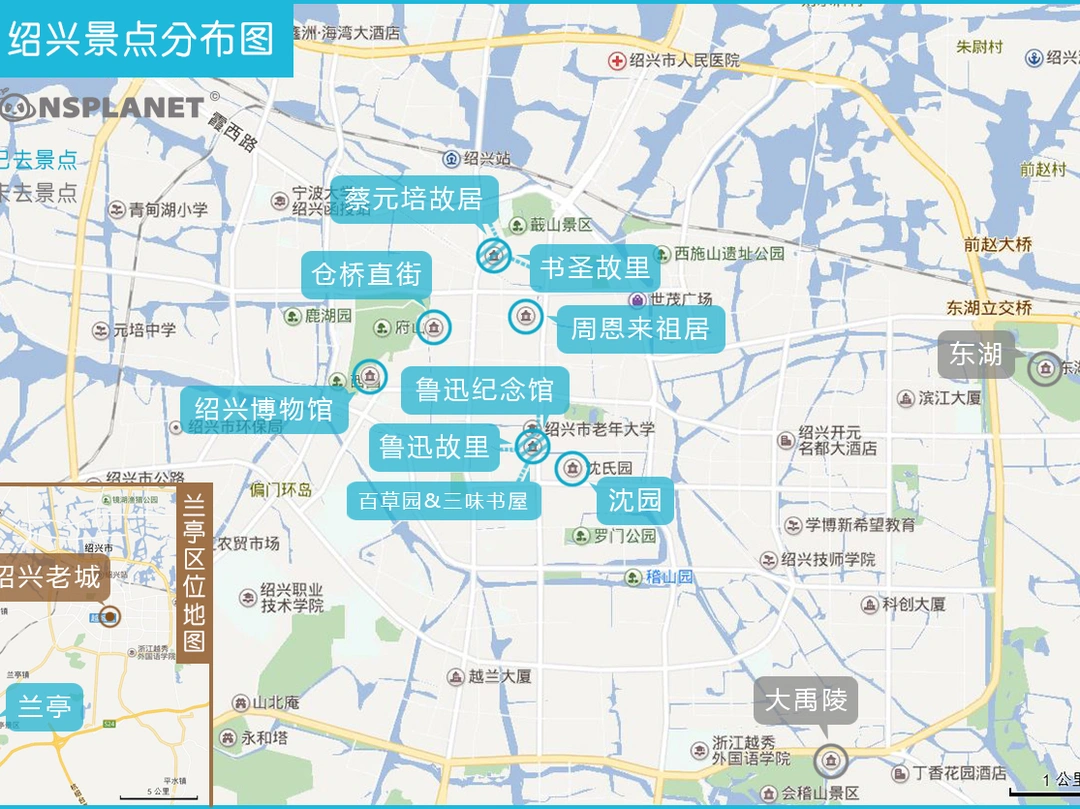
Tips: - Rating: ★★★★★ - Hours: Daily 8:30 AM – 5:00 PM (last entry at 4:30 PM) - Suggested time: 2 hours - Transport: Buses 8, 13, 10, 16, 24, 88, 108, 316B, 316C, 317, or BRT Line 2 to "Lu Xun's Hometown" stop - Address: 393 Luxun Middle Road, Yuecheng District, Shaoxing - Admission: Free with ID card (one ticket per person per day, one ID can bring two guests)
[Link: Shaoxing Yellow Wine Tasting Guide]
Hundred-Plant Garden & Three-Flavor Study: A Pilgrimage to Textbook Sites
Both the Hundred-Plant Garden and the Three-Flavor Study are within Lu Xun's Hometown, so you can visit them after touring the Taimen. The Three-Flavor Study is across from the ancestral residence, while the garden is in the backyard of Lu Xun's former home. Although the study comes first in the usual tour order, I'll follow Lu Xun's essay "From the Hundred-Plant Garden to the Three-Flavor Study" in my introduction.
Hundred-Plant Garden: A Naughty Kid's "Playground"
Passing through the New Taimen, you arrive at the legendary Hundred-Plant Garden. This roughly 2,000-square-meter vegetable patch is practically a "deluxe private plot" in the middle of the city. Young Xun Ge'er (Lu Xun's childhood nickname), the wealthy family's "rich kid," ran wild here as a child.
Today, the garden still preserves scenes from the essay: green vegetable plots, a smooth well curb, a tall locust tree, purple mulberries, and that short mud wall. Honestly, without Lu Xun's fame, you might not bother coming here. But in an era without video games, nature was the best "Nintendo" for kids.
At the far end of the garden are several pavilions and waterside structures where the Zhou family once gathered for entertainment and opera. Paired with stone bridges and a koi pond, they form a simple little garden. This leisurely environment turned young Xun Ge'er into a mischievous brat—digging up Chinese knotweed, destroying mud walls, throwing bricks at neighbors. Eventually, his family decided to send him to the strictest private school in all of Shaoxing—the Three-Flavor Study—for "education and reform."
Three-Flavor Study: The Desk Carved with "Early"
The Three-Flavor Study is not far from Lu Xun's home, facing east-west, with its north side bordering a small river, opposite the Old Zhou Family Taimen. It's a typical old-style private school where Lu Xun studied under the stern Mr. Shou Jingwu. The name "Three-Flavor" comes from a saying: "Reading the classics is like eating rice; reading history is like eating vegetables; reading the Hundred Schools of Thought is like eating condiments."
Inside, you'll see the desk where young Lu Xun famously carved the character "早" (early) to remind himself not to be late again after his father's illness forced him to run errands. It's a small, humble desk, but it carries a powerful story of discipline and determination that resonates with every Chinese student.
Tips: - Rating: ★★★★★ - Hours: Same as Lu Xun's Hometown (8:30 AM – 5:00 PM) - Suggested time: 1 hour - Admission: Free with ID card (included in Lu Xun's Hometown area)
[Link: Top 10 Jiangnan Water Towns to Visit]
Shen Garden & the Night of Yue Opera: A Romantic Interlude
A short walk from Lu Xun's Hometown brings you to Shen Garden—a private garden famous for its tragic love story. This is where the great poet Lu You wrote his heart-wrenching poem "Phoenix Hairpin" after being forced to divorce his beloved wife, Tang Wan. The garden walls still bear inscriptions of their exchanged poems, making it a poignant stop for romantics and literature lovers.
In the evening, don't miss the "Night of Shen Garden" Yue Opera performance. This immersive show brings the garden's story to life with traditional music, costumes, and singing. It's a magical experience that transports you back to the Song Dynasty.
Tips: - Rating: ★★★★☆ - Admission: 40 RMB (daytime); combo with Yue Opera show: 80 RMB - Suggested time: 1.5 hours
Orchid Pavilion: The Birthplace of Calligraphy's Greatest Masterpiece
No trip to Shaoxing is complete without visiting the Orchid Pavilion (Lanting) , located about 13 kilometers outside the city. This is where Wang Xizhi, the "Sage of Calligraphy," composed the Orchid Pavilion Preface in 353 AD—a masterpiece that has inspired calligraphers for 1,700 years.
The pavilion itself is a serene garden complex with winding streams, bamboo groves, and stone inscriptions. You can even participate in a "floating wine cup" game, where cups of yellow wine are floated down a stream—just as the ancient scholars did. It's a delightful way to connect with history.
Tips: - Rating: ★★★★☆ - Hours: 8:00 AM – 5:00 PM - Admission: 80 RMB (or included in combo pass) - Transport: Bus 3 or 303 from Shaoxing city center (40 minutes) - Suggested time: 2–3 hours
Shaoxing Food & Drink: A Taste of Jiangnan
A journey through Shaoxing isn't complete without sampling its famous culinary offerings. Here are the must-tries:
- Shaoxing Yellow Wine (Huangjiu): The most famous variety is "Zhuangyuan Hong" (Champion Red) , a sweet, amber-colored rice wine perfect for sipping or cooking.
- Huadiao Drunken Chicken: Chicken marinated in Shaoxing wine—tender, aromatic, and utterly addictive.
- Stinky Tofu (Choudoufu): A local specialty that's crispy on the outside, soft on the inside, and famously pungent.
- Mei Cai Kou Rou: Braised pork belly with preserved vegetables—a comfort food staple.
Where to eat: Head to Xianheng Tavern on Luxun Middle Road, the very restaurant Lu Xun wrote about in his stories. It's a tourist favorite but still authentic.
FAQ: Your Shaoxing Travel Questions Answered
1. How many days do I need in Shaoxing?
 Answer: A 3-day itinerary is ideal. Day 1: Arrive and explore Lu Xun's Hometown. Day 2: Visit Shen Garden, East Lake, and the old town. Day 3: Half-day at Orchid Pavilion, then depart. If you're short on time, a 2-day trip can cover the main highlights.
2. Is Shaoxing expensive to visit?
Answer: Shaoxing is moderately priced compared to Hangzhou or Shanghai. Entrance fees range from free (Lu Xun's Hometown) to 80 RMB (Orchid Pavilion). Meals cost around 30–60 RMB per person at local restaurants. Accommodation starts at 200 RMB per night for a decent hotel.
3. What's the best time to visit Shaoxing?
 Answer: Spring (March–May) and autumn (September–November) offer mild weather and fewer crowds. The Dragon Boat Festival (June) is also a great time for cultural events. Avoid summer (July–August) when it's hot and humid.
4. Can I visit Shaoxing as a day trip from Hangzhou?
Answer: Yes! Shaoxing is only 20 minutes by high-speed train from Hangzhou East Station. You can easily do a day trip, but I recommend staying overnight to experience the evening Yue Opera and night market.
5. Is English widely spoken in Shaoxing?
Answer: English is not widely spoken outside of major hotels and tourist sites. It's helpful to have a translation app or a printed guide with Chinese phrases. Most attractions have English signage, but menus and bus signs are primarily in Chinese.
Conclusion: Your Textbook Journey Awaits
Shaoxing is more than just a city—it's a living museum of Chinese literature, history, and culture. From the mischievous childhood of Lu Xun to the poetic romance of Lu You, from the calligraphic genius of Wang Xizhi to the revolutionary spirit of Zhou Enlai, every corner of Shaoxing tells a story you've read in your textbooks.
So why wait? Book your high-speed train ticket, pack your copy of "Call to Arms," and set out on a journey that will make your school days come alive. Whether you're sipping yellow wine at Xianheng Tavern, tracing the carved "早" character in the Three-Flavor Study, or floating wine cups at Orchid Pavilion, you'll discover that the best classroom is the road itself.
Ready to plan your trip? [Link: Shaoxing Travel Packages & Tours] or [Link: Book Your Shaoxing Hotel Now]
Have you visited Shaoxing? Share your favorite memory in the comments below!
Internal Linking Suggestions: - [Link: How to Travel from Shanghai to Shaoxing] - [Link: Best Jiangnan Water Towns for Literary Travelers] - [Link: Ultimate Guide to Chinese Yellow Wine] - [Link: Lu Xun's Most Famous Works Explained] - [Link: Top 10 Yue Opera Performances in China]
You may also like