Revisiting Shanghai Pudong: A Journey Through Sycamore Shadows, Riverside Lights, and Hidden History

Meta Description: Explore Shanghai Pudong beyond the skyline. Discover Hengshan Road's sycamore-lined history, Century Park's rain-soaked poetry, and Longmen Village's everyday charm in this SEO-optimized travel guide.
Introduction: Why Shanghai Pudong Deserves a Second Look
Shanghai is a city of infinite layers. For travelers who love long walks, cat-spotting, and coffee-fueled exploration, it offers something new with every visit. While most tourists flock to the Bund and Oriental Pearl Tower, the true soul of Shanghai lies in its quieter corners—the sycamore-shaded streets of the French Concession, the rain-kissed gardens of Pudong, and the living museums of old lane houses.
This guide revisits Shanghai Pudong and its neighboring districts, revealing a city that balances tenderness and grandeur. Whether you're a first-time visitor or a seasoned traveler, these off-the-beaten-path experiences will deepen your connection to China's most dynamic metropolis.
Day 1: The Sycamore Light and Shadow of Hengshan Road
Hengshan Road: A 2.3-Kilometer Time Tunnel Through Shanghai's History
Hengshan Road (formerly Avenue Pétain) was first built in 1922 by the French Municipal Council. Despite its modest 2.3-kilometer length, this street encapsulates a century of Shanghai's transformation. As you walk beneath the interlocking branches of French plane trees, dappled sunlight creates a natural cathedral of light and shadow.
Key Stops Along Hengshan Road:
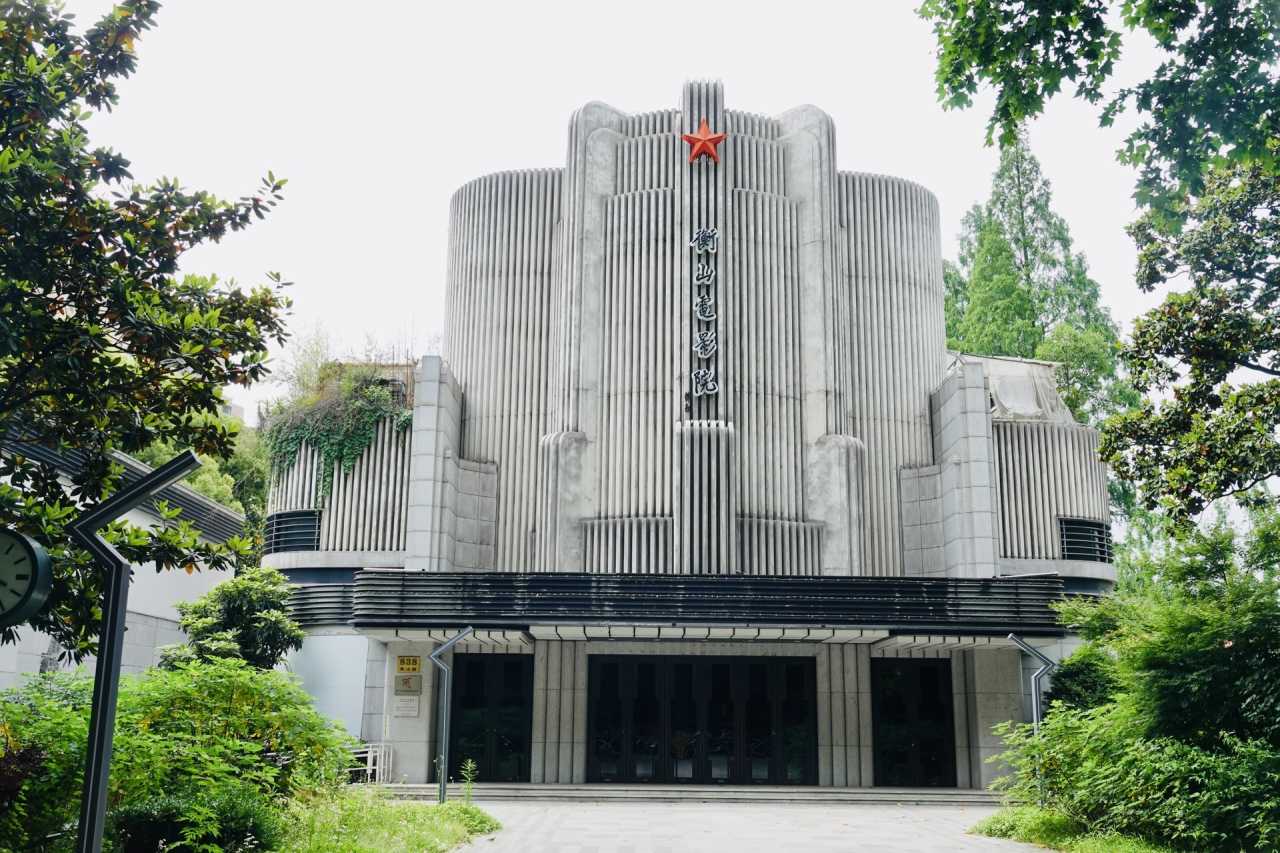
- Hengshan Cinema (1952): The first cinema built after the founding of the People's Republic of China.
- La Maison de Pathé (Baïdai Xiaolou): Where "March of the Volunteers" was recorded in 1935. Free admission. [Link: Shanghai historical landmarks]
- Libo Garden (1928): A residential building that exudes quiet elegance through its fence.
- Washington Apartments (1930): Once the tallest building on Hengshan Road, it remains an architectural icon.
- Community Church of Shanghai (1925): A neo-Gothic brick-and-wood structure open to all denominations.
- Water Tower Plaza: A popular Instagram spot blending old and new architecture.
Pro Tip: The entire walk takes 1.5–2 hours. Bring your camera for the cats that rule this street—they're the true locals.
Longmen Village: A Living Cultural History Museum
Longmen Village takes its name from the Longmen Academy, founded in 1865. Built in 1935, this "wall-less museum" features traditional Shikumen lane houses, modern-style residences, and garden villas. Nearly 1,000 residents call this place home.
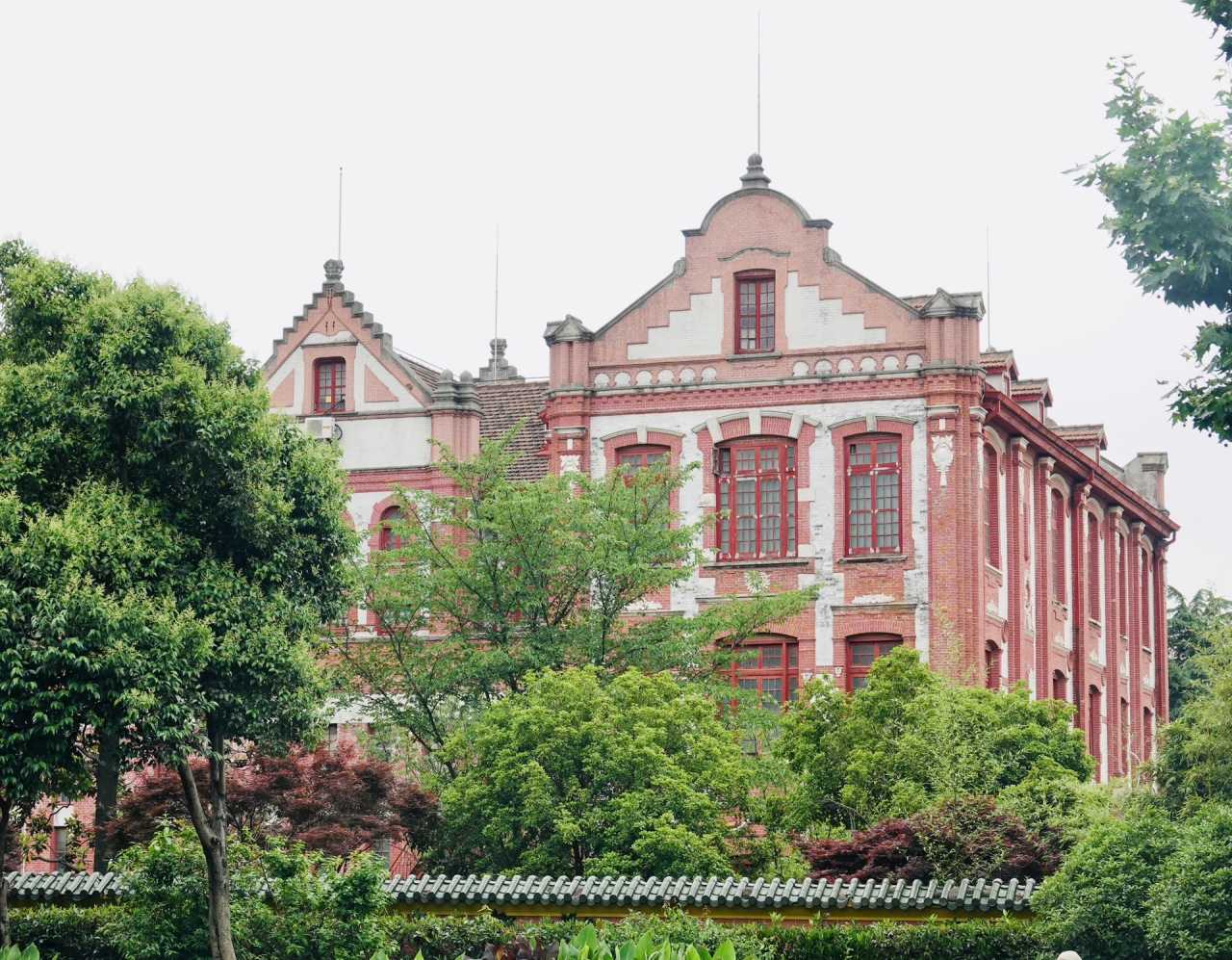
What to Look For: - Murals depicting playful cats on alley walls - Real cats lounging in doorways - Drying laundry and parked bicycles—authentic slices of daily life
When I visited in May 2023, renovations were underway, but the charm remained untouched. You'll hear your own footsteps echo through the quiet lanes.
Day 2: The Poetry of Century Park and Peony Garden in the Rain
Century Park: Greenery and Fragrance in the Rain
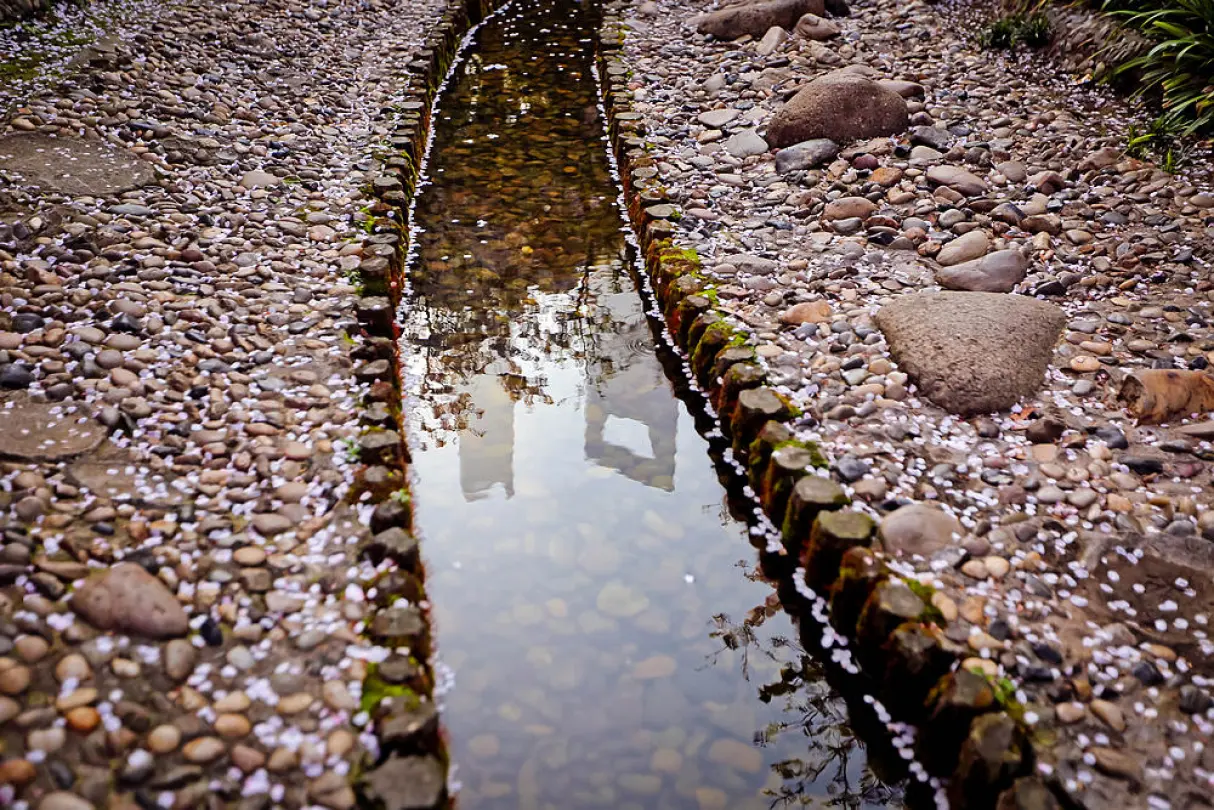
Rain doesn't stop exploration—it enhances it. Century Park, Pudong's largest ecological park, transforms into a lush green sanctuary under a drizzle. Tall trees create natural canopies, while raindrops cling to colorful flower petals.
Highlights: - A 500-meter stream winding through the park - Yunfan Bridge with its white deck and sky-blue railings - Statue of Li Bai (the martyr, not the poet)—inspiration for the film The Eternal Wave - Cherry blossom and plum gardens (best visited in spring)
The park's carved corridor features panda sculptures that attract local aunties for photo ops. It's a serene escape from Shanghai's fast pace.
Pudong Peony Garden: Ancient Architecture Meets Jiangnan Garden Design
Though peonies fade by May, the Pudong Peony Garden offers something more enduring: six ancient buildings relocated from across the region.
Must-See Structures:
- Jingyun Hall (Qianlong era, ~300 years old): The garden's oldest building, symbolizing prosperity and enduring fortune.
- Zhoupu Old Residence (Republican era): A brick-and-wood structure with two courtyards. One gable wall curves irregularly due to a tree at the foundation—an "accident" turned architectural feature.
These buildings form a symphony of Jiangnan garden aesthetics, where every beam and tile tells a story.
FAQ: Planning Your Shanghai Pudong Exploration

1. What is the best time to visit Hengshan Road?
Spring (March–May) and autumn (September–November) offer mild weather and stunning foliage. The sycamore trees are particularly beautiful in autumn when leaves turn golden.
2. Is Century Park suitable for families with children?
Absolutely. The park has wide paths for strollers, a lake for paddle boats, and plenty of open space for kids to run. The panda sculptures are a hit with younger visitors.
3. How do I get to Longmen Village from Hengshan Road?
It's a 15-minute walk or a 5-minute taxi ride. The transition from French Concession elegance to old-city bustle is part of the experience.
4. Are there entrance fees for these attractions?
- Hengshan Road: Free
- La Maison de Pathé: Free
- Century Park: ¥10 (approx. $1.40)
- Pudong Peony Garden: ¥30 (approx. $4.20)
5. Can I visit these spots in one day?
Yes, but it's ambitious. For a relaxed pace, split Hengshan Road/Longmen Village (Day 1) and Century Park/Peony Garden (Day 2). [Link: Shanghai 2-day itinerary]
Internal Linking Suggestions
- [Link: Best Shanghai walking tours]
- [Link: Shanghai French Concession guide]
- [Link: Pudong attractions beyond the skyline]
- [Link: Shanghai travel tips for first-timers]
Conclusion: Rediscover Shanghai's Heartbeat
Shanghai is not just a city of skyscrapers and shopping malls. It's a place where sycamore shadows dance on century-old walls, where rain brings gardens to life, and where every lane holds a story. Whether you're measuring the city's daily rhythms one step at a time or chasing cats through historic alleyways, Shanghai rewards those who look beyond the obvious.
Ready to explore? Pack your walking shoes, bring your camera, and let Shanghai's tenderness and grandeur surprise you. Share your favorite hidden corners in the comments below—we'd love to hear your discoveries.
Have you visited Shanghai's lesser-known gems? Which spot from this guide would you explore first? Let us know!
You may also like