Refusing Spice in a City of Fire: A 6-Day Chengdu Adventure for the Sensitive Traveler
Meta Description: Can't handle Sichuan heat? Discover a 6-day Chengdu itinerary for travelers allergic to chili peppers. Explore pandas, Mount Emei, and spicy-free eats in the Land of Abundance.
Introduction
The meaning of travel has never been about how many landmarks you check off a list, but about those moments that take root in your memory and grow. Some people measure the world in footsteps; others capture beauty through a lens. I chose to experience Chengdu—a city famous for its fiery spice—with a heart that happens to be allergic to chili peppers. This is my 6-day adventure for the sensitive traveler, proving that even in the "City of Fire," you can find gentle flavors, misty mountains, and unforgettable moments.
Why Chengdu for a Non-Spicy Traveler?
I'm embarrassed to admit that the draft of this travelogue sat on my computer for nearly two years. It wasn't until I flipped through old photos that those blurry memories came back to life.

For most people, Chengdu means hotpot, Long Chao Shou (wonton soup), and duck intestines. But I'm a sensitive person—literally. I'm allergic to chili peppers. A tiny bit is fine, but once I exceed my tolerance threshold, my skin breaks out in rashes. So "what to eat in Chengdu" was a question I had to think about very carefully.
To be honest, I never had any special attachment to Chengdu. This trip was entirely inspired by Zhao Lei's song Chengdu. Street performers were always singing it, and the more I heard it, the more I wanted to see that drizzly little city, see the giant pandas, and experience the abundance of the "Land of Abundance."
How many times has this been my "just go" moment? I've lost count.
Pre-Trip Preparations for Solo Travelers
Transportation Tips for Chengdu
A spontaneous trip looks cool, but it's not always the best value. Because I decided last minute, both flights and hotels cost more than if I'd planned ahead. There are plenty of flights to Chengdu, and I still recommend flying—but not the red-eye. When you're traveling alone, you have to stay alert.
[Link: Best time to visit Chengdu for budget travelers]
Where to Stay in Chengdu
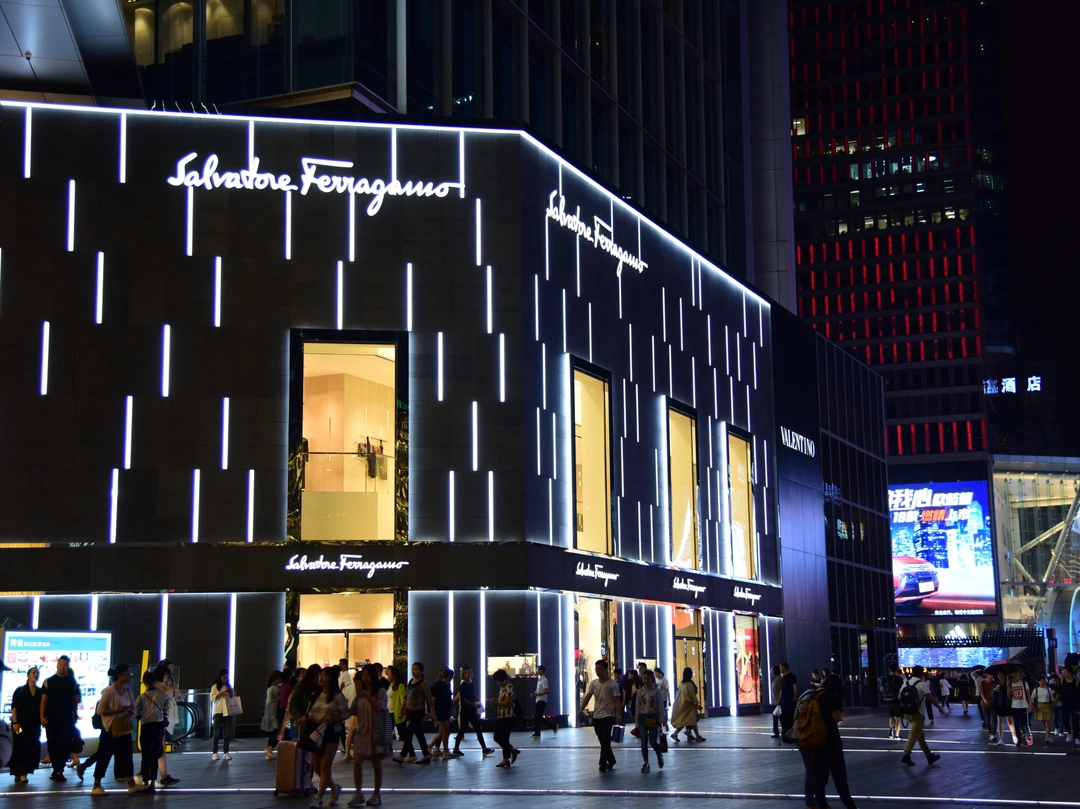
I recommend staying near the Chunxi Road or Taikoo Li commercial areas. They're lively, so you can wander around in the evening without making a special trip. There are plenty of hotel options, and it's easy to grab a taxi or join a local tour group.
Day 1: Mount Emei – The Gentle Beauty of Mist and Rain
I signed up with a local tour agency for a trip to Mount Emei and the Leshan Giant Buddha.
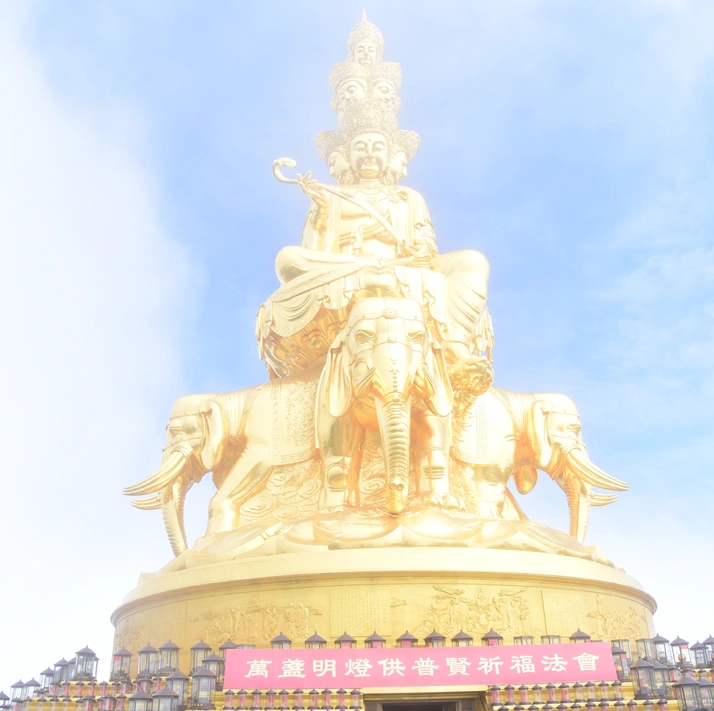
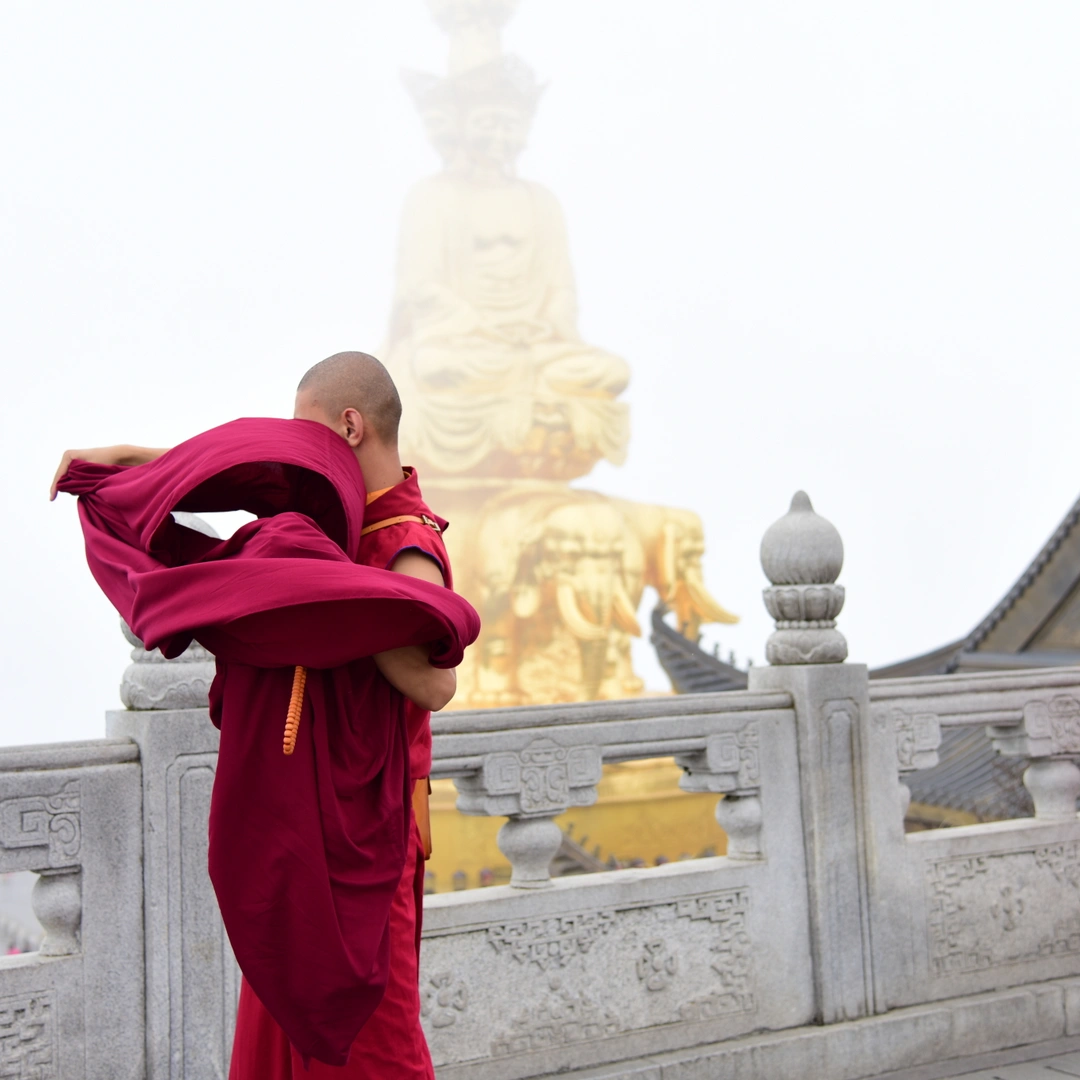
Online, people say the must-sees on Mount Emei are the sunrise, sea of clouds, Buddhist halo, and sacred lamps. Unfortunately, I've never been lucky with these things. That day, it rained the whole time—not hard, just a constant drizzle. When I reached the Golden Summit, there was no sea of clouds, no sunrise. To make matters worse, the summit was under construction.
Standing on the Golden Summit, all I could see was fog. Without the grandeur of the sea of clouds, the summit felt softer, more gentle, even through the bustling crowds. That day, I happened to meet many Tibetan pilgrims from the Ganzi region. Their vibrant Tibetan robes swayed in the gray-white mist, like dancing prayer flags, telling stories of their blessings.
Non-spicy tip: Pack a light rain jacket and comfortable shoes. The misty atmosphere is perfect for sensitive travelers who prefer cool, calm environments over crowded, sunny spots.
[Link: How to visit Mount Emei on a budget]
Day 2: The Leshan Giant Buddha – A Conversation with History
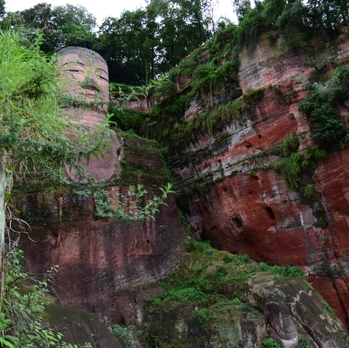
Coming down from Mount Emei, the next stop was the Leshan Giant Buddha.
The scenic area also includes the Mahao Cliff Tombs, which are quite far from the giant Buddha. After descending Mount Emei, the walk felt like a real test of endurance. They say the Mahao Cliff Tombs are a classic example of cliff burial sites, worth a visit.
In truth, whether it's the Mahao Cliff Tombs or the Leshan Giant Buddha, both are about connecting with history through the things that have survived. Speaking of history, there's another place—Dujiangyan.
History should be remembered. When we talk to history today, we're really reflecting on ourselves. We praise the beauty of our motherland's rivers and mountains, but who remembers that today's splendor was built on yesterday's hardships? We marvel at the convenience of modern facilities, but who recalls that even in the age of agriculture, we had already achieved greatness? Standing before history, there is awe; facing that awe, there is emotion; and in that emotion, there is the shame of our own powerlessness.
That ginseng fruit tree from Journey to the West—looking at it across a thousand years, it seems even fuller than before.
Non-spicy tip: There are plenty of noodle shops near the Buddha that offer clear broth options. Ask for qing tang mian (clear soup noodles) to avoid spice.
Day 3: At the Foot of Qingcheng Mountain – Bai Suzhen Is Just a Legend
They say Bai Suzhen, the white snake spirit, lived at the foot of Qingcheng Mountain, but no one can verify it. Just a beautiful legend.
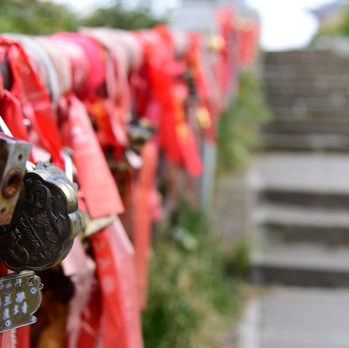
Qingcheng Mountain is a Taoist sacred site, known for its serene bamboo forests and cool, misty paths. For the sensitive traveler, this is a perfect escape from the city's heat and spice. The air is clean, the trails are shaded, and the temples offer moments of quiet reflection.
[Link: Top Taoist temples in Qingcheng Mountain]
Day 4: The Proud Pandas – National Treasures Who've Mastered Laziness
Back in Chengdu, it felt like traveling through time. First stop: hotpot. There are plenty of places like Xiao Long Kan and Shu Da Xia. Xiao Long Kan is more lavishly decorated, but locals prefer Shu Da Xia. Every hotpot restaurant has a line at night, so make a reservation.
As someone who can't eat spicy food, I naturally ordered a yuanyang (split) pot. Chengdu's yuanyang pot is kind of sad—a huge red oil pot with a tiny little circle of clear broth in the middle. But even the clear broth tasted great.
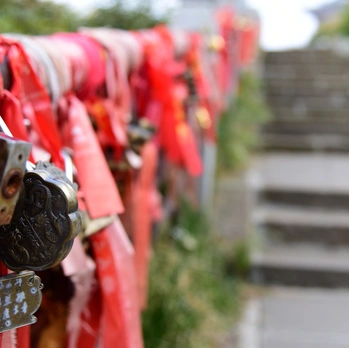
The next day, I went to the Giant Panda Breeding Research Base. Finally, I saw giant pandas! It felt like you haven't really been to Sichuan if you haven't seen them. Pandas have taken laziness to a whole new level. Their adorable, clumsy image comes from being too lazy—too lazy to scheme, too lazy to think, seizing every moment to stare blankly into space. But their speed at eating bamboo is astonishing. You can barely see how they peel it before it's gone. Unfortunately, their laziness also means they don't like taking care of their cubs, which is why panda birth rates and survival rates are so low.
Tips: The base is huge, but don't waste too much time. The adult panda pavilion is okay—they're mostly sleeping. The panda nursery and cub pavilion are worth a visit, but they're crowded. You can only walk through, no stopping. The base is far from the city center, but there are direct shuttle buses from popular areas. Tickets are around 30 RMB, very convenient.
Non-spicy tip: Bring your own snacks and water. The food options inside the base are limited and often spicy.
[Link: How to see pandas without the crowds]
Day 5: The Little Bar – Chengdu's Artistry and Gentleness
"It's not just last night's wine that makes me cry; it's not just your tenderness that makes me reluctant to leave..."
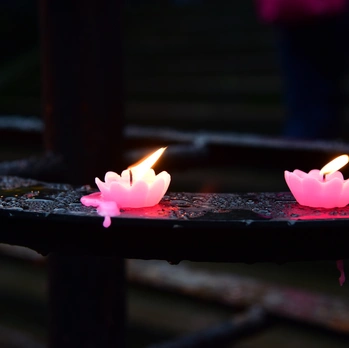
Since I came for Chengdu, I had to visit the Little Bar on Yulin Road. It's really just an ordinary little bar. Now there are many branches, but the Yulin Road location always has a wait, with regular folk music performances.
Non-spicy tip: Order a glass of plum wine or a mild cocktail. Avoid the spicy snacks—ask for wu la (no spice) options.
Day 6: Kuanzhai Alley and Jinli – Two Flavors of Artistry
Kuanzhai Alley is practically a pilgrimage site for every artsy soul. But to me, it's not much different from any other artsy district—food, specialty snacks, artsy cafes, all the things that attract young people. Kuanzhai Alley consists of two lanes, Wide Lane and Narrow Lane, now mostly filled with shops.
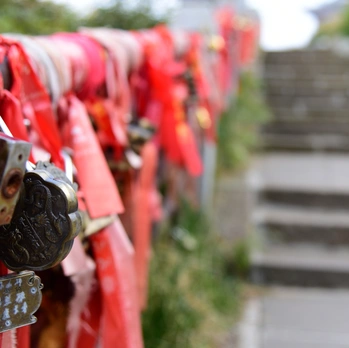
Jinli is also a commercial area, but it feels more laid-back than Kuanzhai. There's a whole street of bars and countless artsy shops. Kuanzhai is more about folk culture, with more Sichuan opera theaters and tea houses. Jinli is crowded, but when you're tired, you can find a spot to rest, or pick a second-floor cafe, bar, or Western restaurant, sit by the window, and watch the sun set behind you. Watch the bustling crowd, experience the slowest pace of life, and enjoy the most relaxing moments.
Non-spicy tip: Try the dan dan mian without chili oil, or the long chao shou (clear wonton soup). Many vendors will customize orders if you ask politely.
[Link: Best non-spicy restaurants in Chengdu]
Chengdu's Slow and Fast
They say Chengdu is the epitome of slow living—drinking tea from covered bowls, chatting away the hours (bai longmenzhen), watching Sichuan opera face-changing, and the day is gone. But today's Chengdu is also speeding up. During the workweek, office workers rush through the subway; on weekends, the parks fill with families. It's a city of contrasts—and for the sensitive traveler, it offers both the comfort of gentle flavors and the thrill of discovery.
Frequently Asked Questions (FAQ)
1. Can I survive in Chengdu if I'm allergic to chili peppers?
 Absolutely. While Sichuan cuisine is famous for its spice, many restaurants offer bu la (not spicy) options. Look for clear broth hotpot, steamed dishes, and noodle soups. Always confirm with the server: "Qing wen, zhe ge you la ma?" (Excuse me, is this spicy?)
2. What are the best non-spicy dishes to try in Chengdu?
 Try Long Chao Shou (clear wonton soup), Dan Dan Mian without chili oil, Zhong Shui Jiao (dumplings in chili oil—ask for no chili), Mapo Tofu (ask for mild version), and Gong Bao Ji Ding (Kung Pao Chicken—request no dried chilies).
3. Is it safe to eat street food in Chengdu with a sensitive stomach?
 Yes, but choose wisely. Stick to steamed buns, grilled corn, and fresh fruit. Avoid anything that looks heavily oiled or red. Carry a small phrase card that says "No spice, please" in Chinese.
4. How do I find non-spicy restaurants in Chengdu?
 Use apps like Dianping (Meituan) and filter by "清淡" (light flavor) or "不辣" (not spicy). You can also search for "粤菜" (Cantonese cuisine) or "西餐" (Western food) for safe options.
5. What should I pack for a sensitive traveler in Chengdu?
Pack antacids, antihistamines, a reusable water bottle, and a small phrase card for food allergies. Comfortable walking shoes are a must—you'll be on your feet exploring temples, pandas, and alleys.
Final Thoughts: Your Chengdu Adventure Awaits
Chengdu may be the "City of Fire," but for the sensitive traveler, it's also a city of gentle mist, lazy pandas, and history that whispers. You don't need to eat spicy food to fall in love with this place. You just need an open heart and a willingness to explore.
Ready to plan your own spice-free Chengdu adventure?
Start by booking your flights and hotels early to save money. Then, use this itinerary as your guide. Remember: the best travel memories aren't about what you eat—they're about what you feel.
[Link: Complete Chengdu travel guide for first-timers]
Call to Action:
Have you traveled to Chengdu with dietary restrictions? Share your tips in the comments below! And if you're planning your trip, download our free Chengdu non-spicy food map to navigate the city like a pro.
Safe travels, and may your journey be as gentle as the mist on Mount Emei.