Rediscovering the Soul of Chinese New Year: A 2021 Shanghai Journey Through "Guochao" Culture
Meta Description: Explore Shanghai's vibrant Guochao culture during Chinese New Year 2021. From Yu Garden's lantern festival to heritage food stores on Huaihai Road, rediscover the authentic "nian wei" of Spring Festival.
Introduction: The Awakening of Cultural Pride
The pandemic year taught me something profound: the poetry we chase across distant lands has been waiting right on our doorstep all along. As travel restrictions kept us closer to home, I found myself peeling back layers of my own country's cultural fabric, discovering that Guochao culture — this rising tide of Chinese cultural pride — isn't merely a passing fashion statement. It's a rich, unapologetic celebration of everything that makes China uniquely itself. And nowhere does this come alive more vibrantly than in Shanghai during Spring Festival.

This 2021 Shanghai journey through tradition and modernity revealed that the soul of Chinese New Year hasn't disappeared — it's simply transformed, waiting to be rediscovered in the lantern-lit streets and bustling food markets of this dynamic city.
What Exactly Is "Nian Wei"? Rediscovering the Elusive Flavor of New Year
Let's be honest — we've all felt it. That creeping sense that Chinese New Year traditions aren't quite what they used to be. No more firecrackers echoing through city streets. No more red envelopes stuffed with crisp bills passed from elders' hands. Instead, we scan QR codes for virtual blessings and queue up for blockbuster movies.
But here's the thing: while the wrapping changes, the gift inside remains the same.
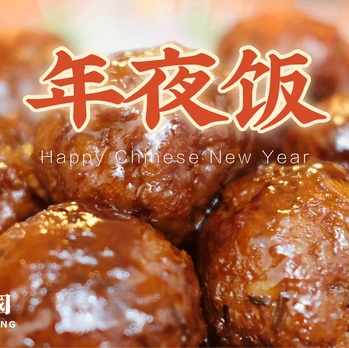
I close my eyes and I'm seven years old again. The month before New Year, our apartment hummed with purposeful chaos. My mother's chopping knife danced against the wooden board in a rhythm I can still hear — thump-thump-thump — as she prepared her legendary lion's head meatballs. A massive basin held the perfect marriage of fatty pork, sticky glutinous rice, and water chestnuts. Then came the coup de grâce: a ladleful of smoking hot oil poured over the mixture, releasing an aroma that meant one thing only — nian lai le (the New Year has arrived).
That dish appears only once a year. I've never managed to replicate it. And maybe that's exactly how it should be.
That's the real "nian wei" — the taste of reunion, the warmth of family gathered around a table, the flavors that exist nowhere else but in our memories of home. This 2021 Shanghai experience taught me that Spring Festival food traditions are the anchors keeping us connected to our roots, even as the world changes around us.
The Rituals of Celebration: Where Tradition Meets Modern Shanghai
Yu Garden Lantern Festival: The Heartbeat of Shanghai's New Year Celebrations
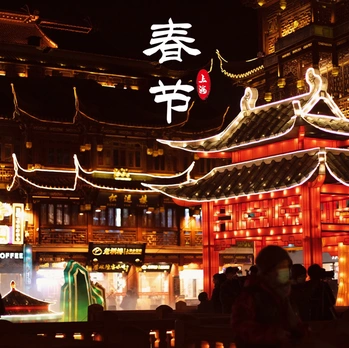
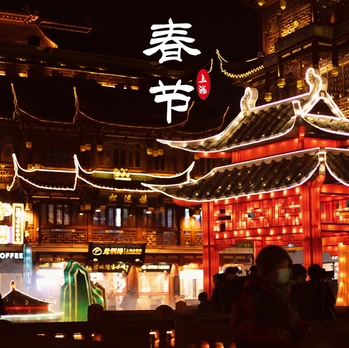
If you ask any Shanghainese where to find the most authentic New Year atmosphere, they'll point you toward one place: Yu Garden (Yuyuan) . This isn't just a tourist attraction — it's a living, breathing cultural institution recognized as a national intangible cultural heritage site. The Shanghai Lantern Festival here is arguably the city's most spectacular annual event.
The City God Temple Experience
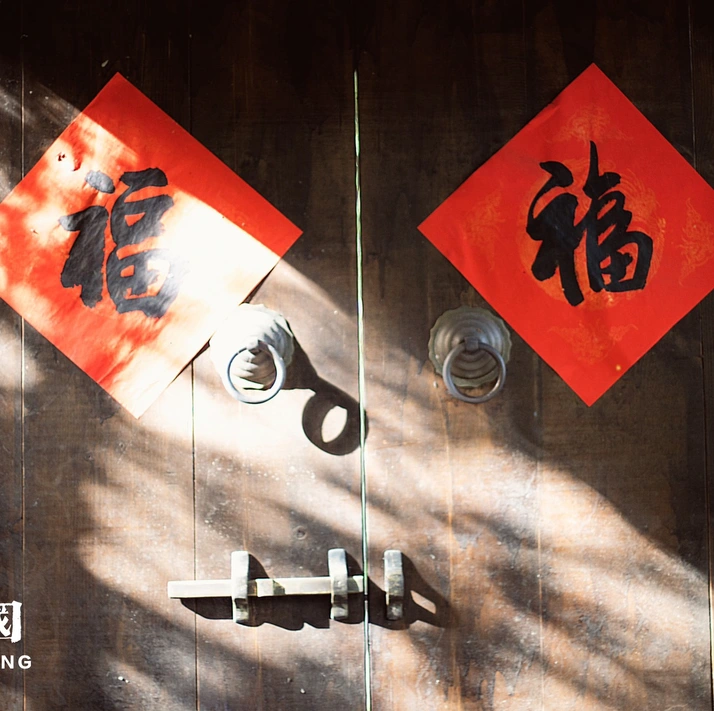
Before the lanterns ignite, make your way to Fuyoumen Commercial Building near the City God Temple (Chenghuang Miao) . This sprawling market transforms into a sea of crimson as vendors stack couplets, paper-cuts, and decorative blessings in every conceivable style. The tradition of pasting spring couplets dates back to the Song Dynasty, when villagers painted divine figures on peach wood boards to ward off evil spirits — the original "taofu" that poet Wang Anshi immortalized in his famous lines about exchanging old charms for new.
Address: 427 Fuyou Road, Huangpu District
Getting there: Metro Line 10, Yuyuan Station
Hours: 6:30 AM – 5:00 PM
The 2021 Lantern Spectacular
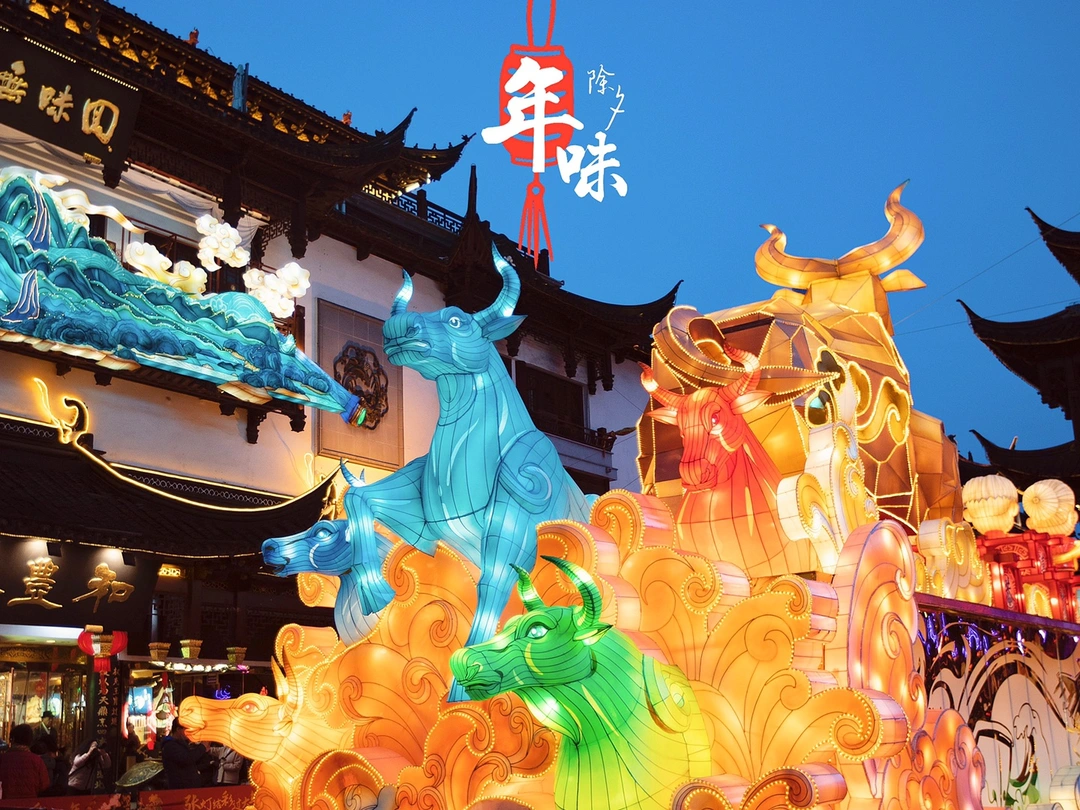
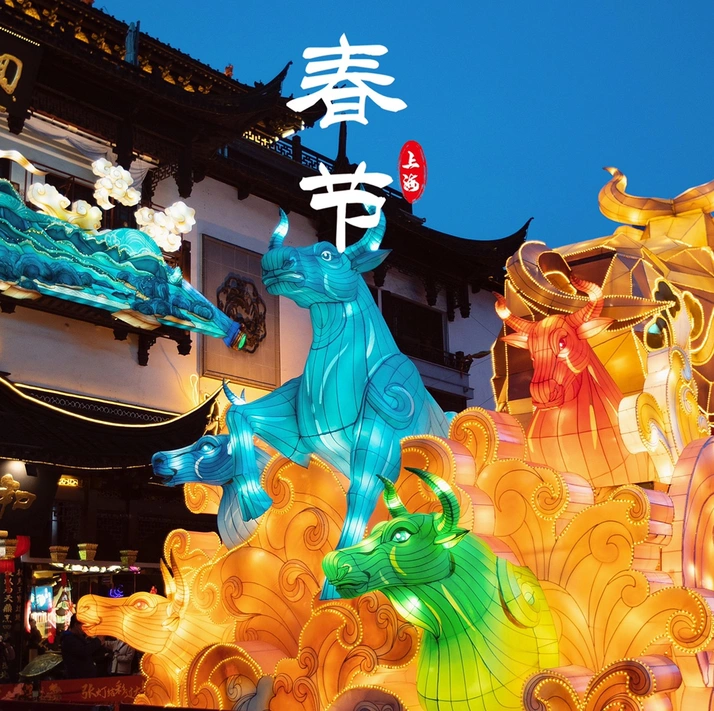
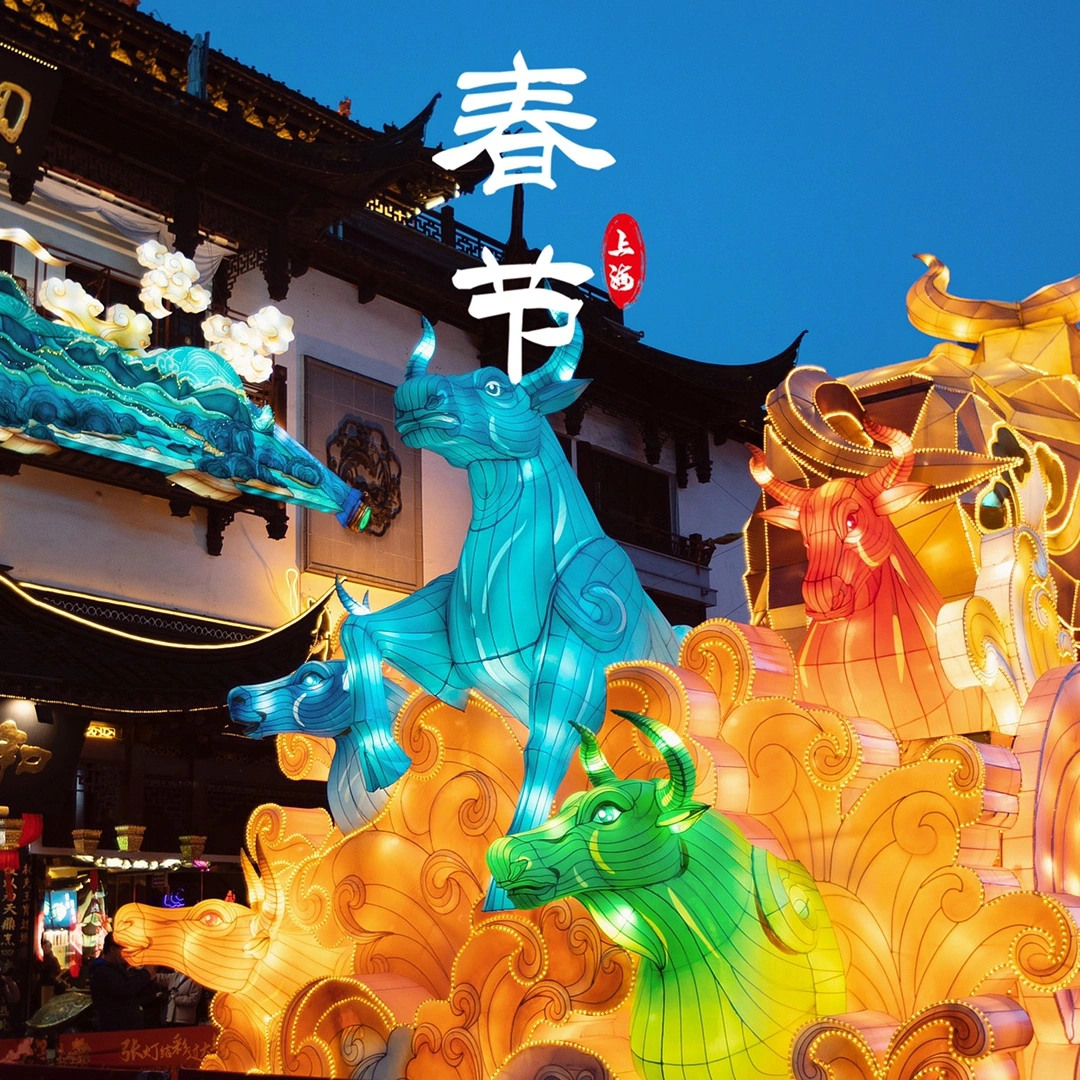
This year's display felt different — more intentional, more deeply rooted in Chinese aesthetics. While last year featured Mickey Mouse (a nod to Disney's Shanghai presence), 2021 partnered with POPMART to create a mesmerizing Molly-themed "Ox Power Sky" exhibition — a perfect example of how Guochao culture blends traditional motifs with contemporary design.
The centerpiece? An eight-meter-tall golden "Struggling Chinese Ox" at the main plaza, its surface rippling with changing lights. Below it stands a family of five — a hopeful symbol of prosperity and togetherness.
But the real magic happens at Nine-bend Bridge (Jiuqu Qiao) , built during the Qianlong era of the Qing Dynasty. This 104-meter zigzag structure becomes a time machine after dark. Mist machines create an ethereal atmosphere, while a giant carp floats above Huxinting Teahouse, its scales catching the lantern light. Traditional dance performances begin at 6:30 PM, repeating every half hour until closing.
Pro tip: Visit after 9 PM to avoid the worst crowds. Bring a wide-angle lens (16-35mm or 24-70mm works best) and a lightweight tripod. The scenes are too close for telephoto shots.
Address: 168 Fuyou Road, Huangpu District
Getting there: Metro Line 10, Yuyuan Station
Best time: After 5 PM (lights come on at dusk)
Admission: Free until February 24; ticketed during Lantern Festival (Feb 25 – Mar 1)
[Link: Shanghai Spring Festival events calendar]
Shopping Like a Local: The Heritage Food Stores of Shanghai

Huaihai Road: Where Grandmas and Hipsters Queue Together for New Year Treats
Shanghai's older generation swears by time-honored brands for their Chinese New Year shopping. And on Huaihai Road, the queues tell you everything you need to know about where to find the best traditional Chinese snacks.
Guangming Cun (Bright Village)
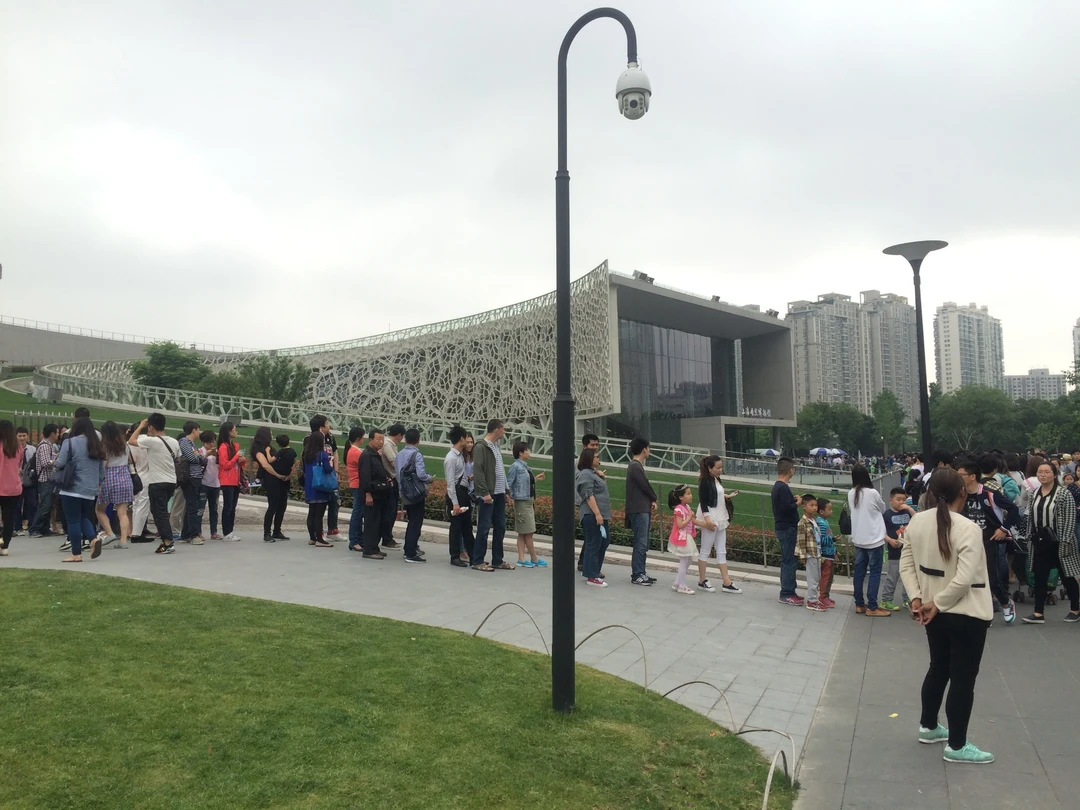
This place is legendary. I'm not exaggerating when I say people queue here 365 days a year — even when Shanghai's temperature dropped to record lows this January. The line snaking down the pavement has become part of the neighborhood's visual identity.
Must-try items: - Braised duck: Tender, lean, and miraculously free of any gamey aftertaste. This is the dish that built Guangming Cun's reputation. - Fresh meat mooncakes: Yes, mooncakes in winter. Shanghai doesn't care about seasons — these flaky pastries filled with juicy pork are beloved year-round. The crispy layers shatter at the lightest touch, releasing a burst of savory broth.
Address: 588 Huaihai Middle Road
Getting there: Metro Line 1, South Shaanxi Road Station
Harbin Food Factory
Despite its name, this is pure Shanghai — a Russian-influenced pastry tradition adapted over 80 years into something uniquely local. The retro buttercream cakes look like they stepped out of a 1980s bakery window, but don't let the old-school appearance fool you. The butter aroma hits you before you're even through the door.
Don't miss: - Small butterfly pastries (ranked #1): Layers of flaky pastry kissed with butter and sugar. Some prefer International Hotel's version, but for soft, buttery goodness, Harbin's take is unbeatable. - Ice cream cone pastries: Cream studded with sugar crystals encased in crispy shell layers.
Address: 601-603 Huaihai Middle Road
Getting there: Metro Line 13, Huaihai Middle Road Station
Laodachang (Old Master Chang)
This name appears in Eileen Chang's writings about food — the legendary author described their hemispherical cakes with slightly salty cheese centers. Today, the clientele skews older, with grandparents lingering over coffee and pastries while younger crowds rush past.
My personal favorite: Their cream puffs (hadou) and whipped cream cake (guan naiyou). These aren't Instagram-worthy creations — they're honest, unpretentious sweets that taste like childhood.
Address: 558 Huaihai Middle Road
Getting there: Metro Line 13, Huaihai Middle Road Station
[Link: Best traditional bakeries in Shanghai]
Nanjing Road: The Grand Boulevard of New Year Fever
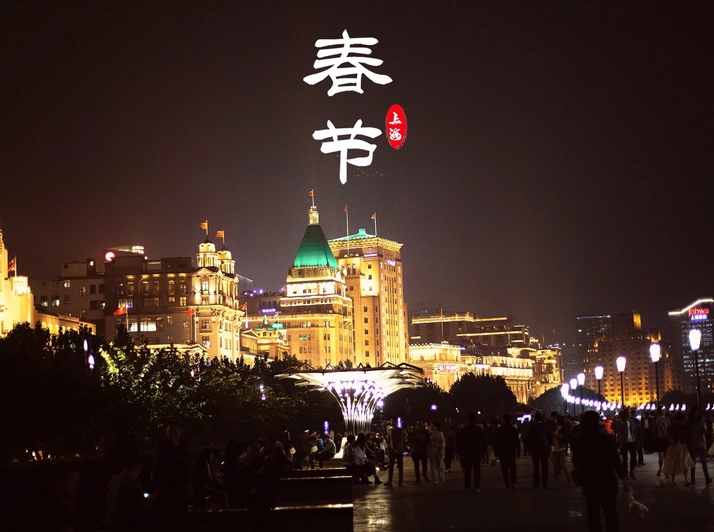
The recent eastward extension of Nanjing Road Pedestrian Street means you can now walk all the way from People's Square to the Bund. And during New Year, this stretch overflows with festive energy that exemplifies the Spring Festival atmosphere in Shanghai.
Shanghai No. 1 Food Store
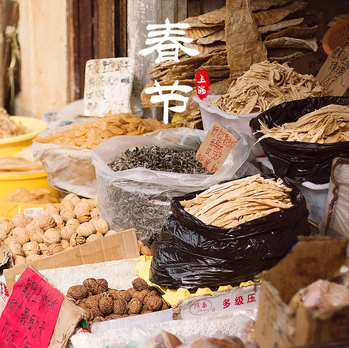
This is the grande dame of Shanghai food emporiums. Head here for: - White Rabbit candy: 12 flavors now available, from classic milk to durian, wasabi, and mango. For the indecisive, they sell single pieces of each flavor. - Peanut nougat: Those pale blue wrappers contain blocks of nostalgia. The proper name "niuzha tang" comes from the French nougat — which itself traces back to Latin for "nut cake." (In Cantonese, it's called "bird knot candy.") - Traditional sachima: Denser and chewier than supermarket versions. Warning: the maltose will test your dental work.
Second floor highlight: Shen Dacheng's glutinous rice cakes — essential New Year treats — and more fresh meat mooncakes.
Address: 720 Nanjing East Road
Getting there: Metro Lines 1/2/8, People's Square Station
[Link: Must-try Shanghai New Year foods]
Frequently Asked Questions About Chinese New Year in Shanghai
1. What is the best time to visit Yu Garden during Spring Festival?
The Yu Garden Lantern Festival is best experienced after 5 PM when the lights come on at dusk. For smaller crowds, visit after 9 PM on weekdays. The lantern display runs from late January through early March, with ticketed entry during the peak Lantern Festival period (typically February 25 to March 1).
2. What are the must-try traditional foods for Chinese New Year in Shanghai?
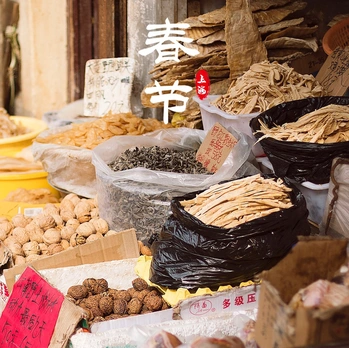
Essential Spring Festival food traditions include: - Glutinous rice cakes (niangao) — symbolizing prosperity and advancement - Fresh meat mooncakes — available year-round at heritage bakeries - Braised duck from Guangming Cun — a Shanghai specialty - White Rabbit candy — a nostalgic favorite - Sachima — a sweet, chewy pastry
3. How do I get around Shanghai during Spring Festival?
The Shanghai Metro is the most efficient way to navigate during Spring Festival. Lines 10 (to Yu Garden), 1, 2, 8 (to People's Square/Nanjing Road), and 13 (to Huaihai Road) cover most key locations. Avoid taxis during peak hours due to traffic congestion around popular destinations.
4. What is "Guochao" culture and why is it significant?
Guochao culture (国潮) refers to the rising trend of Chinese cultural pride and aesthetics in fashion, design, and lifestyle. It represents a shift from Western-dominated consumer preferences toward embracing traditional Chinese elements in modern contexts. During Chinese New Year, this manifests in everything from lantern designs to food packaging.
5. Are the heritage food stores on Huaihai Road worth the long queues?
Absolutely. The queues at stores like Guangming Cun and Harbin Food Factory are a testament to quality that has been maintained for decades. These establishments are part of Shanghai's intangible cultural heritage, and the wait is typically 15-30 minutes during off-peak hours. The braised duck and fresh meat mooncakes are widely considered worth every minute.
Conclusion: Your 2021 Shanghai New Year Awaits
This journey through Shanghai's Guochao culture during Spring Festival revealed something essential: tradition isn't static. It evolves, adapts, and finds new expressions while preserving its core meaning. The Chinese New Year traditions we cherish aren't disappearing — they're being reborn in exciting new forms.
From the ethereal beauty of the Yu Garden Lantern Festival to the comforting queues at heritage food stores, Shanghai offers a unique window into how modern China celebrates its most important holiday. Whether you're a local rediscovering your cultural roots or a traveler seeking authentic experiences, the city's Spring Festival celebrations promise memories that will last a lifetime.
Ready to experience the magic of Chinese New Year in Shanghai? Start planning your trip today. Book your accommodation near Yu Garden or the Bund, mark your calendar for the Lantern Festival dates, and prepare your taste buds for an unforgettable culinary journey. The soul of Chinese New Year is waiting — all you have to do is show up.
[Link: Shanghai travel guide for Spring Festival] [Link: Best hotels near Yu Garden]
Experience the Guochao culture revolution. Discover Shanghai. Rediscover Chinese New Year.
You may also like