Qingming Rain at Zhujiajiao: A Water Town Travel Guide to Finding Life's Poetry
Meta Description: Escape the crowds this Qingming Festival. Discover Zhujiajiao's slow rhythms, from rowboat rides on Caogang River to hidden photo spots and budget-friendly dining. Your complete water town itinerary.
The Jiangnan region during the Qingming Festival always carries a certain hesitant tenderness. When spring rain falls like silk threads onto blue stone paths, when mist lingers between the white walls and dark tiles lining the canals, the thousand-year-old ancient town of Zhujiajiao quietly adorns itself in its most captivating guise. I brought my family on this two-day, one-night journey—not to rush, not to check off sights, but simply to surrender ourselves to the water town's rhythm and encounter the romance hidden in the details.
If you're searching for a Shanghai weekend getaway that feels worlds away from the city's frantic pace, Zhujiajiao delivers. Here's how to experience it like a local, avoid the holiday crowds, and uncover the poetry in every paddle stroke.
How to Get to Zhujiajiao: Beating the Qingming Holiday Traffic
Traveling during the Qingming holiday tests one's patience above all. We drove from the city, and what should have been a 1.5-hour trip stretched painfully to three hours—the Shanghai-Changzhou Expressway turned into a moving parking lot.
Pro tip for holiday travel: Metro Line 17 goes directly to Zhujiajiao Station, and a 10-minute taxi ride from there gets you to the scenic area. It's by far the smarter choice. [Link: Shanghai Metro Line 17 guide for tourists]
Day One: Embracing Slow Living Amidst the Hustle
Lunch at Yuxingji: A Bowl of Noodles as Comfort
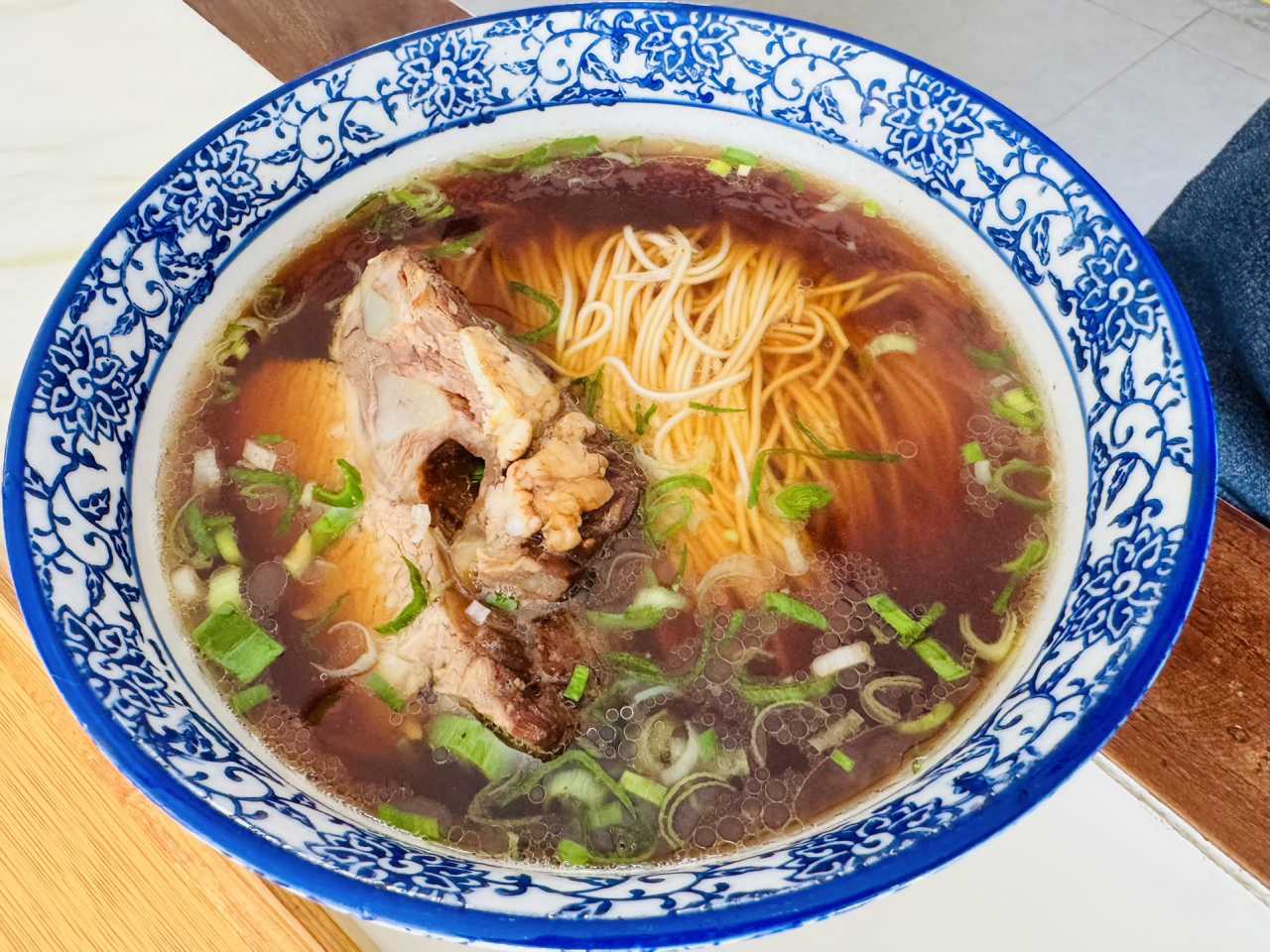
By the time we arrived, we were famished. Yuxingji (裕兴记), a restaurant right at the entrance, became our first stop. Their brown sugar soup noodles are the signature dish. Each of us ordered a bowl, then picked our favorite toppings.
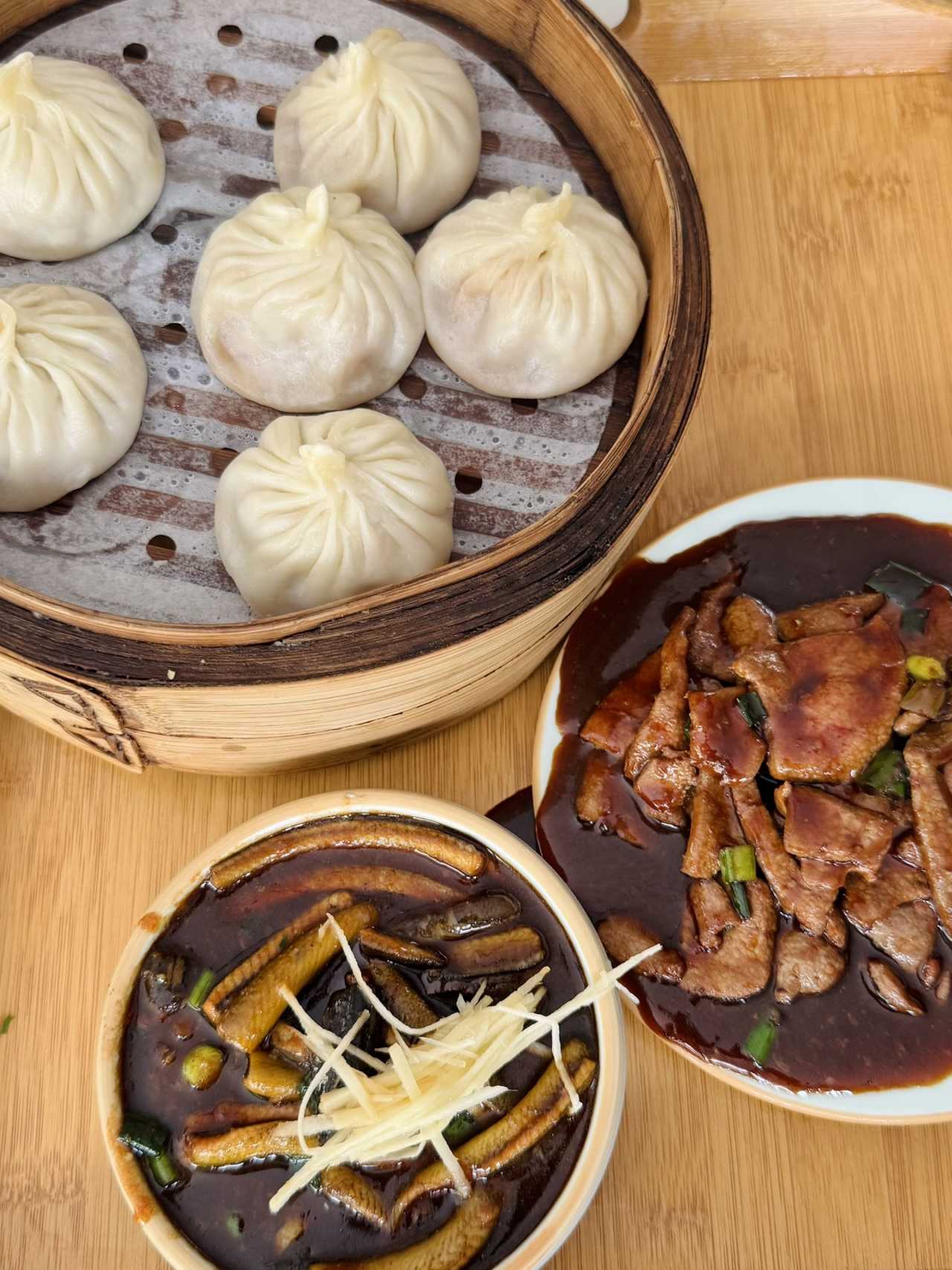
I chose the sauce-fried pork liver—every slice was coated in a thick, rich sauce, so tender and smooth that I couldn't help nodding in approval with every bite. My family ordered the sizzling eel paste (响油鳝糊), a classic Shanghai-style dish with its signature dark, oily sauce—deeply flavorful and satisfying.
Verdict: The soup dumplings, however, fell short—the wrappers were too thick, the filling loose, and nothing particularly impressive. Stick with the noodles.
First Encounter with a Trendy Tea Shop and Fangsheng Bridge
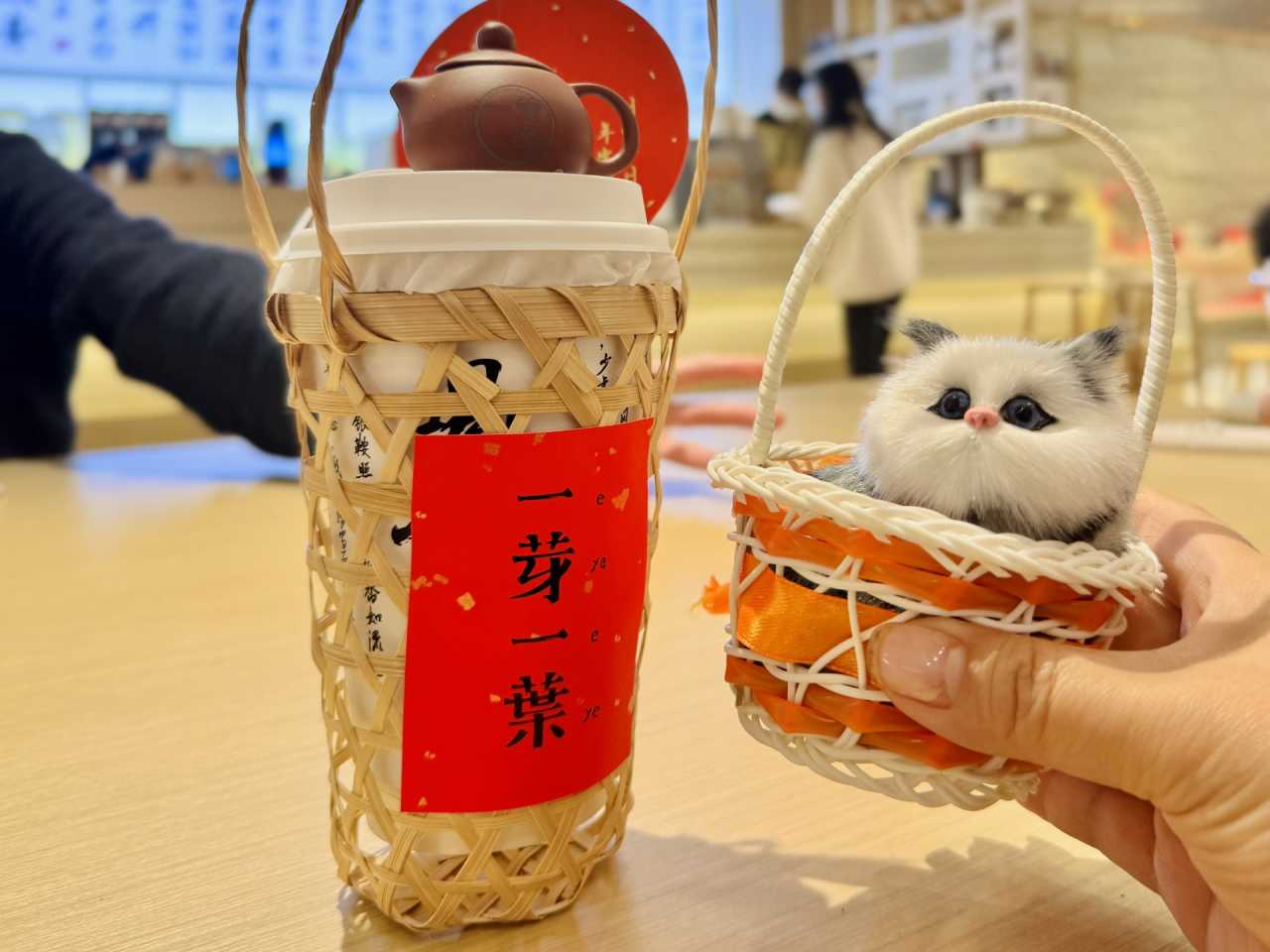
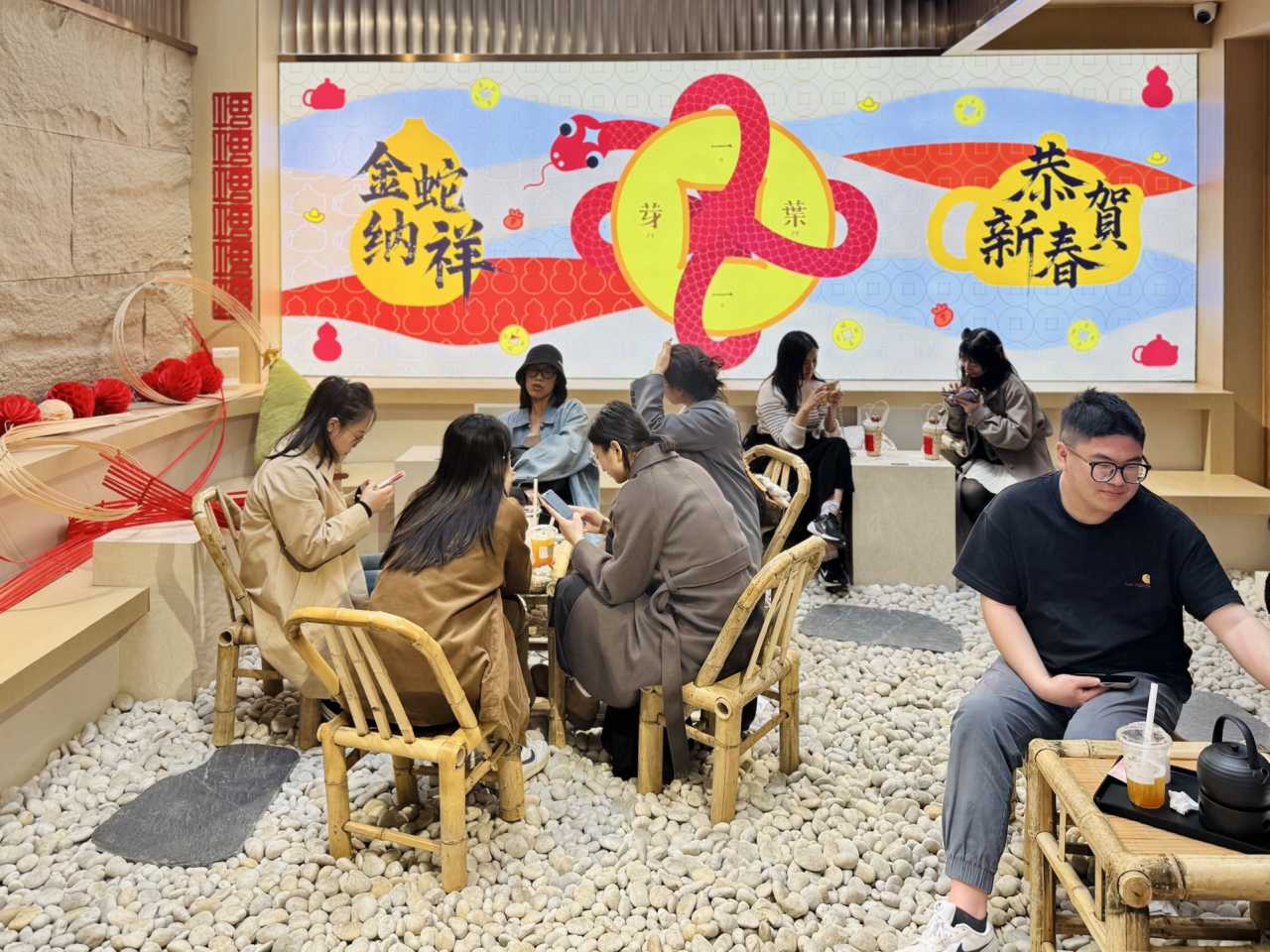
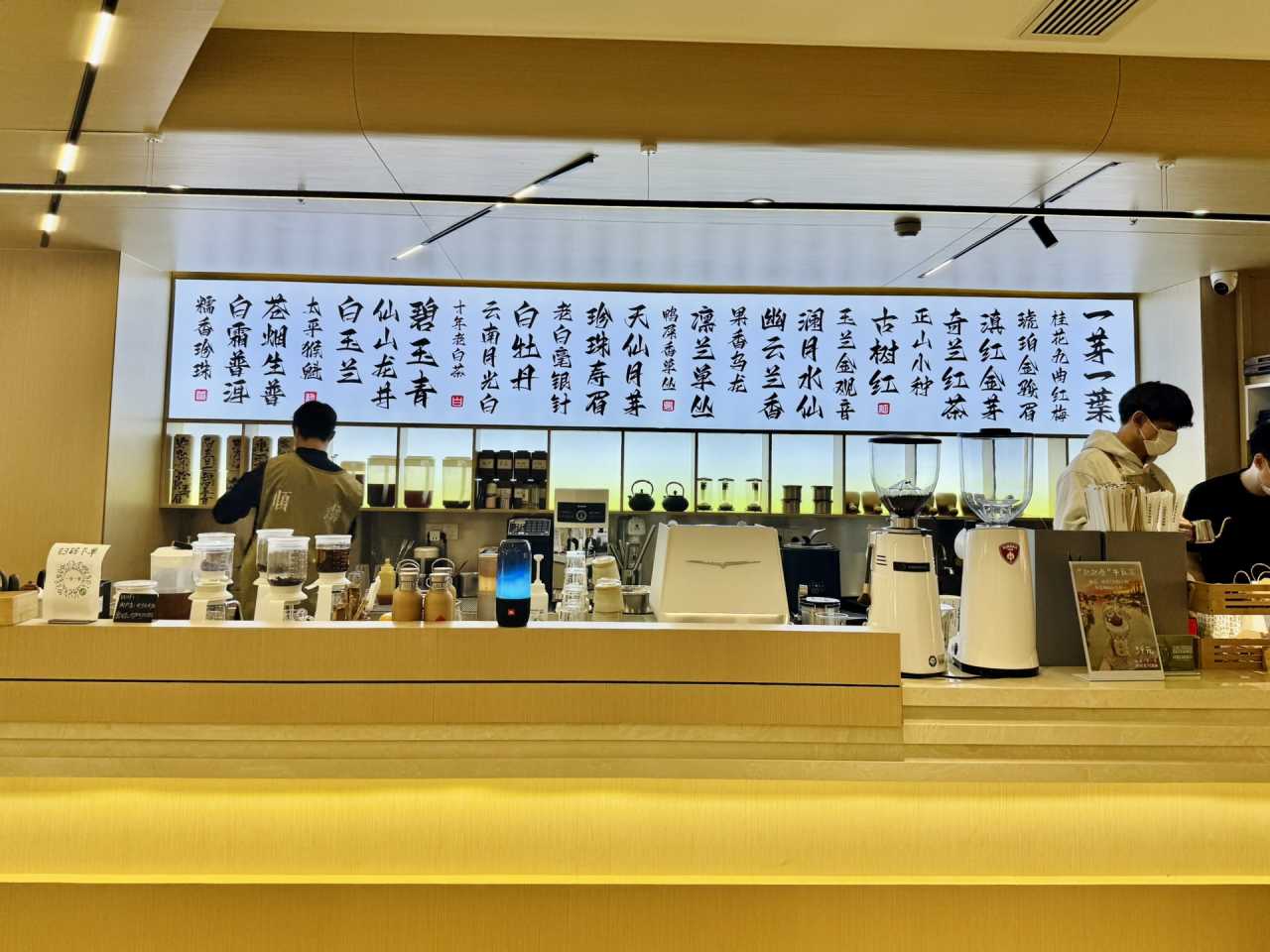
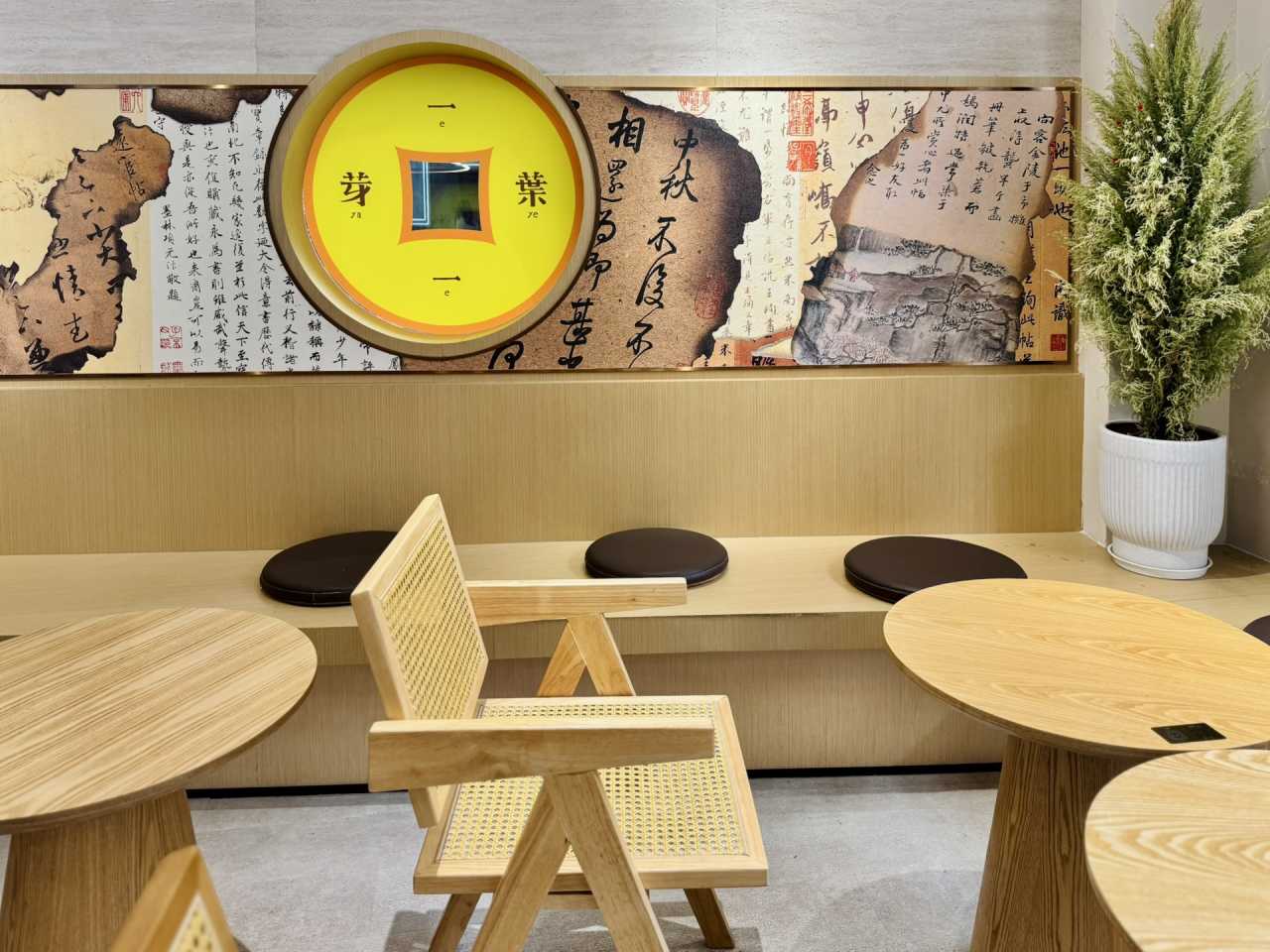
After eating, we turned a corner and stumbled upon the trendy tea shop "One Leaf, One Bud" (一芽一葉). The most photogenic item, the "Ba Ba Hu" milk tea (把把壶牛乳茶), was a must-order. The shop was spacious, bright, and stylishly decorated. We lingered there for a while, letting the warm spring breeze wash over us, and our spirits lifted.
Crossing Fangsheng Bridge (放生桥) marked our true entry into the soul of Zhujiajiao. The bridge was packed with people. For safety, a barrier ran down the middle, separating the upward and downward flows, and at times traffic was restricted to one direction.
Standing on the bridge and looking down, we saw the gentle flow of water below, with white walls and black tiles lining both banks—a classic Jiangnan ink-wash painting unfolding before our eyes. [Link: Best photo spots at Zhujiajiao's ancient bridges]
Check-In: A Window Framing a Watercolor
Once across Fangsheng Bridge, we found our booked guesthouse—Huazhu Dongjing (花筑·东井). The moment I pushed open the door, I nearly held my breath: through the floor-to-ceiling window, Fangsheng Bridge and the Caogang River formed a natural ink painting. I brewed a cup of Longjing tea, sat by the window, and even the sight of my child doing homework took on a poetic quality.
Rowboat Ride: Slow Time on the Water
Around four in the afternoon, we decided to take a rowboat ride. Although the dock was just across from our guesthouse, Fangsheng Bridge was operating one-way, forcing us to take a long detour through the narrow alleys of Xijing Street. Along the way, bookstores, tangyuan (sweet rice ball) shops, and zongzi (rice dumpling) stalls were bustling with people. We couldn't help stopping at every one, soaking in the rare warmth of everyday life.
At the intersection of Xijing Street and Dongjing Street, the Apopo Tea House (阿婆茶楼) had a beautifully atmospheric exterior. A corner on its right side, near the river, offered a great photo spot. Across the way, the "Zhujiajiao Waits for You" (朱家角等你) sign attracted many travelers and photographers.
Hidden photo spot: The "Zhushi Grand Market" (朱市大集) cultural and creative shop. From the outside, it looks unremarkable, but if you walk all the way inside, you'll find a river-view spot. From there, shooting across the water toward Yuanzhen Chan Temple (圆津禅寺) on the opposite bank yields an absolutely stunning composition. On the river, rowboats clustered together, bringing the banks to life.
Finally, we reached the Fangsheng Bridge dock on North Street. To our surprise, there was no queue at this hour. We chartered the boat directly—200 yuan for a 15-minute round trip. The boatman dipped his long oar into the water, and the boat slowly drifted away from the shore, heading into the depths of the Caogang River.
Ripples spread across the surface, and a gentle breeze carried the faint, earthy scent of the river, the fresh smell of riverside greenery, and the unique aroma of the ancient town. Occasionally, the boatman hummed a soft Jiangnan folk tune—melodious and lingering—blending with the creak of the oar and drifting into the air.
We took Route B from the North Street Dock (North Street → Fangsheng Bridge → City God Temple). I only figured out the route afterward by checking the "Le You Zhujiajiao" (乐游朱家角) public account. But in comparison, this route is the most classic. The scenery along the way feels more lived-in, avoiding the heavy commercial vibe near Kezhiyuan Garden (课植园) and keeping the crowds out of the frame.
Dinner: A Surprise in the Alley
That evening, we followed online reviews to find "Garden Restaurant in the Alley" (巷子里花园饭店). We hesitated for a moment before walking in, and it turned out to be the biggest culinary surprise of the trip. The staff were warm and attentive, even proactively reminding us that we could order a set meal through a group-buying app, which was cheaper than ordering à la carte.
White-Cut Chicken (白切鸡): Golden and glossy, with little fat under the skin. The meat was firm yet tender. Dipped in the special soy sauce—salty, savory, with a hint of sweetness—every bite was pure old-school Shanghai flavor.
Scallion Stir-Fried Free-Range Eggs (葱炒土鸡蛋): The eggs were a beautiful golden yellow, paired with vibrant green scallions. Fluffy and soft, bursting with scallion fragrance, they reminded me of the scrambled eggs I ate at home as a child.
Salt-Boiled White Shrimp (盐水白米虾): Each shrimp was plump and glossy with freshness. Boiling in salted water best preserved the shrimp's natural sweetness. The meat was tender and springy, slipping out of the shell with the lightest touch—my child loved them.
Steamed White Fish (清蒸白水鱼): A specialty of Qingpu District's Zhujiajiao. The fish was impeccably cleaned, the flesh delicate and smooth, tender and juicy. The layer of fat under the skin gave it a subtle oiliness that was never greasy.
Stir-Fried Clover with Rice Wine (酒香草头): Refreshing and palate-cleansing, but the wine aroma was a bit faint, and the texture was slightly tough. It was the weakest dish on the table.
Osmanthus Flower Cake with Fermented Rice (酒酿桂花糕): As a post-dinner dessert, it was the perfect finish. Soft, chewy, and springy, with a rich fermented rice aroma and a subtle hint of osmanthus. Sweet without being cloying.
The most surprising part? This lavish meal cost less than 80 yuan per person. For a popular tourist spot, such value for money is rare.
Night Stroll: Fangsheng Bridge Lit Up
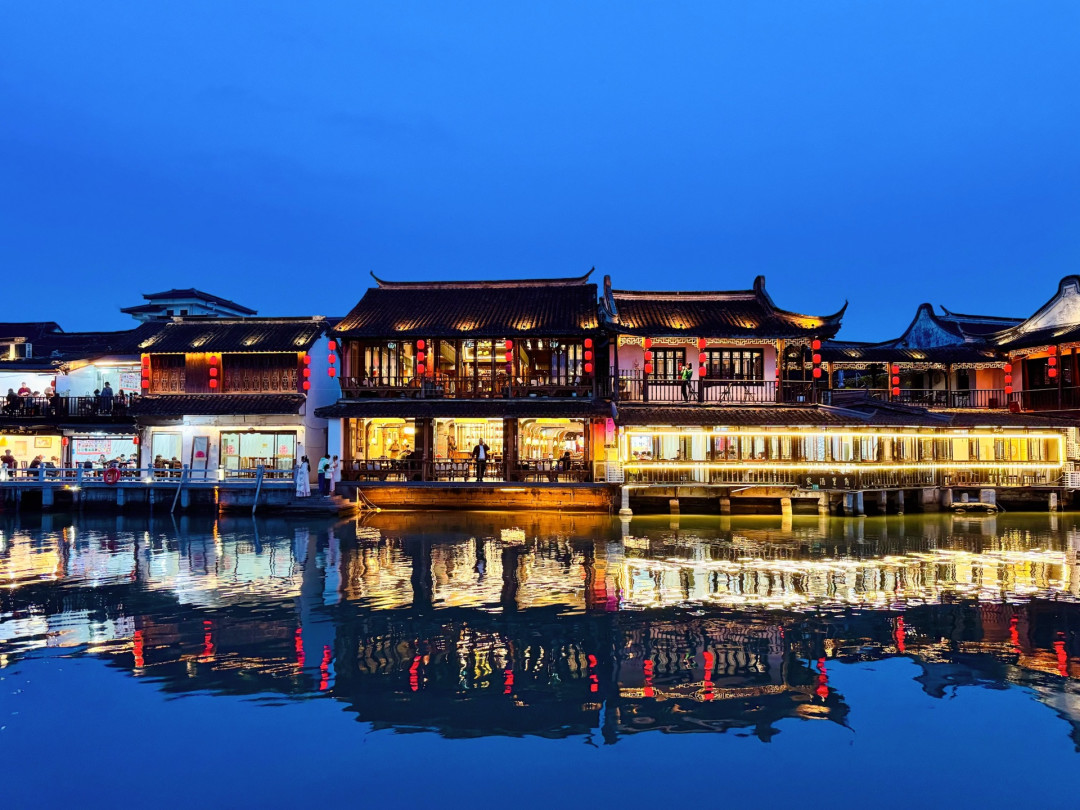
After dinner, we decided to walk back to the guesthouse. Passing by Fangsheng Bridge as the lights came on, the bridge's brick and stone glowed with a warm, mellow luster under the amber lighting. Leaning on the railing and looking down, we saw the river flowing gently, reflecting the lights, houses, and weeping willows on both banks. Light and shadow intertwined, breaking into a pool of golden foil.
On the south bank, ancient wooden buildings stood in staggered rows, their riverside windows casting soft yellow light like drowsy eyes. Under the long riverside corridor, a few locals sat chatting—their laughter drifting across the water, mixing with the sound of oars and distant folk songs. [Link: Best nighttime activities in Zhujiajiao]
Zhujiajiao Travel Tips: What to Know Before You Go
| Aspect | Recommendation |
|---|---|
| Best time to visit | Weekdays or off-peak hours (before 10 AM or after 4 PM) |
| Transport | Metro Line 17 to Zhujiajiao Station + taxi |
| Boat ride cost | 200 yuan for 15-min round trip (charter) |
| Budget per person | ~80 yuan for dinner at alley restaurants |
| Must-try dishes | Steamed white fish, white-cut chicken, brown sugar noodles |
Frequently Asked Questions About Zhujiajiao
1. Is Zhujiajiao worth visiting during Qingming Festival?
Absolutely. While the crowds are heavier, the spring rain and mist create an atmospheric beauty that's unique to this season. Arrive early (before 10 AM) or stay overnight to avoid the worst congestion.
2. How much time do I need to explore Zhujiajiao?
 A two-day, one-night itinerary is ideal for experiencing the water town's slow rhythm. One day is enough for a rushed visit, but you'll miss the evening charm and morning tranquility.
3. What's the best way to get to Zhujiajiao from Shanghai?
 Metro Line 17 is the most reliable option, especially during holidays. Drive if you must, but expect traffic delays.
4. Can I find budget-friendly dining in Zhujiajiao?
Yes. Avoid the main tourist streets and venture into alleys. Restaurants like "Garden Restaurant in the Alley" offer excellent value—around 80 yuan per person for a multi-course meal.
5. What are the must-photograph spots in Zhujiajiao?
- Fangsheng Bridge at sunset or night
- The river view from "Zhushi Grand Market" cultural shop
- Apopo Tea House corner
- Rowboats on Caogang River
Final Thoughts: Finding Poetry in the Slow Rhythms
Zhujiajiao isn't about checking off sights. It's about surrendering to the water town's rhythm—letting the spring rain wash away your hurry, letting the boatman's folk song carry your thoughts, letting a bowl of brown sugar noodles warm your soul.
Ready to experience Zhujiajiao for yourself? Book your trip during a weekday for the most peaceful experience. Pack an umbrella, bring your camera, and leave your schedule behind. The poetry of life is waiting in every ripple, every bridge, every quiet alley.
[Link: Best water towns near Shanghai for a weekend trip] [Link: Shanghai to Zhujiajiao day trip itinerary] [Link: Jiangnan travel guide for first-time visitors]
Have you visited Zhujiajiao? Share your favorite hidden spot in the comments below, or tag us in your water town photos. Your next poetic escape is just a paddle stroke away.
You may also like