Old Shanghai, New Dreams: A Journey Through Chic Nostalgia and Fairy-Tale Fantasy
Meta Description: Discover Shanghai beyond the skyscrapers. From budget travel tips and hidden alleyways to Tianzifang's art scene and Sinan Road's romance—explore old Shanghai's charm and Disney magic in this complete guide.
Introduction: Why Shanghai Deserves a Second Look
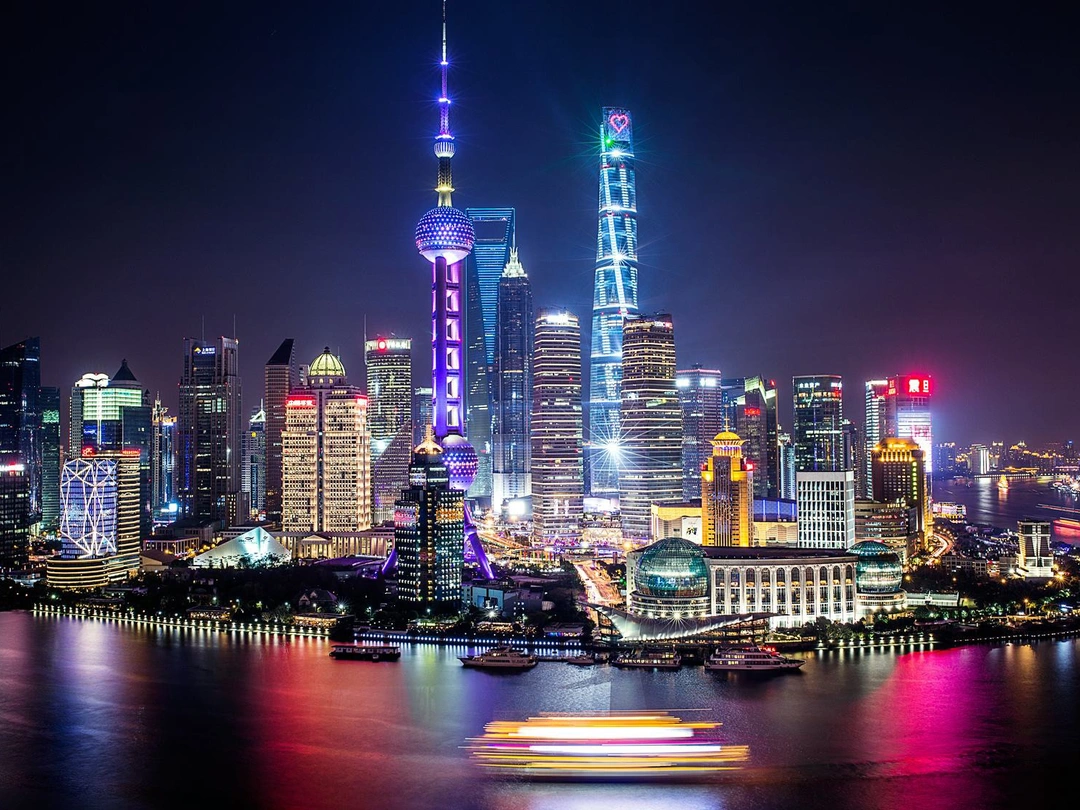
When most people picture Shanghai, they see Lujiazui's sky-piercing towers, the endless crowds on Nanjing Road, and the glittering Bund skyline. It's easy to label this city as China's economic engine, Asia's financial hub—a supercity where ambition meets opportunity. But peel back that gilded shell, and you'll find an entirely different Shanghai.
Think of it as an old-school gentleman: weathered by time but impeccably dressed, with a fresh flower in his suit pocket. At three in the afternoon, no matter how busy life gets, he brews himself a pot of black tea. That bone-deep "petite bourgeoisie" sensibility isn't pretension—it's a refusal to compromise on life's rituals.
This is the Shanghai that inspired our spontaneous journey: a quest to uncover the "small joys" hiding in the shadows of the high-rises. From budget airline survival tips to fairy-tale Disney dreams, here's how to experience old Shanghai nostalgia while creating new travel memories.
Chapter One: From Airport to Alleyway—Arrival, Tears, and Surprises

Budget Airlines to Shanghai: Survival Tips for First-Timers
We booked our flights a week in advance on a travel platform. Since we avoided peak season and chose a budget airline for the return leg, round-trip with taxes came to just 1,099 yuan ($150). But here's the catch: cheap tickets come with hidden costs.
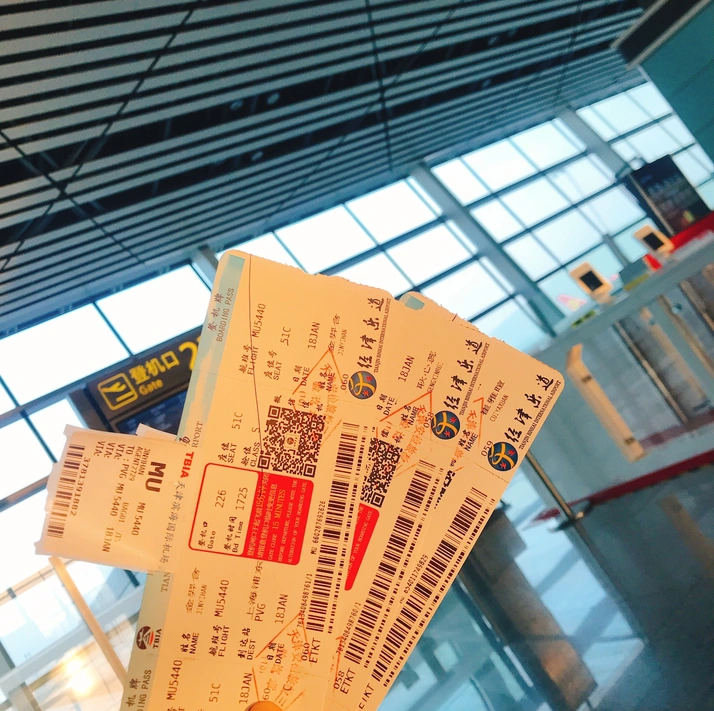
Key lessons learned:
- No free checked baggage – Purchase luggage allowance in advance via the airline's official app. Waiting until the airport counter will cost you dearly.
- No free meals – Eat before you board. Watching someone slurp instant noodles while your stomach growls mid-air is pure misery.
- Plan your carry-on – Budget airlines enforce strict size and weight limits. Check before you pack.
[Link: Best budget airlines for domestic China travel]
Pudong Airport to Downtown: Avoid This Subway Trap
Our flight landed at Pudong International Airport around 8:30 PM on a Friday. How far is it from the city center? Let's put it this way—you can see farmland from inside the terminal.

Three options to reach downtown:
| Option | Time | Cost | Best For |
|---|---|---|---|
| Taxi | 45 minutes | ~150 yuan ($20) | Speed, groups |
| Maglev + Subway | ~1 hour | ~50 yuan ($7) | Experience + value |
| Subway Only | Nearly 2 hours | 4 yuan ($0.55) | Budget travelers |
⚠️ Critical warning for Subway Only option: Pudong Airport's Line 2 is an extension line—it doesn't connect directly to the main line. You must get off at Guanglan Road Station, switch to the real Line 2 main line, then transfer to Line 1 at People's Square. We fell for this trap—got off the plane at 8:30 PM and didn't reach downtown until nearly midnight. Engrave this lesson in your brain.
Shanghai Airbnb Guide: Alleyway Living vs. Disney Stay
Accommodation in Shanghai isn't cheap. Budget hotels run 400–500 yuan ($55–70) per night. That's why we turned to homestays—they offer better value and a "live like a local" experience.

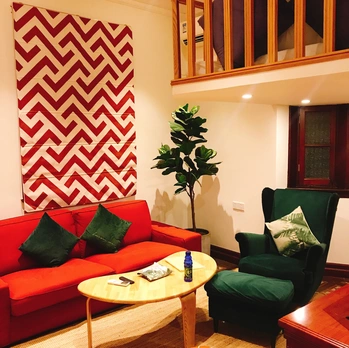
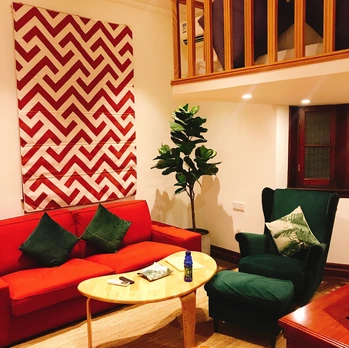
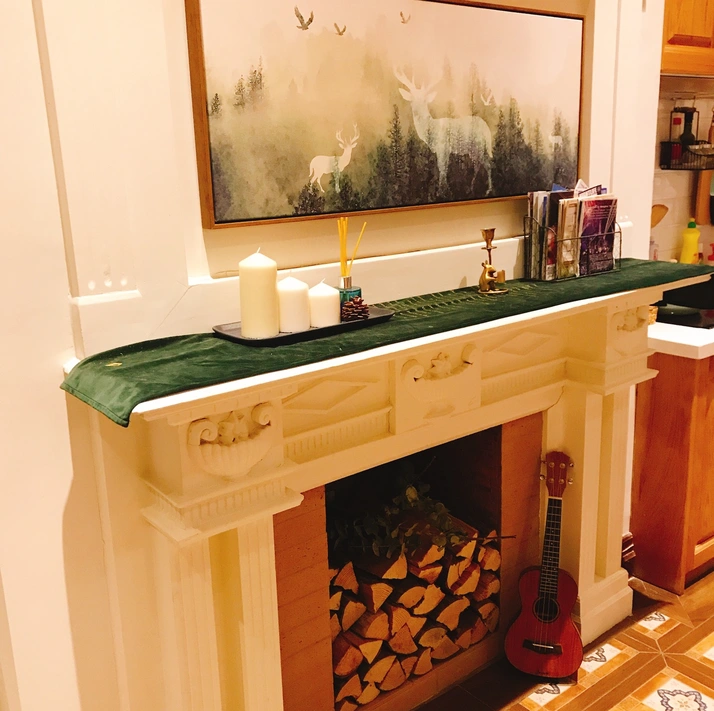
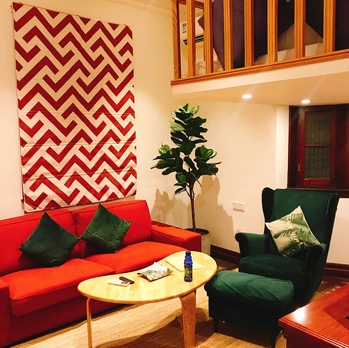
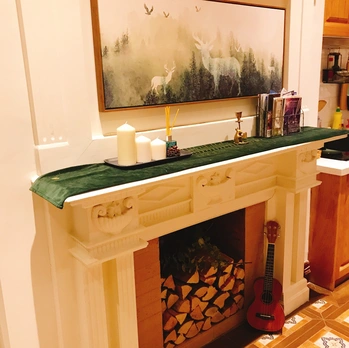
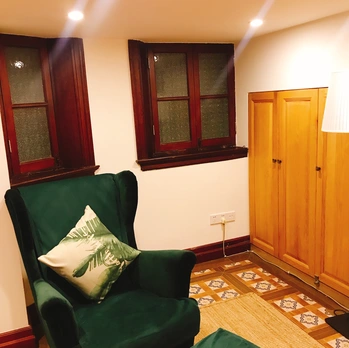
Downtown Home – Vantage Life: Tucked inside an old alleyway, this was the first floor of a standalone villa. The renovated old house had thin walls, but the style was perfect—a loft layout with high ceilings, two double beds upstairs, and living space downstairs. The host provided Shiseido toiletries and a 3D surround-sound system. Lying in bed listening to music at night felt like the whole alleyway was our private theater. Price: just over 400 yuan ($55) per night, split three ways for a little over 100 yuan each.
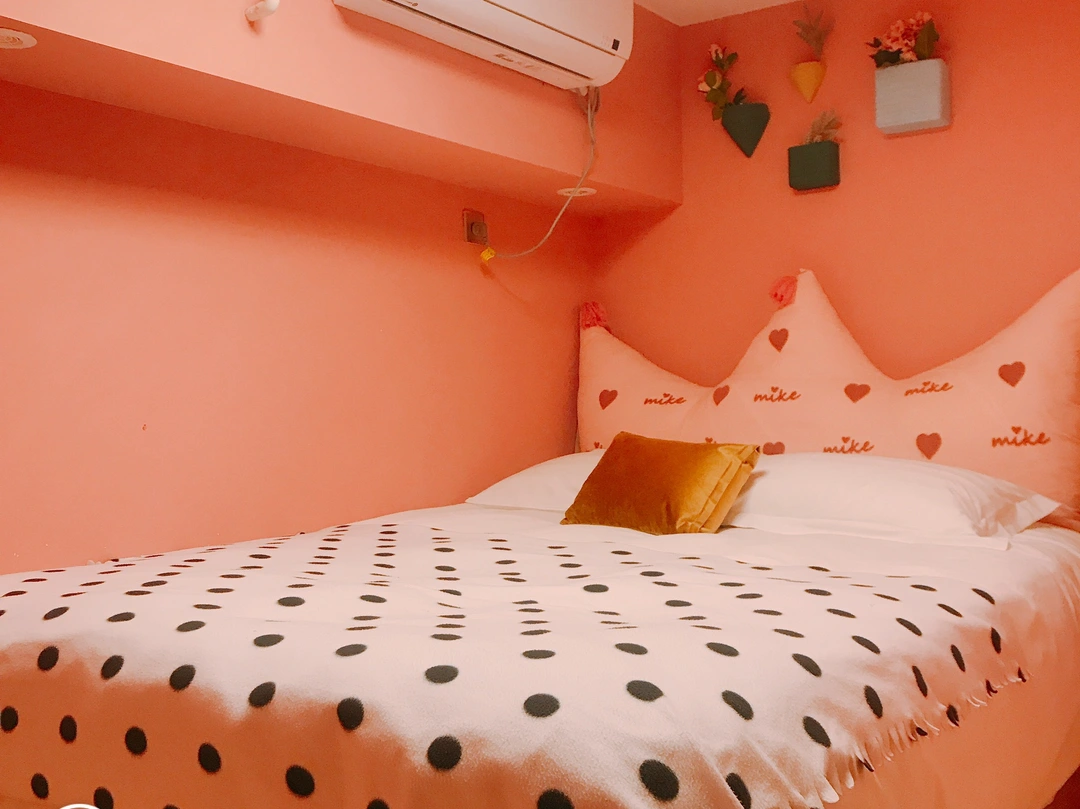
Disney Home: Just a 15-minute drive from the park, this was a sweet, princess-style apartment. We'd already fulfilled half our princess dreams before entering Disney. The host (apparently a Disney employee) gave us an incredibly detailed guide that helped us dodge many pitfalls.
[Link: Best Shanghai neighborhoods for Airbnb stays]
Chapter Two: A Slice of Serenity Amid the Bustle
Tianzifang Shanghai: Art and Life in the Alleyways
The next day, we strolled through the slightly bleak winter streets to Tianzifang on Taikang Road.
If Beijing's soul lies in its hutongs, then Shanghai's roots are in its alleyways (longtang). These narrow lanes, built from shikumen (stone-gate) houses, are the real stage for Shanghainese life. Without the alleyways, there'd be no Shanghai, and no Shanghainese.
What makes Tianzifang so enchanting is that people still live there. Walking through, you can smell oil and garlic from a neighbor's cooking, hear an old man's radio playing pingtan (traditional storytelling). This lived-in atmosphere is something no commercial street can replicate.
We wandered through quirky art shops, checked out private photography exhibits, and occasionally stopped for tea or coffee. The soft Shanghainese dialect filled the air. Beneath our feet were mottled flagstones. For a moment, time itself seemed to slow down.
Best time to visit Tianzifang: Early morning (before 10 AM) or late afternoon (after 4 PM) to avoid crowds.
Sinan Road Shanghai: French Romance Under the Plane Trees
If Tianzifang represents old Shanghai's everyday life, then Sinan Road is a witness to the city's modern transformations.
This was once the French Concession, and the road is lined with tall, straight plane trees. Even in winter with bare branches, you can imagine the green canopy in summer and the golden leaf carpet in autumn.
Sinan Road boasts a stunning array of foreign-style buildings: - Zhou Gongguan – Former residence of Zhou Enlai - Sun Yat-sen and Soong Ching-ling's former homes - Spanish-style villa where Peking opera master Mei Lanfang once lived
Behind every building lies a story from a bygone era. Today, Sinan Road has a quieter, more artistic vibe. When your feet get tired, duck into any coffee shop or browse a vintage store—you can easily while away an afternoon.
[Link: Self-guided walking tour of the French Concession]
Chapter Three: Where History Meets Art
Shanghai Museum Guide: A Thousand-Year Dialogue Through Artifacts
On the third morning, we chose to start at a museum. The Shanghai Museum boasts an exhibition area of 12,000 square meters, covering bronze vessels, ceramics, calligraphy, paintings, jade, coins, and Ming-Qing furniture. The collection is so rich you could easily spend half a day there.
Practical information: - Closed on Mondays - Opens at 10 AM on other days - Arrive early to line up (it gets crowded) - Free admission (bring ID)
I've always believed the best way to understand a city is to visit its museum. Artifacts don't speak, but they carry the code of time on their surfaces. Knowing where you came from, understanding where you're going—that's the real meaning of travel.
Wukang Road Shanghai: A Century in Miniature
In the afternoon, we arrived at Wukang Road, often called "a century of modern Shanghai in miniature." This street features 14 outstanding historical buildings and 37 preserved historical structures, including former residences of Soong Ching-ling and writer Ba Jin.
Spanish-style and French Renaissance-style buildings mingle with rustling plane trees—every snapshot looks like a movie still. Today's Wukang Road has shed its former bustle for a more artistic, café-lined atmosphere perfect for a leisurely afternoon.
[Link: Shanghai's best historical walking routes]
FAQ: Your Shanghai Travel Questions Answered
Q1: How many days do you need in Shanghai?
 For a balanced trip covering both old Shanghai charm and Disney, plan 4-5 days: 3 days downtown (Tianzifang, Sinan Road, museums, Bund) and 1-2 days near Disney.
Q2: Is Shanghai expensive for tourists?
 It can be, but budget options exist. Budget flights from major Chinese cities cost 300-600 yuan. Hostels start at 100 yuan/night. Street food meals are 15-30 yuan. Plan for 400-600 yuan/day for mid-range travel.
Q3: What's the best time to visit Shanghai?
 Spring (March-May) and autumn (September-November) offer pleasant weather. Summer is hot and humid; winter is cold but less crowded. For Disney, weekdays outside school holidays are best.
Q4: Do I need to speak Chinese to visit Shanghai?
 Basic phrases help, but major attractions, hotels, and many restaurants have English signage. Download translation apps for alleyway exploration.
Q5: How do I get from Pudong Airport to Disney?
Take Metro Line 2 to Longyang Road, then transfer to Line 16 to Luoshan Road, then Line 11 direct to Disney. Total time: about 1 hour, cost: around 7 yuan.
Final Thoughts: Your Shanghai Adventure Awaits
Shanghai is a city of contradictions—steel and silk, speed and stillness, ambition and nostalgia. But beneath the skyscrapers and neon lights lies a soul that refuses to be forgotten. Whether you're sipping tea in a hidden alleyway, marveling at ancient artifacts, or chasing fairy-tale dreams at Disney, this city offers something for every traveler.
Ready to plan your Shanghai adventure?
Start by booking your flights early, reserve your Airbnb near the attractions you want to visit, and download offline maps for navigating those charming alleyways. And remember: the best Shanghai experiences often happen when you wander without a plan.
Your turn: Which part of Shanghai are you most excited to explore? Share your travel plans in the comments below!
Follow us for more China travel guides, budget tips, and hidden gems. Subscribe to our newsletter for exclusive travel deals and insider recommendations.
You may also like