#My2017# Looking Back: Why Simple Pleasures and Travel Define a Life Well-Lived
Meta Description: Discover how one traveler found joy across 10 countries in 2017, from Hokkaido's golden ginkgo tunnels to Austria's wine valleys. Explore travel inspiration, seasonal beauty, and the art of savoring life's simple pleasures.
Introduction: When Travel Becomes the Fabric of Life
In February 2014, I clutched a blank passport and typed my first travel words on Mafengwo, my heart racing with equal parts fear and excitement for the unknown. That honeymoon trip to Greece—running along the Aegean Sea in my wedding dress, camera capturing sunshine, waves, and a newlywed's silly grin—feels like a lifetime ago.

Four years later, I'm the mother of a three-year-old. I've traded my TV editor badge for freelancing. And travel? It's no longer an "occasional escape." It's the very fabric of my existence.
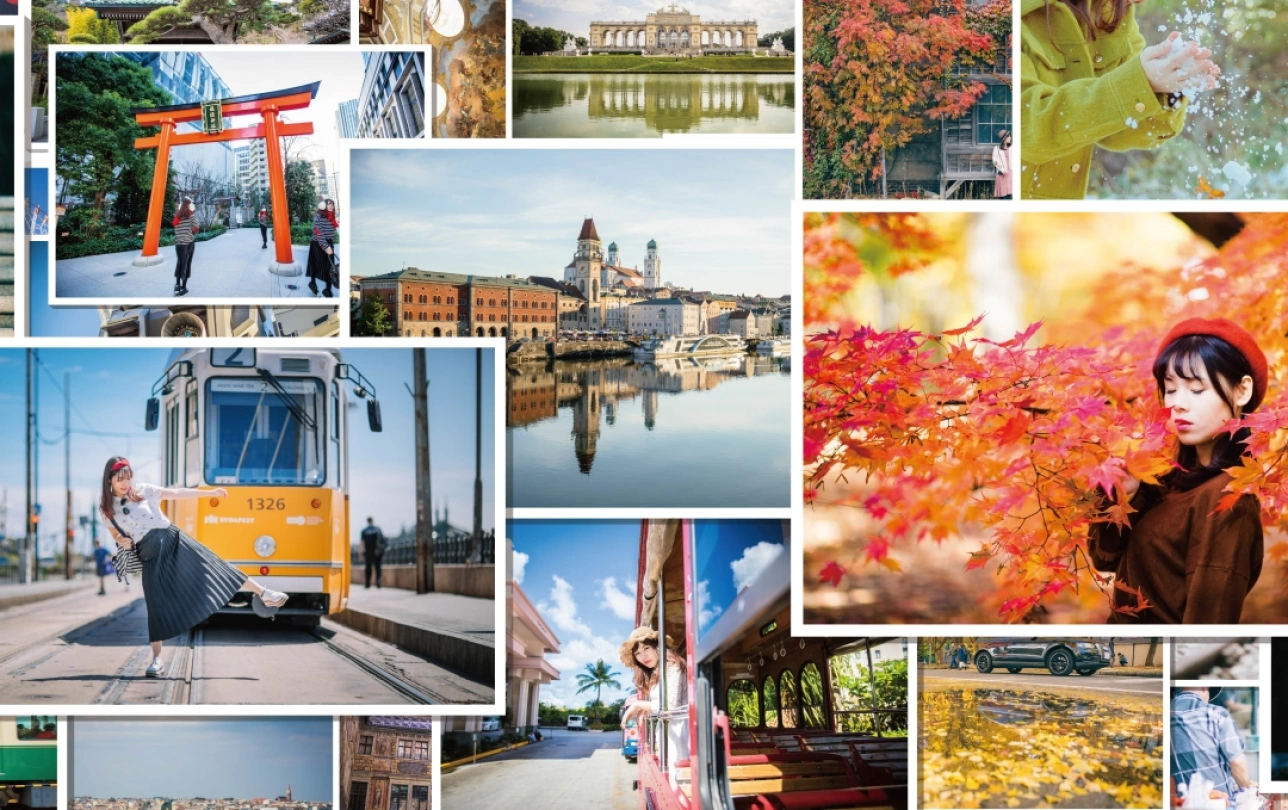
In 2017, my footsteps carried me across ten countries: Thailand, Guam, Vietnam, Austria, the Czech Republic, Slovakia, Germany, Hungary, eight trips to Japan, and the vast landscapes of China. Some say poetry and distant lands are luxuries reserved for the privileged. I disagree. They hide in the cracks of daily life—in the golden leaves of autumn, the scent of wine in a medieval valley, the quiet romance of a cobblestone street.
This year, I tasted all seven flavors of life. Each one is worth savoring. "Don't fear the unknown," I scribbled in my notes. It became my motto. And it can be yours too.
[Link: How to Start Traveling Solo as a Parent]
H2: Never Stopping: Why Autumn's Quiet Beauty is Time's Greatest Gift
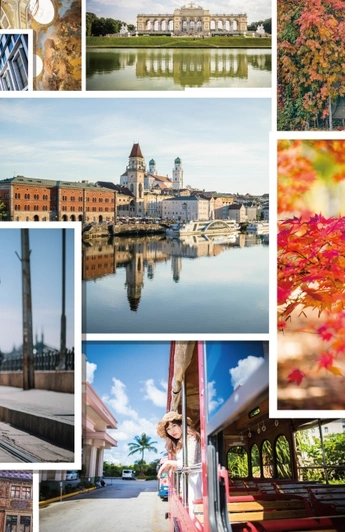
H3: Hokkaido University: Poetry in a Golden Tunnel
Hokkaido's autumn is often overshadowed by its dreamy winter. But step into this season, and you'll discover another kind of breathtaking beauty.
Walking through Hokkaido University—known as "Japan's most beautiful campus"—the golden hues spread like a spilled paint palette. The famous Ginkgo Avenue stretches about 380 meters from the North 13th Gate westward. About 70 ginkgo trees, planted in 1939, now tower as giants. Their golden canopy makes this a pilgrimage site for photography enthusiasts.
I'm reminded of Van Gogh's Almond Blossoms. He didn't use large blocks of yellow. Instead, he paired a water-blue sky with soft pinkish-white petals—like the purity of newborn life. Ginkgo trees are different. They wear golden robes: majestic, imposing, vast yet composed.

When the wind blows, fallen leaves swirl along the ground. Vibrant colors reflect on the water's surface, creating a brocade of beauty. The changing seasons paint the leaves in layered shades, wrapping campus statues in warmth. The white teaching buildings—no more than three stories high—perfectly frame the cycle of seasons.
At the entrance to the Science Building, a red maple blazed like fire. It stopped us in our tracks. Our companions included lively children, elderly women, and passionate couples. I picked up a freshly fallen maple leaf, crouched down to blend in with it, and murmured a spontaneous verse: "Who is more beautiful in the longing—the sunset glow or the passionate red leaves?"
The more stunning the scenery, the wilder the imagination.
[Link: Best Autumn Destinations in Japan for Photography]
H3: Otaru: The Romance of a Love Letter, Unrelated to Autumn
Perhaps snow is the only proper way to experience Otaru. Departing in the chilly, swaying autumn under a gloomy sky, I held little expectation for this place hailed as "romantic."
But in my youthful memories, there's always been the cinema of Shunji Iwai—from All About Lily Chou-Chou to Swallowtail Butterfly, and the film countless call the epitome of beauty: Love Letter. When I watched it at 18, my heart was full of longing for love—as innocent as the snow in the film.
Otaru has its unique charm. The deeper you go, the more romantic it becomes. It's not so much that Love Letter made Otaru famous; rather, Otaru gave the story life.
The Otaru Romance Pavilion, wrapped in red leaves on its exterior, captivated me more than the dazzling glassware inside. If the story of Fujii Itsuki had unfolded in autumn—with mountains of red leaves enveloping the romance—would their love have burned even more fiercely?
[Link: Romantic Getaways in Japan for Couples]
H2: Artistic Immersion: Walking Through Medieval European Towns
H3: Wachau Valley: Time in the Scent of Wine
The Wachau Valley in northern Austria is the most enchanting stretch along the Danube. It's also a renowned wine region. On both sides of the river, castles, towns, and villages scatter among rolling vineyards—quiet and profound.
The town of Spitz is the first place here to be called "Wachau." Looking out, you see vast terraced vineyards and the "Thousand-Barrel Hill" castle mountain. This name signifies incredible productivity: it once yielded over a thousand barrels of premium wine annually for local vintners—about 57,000 liters.
We visited a winery for a tasting. In the mid-1980s, a group of highly creative winemakers in the Wachau Valley established a self-created code called "Vinea Wachau." They classify dry white wines by natural alcohol content into three categories:
- Steinfeder: Fragrant aroma, light body, 11.5% alcohol
- Federspiel: 11.5% to 12.5% alcohol—the most common
- Smaragd: Late-harvest, intense dry wines
These wines have a distinctive character. They carry a hint of petrol aroma that unfolds layer by layer, becoming full-bodied with complex notes of cream, dried fruit, honey, and minerals. The finish lingers.
Besides wine, the Wachau region boasts a unique specialty: apricots. A young woman in traditional Bavarian attire prepared fruit liqueur tastings for us. Her father—the winery owner—enthusiastically introduced their carefully crafted apricot liqueur and chocolate-covered apricots. He treated us to apricot jam and apricot-filled pastries.
The small town of Spitz, nestled between mountains and river, has clean, ancient streets. Houses are built on slopes, with exteriors predominantly white and yellow, adorned with green grapevines. The White Church stands in the town center, with a history of 2,000 years. In the 14th century, the church built a high defensive tower that protected the town during the Turkish war of 1531. Church walls are decorated with crosses, religious sculptures of Jesus, stone carvings, and frescoes.
The town has few cars and sparse pedestrians. It exudes a curated tranquility.
[Link: Wine Tasting Tours in Austria's Wachau Valley]
H3: Český Krumlov: Fairytale Red Roofs
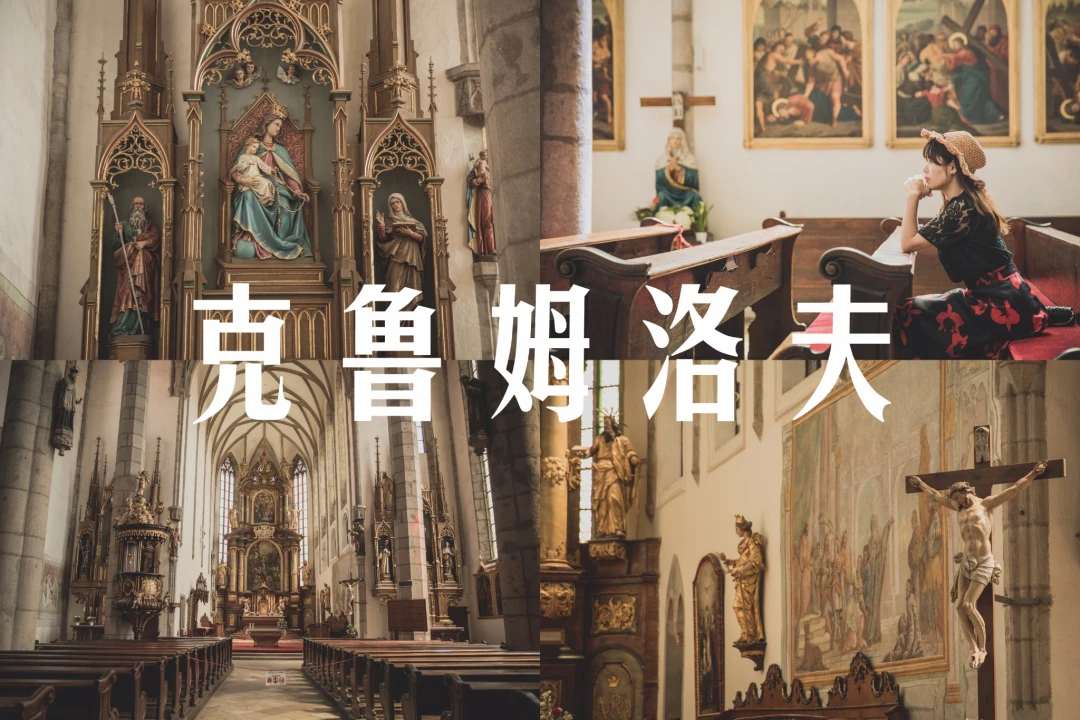
When it comes to heart-stopping European towns, you can't miss ČK—Český Krumlov. This Czech town's history began in the 13th century when the powerful South Bohemian noble family, the Vítkovci, built a castle here.
Most buildings date from the 14th to 17th centuries, predominantly Gothic and Baroque styles. Five successive families managed the town, resulting in today's UNESCO World Heritage site. The castle is the town's high point and the second-largest castle complex in Bohemia after Prague Castle. It encompasses 5 courtyards, 40 buildings, and a 3-tiered Baroque castle garden covering 7 hectares.
The oldest part of the castle is known as "Hrádek." Passing through the Red Gate into the first courtyard, the towering structure before you is the "Painted Tower." Climbing to the top, you overlook the entire town. The Vltava River sparkles in sunlight. Countless red roofs stretch towards distant green hills.
Those fairytale scenes—the subtle play of light between blue-green and brick red—make you hold your breath and stare. Renaissance-style buildings in the third courtyard were remodeled by 16th-century architects. Wall paintings of ancient Greek and Roman mythological figures by a Dutch painter adorn the walls.
Though perched on steep rocks, it feels like paradise on earth: pointed church spires, red-roofed streets, dense houses, and the winding Vltava River create an unforgettable medieval vista.
Crossing the wooden pedestrian bridge over the Vltava and stepping into narrow cobblestone alleys, you're surrounded by shops, taverns, rustic guesthouses, and bustling crowds. Passersby brush past. A breeze lifts wind chimes under eaves—their crisp, melodious sound guides you as you wander. Brightly painted building facades, elegant window frames, blooming flowers on windowsills, and various small shops complete the scene.
[Link: UNESCO World Heritage Sites in Central Europe]
H2: FAQ: Travel, Simple Pleasures, and Finding Joy in the Everyday
Q1: How can I travel more even with a full-time job or family obligations?

Start small. Weekend getaways, local day trips, or even a single afternoon exploring a nearby town count as travel. The key is shifting your mindset: travel isn't about distance—it's about presence. The author of this article transitioned from a TV editor to a freelancer, proving that flexibility can be built over time. Prioritize experiences over possessions.
Q2: What makes Hokkaido University's autumn so special?
The Ginkgo Avenue is the main attraction—a 380-meter stretch of towering ginkgo trees planted in 1939. In autumn, they form a golden tunnel that photographers and nature lovers flock to. Unlike winter's snow-covered landscapes, autumn offers a warm, vibrant palette that feels both majestic and intimate.
Q3: Is Český Krumlov worth visiting in autumn?
Absolutely. Autumn adds a golden hue to the town's iconic red roofs. The crowds are thinner than summer, the light is softer, and the surrounding hills display stunning fall colors. It's also an excellent time for photography and leisurely walks through cobblestone streets.
Q4: What should I know before visiting the Wachau Valley for wine tasting?
The Wachau Valley uses a unique classification system for its dry white wines: Steinfeder (light, aromatic), Federspiel (medium-bodied, most common), and Smaragd (intense, late-harvest). Don't miss the apricot-based specialties—liqueur, jam, and chocolate-covered apricots are local treasures. Book winery visits in advance, especially during harvest season (September-October).
Q5: How can I incorporate "simple pleasures" into my daily life?

Start by noticing small moments: the way morning light hits your coffee cup, the sound of rain on windows, a walk in a nearby park. The author's motto—"Don't fear the unknown"—reminds us that joy often hides in ordinary cracks. Keep a gratitude journal, reduce screen time, and intentionally seek beauty in routine.
[Link: How to Practice Mindful Travel]
Conclusion: Your Journey Starts Now
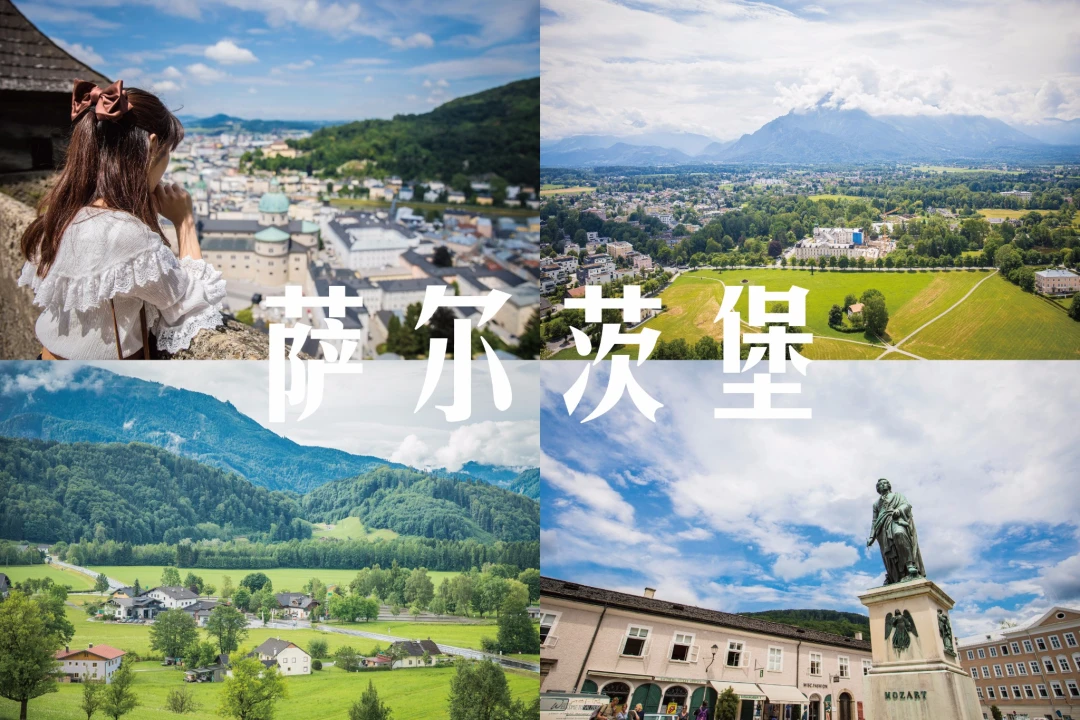
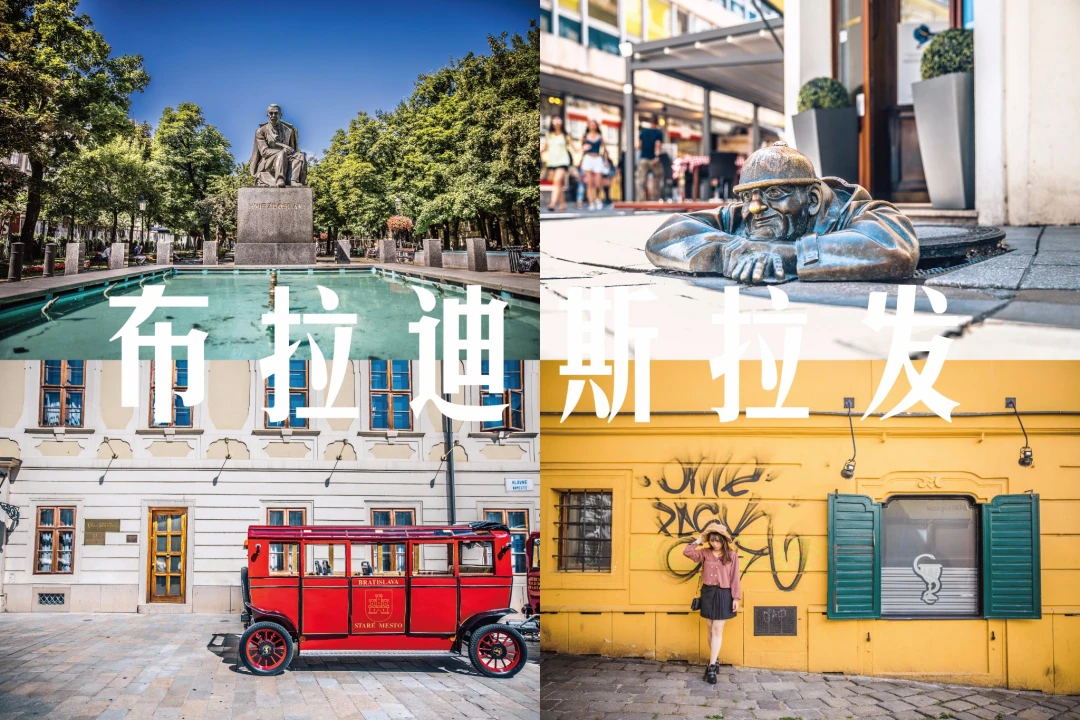
Looking back at 2017, I realize the most profound experiences weren't the grand monuments or famous landmarks. They were the golden leaves swirling at my feet in Hokkaido. The lingering taste of apricot liqueur in a small Austrian town. The quiet moment of standing on a medieval tower, watching red roofs stretch toward the horizon.
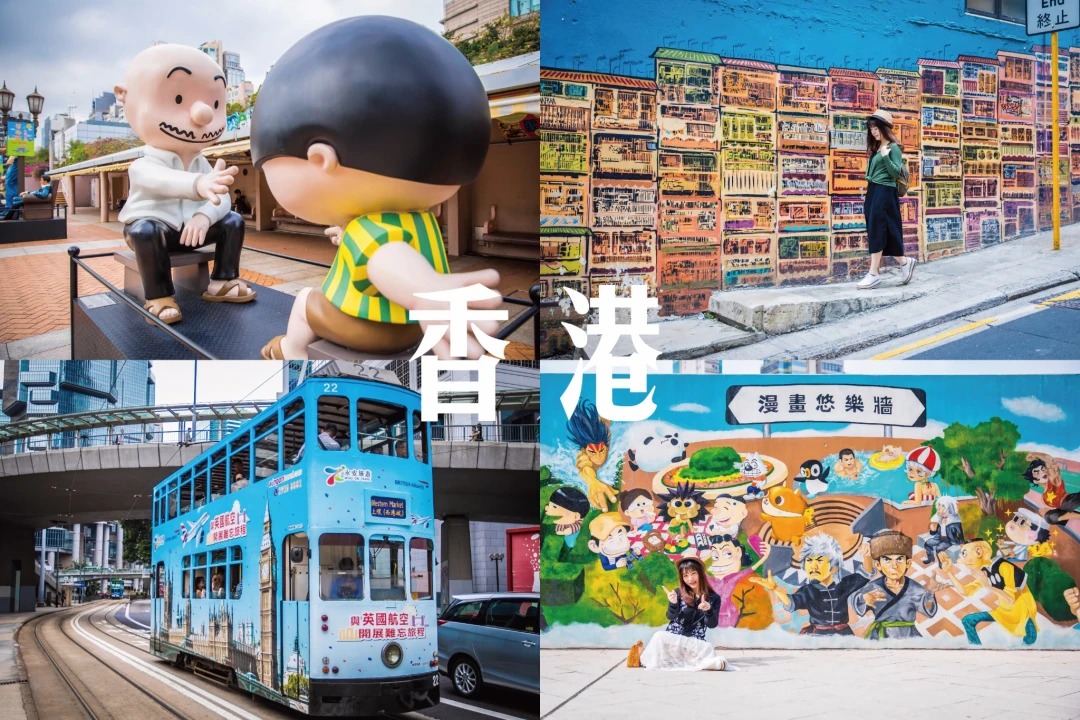
Simple pleasures are not less valuable—they are more. They're accessible. They're sustainable. And they're waiting for you, right now, wherever you are.
Don't wait for the perfect passport stamp or the ideal travel budget. Start with what you have. Take a walk. Visit a local park. Plan a weekend trip to a town you've never explored. Say yes to the unknown.
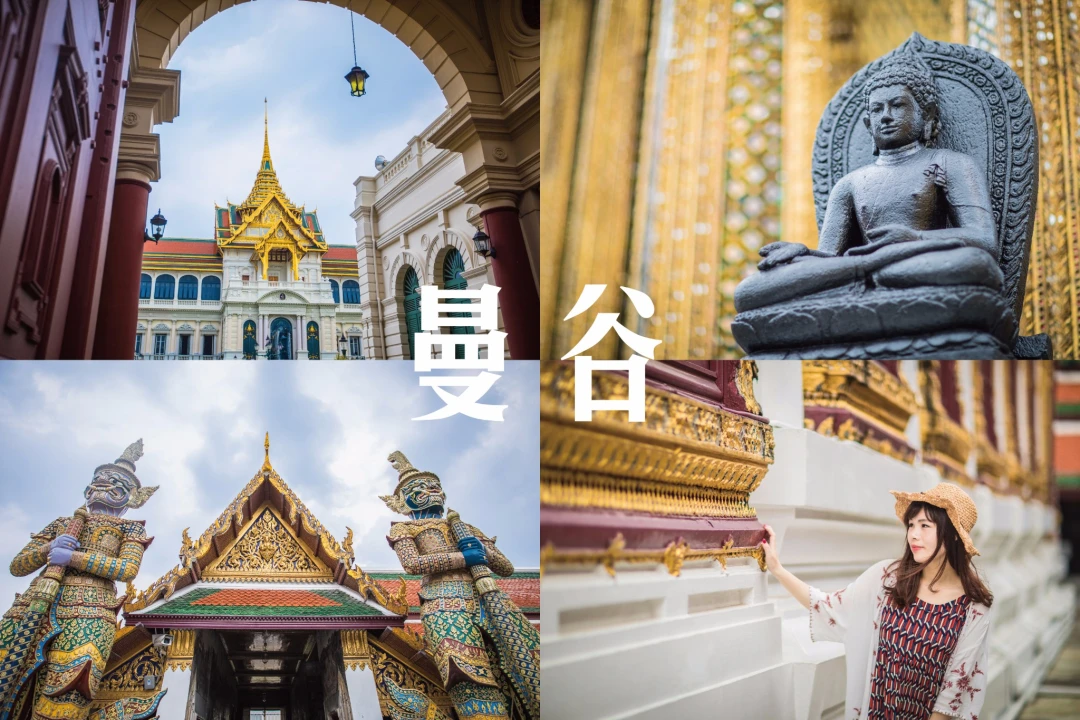
Your 2017—or your 2024—can be the year you rediscover what truly matters.
Are you ready? Pack your curiosity. Leave your fears behind. And remember: nothing beats the simple pleasures of life.
[Link: Budget Travel Tips for Families] [Link: Best Travel Insurance for Frequent Travelers]
Have you experienced the magic of autumn in Hokkaido or the charm of Český Krumlov? Share your stories in the comments below—we'd love to hear about your simple pleasures.