My First Trip to Shanghai: Those "First Encounters with the Magic City" That Made Me Laugh and Cry
Here is the SEO-optimized, rewritten article based on your source material. It is structured for readability, keyword density, and user engagement, targeting approximately 1500 words.
Title: My First Trip to Shanghai: Hilarious "First Encounters" with the Magic City (A Survival Guide)
Meta Description: Planning your first trip to Shanghai? Discover the funny "first encounters" that made me laugh and cry—from subway fails to amazing food. Your ultimate guide to navigating the Magic City.
My First Trip to Shanghai: Hilarious "First Encounters" with the Magic City (A Survival Guide)
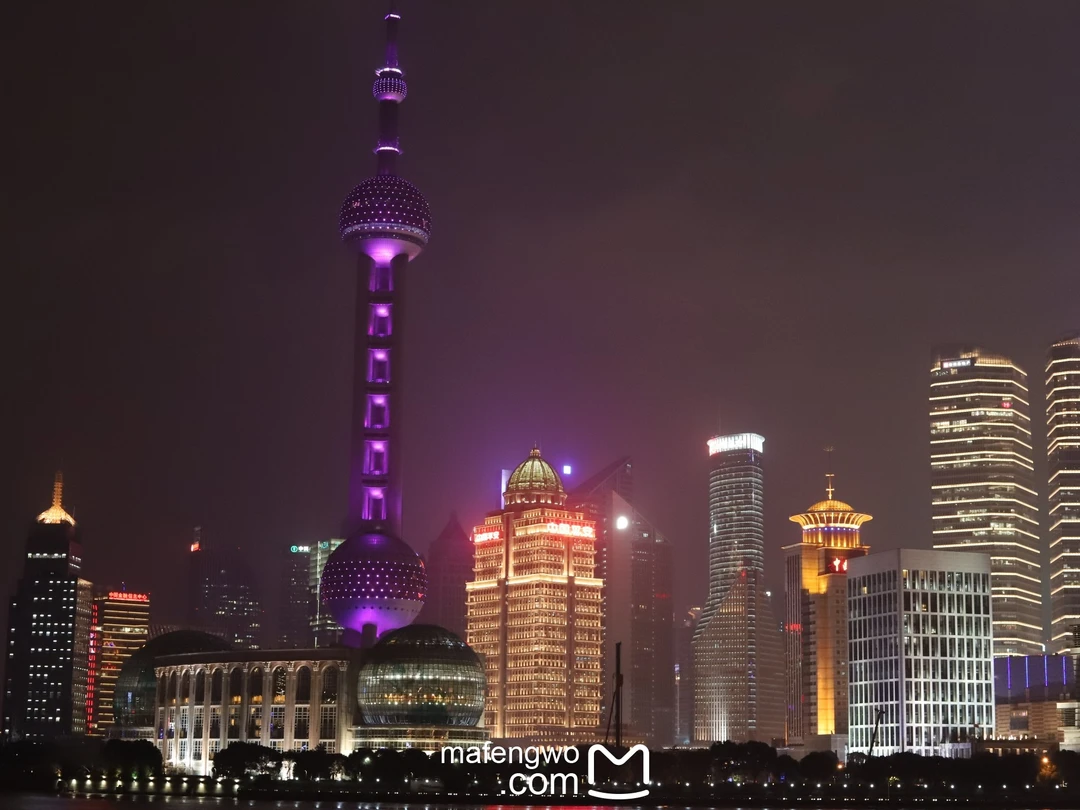
A single melody of "Night Shanghai" can transport you back to an era of decadence and glamour. Memories of Old Shanghai are scattered among yellowed novels, grainy film reels, and the crackling sound of vintage records. These fragments of time, soaked in the passage of years, become ever more mysterious and enchanting.
Yet, when you finally set foot on this land, what awaits you, beyond the neon-lit modern skyline, is a string of unexpected "little surprises" that catch you off guard. This is the story of my first trip to Shanghai—a journey filled with laughter, tears, and a few crucial lessons for anyone planning a visit.
Preface: A Date with Rain in the Magic City
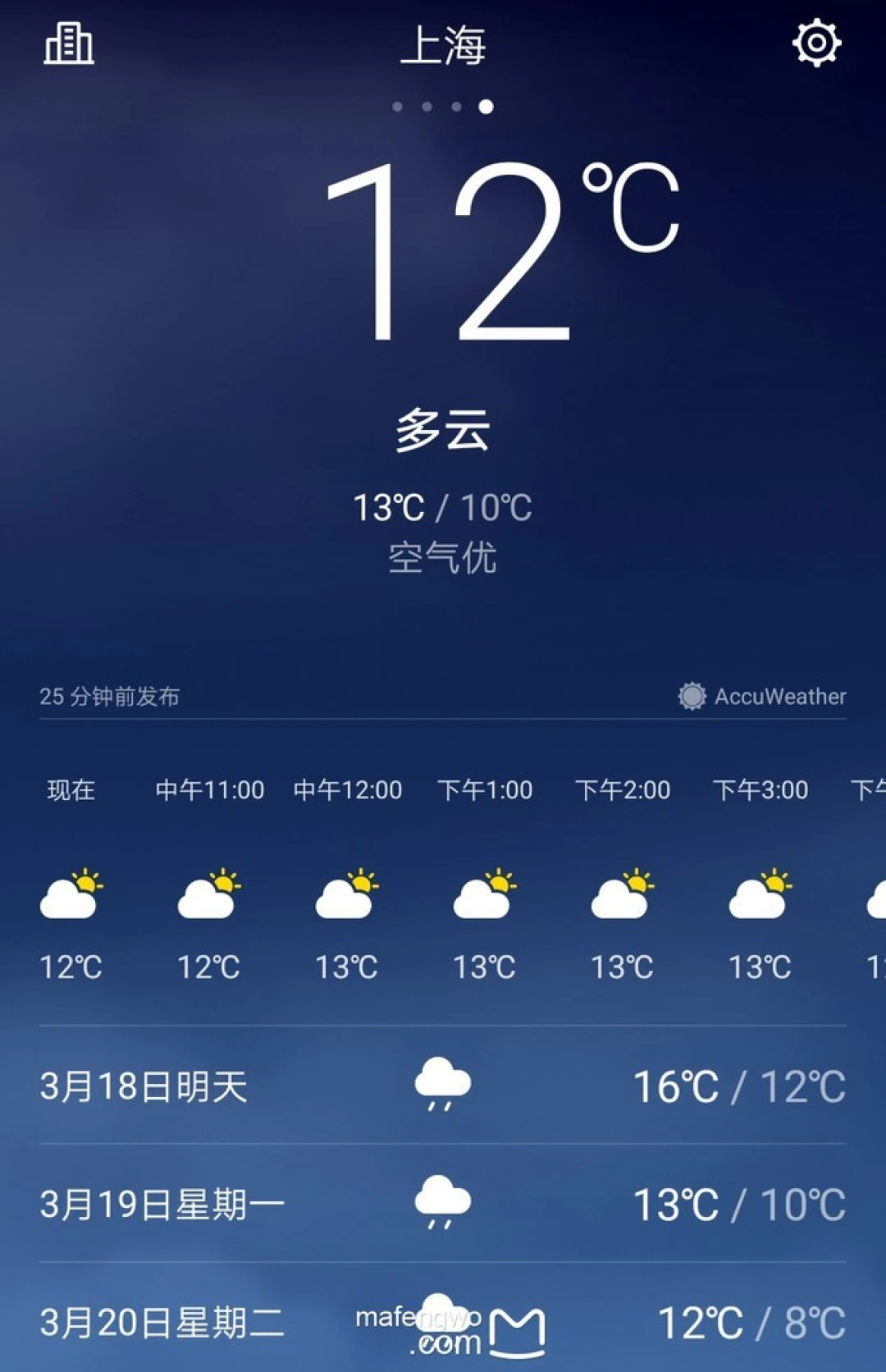
Before every trip, I make it a habit to do thorough research, hoping for a perfect encounter. But life always loves to slip you a handful of "accidents." For example, that three-day forecast of continuous rain icons.
Traveling in the rain, whether for sightseeing or photography, inevitably comes with its share of awkward moments. But looking at it from another angle, these imperfect little episodes become the unique seasoning of the journey. Setting out with a heart ready to go with the flow, you'll find that the most beautiful scenery often hides in those unplanned moments.
Shanghai Transportation: Surviving the Subway (A Comedy of Errors)


As the train slowly pulled into Shanghai Station, I looked out the window—the thick clouds finally tore open a gap, revealing a small patch of pale blue sky. It felt like a welcome gift from the Magic City. But the real "test" was just beginning.
Awkward Moment #1: The Subway Ticket Machine That Rejected My Phone
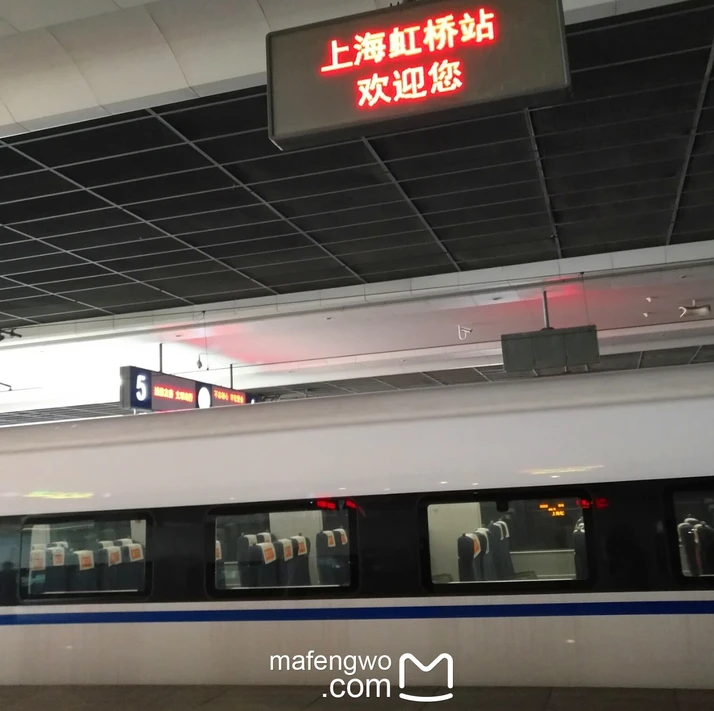
Dragging my suitcase into the subway station, I walked confidently toward the ticket vending machine. But the screen clearly showed: Cash only or download the official app. At that moment, I felt like I had traveled back in time a decade.
Lesson Learned: While most of Shanghai runs on Alipay and WeChat Pay, many older subway ticket machines are cash-only. If you are planning a trip to Shanghai, make sure to bring plenty of 1-yuan coins and 5-yuan or 10-yuan bills.
Awkward Moment #2: Getting Lost in the "Unspoken Subtext" of Gaode Maps
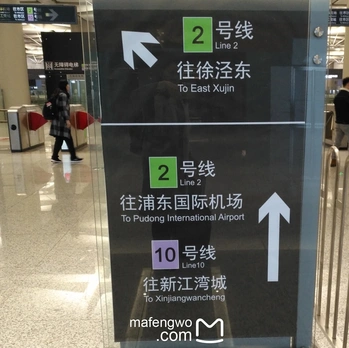
I opened Gaode Maps, and it said, "Towards Guanglan Road." I looked up at the subway route map, then at the platform signs—Line 2 clearly read, "Towards East Xujing" and "Towards Pudong International Airport."
I braced myself and asked a staff member, who calmly replied, "The direction towards Guanglan Road is the same as towards Pudong International Airport." It dawned on me: between the map and reality lies a Shanghai local's "unspoken subtext."
Awkward Moment #3: The Gate That Wouldn't Open (Silent Rejection)

After finally buying a ticket, I walked to the gate and placed it on the sensor—nothing. I tried again—still nothing. No light turned on, no sound chimed. I stood awkwardly in front of the gate, a small queue forming behind me.
The Fix: I had to go to the manual counter to exchange the paper ticket for a plastic card. Many subway gates in Shanghai are "getting on in years," and this kind of "silent refusal" is the norm.
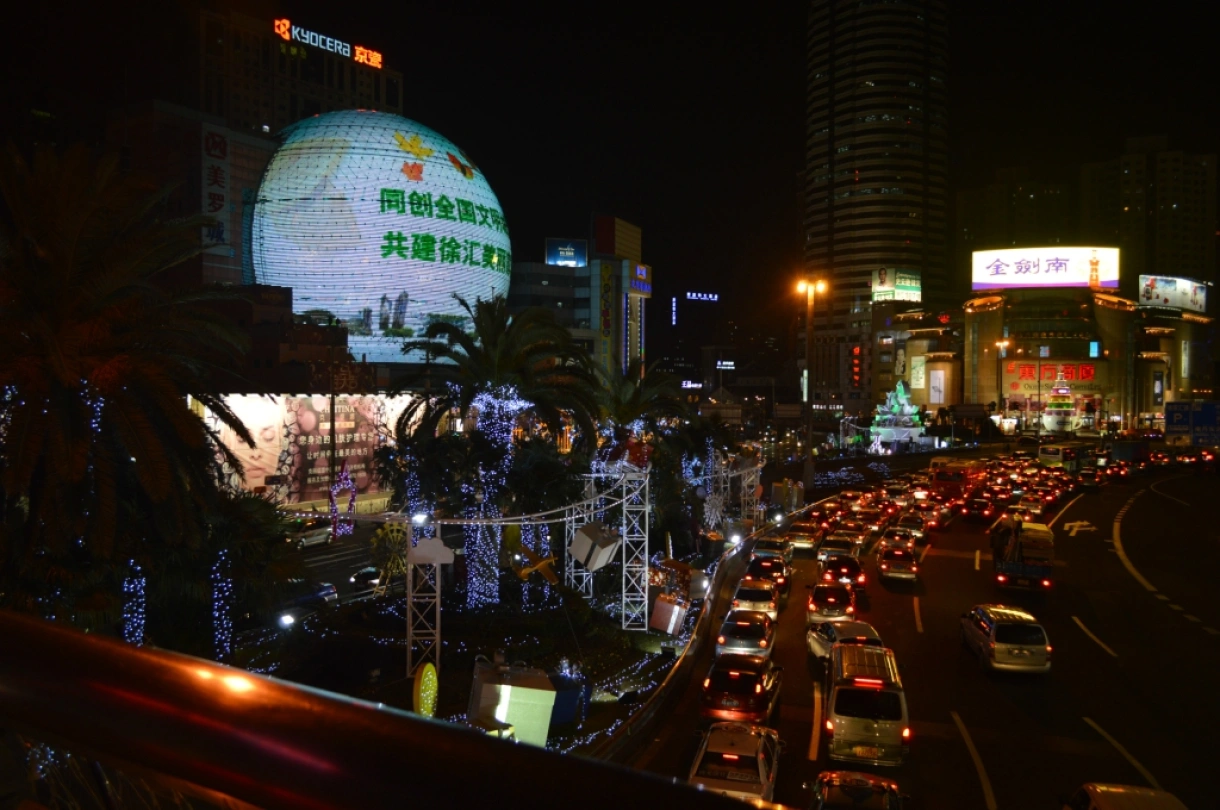
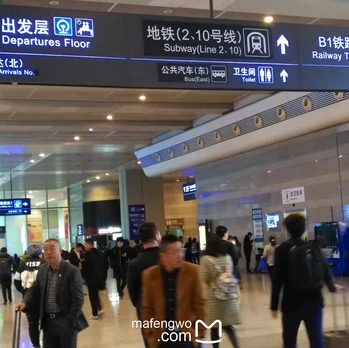
Stepping out of Exit 1 of East Nanjing Road Station, I looked up to see towering skyscrapers and a sea of people. Whether you come or not, the modern metropolis of Shanghai is right here, waiting patiently and unhurriedly.
Accommodation in Shanghai: From "A Sense of History" to "See Before You Book"
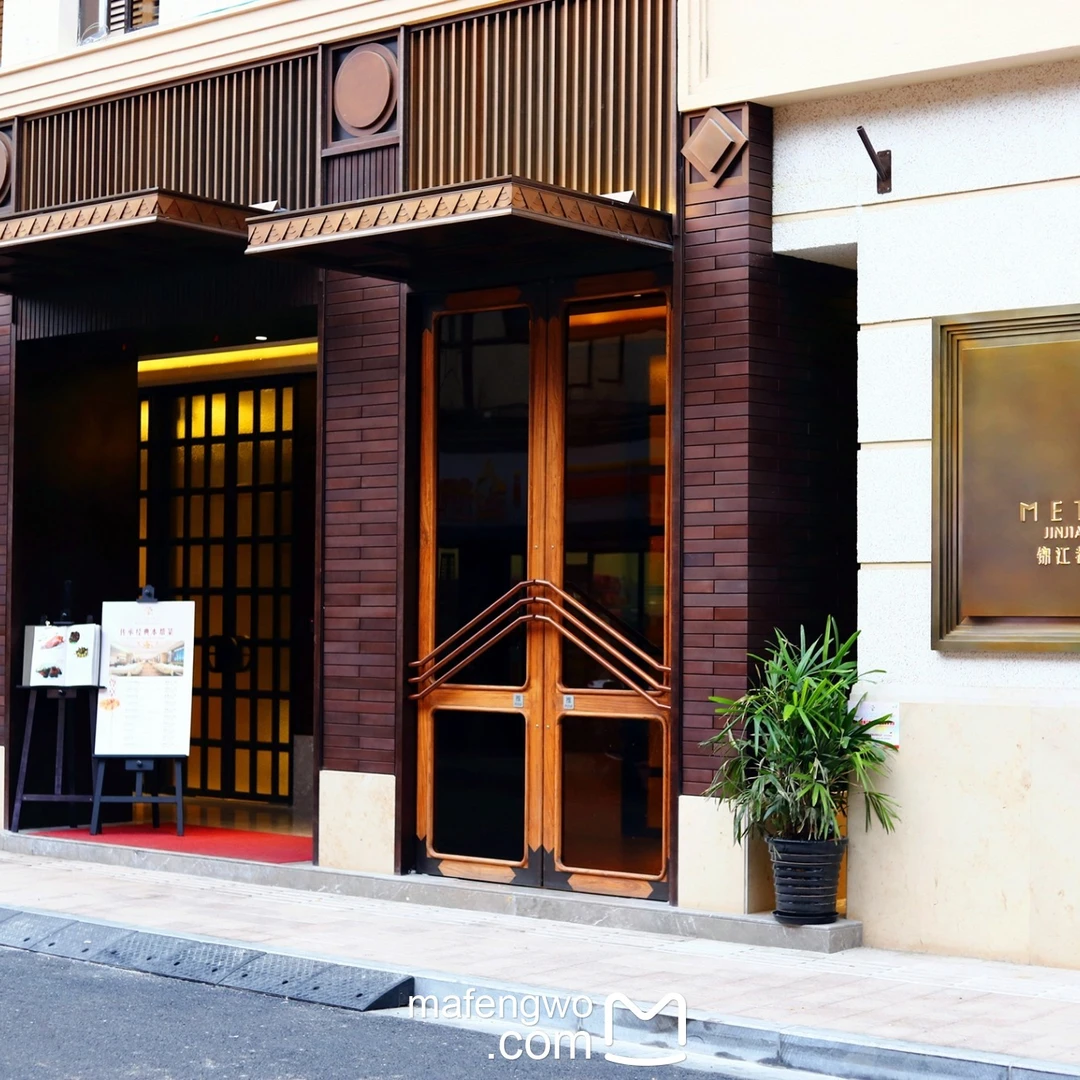
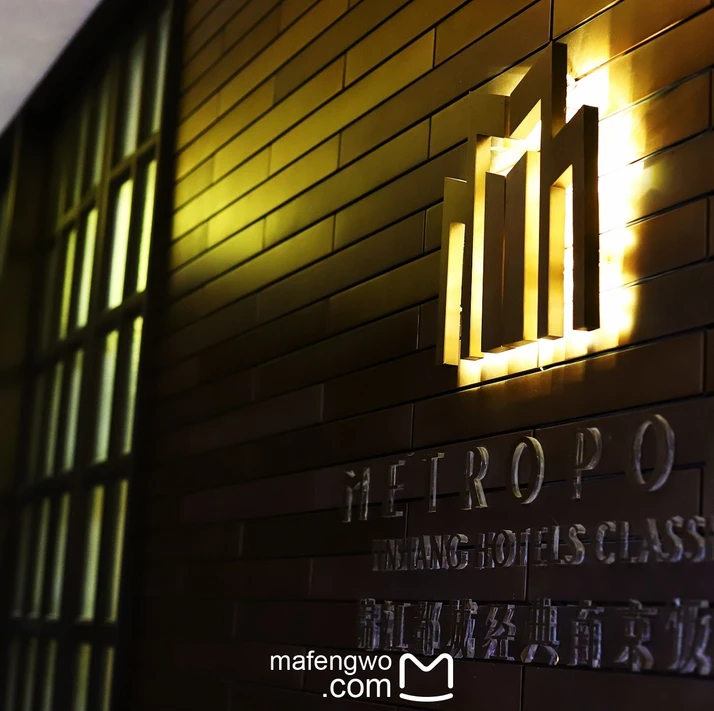
Jin Jiang Metropole Classic Nanjing Hotel: Living in History
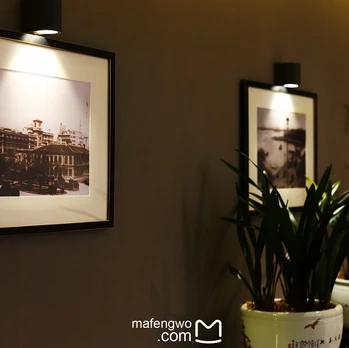
If you love places with stories, I recommend this hotel built by a Jewish family in 1931. It was once a gathering spot for Shanghai's literary elite. Now converted into a hotel, it still retains its vintage relics—old-fashioned telephones, retro desk lamps, and yellowed picture frames. Each piece seems to whisper the city's past.
Best for: History buffs and those seeking a unique, atmospheric stay near Nanjing Road. [Link: Best historical hotels in Shanghai]
Home Inn Selected (Nanjing Road Pedestrian Street Branch): Check the Room Type
When rooms aren't tight, it's best to see the room type before booking a hotel. This is a hard-earned lesson: windowless rooms are like ovens, rooms near the street are too noisy, newly renovated ones have odors, and overly old ones aren't clean.
Best for: Budget travelers who value location. This specific branch is generally reliable for online bookings—the room types, facilities, and cleanliness are all reassuring.
Shanghai Food Guide: A Mix of Delicacies and "Awkward" Flavors

People say, "Only food and love cannot be betrayed." But when you pour all your affection and your entire digestive system into food, have you thought about what it does to your body? Here is my Shanghai food guide, complete with hits and misses.
Canglangting (Canglang Pavilion): Suzhou-Style Noodles Under a Cap
This is a time-honored Suzhou-style noodle shop. What caught my eye wasn't the noodles, but the staff—each one wore a white cap. Only a restaurant in the Magic City could pull off such a chic look.
I ordered a bowl of shepherd's purse and winter bamboo shoot noodles. When it arrived, I stared at the pile of green-and-white ingredients, completely baffled: Should I eat the vegetables and noodles separately, or mix them together?
Verdict: The essence of Suzhou-style noodles lies in the combination of "soup, toppings, and noodles." Eat however you like, as long as you enjoy it.
Ruosu Creative Vegetarian Cuisine: Finding Peace Amidst the Noise
The restaurant's name, "Ruosu," comes from the phrase "an zhi ruo su" (to remain calm and composed). It's located on the second floor of the New Jiangwan City Life Plaza.
Verdict: A great option for a quiet, healthy meal away from the bustling tourist crowds. [Link: Best vegetarian restaurants in Shanghai]
Laohongxing Suzhou Soup Dumpling House: The Choice of the Elderly

Suzhou soup dumplings have thin skins and fresh fillings; with one bite, you get a burst of soup, savory but not greasy. In the span of one meal, several elderly locals came in to order. Their presence was the best advertisement for the place.
Pro Tip: When eating soup dumplings, be a bit ladylike—otherwise, burning your tongue is the least of your worries; it's embarrassing when the soup splatters onto your clothes.
Shanghai Old Restaurant: Missing the "Kou San Si" (Three-Shred Soup)
This restaurant was founded in the first year of the Guangxu era of the Qing Dynasty (1875). The second season of A Bite of China featured its signature dish, "Kou San Si" (three-shred soup)—exquisite knife work and a refreshing taste.
My Mistake: I stumbled in only to escape the rain, completely unprepared, and missed this labor-intensive dish entirely. That day, there was a half-price special: crab claw meat with ginkgo nuts, originally 128 yuan—a real bargain.
Rongxin Guan (Rongxin House): The "Ceiling" of Japanese Cuisine
This is one of the most popular Japanese restaurants in the Magic City, with an average cost of 375 yuan per person. The sashimi was so fresh it was moving; the salmon was rich and mellow; the mantis shrimp came with a dedicated waiter to peel them; the sweet shrimp were crystal clear; and the sea urchin teased your taste buds on a shiso leaf.
Highlight: The restroom. The glass door automatically blurred when locked, and the toilet had an LCD screen in front. It was so luxurious, it felt like a destination in itself.
FAQ: Planning Your First Trip to Shanghai
Q1: Is Shanghai expensive for a first-time visitor? A: It can be. Accommodation and fine dining (like Rongxin Guan) can be pricey. However, street food, local noodle shops, and budget hotels (like Home Inn) are very affordable. Budget $50-100 USD per day for a comfortable mid-range trip.
Q2: Can I survive in Shanghai without speaking Chinese? A: Yes, but with some challenges. Subway signs are bilingual. However, older locals and some small restaurant owners may not speak English. Download a translation app and have your hotel address written in Chinese.
Q3: What is the best way to get around Shanghai? A: The Shanghai Metro is the best option. It is extensive, cheap, and easy to use once you understand the "unspoken subtext" of the maps. Taxis are also available but can get stuck in traffic. [Link: Shanghai Metro guide for tourists]
Q4: What should I pack for a trip to Shanghai? A: Comfortable walking shoes (essential), an umbrella (especially in spring/summer), a power bank (for maps), and cash (for subway ticket machines).
Q5: Is it safe to eat street food in Shanghai? A: Generally, yes. Stick to busy stalls with high turnover. Look for places where locals are eating. The "Laohongxing" soup dumpling shop is a perfect example of a safe, delicious local choice.
Conclusion: Embrace the "Accidents"
My first trip to Shanghai was not a perfect, curated Instagram feed. It was a series of hilarious "first encounters" with the Magic City. From the silent subway gates to the mind-bending directions, and from the missing "Kou San Si" to the luxurious toilet at Rongxin Guan, every moment was a story.
The Magic City isn't magic because it's perfect. It's magic because it surprises you, challenges you, and ultimately, makes you laugh. So, pack your bags, bring your sense of humor, and get ready for a trip you'll never forget.
Ready to book your own adventure? [Link: Check flight deals to Shanghai] or [Link: Book your Shanghai hotel today]. Don't wait for the perfect plan—just go. The city is waiting for you.
You may also like