My 2020|A Year of 130+ Exhibitions: A Guide to Shanghai's Cultural Life
Meta Description: Discover Shanghai's best exhibitions in 2020—from 3D-printed Yungang Grottoes to immersive Han Dynasty art. Your ultimate guide to Shanghai cultural attractions, museums, and art events.
Introduction: When Travel Stopped, Shanghai's Art Scene Opened Up
For anyone who loves to travel, 2020 was an unexpected trial. As a Shanghai native who had visited over 30 countries, I was used to the freedom of spontaneous trips—the morning light in Paris, the maple leaves in Kyoto, the deserts of Morocco. Those poetic horizons were the backdrop of my life.
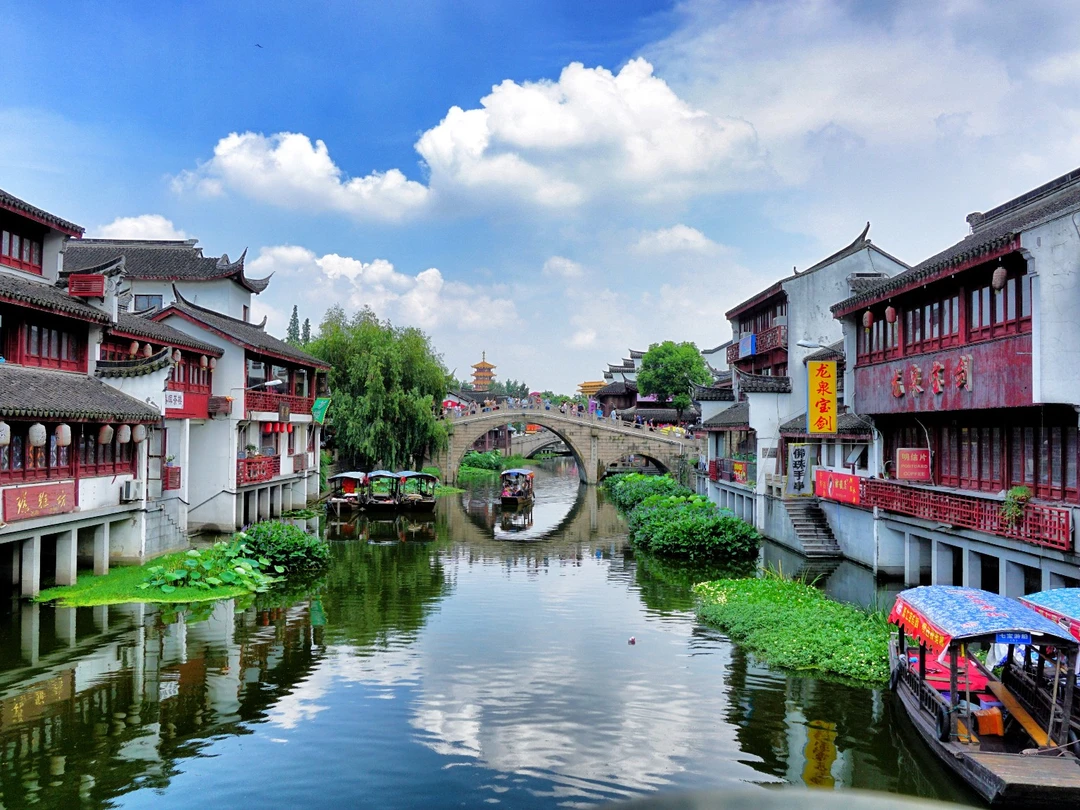
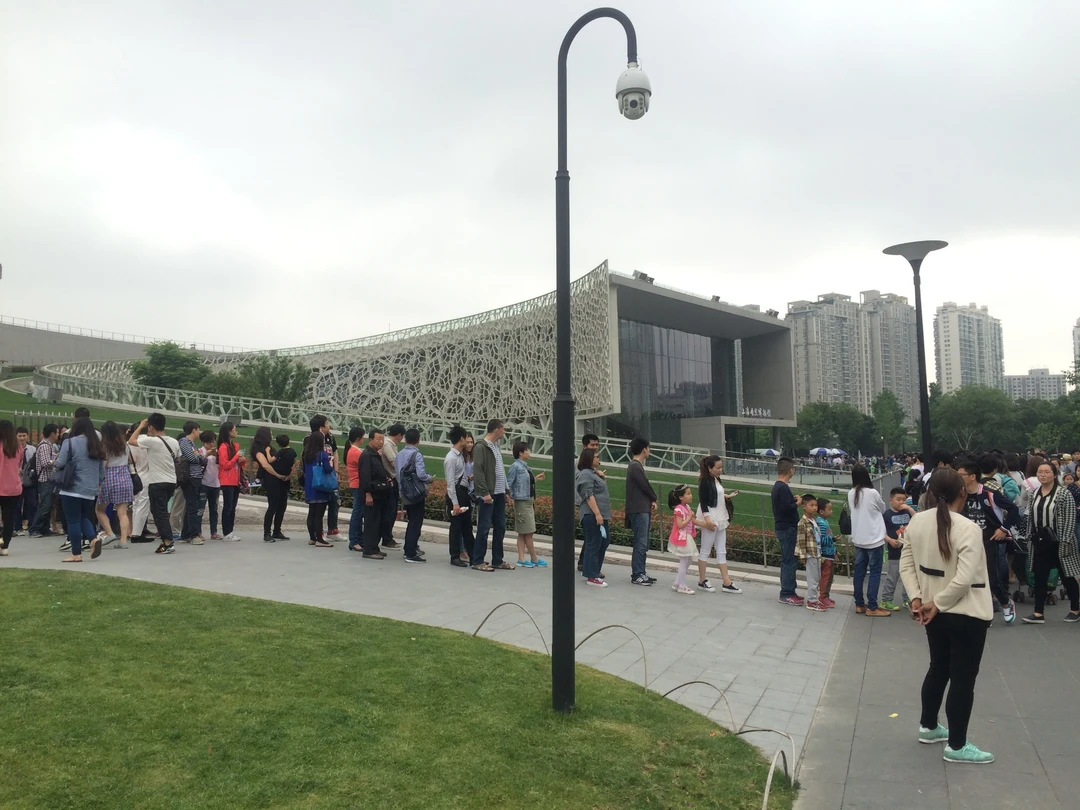
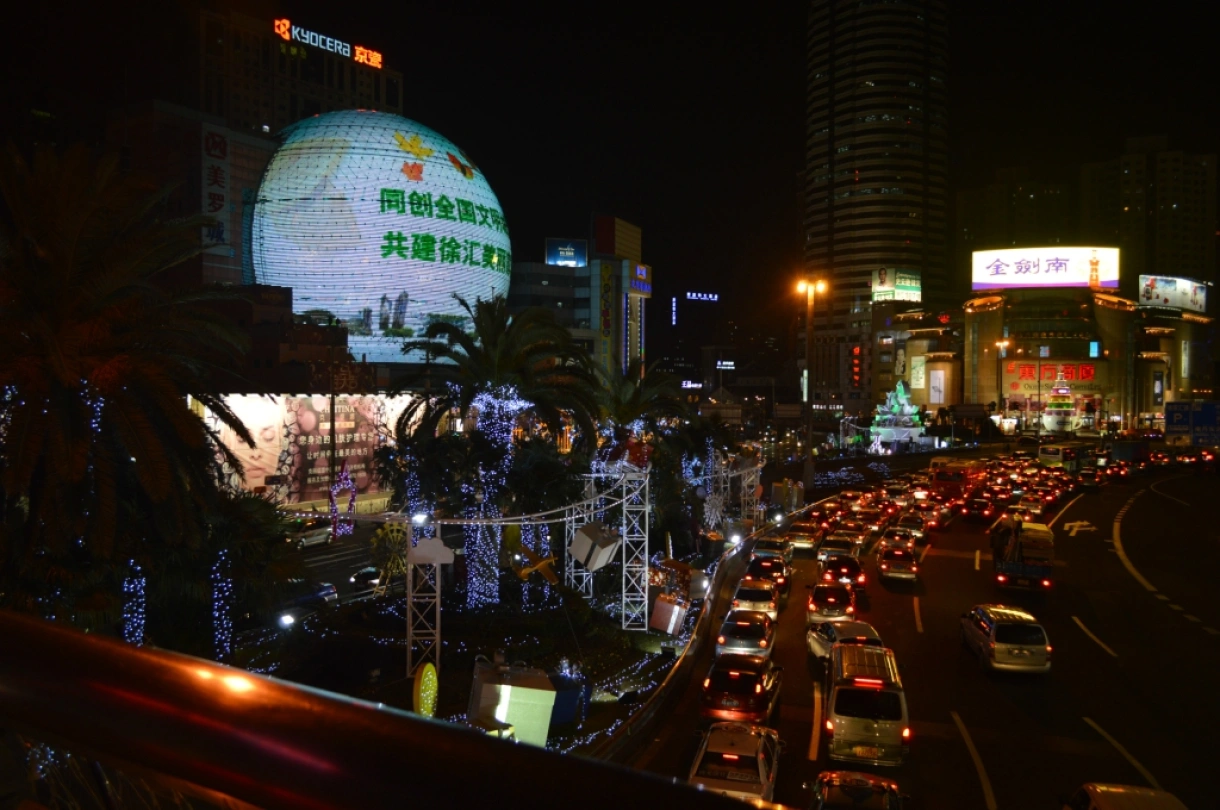
Then the pandemic hit, borders closed, and my footsteps were locked firmly within Shanghai. At first, it felt suffocating. But soon I discovered: this city itself is a giant museum, a never-ending exhibition. So I embarked on a "deep dive into Shanghai's cultural life"—in one year, I visited over 130 exhibitions of all sizes.
This isn't a boast. It's a tribute to 2020. When the world shrinks, we can still find beauty in small spaces. This guide will walk you through the must-see Shanghai art exhibitions, museum highlights, and cultural experiences that made my year unforgettable.
[Link: Best museums in Shanghai]
The Year's Best Exhibition: "Ode to Great Beauty" at Powerlong Museum

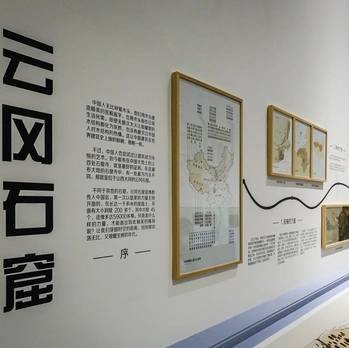
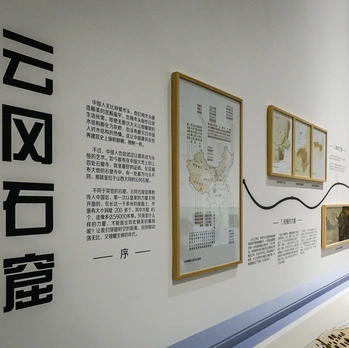
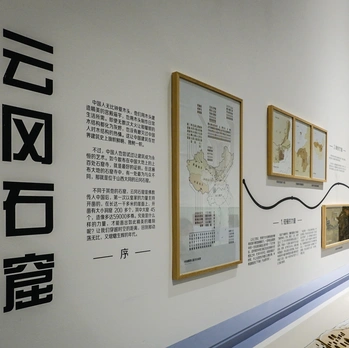
If I could recommend just one exhibition from 2020, it would be "Ode to Great Beauty—The Millennial Memory and Dialogue of the Yungang Grottoes" at the Powerlong Museum. It was my biggest surprise at the end of the year and undeniably my number one pick for Shanghai art exhibitions.
What Makes the Yungang Grottoes So Special?
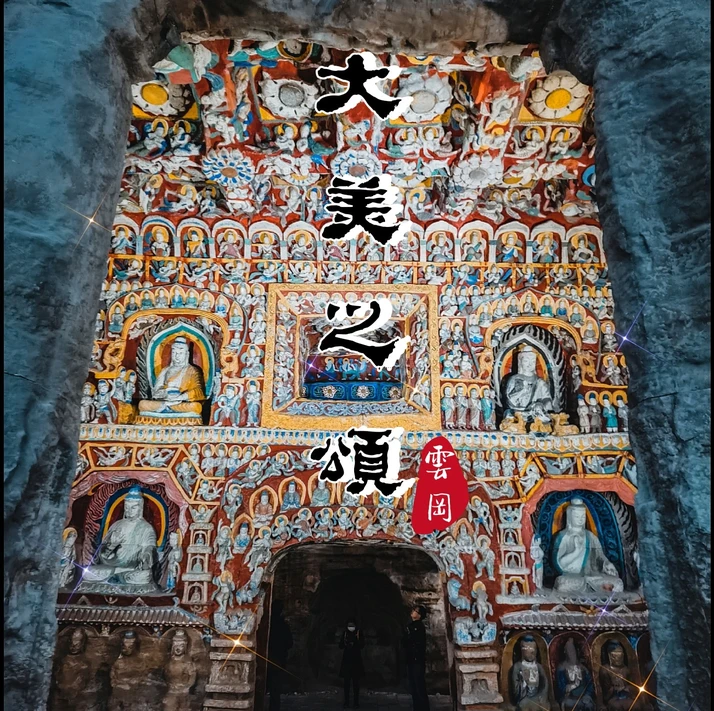
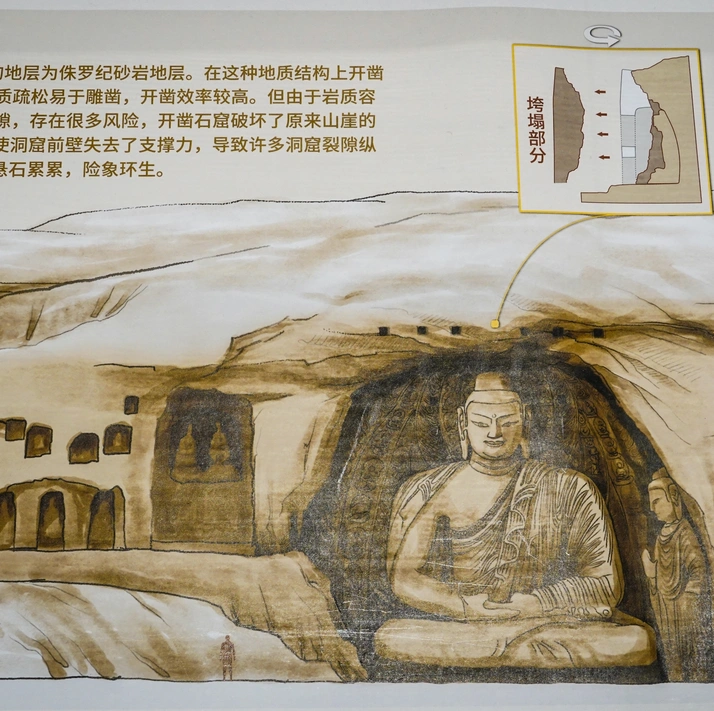
Located on the southern slope of Wuzhou Mountain in Datong, Shanxi Province, the Yungang Grottoes date back 1,500 years. They represent the first time a single dynasty carved a royal Buddhist cave complex after the eastward transmission of Buddhist art—a historical monument of Sino-Western cultural fusion in the 5th century. As a UNESCO World Heritage site and one of the world's top ten tourist attractions, they rank alongside the Mogao Caves in Dunhuang and the Longmen Grottoes as one of China's three great grottoes.
Exhibition Highlights: Technology Meets Ancient Art
1. A 3D-Printed "Music Cave"
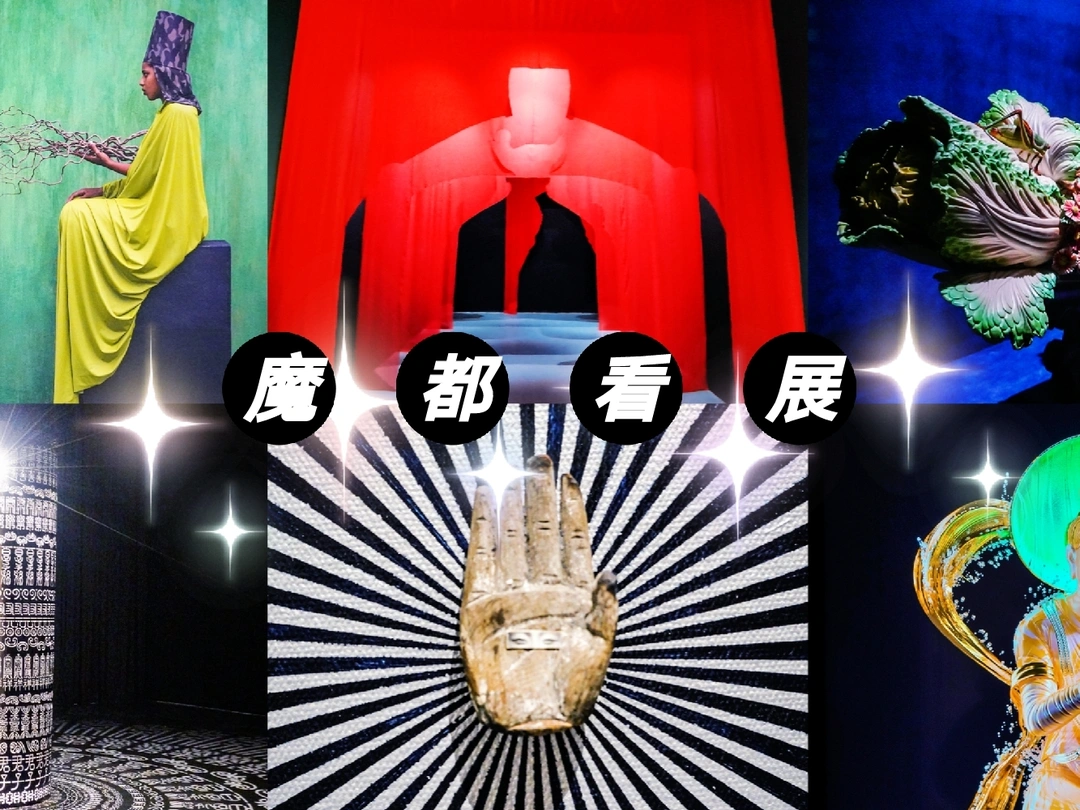
The most eye-catching piece in the exhibition hall was the 1:1 scale 3D-printed replica of Cave 12, known as the "Music Cave." Why this one? The guide smiled and explained: "Because its ceiling height fits perfectly into the Powerlong Museum's exhibition space." This pillar-hall-style cave features celestial musicians on the upper wall of the front chamber, playing instruments from various ethnic groups—like a Northern Wei Dynasty symphony orchestra. Their poses of blowing, plucking, and striking freeze a melody from 1,500 years ago.
2. 120 Exquisite Artifacts
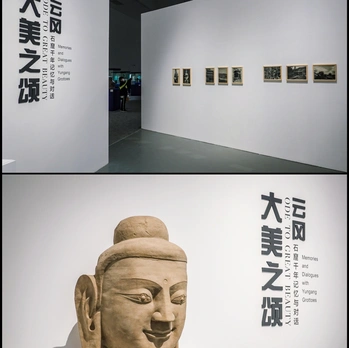
From stone carvings and pottery to gilt bronze statues and inscribed steles, the exhibition selected 120 Yungang artifacts. The "Tanmei Stele" is the centerpiece, while smaller pieces like the "Buddha's Finger," "Glazed Ceramic Buddha Eye," and "Buddha Torso Fragment" are worth lingering over. Don't forget to scan the QR codes on the labels—each artifact has a story behind it.
3. Interactive New Media: The Musical Buddhas Come Alive
Artist Feng Chuchen created multimedia interactive installations for 14 musical Buddhas. Draped in iridescent robes and holding ancient instruments, they seemed to play a millennium-spanning symphony as light and shadow shifted. Though I have to say, the first Buddha's instrument looked suspiciously like someone whistling.
4. Contemporary Art Dialogue
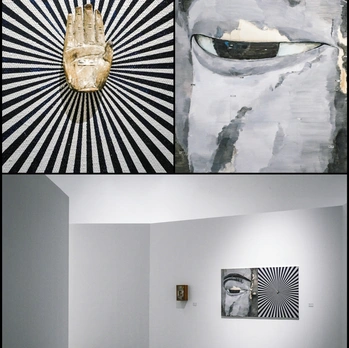
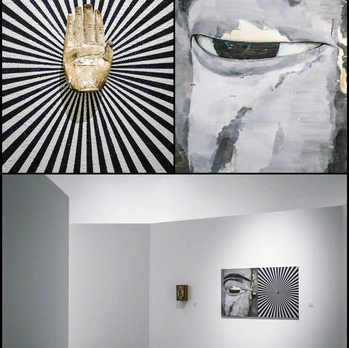
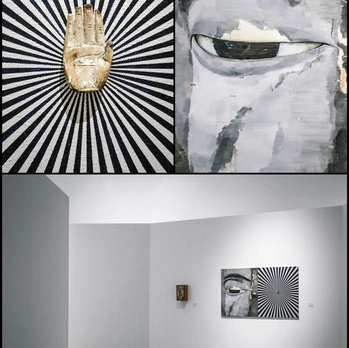
Gallery 5 featured 26 works by 10 contemporary artists. Honestly, some I didn't fully grasp—like a tree that looked like a chocolate banana, which the artist reportedly spent ten years layering with paint to create the rings. But not understanding is okay. Sometimes art is about feeling, not comprehending.
Practical Information for Visitors
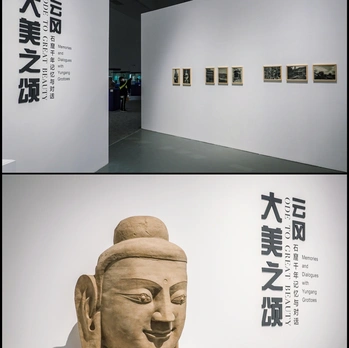
- Exhibition: Ode to Great Beauty—The Millennial Memory and Dialogue of the Yungang Grottoes
- Dates: December 26, 2020 – March 28, 2021
- Hours: Tuesday to Sunday, 10:00 AM – 6:00 PM
- Location: Powerlong Museum, Galleries 5 & 6 (3055 Caobao Road, Minhang District, Shanghai)
- Rating: ★★★★★ (Best of the Year)
[Link: Powerlong Museum exhibitions]
When Han Dynasty Meets Technology: "Park 202 BC" Exhibition
When I first saw this exhibition title, I pictured square-dancing grandmas and balloon vendors—until I realized "Park 202" was a pun on "202 BC." That year marked the rise of the Han Dynasty, and this exhibition was a new media deconstruction of Han aesthetics.
A 2,000-Square-Meter Immersive Experience
Spread across Galleries 7 and 8 of the Powerlong Museum, the exhibition featured seven zones and eight scenes. From the moment you stepped in, you were wrapped in flowing light and shadow.
My two favorite scenes:
- Abundant Blessings: A hollow installation resembling a prayer wheel, engraved with auspicious characters and symbols from Han Dynasty bricks. Light passed through the carvings, casting shifting shadows on the floor—breathtakingly beautiful.
- Between the Lines: Layers of hanging gauze curtains unfurled like scrolls, inscribed with Han clerical script, Han bamboo slip script, and Han stele calligraphy. Ancient, elegant, powerful—this was our "Han" character.
Who Should Visit This Shanghai Art Exhibition?
Honestly, if you come expecting a traditional museum experience, you might be disappointed. This exhibition prioritizes visual impact and photo opportunities, making it perfect for Hanfu enthusiasts—those scenes were practically tailor-made for you. At 98 RMB, the ticket isn't cheap, but if you love immersive light-and-shadow art, it's worth the price.
Practical Information
- Exhibition: Park 202 BC: Han Aesthetics New Media Art Exhibition
- Dates: December 18, 2020 – March 7, 2021
- Location: Powerlong Museum, Galleries 7 & 8
- Ticket: 98 RMB
[Link: Immersive art experiences Shanghai]
The Everlasting Ace: Shanghai Museum's "Half the Treasure" Collection
After visiting over a hundred exhibitions, I still say: the Shanghai Museum is the most established and prestigious museum in Shanghai. Located on the south side of People's Square, neighboring the municipal government and Shanghai Grand Theatre, it houses nearly one million artifacts and is hailed as "half the treasure" of China's cultural relics.
The Building Itself Is a Work of Art
Designed on the principle of "round heaven and square earth," the museum features a square base with a circular overhang. The name plaque was inscribed by Chen Yi, Shanghai's first mayor. The interior is equally elegant, from the exhibition halls to the staircases and ceilings.
Four Permanent Exhibitions: Bronze, Ceramics, Calligraphy, and Painting
Among the museum's permanent exhibitions, bronze, ceramics, calligraphy, and painting are the "four heavenly kings," with the Bronze Gallery reigning supreme.
Bronze Gallery: The Must-See
The museum holds over 7,000 bronze artifacts, spanning the Shang, Western Zhou, Spring and Autumn, and Warring States periods, with relatively complete coverage across eras, regions, and series. The crown jewels—the "Da Ke Ding" (Great Ke Tripod) and the "Marquis of Jin Su Bells"—are among the first 64 first-class artifacts banned from overseas exhibition by China's State Administration of Cultural Heritage. The "Zi Zhong Jiang Pan" (Zi Zhong Jiang Basin) features carvings of fish, frogs, and turtles on its inner wall, with 3D rotating sculptures at the bottom—an absolute marvel of craftsmanship.
A Fun Fact: Shanghai Doesn't Produce Bronze—Where Do the Artifacts Come From?
When the museum was first established, its collection came mainly from confiscated smuggled goods, seized family assets, and donations from collectors. The famous "Bronze Ox Zun" was seized from artifacts destined for illegal export to the United States. The "King Fuchai of Wu He" (a wine vessel) was purchased and donated by Hong Kong industrialist He Hongzhang. The "Zi Zhong Jiang Pan" was donated by Ye Zhaofu, chairman of Hong Kong's Sun Group.
Chinese Calligraphy Gallery
Over 70 authentic masterpieces trace the evolution from seal script and clerical script to running script, cursive script, and standard script. From Wang Xizhi to Zhao Mengfu, this is a pilgrimage site for calligraphy lovers.
[Link: Shanghai Museum permanent exhibitions]
Frequently Asked Questions About Shanghai's Cultural Life
1. How many exhibitions can I realistically visit in a day in Shanghai?
Plan for 2-3 exhibitions maximum. Most museums require 2-3 hours each for a thorough visit. The Shanghai Museum alone can take half a day. For a comfortable pace, visit one major museum and one smaller gallery per day.
2. What is the best time to visit Shanghai museums to avoid crowds?
Weekday mornings (10:00 AM – 12:00 PM) are the quietest. Avoid weekends and public holidays. Many museums offer free admission on specific days—check their official websites. For popular exhibitions like "Ode to Great Beauty," book tickets in advance online.
3. Are Shanghai's cultural attractions suitable for non-Chinese speakers?
Yes! Major museums like the Shanghai Museum provide English-language audio guides and bilingual exhibition labels. The Powerlong Museum also offers English descriptions for many exhibitions. However, smaller galleries may have limited English support. Download translation apps as a backup.
4. What is the budget for visiting Shanghai's top exhibitions?
Entry fees vary widely. The Shanghai Museum is free (with some special exhibitions costing 50-100 RMB). Immersive exhibitions like "Park 202 BC" cost around 98 RMB. Major special exhibitions like "Ode to Great Beauty" range from 80-150 RMB. Budget 200-300 RMB for a full day of cultural exploration.
5. Which Shanghai museum is best for first-time visitors?
The Shanghai Museum is the absolute must-visit for first-timers. Its comprehensive collection, free admission, central location, and English-friendly facilities make it the ideal starting point. For contemporary art lovers, the Powerlong Museum offers cutting-edge exhibitions.
Your Shanghai Cultural Adventure Awaits
2020 taught me that you don't need to travel far to discover wonder. Shanghai's cultural life is rich, diverse, and constantly evolving. From the ancient echoes of the Yungang Grottoes to the immersive digital landscapes of Han Dynasty art, this city offers endless opportunities for exploration and inspiration.
Ready to start your own Shanghai cultural journey?
- Book your tickets for the Shanghai Museum and Powerlong Museum in advance
- Plan your route using the Shanghai Metro—most museums are near major stations
- Download museum apps for audio guides and interactive features
- Share your experience—tag your photos with #ShanghaiCulture and inspire others
The world may have shrunk in 2020, but Shanghai's cultural universe expanded. Don't miss your chance to explore it.
[Link: Shanghai cultural events calendar 2024] [Link: Best museums in Shanghai for families]
Note: Exhibition dates and prices mentioned are from 2020-2021. Always check official websites for current information before planning your visit.
You may also like