Many Stories from a Small City: Yuncheng, an Underrated Travel Treasure – Your Ultimate Guide to Shanxi's Hidden Gem
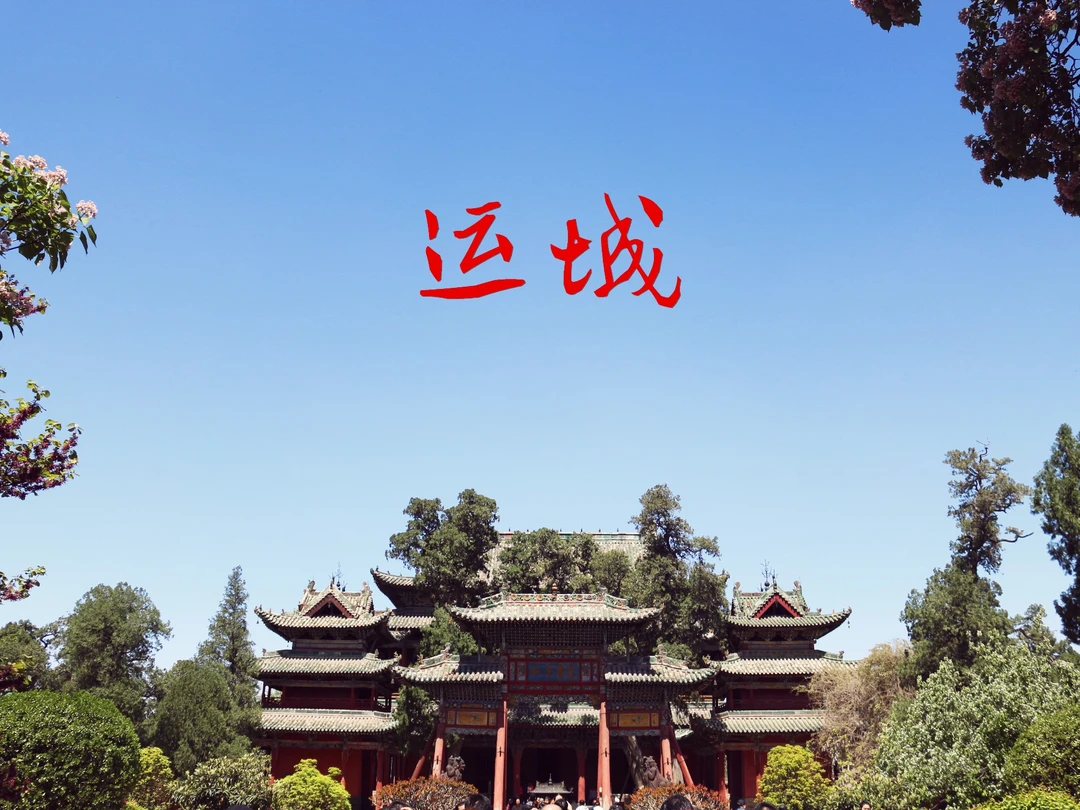
Meta Description: Discover Yuncheng, Shanxi's underrated travel treasure. Explore Pujiu Temple, Yellow River Iron Oxen, and Stork Tower in this SEO-optimized guide. Perfect for family trips, slow travel, and cultural immersion. Plan your visit today!
Introduction: Escaping the Crowds to Find Authentic Travel in Yuncheng
During peak travel seasons like the Qingming Festival, social media feeds become saturated with photos of overcrowded beaches in Sanya and shoulder-to-shoulder crowds in Lijiang's ancient alleys. The "distant horizon" we dream of has been overrun by tourists. But what if there's a place where you can still experience genuine awe, slow down with family, and discover stories etched into ancient stones—without fighting through a sea of people?
Welcome to Yuncheng, a small city in southern Shanxi Province that remains one of China's most underrated travel treasures. Located at the southernmost tip of Shanxi, facing Weinan in Shaanxi and Sanmenxia in Henan across the Yellow River, Yuncheng offers mild weather, rich history, and a refreshing lack of tourist crowds. For the average office worker with limited time, a tight budget, and family in tow, Yuncheng is the perfect antidote to overhyped destinations.
In this comprehensive guide, we'll take you through a three-day Yuncheng itinerary, uncover the stories behind its iconic attractions, and show you why this small city deserves a spot on your travel bucket list.
Why Yuncheng, Shanxi Should Be Your Next Travel Destination

When people think of Shanxi, coal mines, vinegar, and noodles often come to mind. Tourism has never been the province's primary label. But if your impression of Shanxi is still stuck on "loess plateau," you're missing out. Yuncheng's mild climate—far warmer than northern Shanxi—makes it an ideal year-round destination. During our visit, a cold snap had frozen Datong, but Yuncheng basked in warm sunshine with pleasant temperatures.
Yuncheng's attractions are scattered, but each one tells a compelling story. With a one-year-old in tow and elderly parents joining us, we learned to slow down—not rushing from place to place, but savoring every experience. That's the essence of slow travel in Yuncheng: gaining knowledge, capturing beautiful memories, or simply lightening your heart.
Three-Day Yuncheng Itinerary: A Family-Friendly Journey Through History
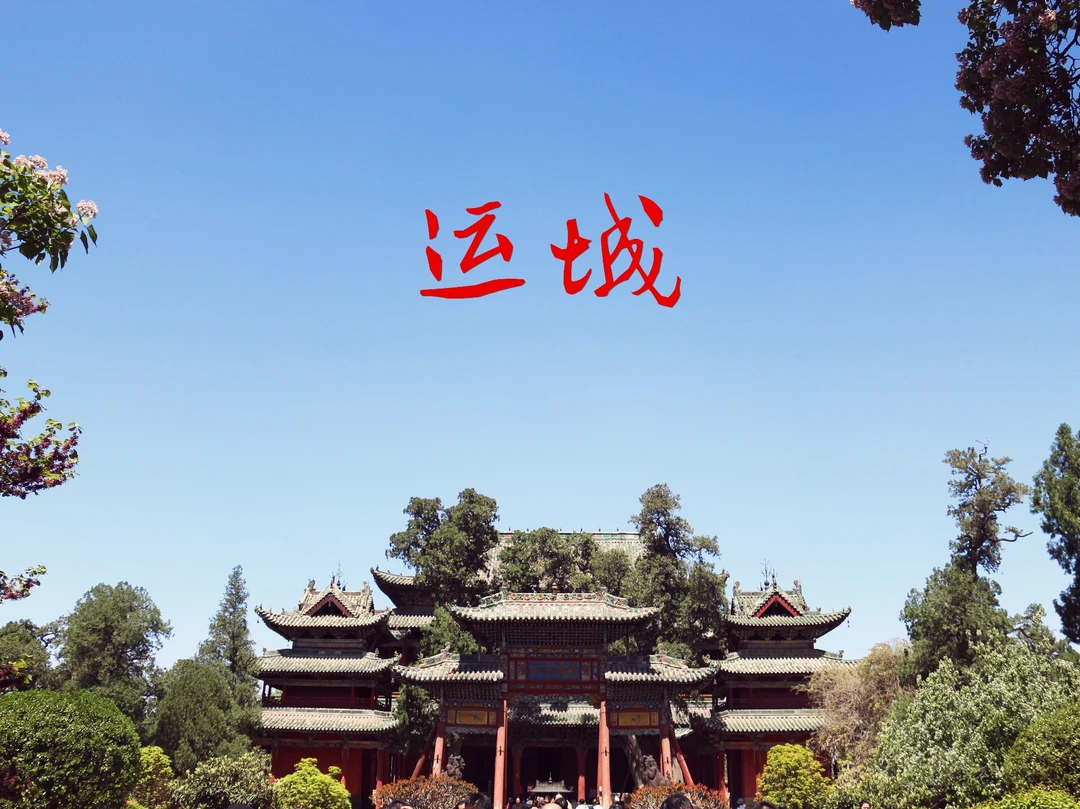
Starting from Xi'an, it takes about three hours by car to reach Yongji, a city under Yuncheng's administration. After passing through Fenglingdu—the same "Fenglingdu Ferry" from The Legend of the Condor Heroes—you'll arrive in Yongji by noon.
Day One: Three Attractions, One Story After Another
Three attractions in Yongji are clustered close together: Pujiu Temple, the Yellow River Iron Oxen, and the Stork Tower. After visiting these spots, drive to downtown Yuncheng, arriving just after 7 p.m.
Pujiu Temple: The Love Story of The Western Chamber
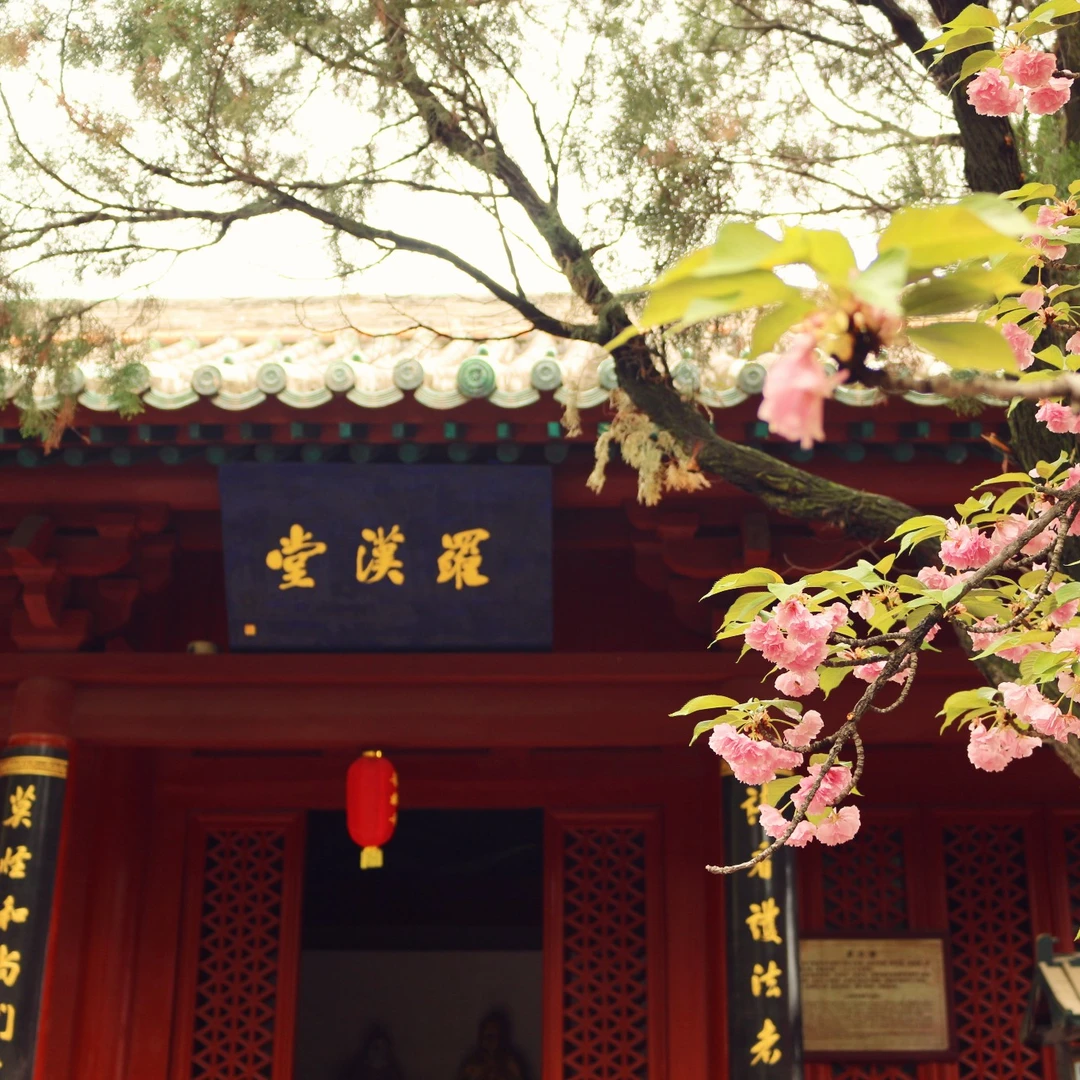
If you don't know Pujiu Temple, you've definitely heard of The Western Chamber (Xixiang Ji). The story of Zhang Sheng and Cui Yingying is embedded in Chinese culture. The phrase "May all lovers in the world be united" originates from here.
First built during the reign of Empress Wu Zetian in the Tang Dynasty, Pujiu Temple was originally named Yongqing Courtyard and served as a Buddhist monastery. Why was it renamed "Pujiu Temple" (Temple of Universal Salvation)? During the Five Dynasties period, Guo Wei of the Later Han dynasty besieged Puzhou, causing great suffering. The temple's abbot advised, "If the general shows compassion, the city will fall." Guo Wei broke an arrow as an oath, and after taking the city, he ordered no harm to the people. The monastery was renamed Pujiu Temple in gratitude.
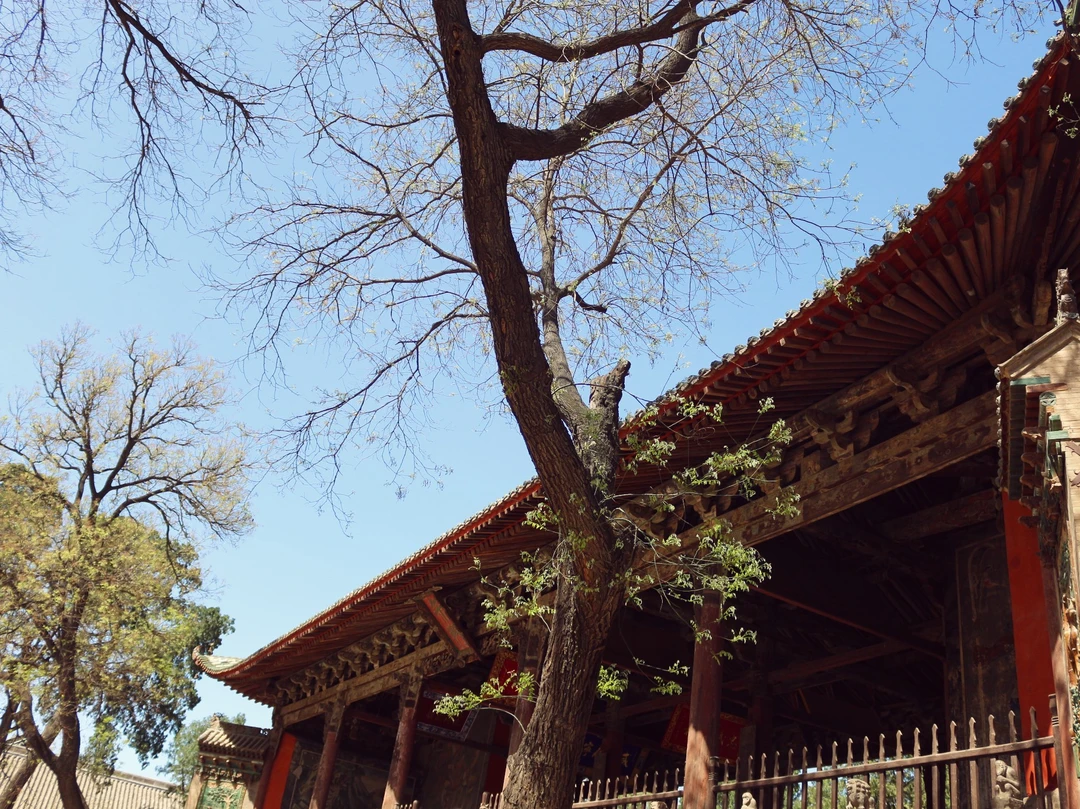
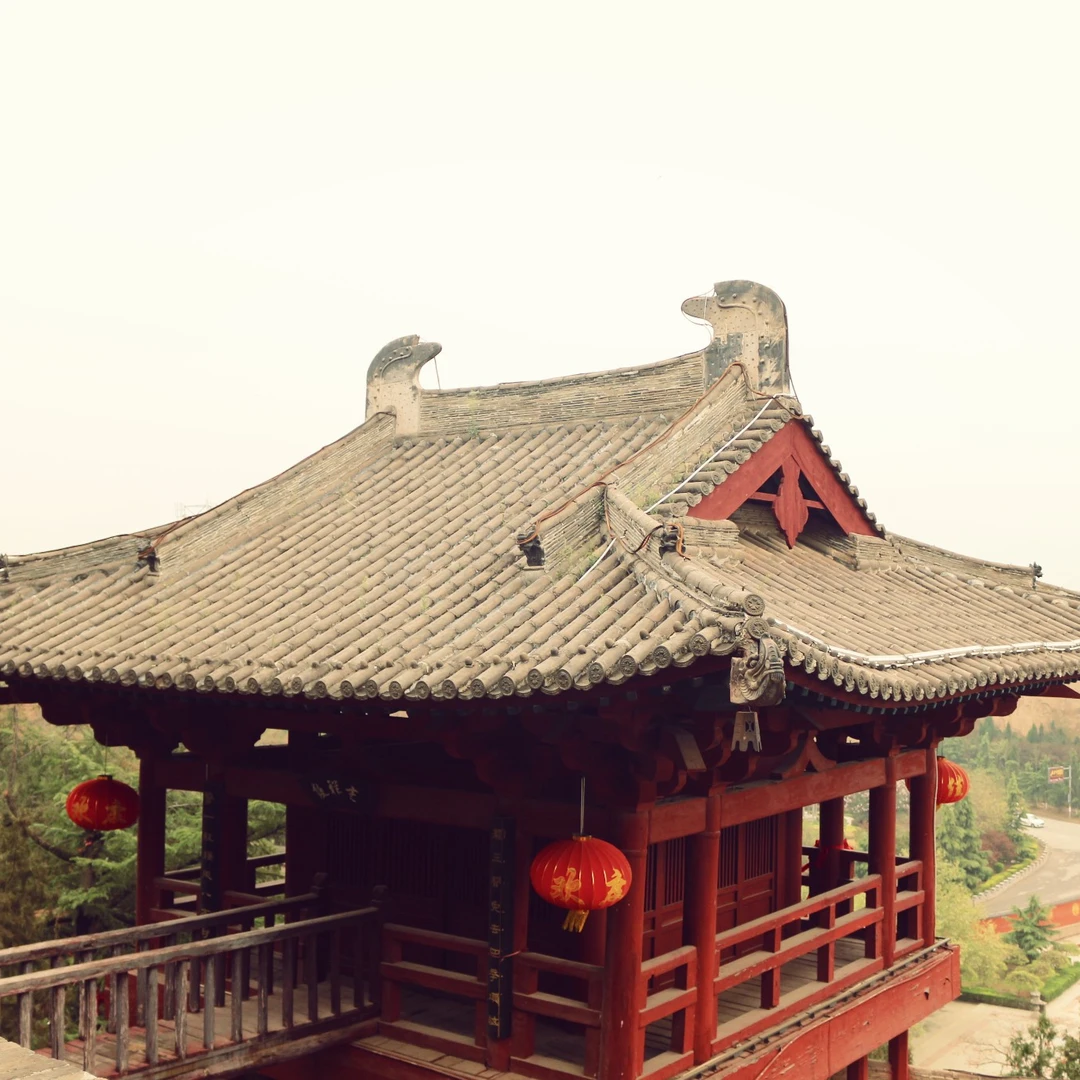
The current temple was restored after 1986 but retains architectural styles from the Tang, Song, Ming, and Qing dynasties. The Yingying Tower is the most eye-catching structure. Not only is it elegant, but it also has a peculiar feature—striking a stone in front of the tower produces an echo that sounds like a frog croaking. "The Croaking Sound of Pujiu" was once one of the Eight Scenic Spots of Yongji.
Standing in front of the Pear Blossom Courtyard, imagining the scenes where the matchmaker Hongniang pulled strings and Zhang Sheng jumped over the wall, you realize these stories aren't so far away. Wang Shifu's The Western Chamber may be an adaptation, but its ending—"lovers are finally united"—still touches everyone who walks through this place.
[Link: Chinese classical literature and travel destinations]
The Yellow River Iron Oxen: Witnesses to a Thousand-Year-Old Pontoon Bridge
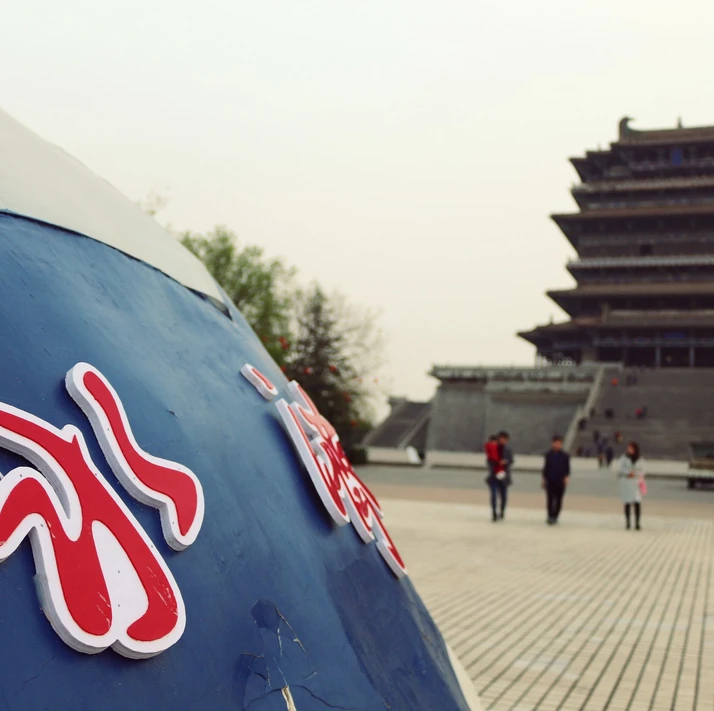
A few minutes' drive from Pujiu Temple brings you to the Pujin Ferry Ruins. Buried here are four massive iron oxen, each weighing between 45 and 72 tons, cast in the 13th year of the Kaiyuan era of the Tang Dynasty (725 AD)—nearly 1,300 years ago.
These iron oxen were the anchors for a pontoon bridge. Pujin Ferry was a crucial crossing point on the Yellow River, connecting Shanxi and Shaanxi. The ancients used iron chains to link boats into a floating bridge, and the iron oxen secured the chains. Next to each iron ox stands an iron figure holding a rope, each representing a different ethnic group.
The proverb "Thirty years east of the river, thirty years west of the river" originally came from here. The Yellow River's course frequently shifted, so a place once on the east bank could be on the west bank decades later. This saying later came to describe the unpredictability of human affairs.
Standing before these iron oxen, you can feel the magnificent spirit of the Tang Dynasty's golden age. The renowned bridge expert Mao Yisheng once said, "Among all pontoon bridge anchors, the iron oxen of Pujin Bridge are the most famous." These oxen are a perfect fusion of ancient Chinese metallurgy, sculpture, and bridge-building technology—priceless treasures in the history of world bridge engineering.
[Link: Ancient Chinese engineering marvels]
Stork Tower: The Masterpiece of "Exhausting the View for a Thousand Miles"
"The sun along the mountain bows; The Yellow River seawards flows. You will enjoy a grander sight, If you climb to a greater height." Wang Zhihuan's poem "On the Stork Tower" is something almost every Chinese person can recite. But did you know? This poem was written about the Stork Tower in Yongji, Yuncheng.
First built during the Northern Zhou dynasty, the Stork Tower was named after the storks that often perched there. It stood for over 700 years through the Sui, Tang, Five Dynasties, Song, and Jin periods, before being destroyed by fire during the wars of the early Yuan dynasty. In 1997, Yongji city began rebuilding the Stork Tower, and it was completed in 2002.
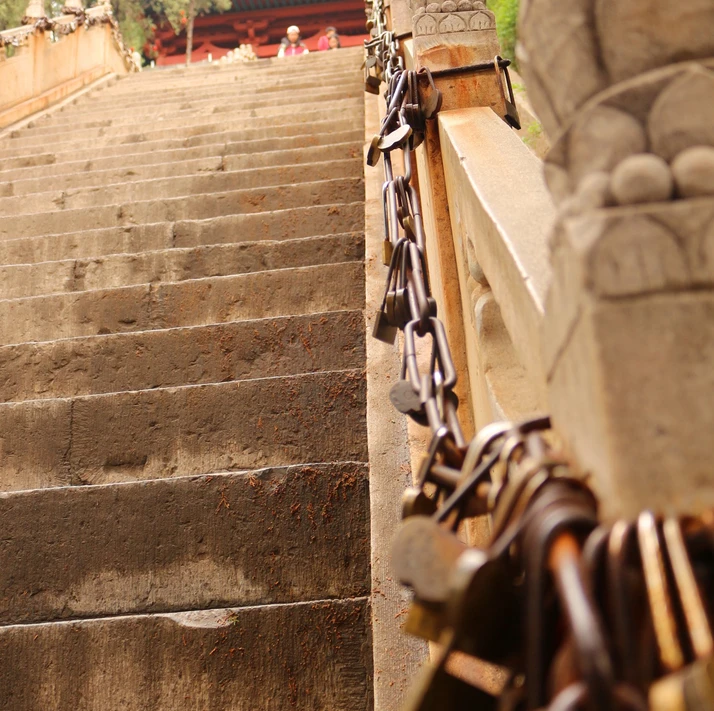
Climbing the Stork Tower offers a breathtaking panoramic view of the Yellow River and the surrounding landscape. It's the perfect spot to reflect on Wang Zhihuan's timeless wisdom: to enjoy a grander sight, you must climb to a greater height.
[Link: Famous Chinese poems and their locations]
Day Two and Three: Exploring Yuncheng's Hidden Gems
Yuncheng's Cultural and Historical Attractions
Beyond Yongji, Yuncheng city itself offers several must-visit sites:
- Yuncheng Salt Lake – Known as "China's Dead Sea," this ancient salt lake has been harvested for over 4,000 years. Its vibrant colors, ranging from pink to green, make for stunning photographs.
- Guan Yu Temple – Dedicated to the legendary general Guan Yu, this temple complex is one of the largest and best-preserved in China.
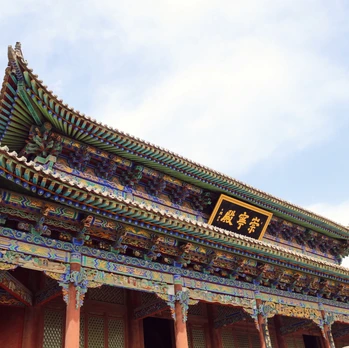
- Yongle Palace – A Taoist temple famous for its exquisite Yuan Dynasty murals, considered masterpieces of Chinese art.
Family-Friendly Travel Tips for Yuncheng
Traveling with a one-year-old and elderly parents taught us valuable lessons:
- Pace yourself – Don't try to see everything. Pick 2-3 attractions per day.
- Pack snacks and water – Many sites have limited food options.
- Use a baby carrier – Strollers are difficult on ancient stone paths.
- Visit during off-peak hours – Early morning or late afternoon avoids heat and crowds.
FAQ: Everything You Need to Know About Visiting Yuncheng
1. What is the best time to visit Yuncheng?
Spring (March-May) and autumn (September-November) offer mild temperatures and clear skies. Summer can be hot, but the salt lake's cooling effect makes it bearable. Winter is cold but less crowded.
2. How do I get to Yuncheng from major cities?
- By train – High-speed trains from Xi'an (1.5 hours), Beijing (4 hours), and Shanghai (6 hours) connect to Yuncheng North Station.
- By car – From Xi'an, take the Lianhuo Expressway to Yongji (about 3 hours).
- By air – Yuncheng Zhangxiao Airport has flights from Beijing, Shanghai, Guangzhou, and other major cities.
3. Is Yuncheng suitable for a family trip with young children?
Absolutely. The attractions are spread out but manageable. Many sites have flat paths suitable for strollers, and the mild climate makes outdoor activities comfortable. The lack of crowds means less stress for parents.
4. What local foods should I try in Yuncheng?
Don't miss: - Yuncheng noodles – Hand-pulled noodles in rich broth - Shanxi vinegar – Aged for years, perfect for dipping - Yellow River carp – Fresh from the river, often steamed or braised - Bingtang (rock sugar) pear – A local specialty sweet
5. How many days do I need to explore Yuncheng?
A three-day itinerary is ideal for covering the main attractions: Day 1 for Yongji (Pujiu Temple, Iron Oxen, Stork Tower), Day 2 for Yuncheng city (Salt Lake, Guan Yu Temple), and Day 3 for Yongle Palace and nearby sites. Add an extra day if you want to explore more remote areas.
[Link: Shanxi travel itineraries for families]
Conclusion: Why Yuncheng Deserves a Place on Your Travel List
In a world where travel has become synonymous with "sea of people," Yuncheng stands out as a sanctuary for authentic experiences. It's a place where you can walk through ancient temples without jostling for space, where stories come alive without the distraction of selfie sticks, and where family memories are made at a gentle pace.
The original purpose of travel is to escape the daily grind, seek novelty, and slow down with loved ones. Yuncheng delivers all of this—and more. Whether you're a history buff, a poetry lover, or simply someone tired of overcrowded tourist traps, Yuncheng offers a refreshing alternative.
Ready to discover Yuncheng for yourself? Start planning your trip today. Book your train tickets, pack your camera, and prepare to be amazed by this underrated travel treasure. The stories of a small city are waiting for you.
[Link: How to plan a budget-friendly trip to Shanxi]
Have you visited Yuncheng or other hidden gems in Shanxi? Share your experiences in the comments below!
You may also like