Magic City Diary: Shanghai Travel Guide – How the City of Tenderness Healed My Wanderlust
Meta Description: Discover how Shanghai shattered my city-phobic stereotypes. From Wukang Road to The Bund, this Shanghai travel diary reveals the unexpected tenderness and healing moments of China's Magic City.
Introduction: When the Wild Heart Needs a City Break
People who love to travel all carry a wildness deep in their bones. I've always lived by a simple creed: earn as much as you can, go as far as that money will take you; use whatever skills you have to roam wherever you please. But when life grinds you down, when "feeling low" becomes your daily default, even the wildest heart starts to wither.

I'd been holed up at home for what felt like an eternity. No matter how beautiful the sunlight was outside my window, it couldn't reach the shadows in my heart. So I decided to go to Shanghai.
Not because I loved the city. Simply because — I needed to get out.
What followed was an unexpected journey that completely shattered my stereotypes about urban travel. This Shanghai travel diary documents the moments that healed me and the tenderness I never expected to find in China's most cosmopolitan metropolis.
Before Departure: A "City-Phobic's" Prejudices
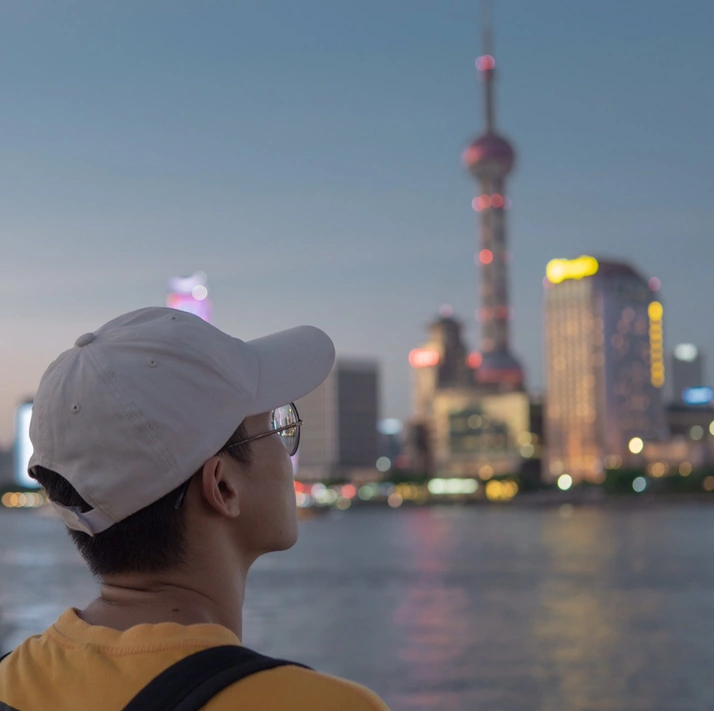
I'm a road trip person through and through. I'm addicted to the vastness of plateaus, the biting chill of snowy peaks, the thrill of going where few people go. Cities? In my mind, they were nothing but suffocating crowds, subway cars packed to bursting, endless noise, and a bunch of meaningless stuff churned out by capitalism.
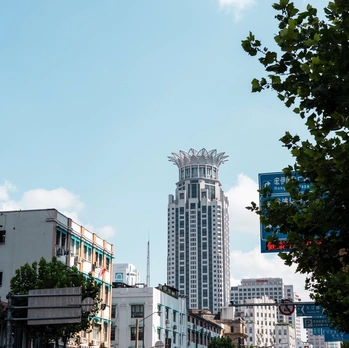
That's why I didn't write a single word about my trip to Changsha. I couldn't even be bothered to document the four-person trip to Chongqing. For this Shanghai trip, I didn't even make a plan. Before leaving, I told myself: maybe I'd have a day or two of novelty, but after that, I'd just hole up in my hotel and continue feeling miserable in a different place.
But travel — for me, it's always been a lifeline. No matter how bad I feel when I set out, I always end up getting healed bit by bit along the way.
And Shanghai? It completely shattered my stereotypes about cities.
Arrival: First Glimpse of the Magic City
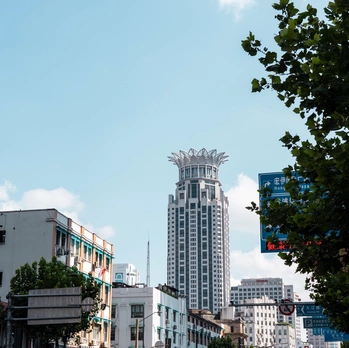
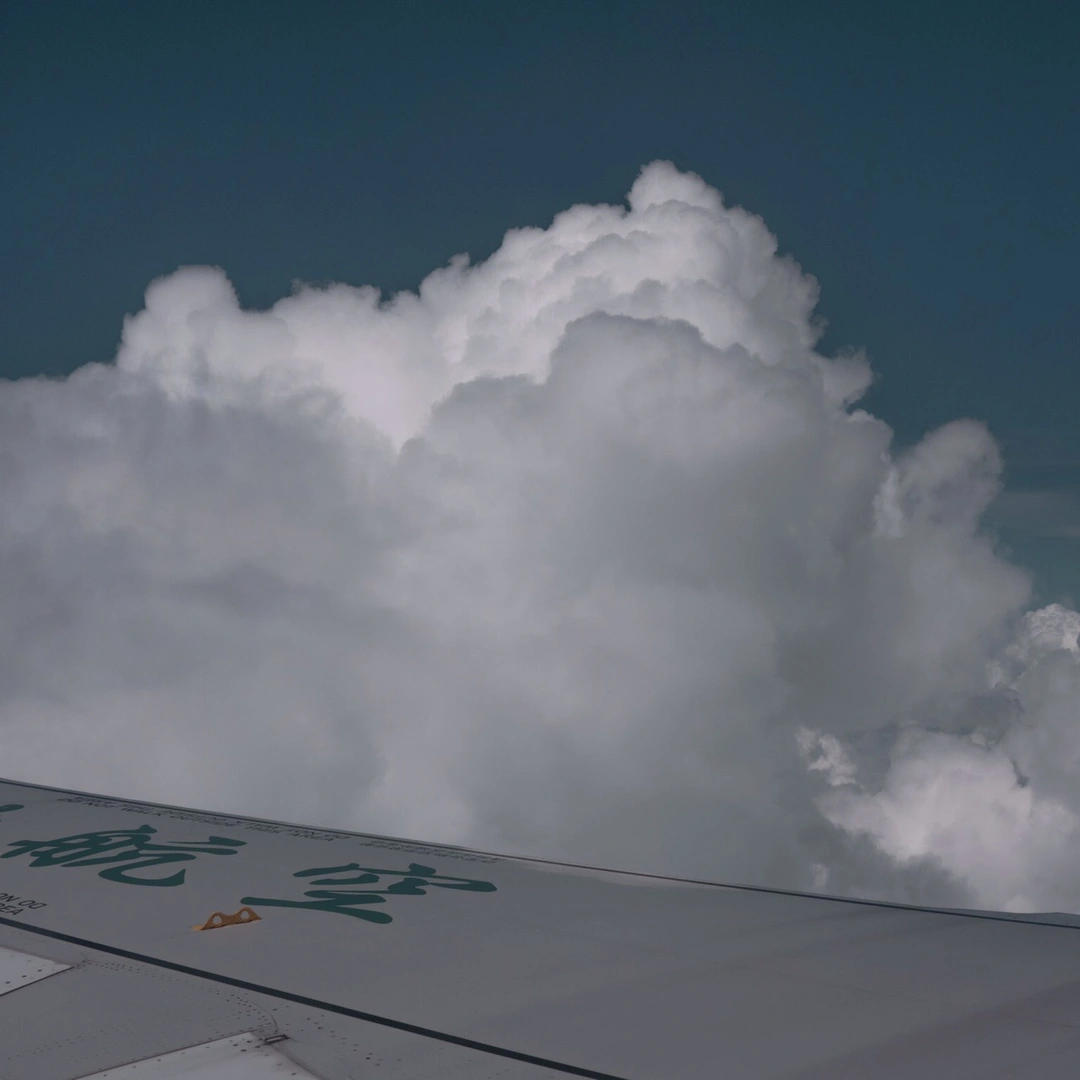
My plane landed a little after two in the afternoon. By the time I checked in and stepped outside, it was already past three-thirty. The August sun was brutal, but Shanghai's sky was surprisingly clear — blue sky, white clouds, with every wisp of cloud texture visible.
No plan? Just follow the search engine. First stop: Wukang Road.
Wukang Road: Beyond the Influencer Hotspot
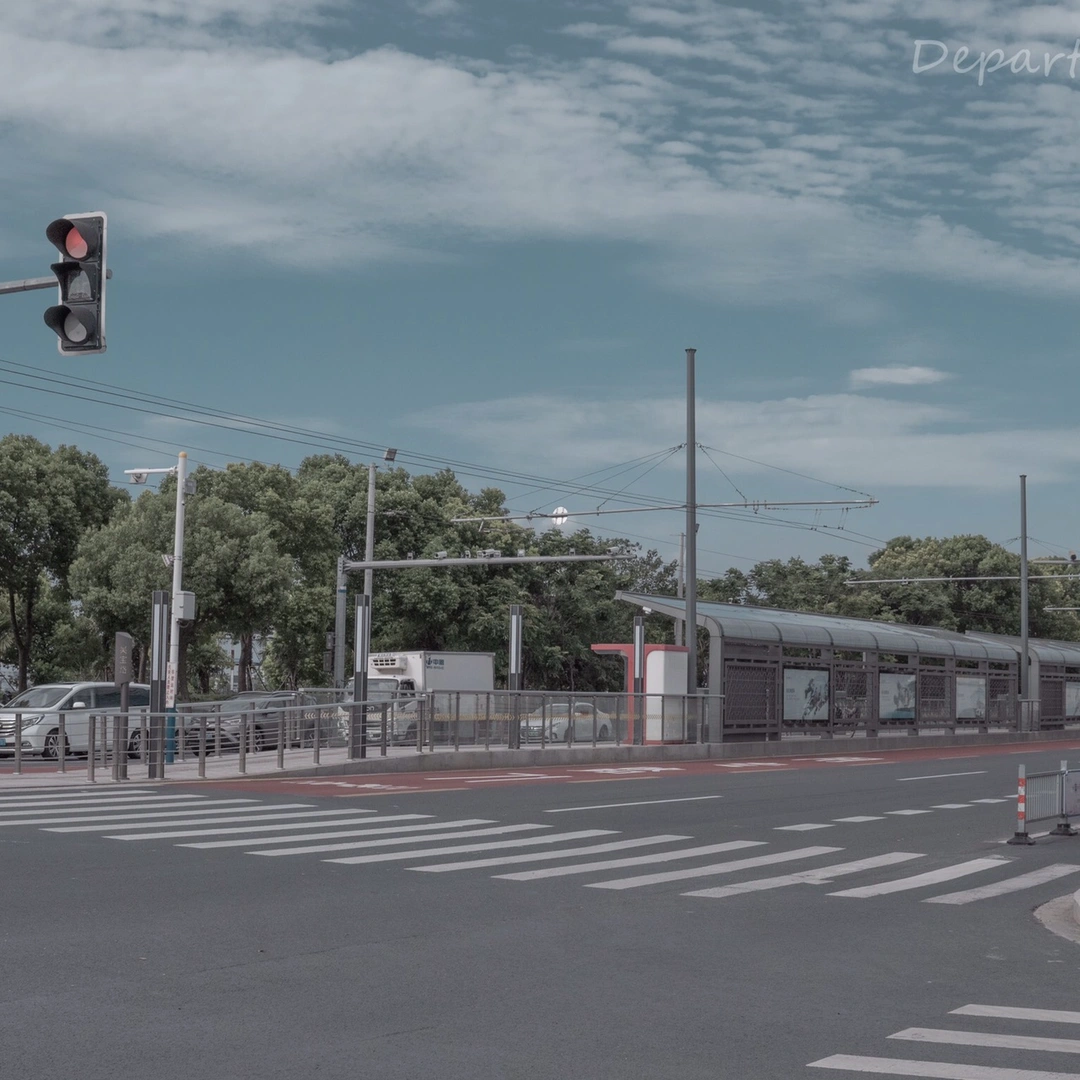
My friend Wang had the day off and came along. The navigation app recommended Bus 71 — a trolleybus with its own dedicated lane, no traffic jams, surprisingly comfortable ride. On the bus, I learned my first phrase of Shanghainese: "Please give up your seat to those in need, thank you." It took me a while to figure out what it meant. I used to think Shanghainese was just "your brain is broken" (a common local insult). But hearing locals actually chat? If I could understand one out of every ten sentences, that was a win. I'd been way too hasty in my judgment.
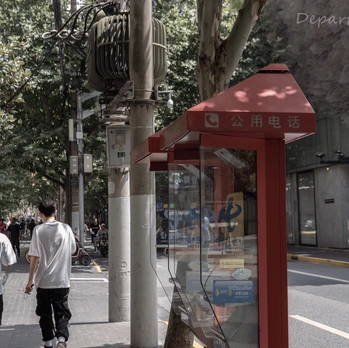
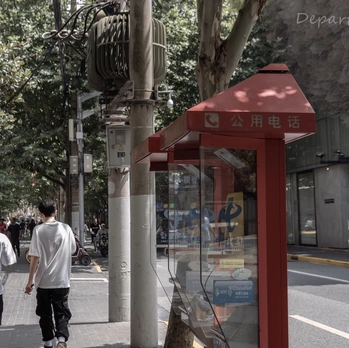
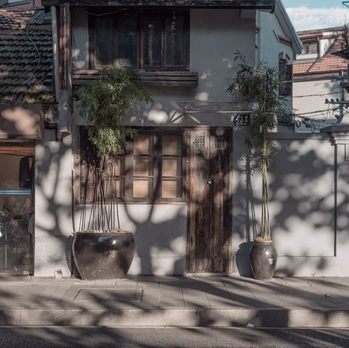
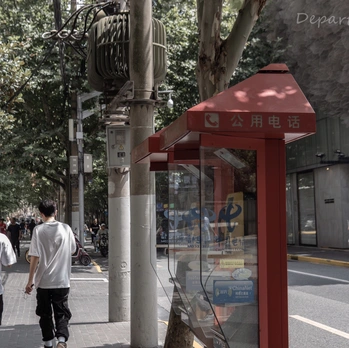
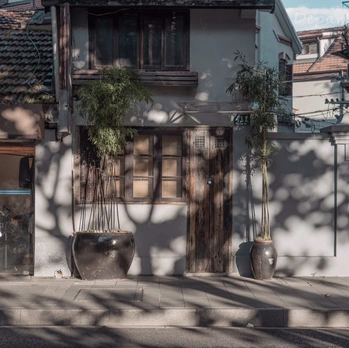
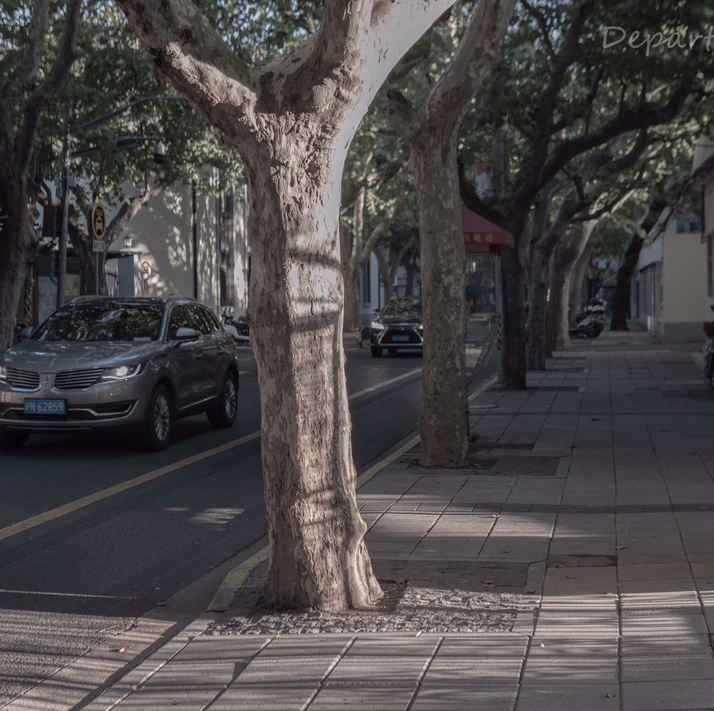
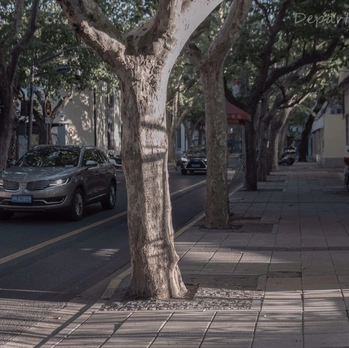
Wukang Road isn't the straight, one-glance street I'd imagined. The iconic Wukang Building is tucked away among a cluster of old Western-style houses, and we wandered around for a while before finding it. The street is lined with French plane trees, the whole road bathed in shade. Sunlight filtered through the leaves, scattering golden fragments on the mottled walls. Occasionally, I spotted a red phone booth — never used, just a photo prop for tourists.
Weekend crowds were thick. Long lines snaked outside coffee shops. Clusters of beautiful girls posed for photos. The density of foreigners was striking — I guess the vibe here reminded them of home. Most of the buildings were old villas from the Republican era (1912-1949) — clean, elegant, with air conditioning units humming away on the exterior walls, a reminder that people still lived here.
Wukang Building, originally called the Normandie Apartments, was Shanghai's first apartment building with an exterior corridor. Designed by architect László Hudec, it's over a hundred years old. Sitting at a crossroads, it's become an Instagram hotspot, with crowds packed along the roadside trying to find angles that avoid the lens. The street itself had become a runway — luxury cars and roaring motorcycles zipped by, drawing everyone's attention.
What really got me were the shops. Minimalist clothing stores with great taste, unique vintage shops, corner coffee shops... each one had its own distinct soul. I thought to myself: if I ever open a little shop, I'm coming here for inspiration.
Wukang Road brings together internet-famous beauties, trendy shops, and iconic architecture — yet somehow rises above the "influencer" label. It has its own style.
[Link: Best Instagram spots in Shanghai]
The Bund: River Breeze Carrying Memories of Home
After Wukang Road, we didn't look for anywhere else to go. We headed straight for the Bund. No navigation — I just knew it was to the east, so we walked through streets and alleys, even passing by the City God Temple without going in.
Shanghai in the evening: the wind is strong. That was my favorite thing about it. Around five o'clock, the summer heat faded with the nightfall. In the parks we passed, lots of people were out for a stroll. Coastal cities are just better that way — unlike the Sichuan Basin, where it stays humid and hot until the sun fully sets.
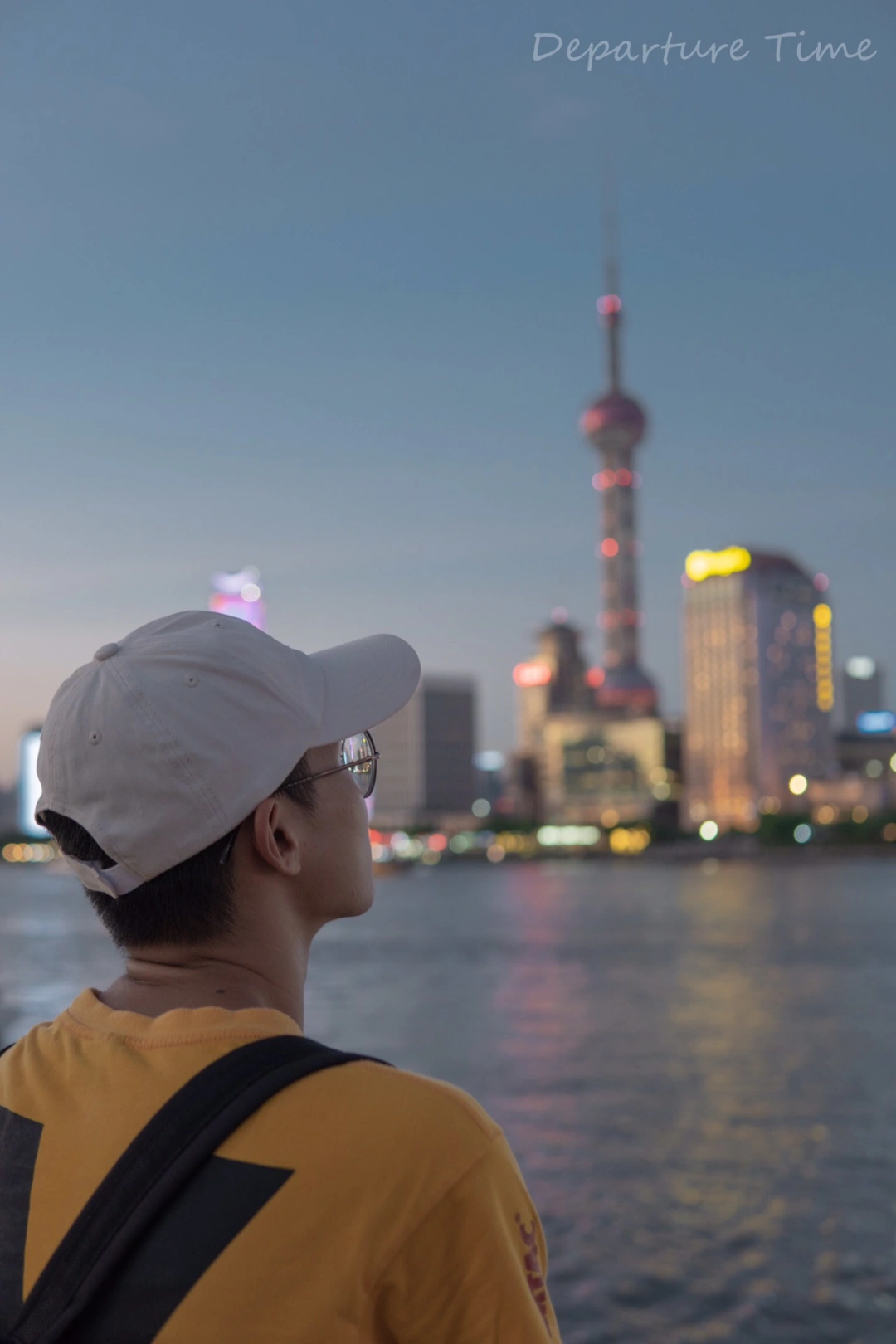
I went to the Bund twice. My only regret? Not wearing flip-flops. On both sides of the river, skyscrapers towered in a display of almost absurd prosperity. But along the railings, there was real life. People leaned against the barriers, letting the river breeze wash over them. Some strolled, some sat on the steps lost in thought. It reminded me of the river back home. In middle and high school, my best friend and I would always take the long way home after class, walking along the riverbank, pouring out our troubles to each other. Sometimes I'd even cry — dramatic teenage stuff. Even when we got home, we couldn't bear to part ways. We'd sit on the steps downstairs and keep talking. My mom would always say: "You see each other every single day — how do you still have so much to talk about?"
As night fell, the neon lights on both sides of the Huangpu River flickered to life. Ornate ferries glided slowly past, and the glittering nightlife of Shanghai began. Along the railings, girls pouted slightly for selfies; boys held their girlfriends close, phones raised. Every night on the Bund is more or less the same — neon lights flashing, evening breeze blowing — but for every traveler, it's unique. The Huangpu River — how many people's joys and sorrows has it carried?
[Link: Best time to visit The Bund Shanghai]
Day Two: The Freedom of Solitude in Shanghai
From then on, it was just me wandering through Shanghai. I thought I'd feel lonely. But it turned out I felt freer. Group travel has its lively moments; solo travel has its liberty.
This was the day I had the most energy. I left my hotel at eight in the morning and didn't return until evening.
Tianzifang: The Other Side of Commercialization
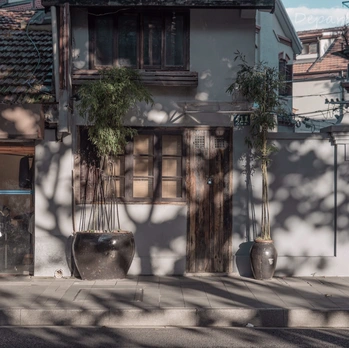
Tianzifang — a name given to this old alley complex by the painter Huang Yongyu. The moment I stepped inside, I was pretty disappointed. Both sides of the street were lined with commercial shops, decked out with lanterns and decorations, fake flowers and plants everywhere. It felt just like Ciqikou in Chongqing or Luodai Ancient Town in Chengdu. They were selling "Shanghai specialties," but in this fast-changing world, how much of it was authentic?
Luckily, I came early. Most shops were still closed, tourists were scarce, and the people I saw were mostly local residents. It wasn't crowded yet.
As I wandered, my interest grew. I walked through the narrow alleyways over and over, bumping into the same shops multiple times, before I started discovering the place's hidden charm. On the surface, it looked like a shopping street shaped by economic pressures, selling pretty much the same things — Shanghai snowflake cream (a classic local skincare product), nostalgic pocket watches, old Shanghai refrigerator magnets, White Rabbit-brand ice cream. But the prices were the cheapest I found on the trip. If you want souvenirs, Tianzifang is a solid choice.
What really surprised me was how well the commercial atmosphere blended with the old Shanghai vibe.
[Link: Shanghai souvenir shopping guide]
What Shanghai Taught Me About Healing Through Travel
This Shanghai travel diary isn't just about places — it's about perspective. Here's what the Magic City taught me:
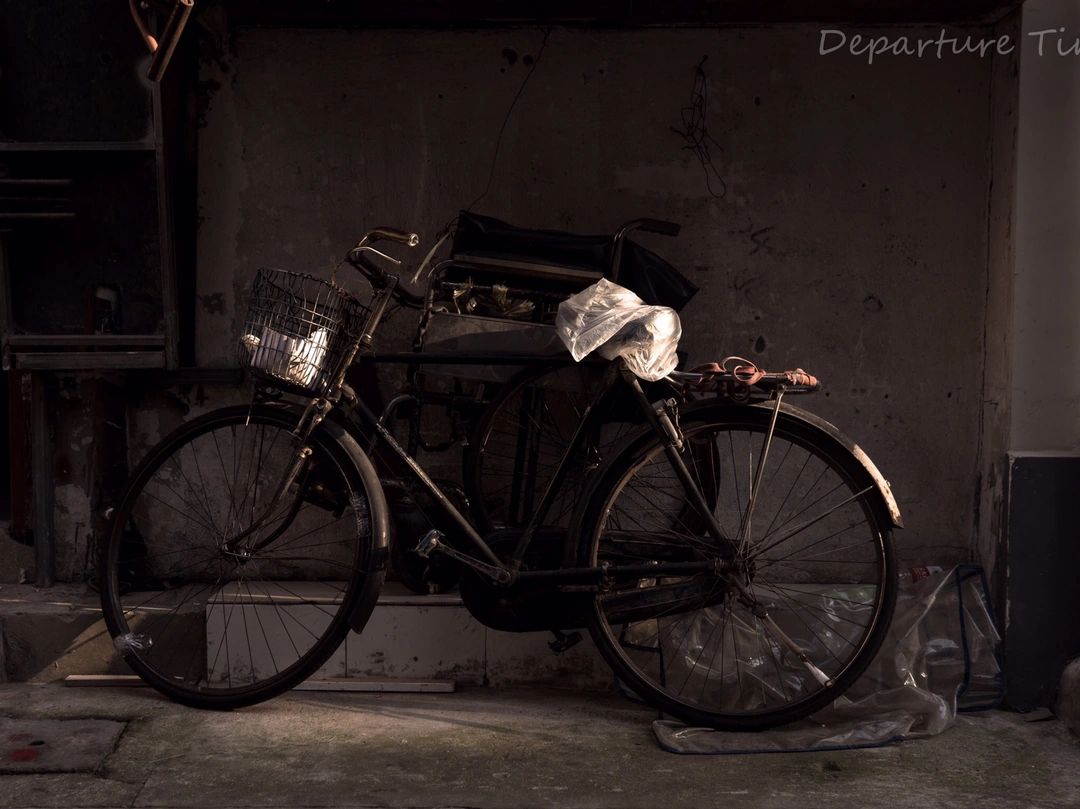
Cities can be wild too – Shanghai has its own untamed energy, a pulse that beats differently from mountains and plateaus but is equally alive.
Solitude is freedom – Wandering alone through Shanghai's streets, I discovered that being alone doesn't mean being lonely. It means being open to whatever the city offers.
Beauty exists in the everyday – From the morning breeze on the Bund to the afternoon shadows on Wukang Road, Shanghai's tenderness is in its small moments.
Stereotypes are meant to be broken – I came to Shanghai with preconceived notions. I left with a completely transformed understanding of urban travel.
Sometimes you need to get lost to find yourself – Having no plan in Shanghai turned out to be the best plan I could have made.
FAQ: Planning Your Shanghai Healing Journey
Q: Is Shanghai worth visiting if I prefer nature over cities? A: Absolutely. As someone who lived for mountain road trips, Shanghai surprised me. The Bund's river breeze, the tree-lined streets of Wukang Road, and the coastal air offer a different kind of natural beauty — one integrated with urban life.
Q: What's the best time to visit Shanghai for a solo trip? A: Spring (March-May) and autumn (September-November) offer mild weather. August can be hot, but as I discovered, the evenings bring a refreshing wind. Weekdays are less crowded for a more intimate experience.
Q: How many days do I need in Shanghai? A: For a healing journey like this, 3-4 days is ideal. It gives you time to wander without pressure, revisit places that move you, and truly absorb the city's rhythm.
Q: Is Shanghai expensive for solo travelers? A: It can be as budget-friendly or luxurious as you make it. My experience showed that public transport (like Bus 71) is affordable, and places like Tianzifang offer cheap souvenirs. Street food and local eateries keep costs low.
Q: Can I visit Shanghai without speaking Chinese? A: Yes. Shanghai is China's most international city. Many signs are bilingual, and you'll find English speakers in tourist areas. Learning a few Shanghainese phrases, like I did, adds charm but isn't necessary.
Conclusion: Your Shanghai Story Awaits
My Shanghai travel diary began with a wounded heart and ended with unexpected healing. The Magic City didn't just show me its famous landmarks — it revealed its tender side, the quiet moments between the crowds, the breeze that carries memories, the streets that invite wandering.
If you're feeling stuck, if the wildness in your bones has gone quiet, consider Shanghai. Not because it's perfect, but because it's surprising. Because it can take a city-phobic traveler and transform their perspective in just a few days.
Your turn: Have you had a travel experience that changed your perspective on cities? Share your story in the comments below. And if Shanghai is calling your name, start planning your healing journey today. The Magic City is waiting to show you its tenderness.
Ready to explore Shanghai? Bookmark this guide, share it with a friend who needs a travel reset, and start planning your own Magic City diary.
[Link: Shanghai travel planning checklist] [Link: Solo travel tips for China] [Link: Best Shanghai neighborhoods to explore]
You may also like