Ink Rhythms Across a Millennium: A Complete Guide to the Shanghai Museum Calligraphy Exhibition (Phases 1-3)
Meta Description: Explore the first three phases of the Shanghai Museum's landmark calligraphy and painting exhibition. From Han dynasty stone classics to Ming dynasty masterpieces, discover 1,000 years of Chinese ink art in this comprehensive guide.
Introduction: Why This Exhibition Matters
In the heart of bustling Shanghai, a quiet revolution is unfolding. The Shanghai Museum's three-year special exhibition series on calligraphy and painting—spanning six phases from 2024 to 2026—offers an unprecedented journey through Chinese art history. For anyone seeking to understand the soul of Chinese culture, this exhibition is not merely a display of artifacts; it's a living dialogue across a millennium.
This guide covers the first three phases (November 2024 through June 2025), providing an insider's tour of the masterpieces, hidden gems, and historical narratives that make this exhibition a once-in-a-generation experience. Whether you're a seasoned collector, a student of Chinese art, or simply curious about traditional culture, this article will help you navigate the exhibition with confidence.
Phase One (November 2024): The Opening Chapter – A Magnificent Panorama
The Resonance of Metal and Stone: Ancient Chinese Calligraphy Origins
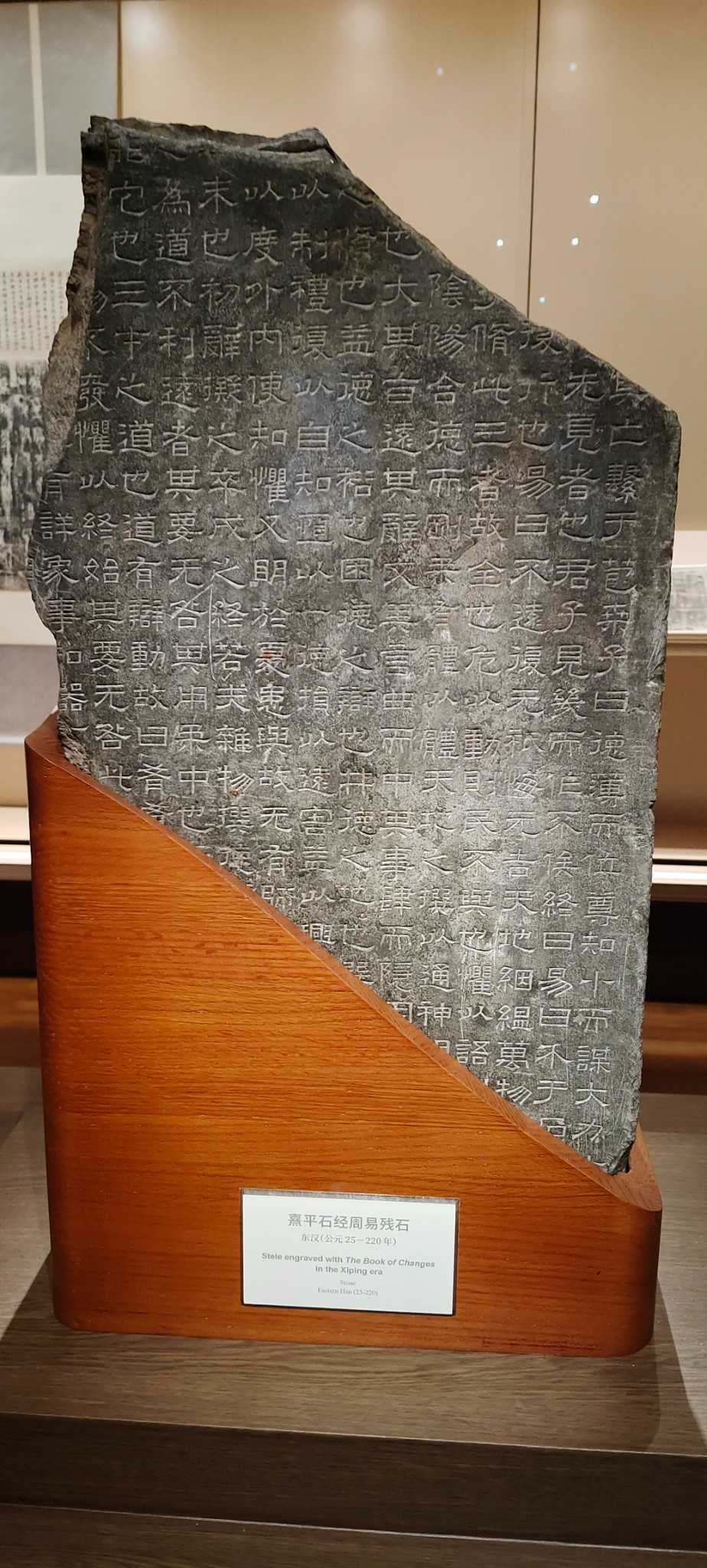
The exhibition opens with a fragment of the Eastern Han dynasty Xiping Stone Classics – Book of Changes. Supervised by the legendary calligrapher Cai Yong, this was China's first officially sanctioned Confucian classic carved in stone. Despite centuries of war and destruction, the surviving fragments still radiate the rigor and solemnity of Han dynasty scholarship.
Key highlights in this section:
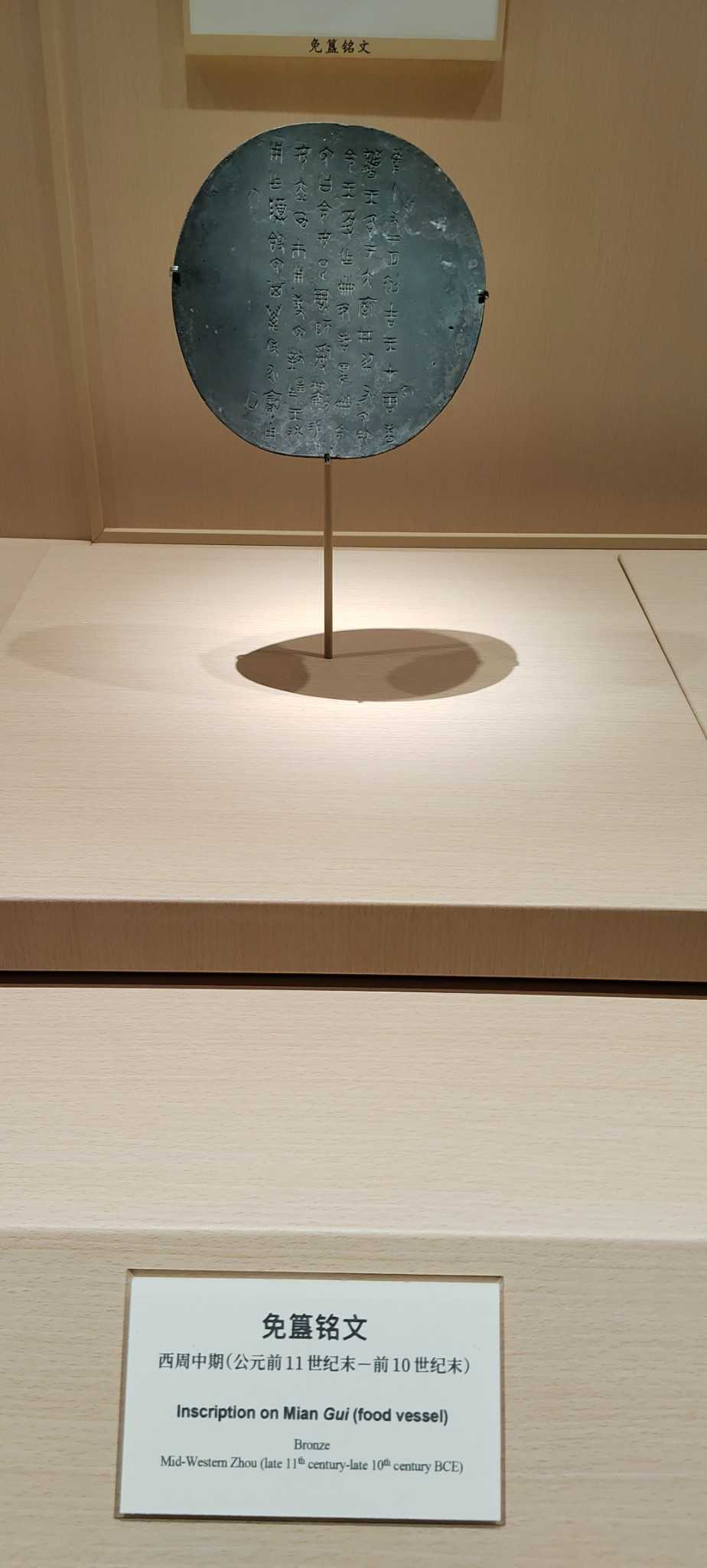
- Mid-Western Zhou Gui Vessel Inscription: Bronze script cast onto a ritual food vessel, recording Zhou king ceremonies of conferring titles and bestowing gifts.
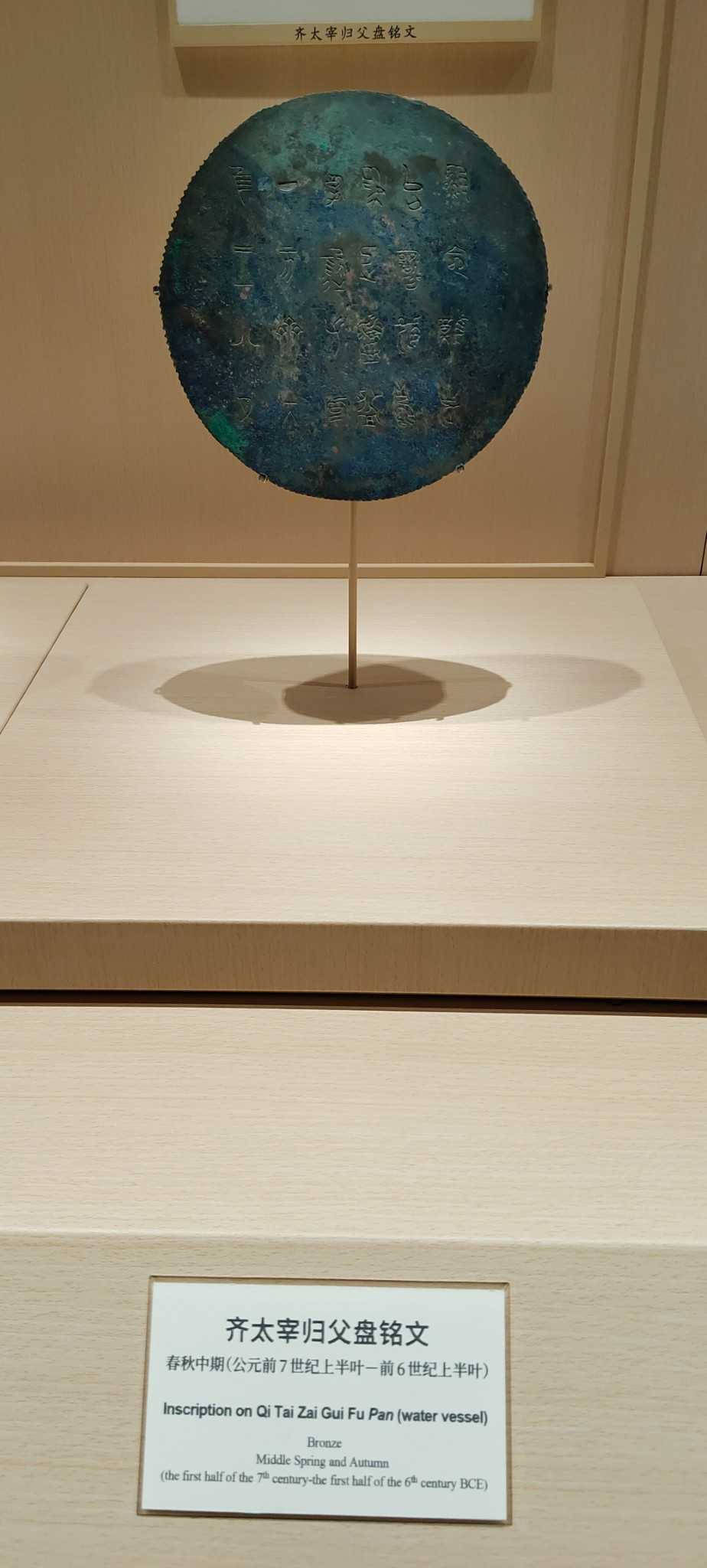
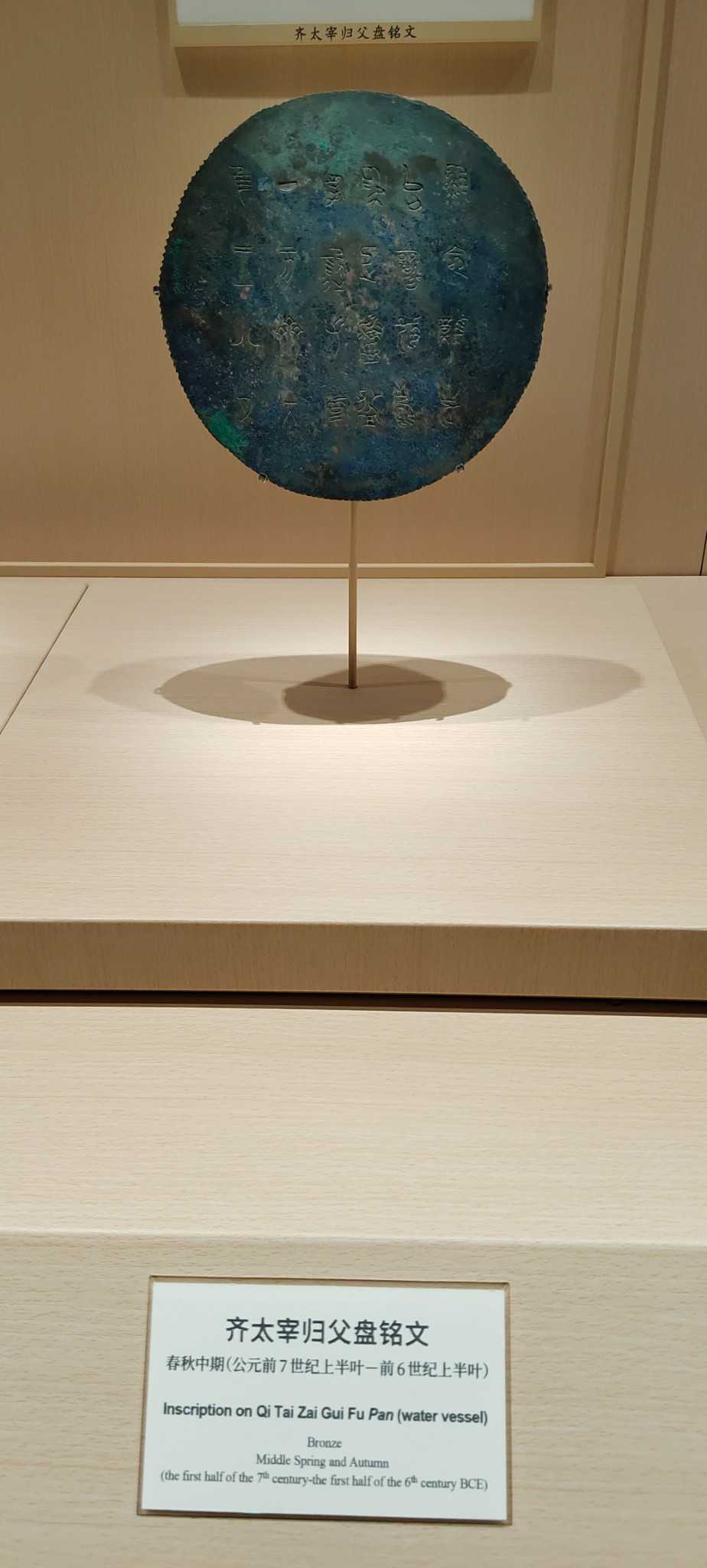
- Spring and Autumn period Inscription of the Qi Grand Steward Guifu Basin: Bird-and-insect script that dances across the bronze surface, chronicling Qi nobility affairs.
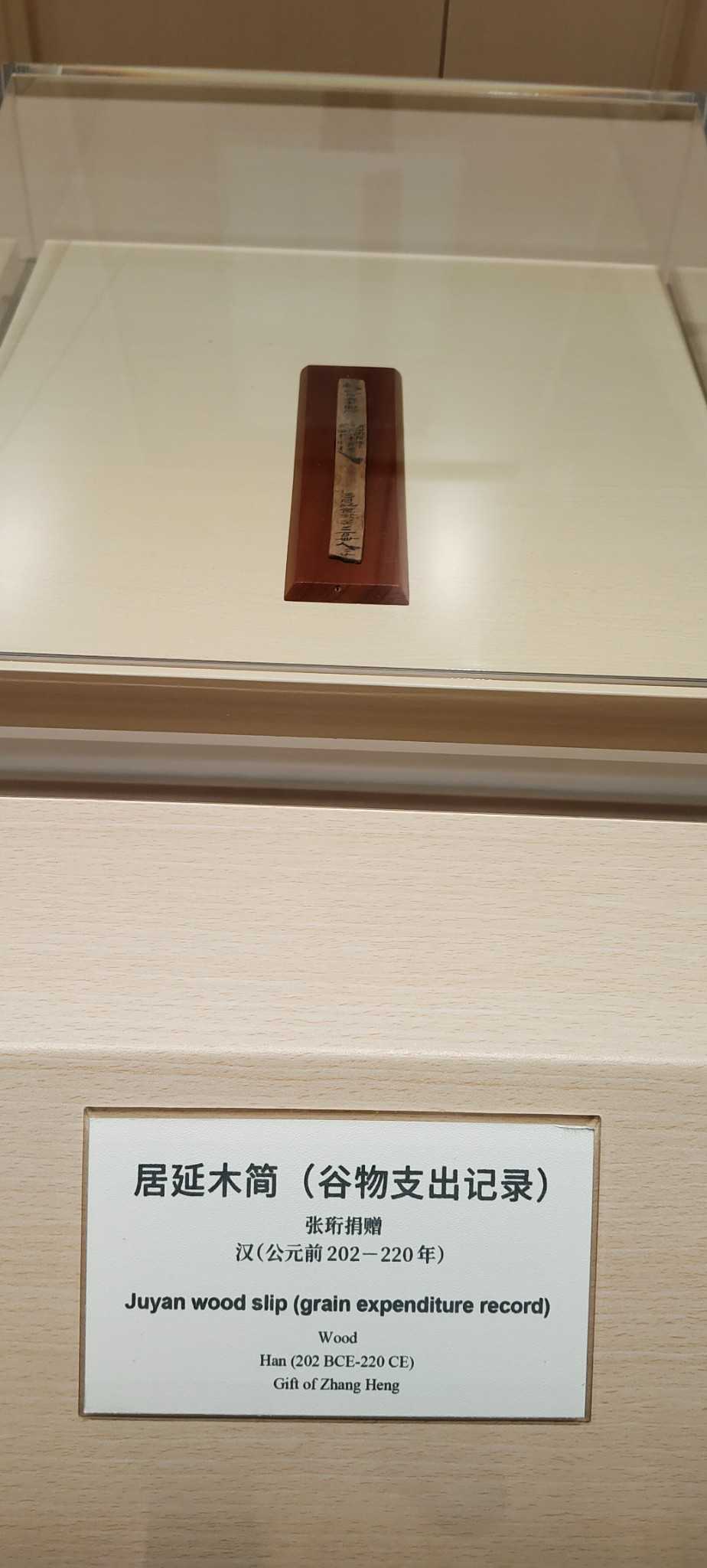
- Han dynasty Juyan Wooden Slips: Frontier garrison documents revealing the daily lives of soldiers defending the Han border—every stroke tells a story of hardship and perseverance.
[Link: History of Chinese calligraphy from Han to Tang dynasties]
Treasures of Calligraphers: Masterworks from Wei-Jin to Ming-Qing
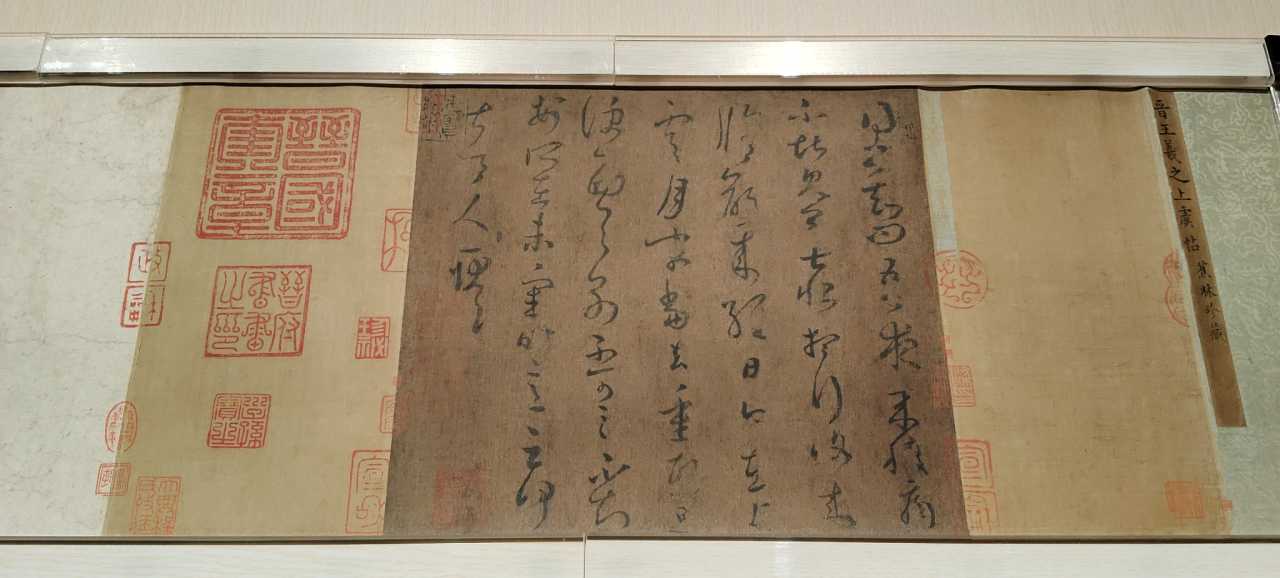
The star of Phase One is undoubtedly the Tang dynasty copy of Wang Xizhi's Eastern Jin Shangyu Letter. This running-script letter, written to a friend about physical discomfort, flows with dragon-and-serpent energy. The colophons added by generations of collectors transform it into a layered historical document.
Must-see calligraphy pieces:
| Artwork | Artist | Dynasty | Significance |
|---|---|---|---|
| Shangyu Letter | Wang Xizhi (copy) | Tang | Masterpiece of running script |
| Yatouwan Letter | Wang Xianzhi | Eastern Jin | Intimate glimpse of daily life |
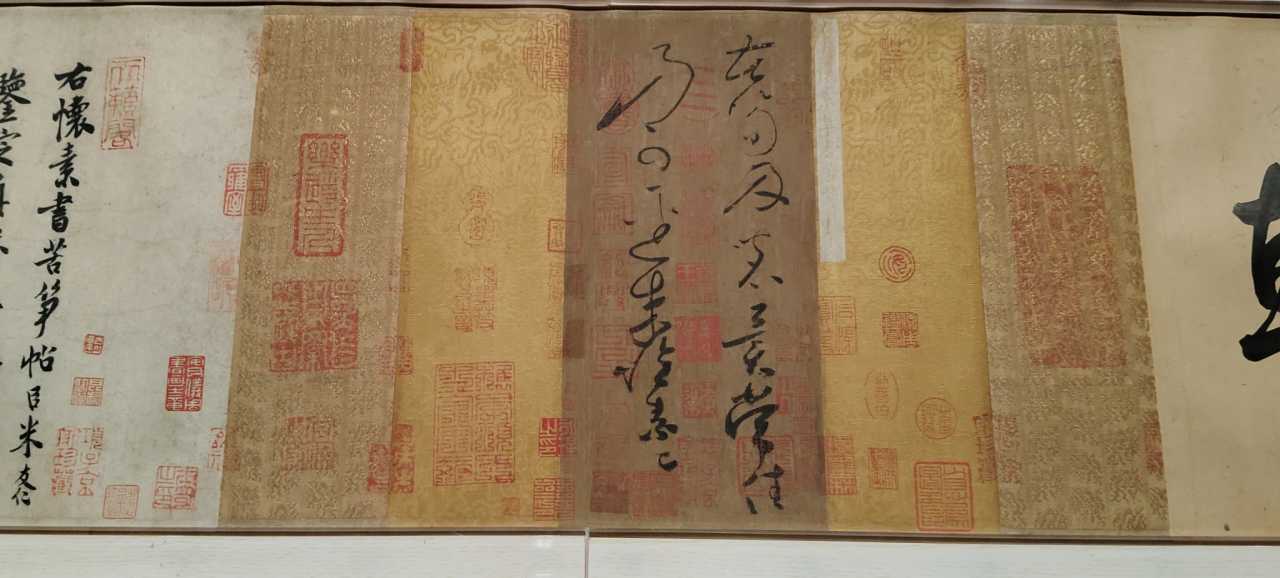
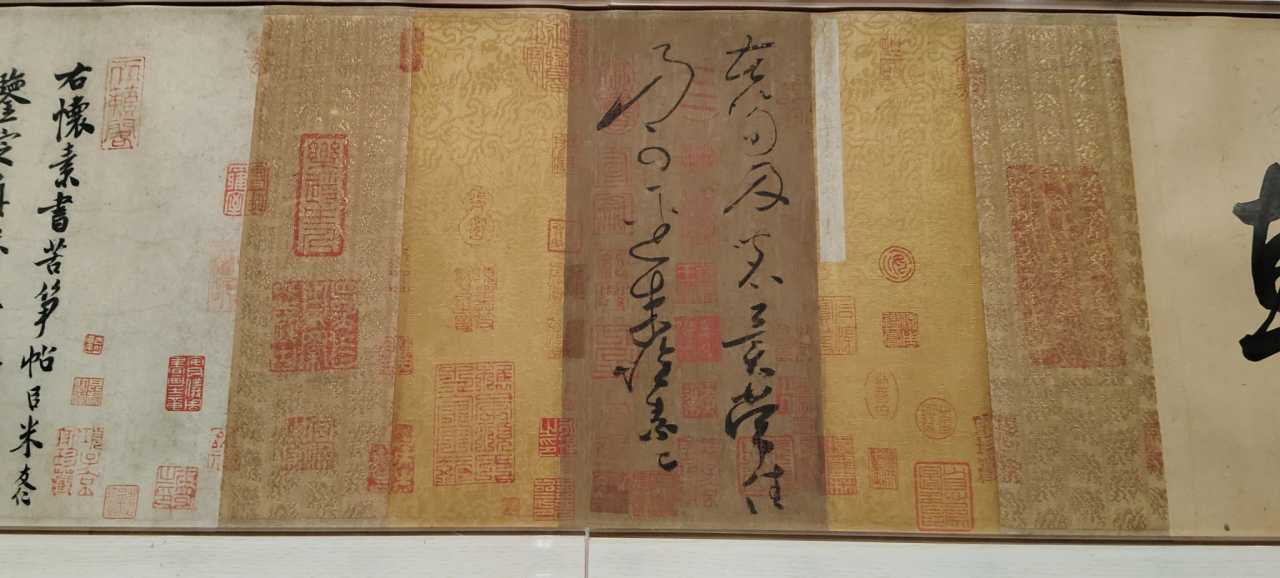
| Bitter Bamboo Shoots Letter | Huai Su | Tang | Pinnacle of wild cursive script |
| Sacrificial Ode to Huang Jidao | Su Shi | Northern Song | Profound mourning in regular script |
| Poems on the Duojing Tower | Mi Fu | Northern Song | Heroic spirit of climbing |
Worlds Within Paintings: Song Dynasty Masterpieces
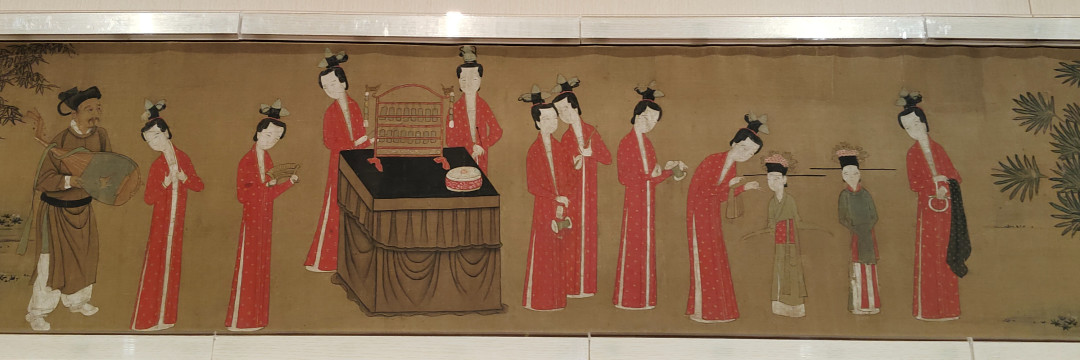
The anonymous Southern Song Handscroll of Welcoming the Imperial Carriage at Wangxian Post captures the emotional reunion of Emperor Suzong and Emperor Xuanzong after the An Lushan Rebellion. The figures' varied expressions—joy mixed with post-war weariness—make this a masterpiece of historical narrative painting.
Hidden gem: Xu Xi's Five Dynasties Snowy Bamboo contains an inverted inscription reading, "This bamboo is worth a hundred taels of gold"—an ancient Easter egg that delights observant viewers.
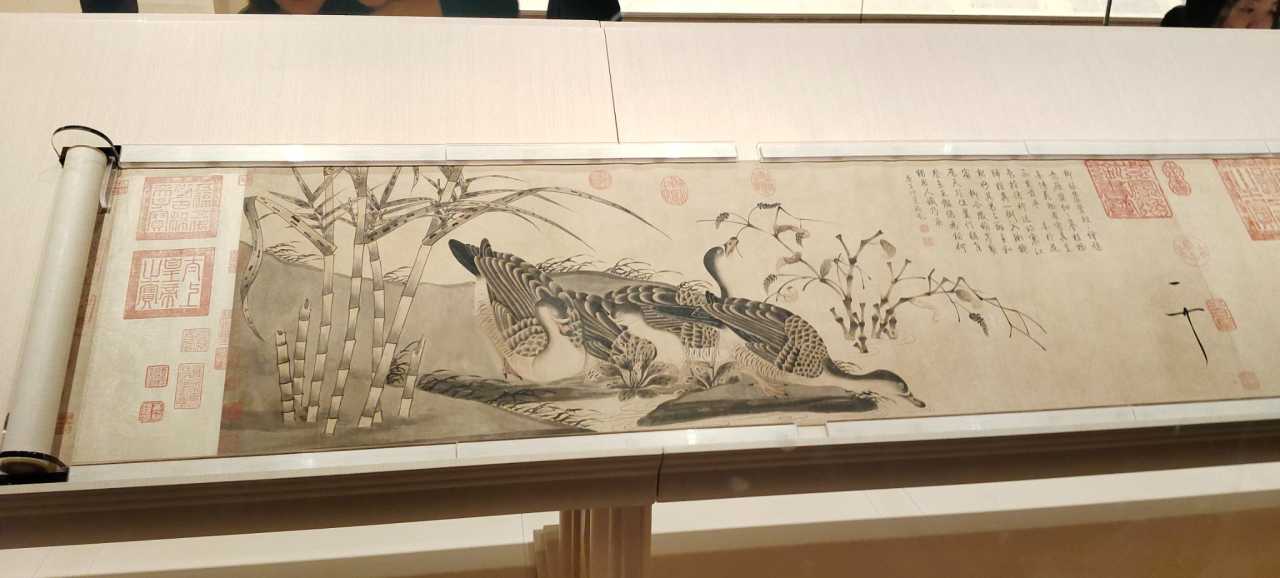
Emperor Huizong of Song (Zhao Ji) showcases his mastery in Willows, Crows, and Reed Geese, blending court painting refinement with literati charm. Ni Zan's Yuan dynasty Six Gentlemen uses six trees as symbols of noble character, each embodying the spiritual aspirations of scholar-officials.
[Link: Understanding Chinese bird-and-flower painting traditions]
Phase Two (June 2025): The Flow of Brushes – Continuity of Culture
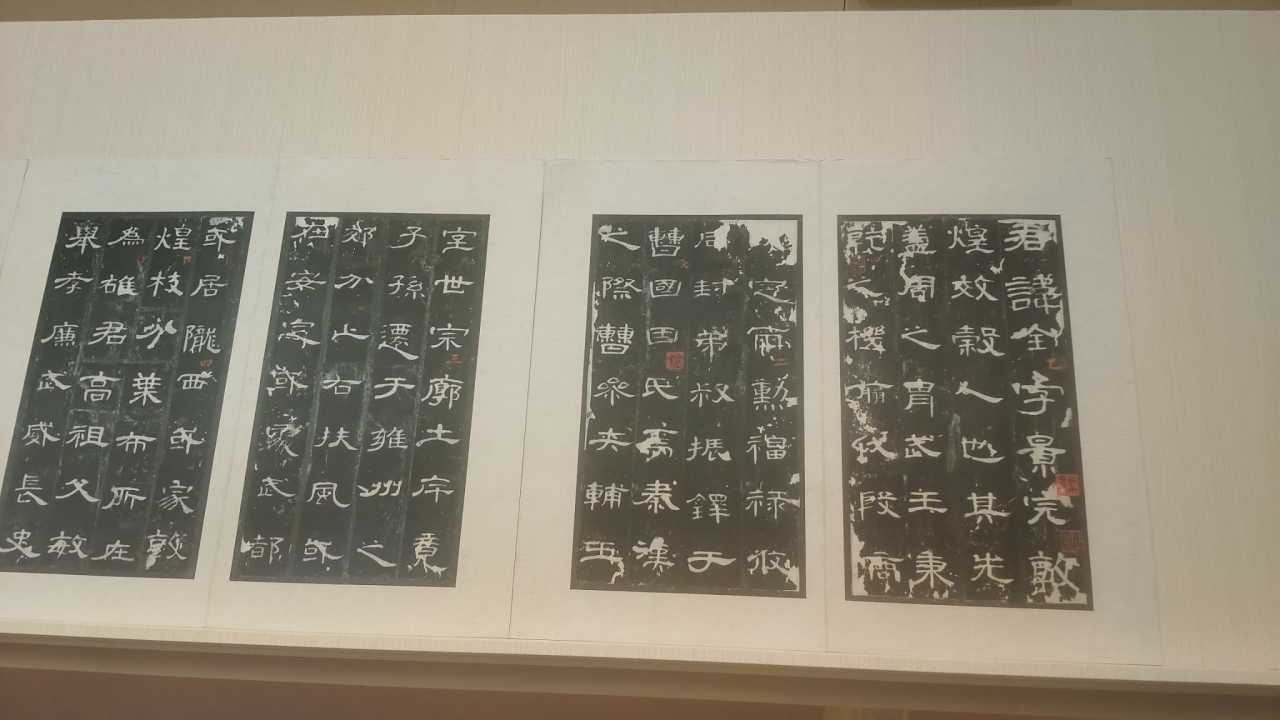
Rubbings of Metal and Stone: Preserving History Through Ink

The second phase expands the metal-and-stone collection with remarkable rubbings that serve as historical documents in their own right.
Notable rubbings:
- Qing dynasty rubbing of Western Zhou San Family Plate Inscription: The most complete surviving land contract document from ancient China, offering invaluable insights into Western Zhou land systems.
- Eastern Han Cao Quan Stele rubbing: Reveals the mature beauty of clerical script; the original stone resides in Xi'an's Forest of Steles.
- Song dynasty rubbing of Eastern Jin Diamond Sutra in Wang Xizhi's Collected Characters: Exceptionally rare compilation of Wang Xizhi's characters carved into stone—a classic model for learning running script.
- Western Wei Buddhist Nun's Precepts Scroll in Regular Script by Fa Yuan: Tangible evidence of the transition from clerical to regular script, containing crucial information about calligraphic evolution.
Song and Yuan Ink Works: The Golden Age of Literati Calligraphy
Northern Song reformer Wang Anshi's Essentials of the Shurangama Sutra reveals a different side of the famous politician—in his later years, embracing tranquility and Buddhist faith, his brushwork imbued with Zen-like calm. Huang Tingjian's Running Script Letter to His Son offers a touching glimpse of paternal warmth.
Southern Song highlights:
- Zhao Gou's True and Cursive Script on the Essay on Nourishing Life: Transcribes Ji Kang's famous essay, blending regular script precision with cursive fluidity.
- Zhang Xiaoxiao's Running Script Letter on Chai Ditch: Showcases the Southern Song literati style with powerful, spirited brushwork.
- Zhao Mengfu's Yuan dynasty Running Script Scroll of Returning Home: Perfectly merges Tao Yuanming's reclusive sentiments with Zhao's own calligraphic mastery.
[Link: The evolution of Chinese running script through the dynasties]
Ming and Qing Paintings: Spiritual Refuge in Mountains and Waters
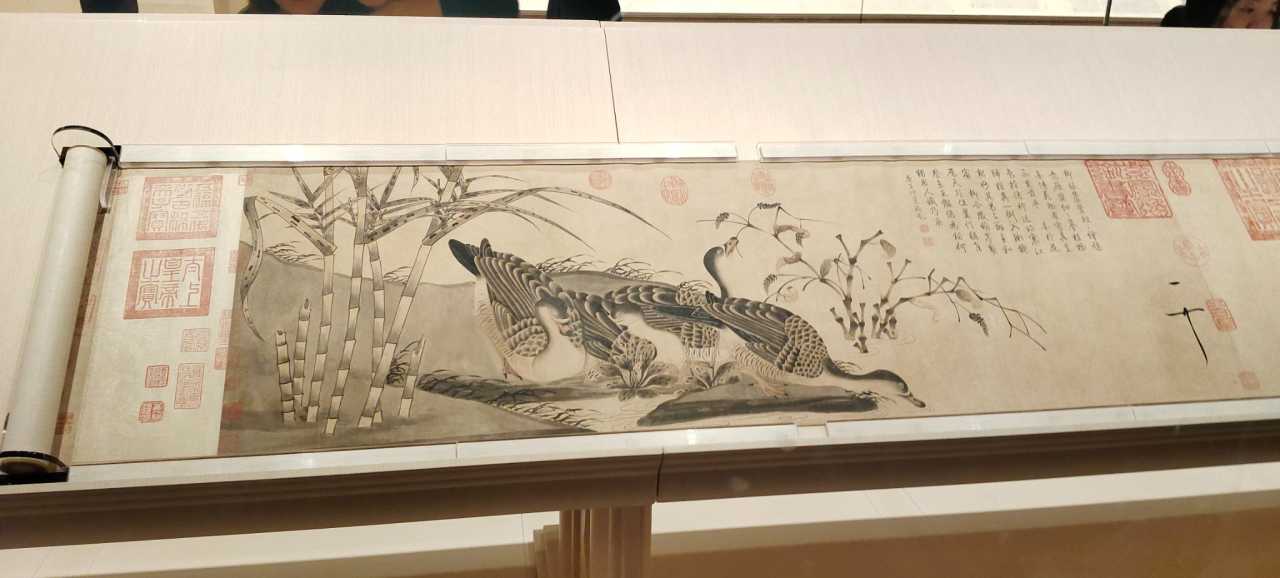
Ming painter Bian Jingzhao's Flowers, Bamboo, and Gathering Birds excels in meticulous bird-and-flower painting, with vivid interplay between flora and fauna. Lin Liang's Reed Geese favors ink-wash freehand style, depicting geese in flight or at rest with concise brushwork and profound artistic conception.
Qing dynasty Shi Tao's Elegant Gathering in the Western Garden continues this tradition, offering a window into the refined social world of literati culture.
Phase Three (Expected Late 2025): What to Anticipate
While the museum has not yet released full details for Phase Three, based on the exhibition's trajectory, visitors can expect:
- Continued exploration of Ming and Qing dynasty masterpieces
- Deeper focus on regional calligraphy schools
- Interactive elements and digital reconstructions of damaged works
- Special lectures and curator tours
[Link: Shanghai Museum exhibition schedule and ticket information]
FAQ: Your Questions Answered
1. How long does it take to see all three phases of the exhibition?
 Most visitors spend 3-4 hours per phase. To appreciate the full experience, plan for at least two separate visits—one for Phases 1-2 and another for Phase 3 when it opens.
2. Are the artworks originals or reproductions?
The exhibition features original artworks from the Shanghai Museum's permanent collection, supplemented by high-quality reproductions of particularly fragile pieces. All labels clearly indicate which is which.
3. Is photography allowed inside the exhibition?
 Photography without flash is permitted in most areas. However, some particularly light-sensitive works may have restrictions. Check with museum staff upon entry.
4. What languages are the exhibition labels in?
 All labels are provided in both Chinese and English. Audio guides in multiple languages are available for rent.
5. Can I purchase tickets online in advance?
Yes, advance booking is strongly recommended, especially for weekends and holidays. Tickets can be purchased through the Shanghai Museum's official website or authorized third-party platforms.
Conclusion: Your Journey Through a Millennium of Ink
The Shanghai Museum's calligraphy and painting exhibition is more than a display of art—it's an invitation to step into the minds of China's greatest artists and thinkers. From the disciplined strokes of Han dynasty scholars to the free-spirited ink washes of Ming literati, each piece tells a story of cultural continuity and artistic innovation.
Whether you're planning your first visit or returning for a deeper exploration, this guide has prepared you to appreciate the masterpieces with fresh eyes. The ink rhythms of a millennium await—don't let them pass you by.
Ready to experience Chinese art history firsthand? Book your tickets to the Shanghai Museum today and immerse yourself in the beauty of calligraphy and painting. Share your favorite pieces with us on social media using #ShanghaiMuseumInk—we'd love to see what moves you.
[Link: Plan your Shanghai Museum visit with our complete travel guide]
You may also like