In the Land of the Gods, Encountering the Eternal Blue and White
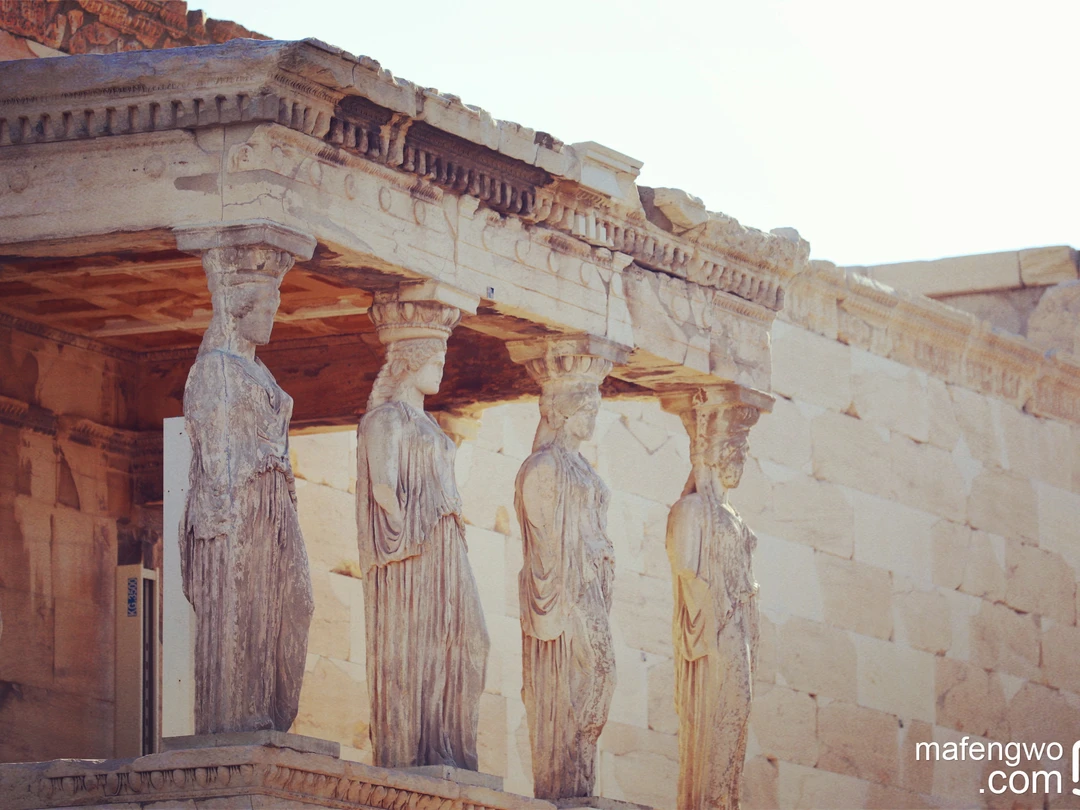
Here is the SEO-optimized and rewritten article based on your source material, crafted to meet all specified requirements.
Title: In the Land of the Gods: A Traveler’s Guide to Greece’s Eternal Blue and White
Meta Description: Explore the eternal blue and white of Greece. From the Acropolis to Plaka’s streets, discover Athens travel tips, Greek food, and ancient history in this SEO guide.
In the Land of the Gods: Encountering the Eternal Blue and White
The moment the plane touched down at Athens International Airport, a smattering of applause broke out in the cabin—a tradition of Ukraine International Airlines, and a gesture of gratitude for a safe landing. Yet, as a first-time visitor, I felt a twinge of unease: what would a country on the brink of bankruptcy actually look like? With that question lingering, I set foot on this land blessed by the gods.
As it turned out, my worries were entirely unfounded. Athens’ streets were bustling and lively. In the old town, the melody of an accordion drifted through the air, stray cats strutted with arrogant grace, and olive trees grew wild under the sun. This city seemed to possess an innate composure—no matter what the outside world said about it, it carried itself with an unshakable calm. This is the essence of the eternal blue and white that defines Greece: a resilience painted in sky and marble.
Why Athens is the Heart of Ancient Greek Travel
Before departing, I had asked a friend for a crash course in Greek mythology and history. But those tongue-twisting names of deities and the tangled web of mythological relationships barely left a mark on my memory. Some things, however, don’t require deliberate memorization—like the awe of standing atop the Acropolis, gazing up at the Parthenon.

Athens travel isn’t just about visiting ruins; it’s about feeling time. On our way to find Athena, we didn’t rely on navigation. We simply headed roughly in the direction of the Acropolis, winding through Athens’ alleyways. The morning streets weren’t particularly clean, but the air was exceptionally crisp. The shops on either side were still closed—a testament to the local pace of life. Through the windows, we saw traditional shaving tools, European-style vintage home decor, and church supplies. I mentally noted the little shops that caught my interest, planning to browse them on the way back. Unfortunately, Athenians live at such a leisurely pace that when we returned from the rocky heights, that “interesting” little street was still closed.
The only shop open was a tiny store run by a lean elderly man. I bought a hat I liked from him. He said it looked good on me, then turned to my friend and remarked, “You’re lucky.” Lucky to have found someone as beautiful as me? I felt a warm glow—though I knew it was just the old man’s polite flattery. This small interaction was my first taste of the Greek hospitality that travelers rave about.
Exploring the Acropolis: A Journey Through Time
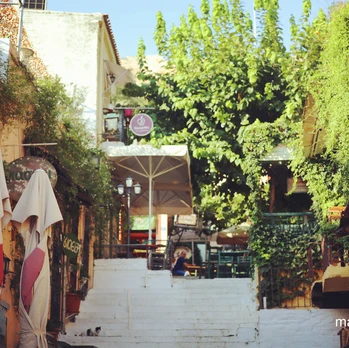
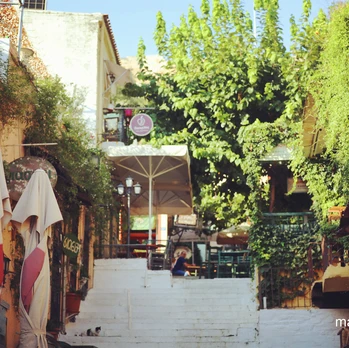
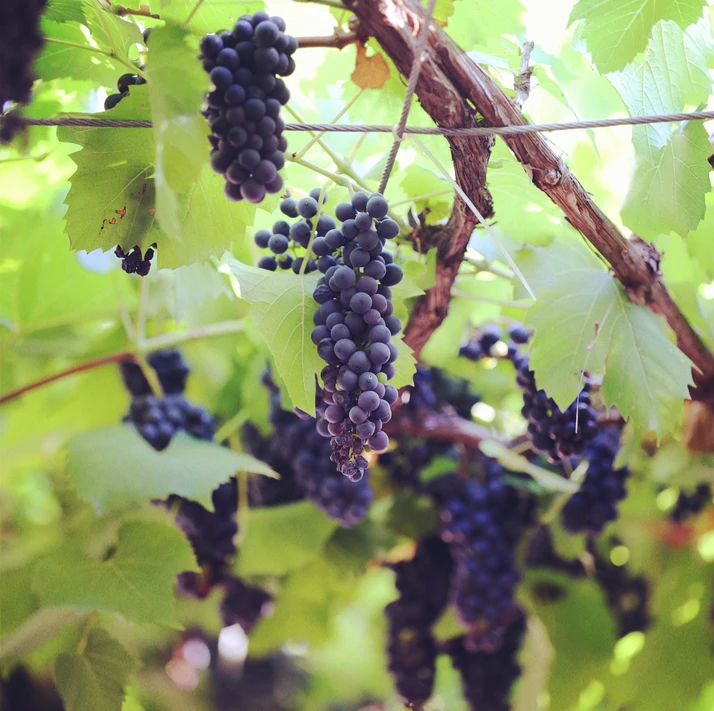
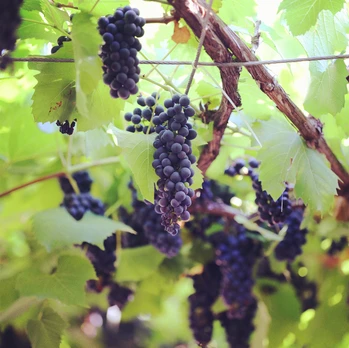
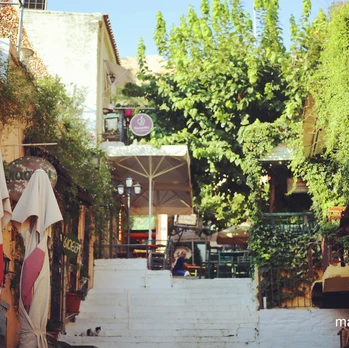
On the path leading up to the Acropolis, there was a row of bars. Sleepy-eyed cats lounged on shaded steps. Tables were set with clean tablecloths, chairs stacked upside down, and the ground still bore traces of freshly splashed water. A pipe-smoking owner flipped through a newspaper, while clusters of purple grapes overhead were dusted with a frosty bloom. On a morning so bathed in sunlight, this was likely his most tranquil moment of the day.
The Parthenon and the Odeon of Herodes Atticus

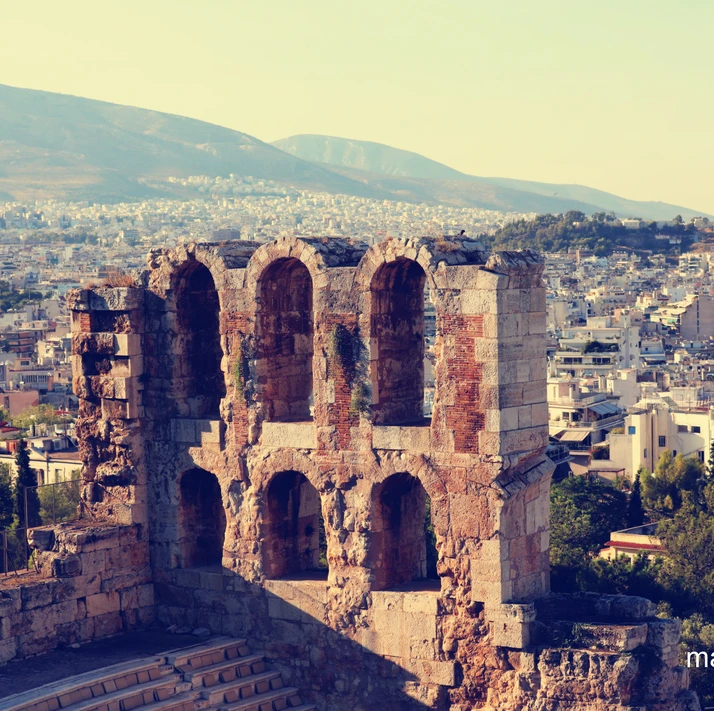
The temple hadn’t opened yet when we arrived. After waiting, we were fortunate to be among the first visitors of the day to "infiltrate" that legendary era. The Odeon of Herodes Atticus sat at the foot of the hill; from the rocky path, we could take in its full view. It was said that this theater was built by the wealthy Roman Herodes Atticus in memory of his deceased wife—a happy structure born of love and reborn through art. Unfortunately, the theater wasn’t open to visitors. Its entrance was plastered with modern promotional posters, a reminder that even millennia later, music and drama still graced this ancient stage.
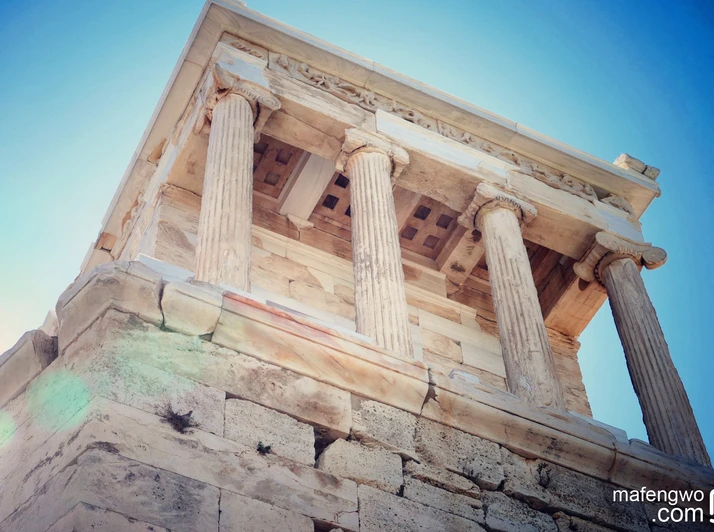
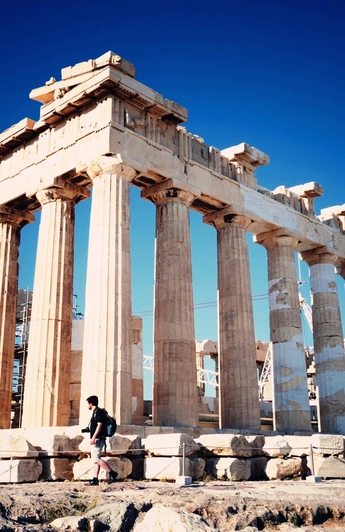
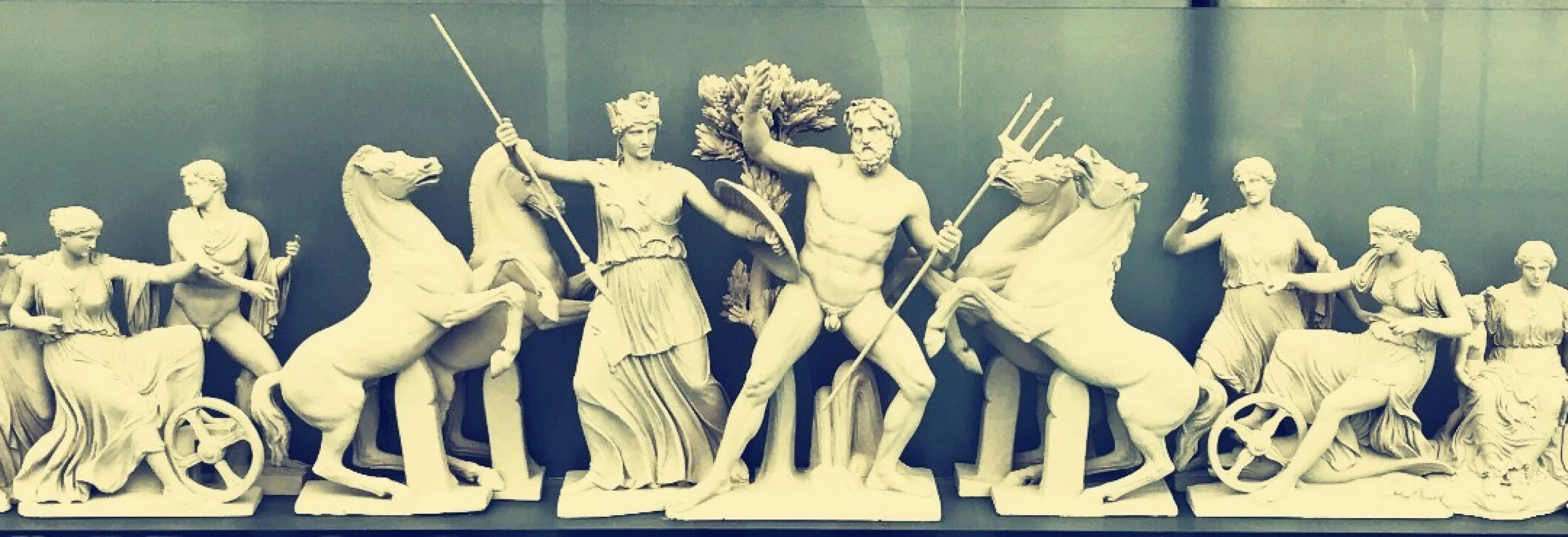
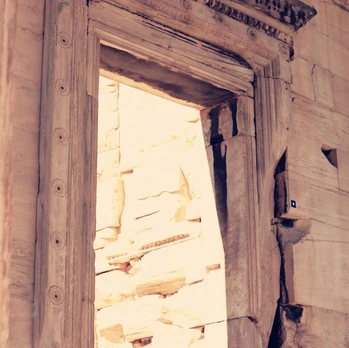
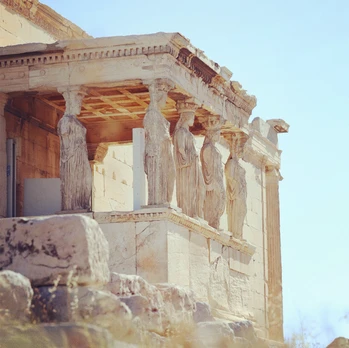
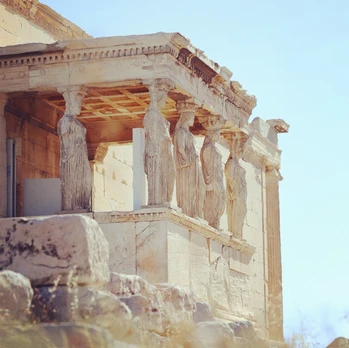
Standing atop the hill, the panorama of Athens unfolded before us. White and gray houses stretched into the distance. Only the Parthenon stood aloof at the highest point, witnessing the city’s rise and fall. After centuries of vicissitudes, its complete form could never be restored. But as Alain de Botton once said: "A great building can, to some extent, speak to us of composure, strength, balance, and grace." Though only a skeleton of columns remained, the spirit of the architecture endured. This is the eternal blue and white of Greece—a landscape where history is not just studied, but felt.
Shopping in Plaka: Souvenirs and Local Crafts
By evening, Plaka was a riot of activity. The narrow lanes were lined with fascinating wares: pickled olives, fragrant handmade soaps, strings of natural sponges, Roman sandals, and figurines of the gods. But what captivated me most were the jewelry shops. The designs were steeped in Greek classicism, many inspired by mythology or directly derived from patterns on excavated artifacts.
I picked out a Byzantine-style ring. When I asked about the materials, the owner earnestly explained. To clarify what "black gold" was, he even sketched a little cosmic diagram to prove it was a rare metal formed a very long time ago. Such an endearing shopkeeper, with his beautiful cursive handwriting, was a perfect match for the exquisite jewelry. I have a habit of buying a ring in every country I visit—it turns the exotic into a symbol, a talisman for extending my memories.
Best souvenirs from Athens include handmade olive oil soap, Greek sandals, and replica ancient coins. But the real treasure is the story behind each purchase.
Athens Food Guide: A Taste of Greek Hospitality
As we walked along, we passed many authentic restaurants lining the street. We picked a quiet spot to sit down, rewarding ourselves for a day of hard work and appeasing our growling stomachs. My friend and I were both textbook carnivores—when we were starving, our minds drifted to images of "big fish and big meat."
Just as we were hesitating over which dish to choose, a shower of olive leaves fell from above, rustling down onto our heads. The owner was very apologetic. He immediately replaced our entire set of tableware and brought out a complimentary plate of tender grilled lamb liver. As it turned out, this unexpected gift tasted even more delightful than the main course. When clearing the table, the owner noticed I had left a lot on my plate and asked, "Is this dish not to your taste? If you don’t like it, I can bring you something else." Already feeling guilty about the waste, I became even more embarrassed. My friend quickly came to my rescue: "No, no, the food is all delicious. It’s just that her stomach is that small." The owner then made a tiny circle with his hands and laughed heartily.
Must-Try Greek Dishes
Greeks love grilled or deep-fried foods—fresh fried shrimp, fried anchovies, fried calamari rings—all crispy, tender, and fragrant. Then there’s Souvlaki, skewers of grilled meat. Large chunks of pork or chicken, paired with fries and vegetables, or wrapped with tomatoes, fries, onions, and tzatziki sauce in a warm, hearty Pita bread, instantly becomes a portable feast. After returning to Beijing, we even sought out restaurants that served Pita bread, just to evoke the memory of that ravenous meal.
The local waitstaff were all very warm. They often asked us how to say things in Chinese while taking orders, and would happily practice saying "thank you" and "you're welcome" in their own accented version. But I suspect that when it came time to settle the bill, they’d have completely forgotten those awkward pronunciations. This is the Greek hospitality that makes Athens travel so memorable.
Is Athens Safe for Tourists? A Night to Remember
After a day of trekking around, we returned to the hotel only to be "horrified"—our door wasn’t fully closed! Our first thought was that we’d been burgled. We rushed inside to check our valuables: the suitcase was exactly as we’d left it, the things we’d left on the table were still there, and even a few loose coins hadn’t been taken. I instantly developed a profound respect for the safety of both Athens and this hotel.
This brings up a common question for travelers: Is Athens safe for tourists? The answer is generally yes. While you should always practice standard urban caution—watch your wallet in crowded areas and avoid poorly lit streets at night—Athens is a remarkably safe city. The incident with the door was likely a simple housekeeping oversight, not a security breach. The warmth of the people and the lack of petty crime in our experience made the city feel welcoming rather than threatening.
FAQ: Planning Your Greece Travel
1. When is the best time to visit Athens for the Acropolis? The best time to visit Athens is during the shoulder seasons of spring (April to June) and fall (September to October). The weather is pleasant, and crowds are thinner than in the peak summer months. Early morning is the ideal time to visit the Acropolis to avoid heat and queues.
2. What are the must-try foods in Athens? You must try Souvlaki, Gyros, fresh grilled seafood, and traditional Greek salads. Don't miss a meal of fried calamari or a plate of lamb liver if offered by a generous restaurateur. For dessert, look for Baklava or Loukoumades.
3. Is Athens safe for solo female travelers? Yes, Athens is generally safe for solo female travelers. The city is busy and well-lit in tourist areas. As with any major city, avoid walking alone late at night in isolated areas, and keep your valuables secure.
4. What are the best souvenirs to buy in Plaka? The best souvenirs from Plaka include handmade olive oil soaps, natural sponges, replica ancient coins, Greek sandals, and unique jewelry inspired by mythology. The Byzantine-style rings are a personal favorite.
5. How many days do you need to see Athens? You need at least 3 days to see the main attractions: one day for the Acropolis and its museums, one day for Plaka and Monastiraki, and a third day for a day trip to the Temple of Poseidon at Cape Sounion or the National Archaeological Museum.
Conclusion: Your Journey to the Land of the Gods Awaits

From the eternal blue and white of the sky meeting the marble ruins, to the unexpected warmth of a restaurant owner offering free lamb liver, Athens is a city of contrasts that somehow feels perfectly balanced. It is a land where the gods feel present, not in a religious sense, but in the enduring spirit of the people and the landscape.
Whether you are a history buff, a foodie, or a casual traveler, Greece offers an experience that lingers long after you leave. The Parthenon will wait for you. The olive trees will grow wild. And the stray cats will still strut with arrogant grace.
[Link: Best Greek Islands to Visit After Athens] [Link: How to Pack for a Mediterranean Vacation] [Link: Greek Mythology Sites You Can’t Miss]
Ready to book your trip? Start planning your Greece travel adventure today. Save this guide, share it with a travel buddy, and let the eternal blue and white call you home. Don't just dream of the land of the gods—go and encounter it for yourself.
Book your flight to Athens now and experience the eternal blue and white.