In the Interweaving of Water Towns and the Magic Metropolis: Encountering Poetry and the Horizon
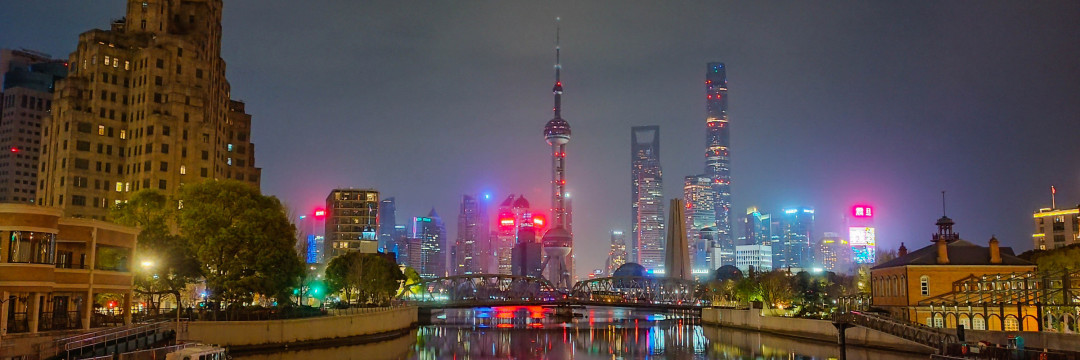
Meta Description: Discover the perfect blend of Shanghai's urban energy and Jiangnan's serene water towns. Explore Jinxi & Luzhi ancient towns, cruise tips, and budget-friendly travel hacks in this complete travel guide.
Prologue: A Fantastical Drift from Sea to Jiangnan
As the ship’s horn echoed through the morning mist over the Huangpu River, I leaned against the railing of the balcony, watching the silhouette of Shanghai’s container terminal gradually emerge from the haze. In that moment, I realized this journey was far more than just a cruise vacation—it was a voyage of transition, from sea to Jiangnan, from bustling metropolis to serene countryside.
The moment I stepped aboard the Glory cruise ship, I knew this would be an unforgettable experience. Every morning, I rushed to the deck, eager to capture that instant of sunrise at sea—the sun leaping above the horizon, golden rays scattering like fragments of treasure across the shimmering waves, the entire world bathed in warm gold. At dusk, the sky transformed into a brilliant oil painting, with fiery orange and red light dancing on the water’s surface, breathtakingly beautiful.
Life on the cruise was vibrant and diverse: lively parties, exquisite art exhibitions, friends from all corners of the world sharing the joy of travel over clinking glasses. The volcanic rock shores of Jeju Island, the ancient temples and shrines of Fukuoka—each stop revealed the unique charm of foreign cultures.
But what I looked forward to most was the journey after the cruise: exploring Shanghai and its surroundings with my family. Standing beside me, my wife’s parents—my in-laws—gripped the railing tightly, their eyes wide with wonder. “So this is Shanghai—it’s so beautiful!” they exclaimed. The wrinkles at the corners of their eyes held a deep curiosity about this city. My father-in-law’s fingers gently scrolled through travel guides on his phone, pausing for a long time over an illustration of the upturned eaves of Yu Garden, as if touching the city’s historical pulse. In that moment, I silently resolved: this time, I would show them Shanghai’s most unique charm—not just the Bund’s international architecture, but also the rustic tranquility and vibrant everyday life of the Jiangnan water towns.
[Link: Shanghai cruise terminal guide]
From Magic Metropolis to Water Town: A Spontaneous Crossing
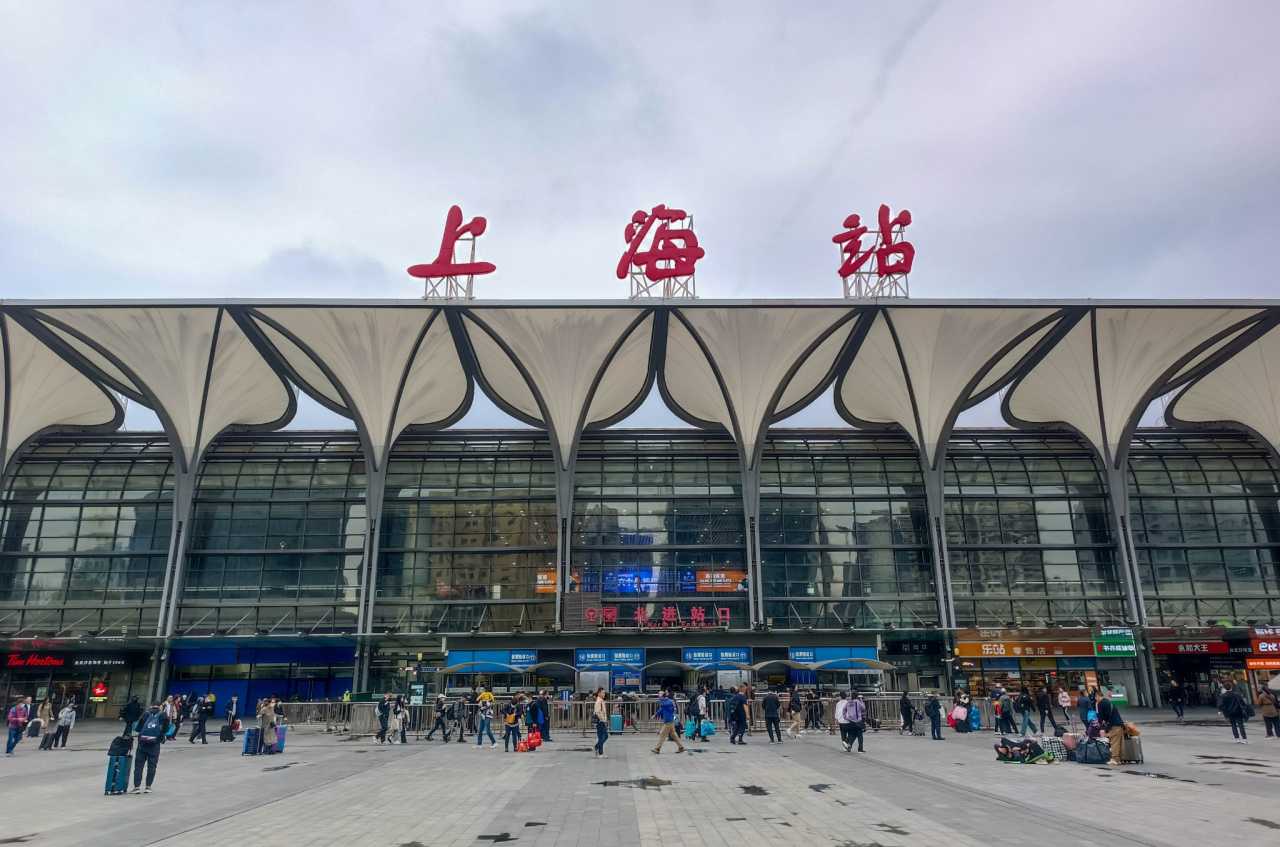
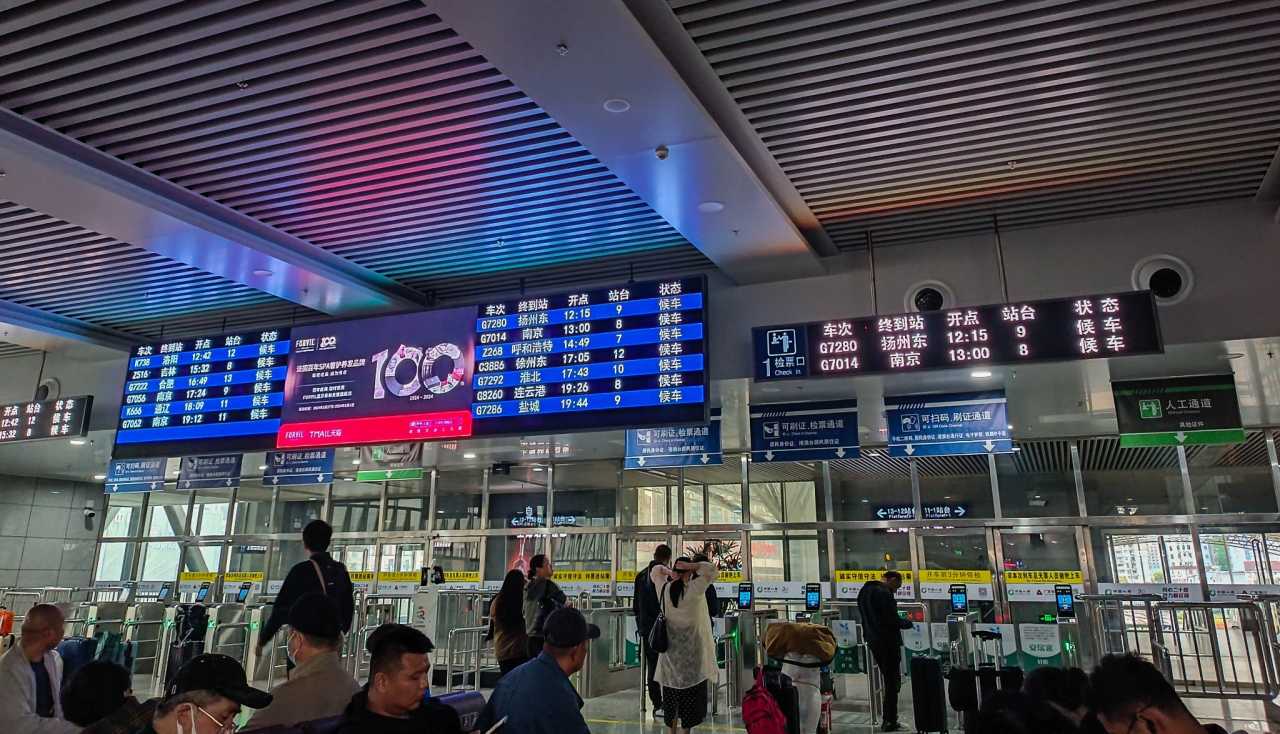
Stepping off the cruise ship at Wusongkou International Cruise Terminal, the morning air still carried the salty tang of the sea. Fortunately, a free shuttle bus was waiting outside the terminal, taking us to Baoyang Road Station. Transferring to Metro Line 3, we reached Shanghai Railway Station in just half an hour. Trains bound for Suzhou were frequent, and I booked tickets for noon while still on the subway—only 28 yuan at full price, with some routes offering discounts.

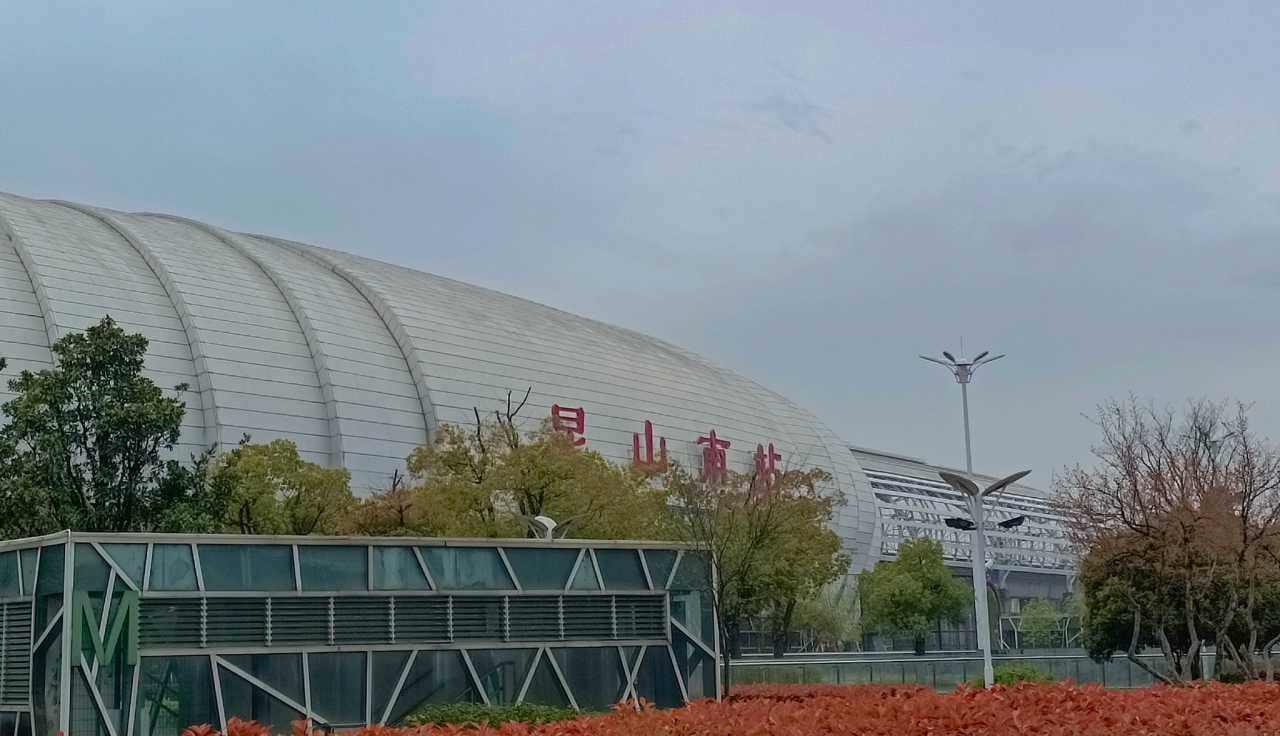
The high-speed train sped off, and within just thirty minutes, the scenery outside the window shifted from the glass facades of Lujiazui to the dark-tiled eaves of Kunshan South Station in Suzhou. As soon as we stepped out, the humid air of Jiangnan, mixed with the fresh scent of grass, embraced us—this was the water town’s first gift.
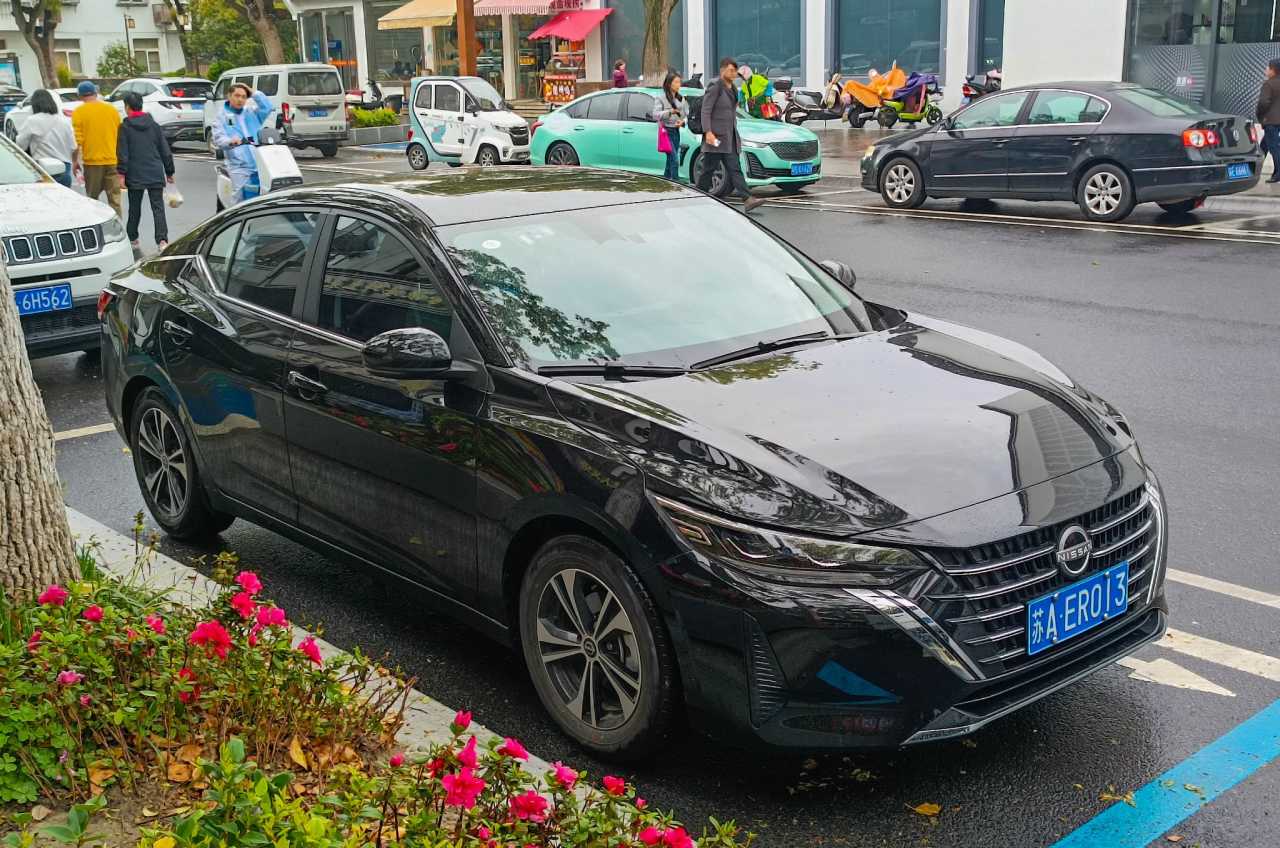
Considering my father-in-law’s old knee injury, which made long walks difficult, we decided to rent a car. We picked it up at Kunshan South Station and returned it in Songjiang—two days of rental plus insurance cost only 500 yuan, an incredible value. The Nissan sedan from eHi Car Services handled smoothly. As I set “Jinxi Ancient Town” as the destination on the navigation system, my mother-in-law suddenly leaned forward, pointing at the screen and laughing: “This road is all twisty and turny—doesn’t it look like an earthworm?” Her comment instantly filled the car with laughter, the joy of two generations echoing together.
[Link: Best car rental services in Suzhou]
Jinxi Ancient Town: A Forgotten Corner of Jiangnan Serenity
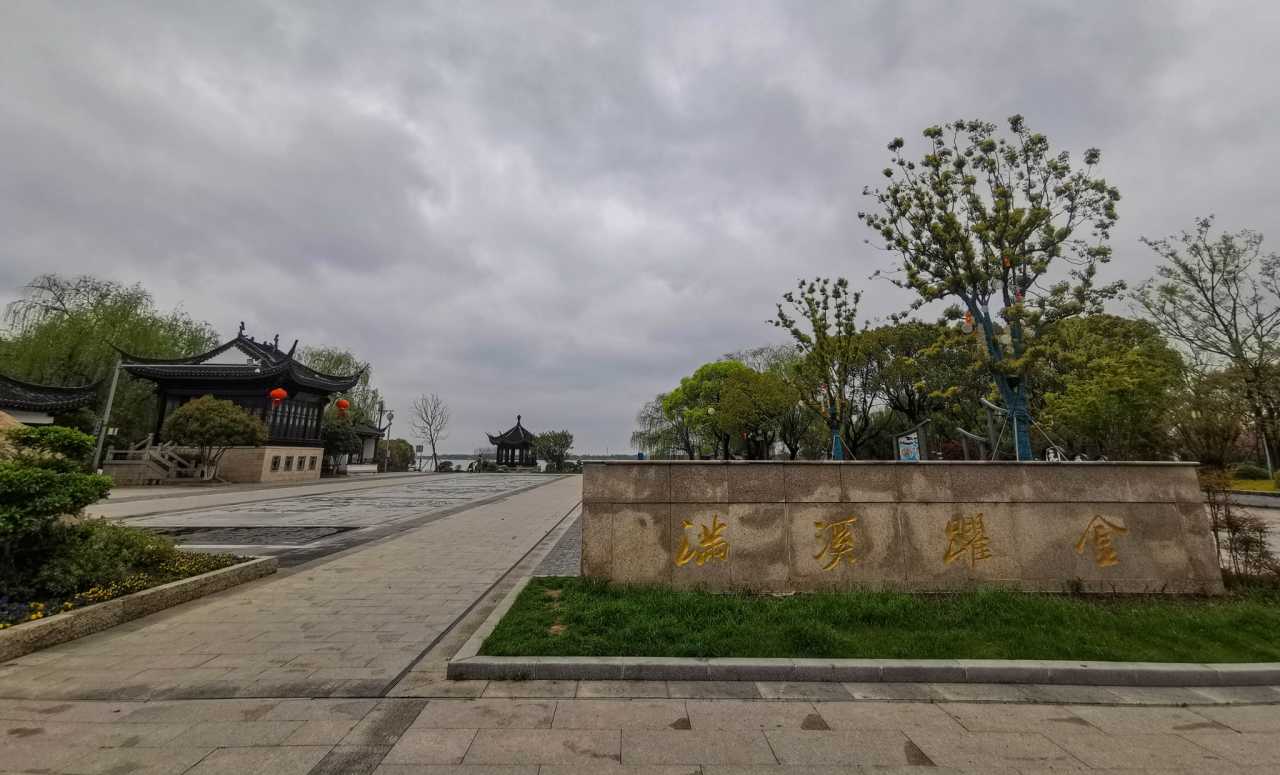
A 45-minute drive from Kunshan South Station brought us to Jinxi Ancient Town. Outside the town square, there were plenty of free parking spaces along the roadside—spacious and well-organized, a thoughtful touch for self-driving visitors.
First Impressions of Jinxi: Where Everyday Life Meets Ancient Charm
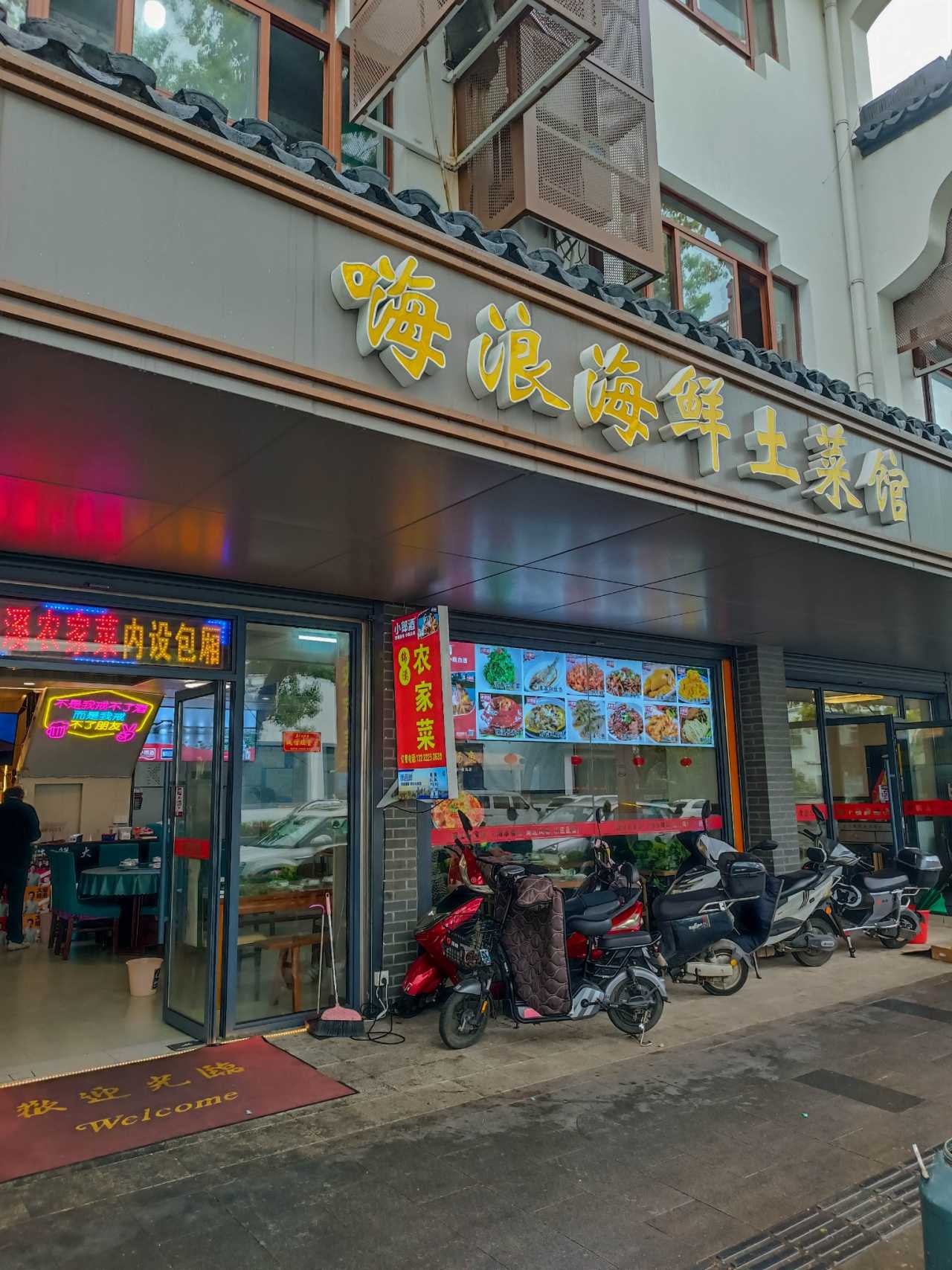
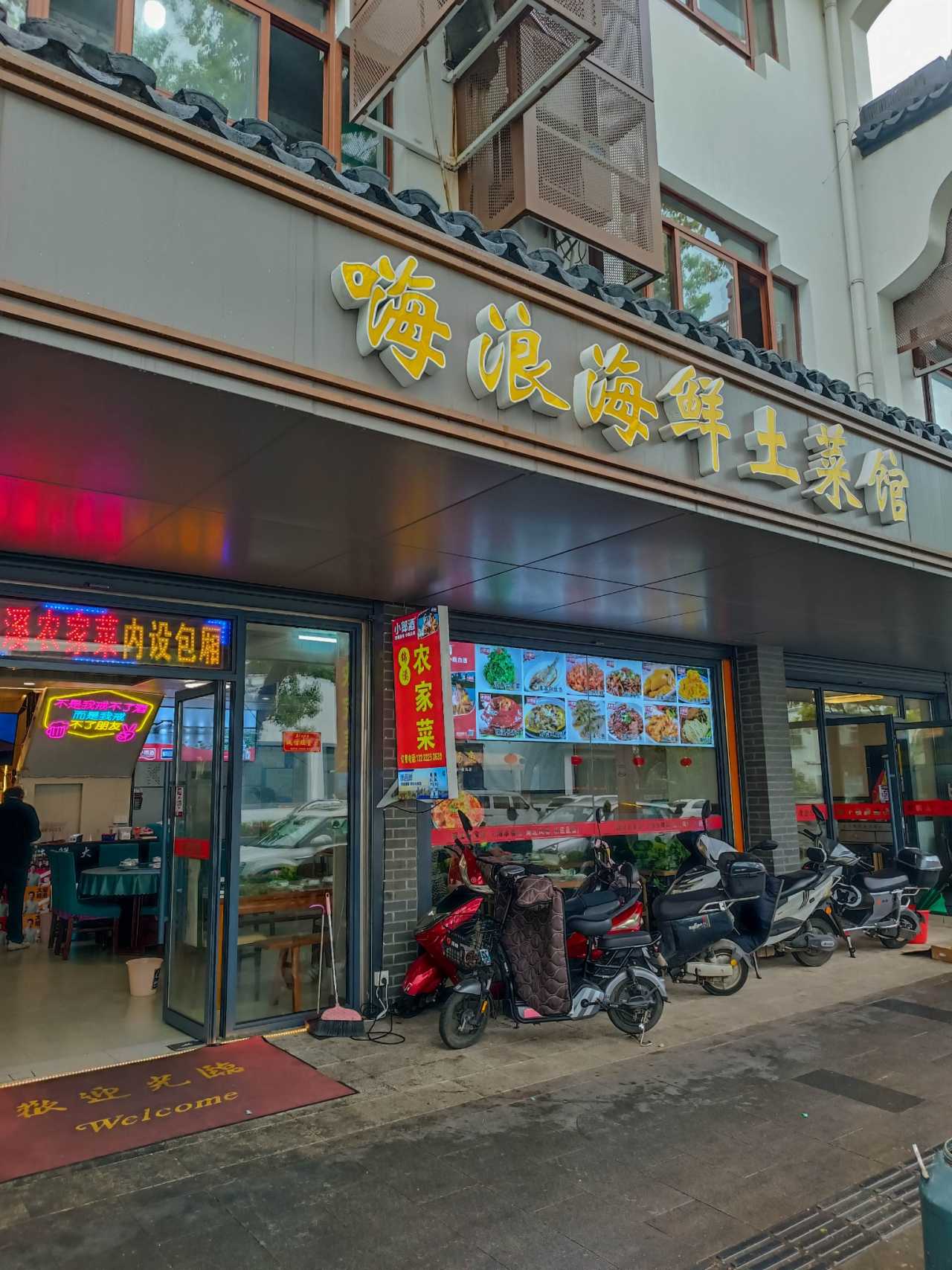
The first order of business upon arriving was, naturally, to satisfy our hungry stomachs. The restaurants outside the town exuded the aroma of various delicacies. We chose one, and the dishes were clearly freshly prepared, a world apart from the pre-made meals of chain restaurants. A few home-style dishes, enough for the four of us to eat our fill, came to less than 200 yuan—incredible value for money.
After a satisfying meal, we checked into a guesthouse within the ancient town. The room was a two-story duplex with two bedrooms and a living room, spacious and comfortable. The accommodation for the night cost just over 400 yuan. A small garden in the courtyard was planted with a few small trees, their leaves rustling in the breeze, as if singing a ballad of the ancient town.
Strolling Through Jinxi: Time Slows Down Here
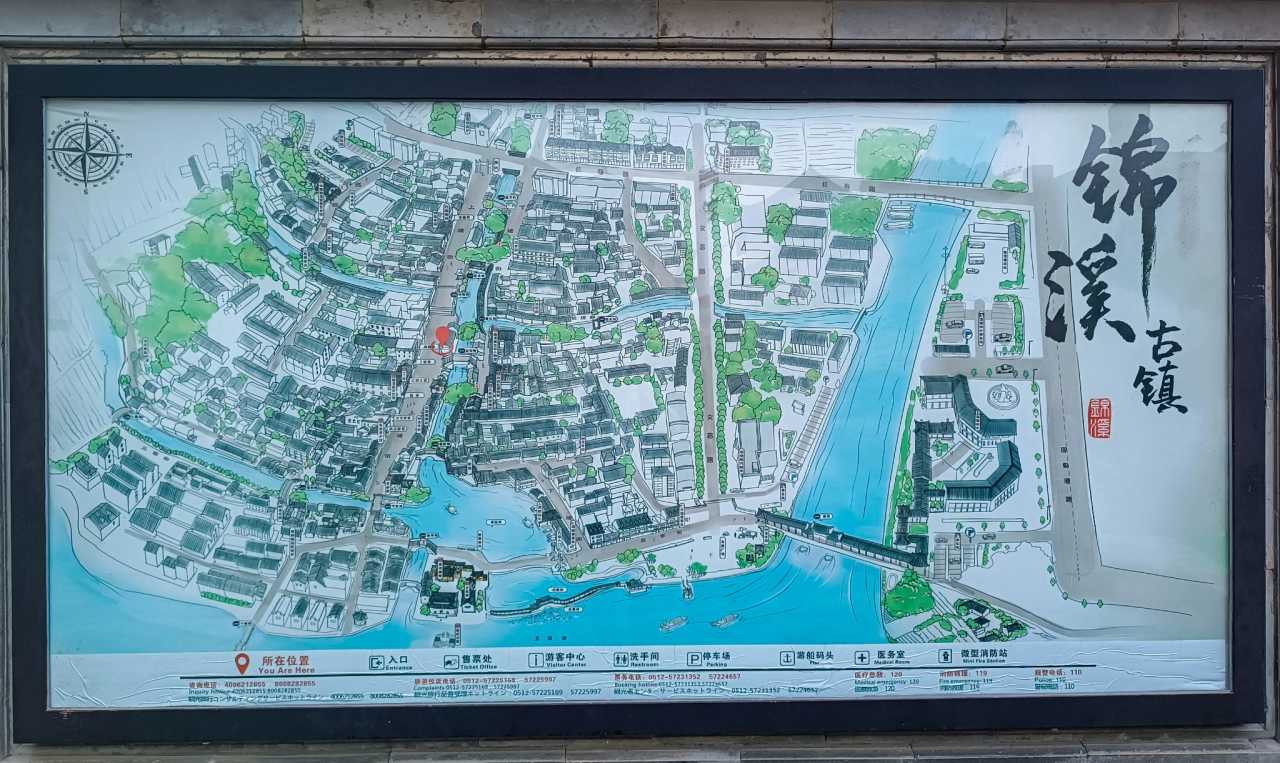
Jinxi Ancient Town is free to enter. If you want to visit certain specific attractions, a combined ticket costs 65 yuan. Alternatively, you can take a small boat ride along the waterways for 150 yuan.
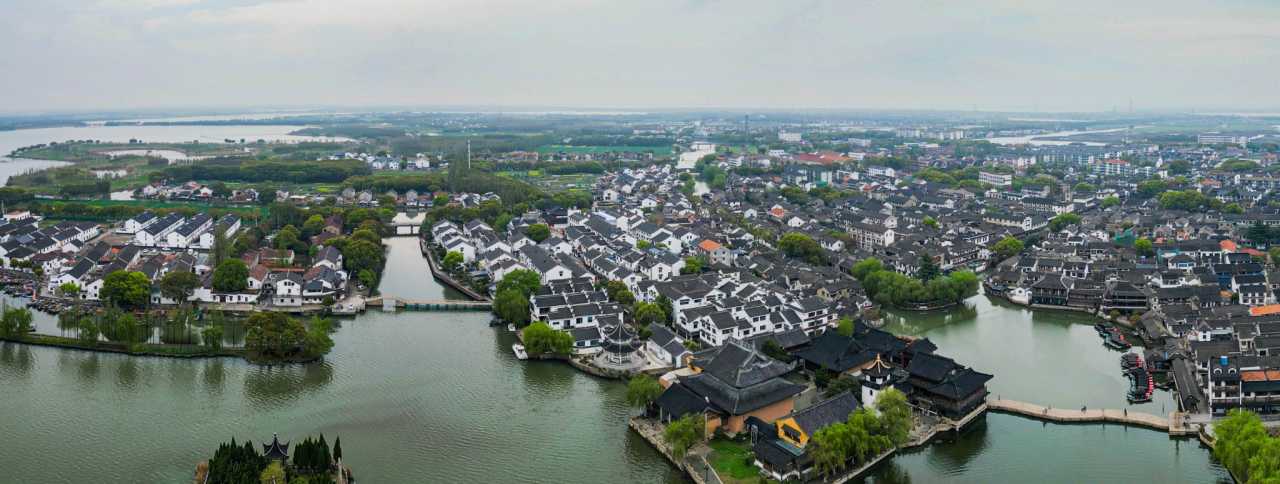
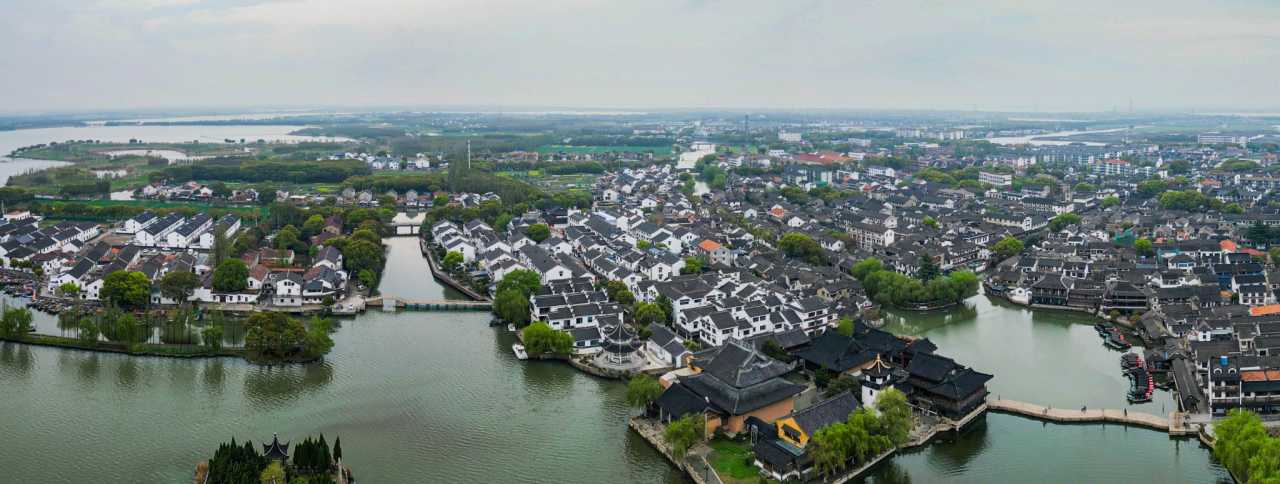
Stepping into Jinxi felt like falling into a forgotten dream, untouched by time. Located in Kunshan, Jiangsu Province, this Jiangnan water town boasts a history of over 2,500 years. Walking leisurely along the stone-paved paths, the soles of our shoes brushed against the stones, producing a faint rustling sound, like an old music box being gently opened. On both sides, the old houses—whitewashed walls and dark tiles—glowed softly under the sunlight. The moss on the walls bore witness to the passage of time, silently observing the town’s transformations.
There were plenty of shops in the town, but few vendors hawked their wares loudly. The entire town felt remarkably peaceful. The spring breeze brushed past gently, carrying the poetic sentiment of “the spring breeze caresses the railing, the dew’s glow is rich,” and instilling a profound sense of calm. In a corner of the town, an elderly woman quietly waited for visitors to taste her family’s secret homemade chili sauce. When she pulled out an Alipay QR code, I expected a sense of incongruity—but instead, modern payment and ancient tradition merged seamlessly, everything unfolding with natural grace.
The Soul of Jinxi: A Symphony of Water and Bridges
The water of Jinxi is the town’s soul. Clear and pristine, it flows like a winding jade ribbon through the entire town. Wooden canopy boats glided slowly, their oars stirring ripples that seemed like nature’s gentle caress. Sitting on the boat, the breeze carried the cool, moist touch of the water, instantly making you forget the worries of the world.
The town’s bridges are countless, each with its own unique character. The most remarkable is the “Ten-Eye Long Bridge” —nine pillars and ten arches, spanning the emerald waves. From a distance, it looks like a rainbow lying across the water. It was a photo of this bridge that first drew us here. No matter the angle, it resembles a one-of-a-kind painting, every detail imbued with a distinct charm. Beyond the covered bridge, a small island stood alone, like a solitary poet, waiting for the occasional visitor.
At night, Jinxi took on a different, enchanting guise. As lights came on, their reflections shimmered on the water, creating a dreamlike, illusory scene that made you lose track of time, utterly captivated by the night.
[Link: Top ancient towns near Shanghai]
Luzhi Water Town: Encountering the Poetic Time of “China’s Premier Water Town”

In the early morning, sunlight gently spilled onto Jinxi’s stone paths. We packed our luggage and enjoyed a warm breakfast in the town—a bowl of fragrant soup noodles that awakened our dormant taste buds.
A Surprise Amidst the Rapeseed Flower Fields
As the car slowly started, the scenery along the road unfolded like a scroll painting. Vast expanses of golden rapeseed flowers swayed in the breeze, resembling a sea of gold. We couldn’t resist stopping the car and stepping into the fields to take photos. Surrounded by the vibrant yellow blossoms, my in-laws smiled like children—my father-in-law even tried to capture a bee on his phone, laughing as it buzzed away.
Luzhi: Where History Breathes
Luzhi Ancient Town, often called “China’s Premier Water Town,” is located in Wuzhong District, Suzhou. With a history spanning 2,500 years, it’s famous for its ancient bridges, temples, and the iconic Bao Sheng Temple. The town is home to 41 ancient bridges, each spanning a different era—from the Song Dynasty to the Qing Dynasty.
We wandered through the narrow alleyways, past traditional shops selling silk, tea, and hand-painted fans. The pace here was even slower than Jinxi, as if time itself had decided to take a nap. We stopped for tea at a canal-side teahouse, watching boats drift by while sipping Biluochun green tea. The aroma of jasmine and osmanthus mingled with the cool breeze—this was the Jiangnan of poetry, alive and breathing.
Luzhi also offers a combined ticket for 78 yuan, which includes entry to several historic sites. The Bao Sheng Temple, with its stunning Tang Dynasty statues, is a must-see. For boat rides, expect to pay around 120 yuan per boat (seats up to 6 people).
[Link: Luzhi vs. Zhouzhuang: Which water town to visit]
Budget Breakdown: How Much Does a Shanghai Water Town Trip Cost?
| Item | Cost (CNY) |
|---|---|
| High-speed train (Shanghai–Kunshan) | 28 yuan |
| Car rental (2 days + insurance) | 500 yuan |
| Jinxi accommodation (2-bedroom duplex) | 420 yuan |
| Jinxi boat ride | 150 yuan |
| Luzhi combined ticket | 78 yuan |
| Meals (4 people, 2 days) | ~600 yuan |
| Total (approx.) | ~1,776 yuan |
Tip: Book high-speed train tickets in advance via Ctrip or 12306 for discounts. Car rental is best for families or elderly travelers.
FAQ: Planning Your Shanghai Water Town Adventure
1. Which water town is better for a day trip from Shanghai?
 Both Jinxi and Luzhi are excellent. Jinxi is quieter and more affordable, while Luzhi offers more historic sites. For a day trip, Luzhi is slightly closer to Suzhou city center.
2. Is it easy to get to Jinxi Ancient Town without a car?
Yes. Take the high-speed train from Shanghai to Kunshan South Station (28 yuan, 30 minutes), then take bus 133 or a taxi (about 30 minutes, ~50 yuan).
3. What is the best time to visit Jiangnan water towns?
 Spring (March–May) and autumn (September–November) offer mild weather and beautiful scenery. Avoid Chinese holidays (May Day, National Day) for fewer crowds.
4. Are there English signs in Jinxi and Luzhi?
 Major attractions have bilingual signs. However, smaller shops and restaurants may not. Download a translation app for convenience.
5. Can I visit both Jinxi and Luzhi in one day?
It’s possible but rushed. We recommend a 2-day itinerary: Day 1 in Jinxi, overnight stay, then Day 2 in Luzhi.
Final Thoughts: Where Poetry Meets the Horizon
Standing on the bridge in Luzhi, watching the sunset paint the canal in shades of amber and rose, I realized this journey had given us something far greater than photos or souvenirs. It had given us time—time to slow down, to laugh over “earthworm” roads, to watch a bee escape a phone camera, to hold hands across generations.
Shanghai dazzles with its skyline, but the water towns whisper with ancient wisdom. They remind us that the horizon isn’t just a line between sea and sky—it’s the edge of possibility, where poetry and everyday life intertwine.
Ready to plan your own Jiangnan escape? Book your high-speed train tickets, reserve a car, and pack your camera. The water towns are waiting to weave their magic into your story.
[Link: Book Shanghai to Kunshan train tickets] [Link: Find guesthouses in Jinxi Ancient Town] [Link: Explore Luzhi boat tours]
Have you visited any Jiangnan water towns? Share your favorite memory in the comments below!