Huangpu’s Snowy Waves: Exploring Shanghai by Bicycle – A Complete Cycling Tour Guide
Meta Description: Discover Shanghai by bicycle with this detailed cycling guide. From the ancient City God Temple to the Shanghai Tower, explore Huangpu’s snowy waves and hidden gems on two wheels.
Introduction: Why Cycling is the Best Way to See Shanghai
Shanghai is a city of contrasts—ancient temples stand in the shadow of futuristic skyscrapers, and quiet tree-lined streets give way to bustling commercial districts. While most visitors rush through the city by subway or taxi, there’s a more intimate way to experience Shanghai’s texture: by bicycle.
In late autumn 2017, after a marathon performance of all nine Beethoven symphonies at the Shanghai Symphony Hall, we decided to rent two bicycles and explore the city at our own pace. What followed was an unforgettable journey through Shanghai’s most iconic landmarks, hidden corners, and historical neighborhoods.
This guide will take you through the best Shanghai cycling routes, covering everything from the City God Temple to the Shanghai Tower, Duolun Road, Lu Xun’s Former Residence, Sinan Mansions, and Jing’an Temple. Whether you’re a first-time visitor or a seasoned traveler, this Shanghai bike tour will reveal the city’s true character.
H2: The City God Temple: A 600-Year-Old Cultural Crossroads

H3: Why the City God Temple is a Must-Visit on Any Shanghai Bicycle Tour
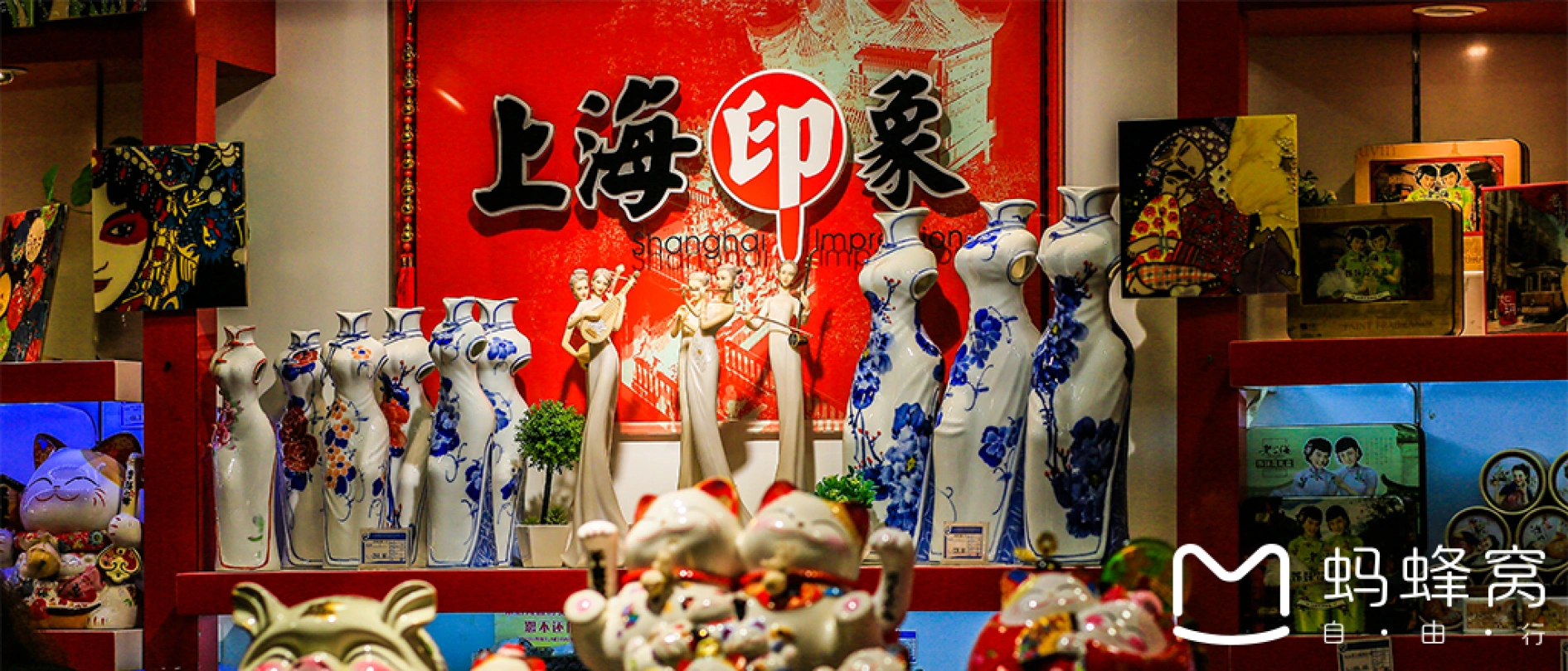
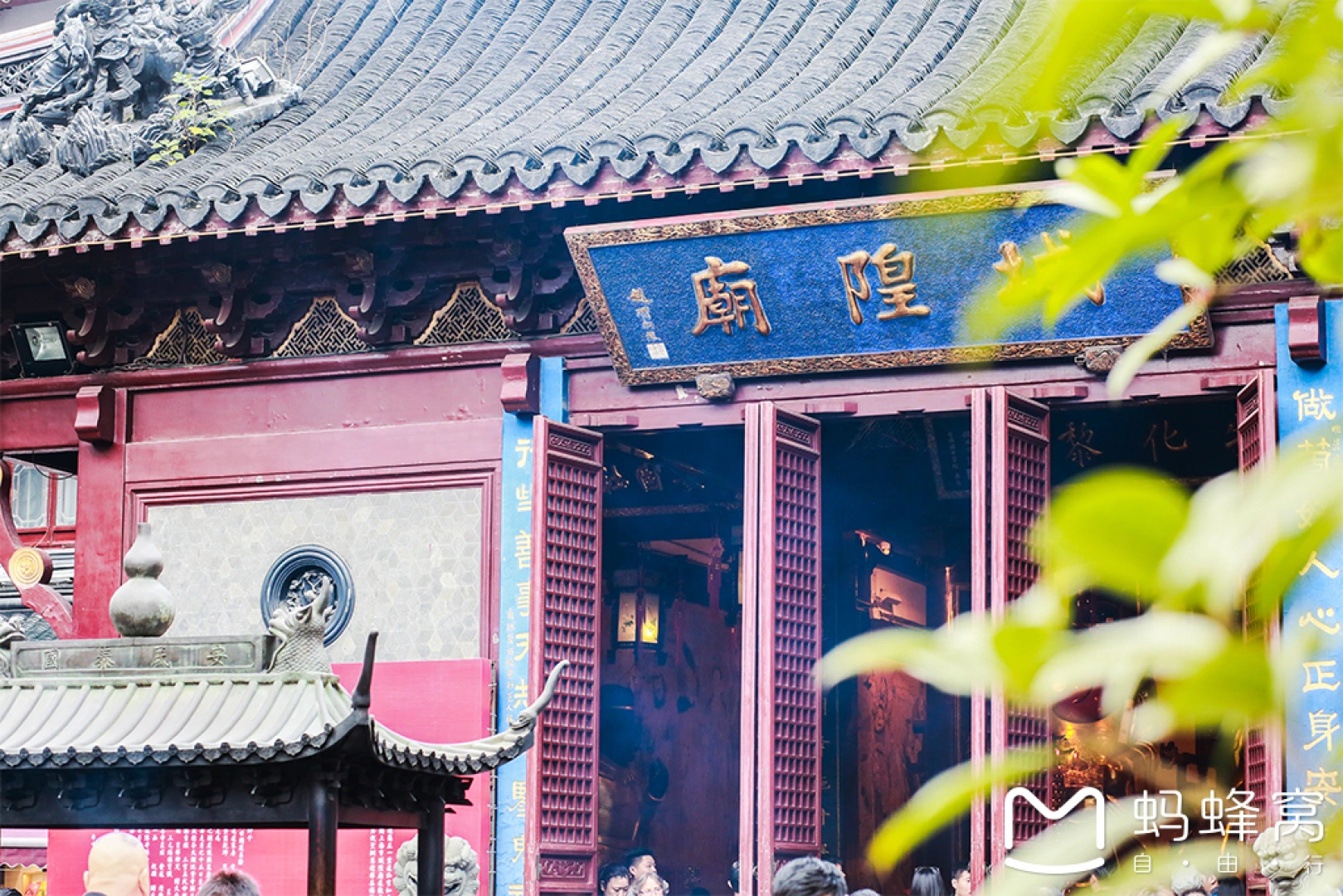
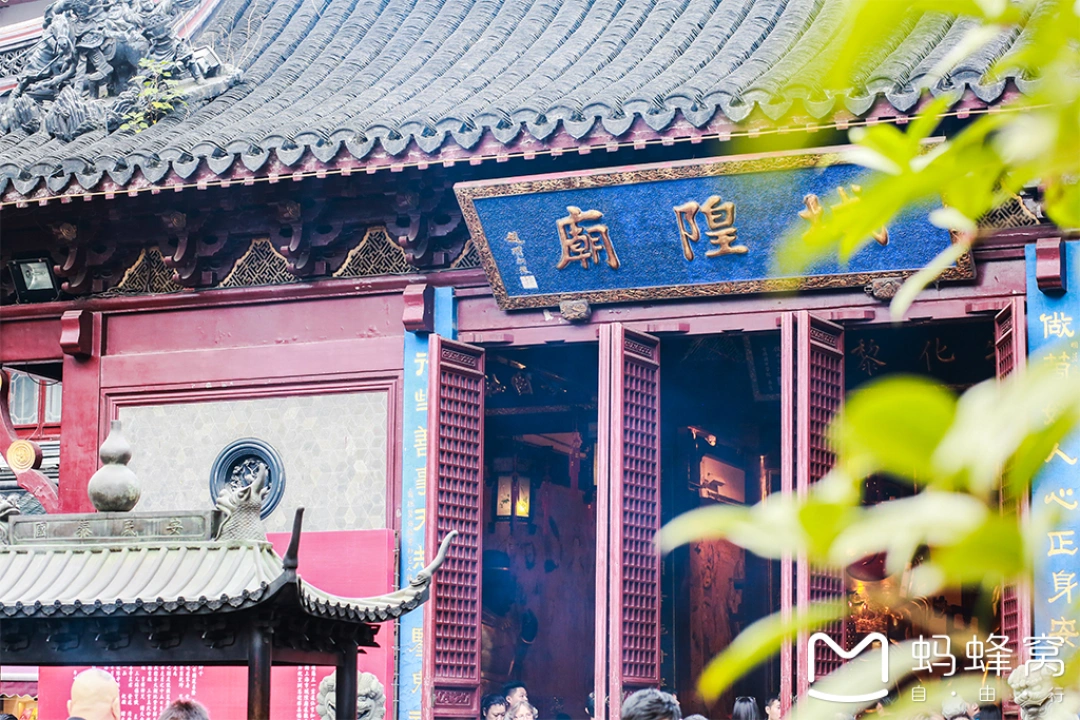
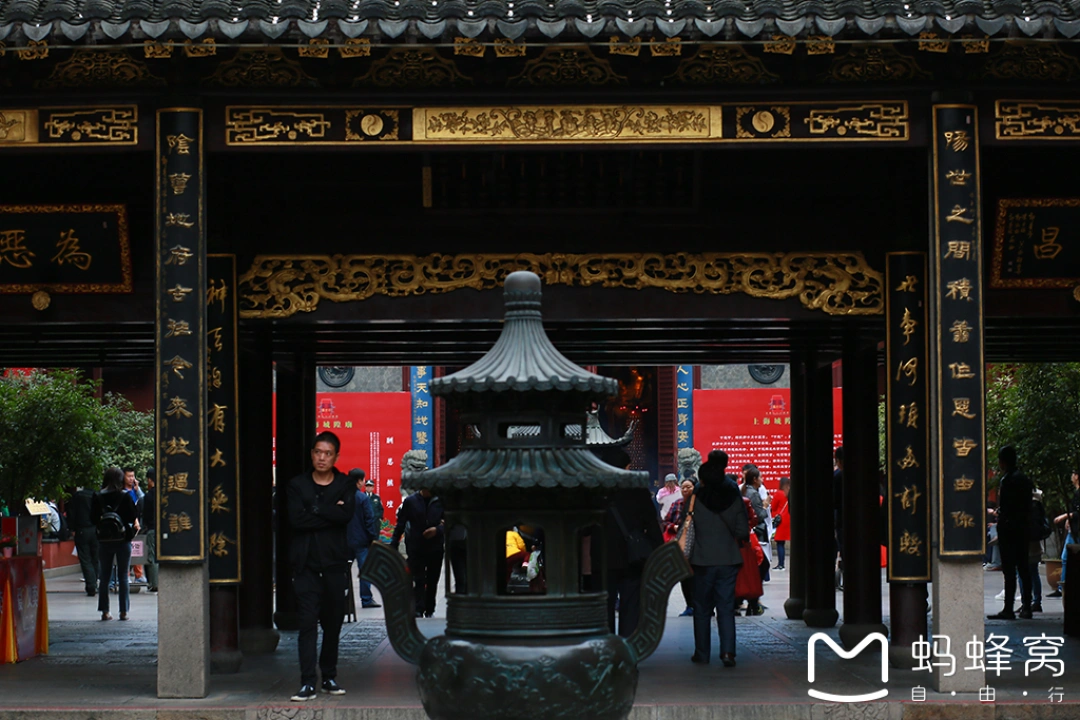
If you haven’t visited Shanghai’s City God Temple (Chenghuang Miao) in two years, you’ll notice something has changed. This isn’t just nostalgia—the temple has evolved from a religious site into a vibrant crossroads of Shanghai’s past, present, and future.
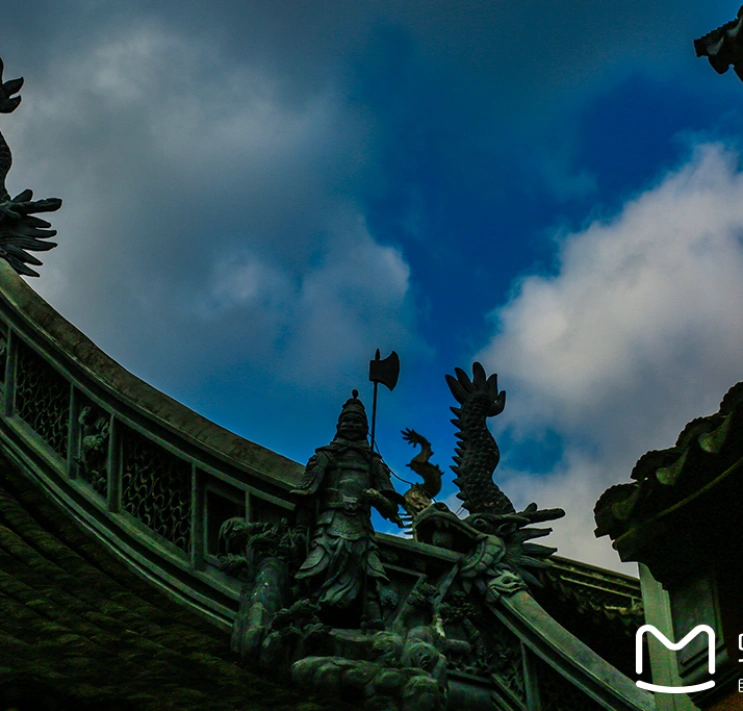
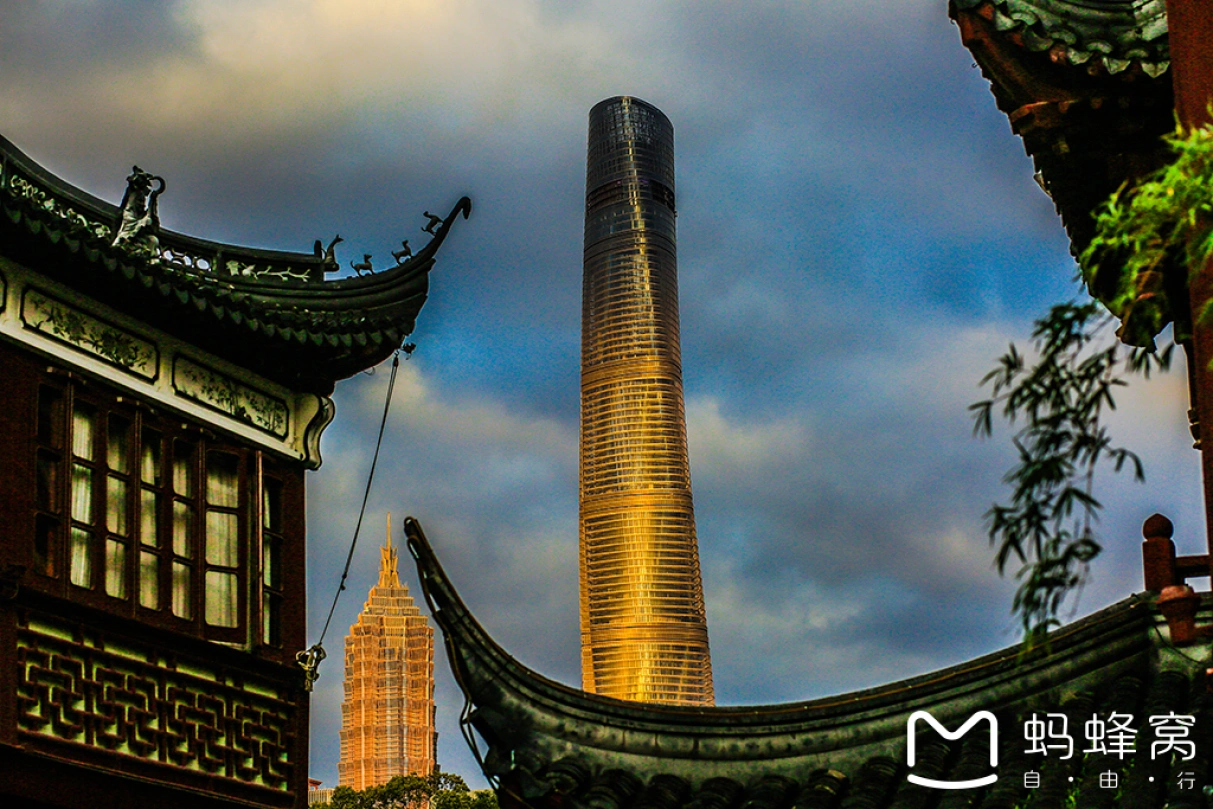
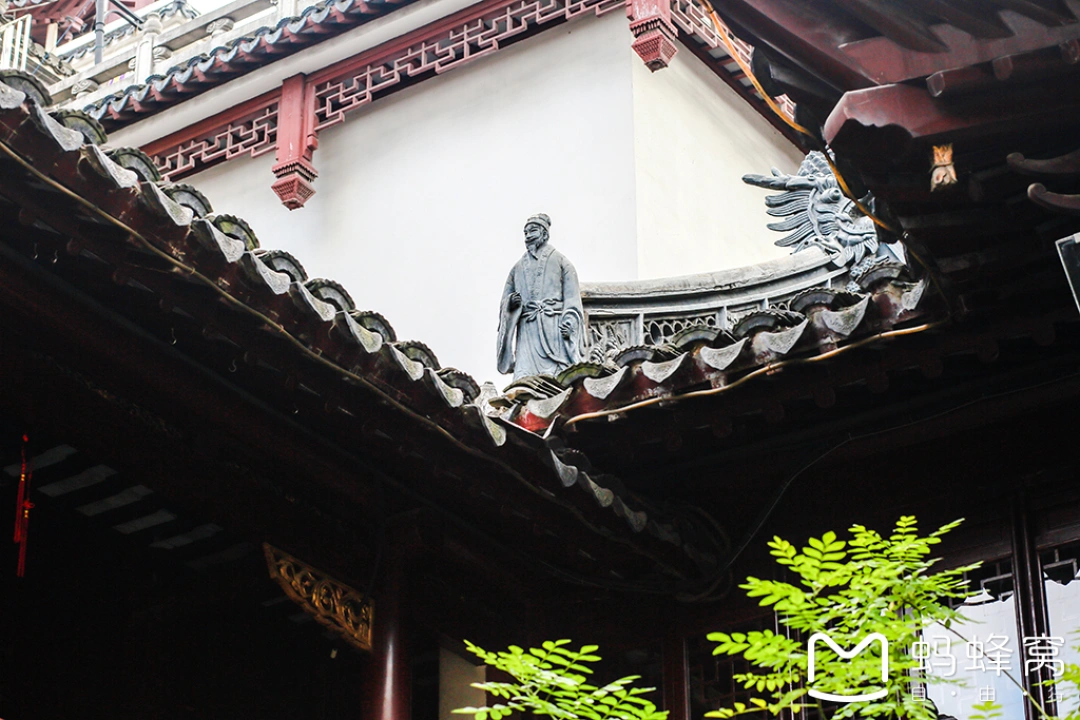
Built during the Yongle era of the Ming Dynasty (1403–1424), the temple is nearly 600 years old. Located within the Yuyuan Garden complex, it remains one of the most important Taoist temples in the Shanghai region. Despite centuries of storms and dynastic changes, the temple has witnessed both prosperity and decline. Today, when you stand before the temple and look up, you’ll see the Shanghai Tower—a 632-meter mega-skyscraper—looming in the background. The ancient and the futuristic coexist in perfect harmony.
H3: What to See and Do at the City God Temple
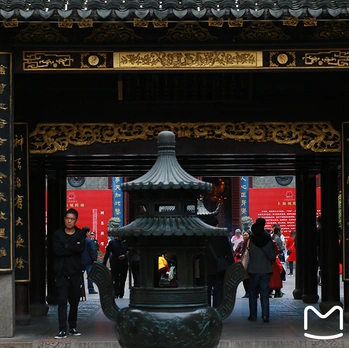
Every day, crowds from around the world gather here. Some lean on canes, others arrive in wheelchairs, traveling thousands of miles to see “China’s Shanghai.” You’ll spot women in qipao (traditional Chinese dresses) posing for photos on ancient streets, and foreign tourists chewing on corn with curious smiles. A magic ice cream stall draws a ring of children, while in a corner, an elderly man sits quietly, lost in thought.
Shanghai Old Street, also known as “Little East Gate,” is marked by an archway at its entrance. It hugs the Yuyuan commercial area but feels more weathered. The shops sell everything from nostalgic snacks to handmade trinkets, each one steeped in the passage of time. The Shichun Hall on the old street is now a senior activity center, where the elderly play chess, sip tea, and sing opera—time slows down here.
H2: The Shanghai Tower: A City Manifesto Best Read from Above
H3: Cycling from the City God Temple to Lujiazui
Cycling from the City God Temple across the river and into the Lujiazui Financial and Trade Zone, the Shanghai Tower looms before you. This 118-story, 632-meter super-tall building was designed to surpass the neighboring Shanghai World Financial Center. Entering the ground-floor lobby, a large screen scrolls through Shanghai’s transformation—from a fishing village to a global metropolis, all within a century.
H3: The Design Story Behind Shanghai’s Iconic Skyscraper
On the first floor, an exhibition hall shines with world-class photography. The tower’s design competition pitted the American firm Gensler’s “dragon” proposal against the British firm Foster + Partners’ “spire” concept. The dragon won, and Tongji University’s Architectural Design and Research Institute completed the construction drawings. Today, this “giant dragon” coils along the Huangpu River, a new landmark for Shanghai.
For 150 yuan, you can buy an observation ticket and take the elevator to the 118th floor. Through the glass, you get a 360-degree view of Shanghai—the Huangpu River like a silver ribbon, the Bund’s colonial architecture facing off against Lujiazui’s skyscrapers across the water. In that moment, you truly understand what it means to say “a Shanghai that shakes the world, a China that shakes the world.” Only from this height can you see how the city rose from mudflats and how it continues to push toward the sky.
[Link: Best time to visit Shanghai Tower for sunset views]
H2: Duolun Road: The Spiritual Home of Shanghai’s Left-Wing Writers
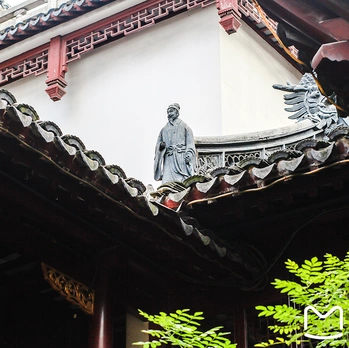
H3: A 550-Meter Street That Shaped Chinese Literature
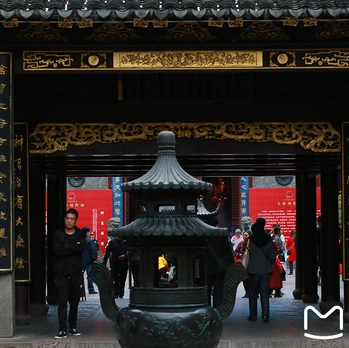
Crossing Suzhou Creek, you arrive at Duolun Road in Hongkou District. This narrow street, only 550 meters long, was a haven for left-wing writers in the 1920s and 1930s. Lu Xun, Qu Qiubai, Ding Ling, Mao Dun, Guo Moruo, Xia Yan, Ye Shengtao—more than thirty cultural luminaries lived and wrote here. Ba Jin’s Destruction, Ding Ling’s Mengke, Mao Dun’s first story Disillusionment, and Ye Shengtao’s editorship of Short Story Monthly all took shape on this street.
In the early morning, Duolun Road is exceptionally quiet. By chance, we encountered a woman dressed in Republican-era clothing shooting a period photo. She stood in front of an old villa, as if time had reversed. If you want to revisit old Shanghai’s cultural atmosphere in the shortest time possible, a walk down Duolun Road is enough.
H3: Unique Architecture on Duolun Road
At a street corner stands a unique building—the Shanghai Christian Hongde Church. It breaks the traditional Gothic style of churches, instead using a Chinese-style roof with interlocking brackets and upturned eaves. Completed in 1928 and named “Hongde Tang,” it was a product of the rising nationalism in China at the time, a local adaptation of Christianity. Next door, at No. 250 Duolun Road, a villa that once housed a prominent figure now stands with only its peeling walls to tell the story.
[Link: Shanghai literary walking tours]
H2: Lu Xun’s Former Residence: A Father’s Gentle Corner
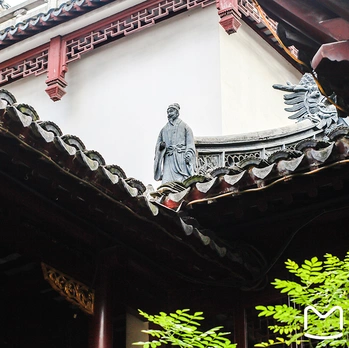
H3: A Five-Minute Bike Ride to Literary History
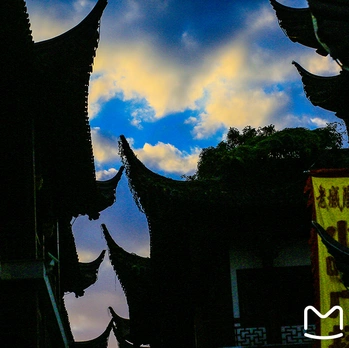
A five-minute bike ride from Duolun Road brings you to No. 200 Tian’ai Road. Lu Xun’s former residence is tucked away in this compound, with an entrance fee of just 8 yuan. It’s a two-story wooden house where the writer spent his final years.
Photography is not allowed inside, but some details remain unforgettable: Lu Xun gave the largest bed and the sunniest room to his son, Haiying. This writer, known for his sharp prose, was a tender father in family life. The living room, dining room, storage room, guest room, and bedroom are all arranged as they were, with his furniture, belongings, and writing tools still in place—so close you can almost feel his presence.
H3: Exploring the Neighborhood
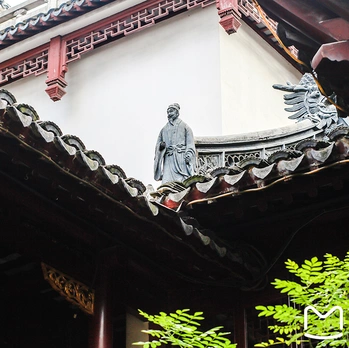
After the August 13 Incident (1937), Hongkou District fell under Japanese naval control. But the streets here still retain the look from Lu Xun’s time. Next to his residence is a local Shanghainese noodle shop, where every dish carries authentic Shanghai flavors. Word has it that even the actress Yang Mi has eaten here—that’s the charm of Shanghai: celebrities and ordinary folks can both find satisfaction in the same bowl of noodles.
H2: Sinan Mansions and the Zhou Residence: Republican-Era Memories
H3: Afternoon Tea in a Historical Setting
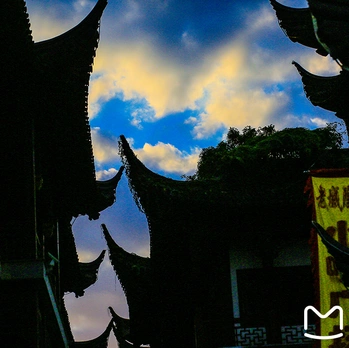
Crossing Fuxing Park, you arrive on Sinan Road. Sinan Mansions covers 50,000 square meters, adjacent to Fuxing Park, bordered by Chongqing South Road to the east, with the quiet Sinan Road running through it. This was once a neighborhood of modern historical figures—Liu Yazi and Mei Lanfang lived here, and Sun Yat-sen’s former residence and the Communist Party’s Shanghai office, known as the “Zhou Residence” (Zhou Gong Guan), are just next door.
Don’t underestimate the afternoon tea here—a “sit-down” set costs 398 yuan. But when you settle into the courtyard of an old villa, sunlight filtering through the plane trees onto the table, you’re not just drinking tea; you’re sipping history. The adjacent Zhou Residence is particularly serene, its red-brick villa shaded by green trees, as if you can still hear Zhou Enlai’s footsteps from years past.
H2: Jing’an Temple: A Spiritual Refuge Amid the Bustle
H3: Finding Peace in Shanghai’s Golden Temple
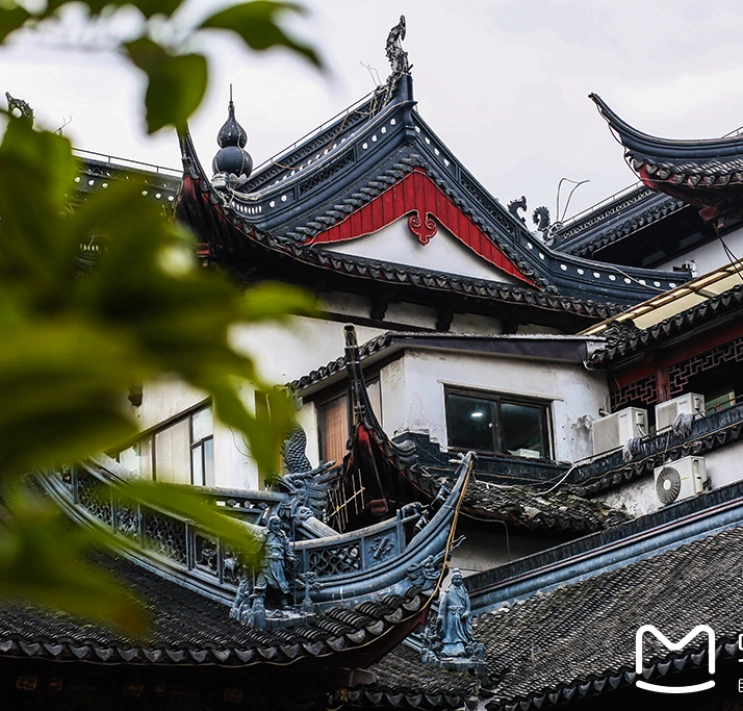
By evening, we cycled to Jing’an Temple. This golden, resplendent temple stands out sharply against the neon-lit city. Modern people come here seeking inner peace; businesspeople come praying for wealth and fortune. The temple’s incense smoke mingles with the lights of luxury boutiques, creating a surreal tableau—this is the faith of ordinary Chinese, shining as bright as the sun and moon.
H3: What to Do Near Jing’an Temple
Leaving Jing’an Temple at dusk, we found Nanjing Road adorned with flowers. We cycled all the way to Meilongzhen Plaza—at No. 1038 West Nanjing Road, this building houses the U.S. visa application center. The basement food court is a feast: shredded pork with pickled vegetable noodles, wontons in chili oil, Cantonese roast duck and char siu, Japanese cuisine—all prepared with authentic flavors.
H2: Frequently Asked Questions (FAQ)
Q1: Is Shanghai bicycle-friendly for tourists?
Yes! Shanghai has an extensive network of bike lanes, and many roads are flat and easy to navigate. However, be aware of traffic in busy areas like Lujiazui and Nanjing Road. You can rent bicycles from Mobike, Hellobike, or local rental shops.
Q2: How long does it take to cycle the route described in this guide?
 The full route—from the City God Temple to the Shanghai Tower, Duolun Road, Lu Xun’s Former Residence, Sinan Mansions, and Jing’an Temple—can take 4–6 hours depending on stops. We recommend starting early in the morning to avoid crowds.
Q3: What is the best time of year for a Shanghai cycling tour?
 Spring (March–May) and autumn (September–November) offer the most pleasant weather. Avoid summer (June–August) due to high humidity and heat, and winter (December–February) can be cold and windy.
Q4: Are there guided bicycle tours available in Shanghai?
 Yes, several companies offer guided tours, including Shanghai Bicycle Tours and Big Bus Shanghai. These tours often include stops at major landmarks and provide bicycles and helmets.
Q5: What should I bring on a Shanghai cycling tour?
Bring water, sunscreen, a hat, comfortable shoes, and a light jacket (even in summer, evenings can be cool). A phone mount for navigation and a small lock are also useful.
H2: Conclusion: Your Shanghai Cycling Adventure Awaits
Shanghai is a city best experienced at a slower pace. By bicycle, you can feel the texture of its streets, smell the incense from ancient temples, and hear the hum of modern life. From the City God Temple’s 600-year-old history to the Shanghai Tower’s dizzying heights, from Duolun Road’s literary legacy to Jing’an Temple’s spiritual calm, this cycling tour offers a unique perspective on one of the world’s most dynamic cities.
Ready to explore Shanghai by bicycle? Rent a bike, grab a map, and start pedaling. The city’s snowy waves—its hidden stories, its contrasts, its energy—are waiting for you.
Book your Shanghai bicycle rental today and discover the city like never before.
[Link: Shanghai bicycle rental options] [Link: Top 10 Shanghai cycling routes] [Link: Shanghai travel tips for first-time visitors]
Note: All facts and prices are accurate as of the original publication date. Please check current prices and opening hours before your visit.