Hello, Shanghai: The Ultimate Guide to the Magic City’s Hidden Depths
Meta Description: Discover why Shanghai, the Magic City, can never be fully explored. From the Bund to Lujiazui, Yuyuan Garden to hidden lilong alleys—this SEO-optimized guide reveals the city’s endless layers.
Introduction: Why Shanghai Is a City That Never Stops Teaching
Primary Keyword: Shanghai travel guide
Long-tail variations: “what to see in Shanghai beyond tourist spots,” “Shanghai hidden gems,” “Magic City travel tips”
During my nearly two years living in Shanghai, I’ve often felt like a first-time traveler—exploring every inch of this city with curious eyes. It’s not intentional; this stop-and-go lifestyle has quietly woven itself into my daily routine. Only when friends visit from afar do I transform into a proper tour guide, shuttling them from one attraction to another from morning till night.
Flipping through the photos accumulated on my phone over these two years—aside from travel shots, almost all are fragments of this city. From early days of simply snapping whatever caught my eye, to gradually learning how to find the right angles, adjust lighting, and compose shots—the more I’ve walked, the more my photos have developed character. Comparing the before and after is like night and day.
The most important lesson this city has taught me is this: In bustling Shanghai, you must know clearly what you want.
The Magic City is a place where a thousand people see a thousand different versions. Some see towering skyscrapers piercing the clouds; others are captivated by the understated elegance of French-style villas. Some revel in the glittering nightlife of malls and bars; others prefer the bohemian charm of cafés and bookstores. Whether it’s Disneyland or the old lilong (traditional alleyway neighborhoods), this is not a city you can sum up in just a few days—it will slowly, subtly, reveal its little surprises, its magic, its uniqueness.

A friend once asked me: “Can I see all of Shanghai in a few days?” I could only laugh and say, not a chance.
I’ve long wanted to write an article about Shanghai, but the deeper I delve, the more I realize how little I know. From initially only knowing the Bund, City God Temple, Tianzifang, and Lujiazui, to gradually falling in love with aimless strolls down Sinan Road, Hengshan Road, Yuyuan Road, and Julu Road; from visiting ancient towns, the seaside, the former French Concession, and outlet malls, to becoming obsessed with the view of the city from high above.
They say life is a journey, so every moment on the road is life itself. We can quiet our minds while walking, reflecting alone: Who am I? Where am I? What am I doing? What do I want? Do I still remember my original dreams?
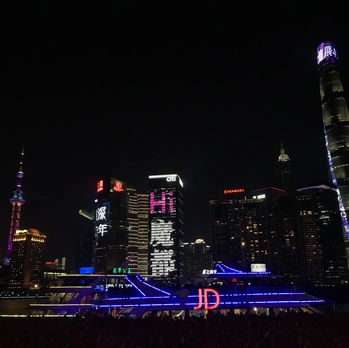
If we compared cities to a class, the Magic City would undoubtedly be the star student. Some people deeply love it; others deeply resent it—because it’s too outstanding, too different.
Some say the person you are today is shaped by the roads you’ve walked, the books you’ve read, and the people you’ve loved. But I think it’s more than that. Every little thing you see, every landscape, every person—whether you like them or hate them; every article you’ve read, every piece of information you’ve received; the environment you’re in, the places you’ve been—all of these have been shaping you since birth, just to varying degrees. They influence your character and temperament, determining who you are now. But everything changes—the earth is round, and it keeps spinning. So you must keep growing, exploring, learning, discovering—see more beautiful scenery, taste a variety of cuisines, meet interesting and lovely people, spread happiness with positive energy, and pass on love through kindness.
Follow the direction of your heart and keep walking. When you don’t want to walk anymore, you can stop anytime. Because it’s in the process of moving forward that you come to understand yourself better, discover your strengths and weaknesses, and know where you’re headed. Only by stepping into a bigger world will you truly know what kind of world you love. Then your heart will follow. You must live as the person you want to be, and love this beautiful world.
Travel isn’t about how far you’ve gone, how many sights you’ve seen, or how many delicious things you’ve eaten—that’s at best distraction and amusement. True travel is when every scene you witness, every custom you encounter, every person you meet, eventually becomes part of your character. You don’t need photos to prove it, or souvenirs to remember it—because your every word and action is the best testament. Form and spirit, both are indispensable.
The Bund Area: A City Icon You Never Tire Of
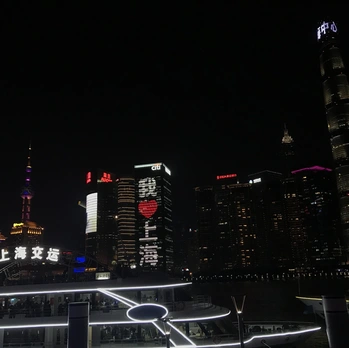
The Bund: A Thousand Faces from Dawn to Midnight
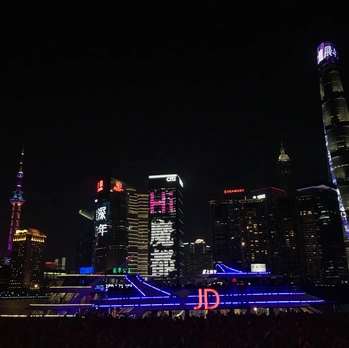
Long-tail keyword: “Best time to visit the Bund Shanghai”
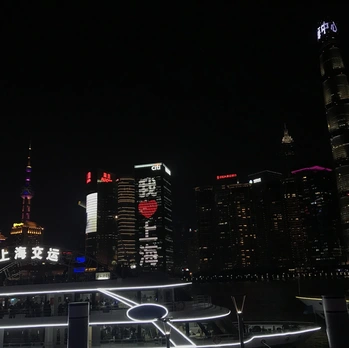
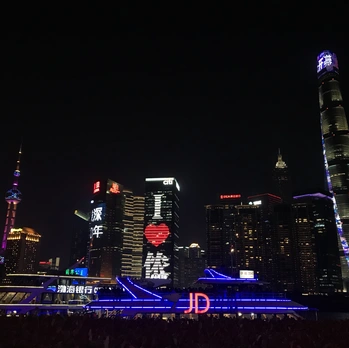
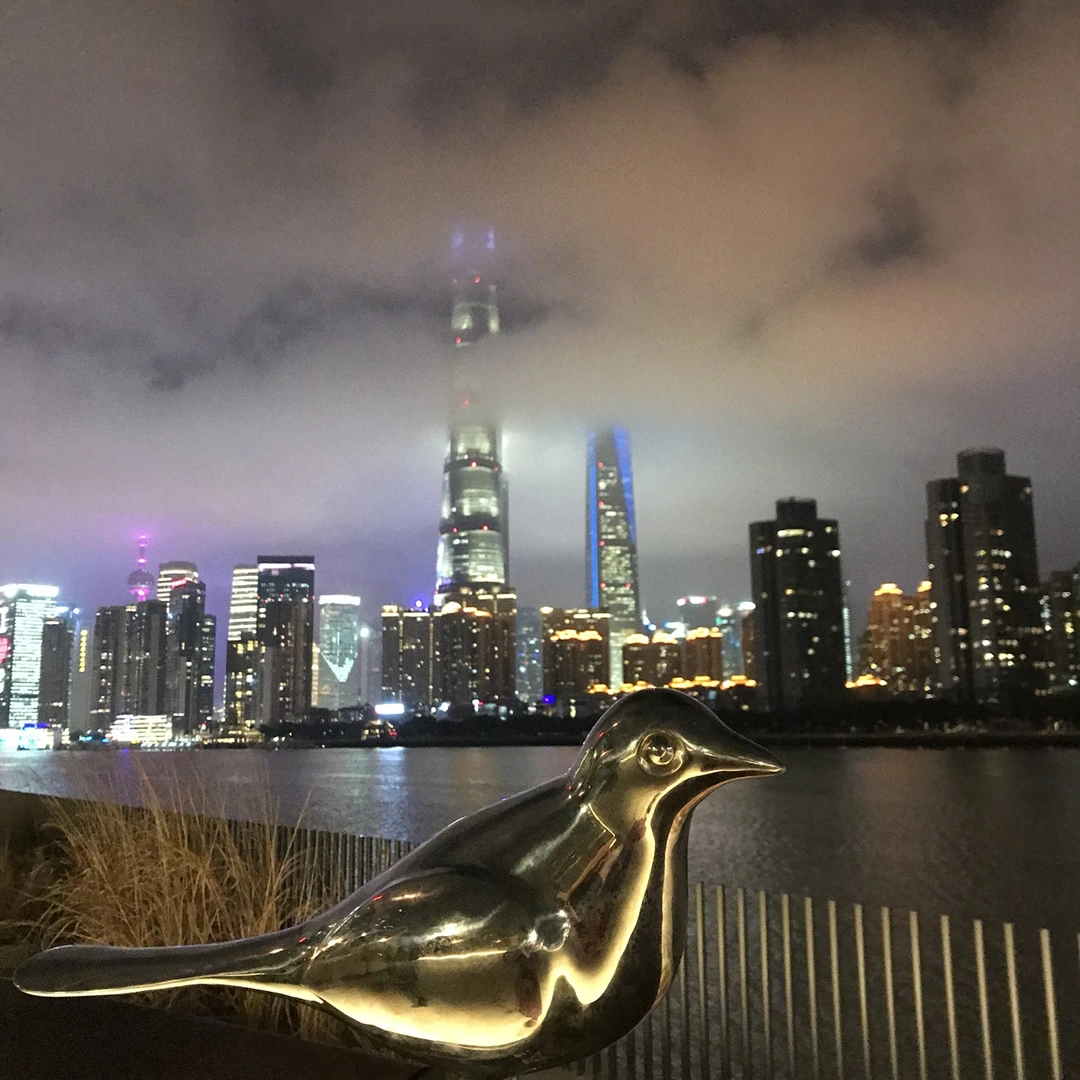
The Bund is to Shanghai what Tiananmen Square is to Beijing—almost everyone has been there, taken photos, and called it a “clichéd attraction.” But strangely, I’ve visited countless times and never once felt bored.
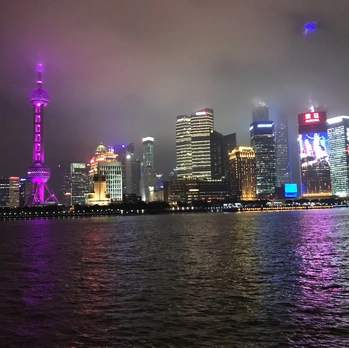
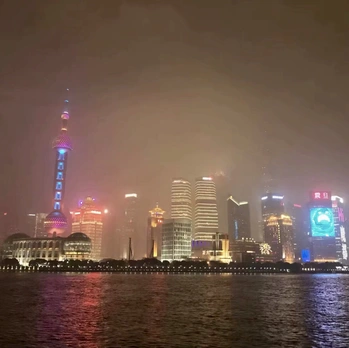
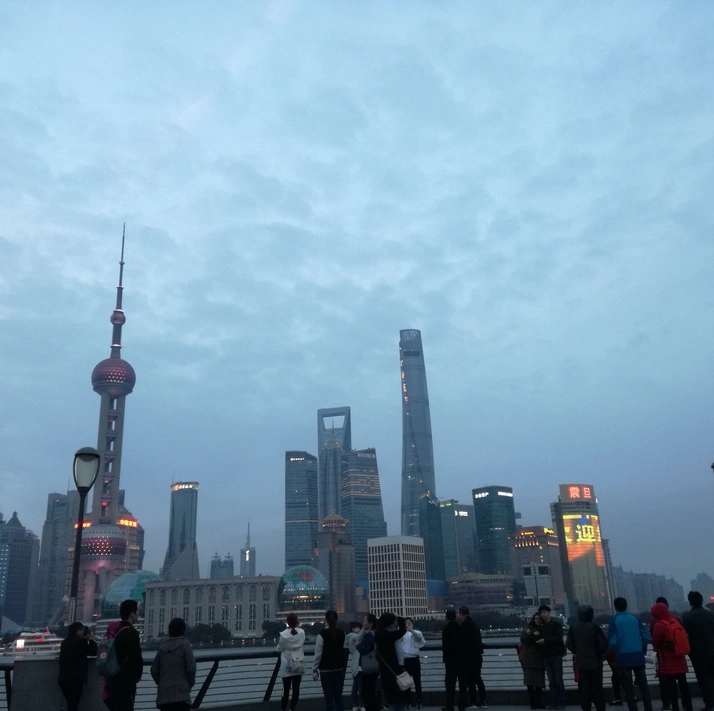
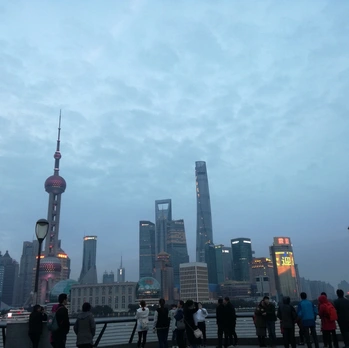
The Bund on a sunny day, a cloudy day, a foggy day, a rainy day; the Bund in the early morning, at dusk, late at night; the Bund I walked alone, with my family, with friends—each time feels different, and each time I find it truly beautiful.
Go to the Huangpu River to feel the breeze, listen to dialects from all over the country, learn the stories behind the Bund’s historic buildings along the waterfront, and trace the history of the Peace Hotel. Walking along the riverbank seems more enjoyable than any check-in activity.
[Link: How to plan a perfect Bund sunset walk]
The Historic Waterfront Buildings: From a Painting to a “Lego Set”
Long-tail keyword: “Bund architecture history explained”
At first glance, the grand buildings along the Bund appear opulent but monotonous. But only after truly seeing and understanding them do buildings from No. 1 to No. 18 come alive in your mind. They are not just a collection of European-style structures—they form a beautiful painting, and even more, a magnificent and vivid “Lego set”—every brick, every window, every pillar has its meaning and story.
[Link: Self-guided walking tour of Bund buildings]
Yuyuan Garden and City God Temple: Greenery and Gold in the City Center
Long-tail keyword: “Yuyuan Garden vs City God Temple Shanghai”
Yuyuan Garden features pavilions like the Sui Hall, Iron Lion, Kuai Tower, Deyue Tower, Jade Exquisite, Jishui Corridor, Tingtao Pavilion, Hanbi Tower, the Inner Garden’s Jingguan Hall, and the Ancient Stage, along with rockeries, ponds, and over 40 other ancient structures. To be honest, after seeing other gardens in the Jiangnan region (south of the Yangtze River), I didn’t have high expectations for Yuyuan. But before Chinese New Year, a friend who flew in from Tianjin wanted to go, so I accompanied her. She even brought vintage-style clothing perfect for garden photos, and we had a blast taking pictures inside.
As for Shanghai street food, head to the City God Temple (Chenghuangmiao). As a Taoist temple with a long history, it enjoys great renown both domestically and internationally. With economic development, this area has formed a small Shanghai tourism circle centered around the temple, its snacks, and Yuyuan Garden. What attracts people most is the temple’s unique architectural style and the dazzling array of street food.
[Link: Best street food stalls at City God Temple]
Lujiazui: The Oriental Pearl and the “Kitchen Trio”
Long-tail keyword: “Lujiazui observation deck comparison”
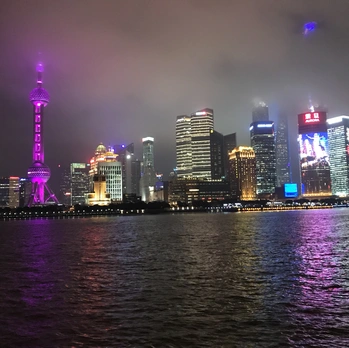
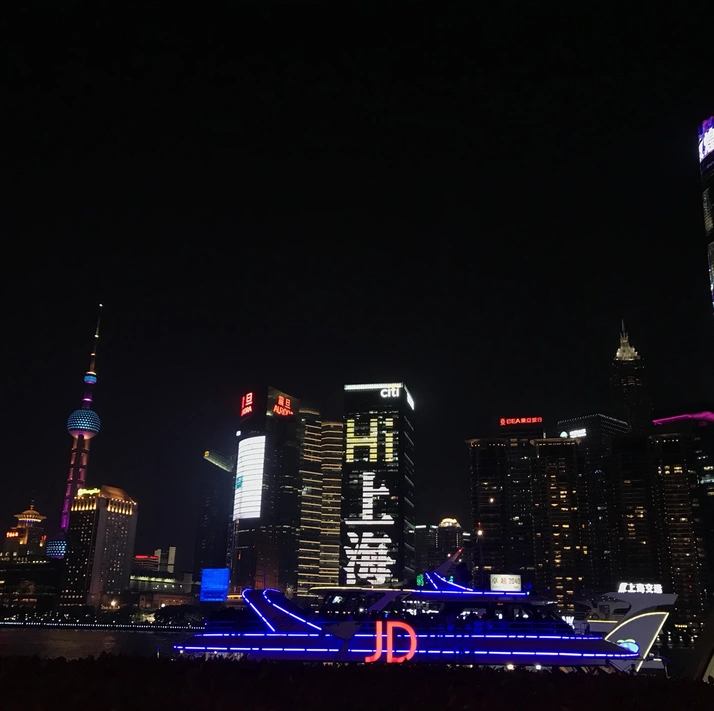
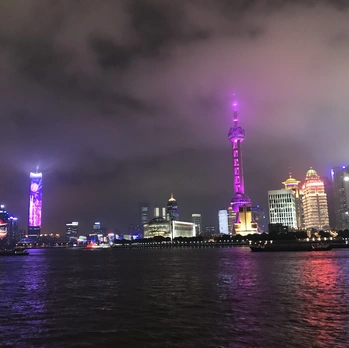
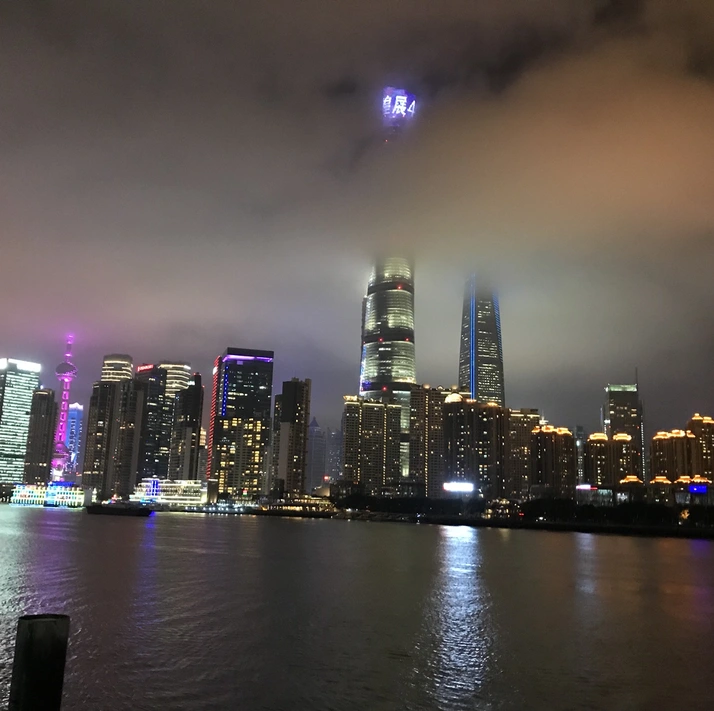
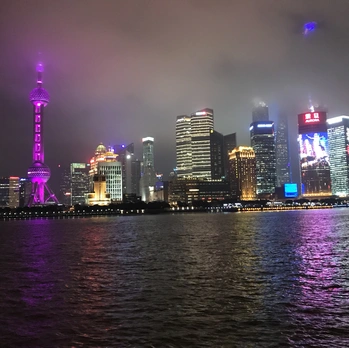
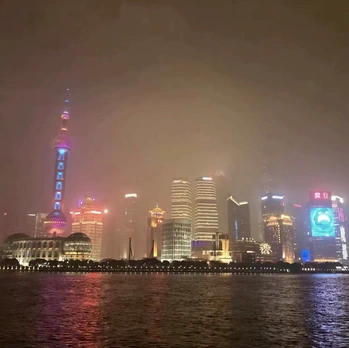
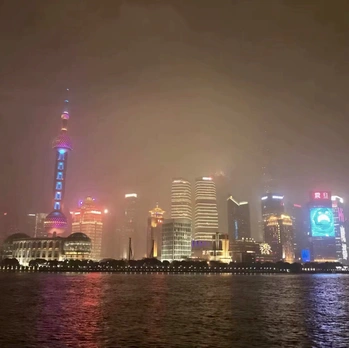
The Oriental Pearl Tower is to Shanghai what Tiananmen is to Beijing—as a city landmark, it draws tens of thousands of tourists. The Magic City has countless skyscrapers, but those offering observation decks are mainly the Oriental Pearl and the legendary “Kitchen Trio.” Pick one to go up and overlook bustling Shanghai—it’s truly a unique experience.
As a financial center, Lujiazui hosts major banks, insurance companies, and securities firms. Walking along Lujiazui Ring Road, you’re surrounded by towering buildings.
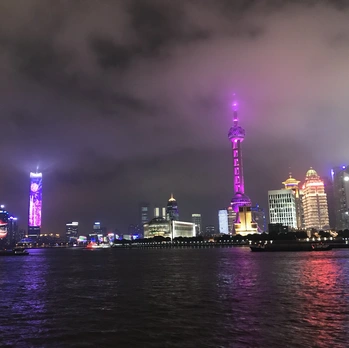
One special mention: the Disney flagship store at the foot of Lujiazui is well worth a visit—aside from the Disney Town store, this is the largest. At dusk, when the Oriental Pearl lights up, the decorative structures at the store’s entrance put on a small performance accompanied by Disney music—great fun.
On clear days, the Oriental Pearl standing tall in Lujiazui looks its best. Descending a certain staircase leads you to Lujiazui’s Apple flagship store—at night, the lighting there is so good you don’t need filters; the original photos are stunning enough.
Lujiazui is dense with skyscrapers, but the real magic happens when you look down from above—the city becomes a living map of ambition and beauty.
[Link: Lujiazui photo spots for Instagram]
Hidden Shanghai: Beyond the Tourist Trail
Long-tail keyword: “Off-the-beaten-path Shanghai experiences”
While the Bund and Lujiazui steal the spotlight, Shanghai’s true soul lies in its quiet corners. The former French Concession offers tree-lined streets with art deco villas and boutique cafés. Walk along Sinan Road or Hengshan Road for a glimpse of old-world elegance. The lilong (traditional alleyway neighborhoods) like Tianzifang and Xintiandi offer a mix of history and modern creativity, but for a more authentic experience, explore lesser-known alleys in the Jing’an or Huangpu districts.
[Link: Best lilong neighborhoods to explore]
FAQ: Your Shanghai Questions Answered
1. How many days do you need to see Shanghai?
At least 3–5 days for the highlights, but a week is ideal to explore both iconic attractions and hidden gems. Shanghai is a city that reveals itself slowly.
2. What is the best time to visit Shanghai?
Spring (March–May) and autumn (September–November) offer mild weather and clear skies. Avoid Chinese New Year and Golden Week (October 1–7) for fewer crowds.
3. Is Shanghai expensive for tourists?
Mid-range. Budget travelers can find affordable street food and hostels for around $30–50/day. Luxury options abound, with high-end hotels and dining costing $200+/day.
4. What are some free things to do in Shanghai?
Walk the Bund, explore the French Concession, visit the Shanghai Museum (free admission), stroll through People’s Square, and enjoy the skyline from the Lujiazui pedestrian bridge.
5. Can I see the Bund and Lujiazui in one day?
Yes—they’s across the Huangpu River from each other. Take the Bund sightseeing tunnel or a ferry for a quick crossing. Morning at the Bund, afternoon in Lujiazui.
[Link: 3-day Shanghai itinerary for first-timers]
Final Thoughts: The City That Never Ends
Shanghai is not a destination—it’s a journey. Every visit reveals new layers, new stories, new angles. Whether you’re standing on the Bund at dawn, eating xiaolongbao at City God Temple, or gazing down from the Oriental Pearl, you’ll realize that this Magic City is a living, breathing entity that refuses to be fully read.
Call to Action:
Ready to uncover Shanghai’s secrets? Start planning your trip today. Bookmark this guide, share it with fellow travelers, and don’t forget to wander off the main streets—that’s where the real magic happens. Follow your heart, and let Shanghai teach you something new.
[Link: Download our free Shanghai travel checklist]
[Link: Join our community of Shanghai explorers on Facebook/Instagram]
This article is based on personal experience and research. For the latest travel updates, check official Shanghai tourism websites or consult your local travel advisor.
You may also like