Fulfilling a Dream in Spain: An 11-Day Barcelona Pilgrimage & Spain Travel Guide

Meta Description: Follow a Barcelona fan's 11-day Spain pilgrimage from Madrid to Barcelona, Granada, and Seville. DIY Schengen visa tips, match-day guide, and itinerary inside.
From a 17-Year-Old Dream to a 25-Year-Old Departure: How I Finally Made It to Camp Nou
Some dreams are worth waiting eight years for.

In the summer of 2010, as the South Africa World Cup kicked off, I sat in front of the TV and was struck by the magic of football for the first time. That blue-and-white teenager with slightly long hair, crying on Maradona's shoulder, became the brightest light of my youth. From my sophomore year in high school to graduate school, I watched him grow from a prodigy into the soul of Barcelona, and deep in my heart, a wish quietly took root—one day, I would stand in the stands of Camp Nou, raise a Barça scarf high, and sing the club anthem with thousands of fans.
The promise I made at 17 finally came true when I turned 25. I saved up nearly half a year's internship salary, and together with my junior schoolmate, I went through visa applications, flight bookings, and frantic ticket purchases. There were plenty of setbacks, but all the difficulties dissolved before we set off. In the end, I set foot on the Iberian Peninsula to fulfill the most important dream of my teenage years.
This travelogue was started at the end of March and only finished at the end of August—a classic case of procrastination.
Why This Travel Companion Was the Perfect Partner for a Spain Pilgrimage
Joining me on this trip was my junior from undergrad. She had been on exchange in Europe for half a year and had already explored half the continent. What's more, she's also a Barcelona fan—she had watched a match at Camp Nou last November, and this time she accompanied me on a return trip to Spain before heading back home.

My junior was my official photographer for the trip. Apart from the photos she's in (which I took), almost all the beautiful shots came from her camera. She uses a Canon 760D kit, while I have a Sony A6000 kit—and in comparison, the DSLR definitely delivers better image quality.
A quick shout-out to my junior's Weibo: Juliaaaaa- (note: it's the one with over 800 followers, not the fake account with just a few!). She's a fan of Marc-André ter Stegen, and the photos we took on this trip even got a like from the "Lion" himself! If you're a fan of the little lion, go follow her.
Traveling with my junior was incredibly reassuring. She always managed to take great photos, and whenever we ran into trouble, we solved it together. I'm grateful she was there for those 11 days—she helped me navigate all kinds of chaos and come out unscathed.
Complete 11-Day Spain Itinerary: A Clockwise Loop Through 5 Cities

I originally planned just a week in Spain, but when applying for the visa, I asked for a few extra days just in case, which led to a longer plan. Once the visa came through, I realized I didn't want to skip any sights, so I stretched the trip to 11 days.
Main stops: Madrid (including Segovia) → Barcelona → Granada → Seville (including Ronda)
Pro tip: If you don't have match schedules or visa time limits to worry about, it's better to fly into Barcelona and out of Madrid, so you don't have to backtrack to your first city. But flying into and out of different cities is usually more expensive than a round trip. Pros and cons—it depends on your preferences.
Detailed Day-by-Day Spain Travel Itinerary

| Date | City | Main Activities |
|---|---|---|
| Feb 27 | Beijing → Madrid | Layover in Moscow (a bumpy road, more on that later) |
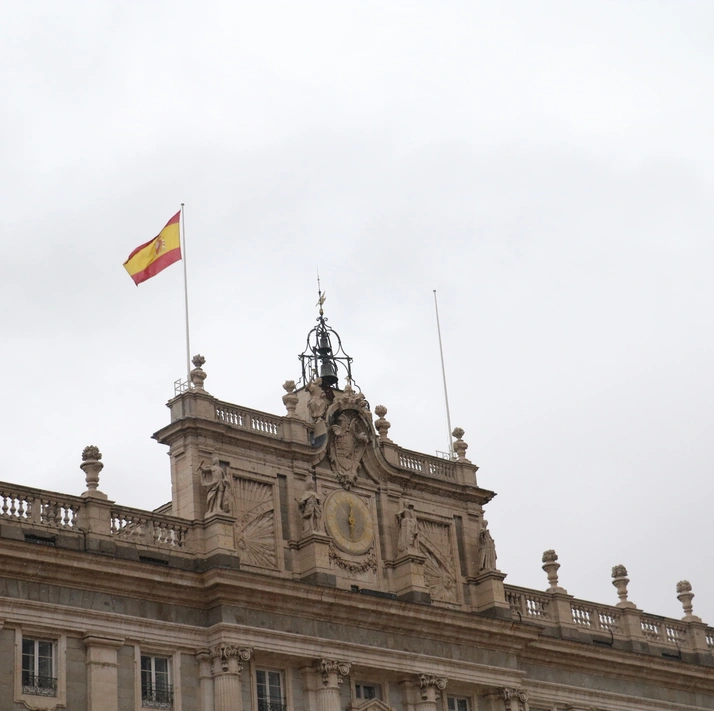
| Feb 28 | Madrid | Royal Palace → San Miguel Market → Retiro Park → Prado Museum |
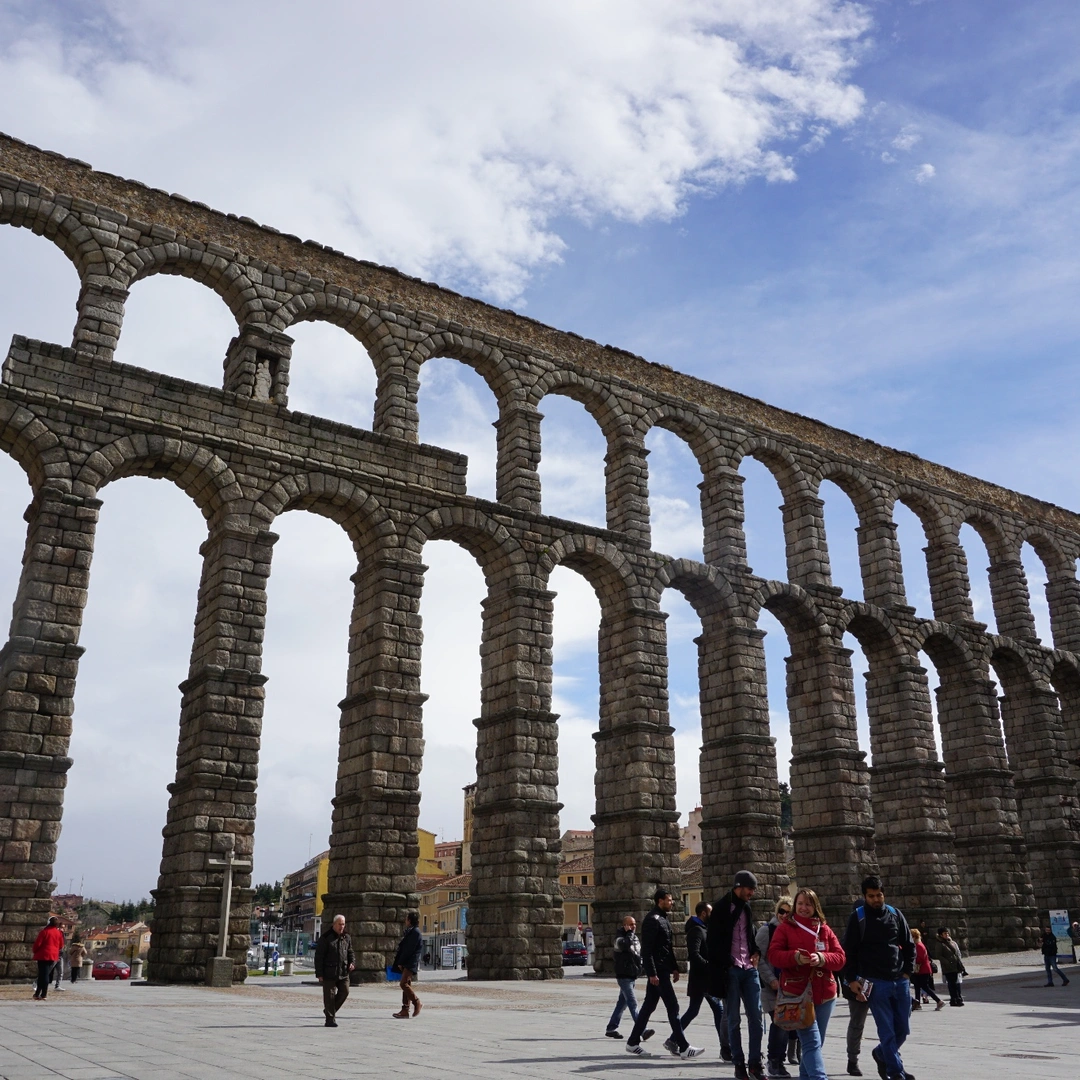
| Mar 1 | Segovia | Roman Aqueduct → Cathedral → Alcázar → Return to Madrid |
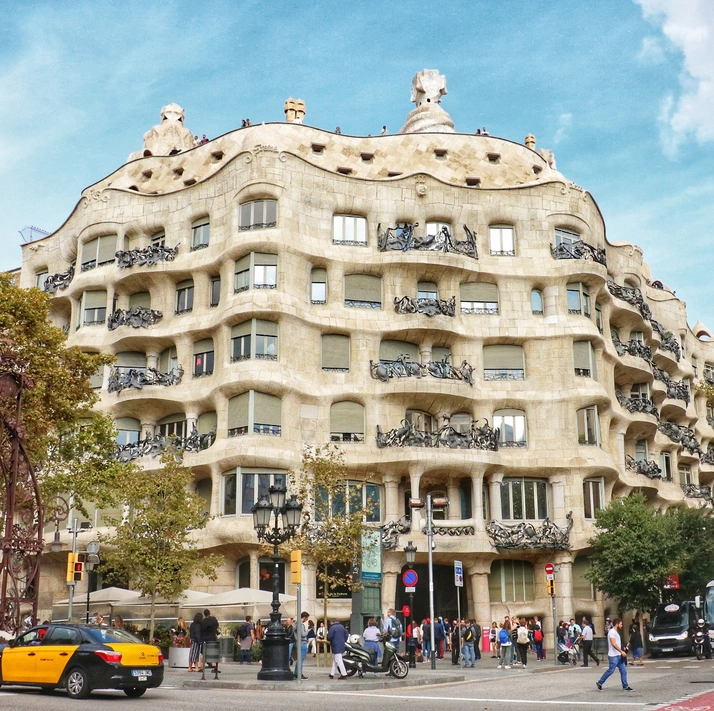
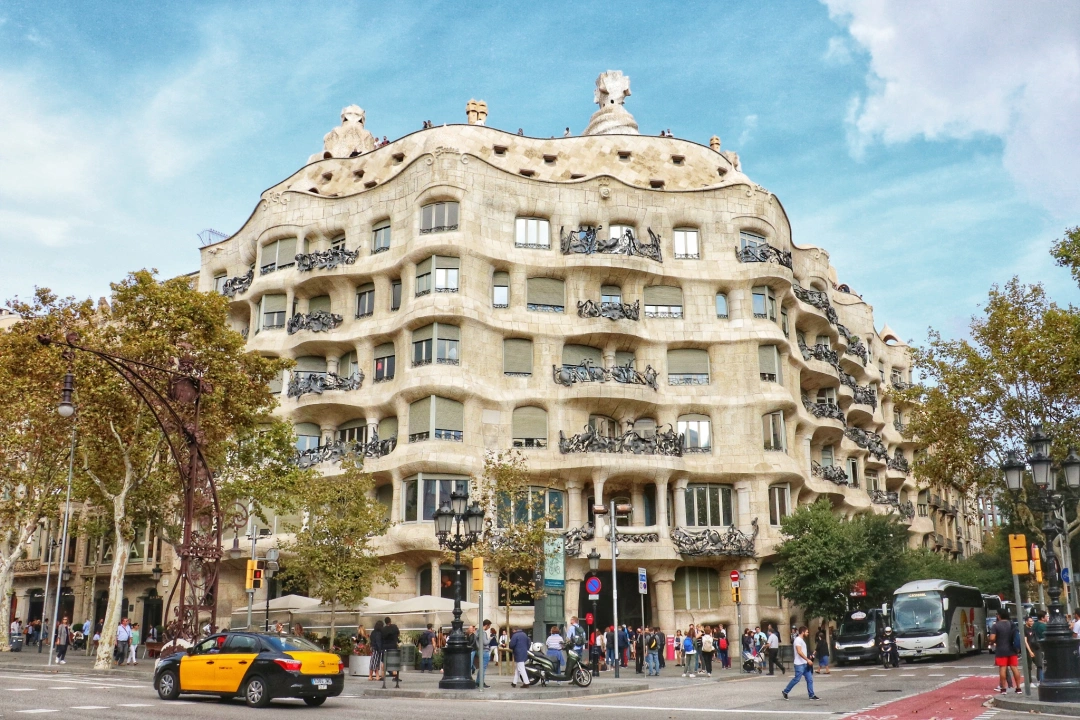
| Mar 2 | Barcelona | Casa Milà → Casa Batlló |
| Mar 3 | Barcelona | Sagrada Família → La Boqueria Market → Camp Nou Museum → Magic Fountain |
| Mar 4 | Barcelona | Park Güell → Watching a match at Camp Nou |
| Mar 5 | Barcelona | Vintage shopping → Retail therapy → Beach night view |
| Mar 6 | Granada | Mirador in the Albaicín district |
| Mar 7 | Granada | Alhambra Palace → Albaicín district |
| Mar 8 | Seville | Cathedral → Plaza de España → Flamenco show |
| Mar 9 | Ronda | Plaza de España → Puente Nuevo → Old Bridge → Return to Seville |
| Mar 10 | Madrid | Train back → Shopping |
| Mar 11 | Madrid → Beijing | Layover in Moscow |
[Link: Best time to visit Spain for football fans]
DIY Schengen Visa Guide: Save Money and Hassle for Your Spain Trip

As a current graduate student, I was worried that using my internship salary as proof of income might lead to rejection, so I used my parents' income as travel sponsorship instead. After some online research, I found that applying for a Schengen visa is totally doable on your own—whether you use an agent or not, you still have to go to the visa center in person for fingerprints. As long as you follow the official requirements step by step, getting the visa is no problem.
Required Documents for a Spain Schengen Visa
1. Visa Application Form Download from the Spanish visa center's official website. Fill it out by hand or print it in English or Spanish using block capitals. I handwrote mine, only capitalizing the first letters in the address section—nobody cared when I submitted it.
2. Student ID and School Letter Prepare both Chinese and English versions on official letterhead paper. The letter must include the approved leave period, the name and position of the approving person, and the school's full address and phone number. Make sure the phone number is accurate in case the embassy calls to verify. If you're traveling during a holiday, you don't need a leave letter, but include a note explaining the situation.
3. Parents' Financial Support Documents - For employed parents: Company business license copy + employment letter (in English or Chinese with English translation) - For retired parents: Pension or fixed income statement + retirement certificate - Parents' consent letter for financial support (not required on the checklist, but I prepared it just in case) - Parents' bank statements from the last 3–6 months (no deposit certificate needed; a balance of 20,000–30,000 RMB is enough) - Notarized kinship certificate + Ministry of Foreign Affairs authentication: I did this at the Fangyuan Notary Office for 128 RMB (notary fee) + 100 RMB (authentication fee) = 228 RMB total. On Taobao, the same service costs 800 RMB!
4. Travel Itinerary A clear document showing your schedule, including transportation and daily plans. There are templates online, but you should create your own so you can answer any questions if the embassy calls.
5. Flight Booking Confirmation Book on Ctrip without paying, then call customer service to have them send the booking confirmation to your email. Just print the web page—pay after the visa is approved.

6. Accommodation Proof Book everything on Booking.com with free cancellation, then print the confirmation.
7. Travel Medical Insurance Minimum coverage of 30,000 euros. I bought the "Schengen King" basic plan from Allianz (300,000 RMB coverage) for 15 days at just 130 RMB. The policy was emailed to me, and I printed just the first page.
8. Passport Must be valid for at least 3 months beyond your planned departure from the Schengen area, with at least 2 blank pages. Photocopy every page (even blank ones! Copy the first page twice).
9. Household Registration Booklet Original + photocopies of all pages. If you have a collective household registration, get the front page and your personal page from your school. If the front page can't be loaned out, photocopy it and have the school stamp it.
10. Recent Photo White background, 26–35mm wide, 32–45mm long. Must be a recent photo—the staff will ask when it was taken. But this photo is only for the application; the one on your visa will be taken on-site, so make sure you look presentable when you go in—don't ask me how I know.
Total visa cost: Visa fee 582 RMB (including 119 RMB service fee) + 60 RMB courier fee (passport can only be mailed) = 642 RMB
[Link: Schengen visa tips for students]
Transportation Guide: From International Flights to Local Travel in Spain

Getting to Spain: International Flights
I flew from Beijing to Madrid with a layover in Moscow. The total journey took about 12 hours of flight time plus a 3-hour layover. If you're booking from Asia, compare prices on round-trip vs. multi-city flights. A round-trip to Madrid is often cheaper, but you'll need to backtrack to your departure city at the end.
Getting Around Spain: Trains and Buses
For intercity travel, Spain's high-speed AVE trains are excellent. I took the train from Madrid to Barcelona (about 2.5 hours) and from Seville back to Madrid. For shorter routes like Granada to Seville, buses are a budget-friendly option.

Local transportation tips: - Madrid: Metro is efficient and cheap. Buy a 10-trip ticket. - Barcelona: The T10 card works for metro, bus, and tram. - Granada: Walk or take the bus to Alhambra. - Seville: Most attractions are walkable.
[Link: Spain train vs bus travel guide]
Camp Nou Match Day Experience: A Barcelona Fan's Dream Come True
The highlight of my entire trip was watching a match at Camp Nou. I bought tickets online about a month in advance through the official Barcelona FC website. Prices vary depending on the opponent and seat location—I paid around €80 for a decent seat in the second tier.

Tips for buying Camp Nou tickets: - Buy early for big matches (El Clásico, Champions League). - Avoid buying from scalpers outside the stadium. - The Camp Nou Museum tour is worth doing on a non-match day.
Match day atmosphere: Arrive at least an hour early to soak in the pre-match energy. Fans gather outside, buy scarves and flags, and chant. Inside, the stadium comes alive with the club anthem. It's an experience every Barcelona fan should have at least once.
[Link: How to buy Barcelona FC tickets]
FAQ: Spain Travel for Football Fans

1. How much does a 11-day Spain trip cost?
 I saved up nearly half a year's internship salary. Budget around €1,500–€2,500 for flights, accommodation, food, and tickets, depending on your travel style.
2. Do I need a visa to visit Spain from China?
 Yes, Chinese citizens need a Schengen visa. Apply at the Spanish consulate or visa center. The DIY process cost me about 642 RMB plus notary fees.
3. Is it safe to travel alone in Spain as a woman?
 Yes, Spain is generally safe. I traveled with a friend, but solo female travelers are common. Just practice standard safety precautions: avoid dark alleys at night, keep valuables secure, and watch for pickpockets in tourist areas.
4. Can I visit Camp Nou without a match ticket?
 Yes! The Camp Nou Museum and stadium tour are open daily. You can visit the pitch, locker rooms, and trophy room. I did this on a non-match day.
5. What's the best time to visit Spain for football?
The La Liga season runs from August to May. Avoid summer (June–August) when there are no matches. Spring (March–May) and autumn (September–November) offer good weather and match schedules.
Final Thoughts: Why You Should Plan Your Spain Pilgrimage Today
This trip was everything I dreamed of and more. From the awe-inspiring Sagrada Família to the electric atmosphere of Camp Nou, from the Moorish beauty of Alhambra to the flamenco rhythms of Seville—Spain delivered on every level.
If you're a Barcelona fan dreaming of watching a match at Camp Nou, or simply a traveler looking for an unforgettable European adventure, start planning now. Save up, apply for your visa, and book those flights. The memories you'll make are worth every penny.
Ready to start your Spain pilgrimage? Share this article with a travel buddy, and check out our [Spain travel planning guide] for more tips.
Have questions about my itinerary or visa process? Leave a comment below—I'd love to help you plan your dream trip!
You may also like