"Frozen Planet": A Winter Self-Drive Journey Through Tibet – The Ultimate Guide
Meta Description: Discover the magic of Tibet in winter with this 6-day self-drive itinerary. From frozen Yamdrok Lake to Puma Yumco's blue ice, experience the "Frozen Planet" on a budget of just 2,000 RMB per person.
Introduction: Why Winter is the Best Season for a Tibet Self-Drive Tour
Some journeys are meticulously planned; others are gifts from fate. Our winter self-drive through Tibet began with two bargain airline tickets—and ended with an unforgettable encounter with a frozen paradise. While most travelers flock to Tibet in summer, we discovered that the Tibet winter self-drive experience offers something far more magical: empty roads, crystalline lakes, and a profound silence that only the "Frozen Planet" can deliver.

This is not just a travelogue—it's your complete guide to planning a winter road trip in Tibet, complete with route details, altitude tips, and the best frozen lakes to visit between December and February.
Route Overview: A Clockwise Pilgrimage Through Tibet's Winter Wonderland
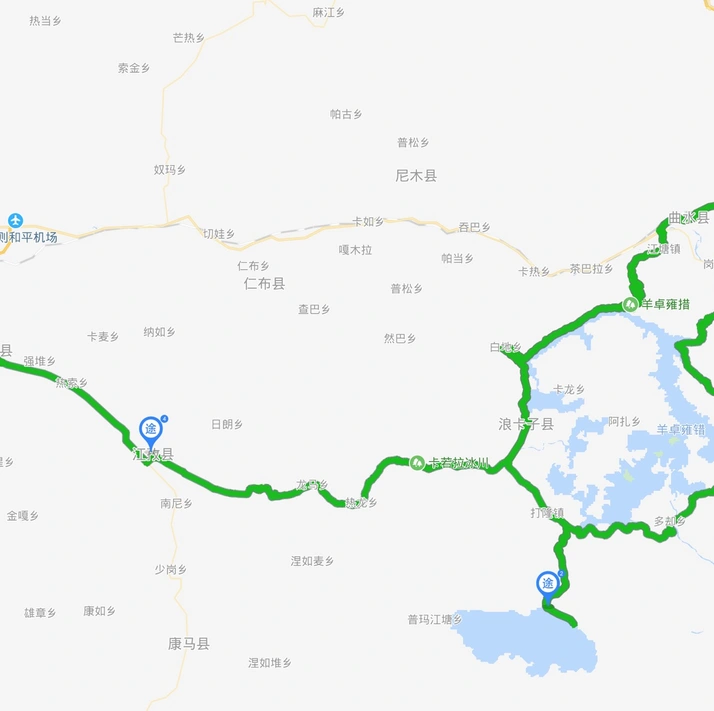
Our clockwise circuit was designed to maximize scenic diversity while minimizing altitude shock:
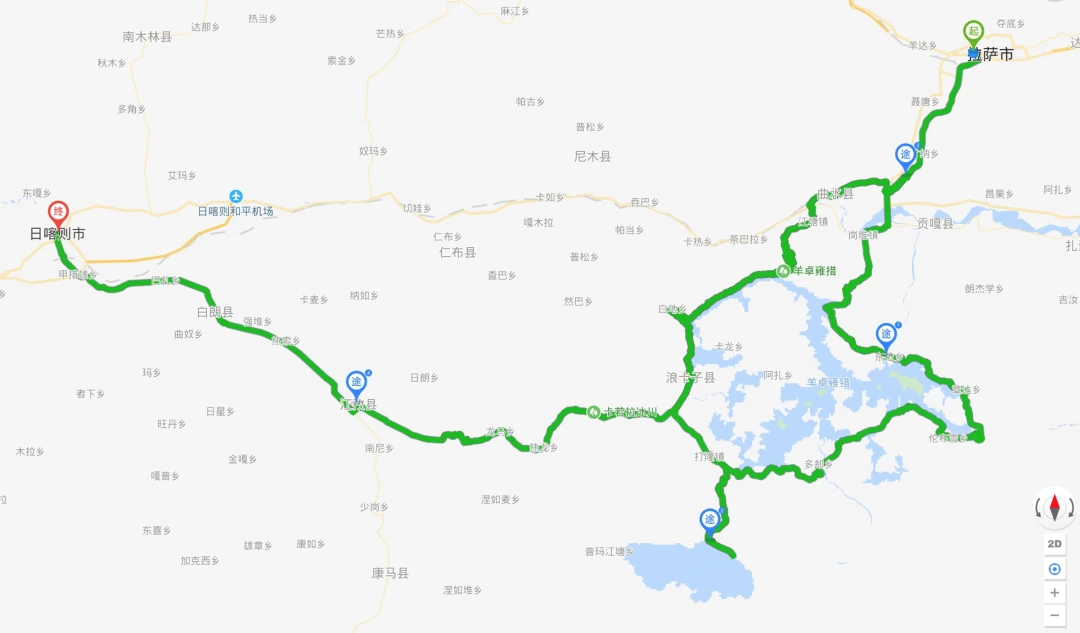
Lhasa → Yamdrok Lake (Eastern Route) → Nagarze County → Puma Yumco Lake → Gyantse → Shigatse → Gyantse → Nagarze County → Complete the clockwise circuit around Yamdrok Lake → Lhasa
Duration: 6 days
Per-person cost: Approximately 2,000 RMB (including bargain airfare and budget accommodation)
Best time: December to February for frozen lakes and clear skies
[Link: Best time to visit Tibet in winter]
Chapter One: Arriving in Lhasa – The Holy City at Dusk
Getting There: From Airport to City Center
Our flight touched down at Lhasa Gonggar Airport at 5:30 PM. The 30 RMB airport bus (cash only!) took us into Lhasa city proper in about 70 minutes—just in time to catch the sunset over the Potala Palace.
Pro tip: Always carry cash in Tibet. Many services, including airport buses and small guesthouses, do not accept cards or mobile payments.
The Rental Car Experience
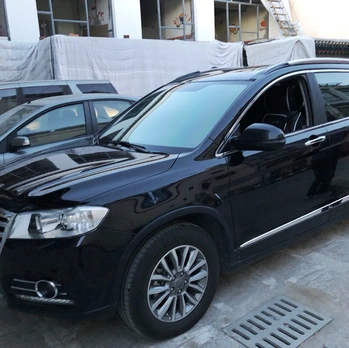
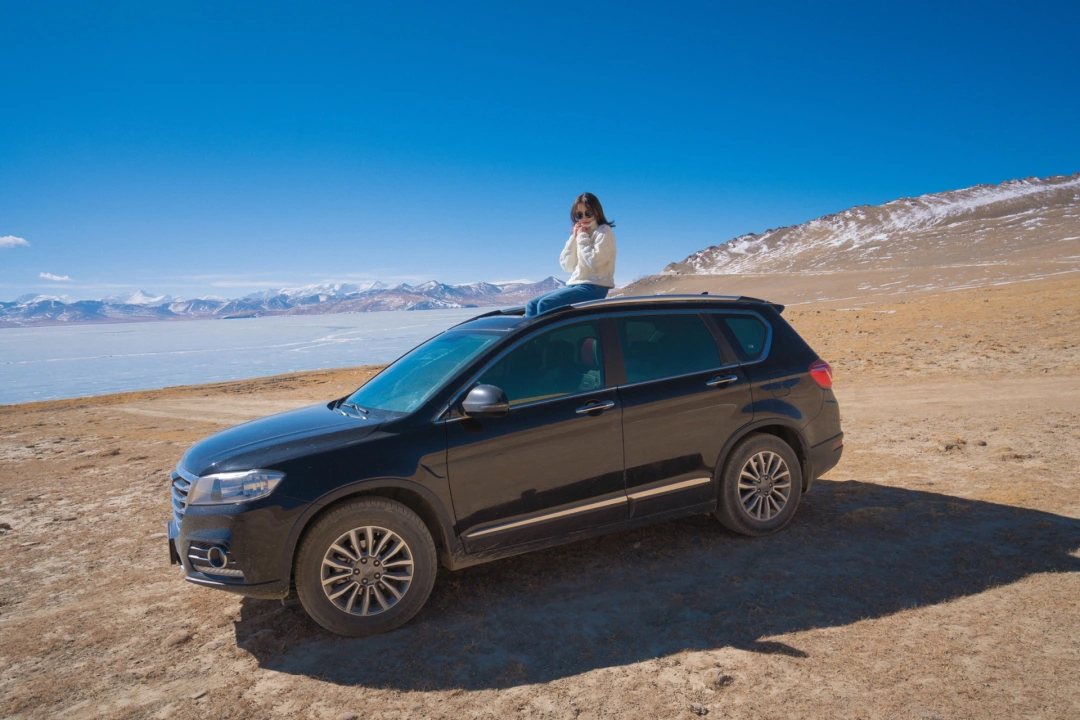
The rental car company delivered a brand-new 2017 SUV—affectionately named "Little Black"—directly to our guesthouse. The vehicle was spotless, reflecting the company's professionalism. We recommend booking a 4WD vehicle for Tibet winter driving, as mountain roads can be icy.
Lhasa's Winter Food Scene
Lhasa's culinary scene is far richer than most travelers imagine. Beyond authentic Tibetan cuisine, the city's proximity to Sichuan means it's overflowing with hotpot, skewers, and Sichuan restaurants. However, we arrived during a rare overlap of Chinese New Year and Tibetan New Year, so many shops were closed.
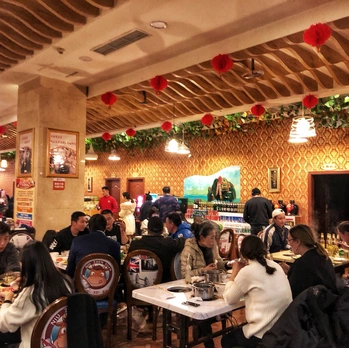
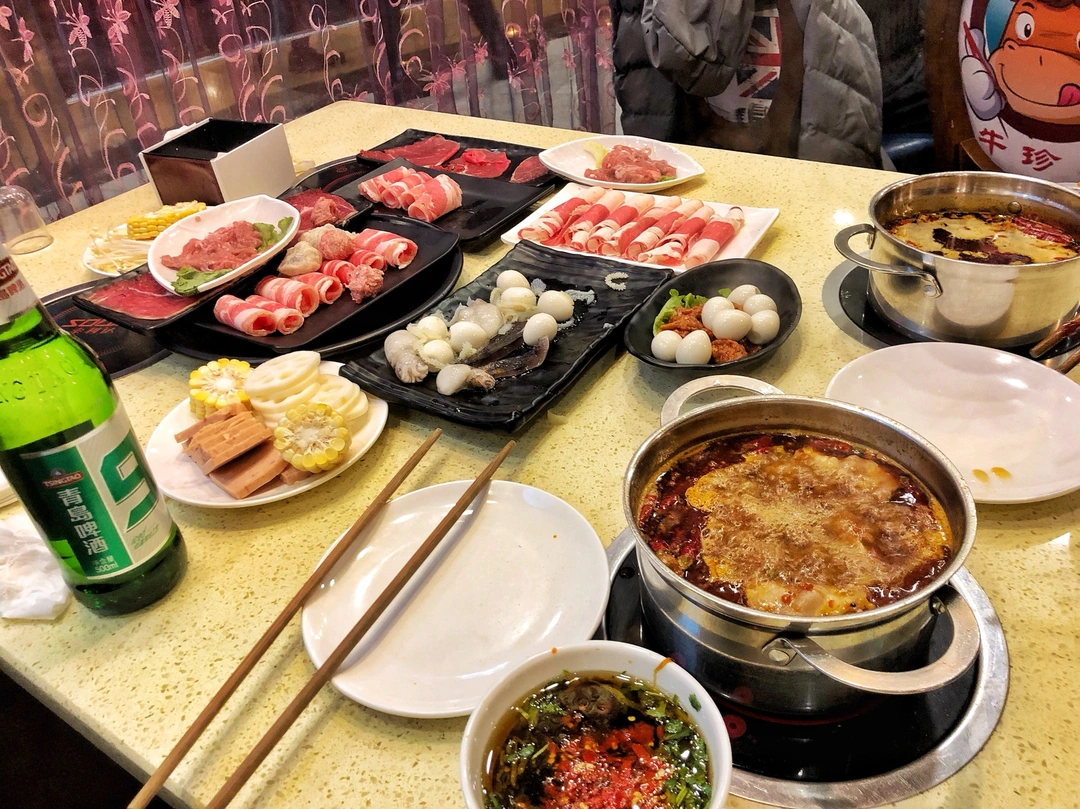
We settled on a self-service hotpot place. Warning: Food service stops at 10 PM, and they require a 100 RMB deposit to prevent waste. We loaded our table with eyes bigger than our stomachs—and spent the night waddling back to our guesthouse with aching bellies. Consider this the "price of happiness" in Lhasa.
[Link: Best restaurants in Lhasa for winter travel]
Chapter Two: The Eastern Route of Yamdrok Lake – An Ice-Blue Fairyland
Pre-Departure Preparations
At 9:30 AM, we climbed into "Little Black" and headed to the supermarket. This is critical: The route ahead passes through areas with altitudes exceeding 4,700 meters. Even people who don't normally suffer from altitude sickness may feel unwell.
Recommended supplies for high-altitude driving: - Energy boosters: Chocolate (M&M's), Skittles, Red Bull or similar energy drinks, Diet Coke - Staples: Self-heating rice meals, bottled water - Other: Wet wipes, tissues, snacks
After filling the tank, we hit the Lhasa Airport Expressway and headed south.
Taking the Road Less Traveled: The Eastern Route
Most tourists take the airport expressway toward Qushui County, then follow the western side of Yamdrok Lake to Nagarze County. We chose the eastern route—not only does this align with Tibetan Buddhist tradition of clockwise circumambulation, but it also helps avoid crowds.
Navigation tip: The GPS defaults to the conventional route. To go clockwise, set these waypoints: Dongla Township and Lunbu Snow Township, with the final destination set to Nagarze County.
The Frozen Yamdrok Lake: A Sapphire in the Plateau
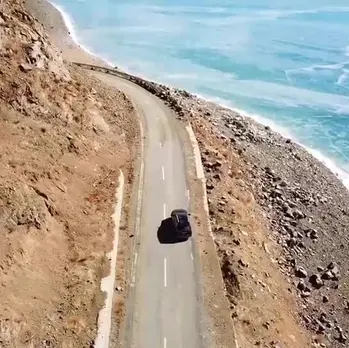
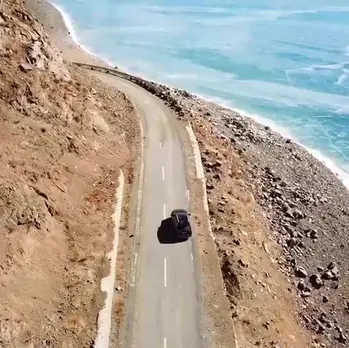
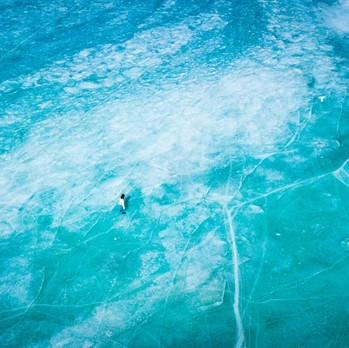
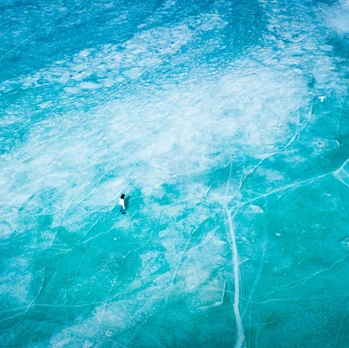
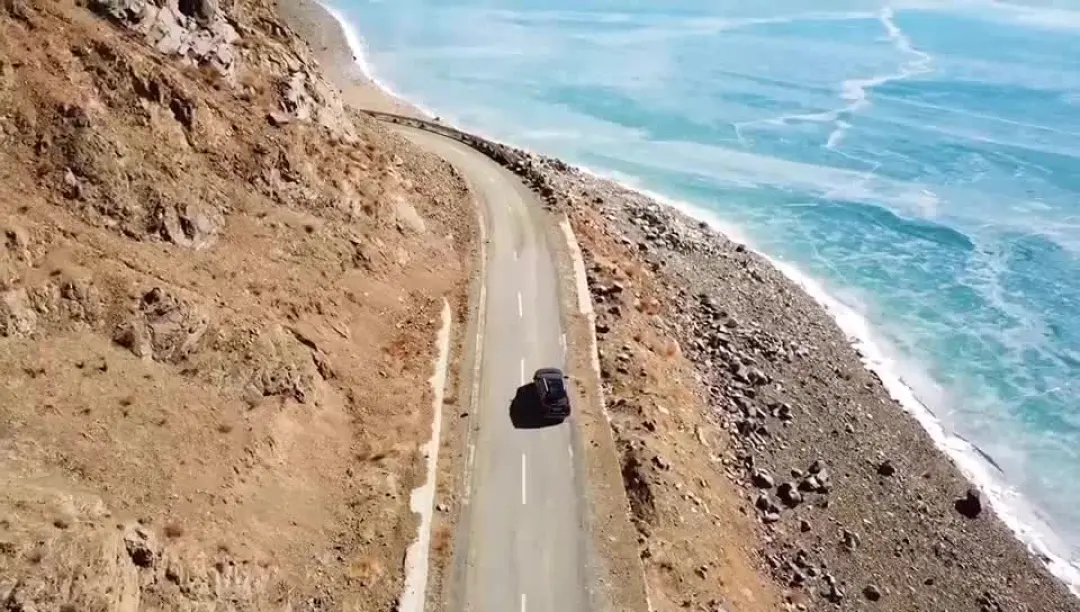
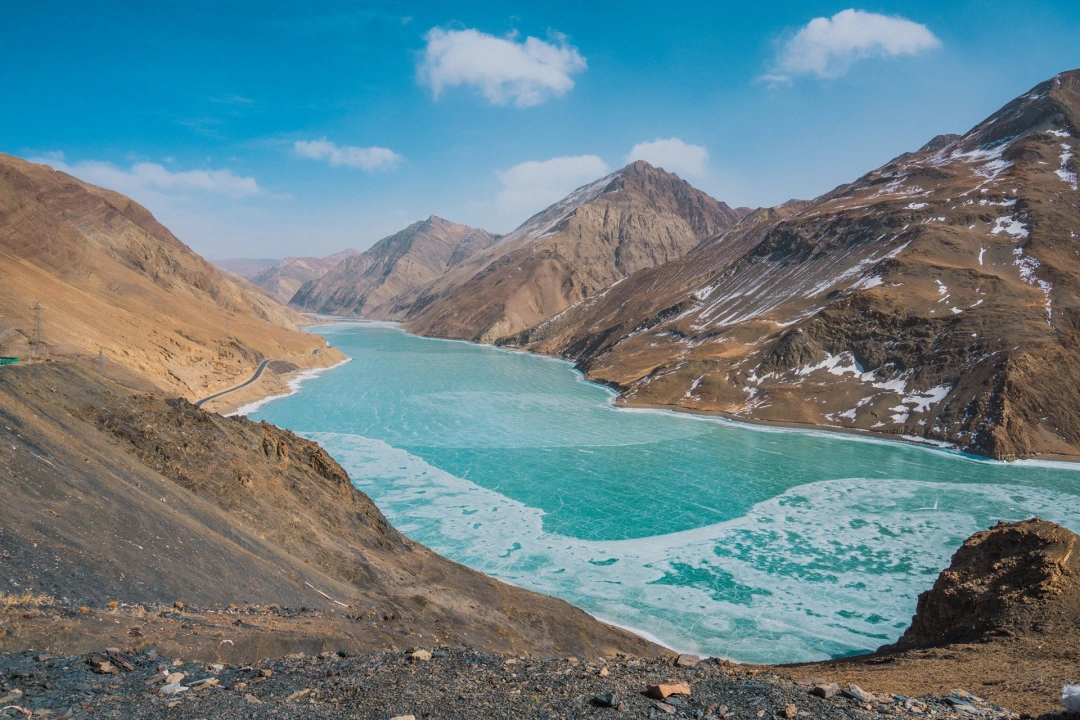
The eastern shore of Yamdrok Lake, sheltered from the wind and at a higher altitude, was completely frozen. There were very few vehicles along the way, and plenty of spots where we could get up close to the ice.
Standing on the frozen surface, we launched our drone for aerial footage. Under the ice-blue filter, Yamdrok Lake looked like a sapphire embedded in the Tibetan plateau—a sight that no summer photograph can capture.
A Night of "Making Do" in Nagarze County
We had planned to stay in Darlung Town, but during the New Year holiday, all accommodations were closed. We drove another 23 kilometers to Nagarze County, assuming it would have decent lodging.
Reality check: Nagarze County's guesthouses are basic. We ended up in a 120 RMB room with no private bathroom and no running water. The owner explained that winter had frozen the water supply—a common issue across Tibet winter accommodations.
That one night of "making do" triggered a full-blown bout of altitude sickness.
[Link: How to prevent altitude sickness in Tibet]
Chapter Three: Puma Yumco Lake – The Awe of Blue Ice and Ice Cracks
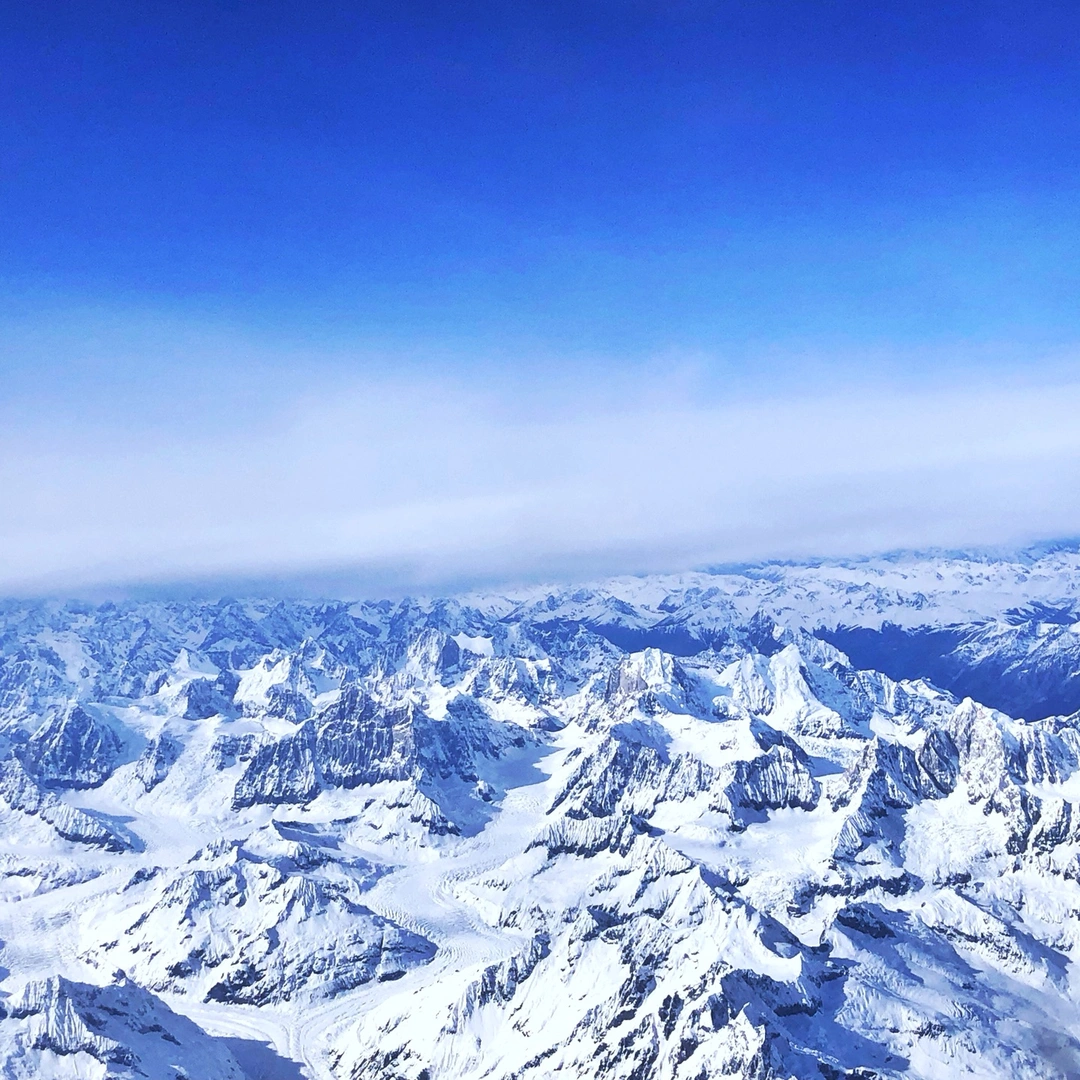
The Price of Altitude Sickness
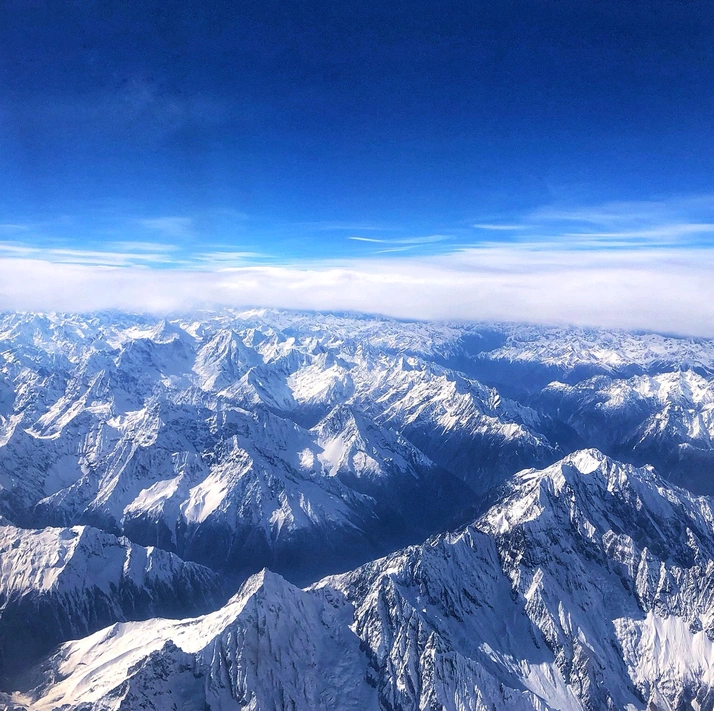
Nagarze County sits at 4,700 meters. With tightly sealed windows and poor air circulation, I barely slept. My head throbbed with a splitting headache; I felt like the blood vessels in my brain might burst. The next morning, I sat on the edge of the bed for half an hour before the pain eased.
Altitude sickness tip: If you're staying above 4,500 meters, ensure your room has adequate ventilation. Consider bringing a portable oxygen canister.
Puma Yumco Lake: The World's Highest Large Freshwater Lake
The drive from Nagarze County to Puma Yumco Lake (Tuiwa Village) was about 64 kilometers, taking roughly 1.5 hours. When "Little Black" crested the final stretch, the sight took my breath away: sacred mountains embraced the holy lake, creating a panorama similar to Namtso Lake from afar.
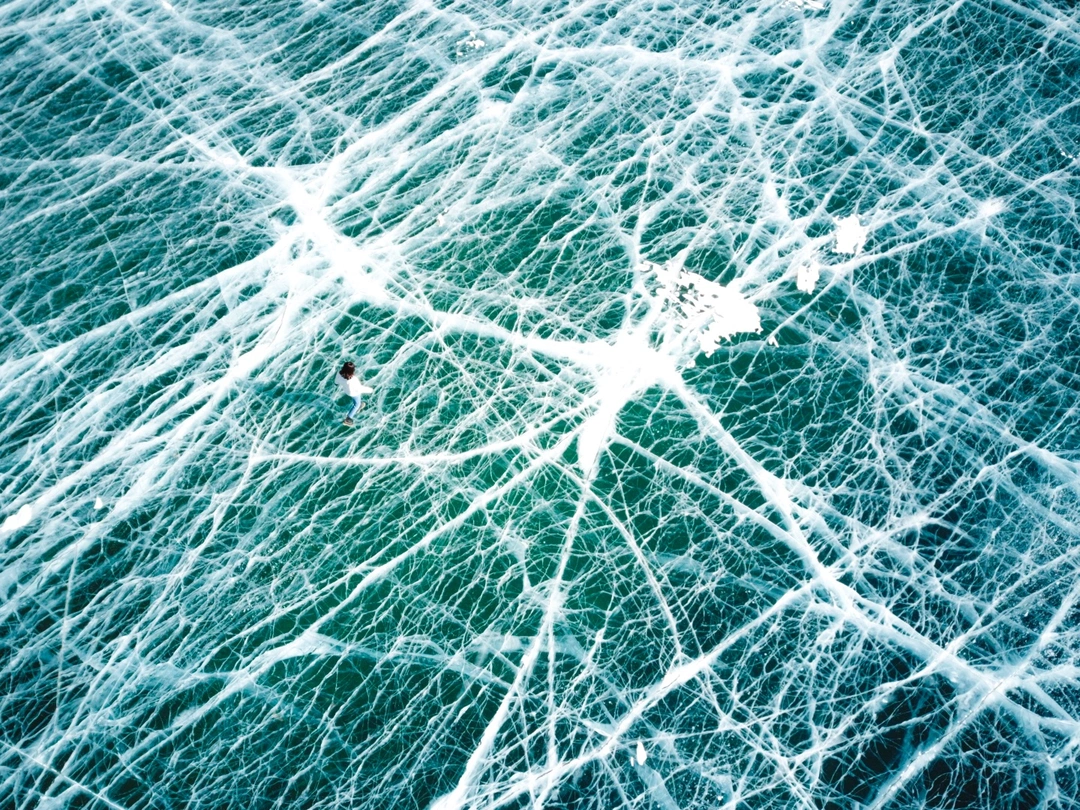
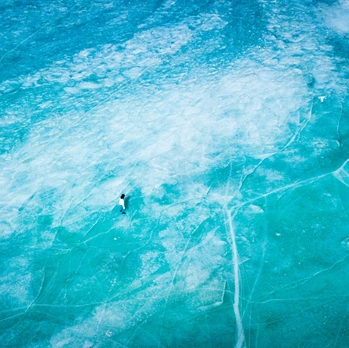
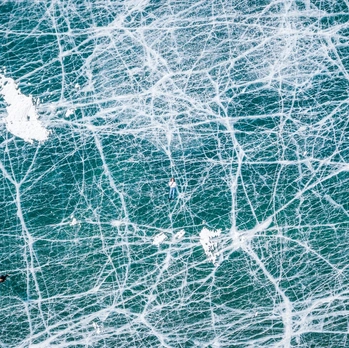
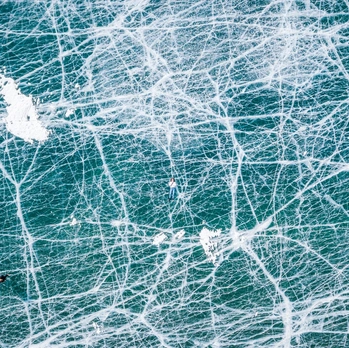
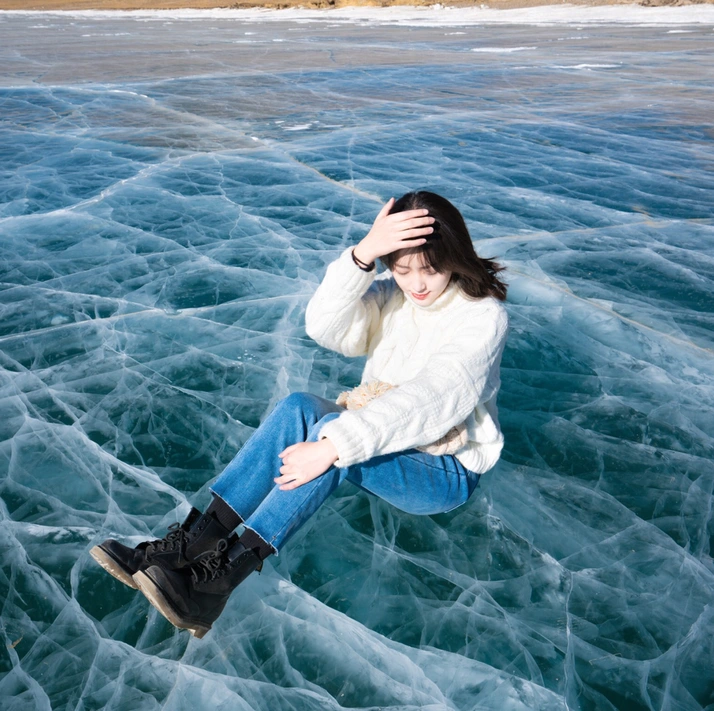
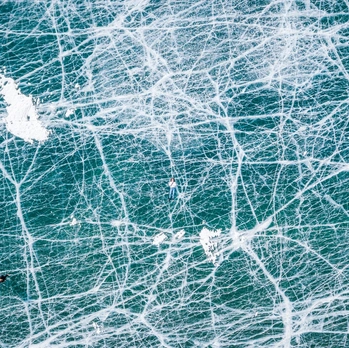
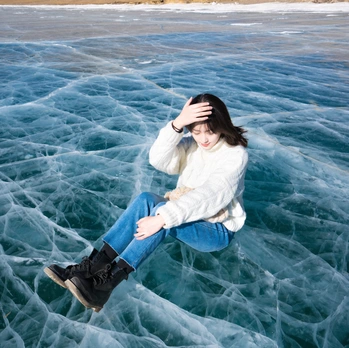
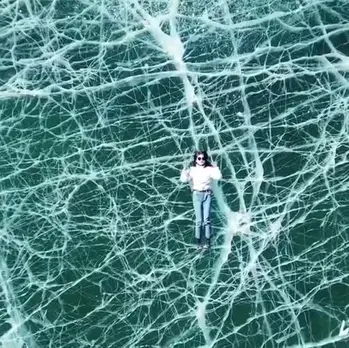
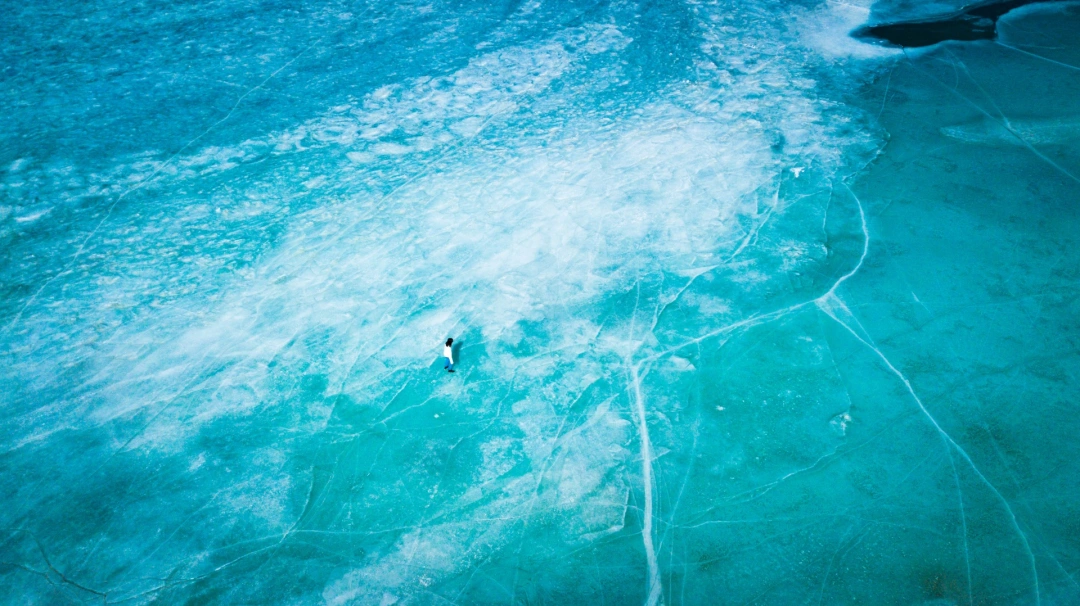
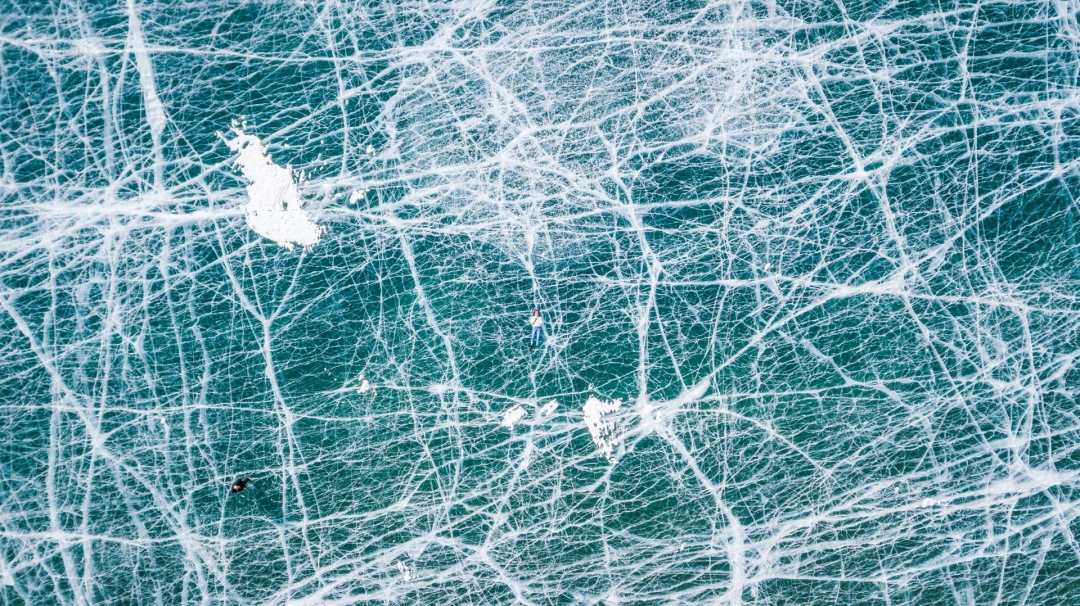
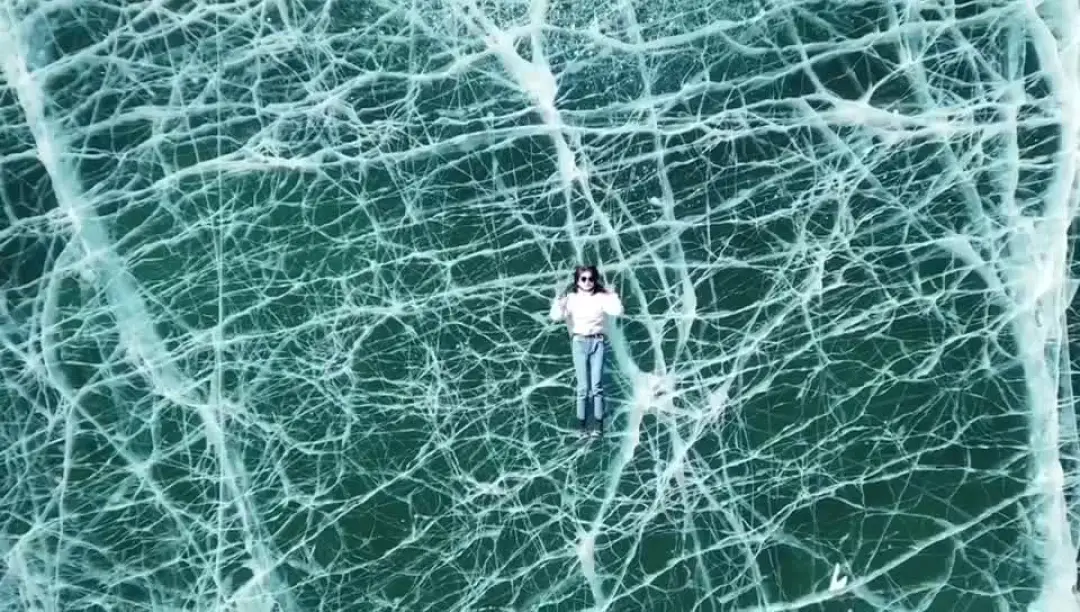
But Puma Yumco's magic lies in its blue ice and the intricate patterns of its ice cracks. Located on the northern slope of the main Himalayan ridge, Puma Yumco is the highest large freshwater lake in the world. Its water comes from the sacred Khula Kangri mountain range to the south, and it drains eastward into Yamdrok Lake.
Standing on the Ice: Listening to the Holy Lake's Roar
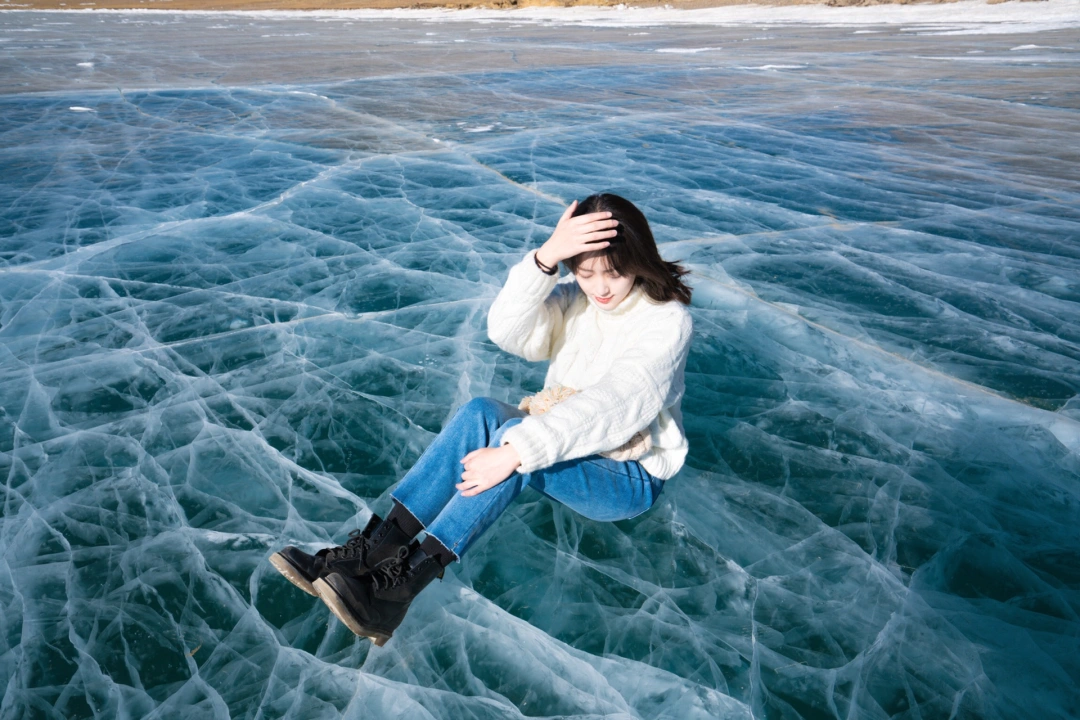
Standing on the thick ice, you could hear the holy lake's rumbling echoes and the crisp, sharp sounds of ice cracking. Even though the ice was thick, a flicker of fear lingered. Peering down through the ice, the water below was a deep emerald green, and the frozen bubbles trapped within told the story of the lake's vibrant life.
Best time to visit: December to February. Go in the morning when the wind is light, sunlight is perfect, and there are few tourists. Afternoon winds bring stronger gusts and tour groups.
What to wear: Focus on outfits that photograph well—bright colors against the blue ice create stunning contrasts. Layers are essential for the temperature swings.
[Link: Photography tips for Tibet's frozen lakes]
FAQ: Winter Self-Drive in Tibet
1. Is it safe to drive in Tibet during winter?
 Yes, but you need a 4WD vehicle and experience driving on icy roads. Stick to main highways and check weather forecasts daily. Avoid driving after dark.
2. What is the budget for a 6-day winter self-drive in Tibet?
 Around 2,000 RMB per person, including bargain airfare, budget accommodation (120-350 RMB per night), rental car, fuel, and food. Luxury options will cost more.
3. Do I need special permits for Tibet winter travel?
 Yes. All foreign travelers need a Tibet Travel Permit. Additionally, areas like Puma Yumco may require a Alien's Travel Permit. Arrange these through a registered tour operator at least 2 weeks in advance.
4. What should I pack for a Tibet winter road trip?
 - Warm layers (thermal underwear, fleece, down jacket) - Windproof outer layer - Sunscreen and sunglasses (UV is intense at high altitude) - Portable oxygen canisters - Cash (many places don't accept cards) - Charged power banks (cold drains batteries)
5. Can I see frozen lakes in Tibet without altitude sickness?
Altitude sickness is possible above 3,500 meters. Acclimatize in Lhasa (3,650m) for 1-2 days before heading higher. Stay hydrated, avoid alcohol, and ascend gradually.
Conclusion: Your "Frozen Planet" Awaits
Winter in Tibet is not for everyone—but for those who dare, it offers an experience that summer crowds can never touch. The frozen lakes, the empty roads, the profound silence of the plateau—this is the real Tibet, stripped of tourist gloss and revealed in its raw, crystalline beauty.
Ready to plan your Tibet winter self-drive? Start by booking your flights and securing your permits. Then follow our clockwise route, pack smart, and prepare for the adventure of a lifetime.
Your "Frozen Planet" is calling. Will you answer?
[Link: Book your Tibet travel permits] [Link: Rent a 4WD vehicle in Lhasa] [Link: Top 10 winter destinations in Tibet]
Note: This article is based on a real winter self-drive journey in January 2018. Prices and conditions may vary. Always check current travel advisories and permit requirements before planning your trip.
You may also like